The Real Story Behind Canary Islands
Most people think the Canary Islands got their name from those bright yellow birds that chirp in cages around the world. That seems like a pretty reasonable guess, right? But the truth behind these Spanish islands off the coast of Africa is much more surprising and a lot more complicated than anyone might expect.
The name comes from dogs, not birds

The name’s most widely accepted origin is the Latin name Canariae Insulae, which translates to “Islands of the Dogs.” According to the legend, “vast multitudes of dogs of very large size” were discovered in the Canary Islands by an expedition led by the Mauretanian king Juba II, a staunch Roman ally.
The canaries are named after the islands, not the other way around. When the Romans first arrived on the main island, they discovered so many large dogs wandering around that they gave it the name Gran Canaria.
The islands gave their name to those small yellow birds that people keep as pets, not the other way around.
Ancient North African people got there first

Long before any Europeans showed up, the Canary Islands were home to people called the Guanches and other related groups. Evidence suggests they were related to the Berbers of North Africa and started to arrive on the islands thousands of years ago.
Both populations are thought to have been of Cro-Magnon origin and somehow made it across the ocean from the African mainland. These weren’t just wandering tribes; they had developed their own languages, customs, and ways of life that were perfectly suited to island living.
Like Go2Tutors’s content? Follow us on MSN.
The original islanders forgot how to sail
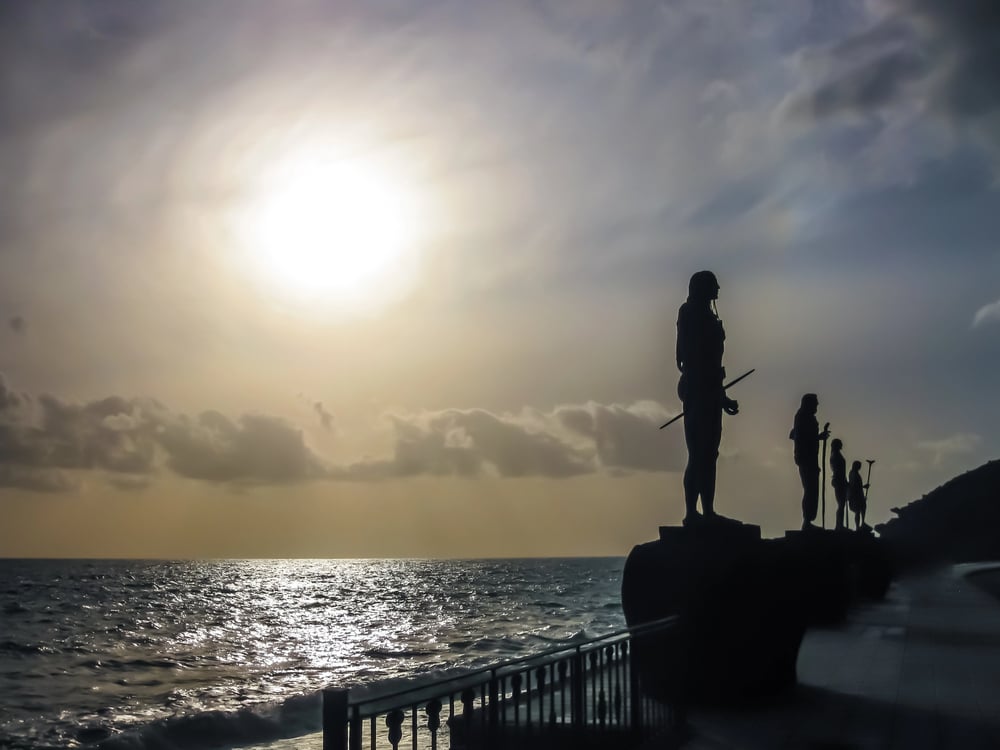
Here’s one of the strangest parts of the whole story. The ancestors of the Guanches arrived by sea, colonized the islands… and then “forgot” how to sail! By the time Europeans arrived, the people living on the islands had no boats and no knowledge of how to travel between islands or back to Africa.
They had somehow lost the ability that brought their ancestors to the islands in the first place. Each island developed its own separate culture because the people couldn’t visit each other anymore.
Spanish conquest took nearly a hundred years

The conquest of the Canary Islands began in 1402. in Lanzarote and ended 94 years later, in 1496, in Tenerife when the Spanish finally defeated the last resistance.The conquest of the seven islands spanned almost a century (1402-1496) and was met with fierce resistance in at least four of the seven islands.
This wasn’t some quick military victory where the Spanish showed up and everyone surrendered. The Guanches and other island peoples fought back hard and made the conquistadors work for every piece of land they took.
The Guanches were incredibly brave fighters

They were known for their bravery, intelligence, and friendly nature, with a love for singing, dancing, gambling, and contests. But when it came to defending their homes, the Guanches became fierce warriors who used their knowledge of the local terrain to their advantage.
They knew every cave, cliff, and mountain path on their islands, which made them extremely difficult enemies for the Spanish soldiers to defeat. The Spanish had horses, guns, and steel weapons, but the Guanches had home field advantage and determination.
Like Go2Tutors’s content? Follow us on MSN.
Diseases killed more people than battles

As in the Americas, warriors on horseback and diseases were the most effective European methods of conquest. Many natives were outright killed by the Spanish or died of exposure to new pathogens during the social disruption.
The Guanches had been isolated on their islands for so long that they had no immunity to European diseases like smallpox and measles. Whole communities got sick and died even when they weren’t fighting any battles. This biological warfare was often more deadly than actual warfare.
The culture completely disappeared
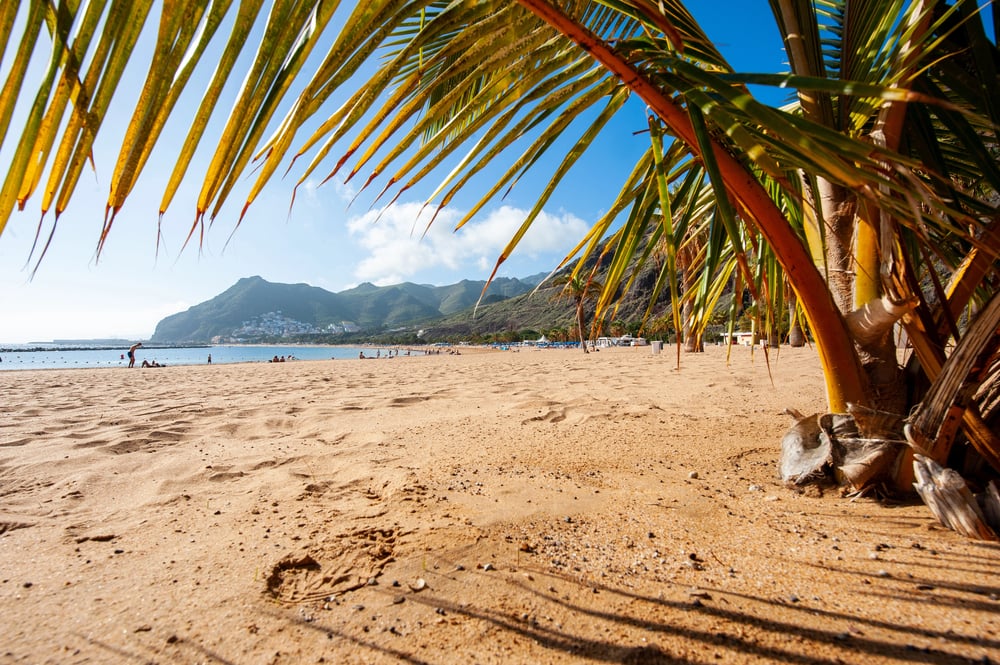
Eventually, any remaining survivors were assimilated into the new Spanish colonial system. The Guanches were largely wiped out by 1600, so they can’t testify for themselves about what really happened during the conquest.
The Spanish didn’t just take over the islands; they erased almost everything about Guanche culture. Their languages died out, their religious practices were banned, and their traditional ways of life were replaced with Spanish customs and Catholic Christianity.
Some islands fell quickly, others fought for decades
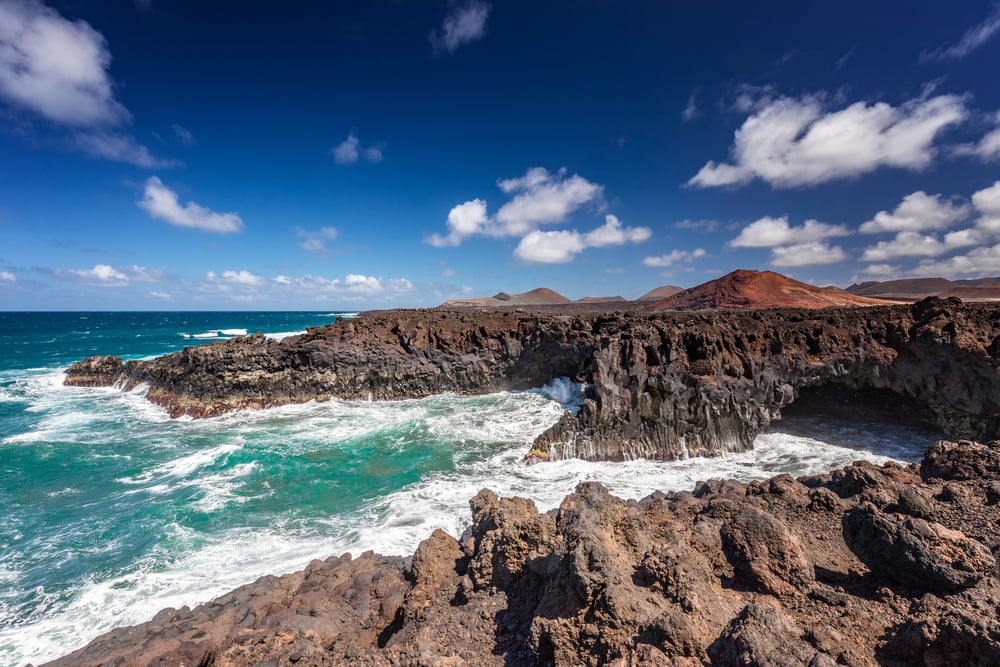
While most islands fell quickly, Tenerife and Gran Canaria put up much stronger resistance that lasted for years. The Guanches of the three islands, but particularly those of Gran Canaria and Tenerife, offered a clear and prolonged resistance to the conquest.
The smaller islands like Lanzarote and Fuerteventura were conquered fairly easily, but the larger islands had more people, better defensive positions, and stronger military organizations that could fight back against the Spanish invaders.
Like Go2Tutors’s content? Follow us on MSN.
The islands became a testing ground for colonization

The Canary Islands: First Stop of Imperialism shows how Spain used these islands to figure out methods they would later use in the Americas. The techniques that worked against the Guanches – using horses, spreading diseases, dividing local groups against each other, and completely replacing indigenous culture – became the standard playbook for Spanish conquest everywhere else.
The Canary Islands were like a rehearsal for the much larger colonization projects that followed.
European settlers from many countries moved in

The 16th century, the century of the colonization of the Canaries, is the time of the Great Spanish World Empire. Flemish, Germans, Italians and Portuguese changed countries, but not of sovereign, when they established themselves in Tenerife.
The Spanish Crown encouraged people from all over Europe to move to the islands and start new lives there. These weren’t just Spanish colonists; they were Europeans from many different countries who all became Spanish subjects when they settled in the Canaries.
The islands developed their own mixed culture
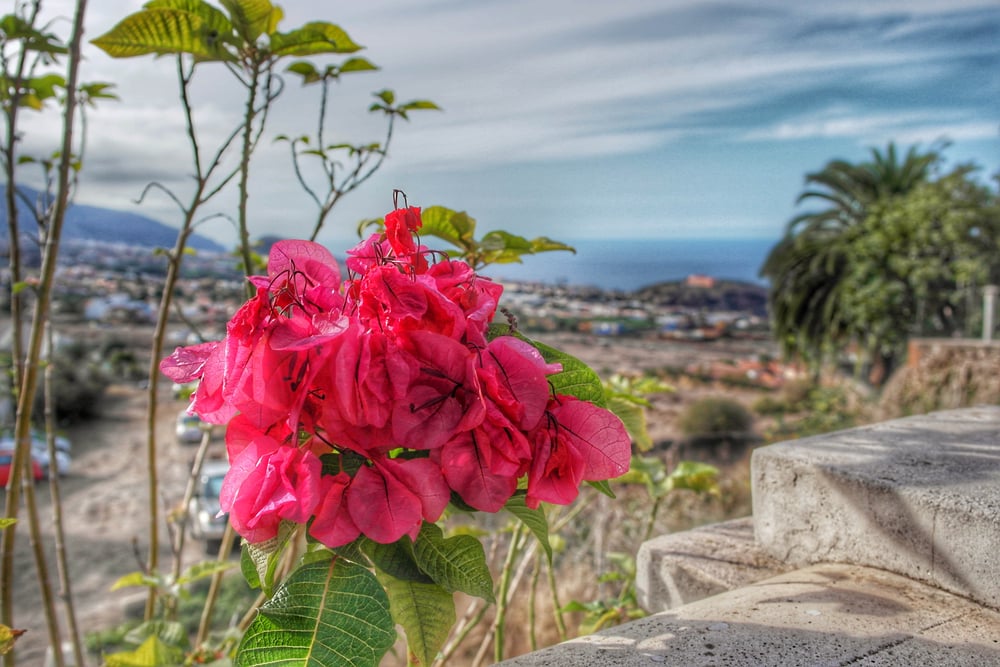
Over time, the European settlers, the few surviving Guanches, and people brought from Africa as workers or enslaved people all mixed together to create a new Canarian culture. This wasn’t purely Spanish culture; it was something completely new that combined elements from Europe, Africa, and the original island traditions.
The food, music, language, and customs that developed were unique to these islands and different from both Spain and Africa.
Like Go2Tutors’s content? Follow us on MSN.
Sugar plantations changed everything economically

The Spanish turned the Canary Islands into major sugar producers using techniques they had learned from other Atlantic islands. They brought in workers from Africa and created plantation systems that completely changed how the islands looked and how people lived there.
The focus shifted from the traditional farming and herding that the Guanches had done to large-scale commercial agriculture designed to make money for European markets.
Strategic location made them incredibly valuable
The Canary Islands sit right on the shipping routes between Europe and Africa, and later between Europe and the Americas. Ships would stop there to get fresh water, food, and supplies before continuing their journeys.
This location made the islands incredibly important for trade and military purposes. Controlling these islands meant controlling access to the African coast and the route to the New World.
From conquest to vacation paradise

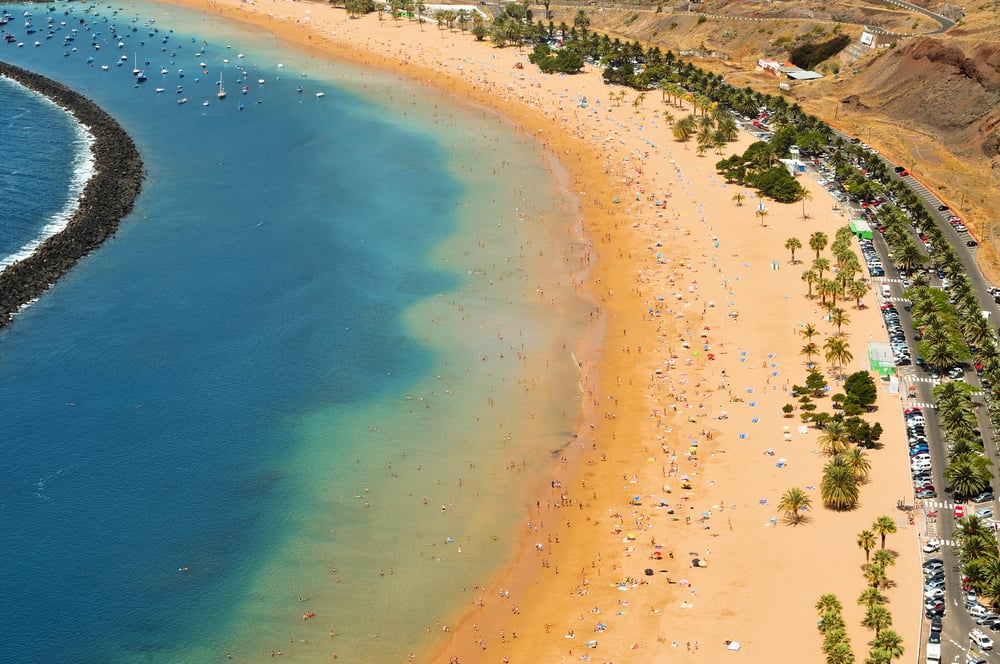
Millions of Europeans travel to the Canary Islands every year for their sunny getaways and stunning beaches, making them well-known tourist destinations across the globe. Few tourists are aware that the islands they are visiting have such a tragic and complicated history of colonial transformation, cultural destruction, and conquest.
On land that was once inhabited by the Guanches and saw almost a century of conflict, the resort hotels and tourist destinations are located. What started out as a cruel test site for European imperialism has evolved into a representation of peaceful international travel, demonstrating how economic growth and time can drastically alter historical memory.
More from Go2Tutors!

- 16 Historical Figures Who Were Nothing Like You Think
- 12 Things Sold in the 80s That Are Now Illegal
- 15 VHS Tapes That Could Be Worth Thousands
- 17 Historical “What Ifs” That Would Have Changed Everything
- 18 TV Shows That Vanished Without a Finale
Like Go2Tutors’s content? Follow us on MSN.



