28 Old Wives’ Tales That Turned Out to Have a Genuine Scientific Basis
Folk medicine has a reputation problem. For every piece of genuine wisdom passed down through generations, there’s a myth about onions curing infections or putting butter on burns.
But somewhere between credulous tradition and reflexive skepticism, there are remedies and observations that were accurate — in some cases, for thousands of years — before science developed the tools to explain why. The people who first recommended ginger for nausea didn’t know about gingerols. Those who used willow bark for pain had no concept of salicylates. They simply noticed that something worked and told the next person.
This list is not an argument for abandoning medicine in favor of folk wisdom. Most old wives’ tales are false or incomplete, and the ones listed here have survived scrutiny only in specific, bounded ways — they’re not cures, they’re not universal, and some of them work less well than their modern equivalents.
But they work. And the story of how science eventually caught up with what grandmothers already knew is worth telling.
Willow Bark for Pain Became Aspirin
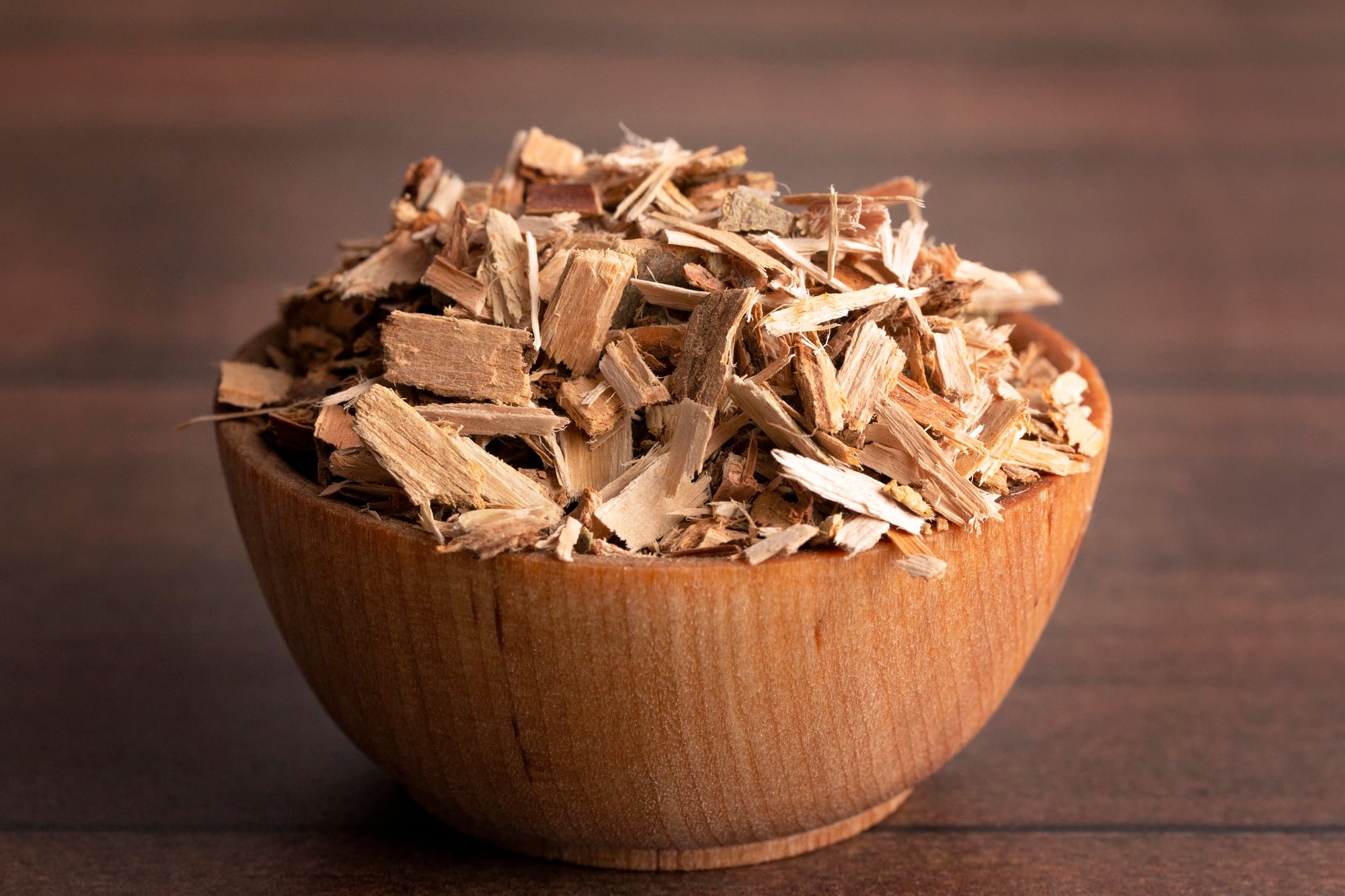
For thousands of years, people across Europe, Asia, and the Americas chewed willow bark or brewed it into tea to relieve fevers and pain. The active compound — salicin — was isolated by scientists in the 19th century, and chemists later developed a synthetic derivative called acetylsalicylic acid.
Aspirin, one of the most widely used medications in human history, was the result. The folk remedy predated the pharmaceutical by several millennia.
Willow Bark on Wounds Has Real Antibacterial Properties
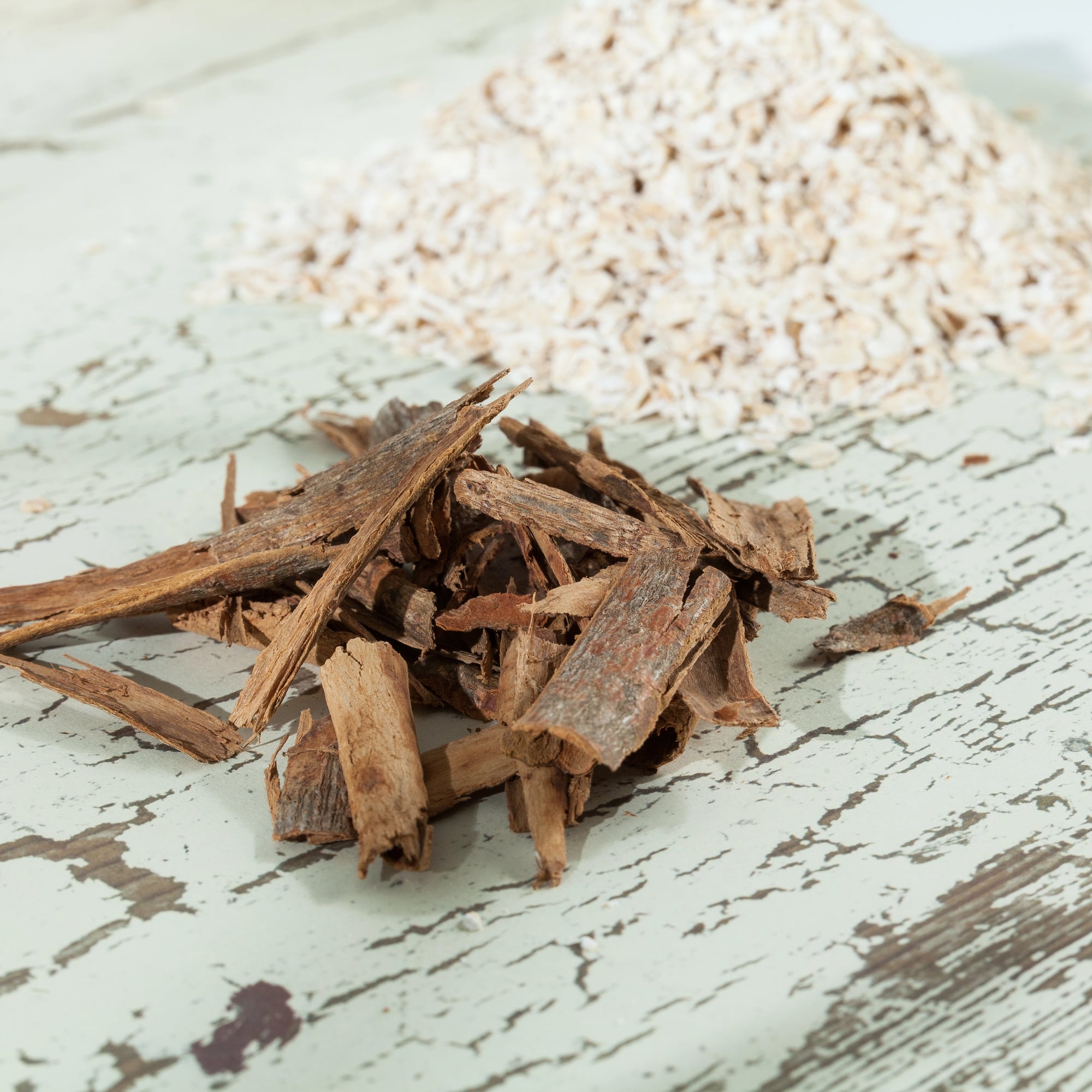
Ancient Egyptian medical texts describe honey as a wound treatment. Modern research confirms why: honey has low water content, acidic pH, and produces small amounts of hydrogen peroxide — all of which inhibit bacterial growth.
Medical-grade Manuka honey is now used in clinical wound care, including for some antibiotic-resistant infections.
Ginger Works for Nausea
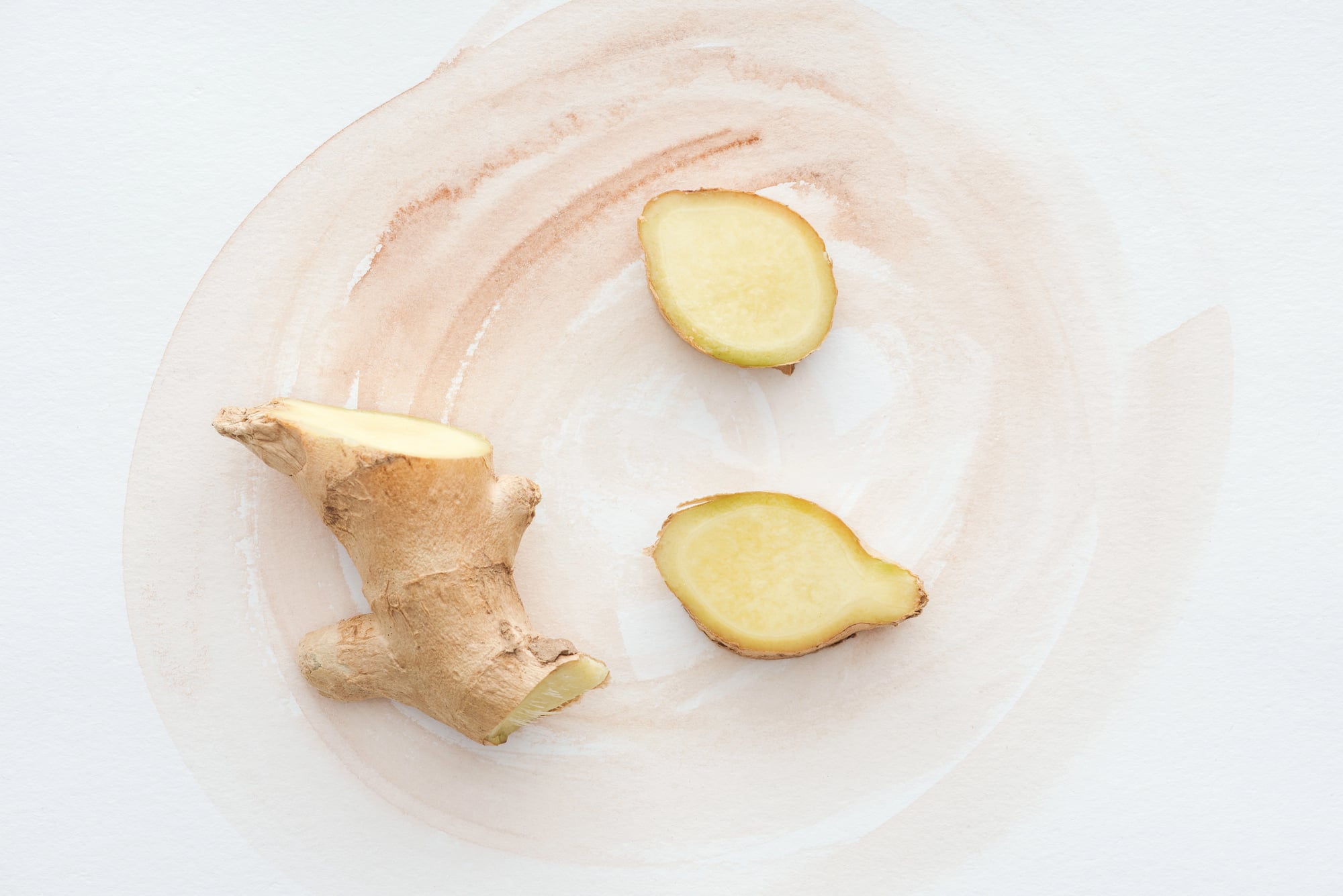
The active compounds in ginger — gingerols and shogaols — have been found in clinical trials to reduce pregnancy-induced nausea and vomiting, motion sickness, and chemotherapy-related nausea. The mechanism involves effects on gut motility and serotonin receptors.
Garlic Has Genuine Antimicrobial Properties
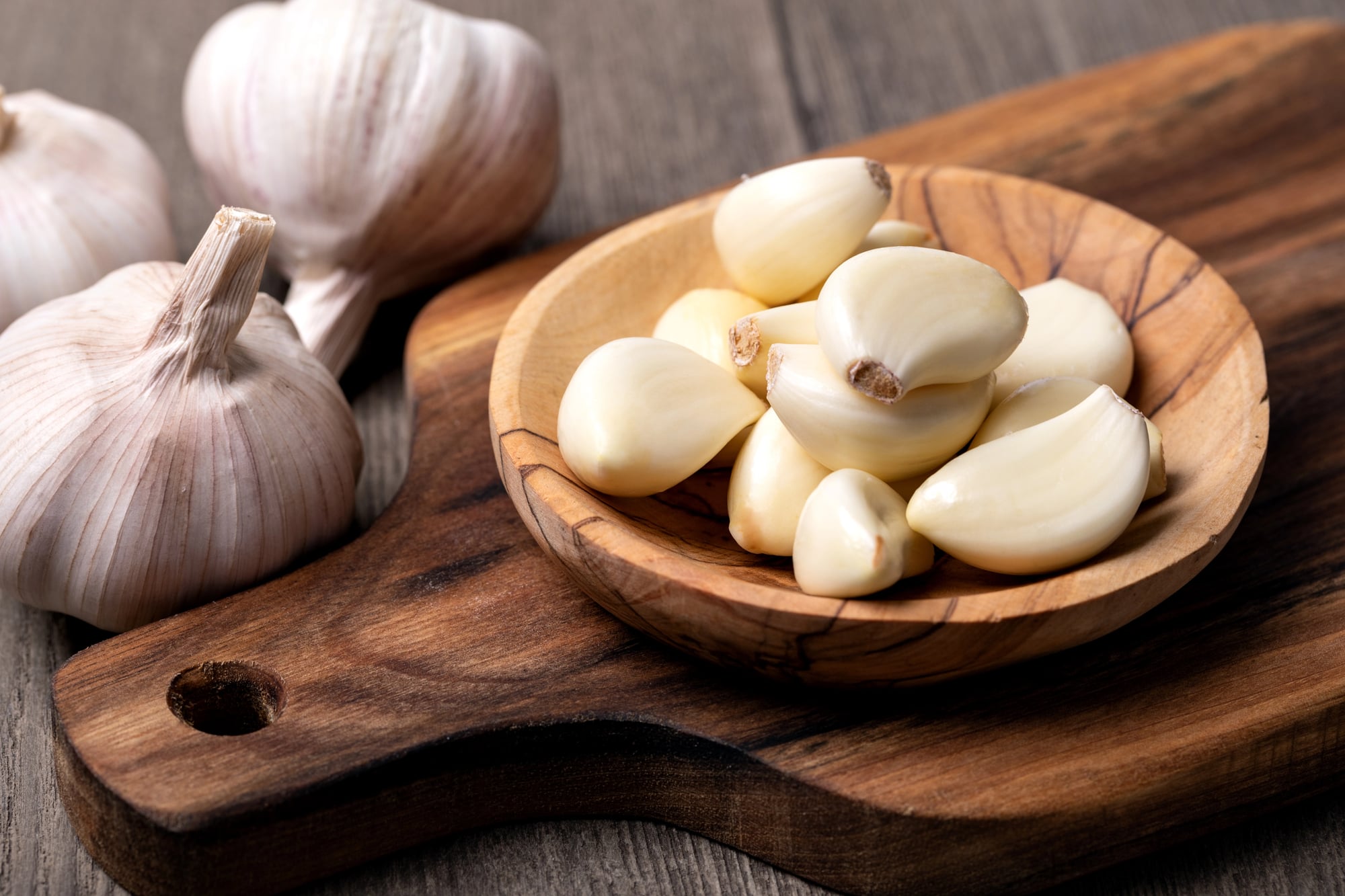
The compound allicin, produced when garlic is crushed or chopped, has confirmed antibacterial, antiviral, and antifungal activity. Studies have found garlic supplementation associated with modest reductions in blood pressure and LDL cholesterol.
The broad folk belief that garlic fights illness has a real biological basis.
Chicken Soup Has Mild Anti-Inflammatory Properties

A 2000 study published in the journal Chest found that a traditional homemade chicken soup demonstrated mild anti-inflammatory properties in laboratory testing. The steam alone reduces nasal congestion.
Chicken soup doesn’t cure a cold, but it does something.
Fish Is Brain Food
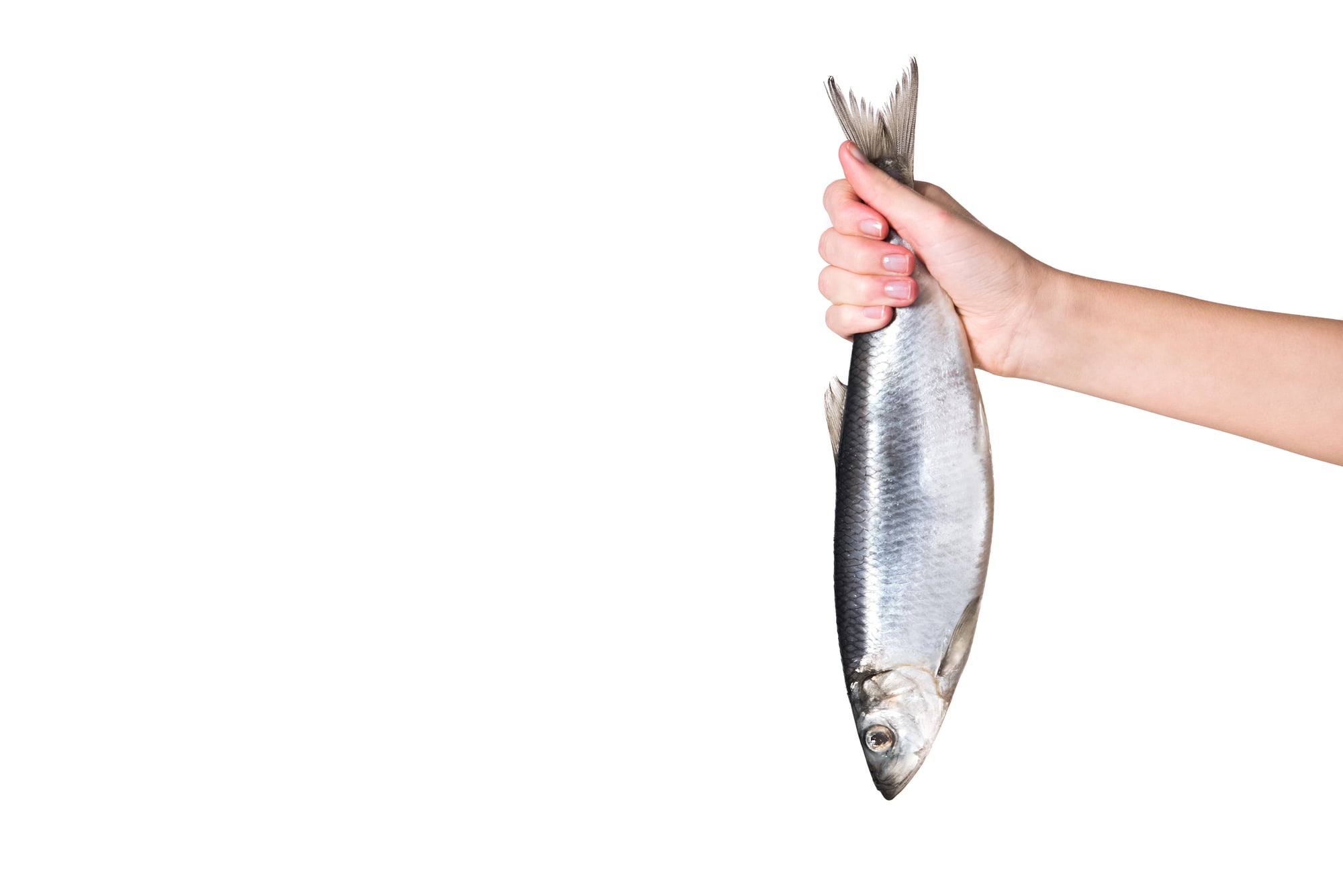
Fatty fish are among the richest dietary sources of DHA and EPA, the omega-3 forms most important for brain structure and function. Research has linked regular fish consumption with lower rates of cognitive decline, better memory performance, and reduced risk of dementia.
Turmeric Reduces Inflammation
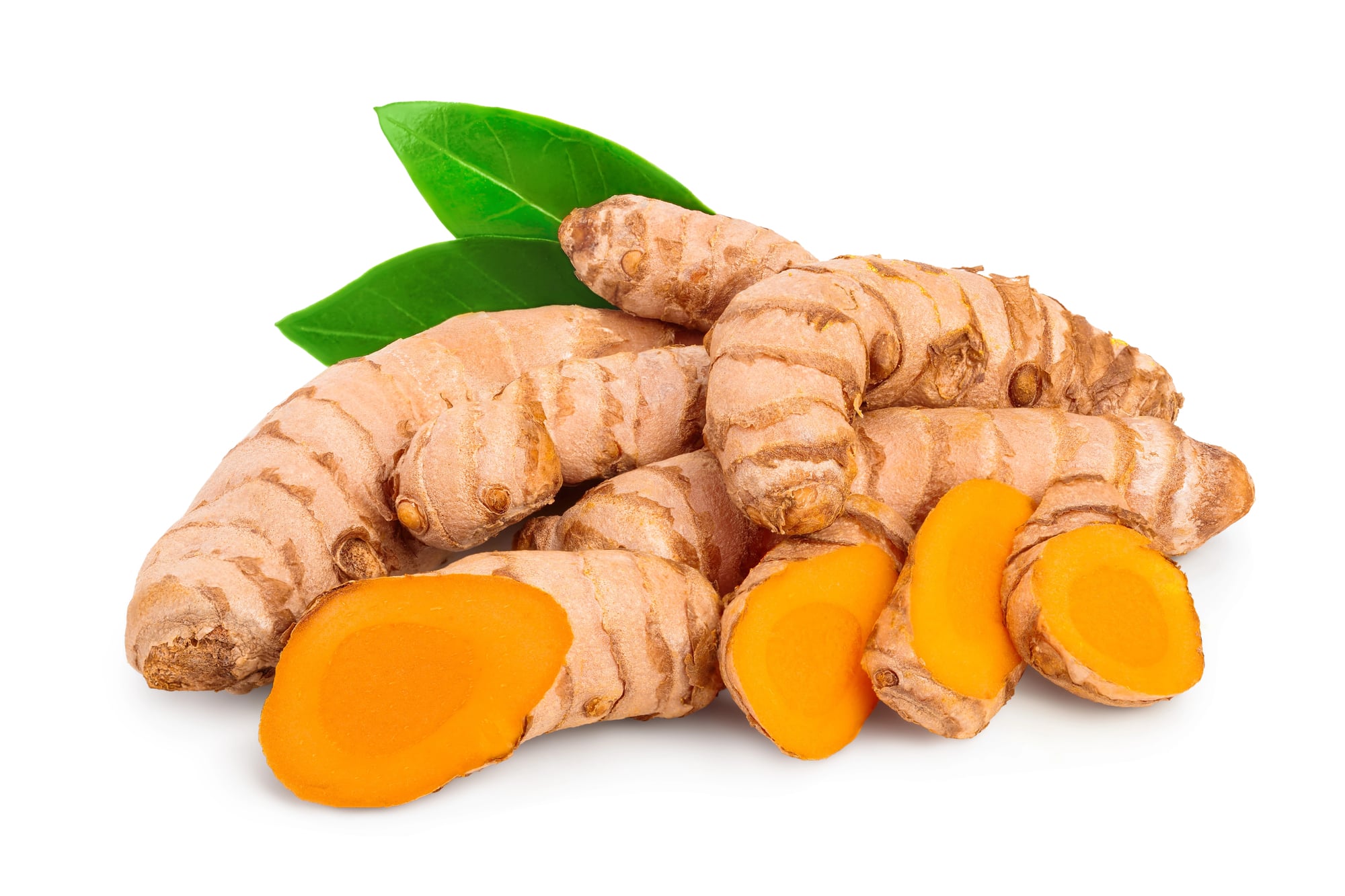
The active compound curcumin has been found to have anti-inflammatory and antioxidant effects in multiple clinical contexts. Research on osteoarthritis in particular has shown reductions in joint pain with curcumin supplementation comparable to some non-steroidal anti-inflammatory drugs.
Dark Chocolate Is Good for the Heart

Dark chocolate contains flavanols that support cardiovascular health. Studies have found associations with reduced blood pressure, improved blood vessel function, and reduced LDL oxidation.
The effect is modest and applies to high-cocoa varieties.
Red Wine and the “French Paradox”

French and Mediterranean populations showed lower-than-expected rates of cardiovascular disease despite high-fat diets. The compound resveratrol, found in red grape skins, has demonstrated cardiovascular-protective effects in laboratory studies.
The observation that moderate red wine consumption correlates with certain health benefits has not been dismissed, though cardiologists remain cautious.
Warm Milk Before Bed Aids Sleep
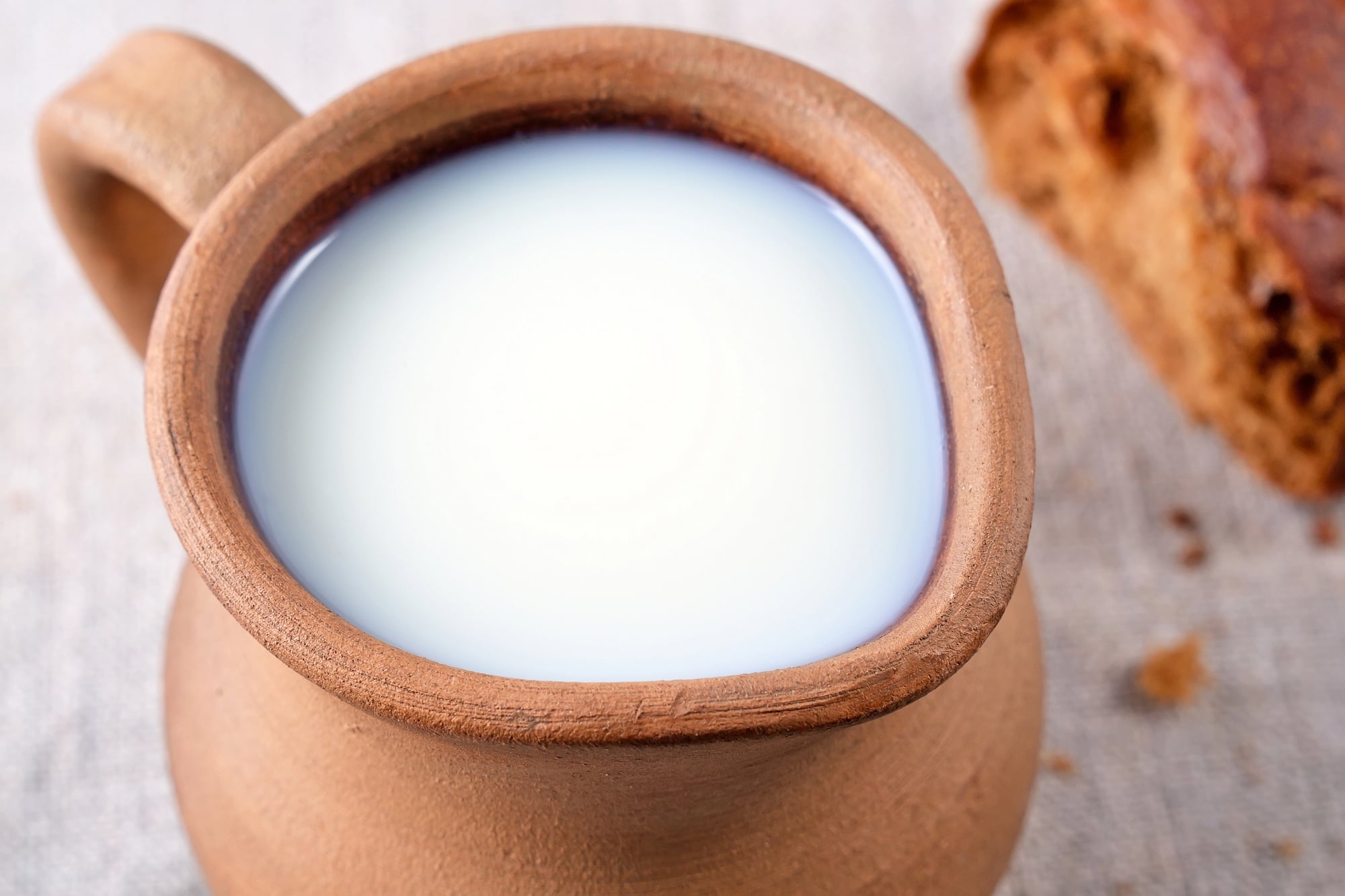
Milk contains tryptophan, an amino acid that is a precursor to serotonin and melatonin — both involved in sleep regulation. The biological mechanism is real, and the folk advice is at least pointing at something.
Cinnamon May Help Regulate Blood Sugar

Modern research has found that cinnamon contains compounds that may improve insulin sensitivity and lower fasting blood glucose levels, particularly in people with type 2 diabetes or insulin resistance. Several clinical trials have produced positive results.
Laughter Reduces Stress Hormones

Research has confirmed specific mechanisms: laughter reduces cortisol and epinephrine, triggers endorphin release, and produces transient improvements in immune markers. Hospitals have piloted formal laughter therapy programs for patients managing chronic pain and stress-related illness.
Oatmeal Soothes Irritated Skin
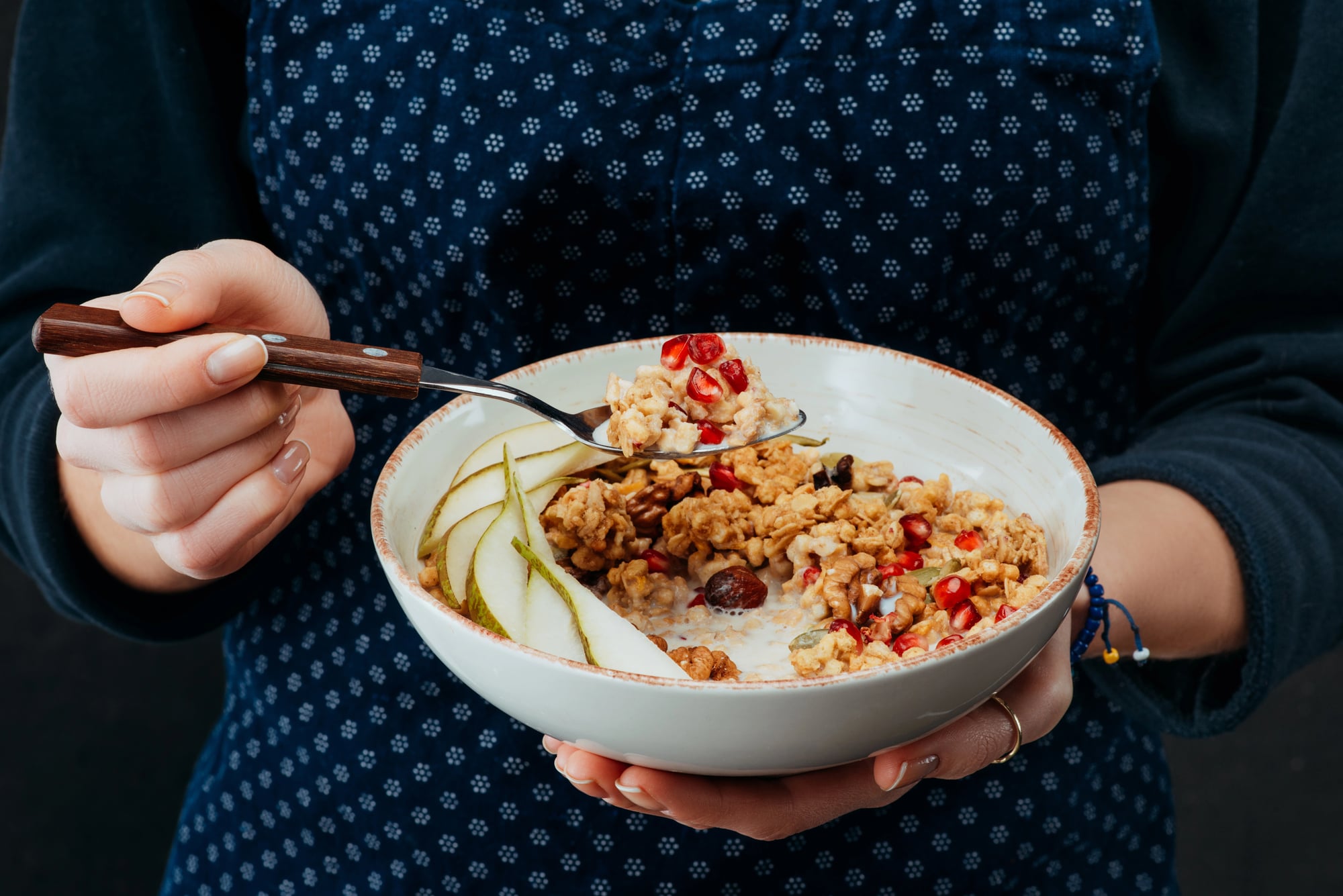
The U.S. Food and Drug Administration formally recognized colloidal oatmeal as a skin protectant in 2003. Research has confirmed that oats contain avenanthramides, compounds with anti-inflammatory and antihistamine activity.
Colloidal oatmeal is now a standard ingredient in dermatological products for eczema, psoriasis, and contact dermatitis.
Aloe Vera Treats Burns

Clinical research has confirmed that aloe vera accelerates healing in minor first- and second-degree burns compared to petroleum jelly dressings. Several studies have found reduced healing time and pain levels.
Aloe remains the standard self-treatment recommendation for minor burns in many countries.
Cranberries Help Prevent Urinary Tract Infections
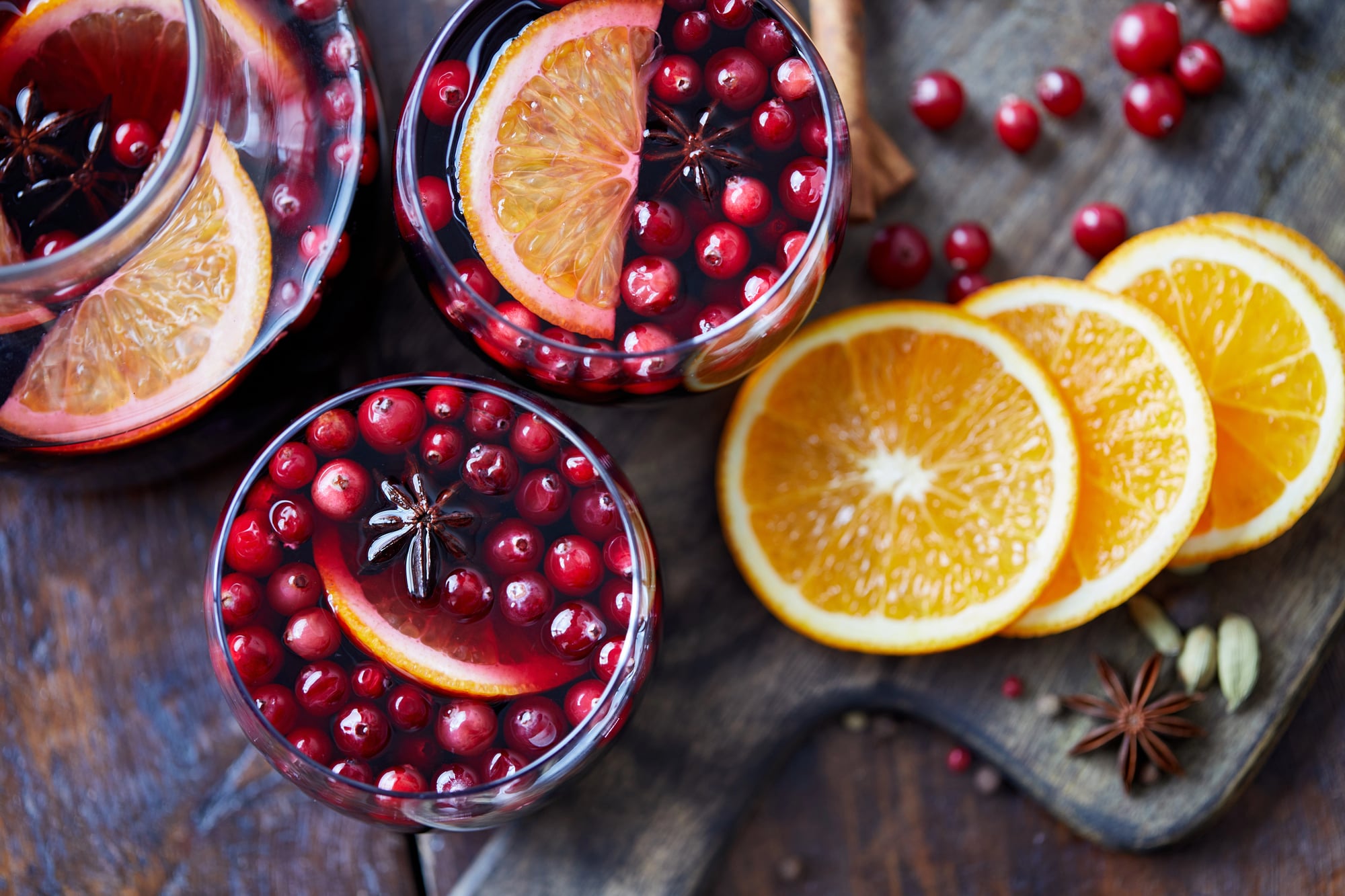
Specific compounds in cranberries called A-type proanthocyanidins appear to prevent E. coli bacteria from adhering to the walls of the urinary tract. Recent meta-analyses have found that cranberry products reduce recurrent urinary tract infections in women with a history of them.
Chamomile Calms Anxiety and Aids Sleep

Double-blind clinical trials have found significant reductions in anxiety scores in participants with generalized anxiety disorder who took standardized chamomile extract compared to placebo. The proposed mechanism involves apigenin, a flavonoid that binds to the same receptors as benzodiazepine drugs.
Peppermint Oil Relieves Tension Headaches
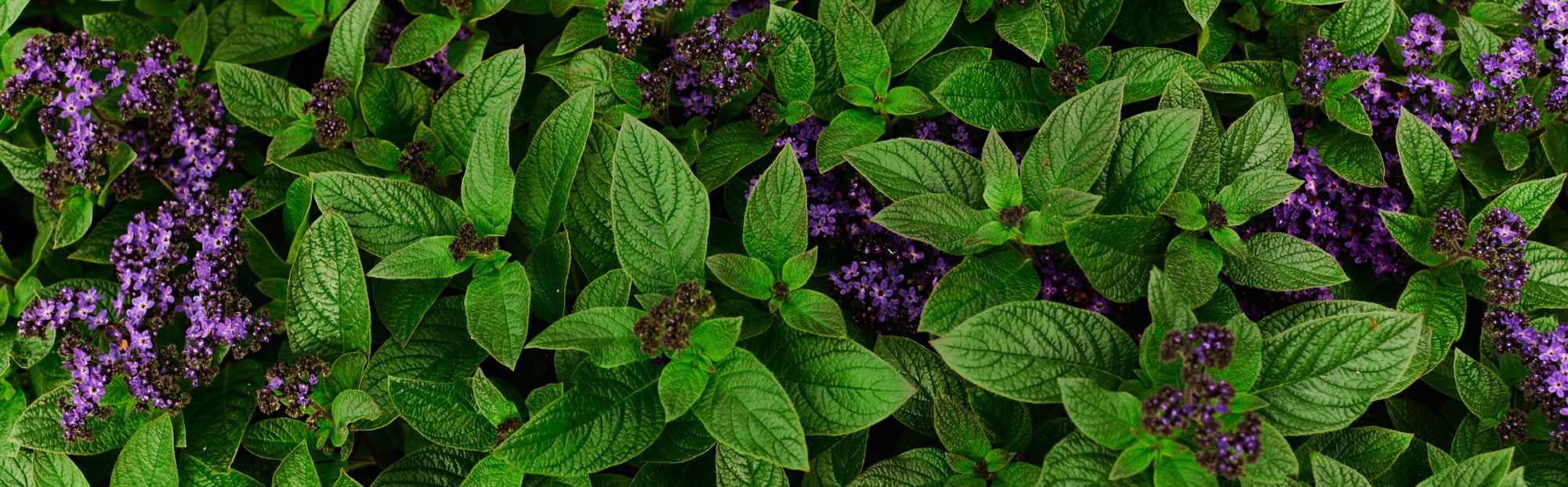
A randomized controlled trial found that a 10% peppermint oil solution applied to the forehead and temples was as effective as acetaminophen in reducing tension headache intensity over 15 minutes. The research has been replicated.
Peppermint oil for tension headaches is a functional topical analgesic.
Prunes Relieve Constipation
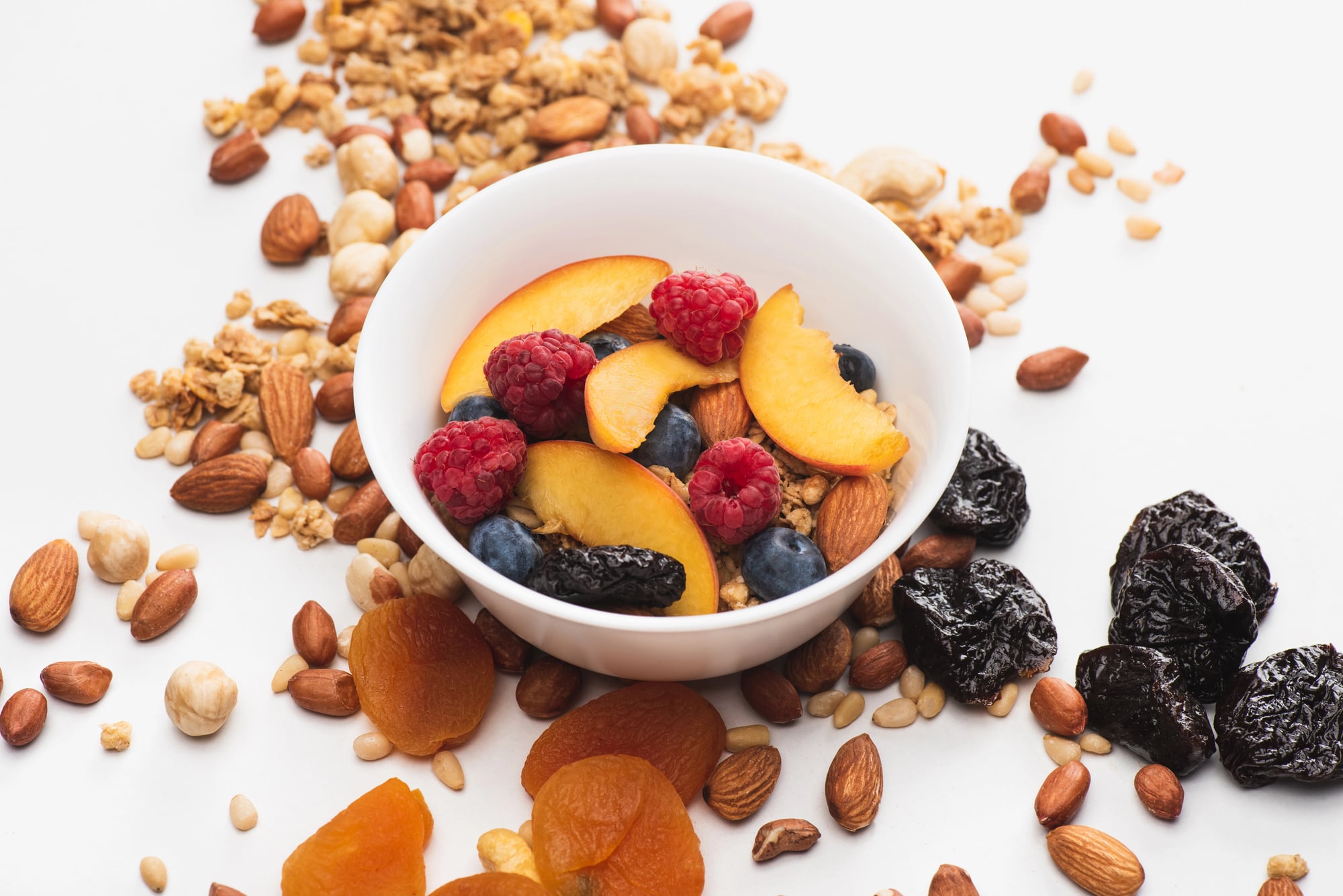
Prunes contain sorbitol (a known laxative), dihydroxyphenyl isatin (which stimulates intestinal contractions), and significant dietary fiber. Clinical studies comparing prune consumption to psyllium supplementation found prunes to be more effective.
The British Dietetic Association recommends prunes as a first-line dietary intervention for constipation.
Lavender Reduces Anxiety
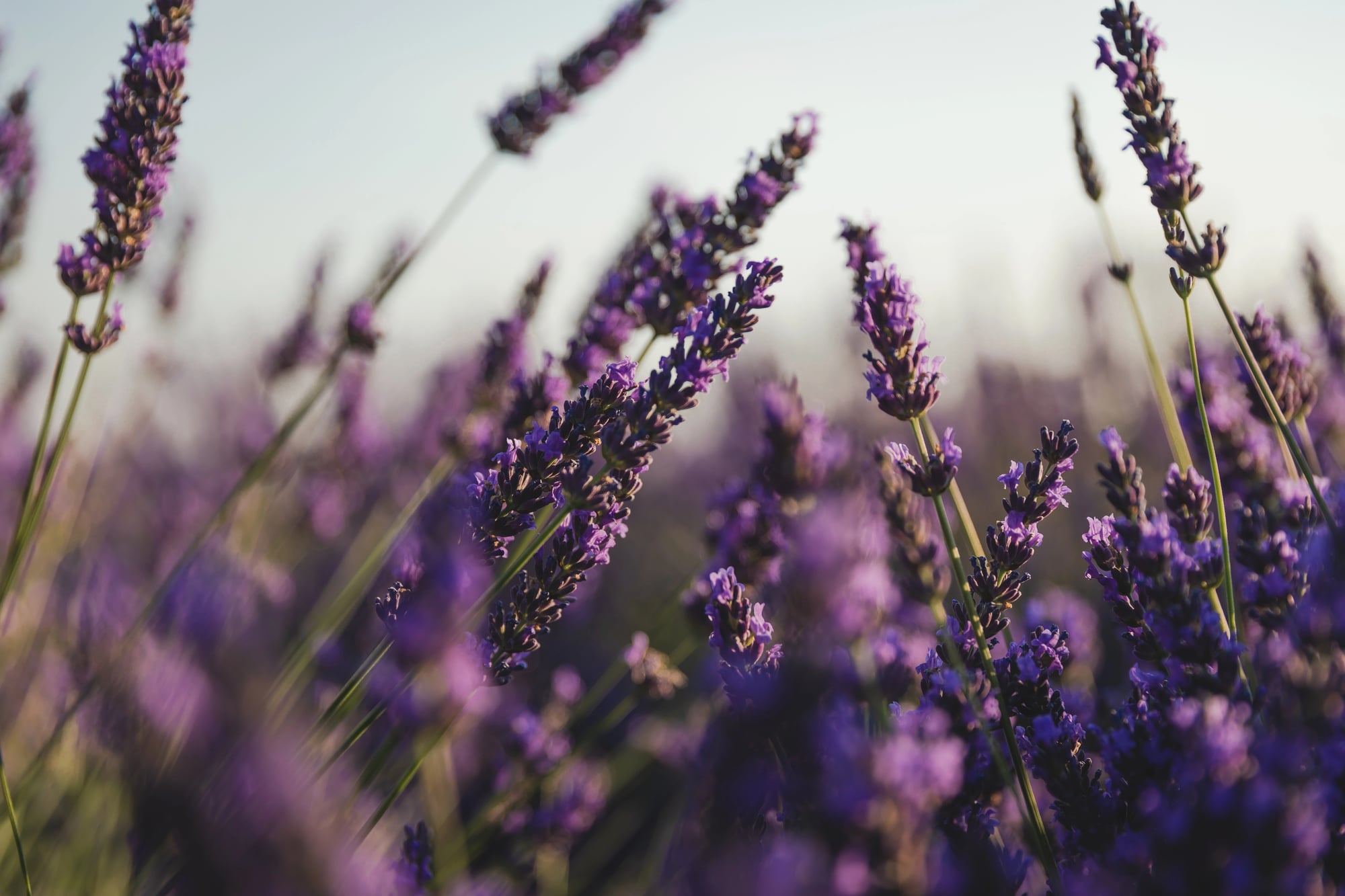
A proprietary oral lavender oil preparation has been tested in multiple randomized controlled trials and found to reduce symptoms of generalized anxiety disorder comparably to low-dose lorazepam. The active compounds include linalool and linalyl acetate, which appear to act on calcium channels in the nervous system.
Apple Cider Vinegar Has Some Metabolic Benefits

Studies have found a specific, modest benefit: consuming vinegar with high-carbohydrate meals reduces post-meal blood sugar spikes, probably by slowing gastric emptying and inhibiting an enzyme involved in carbohydrate digestion. The broader claims are not supported.
Green Tea Compounds Have Measurable Health Effects
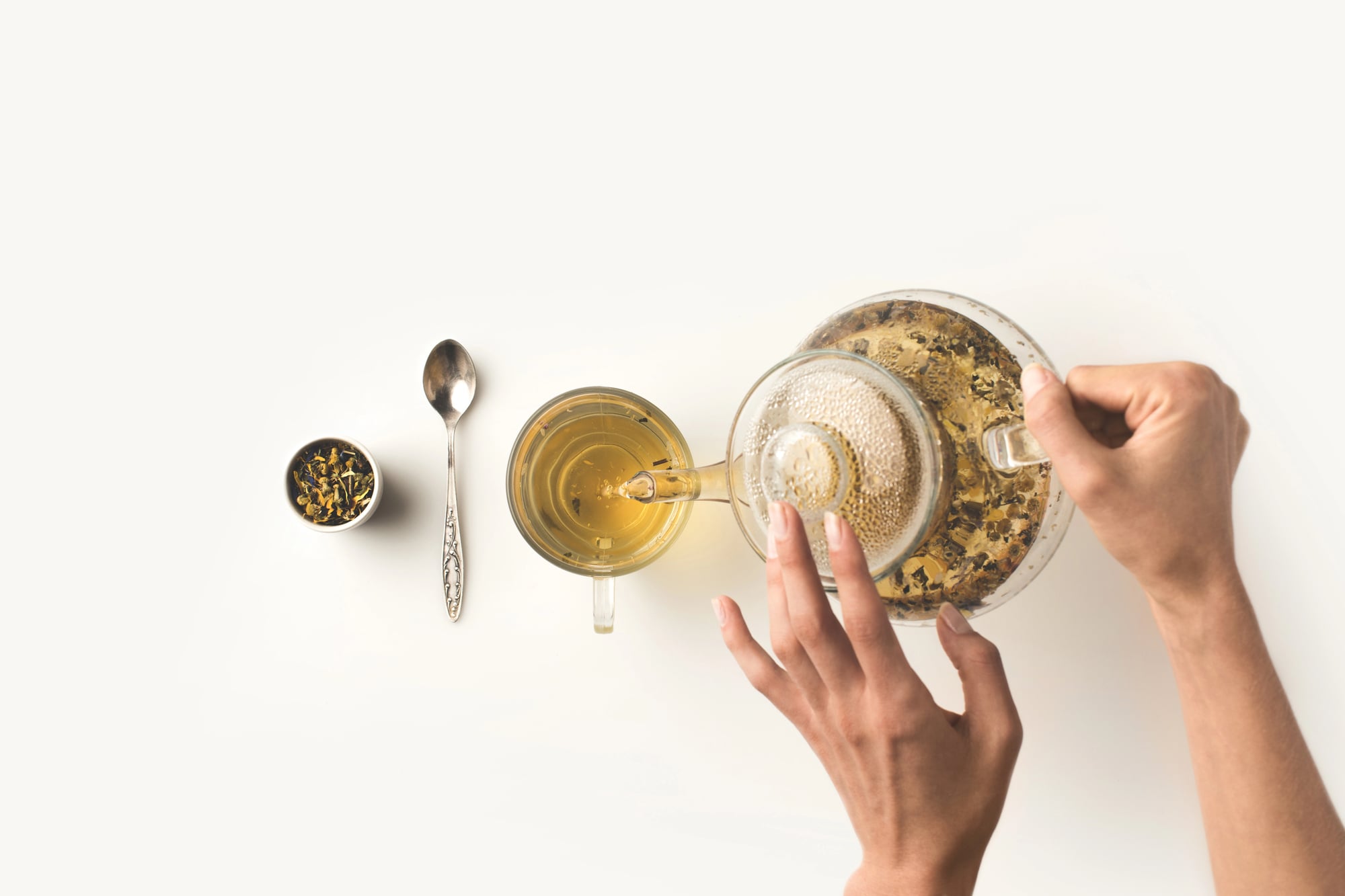
Green tea catechins, particularly EGCG, have antioxidant and anti-inflammatory activity confirmed in laboratory and human studies. Moderate green tea consumption is associated with reduced risk of certain cardiovascular events in large observational studies in Japan.
Elderberry Shortens the Duration of Colds
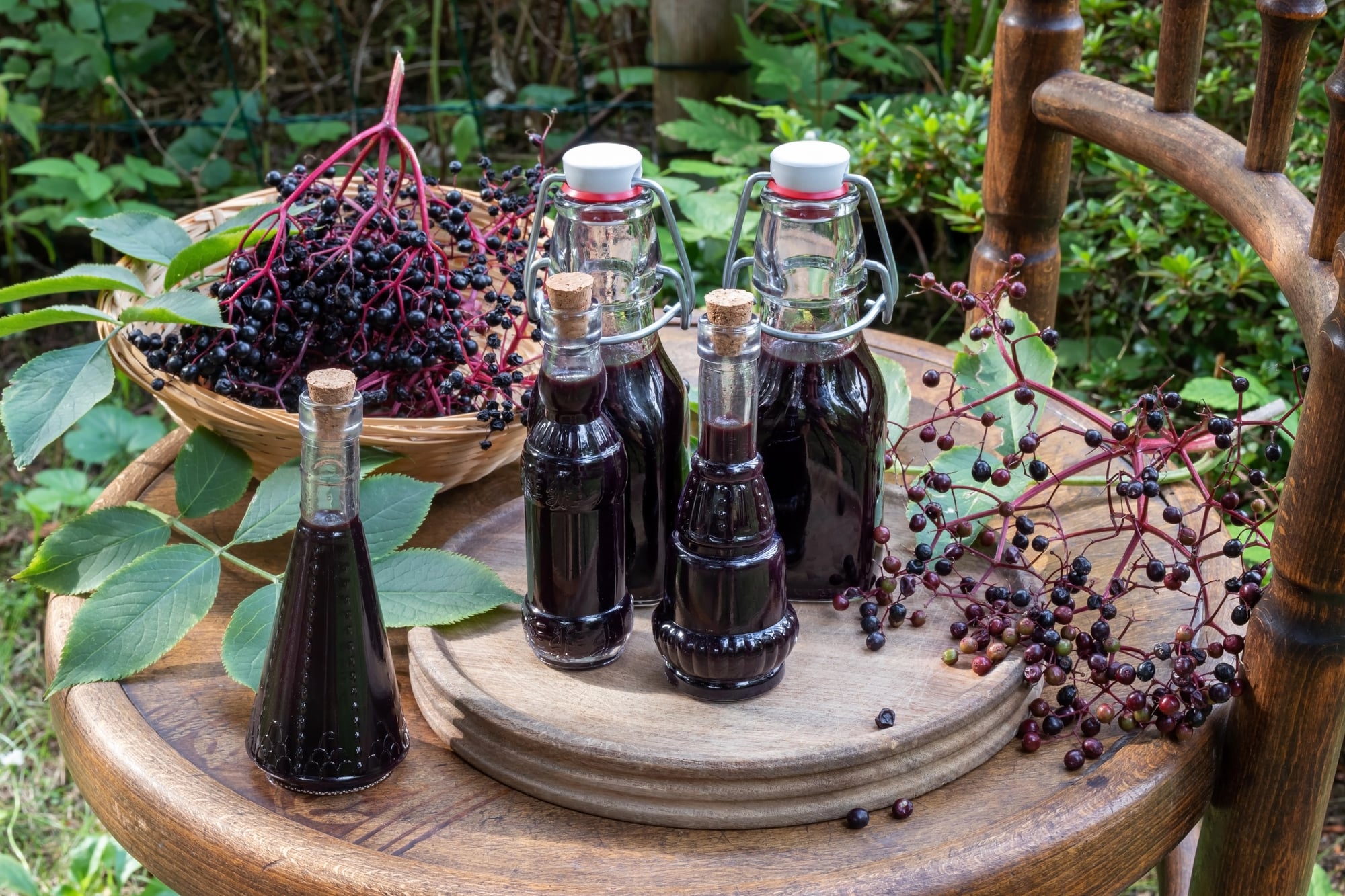
Several randomized controlled trials have found that standardized elderberry extract reduces the duration of influenza and cold symptoms — with one meta-analysis finding an average reduction of about two days. The proposed mechanism involves flavonoids that may interfere with viral entry into cells.
Zinc Lozenges Reduce Cold Duration
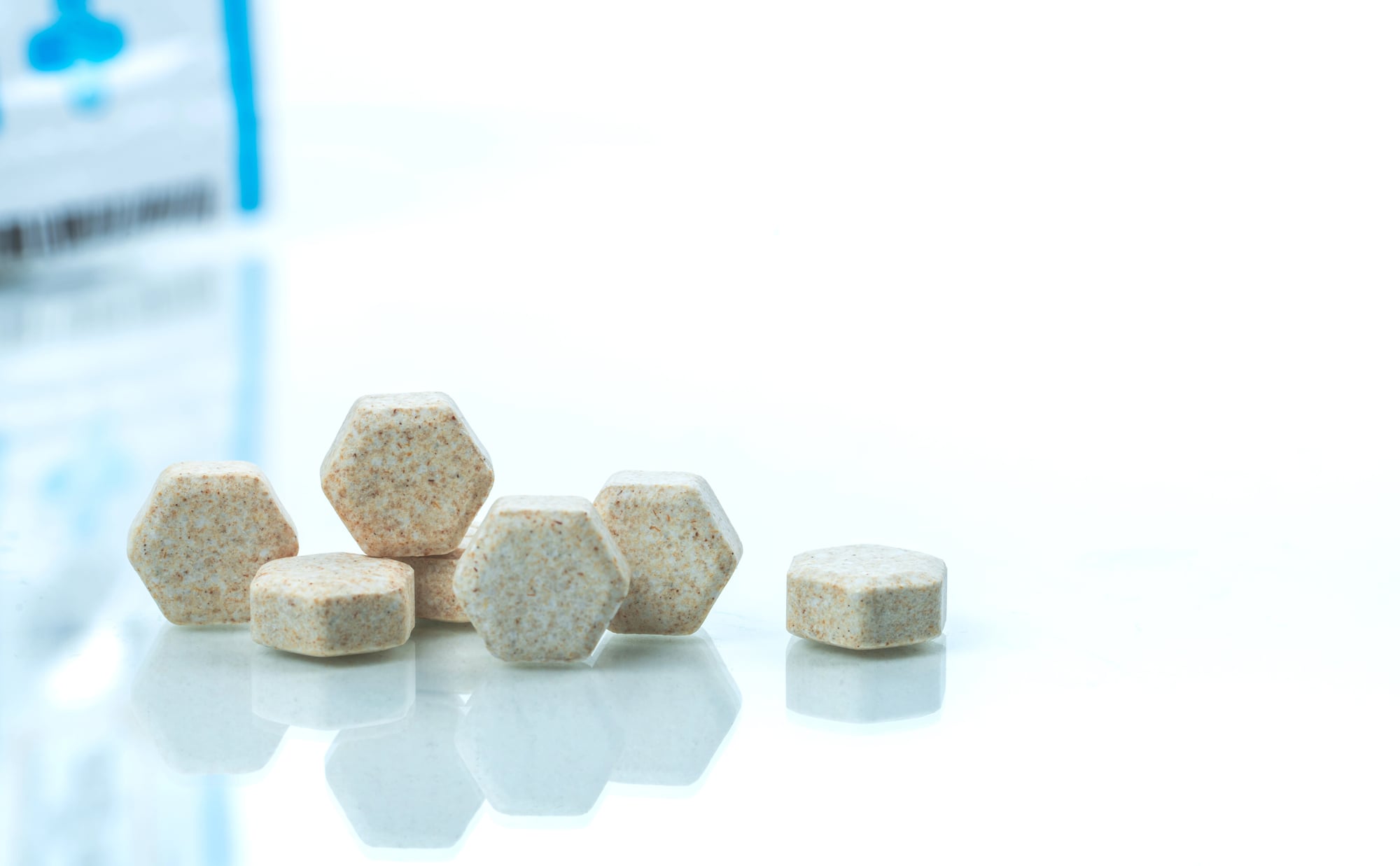
Multiple clinical trials have found that zinc acetate lozenges started within 24 hours of cold symptom onset reduce duration by approximately 33 percent. The mechanism appears to involve zinc interfering with rhinovirus replication in the upper respiratory tract.
Walking After Meals Helps Digestion

Research has confirmed two distinct benefits: a short walk after eating reduces blood glucose levels more effectively than rest, and it accelerates gastric emptying. The blood sugar benefit has been documented in multiple trials and is relevant for people managing insulin resistance or type 2 diabetes.
Bone Broth Contains Compounds Beneficial for Joints
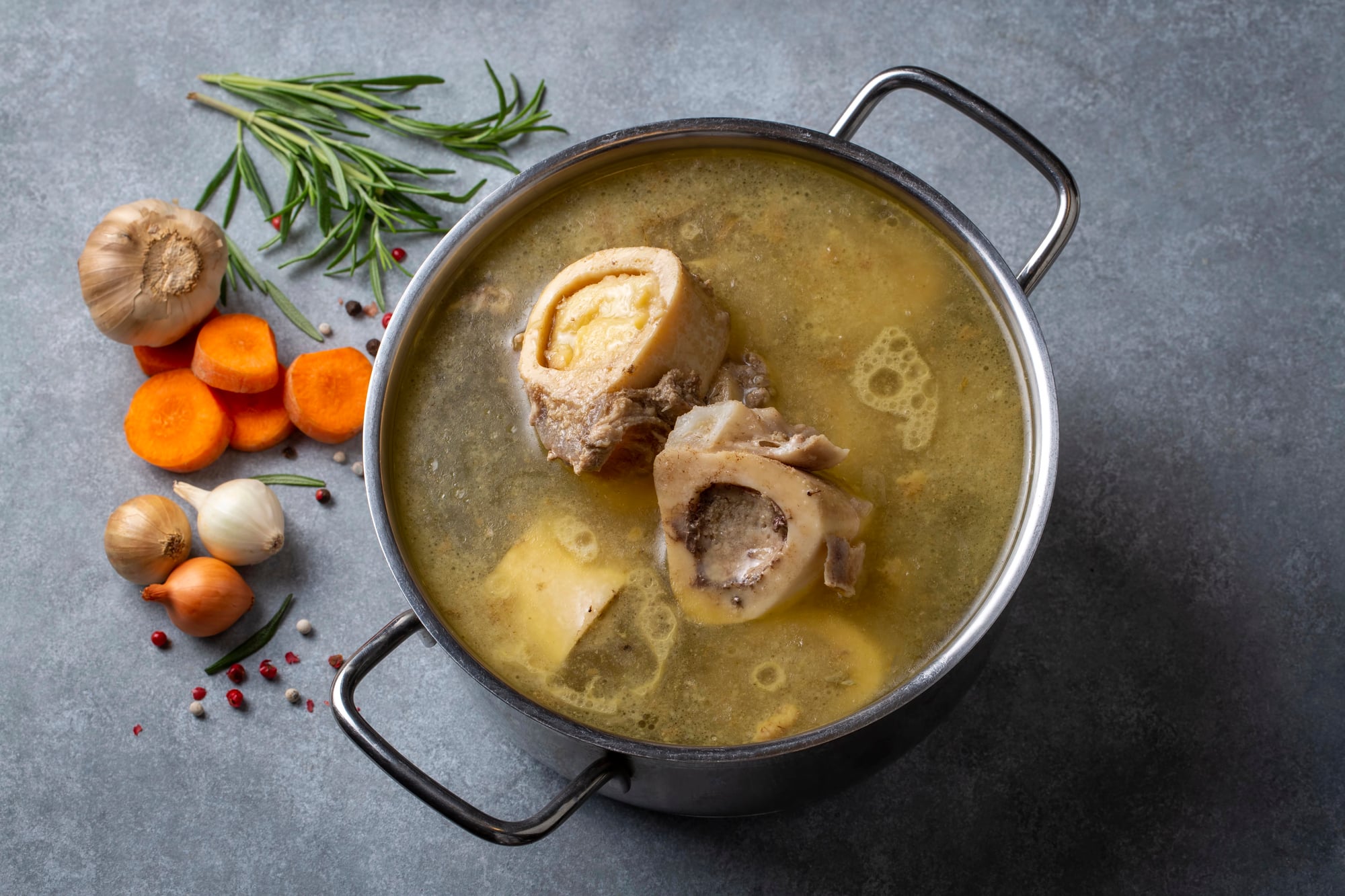
Long-simmered bone broth contains collagen peptides, gelatin, glycine, and proline — compounds involved in connective tissue structure. Clinical studies on collagen supplementation have found modest but real benefits for joint pain in people with osteoarthritis.
Baking Soda Treats Heartburn
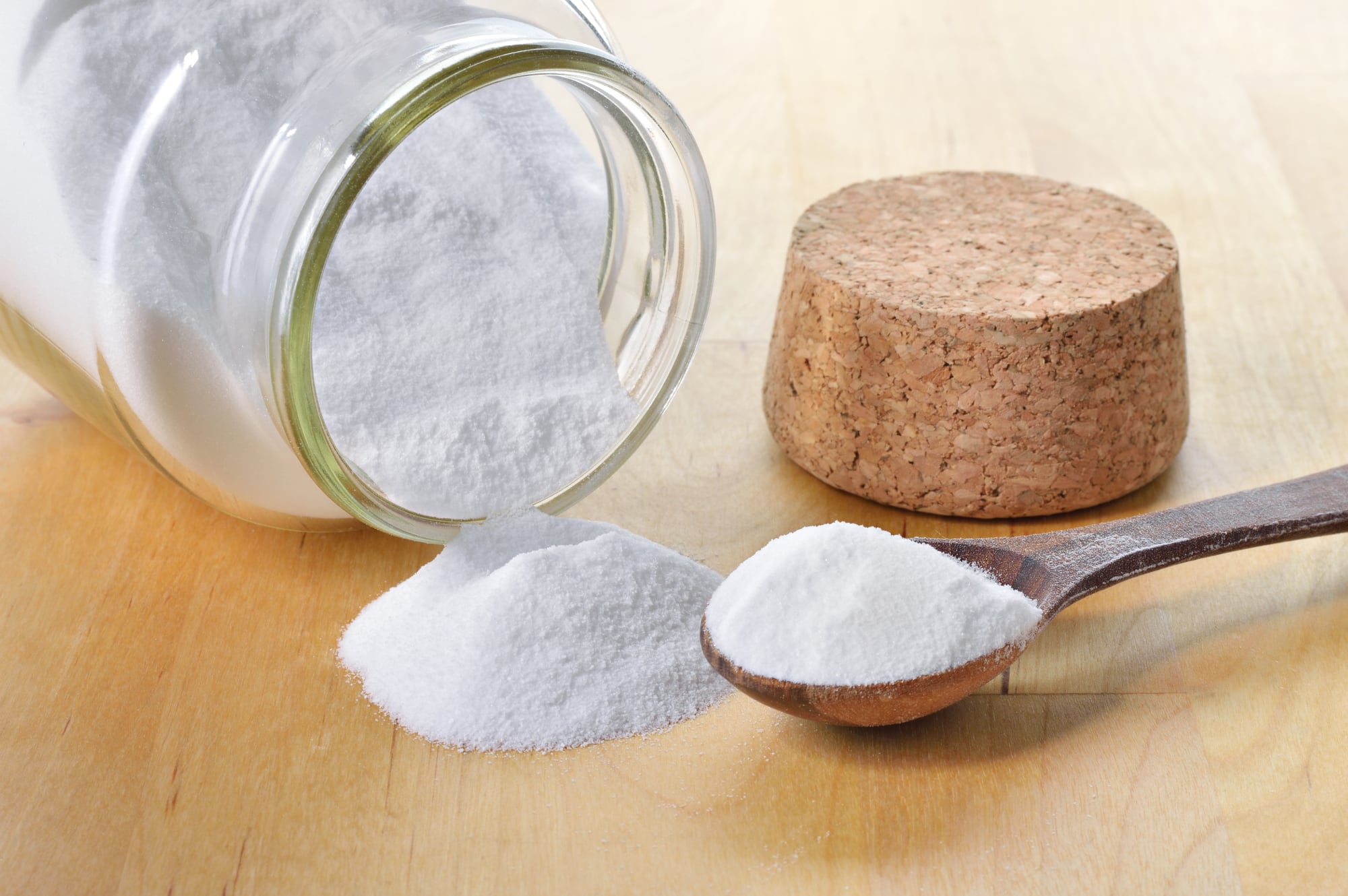
Sodium bicarbonate neutralizes stomach acid through a simple acid-base reaction. The limitation is duration — it does not suppress acid production, and the relief is temporary.
But baking soda does what it was always claimed to do.
Spicy Food Clears Congestion
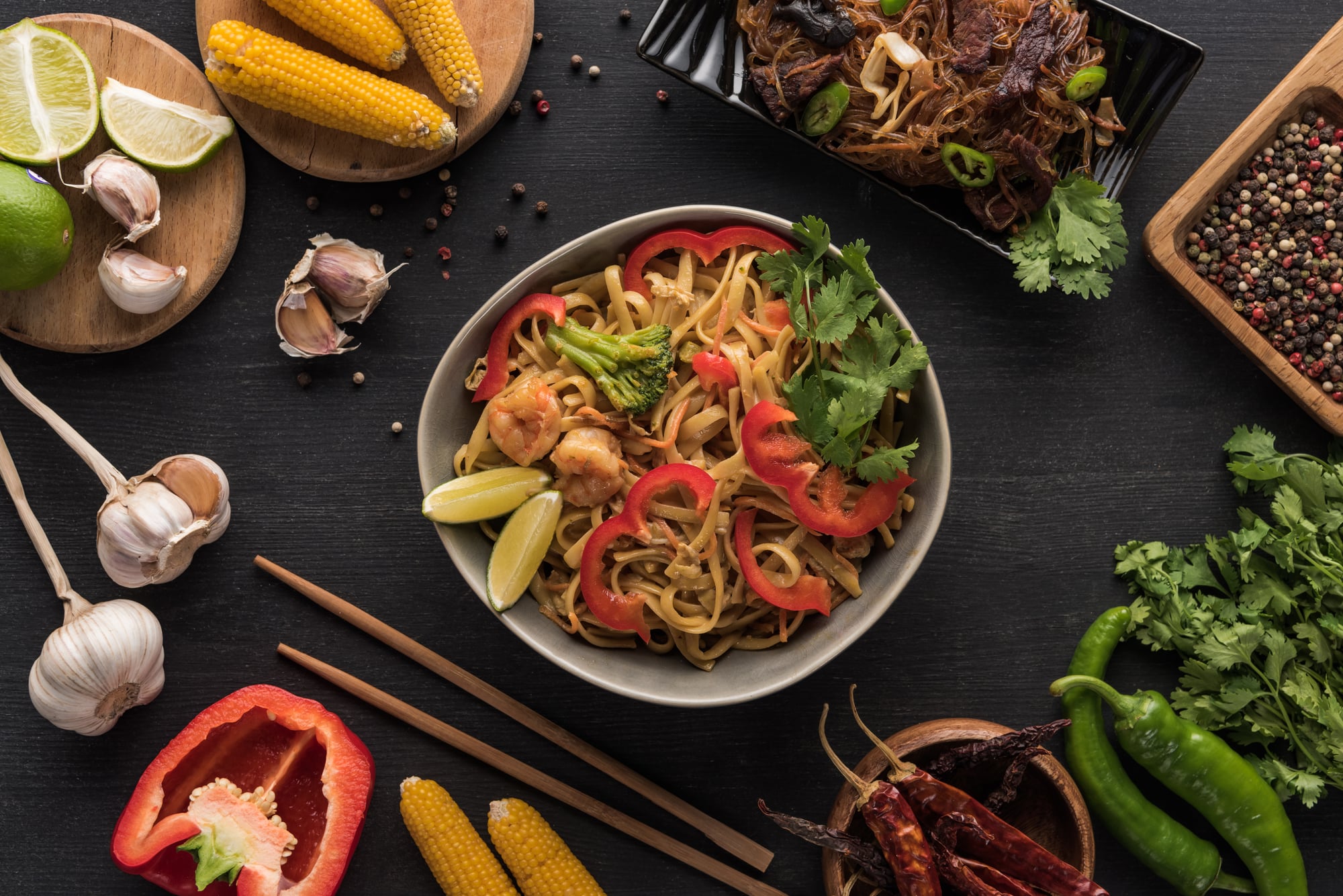
Capsaicin — the compound that gives chili peppers their heat — causes blood vessels in the nasal passages to dilate temporarily, thinning mucus and increasing drainage. The effect is well-documented, short-lasting, and not a cure for the underlying cause of congestion.
It does, however, produce the exact relief the folk claim describes.
Raw Honey Never Expires and Stays Antimicrobial
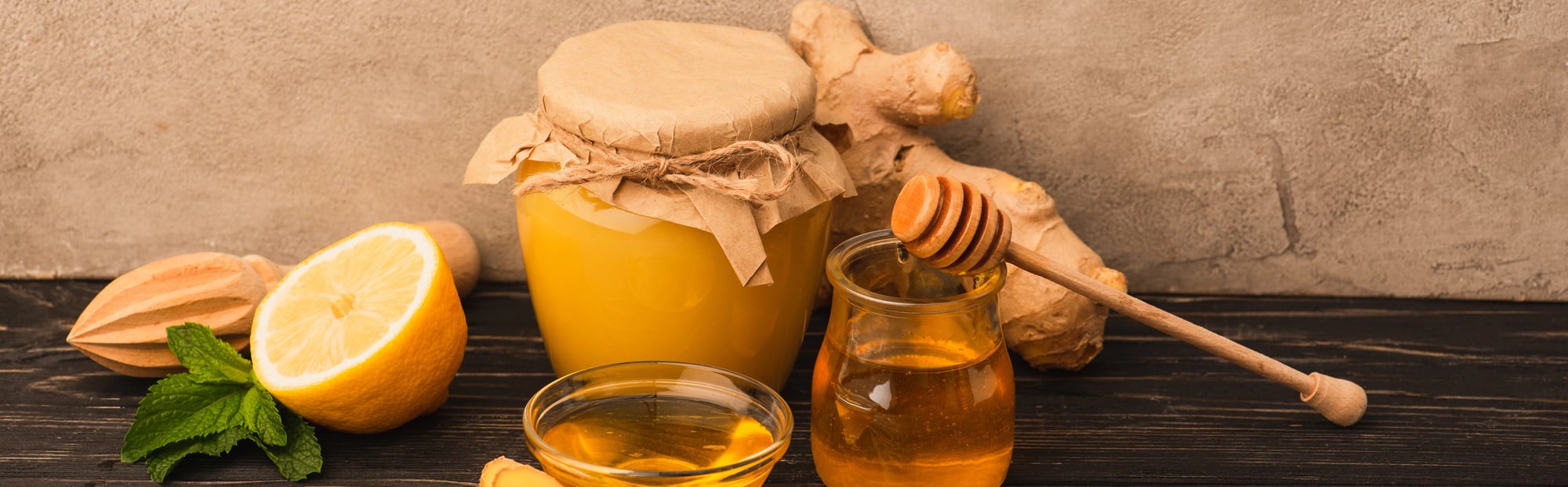
Honey excavated from Egyptian tombs thousands of years old has been found microbiologically active. Honey’s low water activity, acidic pH, and hydrogen peroxide content combine to create an environment where bacteria cannot survive.
A jar of raw honey does not have a meaningful expiry date — and the folk belief that it doesn’t expire is one of the most straightforwardly accurate claims in this entire list.
Where Folk Wisdom and Science Finally Meet

The interesting pattern across all 28 of these examples is not that folk medicine was correct in its explanations — it rarely was. People using willow bark did not understand salicylates. The women recommending honey for wounds did not know about hydrogen peroxide.
What they had was sustained, careful observation over generations: this works, that doesn’t, give this to the children when they’re nauseous, put this on the burn. The science that followed was not disproving the tradition. It was explaining it.
That matters not because it vindicates every old remedy but because it suggests the correct posture toward inherited wisdom: not credulous and not dismissive, but curious. Some of what generations of women passed between themselves in kitchens and sickrooms was wrong.
Some of it was accidentally right. And some of it was right enough that pharmaceutical companies eventually put it in a pill and charged considerably more for the same effect.
More from Go2Tutors!

- The Romanov Crown Jewels and Their Tragic Fate
- 13 Historical Mysteries That Science Still Can’t Solve
- Famous Hoaxes That Fooled the World for Years
- 15 Child Stars with Tragic Adult Lives
- 16 Famous Jewelry Pieces in History
Like Go2Tutors’s content? Follow us on MSN.