Things That Will Make All Extroverted Introverts Go “Same”
You’re the person who can work a room at a party, then spend the next two days recovering on your couch. You genuinely enjoy meeting new people, but the idea of unexpected social plans makes you want to hide.
Friends call you outgoing, yet you need hours alone to feel like yourself again. If this sounds familiar, you’re probably an extroverted introvert—and these situations will hit way too close to home.
You Need to Psych Yourself Up Before Social Events

The invitation sounds great when you accept it. But as the date approaches, the dread creeps in.
You spend the hour before leaving convincing yourself it’ll be fun, reminding yourself why you said yes in the first place. Once you’re there, you actually have a good time.
But that pre-game mental preparation happens every single time, no matter how much you like the people involved.
Small Talk Drains You, But Deep Conversations Energize You

Surface-level chitchat about weather or traffic feels like running through mud. Your energy drops with every “How about this weather?” exchange.
But get into a real conversation—one with substance, vulnerability, or interesting ideas—and suddenly you’re alive. Those talks can go for hours without exhausting you.
The difference isn’t the talking itself. It’s whether the conversation actually means something.
You’re Great at Performing, Terrible at Lingering

Presentations don’t scare you. Leading meetings feels natural.
You can charm a group when you need to. But once the structured part ends and people start mingling? That’s when you want to leave.
The performance has a clear beginning and end, which makes it manageable. The open-ended socializing afterward feels infinite and unpredictable, which makes it exhausting.
Plans Sound Amazing Until They’re Actually Happening

Thursday night, scrolling through your phone: “Yes, let’s absolutely get brunch on Saturday!” Saturday morning, alarm going off: “Why did I agree to this?” You don’t dislike the people.
You don’t regret the plan. You just wish you could enjoy the idea of it without having to actually do it.
Once you’re there, it’s usually fine. Getting yourself out the door remains the hardest part.
You Have Different Social Batteries for Different People
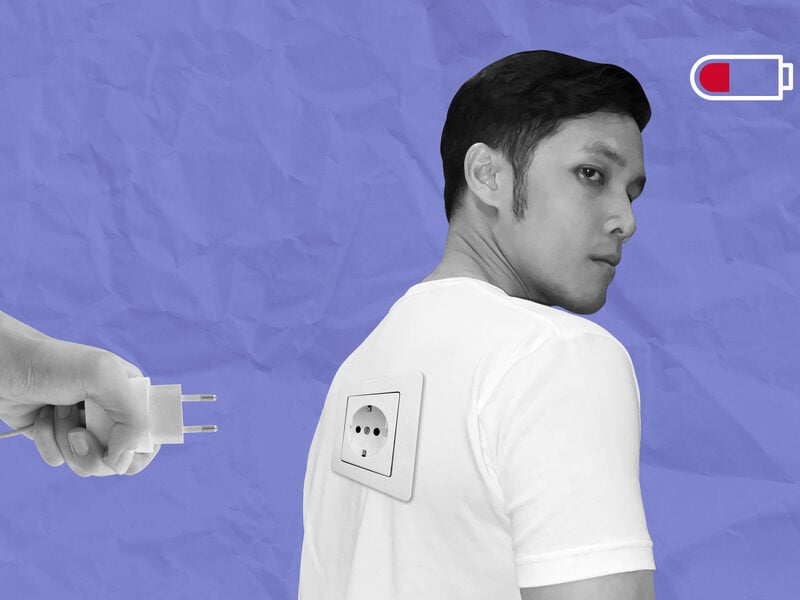
Certain friends drain you after an hour. Others could hang out for an entire day and you’d still feel fine.
The exhaustion doesn’t correlate with how much you like someone. Some people just require more energy to be around, and you’ve learned to plan accordingly.
Those low-maintenance friendships become precious because they let you be social without the usual recovery time.
You Cancel Plans and Feel Both Guilty and Relieved

The text goes out: “So sorry, something came up.” The guilt arrives immediately.
You know they were looking forward to it. You know you’re being flaky.
But underneath the guilt sits pure relief. An entire evening just opened up.
You can stay home, recharge, and not force yourself to be “on.” The guilt fades faster than you’d admit out loud.
Parties Are Fun Until They’re Suddenly Not

You’re having a great time, laughing and talking and genuinely enjoying yourself. Then something shifts.
Your energy just drops, like someone flipped a switch. You need to leave right now.
Not in twenty minutes—now. Other people don’t seem to experience this sudden wall, but you’ve learned to recognize it and respect it.
Pushing past that point makes everything worse.
You Like People, But People Are Also Exhausting

This paradox lives in your brain constantly. You want connection and friendship and good conversations.
You also want everyone to leave you alone for substantial periods. Both feelings exist at full strength, and they don’t cancel each other out.
You’ve stopped trying to explain this to people who don’t get it. They either understand or they don’t.
Your Ideal Social Activity Has a Built-In Exit Strategy

Movies, shows, concerts—these all work because they have defined endpoints. Dinner reservations help for the same reason.
Open-ended “let’s hang out” plans create anxiety because they could theoretically last forever. You need to know when something will end before you can fully relax and enjoy it.
You’re Selective About Who Gets Your Social Energy

Not everyone makes the cut anymore. You’ve learned that your energy is finite and valuable.
Some people earn access to it easily. Others don’t.
This isn’t mean or snobby—it’s survival. You can’t be everything to everyone, so you choose carefully.
The people who understand this become your core group.
Alone Time Isn’t Lonely, It’s Necessary

Other people recharge by going out and being around others. You recharge by being alone.
Actually alone—not just physically alone while texting people or scrolling social media. True solitude where you don’t have to perform or engage or be “on” for anyone.
This time isn’t sad or lonely. It’s maintenance. Skip it too long and everything starts falling apart.
You’re Selective About Sharing This Part of Yourself

Some people get the full explanation of how you operate. Others just see the outgoing version of you and assume that’s all there is.
You’ve learned that not everyone needs to understand your internal process. Explaining it to the wrong people leads to judgment or unsolicited advice about how you should “just put yourself out there more.”
So you keep this part private except with people who actually get it.
Phone Calls Feel Like Ambushes

Texting exists for a reason. You can respond when you have the energy. Calls demand immediate engagement and attention.
When your phone rings unexpectedly, your first reaction is mild panic. Even calls from people you like feel intrusive.
You need to mentally prepare for conversations, and surprise calls don’t allow that preparation. Most calls could have been texts anyway.
You’ve Mastered the Art of Appearing Available While Protecting Your Energy

Some folks assume you’re always out and about since they spot you at parties or meetups. Yet what’s invisible is how much prep goes into each outing – like leaving empty days on purpose before or after, saying no to invites one right after another, keeping moments just for yourself so hanging out feels doable.
This setup helps you join life fully but not burn out. To others, it seems like you socialize with zero effort.
Truth is, there’s constant quiet management happening beneath the surface.
The Space Between Worlds

You’re stuck in this odd spot most folks never end up in – too outgoing for total loners, yet worn out by hanging out for real life-of-the-party types. One side doesn’t get it, the other just shrugs, leaving you feeling kind of alone at times.
Still, you’ve met people who feel the same, and with them, things click – but in a quieter, different rhythm. They know you’ve got to have room to breathe, yet still stay close somehow.
When plans change, it doesn’t feel like a jab at their ego. Love can be real even when you’re apart – no contradiction there.
This kind of awareness means way more than calling things official.
More from Go2Tutors!

- The Romanov Crown Jewels and Their Tragic Fate
- 13 Historical Mysteries That Science Still Can’t Solve
- Famous Hoaxes That Fooled the World for Years
- 15 Child Stars with Tragic Adult Lives
- 16 Famous Jewelry Pieces in History
Like Go2Tutors’s content? Follow us on MSN.