The World’s Most Unusual Beaches
Not every beach looks like a postcard with white sand and turquoise water. Some coastlines break the mold completely, offering sights that make you question if you’re still on the same planet.
These places formed through volcanic eruptions, geological oddities, or just plain weird combinations of nature and time. Here is a list of beaches that stand out for being genuinely different from the typical seaside experience.
Glass Beach
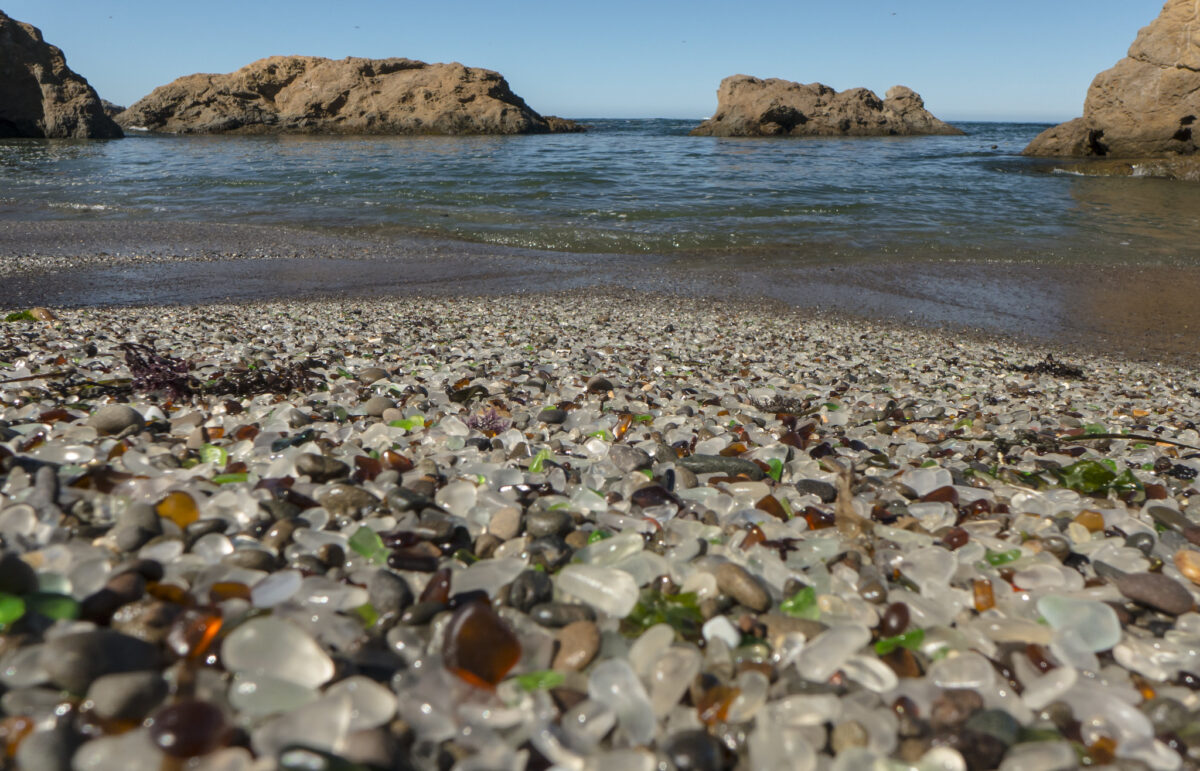
Fort Bragg in California turned a former dump site into an accidental attraction. From the early 1900s until 1967, residents tossed their trash over the cliffs, including glass bottles, appliances, and even cars.
Decades of pounding waves broke down and polished the glass into smooth, colorful pebbles that now blanket the shore. The beach has lost much of its glass to collectors over the years, so what remains is protected.
You can look and touch, but taking pieces home is discouraged.
Vaadhoo Beach
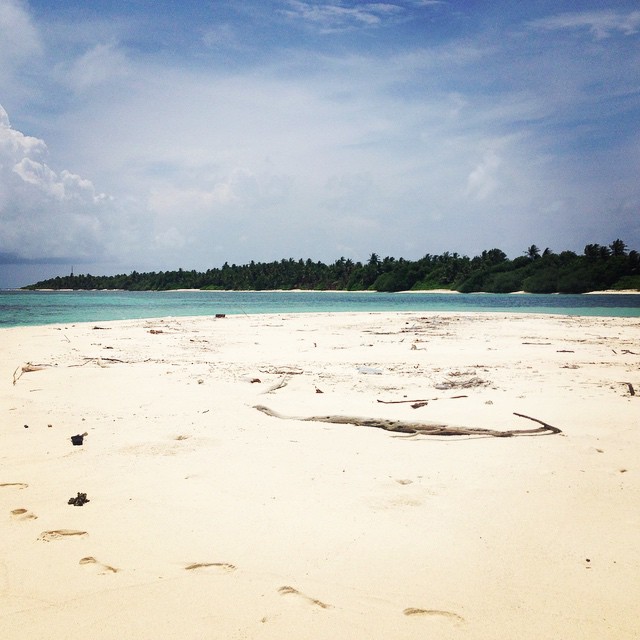
The Maldives’ most famous optical illusion happens when tiny organisms light up the water along Vaadhoo Island. Bioluminescent plankton called dinoflagellates glow bright blue when disturbed by waves or movement, creating what locals call the ‘Sea of Stars.’
The effect works best between June and October, particularly during new moon phases when the sky stays darkest. The phenomenon can appear elsewhere in the Maldives, but Vaadhoo remains the most reliable spot.
Swimming through glowing water feels surreal, though the organisms sometimes attract larger predators looking for an easy meal.
Punalu’u Black Sand Beach
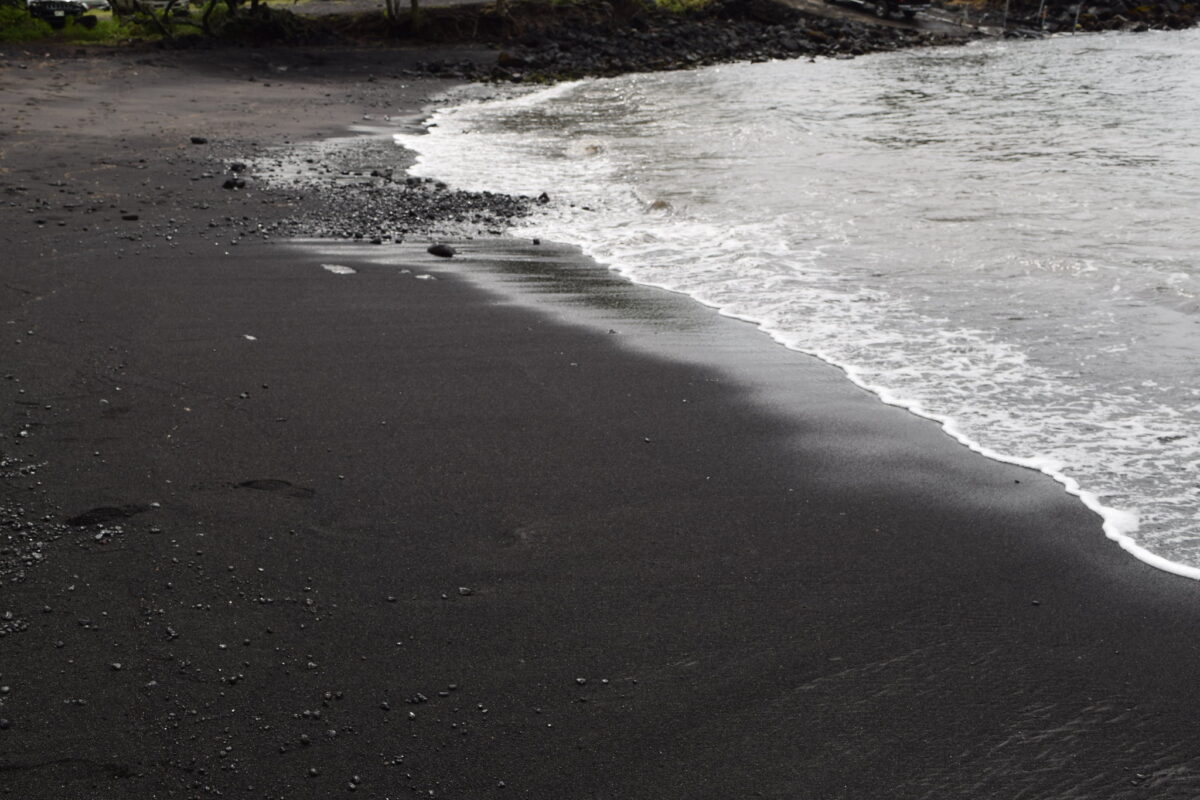
Jet-black sand covers this Hawaiian shoreline near Volcanoes National Park on the Big Island. The color comes from basalt, formed when lava hits the ocean and explodes into tiny fragments.
Rocky outcrops dot the beach, and endangered green sea turtles and hawksbill turtles often haul themselves onto the sand to bask. Coconut palms provide shade, which helps since black sand absorbs heat and can get uncomfortably hot underfoot.
The waves and currents here make swimming dangerous, but tide pools at low tide offer a safer way to explore.
Pink Sands Beach
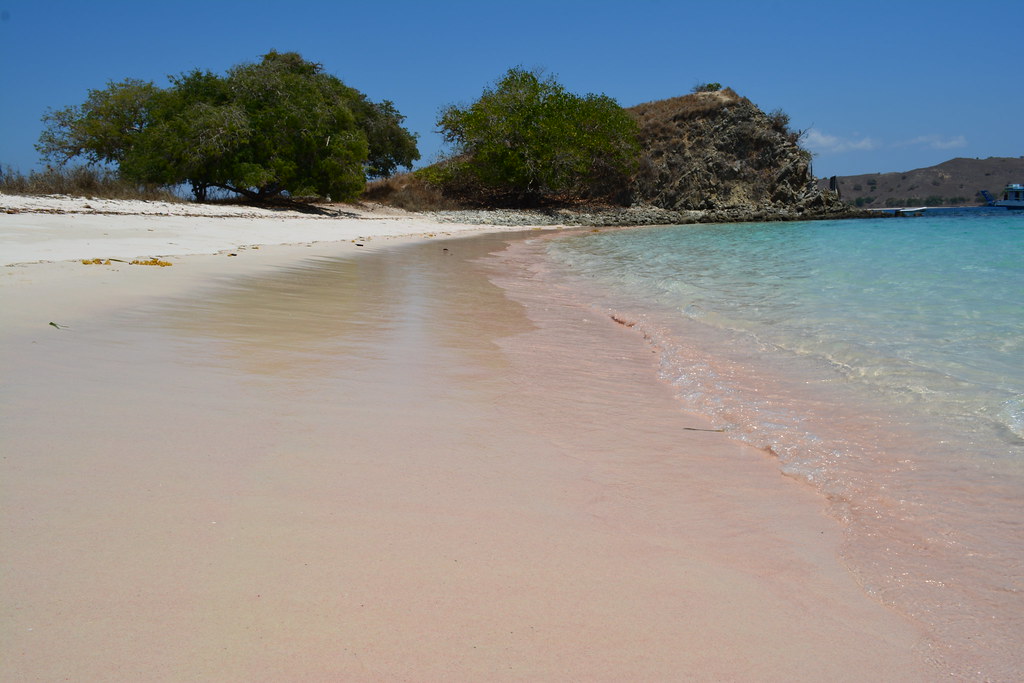
The Bahamas’ Harbour Island stretches for three miles with sand that looks genuinely pink, especially at sunrise and sunset. The color comes from microscopic organisms called foraminifera that live in coral reefs.
When they die, their red shells wash ashore and mix with white sand, creating the pastel hue. The beach stays relatively calm thanks to a protective reef offshore, making it easier to swim than many Caribbean beaches.
The soft sand and gentle water explain why this spot shows up on so many ‘world’s best beaches’ lists.
Reynisfjara Beach
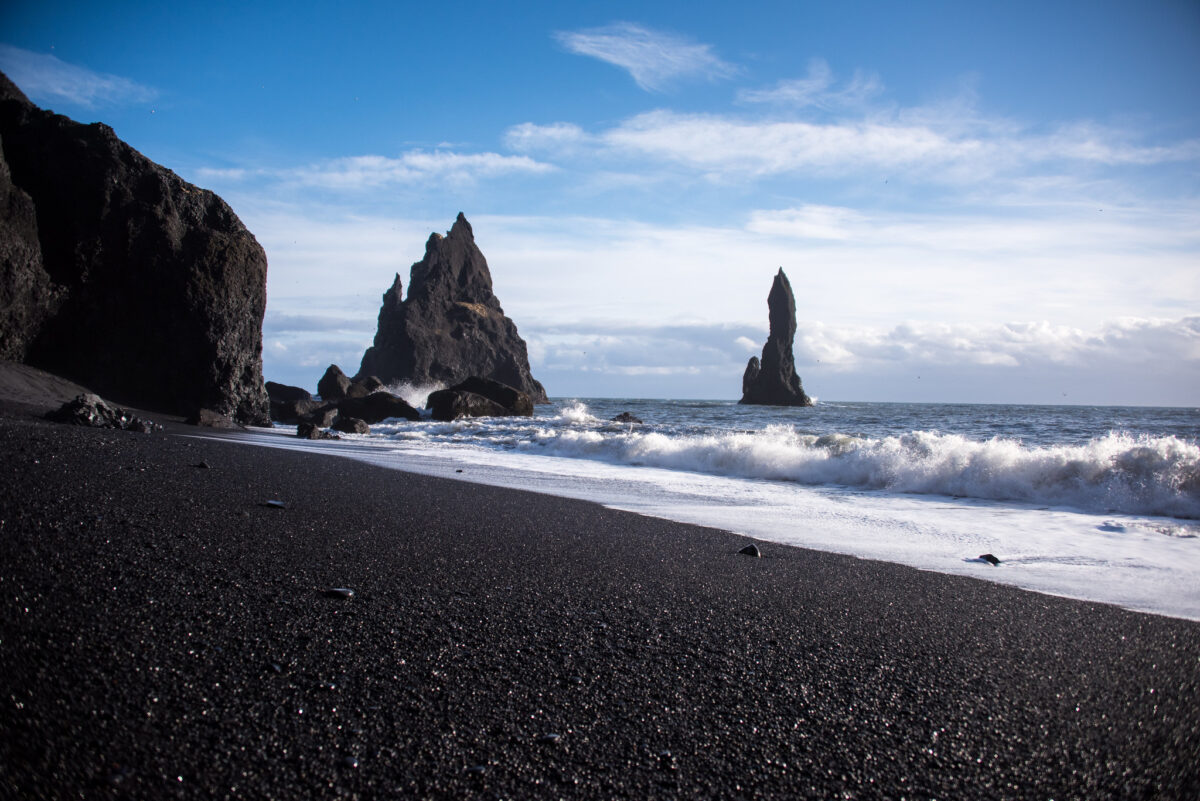
Iceland’s south coast delivers a beach that looks like it belongs in a science fiction film. Black volcanic sand stretches along the shore, backed by towering basalt columns that formed when lava cooled rapidly.
Three massive rock formations called Reynisdrangar rise from the sea, which Icelandic folklore claims are trolls turned to stone. The beach is stunning but genuinely dangerous—sneaker waves have swept visitors into the freezing water without warning.
Swimming is essentially impossible here, and you need to stay alert near the waterline.
Boulders Beach
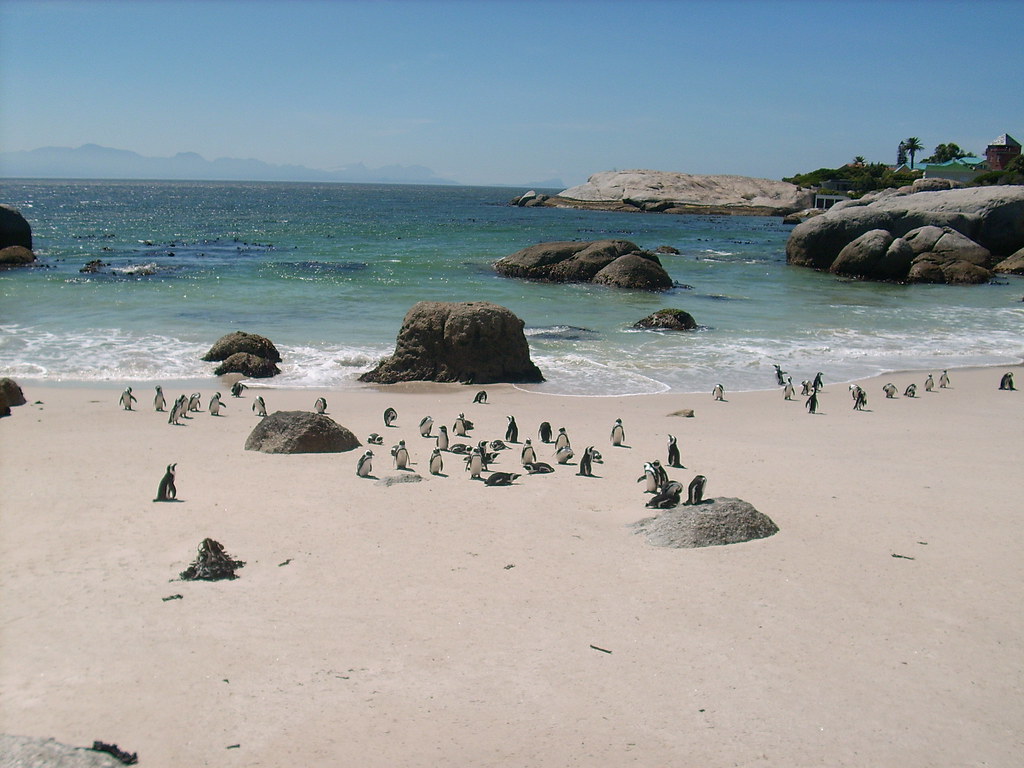
Just outside Cape Town, South Africa, this beach hosts a colony of African penguins living among granite boulders. The area became a protected site in the 1980s after the penguins moved in, and now around 3,000 birds call it home.
Wooden walkways let you get close without disturbing them, and a designated swimming area allows you to share the water with these endangered birds. The penguins waddle around the sand like they own the place, completely unfazed by the steady stream of tourists with cameras.
Hidden Beach
Mexico’s Marieta Islands hide a beach inside a collapsed cave, accessible only by swimming through a short tunnel at low tide. The circular opening above creates a natural skylight that illuminates the sandy cove below.
Tours from Puerto Vallarta take you there by boat, though visitor numbers are limited to protect the delicate ecosystem. The water around the islands teems with marine life, including manta rays, sea turtles, and occasional humpback whales.
You need decent swimming skills to make it through the tunnel, and conditions depend entirely on the tide.
Navagio Beach
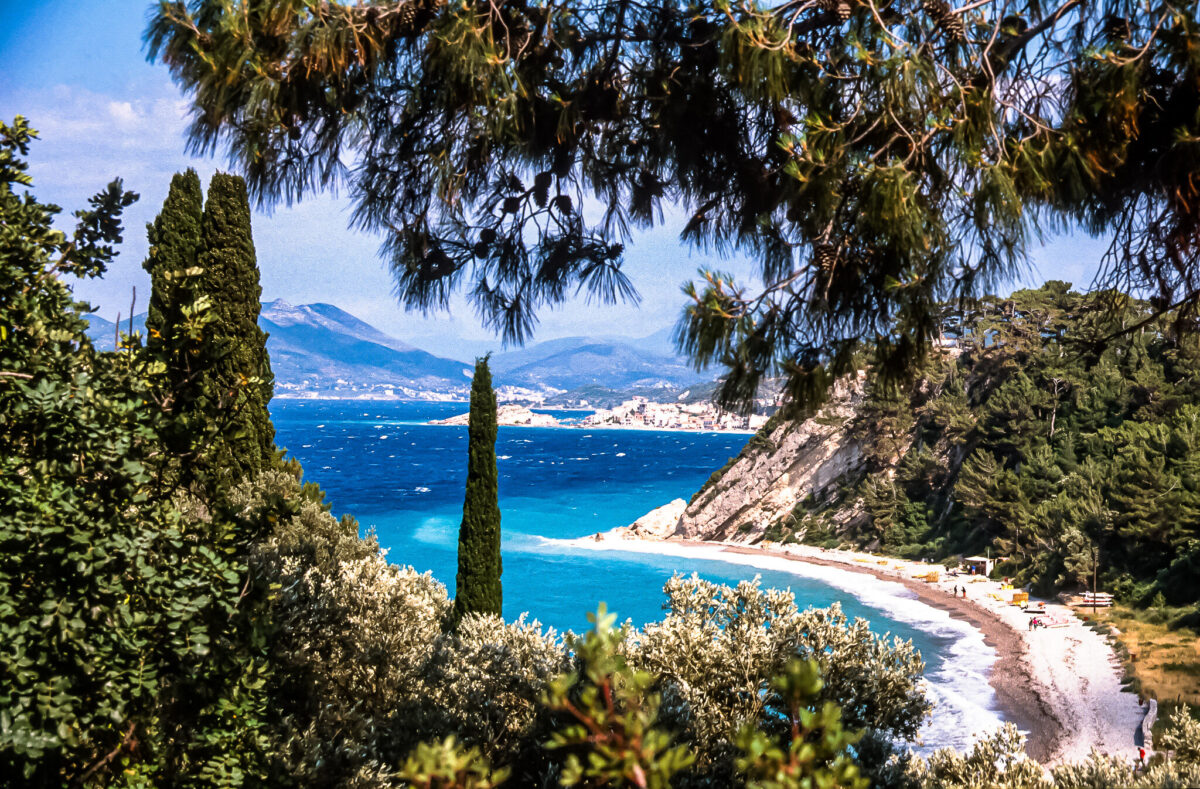
Greece gave this beach on Zakynthos Island a permanent landmark in 1980 when a smuggler’s ship ran aground during a storm. The rusting wreck of the MV Panagiotis still sits on the white sand, surrounded by towering limestone cliffs that rise 200 feet.
You can only reach the beach by boat since the cliffs make land access impossible. The enclosed cove creates incredibly clear turquoise water, though a 2018 earthquake caused rockfalls that led to temporary closures.
The dramatic setting has made it one of Greece’s most photographed locations.
Jökulsárlón Diamond Beach
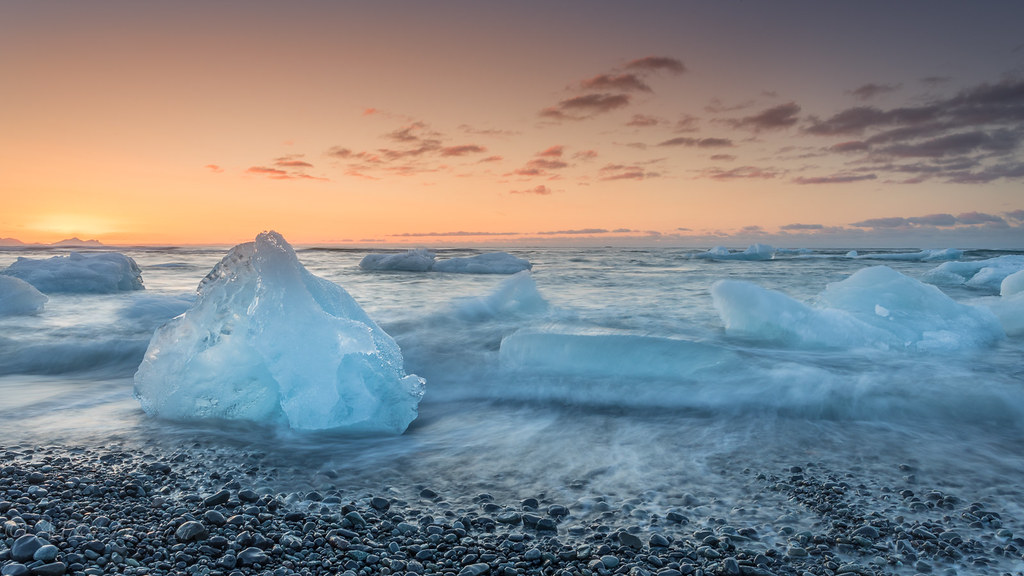
Icebergs from a glacial lagoon in southeast Iceland wash ashore on this black sand beach, creating a stark contrast that photographers love. The ice chunks range from small fragments to house-sized blocks, scattered across the volcanic sand like discarded crystals.
Waves polish the ice smooth, making it look like cut glass when sunlight hits it. The beach sits right across from Jökulsárlón lagoon, where larger icebergs float before breaking apart and drifting to sea.
Seal colonies live in the area, and the whole landscape feels ancient and otherworldly.
Hot Water Beach
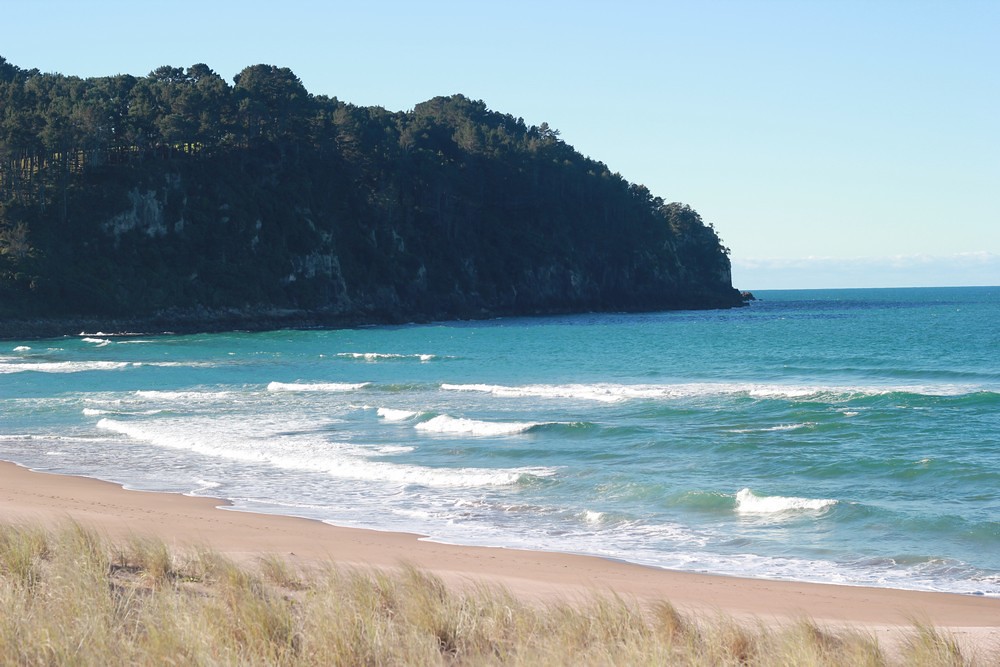
New Zealand’s Coromandel Peninsula offers a beach where you can dig your own hot tub in the sand. Underground hot springs bubble up through the beach, but only during the two hours around low tide.
Bring a shovel, carve out a shallow pool, and let the heated water fill it while cold ocean waves crash a few feet away. The experience attracts crowds, so getting there early helps secure a good spot.
The water can get uncomfortably hot in some areas, so keep adjusting the depth to mix in cooler water.
As Catedrais Beach
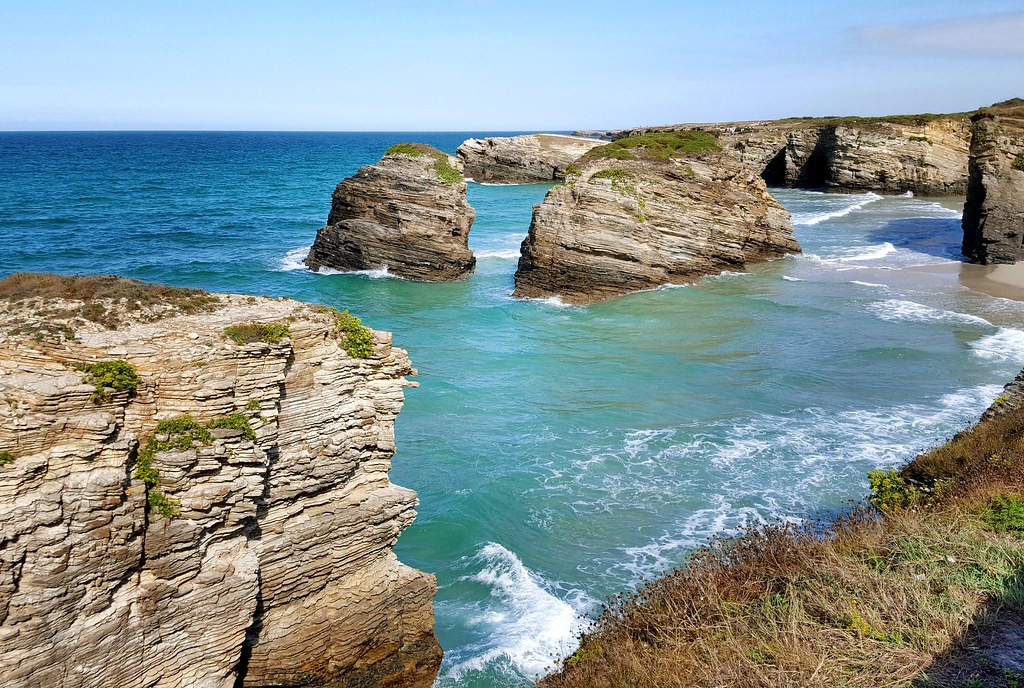
Spain’s northwest coast features a beach named for the Gothic-style arches carved into its cliffs. Centuries of wave action hollowed out massive archways and caves that resemble cathedral vaults, complete with intricate rock formations. You can only walk beneath the arches at low tide—high tide floods the entire area.
The beach officially goes by Praia de Augas Santas, but everyone calls it the Beach of the Cathedrals. Access is free in winter, but summer visits require advance reservations because the site became too popular.
The sunset through the arches draws the biggest crowds.
Giant’s Causeway
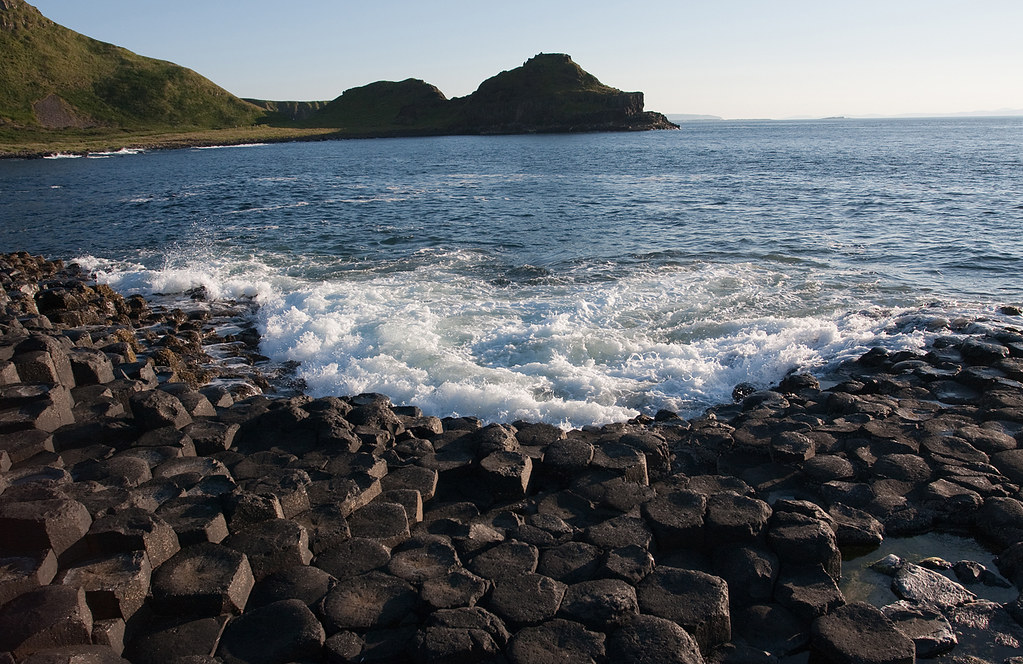
Northern Ireland’s most visited natural attraction consists of roughly 40,000 interlocking basalt columns that descend into the Atlantic Ocean like a massive stone staircase. Volcanic activity 60 million years ago created the hexagonal formations when lava cooled in the sea.
Local legend insists a giant built the causeway as a bridge to Scotland, which makes for a better story than geological processes. The area technically qualifies as a beach since the columns meet the ocean, though calling it a typical beach would be a stretch.
The dramatic coastal setting and strange geometry make it feel like stepping into another era.
Shell Beach
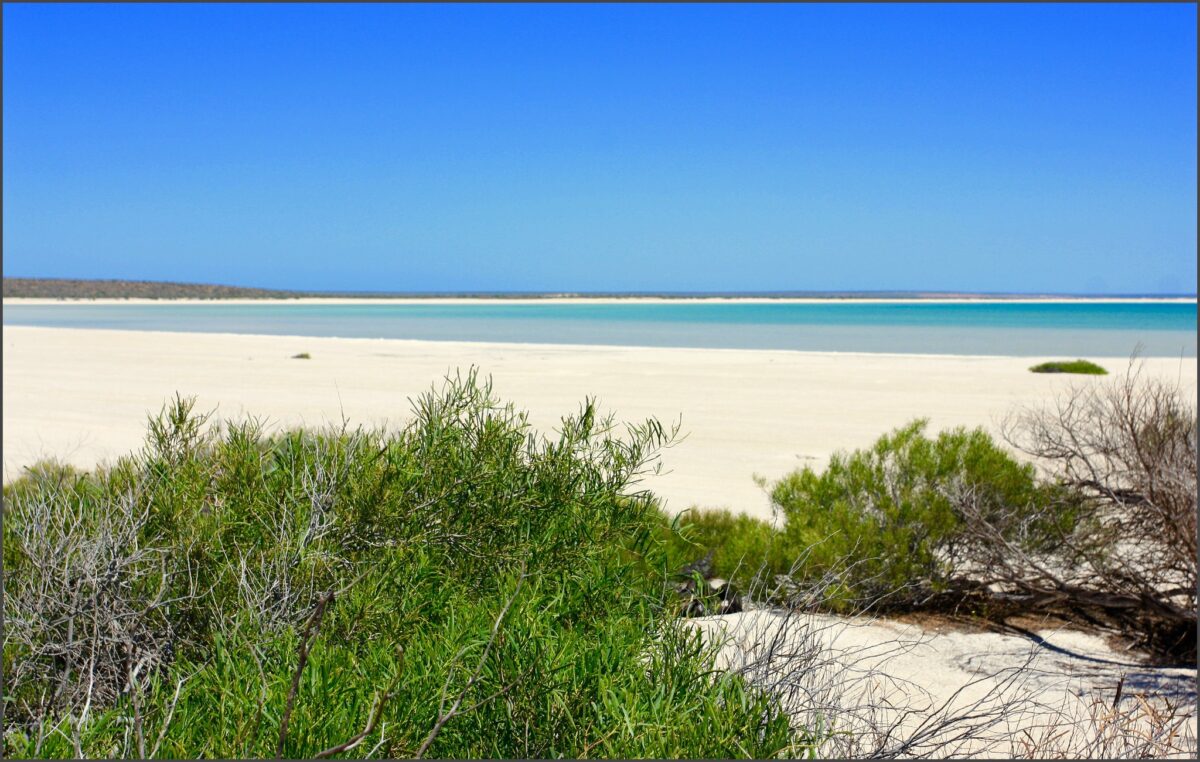
Western Australia’s Shark Bay contains a 40-mile stretch covered entirely in tiny white cockle shells, piled over 30 feet deep in places. The water here has twice the normal salt content, which kills off most predators and lets the cockle population explode.
The shells were once harvested for building materials in the nearby town of Denham, where you can still see shell-block structures. Walking barefoot across billions of sharp shells is not comfortable, but the intense blue-green water and the sheer oddness of the place make it memorable.
The high salinity makes floating easy, similar to the Dead Sea.
Scala dei Turchi
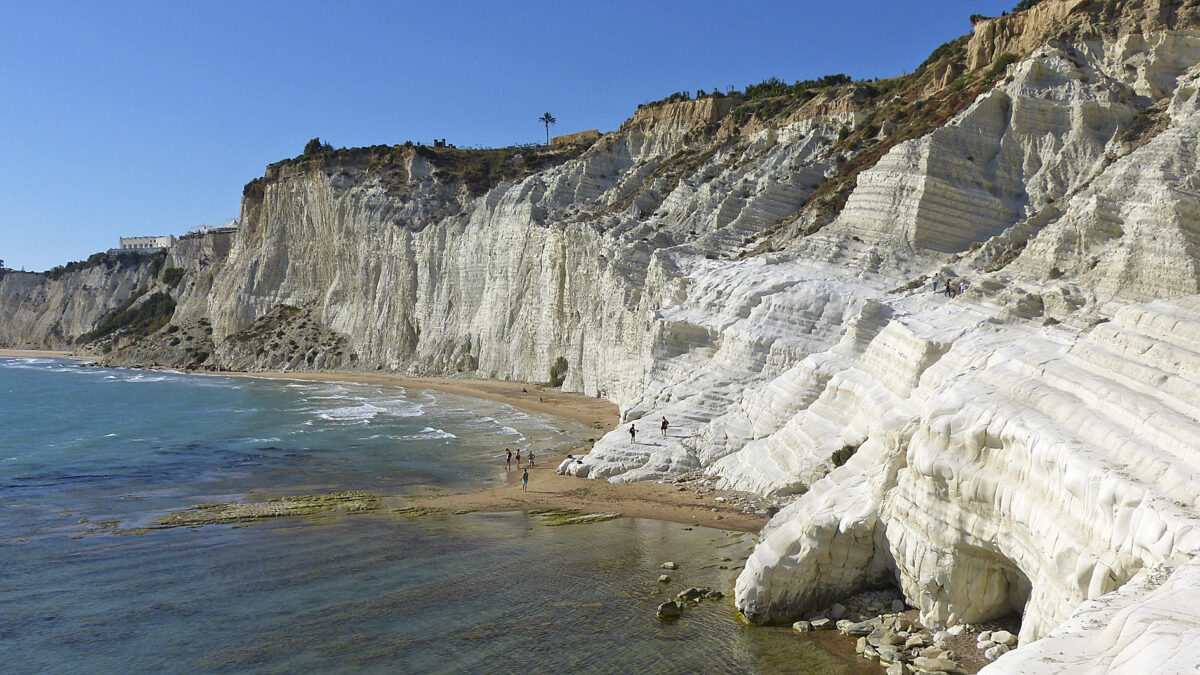
Sicily’s southern coast features brilliant white cliffs that descend to the Mediterranean in a series of natural steps. Wind and sea have polished the soft limestone into smooth, curved formations that glow almost painfully bright in the sun.
The name means ‘Stair of the Turks,’ referencing when Arab and Turkish raiders used the bay as shelter centuries ago. The rock is marl, a sedimentary stone that erodes easily but creates these unusual sculpted shapes.
You can climb the formations and find flat areas to spread out, though the stone gets hot enough to burn skin on summer days.
Moeraki Boulders Beach
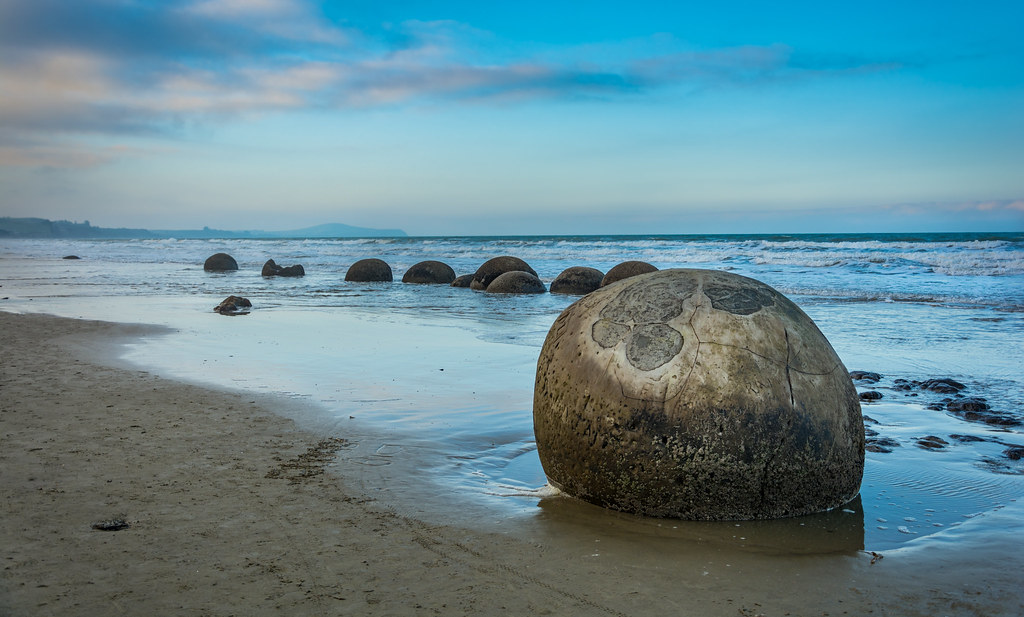
New Zealand’s South Island scattered perfectly spherical boulders across Koekohe Beach, some measuring almost 10 feet across. The rocks only appear at low tide, sitting on the sand like dinosaur eggs or alien artifacts.
Māori legend says they’re eel baskets washed ashore from an ancestral canoe, but geologists explain them as concretions formed millions of years ago. Many have deep cracks revealing crystalline interiors, which adds to their mysterious appearance.
The boulders keep eroding out of the mudstone cliffs, so new ones occasionally appear while old ones crumble away.
Pig Beach
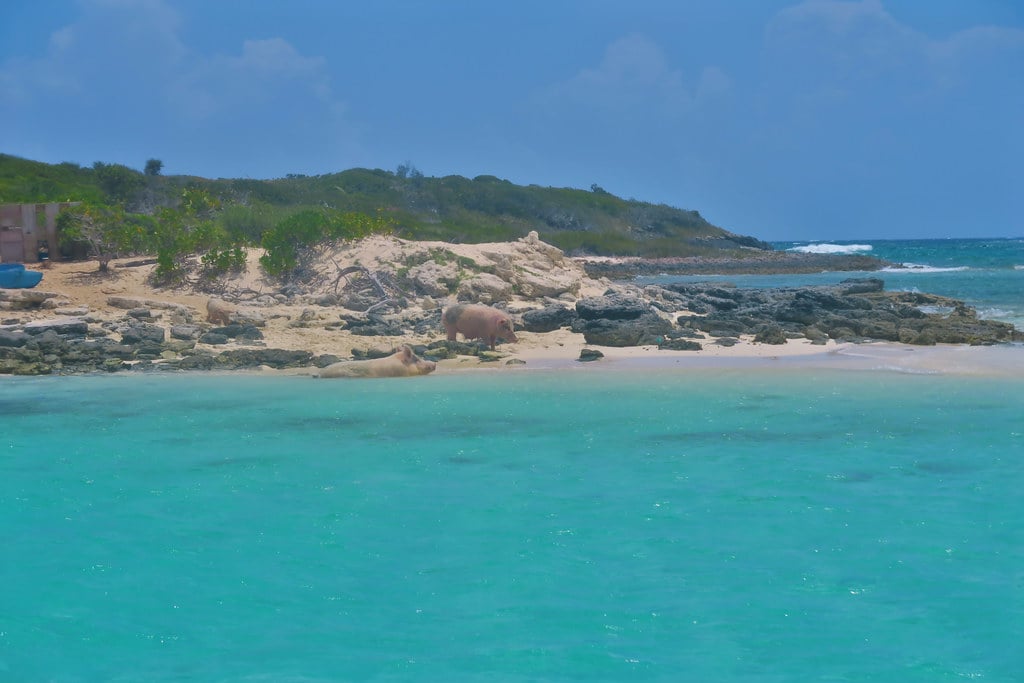
Big Major Cay in the Bahamas’ Exuma chain hosts a colony of feral pigs that swim out to greet arriving boats. Nobody knows exactly how they got there—theories range from sailors leaving them as future food to the pigs surviving a shipwreck.
The pigs have learned that boats mean food, so they paddle through the turquoise water looking for handouts. The beach itself looks like any other Caribbean paradise, but watching pigs dive off sandbars and swim through crystal-clear water breaks your brain a little.
Tour operators bring fresh fruit and vegetables for feeding, and the pigs have become surprisingly comfortable around humans.
Where Nature Gets Creative

These beaches prove that nature rarely follows a standard template. Volcanic eruptions create black sand, geological quirks form perfect spheres, and microscopic organisms turn water into a light show.
Some of these places took millions of years to develop, while others appeared through random accidents. The strangest part is that geologists keep finding new oddities hiding along coastlines that seem ordinary from a distance.
Unusual beaches remind us that the planet still has surprises left, even in places as familiar as the shore.
More from Go2Tutors!

- The Romanov Crown Jewels and Their Tragic Fate
- 13 Historical Mysteries That Science Still Can’t Solve
- Famous Hoaxes That Fooled the World for Years
- 15 Child Stars with Tragic Adult Lives
- 16 Famous Jewelry Pieces in History
Like Go2Tutors’s content? Follow us on MSN.



