15 Expensive Watches From The 1900s
The early 1900s were wild times for fancy watches. Most guys still carried pocket watches on chains, but a few smart companies started making watches you could strap to your wrist.
These weren’t cheap drugstore timepieces – we’re talking about watches that cost more than what regular folks made in years. Rich people loved showing off with expensive watches back then.
The best ones had crazy complications, solid gold cases, and movements put together by craftsmen who’d spend months on just one piece. Some of these watches were so complex they could chime the time or track multiple things at once.
Here is a list of 15 expensive watches from the 1900s that cost serious money and showed everyone you’d made it big.
Patek Philippe Grande Complication
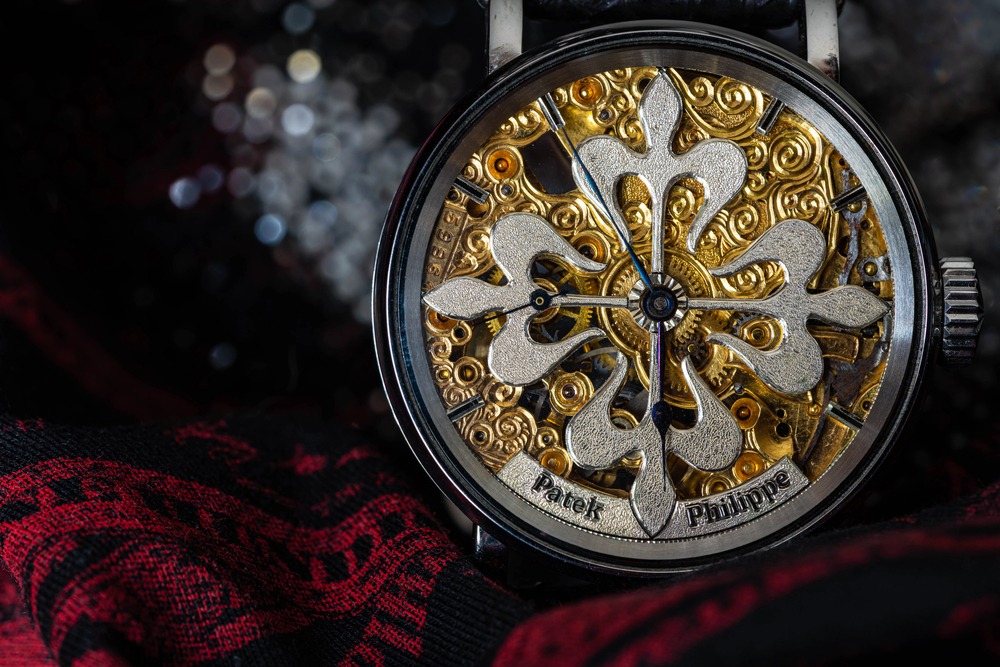
Patek Philippe made some of the priciest watches around, especially their grand complication pocket watches. These things were basically tiny mechanical computers that could do perpetual calendars, chime the time, and work as stopwatches all in one package.
Some businessman named Stephen Palmer bought one in 1900 for 6,000 Swiss francs, which was enough to buy a whole house back then. The pink gold case looked incredible and all those complications working together was pure magic.
Vacheron Constantin Minute Repeater

These Swiss-made watches could actually chime the time when you wanted to know what time it was in the dark. Tiny hammers would hit little gongs inside the case to tell you the hours, quarters, and minutes.
Making this stuff work required incredible skill, so each watch cost a fortune. Vacheron Constantin was famous for making their cases super thin while keeping everything working perfectly, which made rich collectors pay even more.
Like Go2Tutors’s content? Follow us on MSN.
A. Lange & Söhne Precision Watch
German watchmaker A. Lange & Söhne built some seriously expensive pocket watches before World War I messed everything up. Their watches had movements decorated by hand, solid gold cases, and accuracy that could compete with anyone.
These guys were perfectionists who’d spend months finishing each watch, making them cost several times what normal people earned all year. The attention to detail was absolutely nuts.
Cartier Santos Early Wristwatch
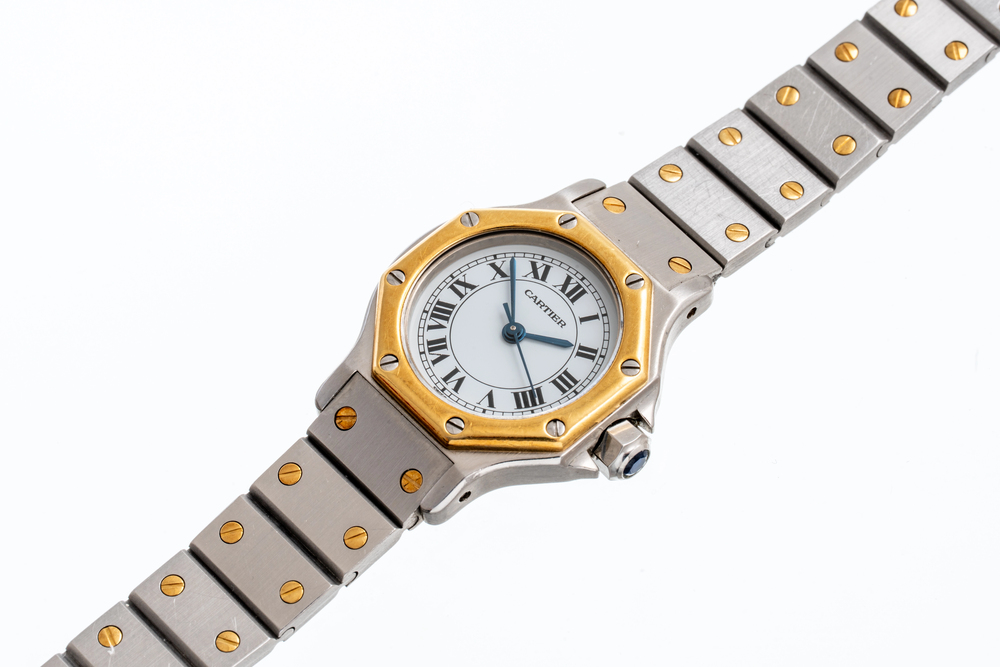
Louis Cartier made one of the first expensive wristwatches around 1904 for his buddy Alberto Santos-Dumont, who flew those early airplanes. This was cutting-edge stuff since most men thought wristwatches were for women.
The square case design was totally different from anything else, and because it was basically a prototype made by hand, it cost way more than regular watches. Cartier knew they were onto something big with this design.
Breguet Souscription Model

The famous Breguet company kept making incredibly expensive watches in the early 1900s, building on their founder’s legendary reputation. Their souscription watches had those signature wavy dials, fancy blued hands, and movements so thin they seemed impossible.
These were so expensive that customers had to put down deposits just to get on the waiting list. The craftsmanship was so good that people treated them like pieces of art.
Like Go2Tutors’s content? Follow us on MSN.
Hamilton 946 Railroad Watch
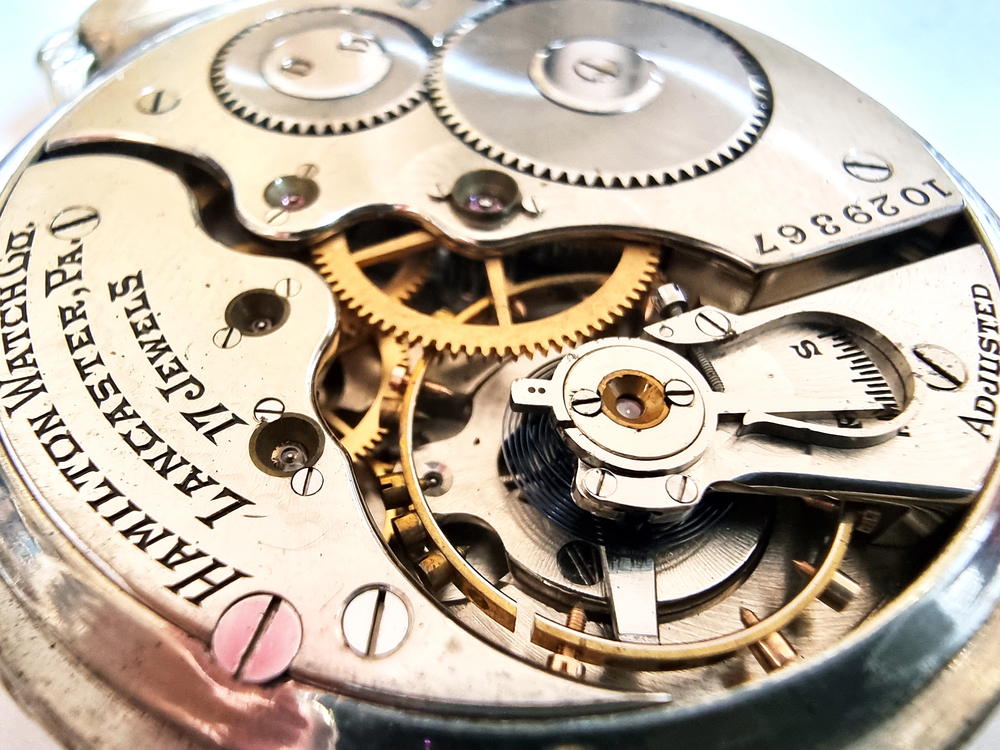
American company Hamilton made some of the most expensive pocket watches for railroad workers who needed perfect timing. The Model 946 from 1908 had 23 jewels and was adjusted to work accurately in different positions, which was pretty amazing for that time.
Railroad companies paid big bucks for these because bad timing could cause train crashes. The solid gold cases made them luxury items that cost more than most people’s yearly salary.
Girard-Perregaux Three Bridges
This Swiss company’s famous three gold bridges design was crazy expensive to make in the early 1900s. Each bridge had to be finished and decorated by hand, which took skilled workers weeks to complete.
The open design let you see all the beautiful movement parts, but it also made manufacturing much harder and more costly. Only the richest collectors could afford these mechanical works of art.
Audemars Piguet Minute Repeater
Audemars Piguet’s chiming pocket watches from the 1900s were the peak of Swiss watchmaking skill. Craftsmen would spend months putting together each repeating mechanism, which had to strike exactly the right number of chimes for hours, quarters, and minutes.
The 18-karat gold cases and hand-finished movements made these watches cost more than fancy carriages. Each one was basically a tiny mechanical orchestra.
Like Go2Tutors’s content? Follow us on MSN.
Waltham Premier Maximus
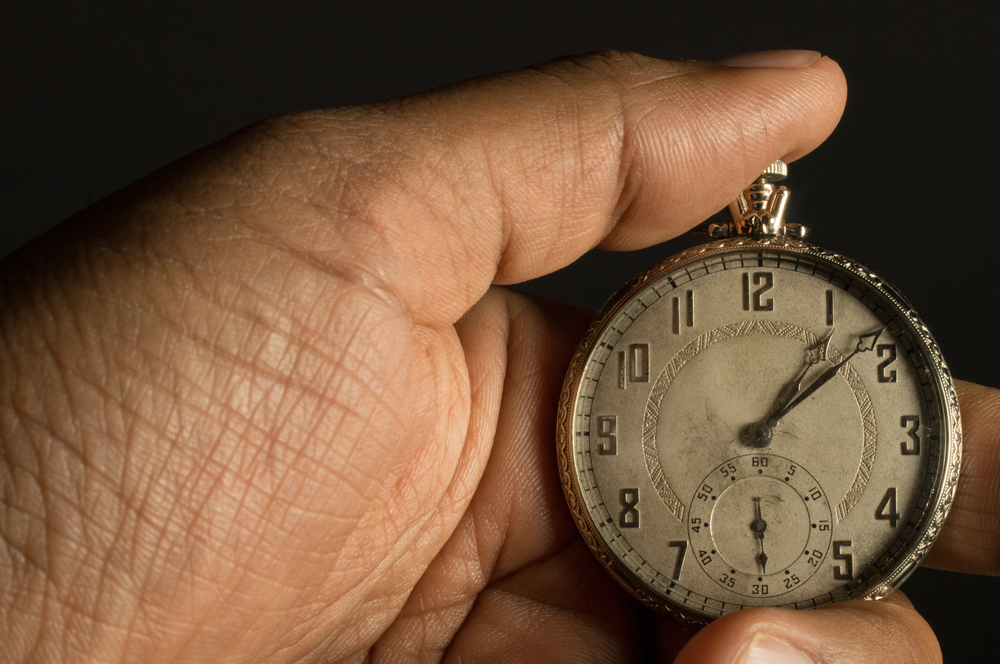
The American Waltham Watch Company’s top model was one of the most expensive American-made watches of the decade. These pocket watches had the company’s best movements with 23 jewels and finishing that rivaled Swiss competition.
The solid gold cases often had detailed engravings, and the timekeeping was remarkably accurate. Rich Americans loved buying these homegrown luxury watches instead of importing Swiss ones.
IWC Pallweber Digital Watch

International Watch Company’s Pallweber watches were technological marvels that showed the time with jumping numbers instead of hands. This digital display was incredibly complex and expensive to manufacture in the early 1900s.
The novelty factor combined with Swiss precision made wealthy collectors go crazy for these unique timepieces. They were like having a piece of the future on your wrist or in your pocket.
Omega Observatory Chronometer
Omega’s precision chronometers from the 1900s were among the most accurate and expensive timepieces you could buy. These pocket watches were tested and adjusted to work perfectly in different positions and temperatures, earning chronometer certification.
The company’s reputation for precise timing made their top models incredibly expensive, especially the ones with gold cases and fancy finishing. These were the ultimate precision instruments.
Like Go2Tutors’s content? Follow us on MSN.
Longines Chronograph
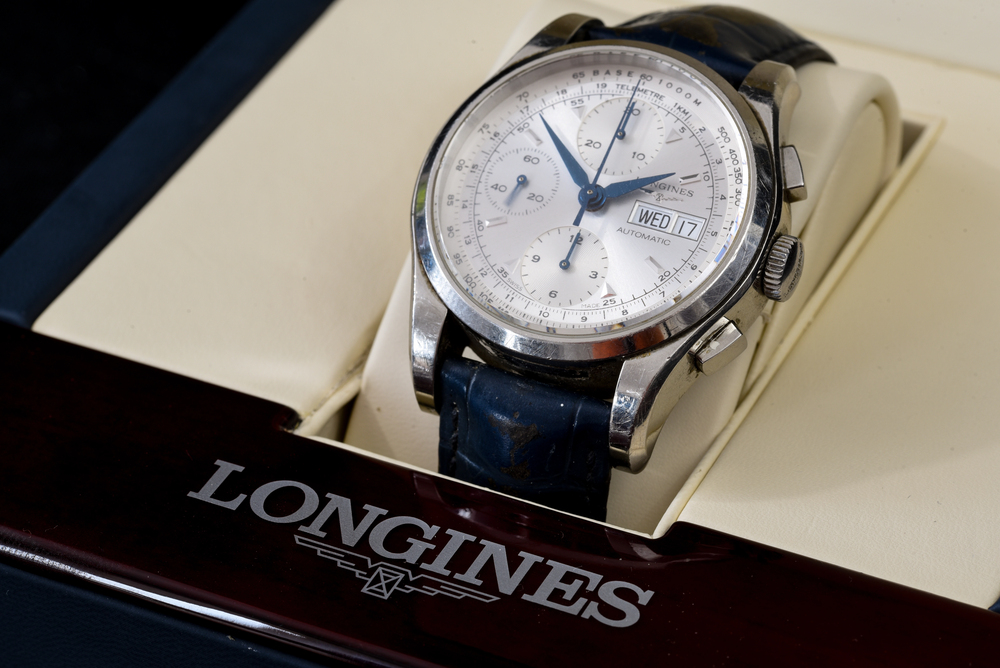
Longines made some of the finest stopwatch-style pocket watches of the early 1900s, with their Grande Vitesse models being particularly pricey. These could measure elapsed time with amazing precision, making them popular with wealthy sports fans and businessmen who needed accurate timing.
The complex chronograph mechanism combined with elegant Swiss finishing made these luxury items cost several times the average person’s yearly income.
Zenith Observatory Timepiece
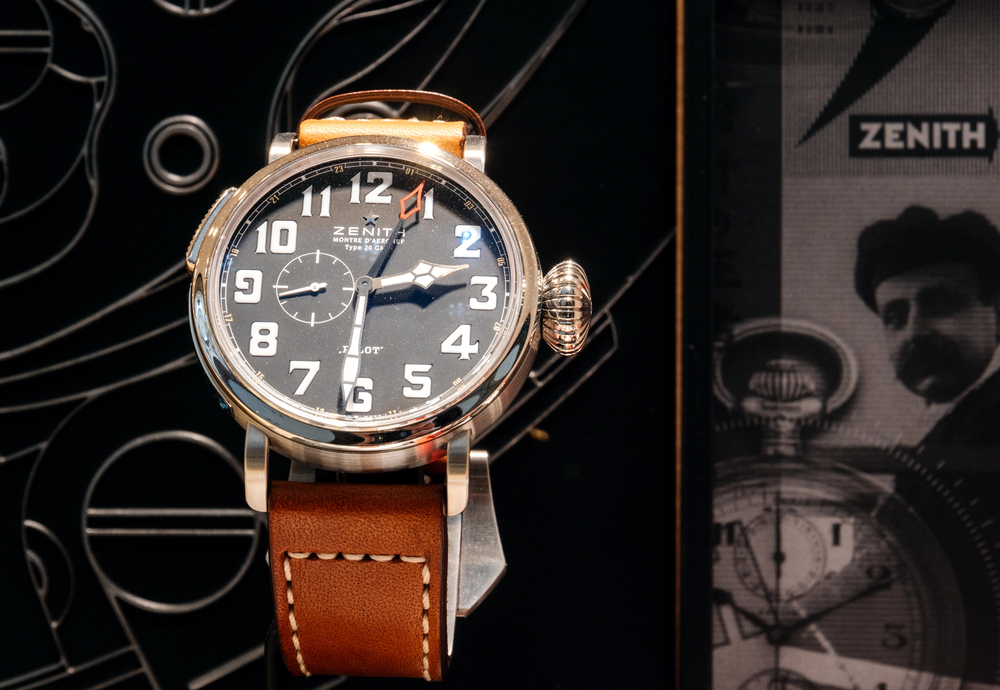
Swiss manufacturer Zenith created incredibly precise and expensive pocket watches that competed in timing competitions worldwide. These had the company’s finest movements, adjusted to chronometer standards and housed in precious metal cases.
The combination of superior accuracy and luxury materials made them extremely expensive. Wealthy collectors paid premium prices for these precision instruments that were basically the Ferraris of pocket watches.
Elgin Father Time Railroad
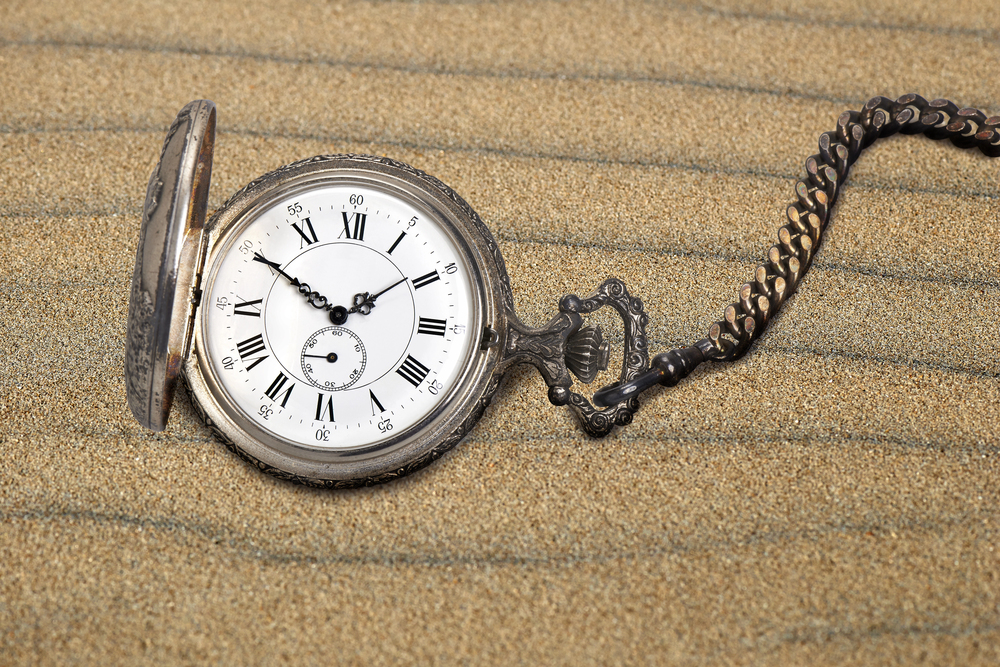
The Elgin National Watch Company’s Father Time series was the best American pocket watch manufacturing could offer. The Railway Special models from the 1900s had 21 jewels, superior adjustment, and solid gold cases.
These were incredibly expensive for American-made watches, competing with Swiss brands in both price and quality. Railroad bosses and wealthy businessmen loved these accurate and luxurious American timepieces.
Like Go2Tutors’s content? Follow us on MSN.
Ulysse Nardin Marine Chronometer
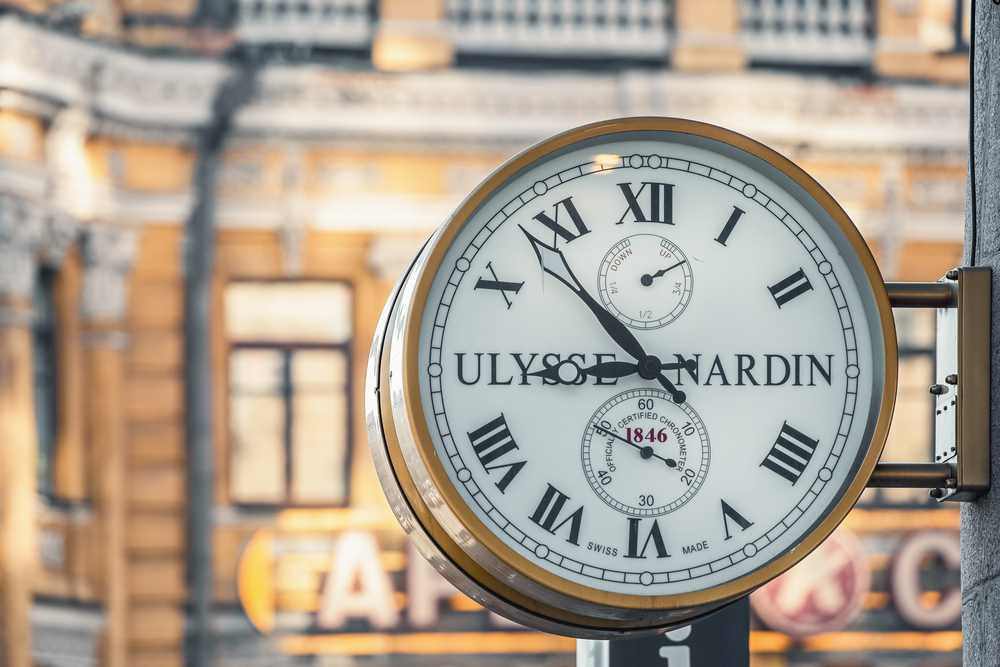
Swiss manufacturer Ulysse Nardin specialized in marine chronometers that ship captains needed for navigation. Their pocket chronometers from the 1900s were incredibly expensive precision instruments that sometimes cost more than small boats.
The company’s reputation for accuracy made their timepieces essential equipment for wealthy yacht owners and naval officers. These were both scientific instruments and serious status symbols all rolled into one.
When Watches Cost Real Money
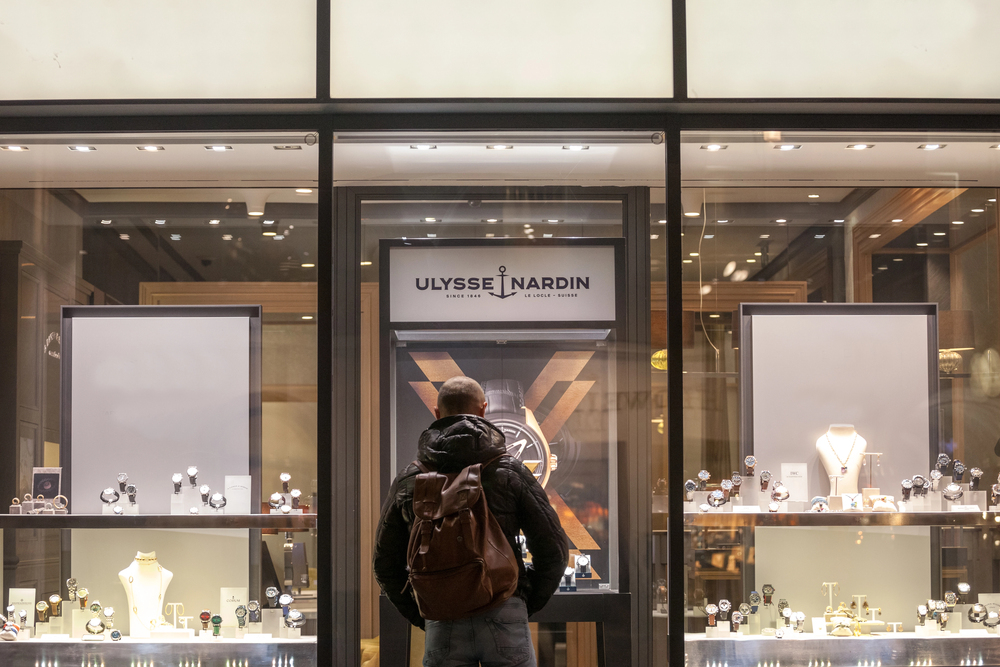
These expensive watches from the 1900s show us what luxury really meant back then. Each piece took months of skilled work, precious materials, and cutting-edge technology that pushed boundaries of what was possible.
The guys making these watches were true artists, creating mechanical marvels that influenced watchmaking for generations. Pocket watches eventually lost out to wristwatches, but the legacy of these early masterpieces lives on in today’s expensive watches, proving that real craftsmanship never goes out of style.
More from Go2Tutors!

- 16 Historical Figures Who Were Nothing Like You Think
- 12 Things Sold in the 80s That Are Now Illegal
- 15 VHS Tapes That Could Be Worth Thousands
- 17 Historical “What Ifs” That Would Have Changed Everything
- 18 TV Shows That Vanished Without a Finale
Like Go2Tutors’s content? Follow us on MSN.



