Things About Flying in the ’60s That Sound Completely Made Up
Air travel in the 1960s operated according to rules so different from modern aviation that describing them sounds like fiction. Safety protocols that would now cause federal investigations were standard procedure.
Seating configurations optimized for elegance rather than maximum passenger density. Cabin environment controls that served alcohol freely and continuously.
Flight attendants whose role included sophisticated service rather than emergency evacuation training. The entire aviation culture reflected assumptions about class, leisure, and human comfort that modern flying has completely abandoned.
Yet every detail of 1960s flying was absolutely real and extensively documented through photographs, flight manuals, and passenger accounts. The decade represented a technological frontier when jet travel was still new enough that airlines competed partly through luxury rather than price or convenience.
Airports remained relatively empty compared to modern ones, security screening was minimal, and the entire premise of air travel involved moving between continents in conditions that modern passengers would find luxurious compared to contemporary economy flights. These weren’t fantasies—they were the baseline expectation for commercial air travel.
Stewardesses Could Be Hired and Fired Based on Appearance
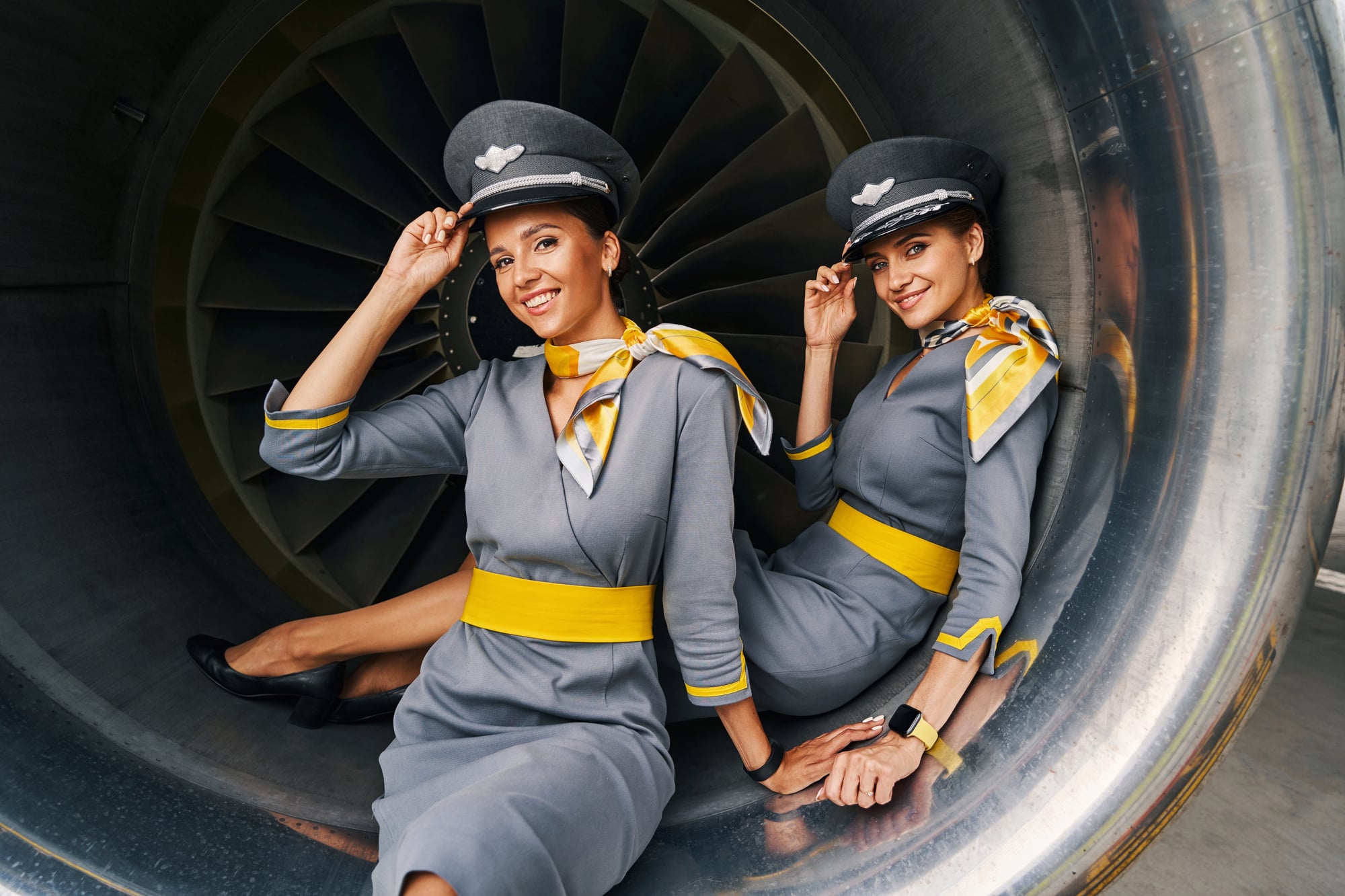
Airlines actively hired stewardesses—the only employment term available—based on looks, weight, and marital status. Unmarried women were preferred, airlines weighed employees regularly, and age limits meant most stewardesses worked only five to ten years before mandatory retirement.
This employment model was completely legal and universal across the industry.
Smoke Occurred Throughout the Plane

Cig smoke happened in all cabin sections, with smoke and non-smoke seating segregating smokers not geographically but merely by imaginary cabin dividers. Ashtrays were built into armrests and walls, and pilots often smoked in the cockpit while flying passengers.
Cig smoke permeated clothing and air quality completely.
Food Service Included Multi-Course Meals on Domestic Flights
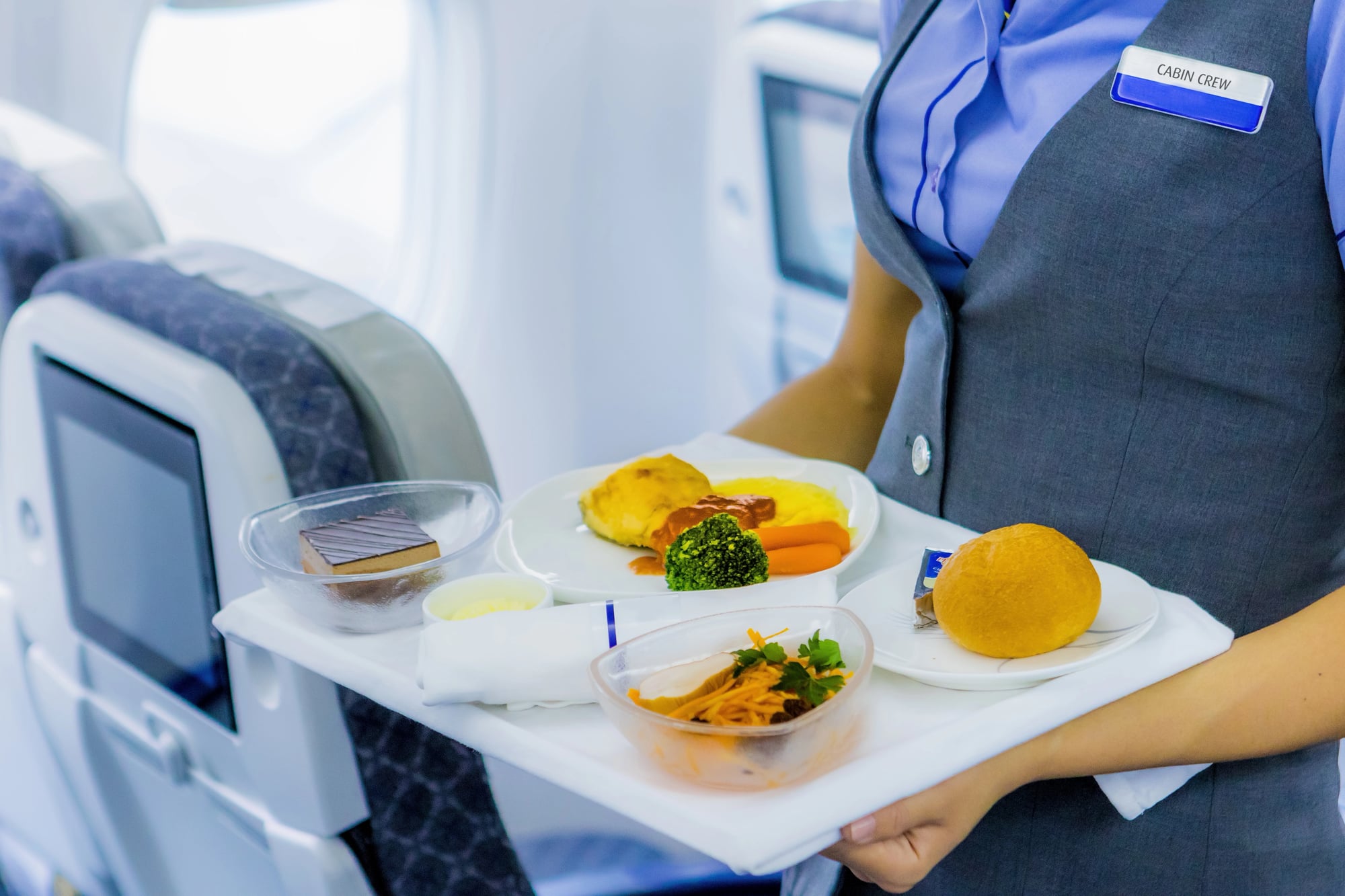
Flights under five hours featured full meal service with multiple courses, real china, and metal cutlery. Airlines employed on-board kitchens and warming systems to serve hot meals even on short domestic routes.
The sheer volume of service staffing made modern airline food service look skeletal by comparison.
Alcohol Flowed Continuously and Freely
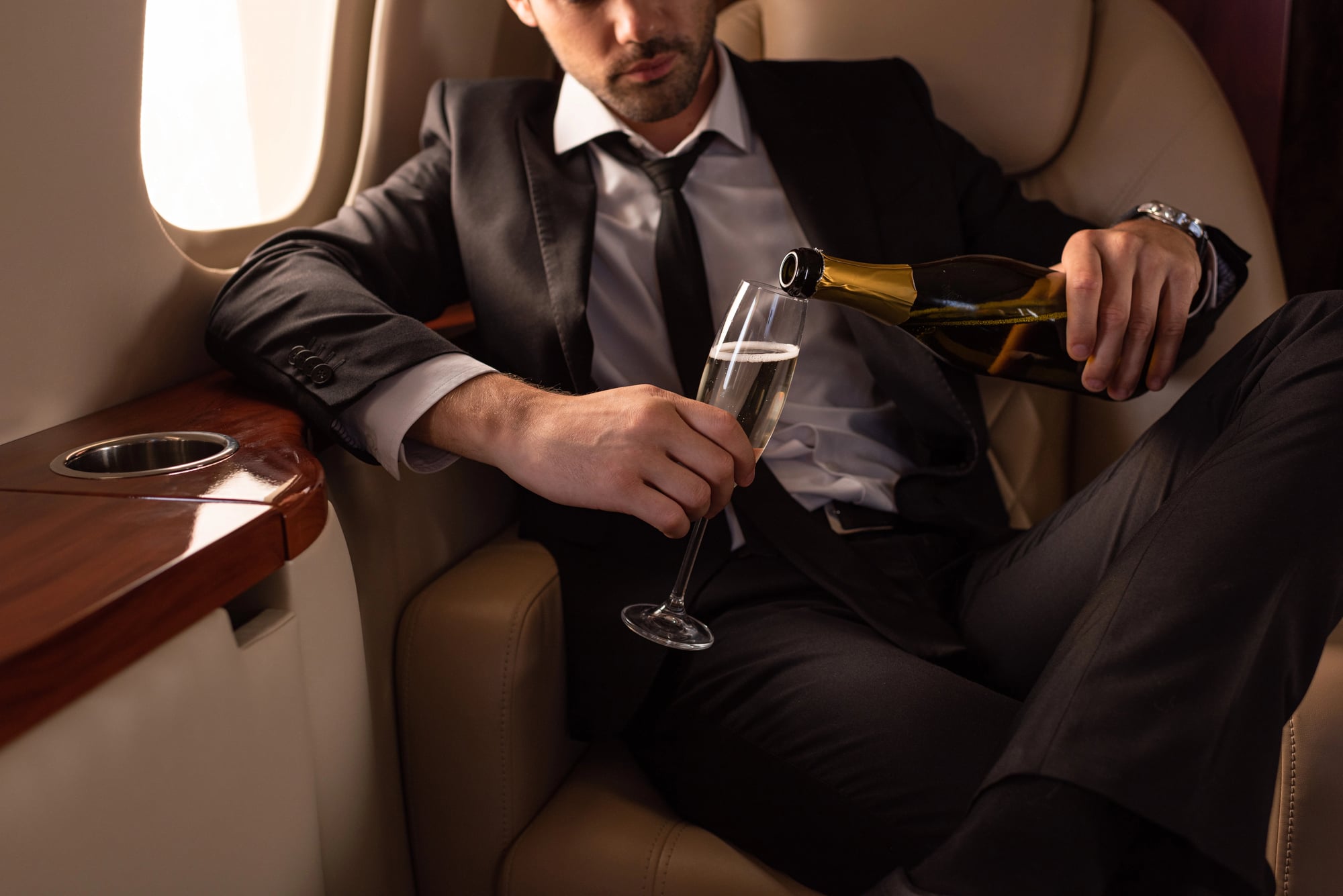
Airlines served unlimited alcohol without charge as part of flight service, with flight attendants circulating continuously with beverage carts. Passengers could drink themselves into significant intoxication legally and without question from airline staff.
The assumption that passengers needed stress relief through alcohol was standard.
Airports Had No Real Security Screening
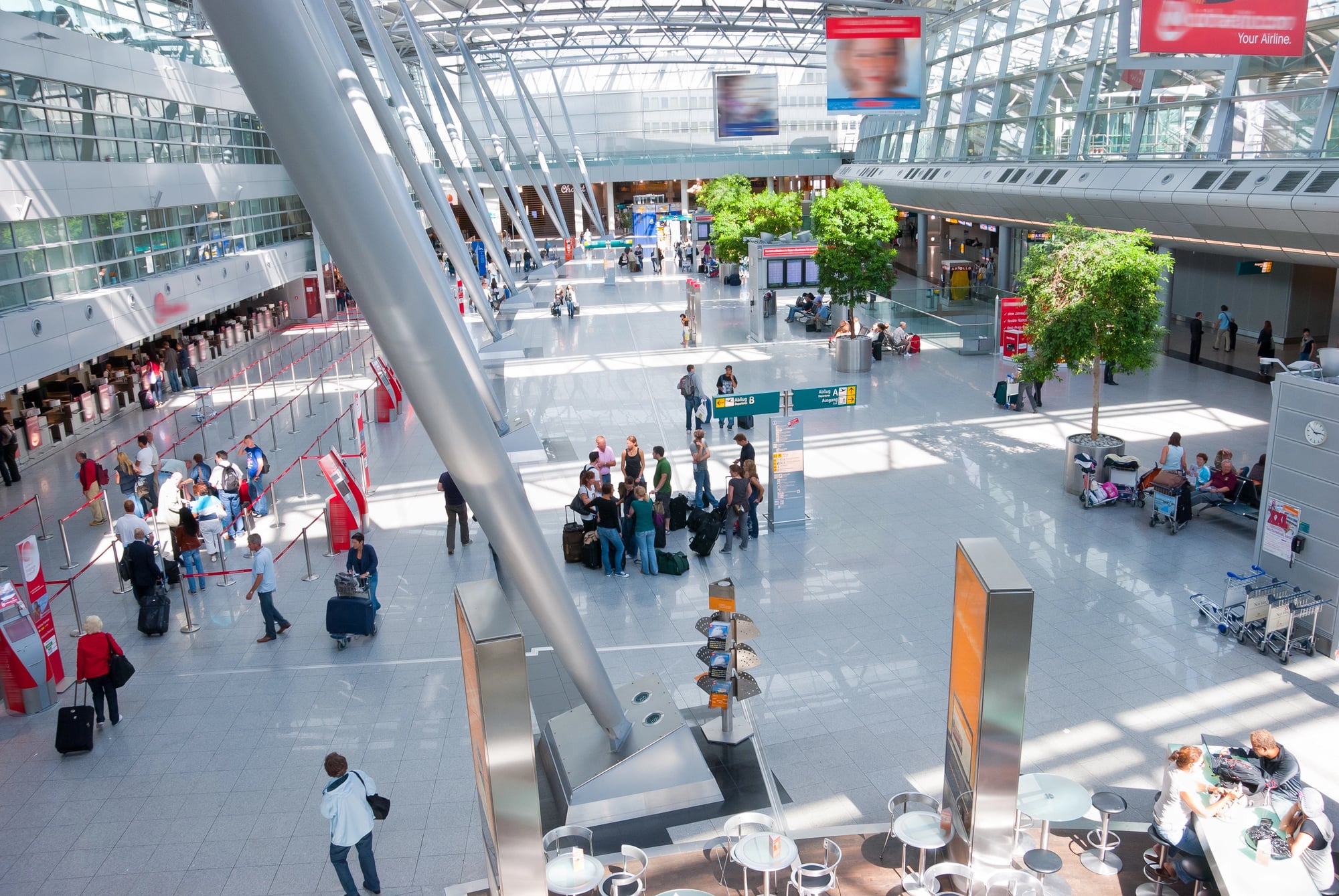
Passengers walked through airports, past other passengers, directly to aircraft with minimal identification checks. No metal detectors, no baggage screening, no security theater.
A person could walk out to an aircraft, knock on the door, and board. Airplane hijackings didn’t exist yet because nobody expected planes to be used as weapons.
Boarding Bridges Didn’t Exist Yet
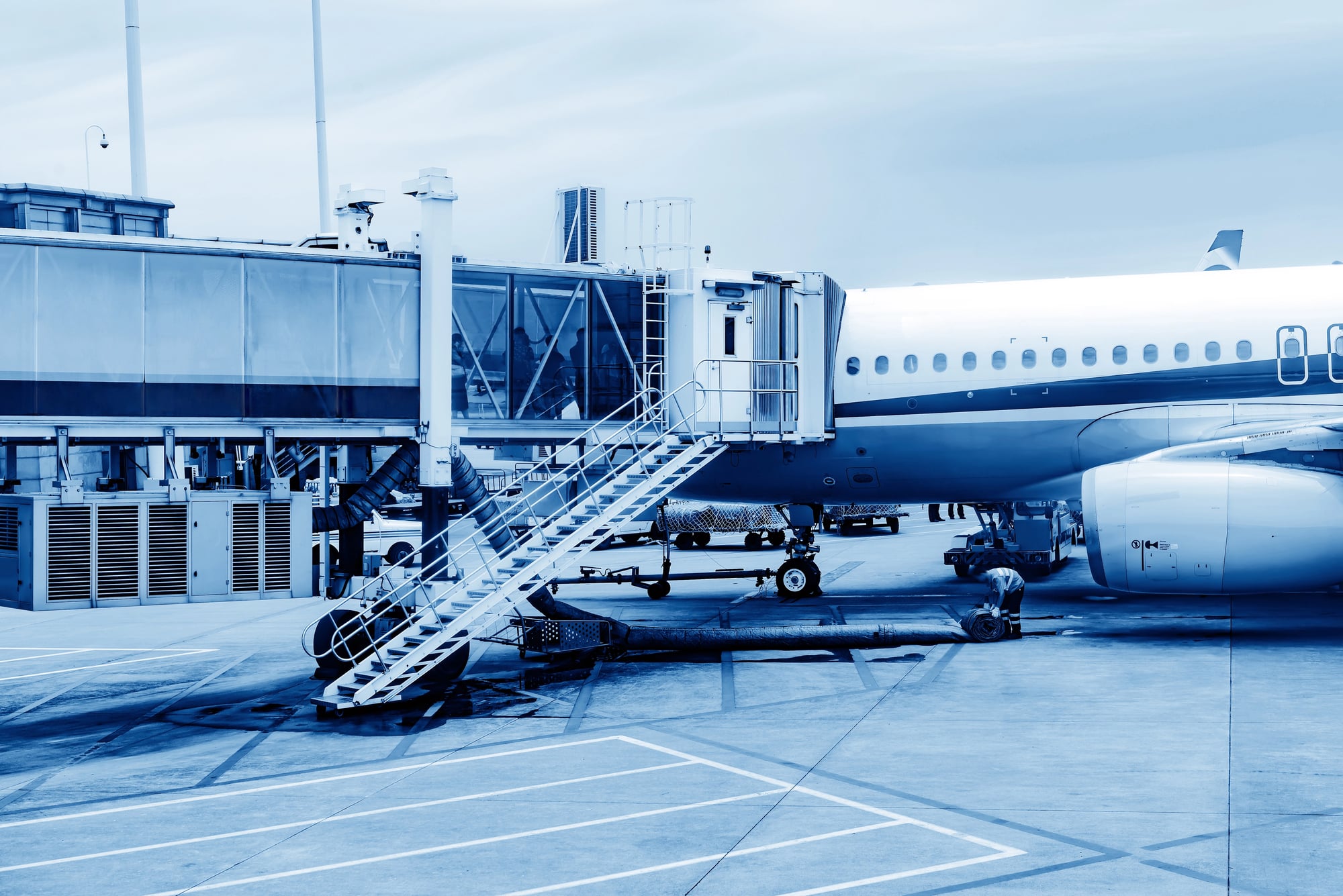
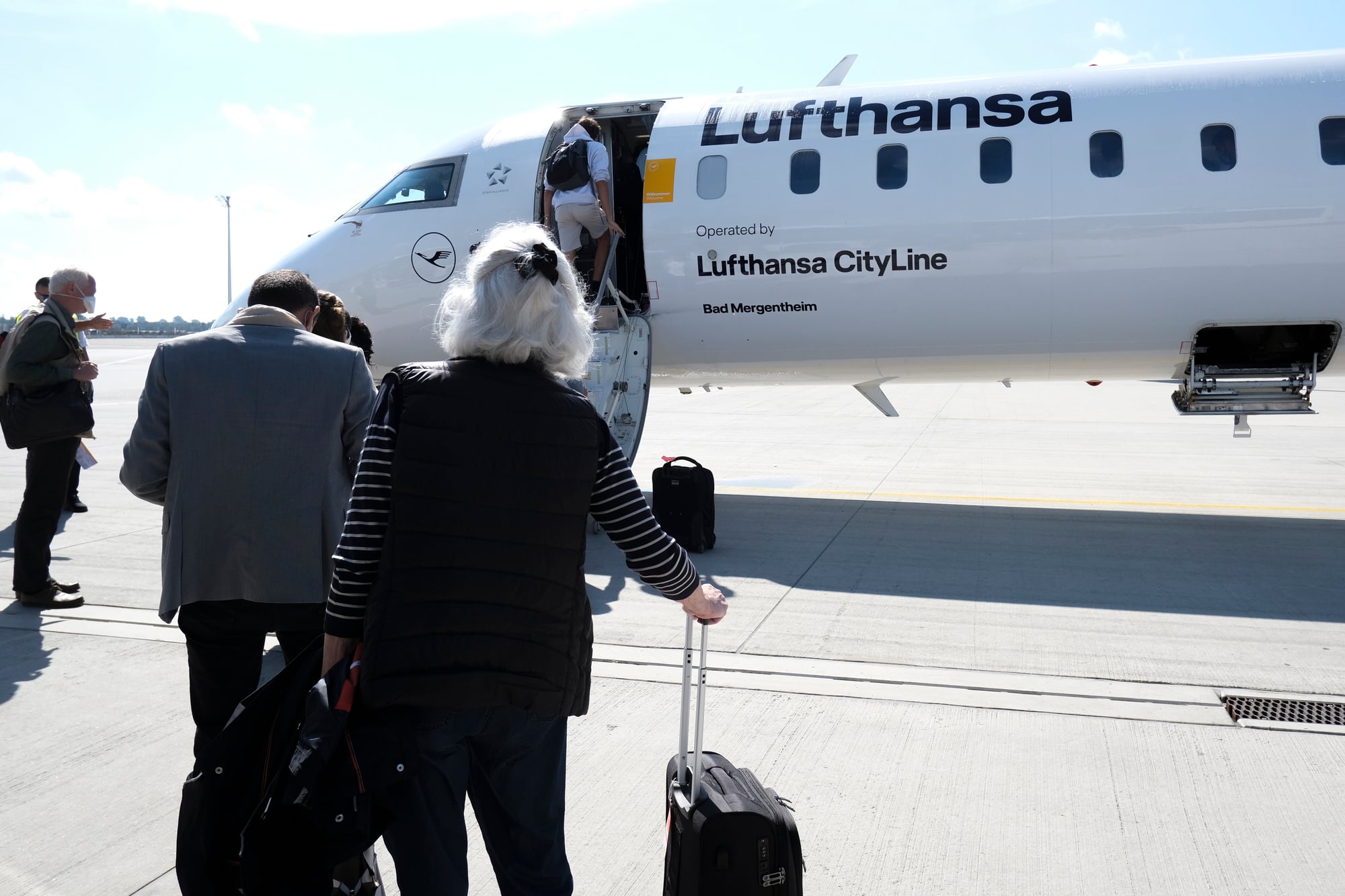
While jet bridges were beginning to appear in major airports, many passengers still walked across outdoor tarmacs directly to aircraft stairs, boarding from the open air. Weather often delayed or complicated boarding.
Elderly passengers and those with mobility issues faced genuine physical challenges that airlines made minimal accommodation for.
Flight Time Was Dramatically Longer
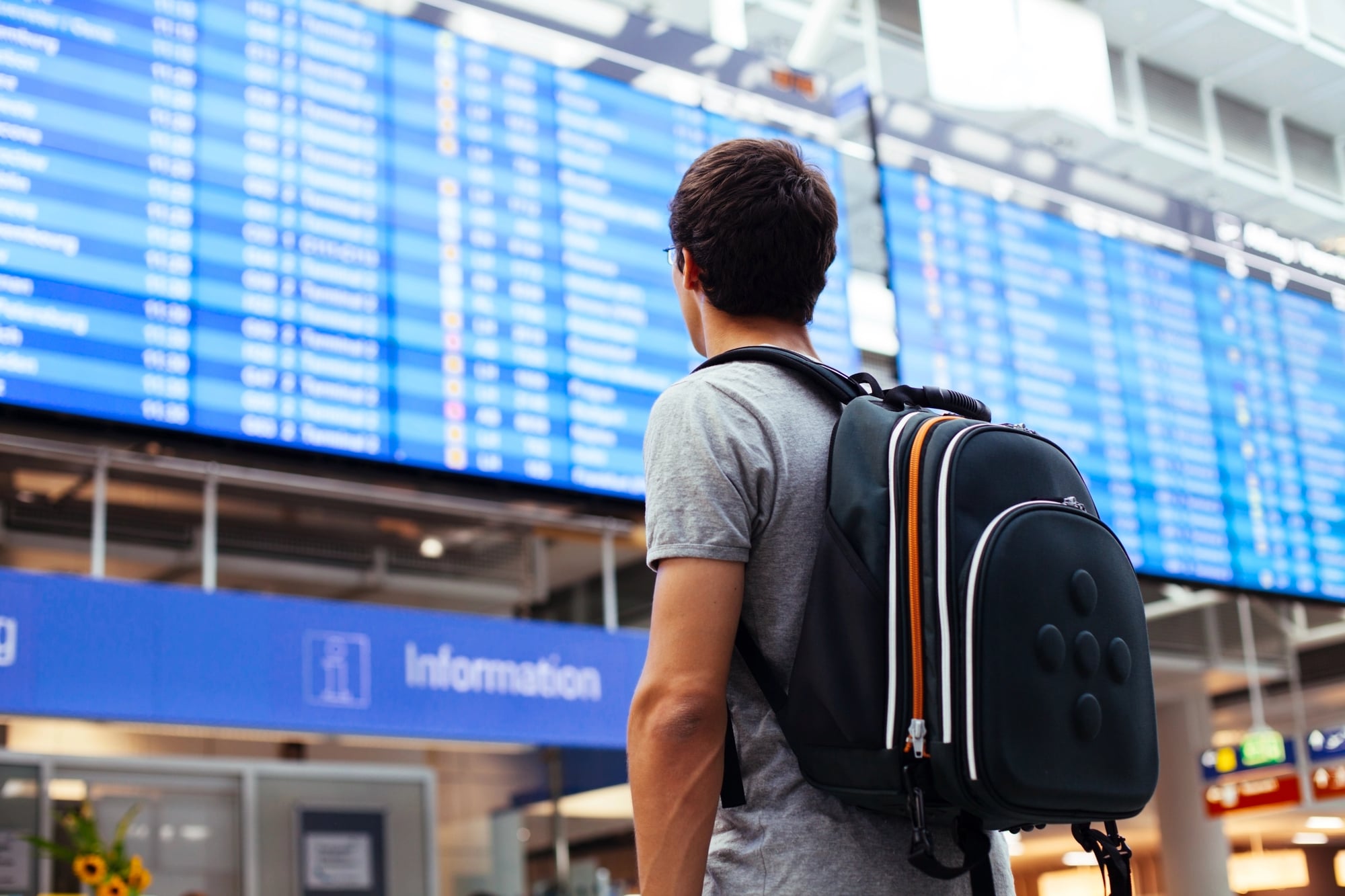
Jet aircraft flew slower than modern jets and made fuel stops that extended travel time absurdly. A cross-country flight consumed most of a day.
International flights required overnight stops in foreign cities. This made travel a genuine expedition rather than a simple logistical procedure.
Overhead Compartments Didn’t Exist
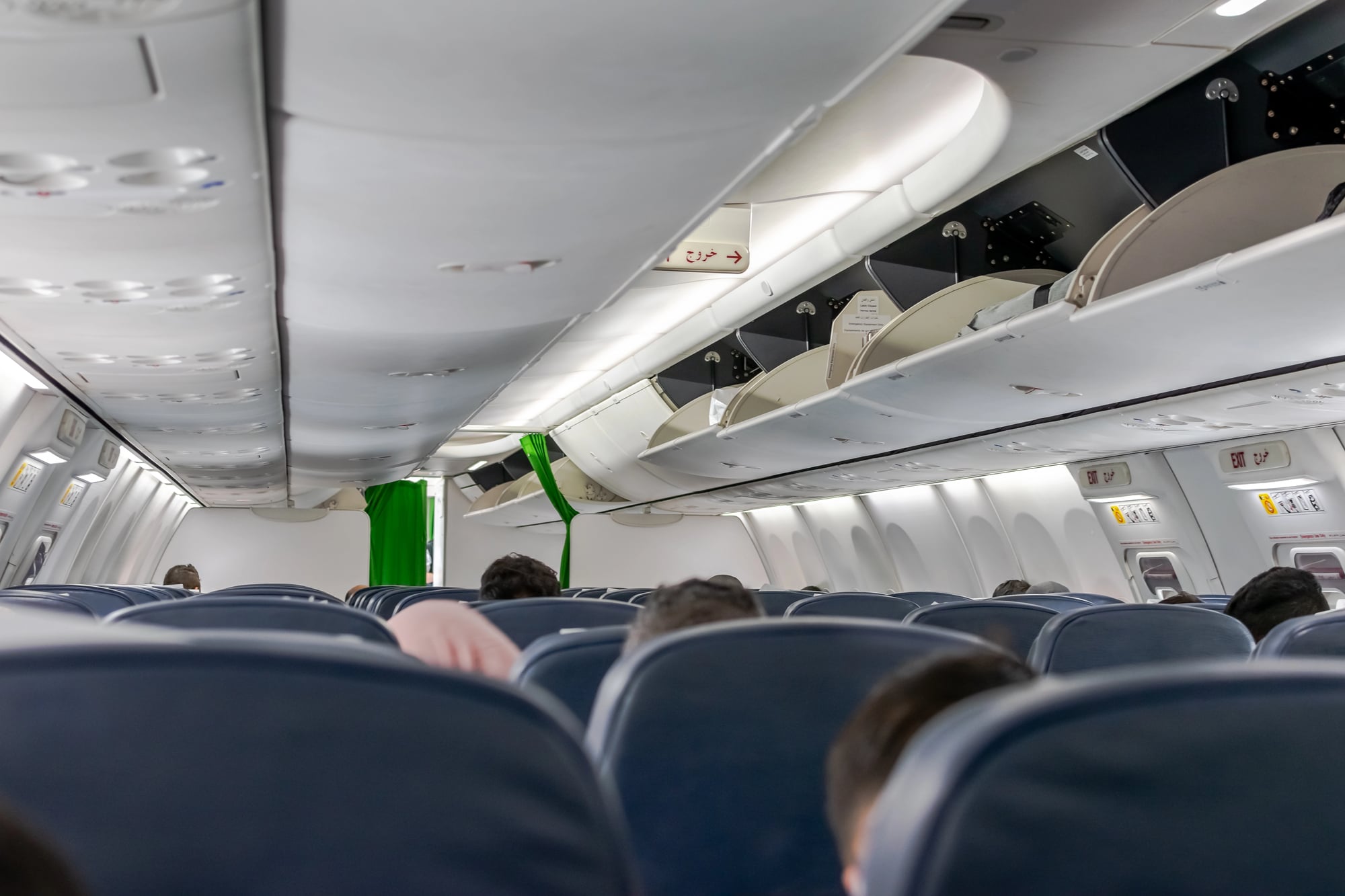
Baggage lived in cargo holds exclusively, with carry-on luggage consisting of small personal items. Passengers had no access to belongings during flight.
Extended flights required that passengers check luggage even if they expected immediate connections.
Seatbelts Were Optional and Simple
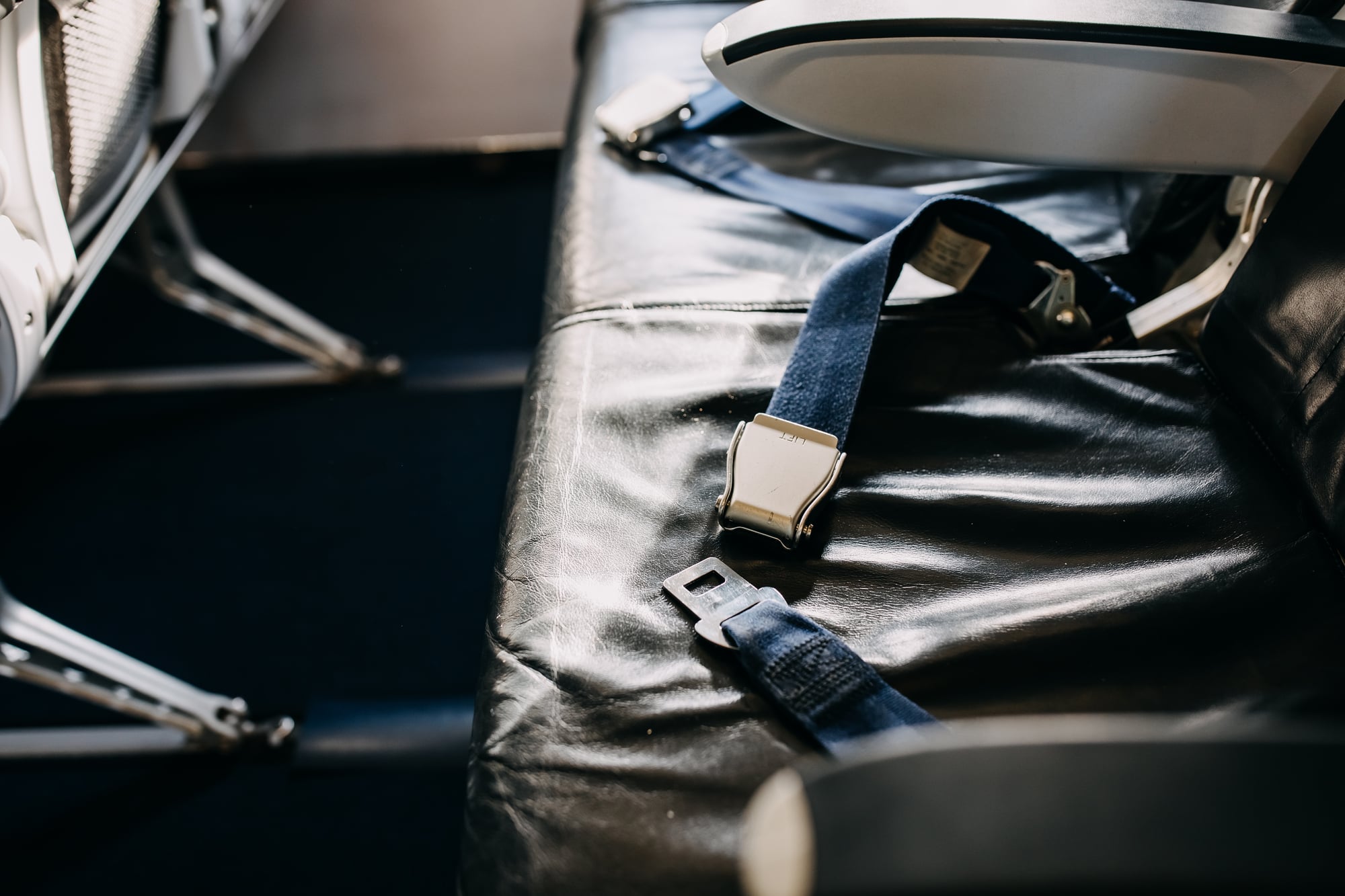
Seatbelts consisted of a single lap belt with no shoulder component. Using them was completely optional and many passengers never fastened them.
The assumption that mid-air turbulence or crashes were survivable if you were simply sitting quietly made seatbelts seem unnecessary.
Cockpit Doors Remained Open
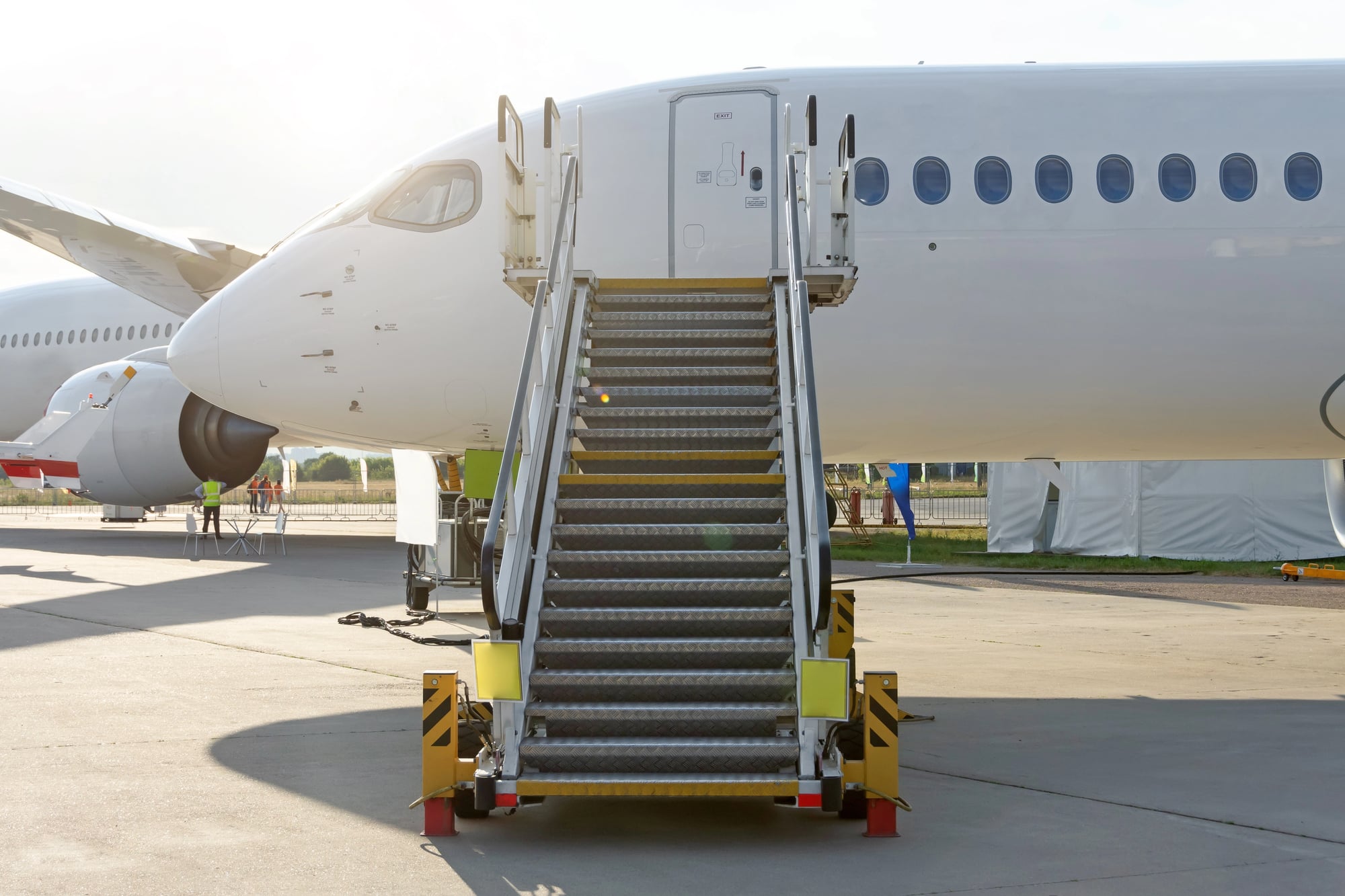
Pilots and cockpit crew maintained open cockpit doors throughout flight, and passengers could visit the cockpit if they wished. The pilot might come back to chat with passengers.
No separation existed between passengers and flight operations.
Aircraft Routinely Flew Without Radar

Some aircraft still used celestial navigation or dead reckoning to determine position. Radio navigation systems were not universal.
Pilots followed specific routes partly because they couldn’t precisely determine location otherwise.
No Pressurization Regulations
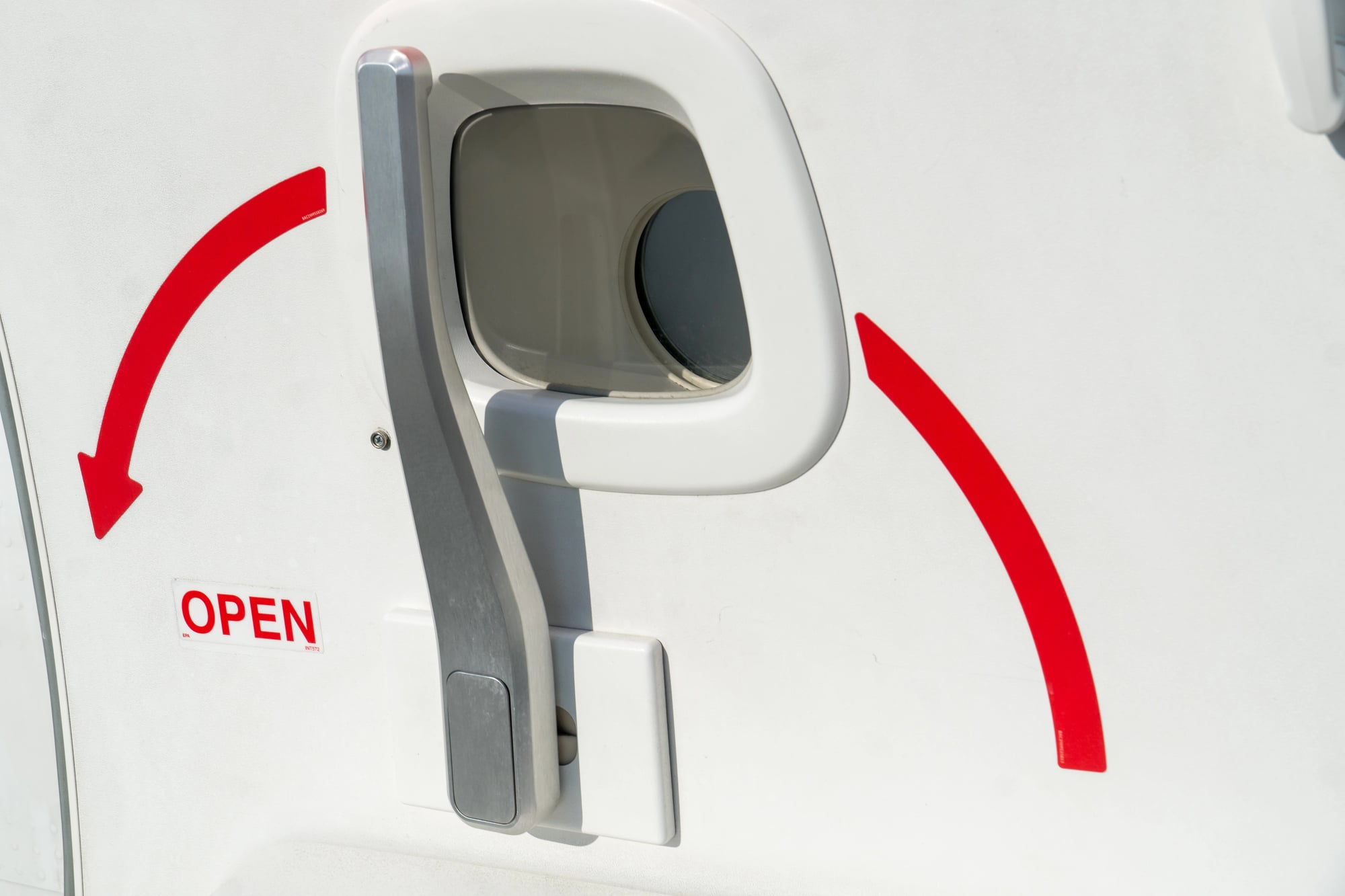
Cabin pressurization existed but remained unregulated in detail, with wide variation in how airlines pressurized cabins. Flights to high altitudes occasionally caused decompression sickness that airlines accepted as normal.
Safety protocols would horrify modern aviation regulators.
Flight Attendants Wore High Heels and Formal Fashion
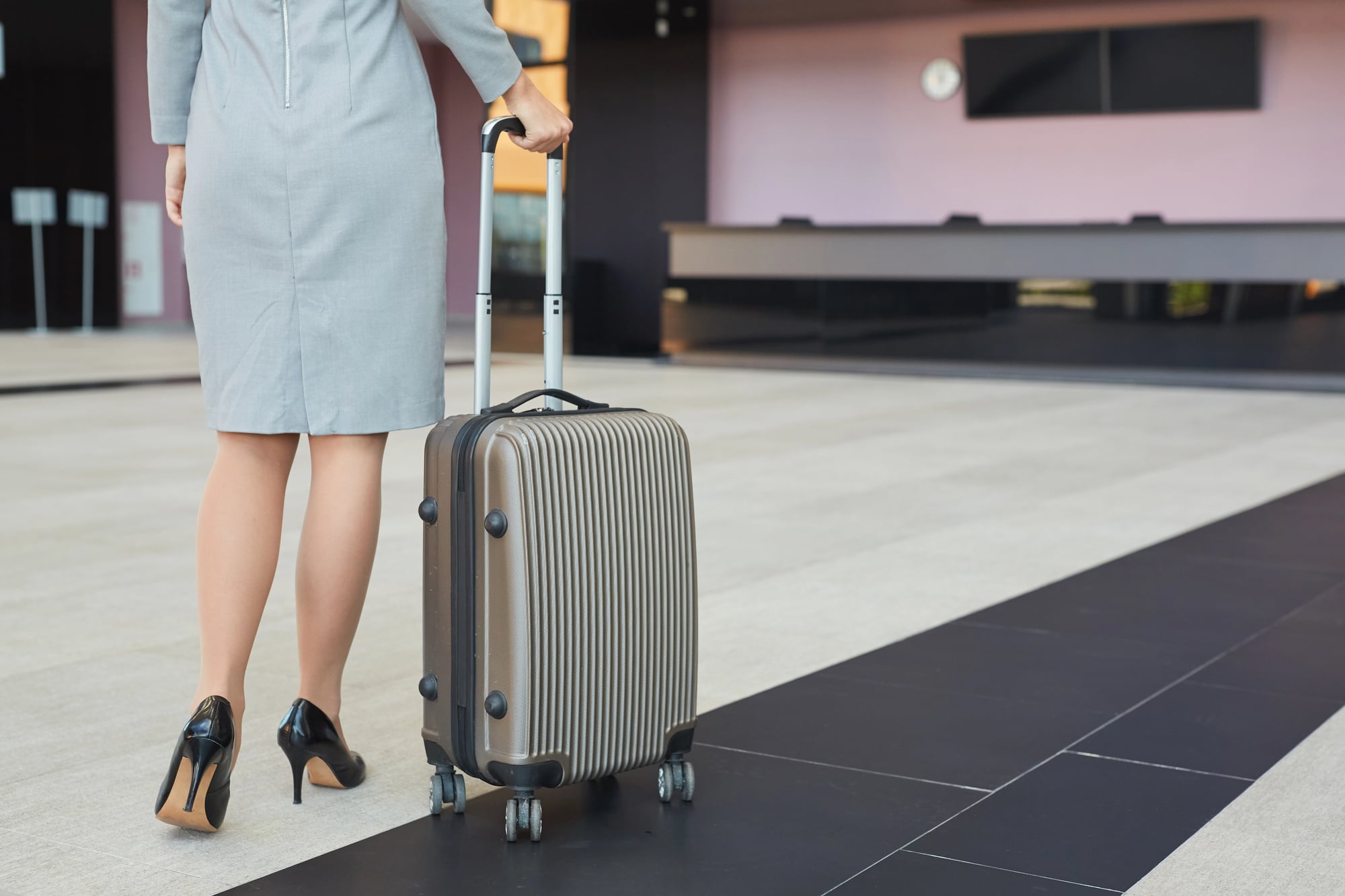
Stewardesses wore high heels, fashion-focused uniforms, and styled hair throughout flights, including emergency procedures. The appearance standards exceeded modern luxury airlines by significant margins, despite the physical demands of the job.
Aircraft Capacity Seemed Enormous
Wide-body jets introduced during the 1960s could carry hundreds of passengers, which seemed impossibly large at the time. Modern aircraft that carry 800+ passengers now seemed more modest when wide-body aircraft first appeared.
Bathrooms Were Elegant Miniatures
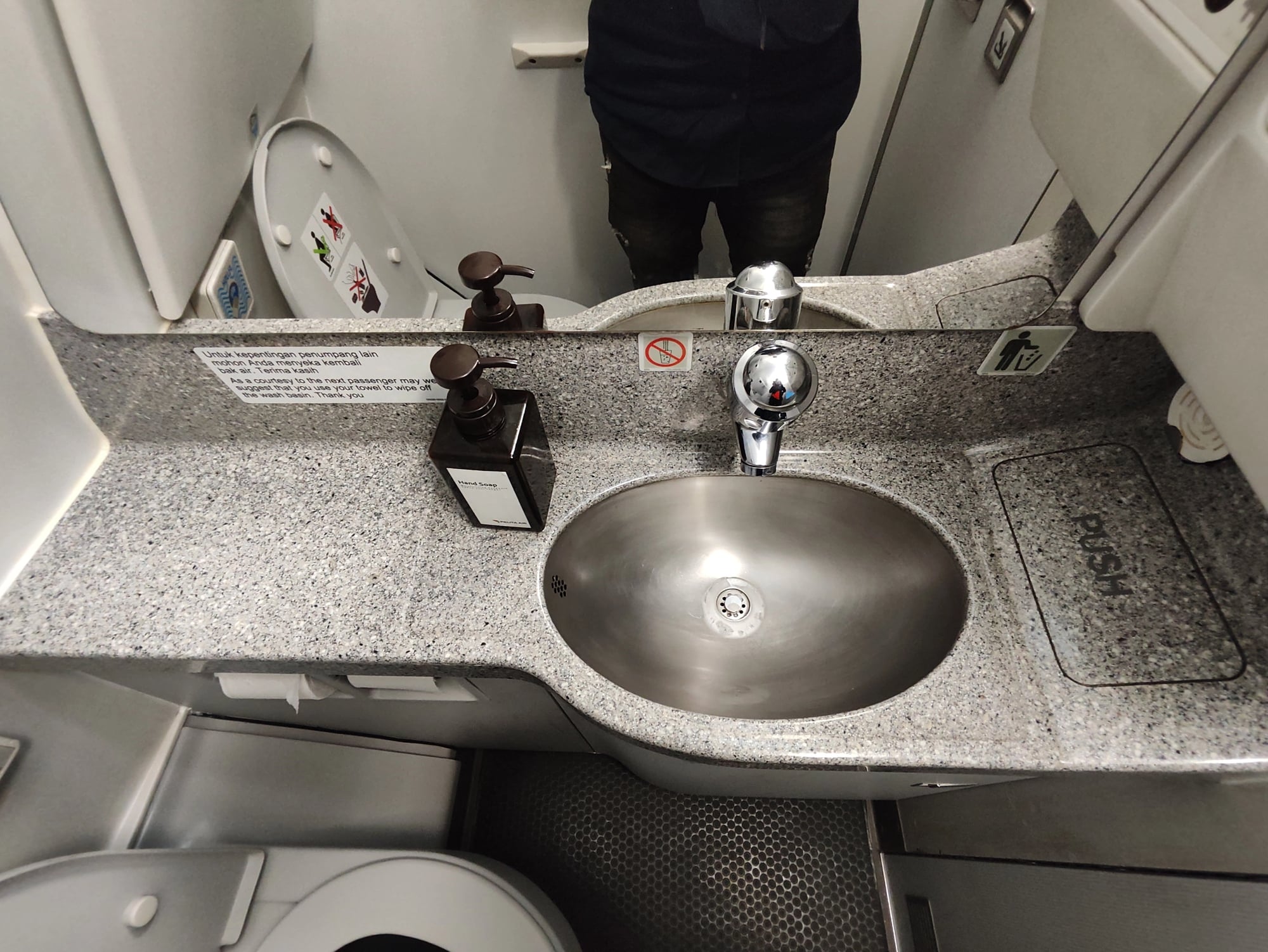
Aircraft lavatories featured decorative details, scent, and actual hand soap in a presentation that modern aircraft have eliminated for weight and space savings. The miniature design was carefully considered rather than an afterthought.
Cost Existed But Price Variance Was Dramatic

Airlines offered multiple pricing tiers, with first-class tickets costing five or six times what economy tickets cost. This pricing ratio was legal and considered standard market practice in a way that modern aviation has eliminated.
Noise Levels Were Shockingly High
Jet aircraft produced cabin noise levels that modern passengers would find unbearable, requiring shouting to hold conversations. Earplugs were sometimes provided but people largely suffered through noise that would now be considered unsafe.
First-Class Included Lounge Access Throughout Terminals
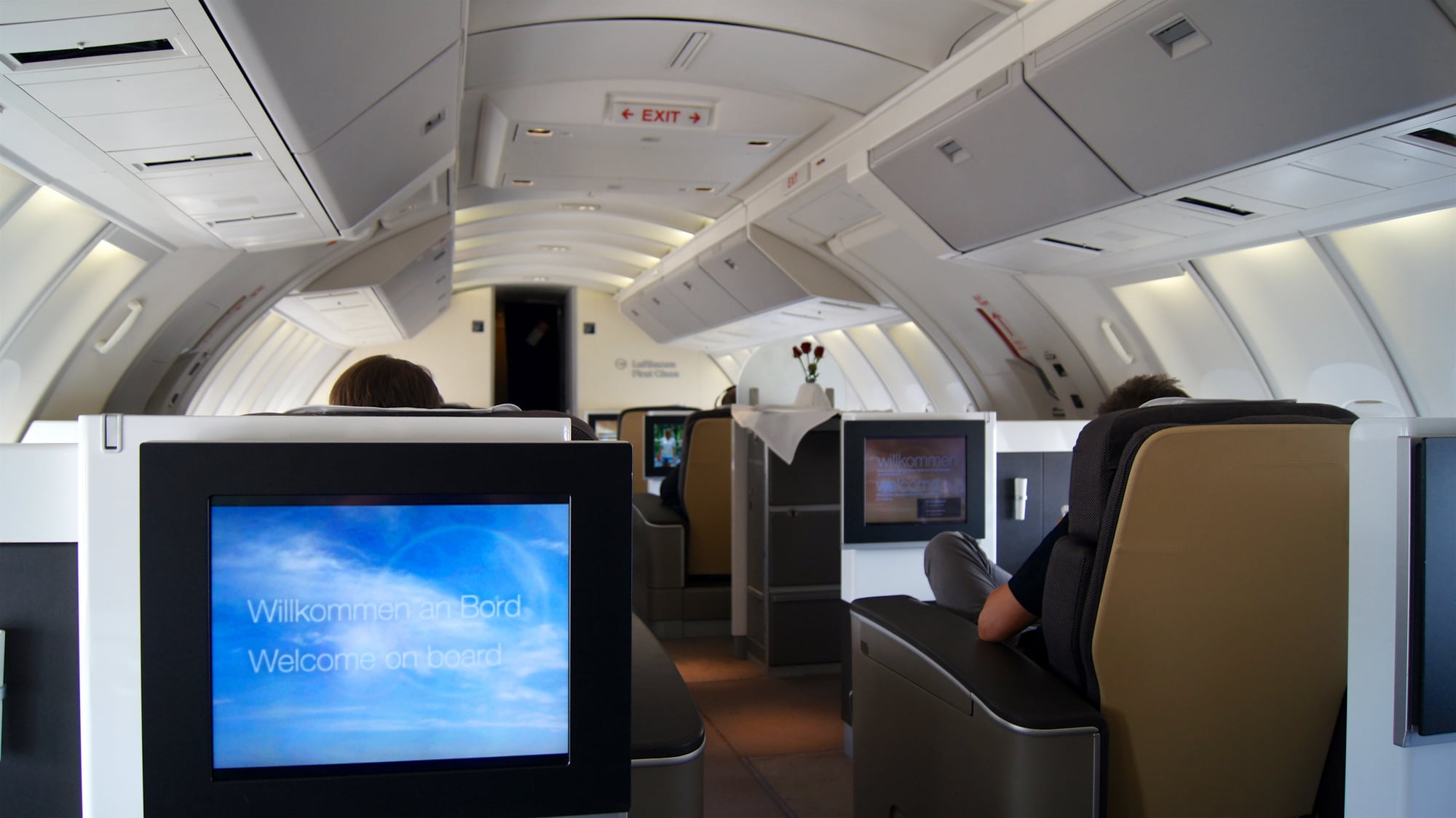
First-class passengers accessed exclusive lounges not just in terminals but sometimes in aircraft themselves. The distinction between classes created entirely separate travel experiences rather than merely different seats.
No Electronic Entertainment Systems
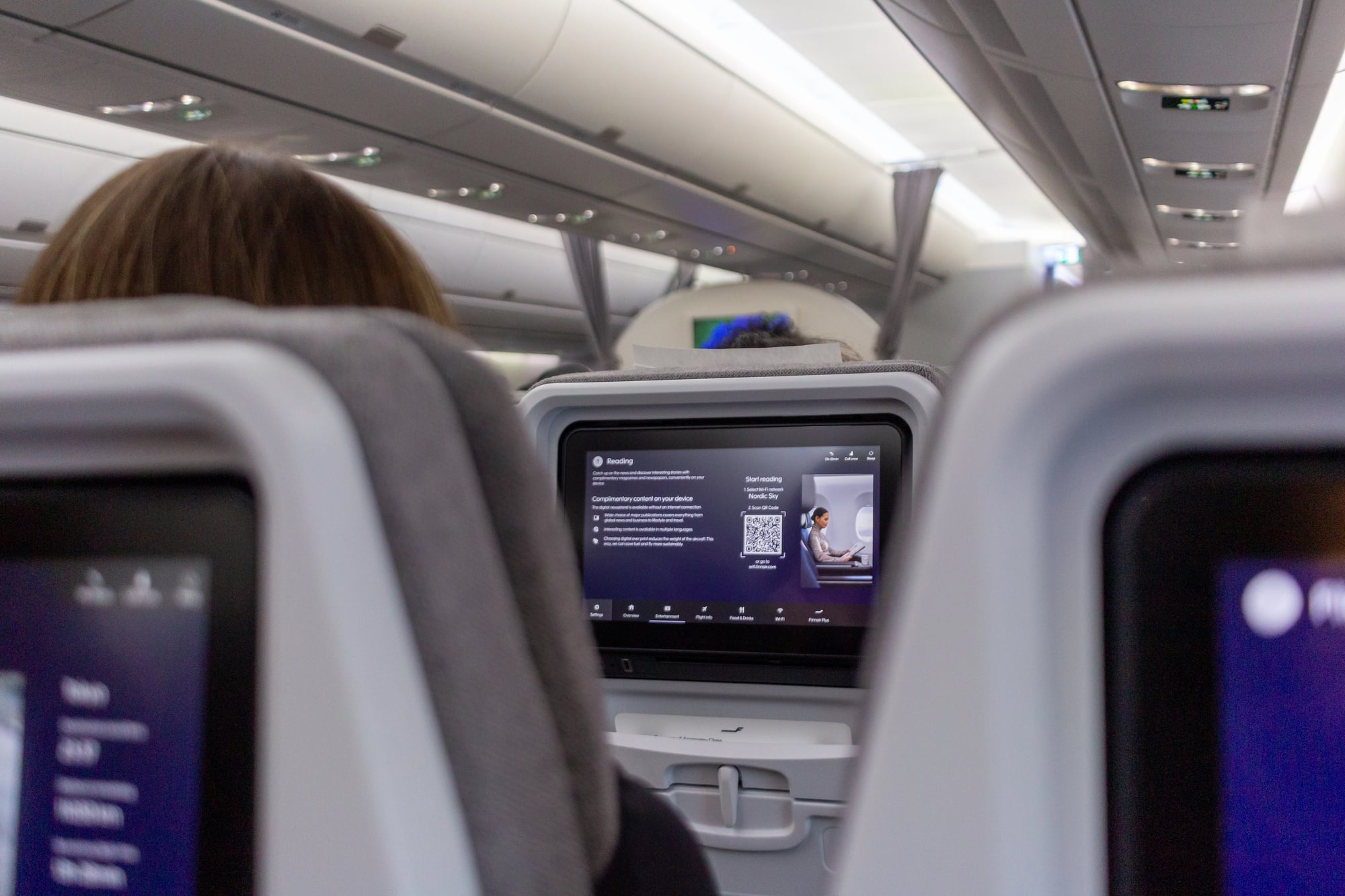
Passengers watched a single movie selected by the airline, on a single screen visible to whoever could see it. Reading, sleeping, or conversation comprised the remaining flight entertainment.
The boredom was genuine and often severe.
Emergency Procedures Seemed Absurdly Casual
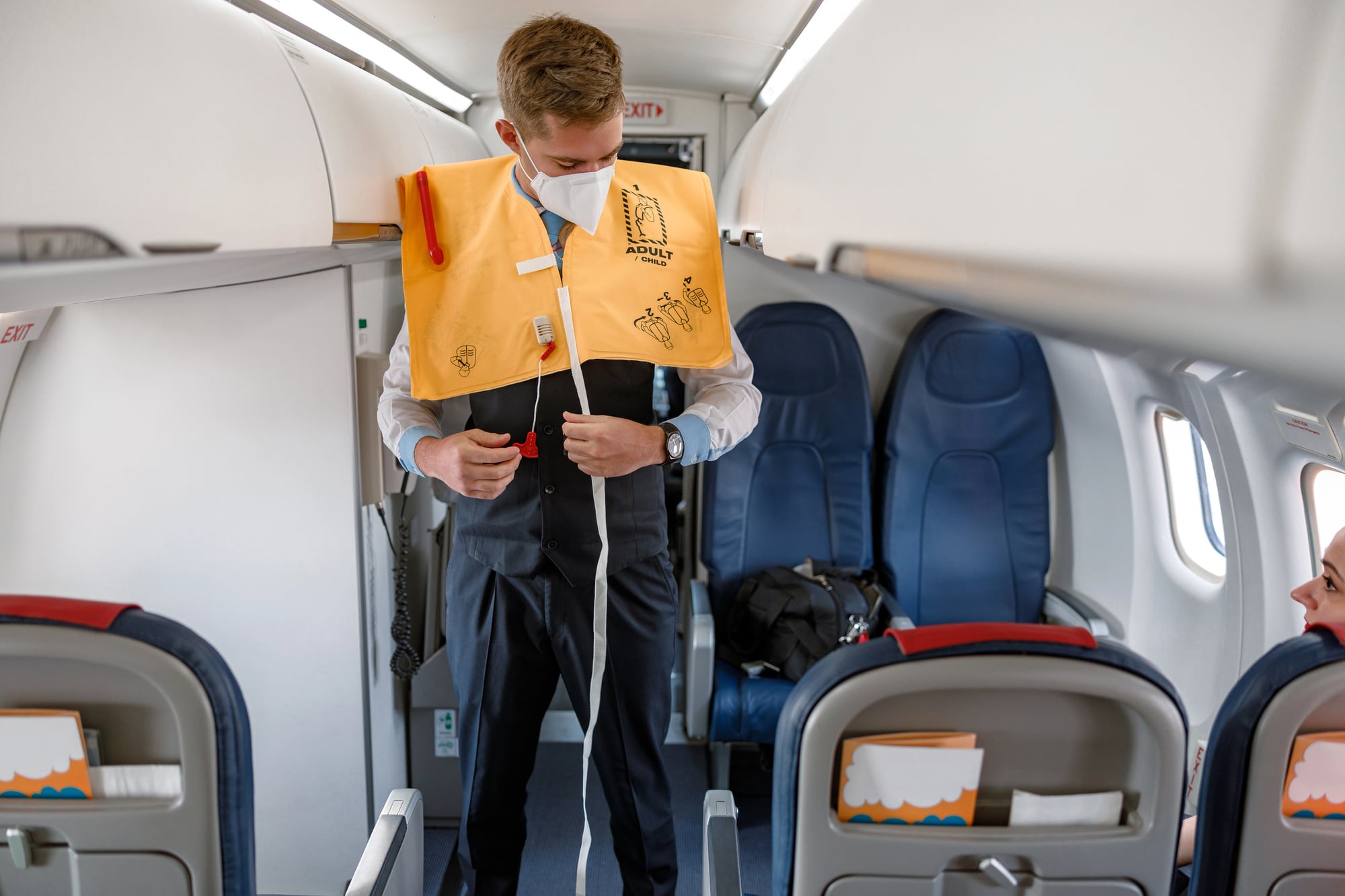
Flight safety demonstrations consisted of stewardess commentary often delivered while passengers ignored completely. No federal mandate existed for thorough safety instruction.
Passengers frequently paid no attention and many couldn’t identify emergency exits.
Overbooking Was Violent and Compensated
When flights overbooked, airlines solved the problem by essentially forcing people off flights. Compensation consisted of small vouchers and customers had no formal grievance process.
Civilized Chaos Defined the Era
1960s flying combined luxury details with safety practices that seem reckless by modern standards. Yet passengers trusted airline judgment completely and accepted circumstances that modern passengers would find intolerable.
This combination of sophistication and risk characterized commercial aviation during the decade’s frontier period.
More from Go2Tutors!

- The Romanov Crown Jewels and Their Tragic Fate
- 13 Historical Mysteries That Science Still Can’t Solve
- Famous Hoaxes That Fooled the World for Years
- 15 Child Stars with Tragic Adult Lives
- 16 Famous Jewelry Pieces in History
Like Go2Tutors’s content? Follow us on MSN.



