29 Empires That Collapsed Faster Than Anyone Expected
Empires like to advertise their own permanence. Coins, monuments, and official histories all say the same thing: this arrangement is stable, this dynasty is secure, this order will outlast whoever happens to be reading the inscription. Then, with startling regularity, it doesn’t.
The collapses below did not always come without warning. What they share is speed. In each case, the gap between “clearly still a great power” and “effectively finished” was far shorter than contemporaries, or historians looking back, expected it to be.
Soviet Union
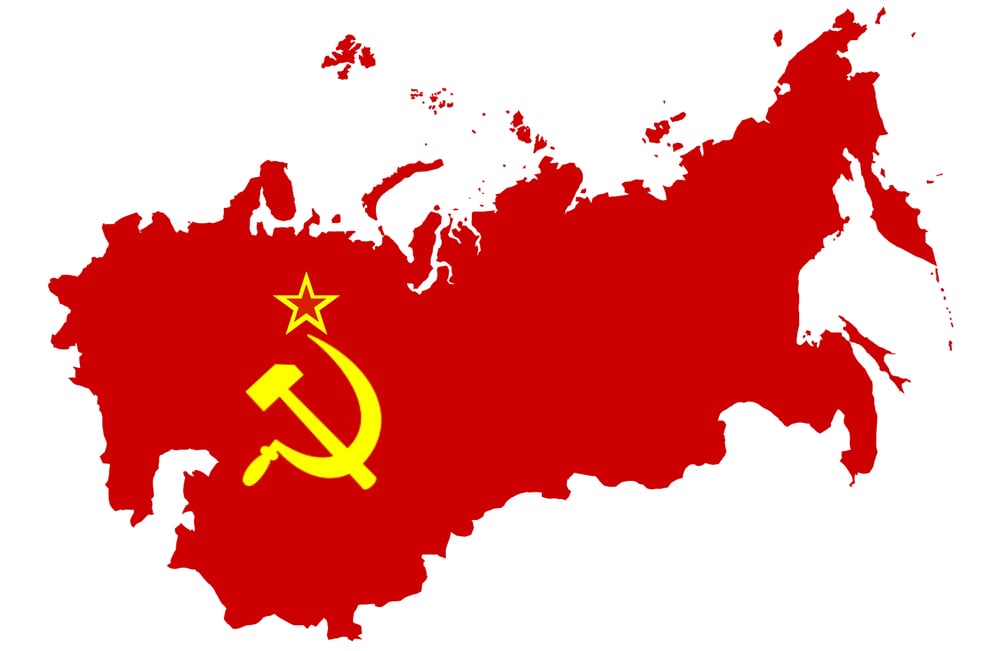
The USSR entered 1991 as one of two global superpowers and ceased to exist by the end of December that same year. Economic reforms under Mikhail Gorbachev meant to save the system instead accelerated its unraveling, and a failed coup attempt in August triggered a cascade of republics declaring independence within months.
Western Roman Empire
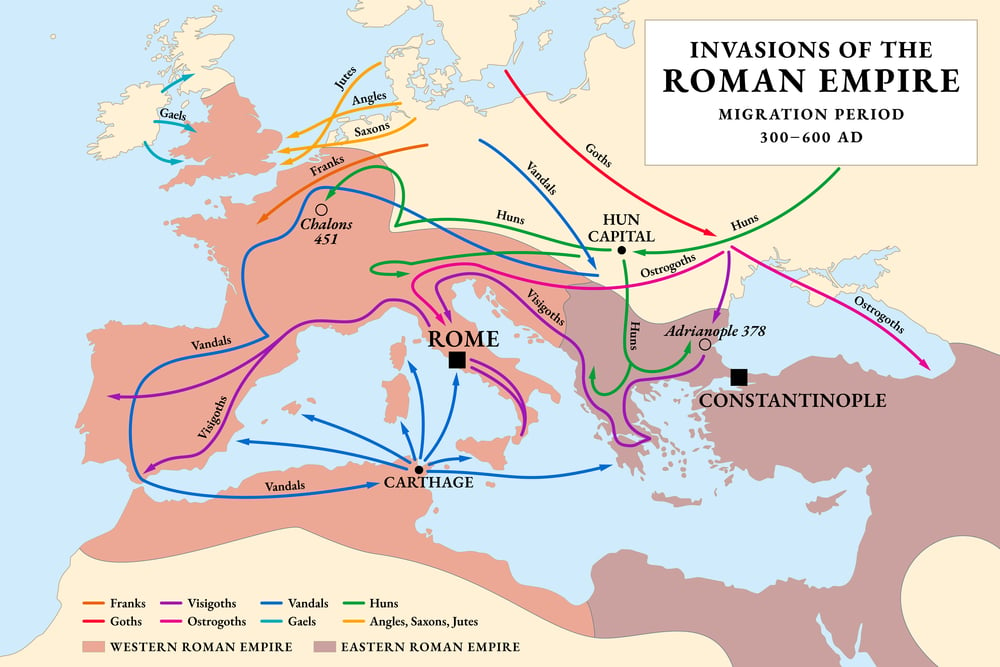
Rome’s western half had been weakening for decades, but its final collapse arrived in a compressed burst between the sack of Rome in 410 and the deposition of the last emperor in 476. A polity that had dominated the Mediterranean for centuries effectively ceased to function as a coherent state within a single generation.
Aztec Empire

Hernán Cortés landed on the Mexican coast in 1519 with a few hundred men and, with the help of local allies and a devastating smallpox epidemic, brought down the Aztec Empire by 1521. A dominant regional power that had commanded tribute from millions collapsed in roughly two years.
Inca Empire

Francisco Pizarro captured the Inca emperor Atahualpa in 1532 with a force of fewer than 200 Spaniards, and organized Inca resistance had largely broken down within a year. The empire, which stretched across much of the Andes and governed millions of people, fell faster than almost any comparably sized state in history.
Songhai Empire

West Africa’s largest empire, built on control of trans-Saharan trade routes, was shattered in 1591 when a Moroccan invasion force armed with firearms defeated the much larger Songhai army at the Battle of Tondibi. The empire, which had taken generations to build, fragmented into competing successor states within a few years of that single battle.
Mongol Empire

The Mongol Empire reached its greatest extent under Möngke Khan, but his death in 1259 triggered a succession crisis that split the empire into rival khanates within just a few years. A single unified realm stretching from China to Eastern Europe never again functioned as one political entity.
Yuan Dynasty

Mongol rule over China, established by Kublai Khan, collapsed in 1368 when rebel forces led by Zhu Yuanzhang captured the capital and drove the Mongol court back to the steppe. A century of Mongol dominance over China unraveled within a few years of sustained rebellion.
Assyrian Empire

The Neo-Assyrian Empire dominated the Near East for centuries before a coalition of Babylonians and Medes destroyed its capital, Nineveh, in 612 BCE. Within just a few more years the empire had been entirely wiped from the map, a stunning fall for a state that had seemed unassailable a generation earlier.
Achaemenid Persian Empire

The largest empire the ancient world had yet seen, spanning from Egypt to India, was conquered by Alexander the Great in a campaign lasting only about four years, from 334 to 330 BCE. A state that had resisted Greek invasion for nearly two centuries fell after a handful of decisive battles.
Qing Dynasty

China’s last imperial dynasty, which had ruled for over 260 years, collapsed within months during the Xinhai Revolution that began in October 1911. The last emperor, a six-year-old boy, formally abdicated in February 1912.
Austro-Hungarian Empire

This multiethnic empire governed over 50 million people at the start of World War I and disintegrated into a patchwork of new nations within weeks of the war’s end in 1918. Military defeat exposed nationalist movements that had been building for decades, and the empire dissolved almost overnight once the fighting stopped.
Ottoman Empire

Centuries of gradual decline gave way to a rapid final collapse after World War I, with the empire formally abolished and replaced by the Republic of Turkey between 1922 and 1923. An empire that had once stretched across three continents ended its political existence within a few short years of its wartime defeat.
German Empire

Kaiser Wilhelm II’s German Empire, established in 1871, collapsed within days in November 1918 as military defeat, mutiny, and revolution forced the Kaiser’s abdication. A state that had been Europe’s dominant military power just months earlier ceased to exist almost overnight.
Russian Empire

The centuries-old Romanov dynasty fell within a matter of days in February 1917, when strikes and mutinies in Petrograd forced Tsar Nicholas II to abdicate. An autocracy that had governed Russia for over 300 years dissolved before the Bolsheviks even entered the picture later that year.
First French Empire
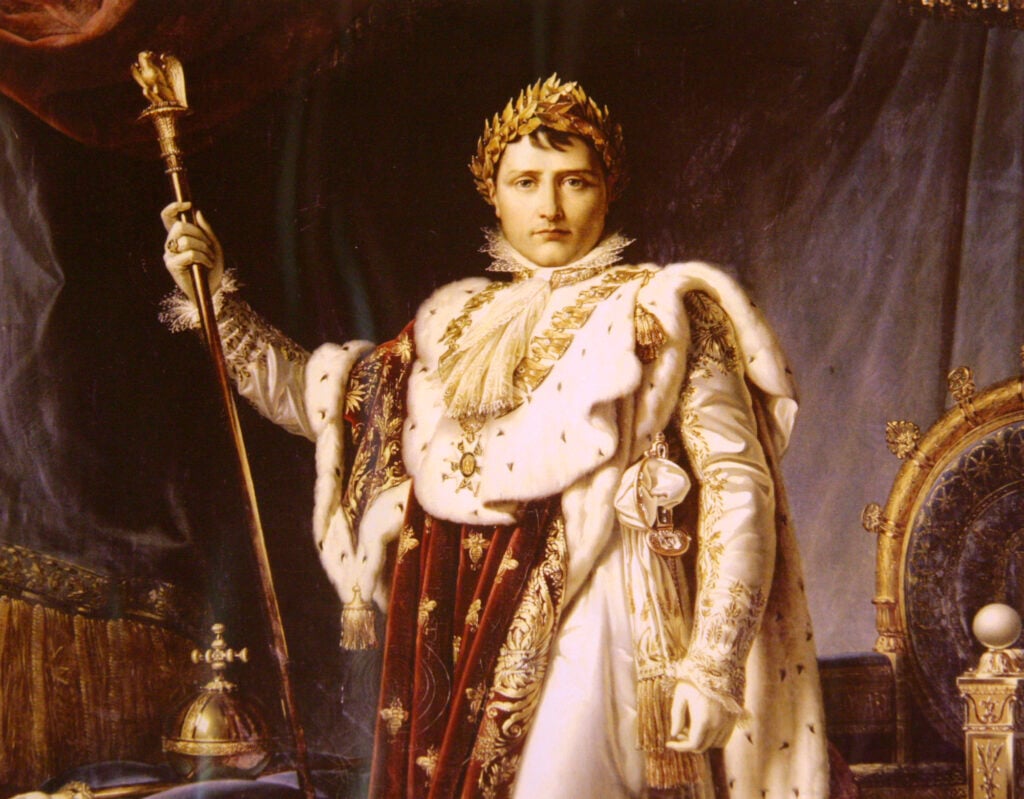
Napoleon Bonaparte’s empire dominated continental Europe at its height, but his failed invasion of Russia in 1812 triggered a collapse completed within about two years, ending with his abdication in 1814. A brief return to power in 1815 lasted only 100 days before a final defeat at Waterloo.
Vijayanagara Empire

This powerful South Indian empire suffered a catastrophic and largely unexpected defeat at the Battle of Talikota in 1565, when a coalition of neighboring sultanates crushed its army. The capital was sacked and abandoned within the same year, and the empire never recovered its former power.
Zulu Kingdom

Under King Cetshwayo, the Zulu Kingdom fielded one of the most formidable armies in southern Africa, inflicting a stunning defeat on British forces at Isandlwana in January 1879. Yet within about six months the British had regrouped and crushed Zulu resistance entirely, ending the kingdom’s independence by that July.
Byzantine Empire

The empire had shrunk to little more than the city of Constantinople and its surroundings by the fifteenth century, but its final collapse was still swift, with an Ottoman siege lasting less than two months ending in the city’s capture in 1453. A Roman imperial tradition stretching back over a thousand years ended within weeks of the siege’s start.
Safavid Empire

Persia’s Safavid dynasty had ruled for over two centuries when an Afghan rebel army besieged and captured the capital, Isfahan, in 1722. The empire, which had seemed secure just years earlier, fractured into competing regional powers almost immediately afterward.
Maratha Empire

Once the dominant power across much of India, the Maratha Confederacy was decisively broken by the British East India Company during the Third Anglo-Maratha War, a single campaign fought between 1817 and 1818. A power that had resisted Mughal and British pressure for generations collapsed within about a year of concentrated fighting.
Sikh Empire

Founded by Ranjit Singh, this powerful northern Indian state fell into chaos almost immediately after his death in 1839, and the British East India Company annexed it entirely by 1849. A single decade turned one of the era’s strongest regional powers into a British colonial possession.
Kingdom of Hawaii

A group of American and European businessmen, backed by US Marines, overthrew Queen Liliuokalani in a nearly bloodless coup in January 1893 that took place over the course of a single day. A century-old monarchy ended almost instantly, with formal annexation by the United States following five years later.
Ethiopian Empire

Emperor Haile Selassie’s decades-long rule ended in 1974 when a military committee known as the Derg seized power over a period of months, formally deposing him in September of that year. An imperial line that traced its claimed origins back thousands of years ended within a single year of sustained unrest.
Holy Roman Empire

This loosely bound central European political structure had existed for roughly a thousand years, but Napoleon’s military dominance rendered it obsolete almost overnight. Emperor Francis II formally dissolved it in August 1806, ending a millennium-old institution with little more than a proclamation.
Kingdom of the Two Sicilies

This centuries-old kingdom controlling southern Italy and Sicily collapsed within months during Giuseppe Garibaldi’s Expedition of the Thousand in 1860. A force that began with roughly a thousand volunteers toppled the kingdom’s army and administration in a campaign that lasted less than a year.
Carthaginian Empire

Rome’s rival for Mediterranean dominance was reduced to a single besieged city by the start of the Third Punic War, and that final siege of Carthage itself lasted about three years before the city fell in 146 BCE. Roman forces then razed the city so completely that Carthaginian power was erased from the region almost entirely.
Mughal Empire

The Mughal Empire controlled most of the Indian subcontinent at its height under Aurangzeb, but his death in 1707 triggered a rapid disintegration, with regional governors effectively becoming independent within a few decades. A state that had seemed unshakeable at the start of the eighteenth century was reduced to a token court in Delhi by its end.
Empire of Brazil

Brazil’s monarchy, established after independence from Portugal, ended in a bloodless military coup led by Deodoro da Fonseca in November 1889 that took place over the course of a single day. A 67-year-old imperial system was replaced by a republic almost overnight, with the emperor exiled within days of the takeover.
French Second Empire

Napoleon III’s empire collapsed within days of his army’s catastrophic defeat at the Battle of Sedan in September 1870 during the Franco-Prussian War. The emperor was captured on the battlefield, and a republic was declared in Paris almost immediately after news of the defeat arrived.
The Illusion of Permanence

Every empire on this list issued coins, built monuments, or commissioned histories meant to project stability. In hindsight, that confidence looks less like evidence of strength and more like a warning sign, since the empires that collapsed fastest were often the ones that had spent the least time preparing anyone, including themselves, for the possibility of failure.
The lesson these collapses share is not that decline is always slow and decay is always visible in advance. Sometimes the foundation is already gone, and all that remains standing is the appearance of one, right up until the moment something exposes the gap.
More from Go2Tutors!

- The Romanov Crown Jewels and Their Tragic Fate
- 13 Historical Mysteries That Science Still Can’t Solve
- Famous Hoaxes That Fooled the World for Years
- 15 Child Stars with Tragic Adult Lives
- 16 Famous Jewelry Pieces in History
Like Go2Tutors’s content? Follow us on MSN.