Things You May Think Are Illegal But Actually Aren’t
Most people walk through life carrying a surprisingly heavy load of legal misconceptions. These myths get passed down through generations, spread by well-meaning relatives, nervous friends, or that one person at work who always seems certain about things they’ve never actually looked up.
The gap between what feels illegal and what actually breaks the law is wider than you might expect. Sometimes the things that make you glance over your shoulder or lower your voice are perfectly within your rights.
Recording conversations

Recording your own conversations is legal in most situations, even when the other person doesn’t know. One-party consent laws exist in the majority of states.
If you’re part of the conversation, you can record it. The confusion comes from movies and TV shows that treat all recording like wiretapping.
Real wiretapping involves recording conversations you’re not part of. That’s different. When you’re actually in the conversation, the legal landscape shifts entirely.
Refusing to show ID to police

You don’t have to show identification to police officers just because they ask. Unless you’re driving, being arrested, or in specific situations like airport security, your ID stays in your pocket if that’s where you want it.
The “stop and identify” laws that do exist in some states still require reasonable suspicion of criminal activity (and even then, in many of these states, you only need to provide your name verbally, not physical identification). Walking down the street while looking suspicious isn’t a crime, despite what some encounters might suggest.
But this right comes with a practical warning: knowing your rights and having them respected in the moment are two different things, so understanding the law doesn’t guarantee a smooth interaction.
Dumpster diving

Once trash hits the curb, it becomes fair game in most places. The Supreme Court decided this back in 1988 with California v. Greenwood.
Garbage loses its privacy protection when it’s put out for collection. The complications come from local ordinances and trespassing laws, not the act of taking discarded items itself. If the dumpster sits on private property, that’s trespassing (which genuinely is illegal).
If it’s accessible from a public street or alley, the contents are generally considered abandoned property. And yet people still whisper about dumpster diving like it’s some sort of underground criminal enterprise — probably because sorting through other people’s discarded belongings feels transgressive even when it’s perfectly legal. So it should, really.
Just because something is legal doesn’t make it particularly dignified.
Collecting rainwater

The idea that collecting rainwater is illegal has become one of those persistent myths that refuses to die, partly because it sounds exactly like the kind of bureaucratic overreach that would drive people crazy, and partly because there are a handful of western states with complicated water rights laws that make some people nervous about anything involving H2O. In reality, most states encourage rainwater collection, and many offer tax incentives for setting up systems to do it.
The confusion stems from those few western states where large-scale water collection can interfere with downstream water rights — but these laws typically target major collection operations, not someone putting a barrel under their downspout. Even in states with restrictions, residential collection for personal use is usually permitted or requires only a simple permit.
And yet the myth persists that federal agents will show up if you dare to collect the sky’s free offering.
Driving barefoot

This myth refuses to die. There’s no law anywhere that requires shoes while driving.
The closest thing to a legal issue would be if barefoot driving somehow contributed to an accident. Even then, you’d be cited for reckless driving, not shoeless driving.
Flip-flops are actually more dangerous than bare feet because they can slip off and get caught under pedals.
Flying flags upside down

Displaying the American flag upside down is legal under the First Amendment. It’s recognized as a distress signal, not desecration.
People assume it violates flag code, but flag code isn’t law for civilians. The Supreme Court settled this in 1989.
Burning flags is legal too, for the same reason. The emotional reaction these acts provoke doesn’t change their legal status.
Taking photos in public

Photography in public spaces is broadly protected, even when people don’t want to be photographed. Public means no reasonable expectation of privacy.
This includes taking photos of buildings, strangers, and yes, even police officers performing their duties. The pushback often comes from security guards or nervous property owners, not actual law.
Private property changes the rules completely, but sidewalks, parks, and public buildings are fair game.
Changing lanes in an intersection

Most driving instructors teach against this, but it’s not illegal in most places. The prohibition exists in some local jurisdictions, not as a universal traffic law.
The reason instructors discourage it has more to do with safety than legality. Intersections have enough variables without adding lane changes to the mix.
But if you’ve been carrying guilt about that time you switched lanes mid-intersection, the law probably doesn’t care.
Recording police

Recording police officers in public is constitutionally protected. Multiple federal courts have confirmed this right under the First Amendment.
The key word is “public.” Officers performing duties in public spaces can be recorded.
Some officers might not appreciate it, and some might wrongly claim it’s illegal, but the law supports your right to document public officials doing public work. Private interactions or situations involving active investigations might have different considerations, but general public police activity can be recorded.
Drinking alcohol in public
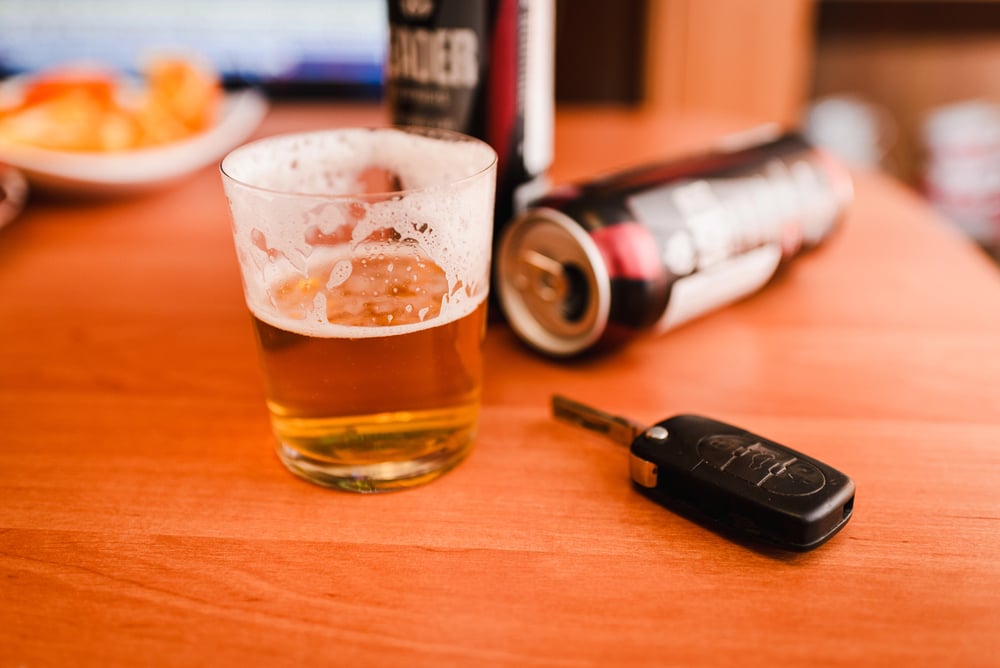
This varies dramatically by location, but it’s not universally illegal. Many cities allow public drinking in designated areas or during special events.
Some places have no restrictions at all. The assumption that public drinking is always illegal comes from growing up in places where it is prohibited.
New Orleans famously allows open containers on the street. Las Vegas permits drinking on sidewalks.
Even some suburban areas allow alcohol in parks during certain hours.
Refusing a receipt

Stores cannot legally force you to take a receipt, and you can’t be detained for declining one. The receipt is proof of purchase, but accepting it isn’t mandatory.
The confusion often happens at stores where receipt-checkers make it seem like compliance is required. Unless you’re at a membership store like Costco (where you agreed to receipt checks when you signed up), you can walk past these checkpoints.
They might not like it, but the law doesn’t require your participation.
Cursing in public

Profanity in public is generally protected speech. The Supreme Court has consistently ruled that offensive language, by itself, doesn’t constitute a crime.
There are exceptions for fighting words, threats, or speech that incites immediate violence. Context matters enormously.
But casual profanity, even loud casual profanity, falls under First Amendment protection. The social consequences might be real, but the legal ones typically aren’t.
Parking facing the wrong direction

This rule exists in many places, but violations are usually handled as parking tickets, not criminal infractions. And in some areas, there’s no law about parking directions at all.
The reasoning behind these laws involves headlight angles and traffic flow, but enforcement varies widely. Some cities strictly ticket for wrong-way parking, others ignore it completely.
The assumption that it’s illegal everywhere comes from the fact that it feels wrong, not because it universally violates the law.
Returning items without receipts

Stores can set their own return policies, but no law requires receipts for returns. The receipt makes the process easier, but stores can verify purchases through credit card records, loyalty programs, or other tracking systems.
The “no returns without receipt” policies are business decisions, not legal requirements. Many stores will work with you if you explain the situation reasonably.
The worst they can do is say no, but they’re not legally obligated to demand paper proof.
Walking away from conversations with police
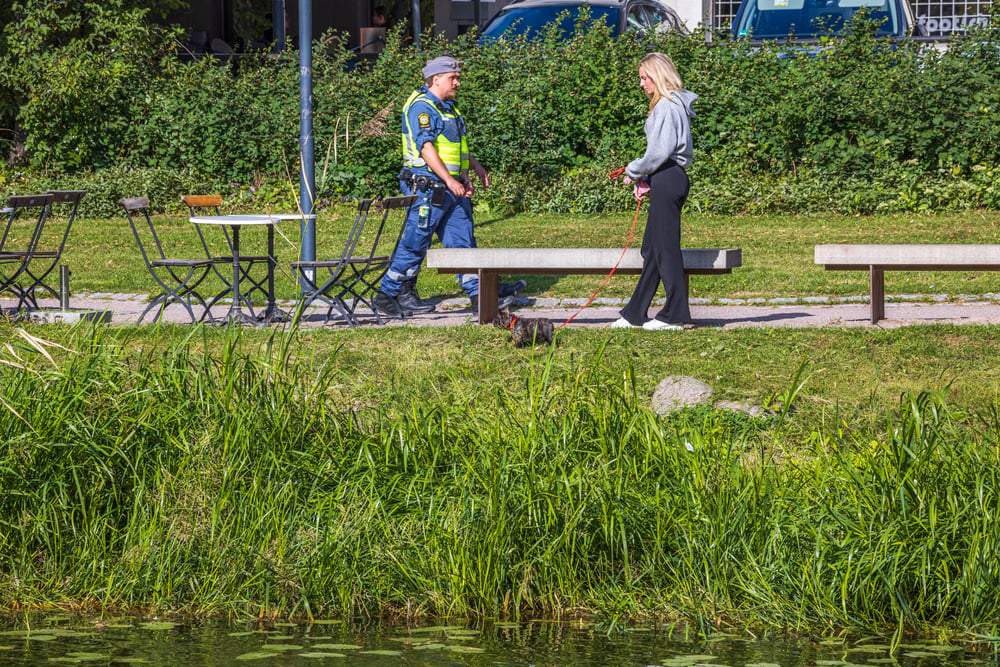
If you’re not being detained, you can leave. Police officers can approach and try to start conversations, but you’re not legally required to participate unless they have reasonable suspicion of criminal activity.
The magic question is “Am I free to go?” If the answer is yes, you can leave. If the answer is no, you’re being detained and the situation has different rules.
Many people assume that any police contact requires full cooperation, but casual encounters are genuinely voluntary.
Something worth remembering

The space between illegal and inadvisable is larger than most people realize. Many things that feel forbidden are simply discouraged, regulated, or socially frowned upon.
The law often cares less about your comfort level than you might expect. Understanding the difference doesn’t mean you should necessarily do all these things — social consequences can be more immediate than legal ones — but it does mean you can stop carrying around guilt for activities that never broke any actual rules to begin with.
More from Go2Tutors!

- The Romanov Crown Jewels and Their Tragic Fate
- 13 Historical Mysteries That Science Still Can’t Solve
- Famous Hoaxes That Fooled the World for Years
- 15 Child Stars with Tragic Adult Lives
- 16 Famous Jewelry Pieces in History
Like Go2Tutors’s content? Follow us on MSN.