15 Forbidden Foods Throughout History and the Bizarre Reasons They Were Banned
Food restrictions have shaped societies for millennia, but some bans throughout history had nothing to do with health concerns or religious doctrine. From political paranoia to social control, governments and authorities have outlawed everything from humble potatoes to exotic spices for reasons that now seem absurd.
These forbidden foods reveal the strange intersection of power, fear, and sustenance that has defined human civilization.
Potatoes
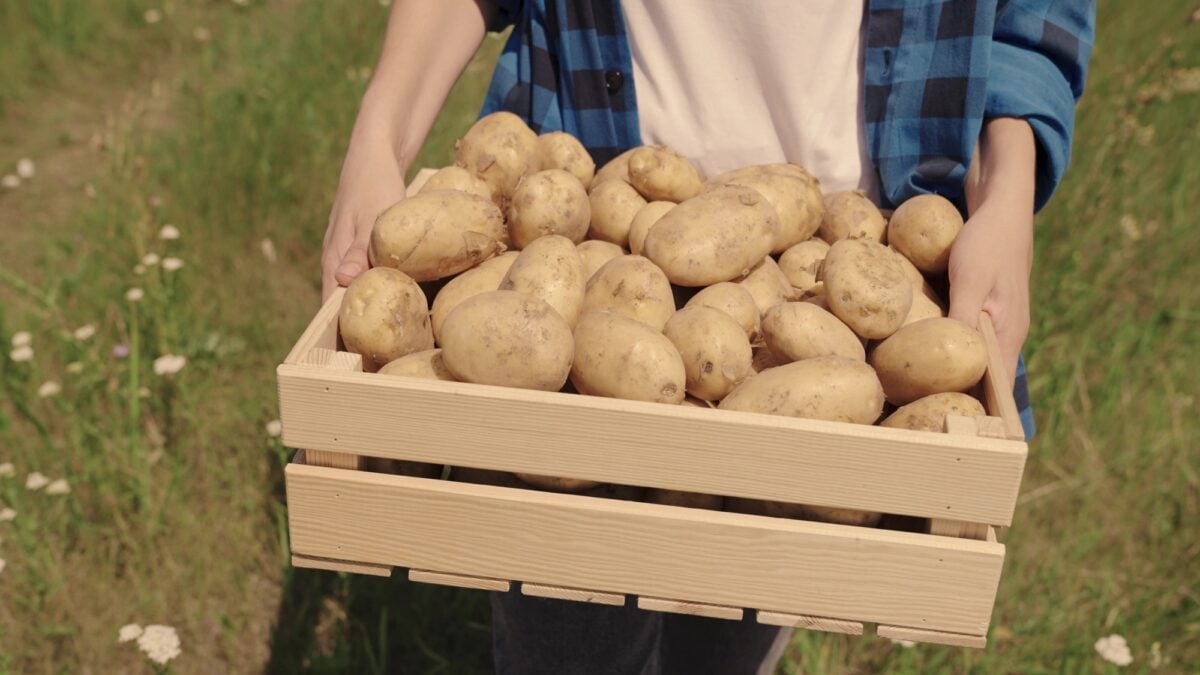
Potatoes were viewed with deep suspicion across Europe for over 200 years. The French banned them entirely in 1748, convinced they caused leprosy and other diseases.
The real problem wasn’t medical but biblical. Since potatoes weren’t mentioned in the Bible, religious authorities declared them unfit for Christian consumption.
The wealthy elite ate from pewter plates, and the potato’s acidity would leach lead from the metal, causing actual poisoning. Rather than blame the fancy dinnerware, they blamed the vegetables.
Margarine
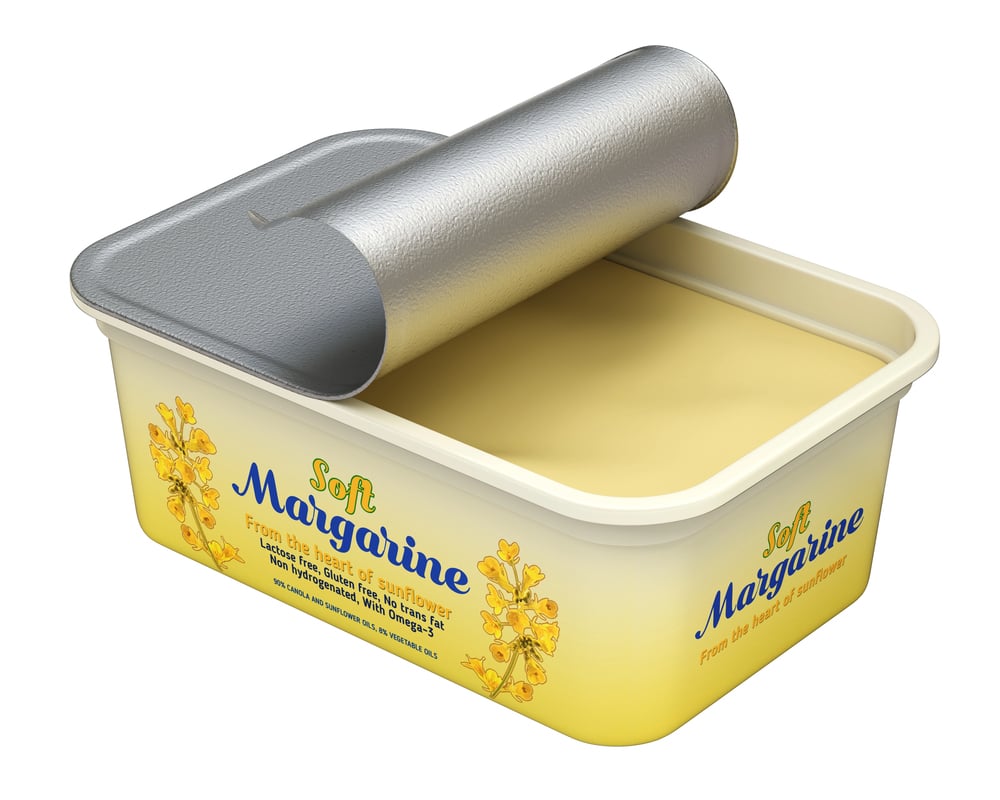
The margarine wars of the late 1800s turned dairy farmers into political powerhouses and transformed an innocent butter substitute into contraband. Wisconsin made it illegal to serve margarine in restaurants, while other states required it to be dyed pink (so no one could mistake it for the real thing, which was apparently a matter of national security).
Some states went further — selling yellow margarine could land you in prison for a year. But here’s where it gets strange: the bans weren’t really about protecting consumers from inferior products, though that’s how lawmakers sold them.
They were about protecting an entire industry that saw its profits evaporating faster than butter left on a summer counter. And the pink dye requirement? Pure spite.
Make the competition look unappetizing, and people will stick with what they know. It worked for decades until World War II made butter so scarce that even pink margarine started looking reasonable.
Coffee
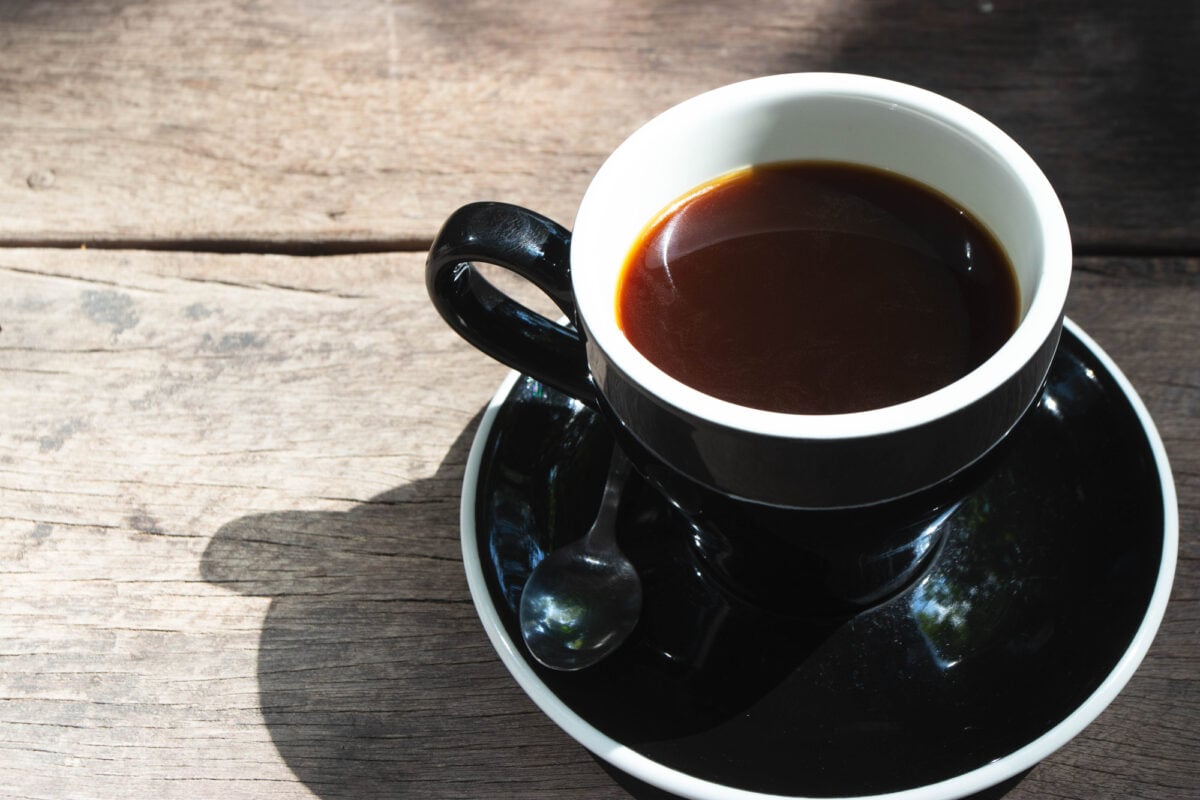
Coffee became the devil’s drink in 16th-century Europe, but not for the reasons anyone expected. The Catholic Church initially condemned it as Satan’s beverage — a dark, bitter liquid that kept people unnaturally alert and came from Muslim lands.
The story goes that Pope Clement VIII was pressured to ban coffee outright, but he decided to taste it first. One sip, and suddenly coffee was baptized into Christian acceptability.
The real fear wasn’t spiritual contamination. Coffee houses were becoming centers of political discussion and dissent.
Rulers realized that caffeinated citizens had a troubling tendency to question authority.
Tomatoes

Aristocrats across Europe were convinced tomatoes would kill them, and technically, they weren’t entirely wrong. Rich families kept dying after eating tomatoes, while peasants seemed immune to their deadly effects.
The wealthy ate from pewter plates containing lead. Tomatoes, being acidic, would cause the lead to leach into the food, resulting in lead poisoning.
Poor families used wooden plates and stayed perfectly healthy eating the same fruit. Instead of questioning their fancy tableware, the upper class declared tomatoes poisonous and banned them from polite society for nearly 200 years.
Garlic
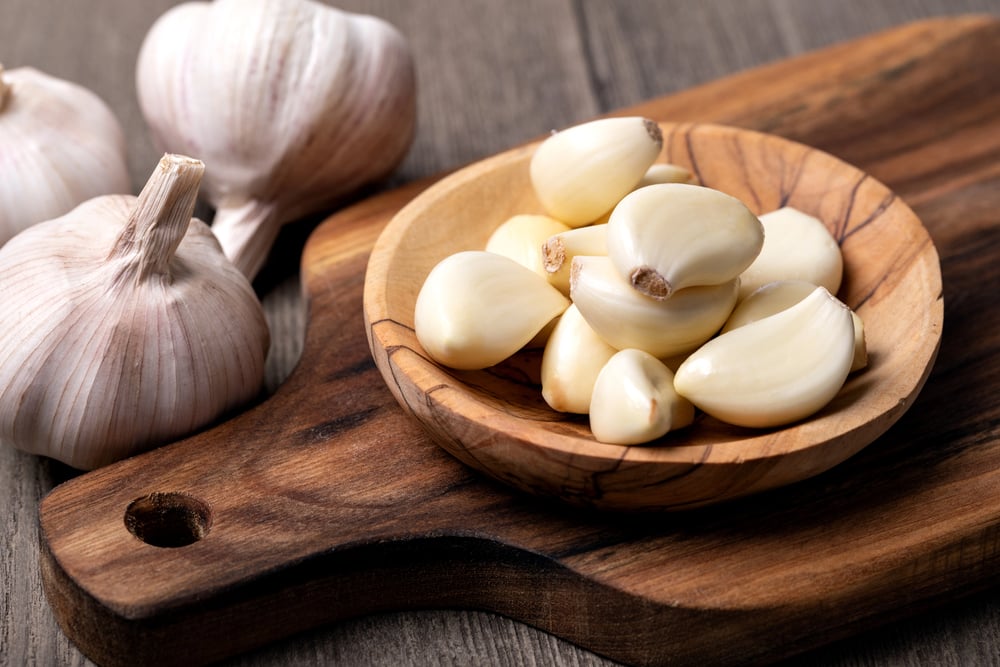
Ancient athletes were banned from eating garlic before competitions, not because of the smell, but because it was considered a performance-enhancing drug. Olympic competitors in ancient Greece were disqualified if they reeked of garlic on game day.
The reasoning had some merit — garlic does improve circulation and stamina. But the ban revealed something deeper about how societies view fairness in competition.
Even 2,000 years ago, people worried about athletes gaining unfair advantages through their diet.
Butter
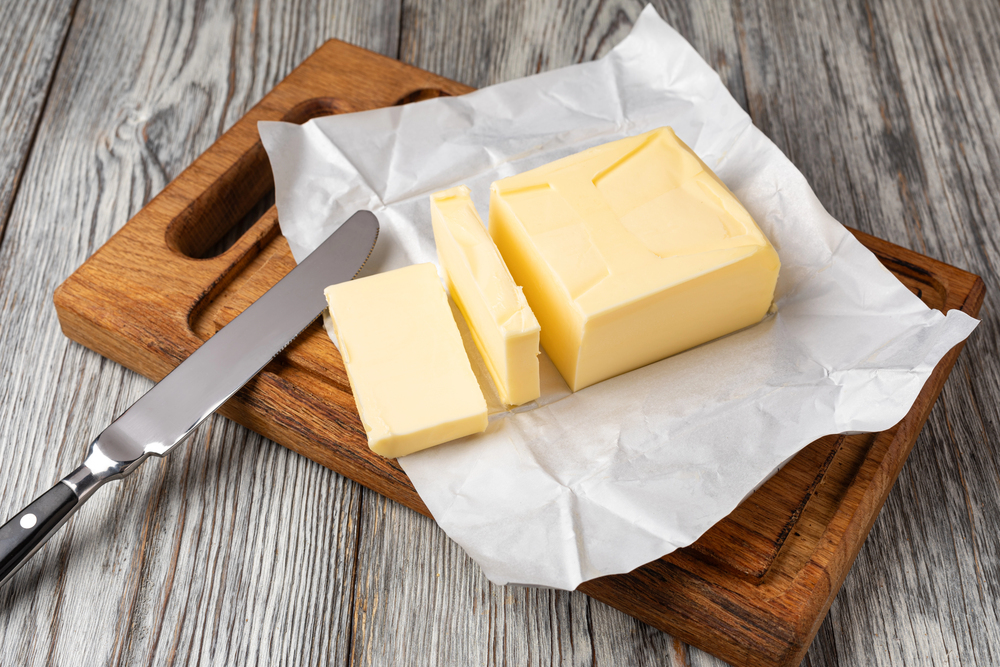
Norway’s butter crisis of 2011 turned a breakfast staple into black market gold. The government maintained a strict monopoly on butter imports to protect domestic dairy farmers, then a poor harvest created massive shortages right before Christmas.
Butter smuggling became a legitimate business. People were crossing the border from Denmark with backpacks full of butter and selling it for $500 per kilogram.
The government refused to lift import restrictions, preferring to let citizens go without butter rather than admit their protectionist policies had backfired. Danish television started mocking Norwegian butter refugees, and the whole situation became an international embarrassment.
Absinthe

The green fairy fell from grace not because it made people hallucinate, but because it became a convenient scapegoat for society’s problems. France banned absinthe in 1915, blaming it for everything from moral decay to military defeats.
The real issue was alcohol content — absinthe was typically 70% alcohol, strong enough to pickle a liver in record time. But wine producers had been lobbying against absinthe for years, watching their market share disappear to the trendy green liqueur.
When a Swiss farmer killed his family in 1905 after drinking absinthe (along with considerable amounts of other alcohol), prohibitionists finally had their poster case. Never mind that the man was a violent drunk who would have found trouble in communion wine.
Foie Gras
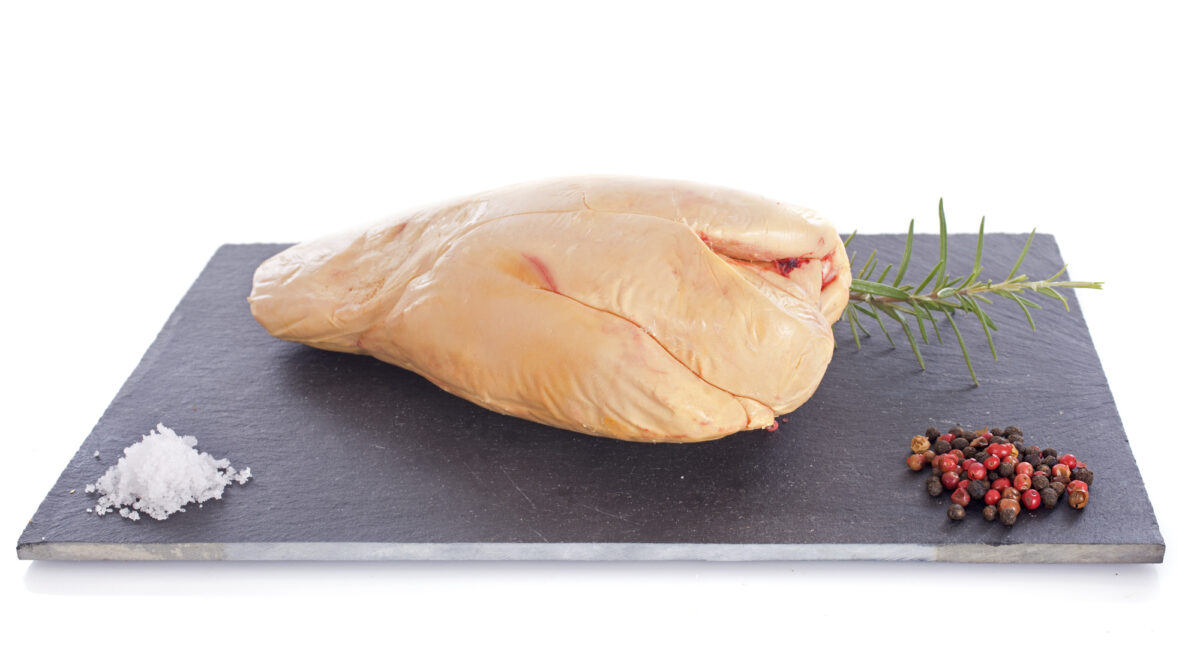
California’s 2004 ban on foie gras production created an underground market for fancy liver that persists today. The ban stemmed from animal cruelty concerns about force-feeding ducks and geese, but enforcement became a comedy of legal loopholes.
Restaurants couldn’t sell foie gras, but they could give it away free with the purchase of a $200 piece of toast. Out-of-state suppliers started shipping it directly to customers’ homes.
The law was so poorly written that it banned production but not consumption, creating a thriving import business from farms just across state lines. Chefs turned serving foie gras into an act of culinary civil disobedience.
Sassafras
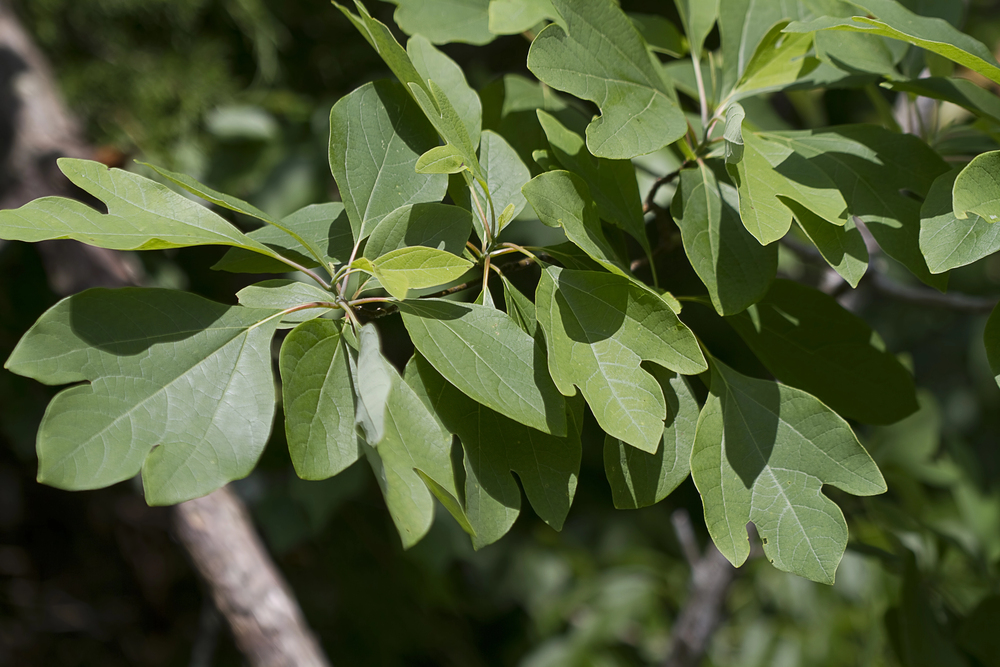
The FDA banned sassafras in 1960 after discovering that safrole, its primary flavoring compound, caused liver cancer in rats. Root beer manufacturers scrambled to find substitutes, and traditional sassafras tea disappeared from health food stores.
The ban made sense from a safety perspective, but it wiped out centuries of folk medicine tradition overnight. Native American tribes had used sassafras for everything from blood purification to fever reduction.
The irony is that modern root beer contains wintergreen and vanilla flavoring that produces roughly the same taste, proving that most people never really cared about the sassafras itself.
Ketchup
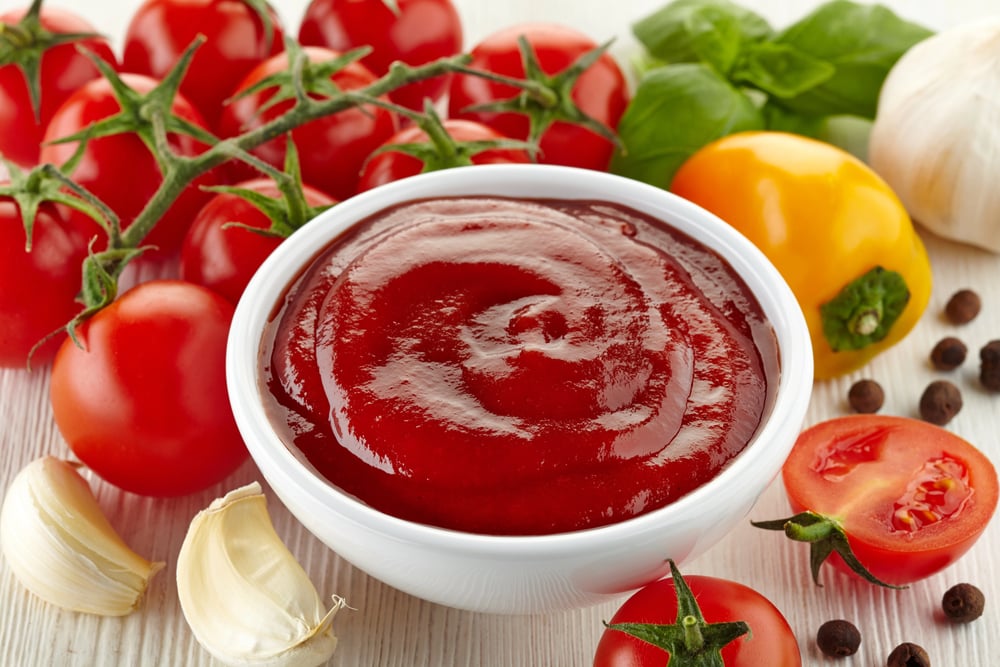
France’s attempt to ban ketchup in school cafeterias in 2011 wasn’t about health — it was about cultural preservation. French officials worried that American condiments were corrupting young palates and destroying appreciation for traditional cuisine.
The ban allowed ketchup only with french fries, and only once per week. Students couldn’t put it on other foods, and cafeterias had to hide the bottles during non-designated ketchup times.
The policy revealed France’s deep anxiety about American cultural influence, but it also highlighted how seriously they take food education. Teaching children to taste food without drowning it in sweet sauce might actually be a reasonable policy.
Chewing Gum

Singapore banned chewing gum in 1992 after vandals started sticking it on subway doors, causing expensive delays and maintenance problems. The ban was absolute — no importing, selling, or manufacturing allowed.
What started as a public transit issue became a symbol of Singapore’s authoritarian approach to social problems. People caught smuggling gum faced serious fines, and the law stayed in place for over a decade.
The government finally relaxed restrictions in 2004, but only for therapeutic gum prescribed by doctors or dentists. Regular chewing gum remains controlled contraband, available only to people who register with the government and provide personal identification.
Buckwheat
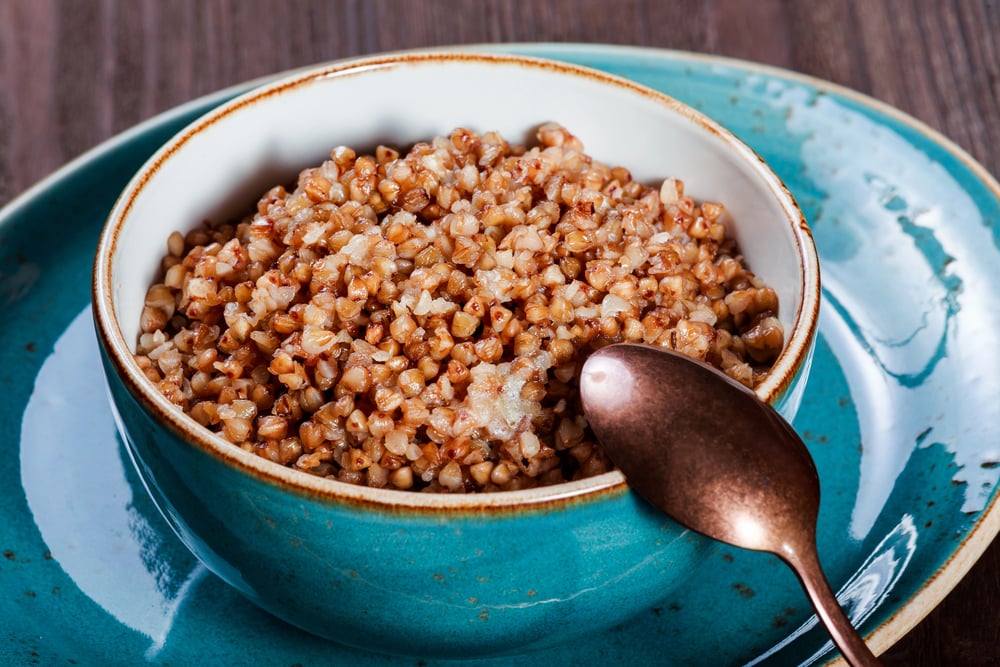
Soviet authorities banned buckwheat cultivation in certain regions during the 1930s, convinced that peasants were using it to resist collectivization. Buckwheat grew easily in poor soil and required minimal care, making it too independent for communist agricultural planning.
The grain represented everything the state wanted to eliminate — self-sufficiency, resistance to central control, and food security that didn’t depend on government distribution. Farmers caught growing buckwheat faced accusations of undermining socialist agriculture.
The ban contributed to widespread hunger in regions where buckwheat had been a dietary staple for generations.
Sliced Bread

The US government banned pre-sliced bread in January 1943, claiming it would conserve wheat, wax paper, and steel during World War II. The ban lasted only two months before public outrage forced officials to reverse course.
Housewives flooded newspapers with complaints about the extra time required to slice bread manually, and bakers pointed out that the ban actually increased waste — people cut uneven slices and threw away more bread than before. The phrase “the greatest thing since sliced bread” gained popularity partly because people remembered when sliced bread was actually illegal.
Quinoa
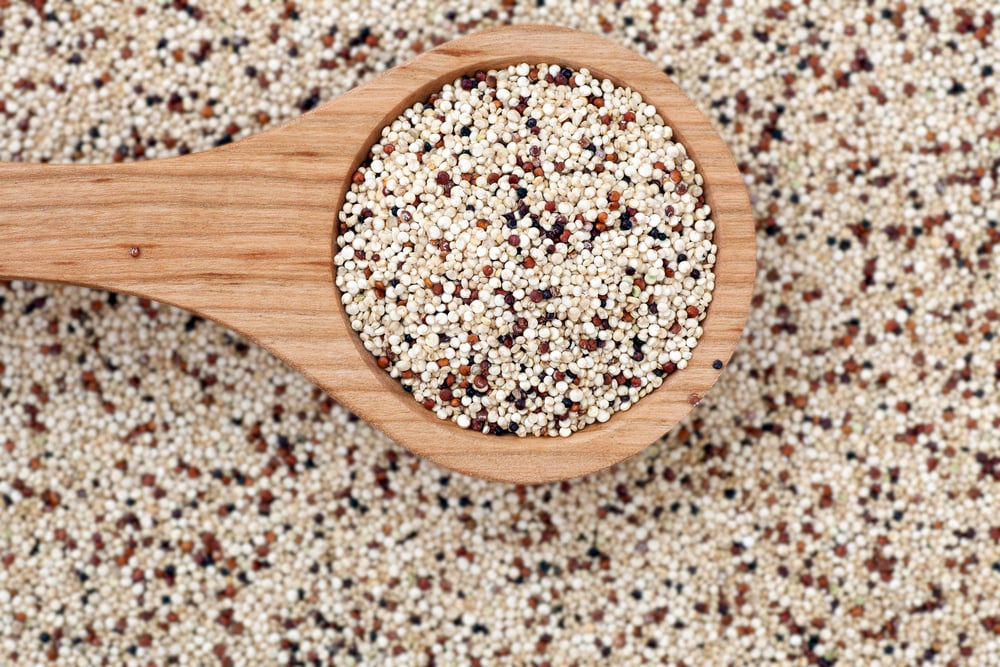
Bolivia’s government restricted quinoa exports in 2008, worried that rising international demand was pricing their own citizens out of a traditional food source. Quinoa prices had tripled as health-conscious Americans and Europeans discovered the ancient grain.
The restriction created a bizarre situation where Bolivian farmers could grow quinoa for export but struggled to afford it for their own families. Rural communities that had eaten quinoa for centuries started switching to cheaper processed foods, while their traditional grain became a luxury item in La Paz supermarkets.
The policy was eventually reversed, but it highlighted the strange economics of food trends in a globalized world.
Haggis
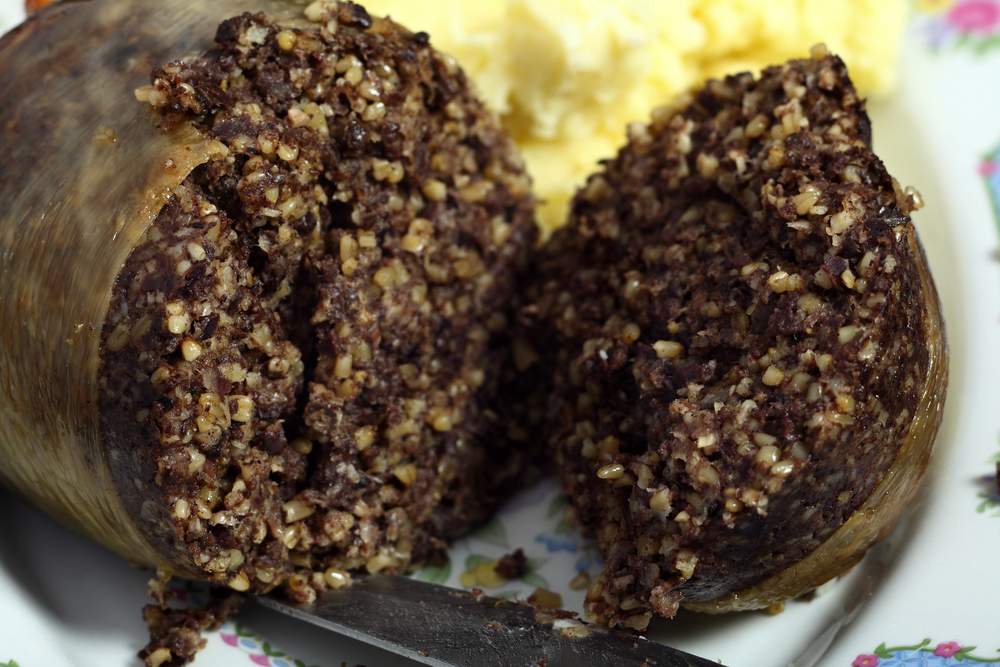
The United States has banned authentic Scottish haggis since 1971 due to concerns about sheep lung, one of the traditional ingredients. The USDA prohibits any food containing lungs, making real haggis impossible to import or produce commercially.
Scottish-American communities have spent decades lobbying for a haggis exemption, pointing out that sheep lung poses no greater risk than other organ meats already approved for consumption. The ban has created a thriving black market for authentic haggis smuggled in from Scotland, usually by travelers willing to risk customs inspections for the sake of Burns Night celebrations.
American versions substitute legal organs, but haggis purists insist they miss the point entirely.
The Persistence of Food Fear
Food bans throughout history reveal more about the societies that created them than the dangers they supposedly addressed. Whether driven by religious anxiety, economic protectionism, or genuine safety concerns, these restrictions show how easily fear can transform everyday sustenance into forbidden fruit.
The strangest part might be how many of these once-dangerous foods are now considered harmless — or even beneficial. It makes you wonder which foods currently on our tables will seem absurdly restricted to future generations.
More from Go2Tutors!

- The Romanov Crown Jewels and Their Tragic Fate
- 13 Historical Mysteries That Science Still Can’t Solve
- Famous Hoaxes That Fooled the World for Years
- 15 Child Stars with Tragic Adult Lives
- 16 Famous Jewelry Pieces in History
Like Go2Tutors’s content? Follow us on MSN.