Facts About Asia’s Most Extreme Climates
Asia isn’t just the largest continent on Earth—it’s also home to some of the planet’s wildest, harshest, and most unpredictable weather. From places that never seem to thaw to towns that feel like living in an oven, Asia’s climate stretches every limit you can imagine.
It’s a land of steaming jungles, icy mountaintops, dry deserts, and soaking-wet cities.Here are 17 facts that show just how intense and unforgettable Asia’s climates can be.
The coldest inhabited place on Earth is in Siberia

Oymyakon, a small village in Russia’s Sakha Republic, holds the record for the lowest temperature ever recorded in a place where people live year-round. It dropped to a chilling −67.7°C (−89.9°F) in 1933.
Winter here lasts about nine months, and daylight is limited. Locals keep their cars running all day to avoid engine freeze. Boiling water can freeze mid-air in seconds.
The hottest temperature in Asia scorched Iran
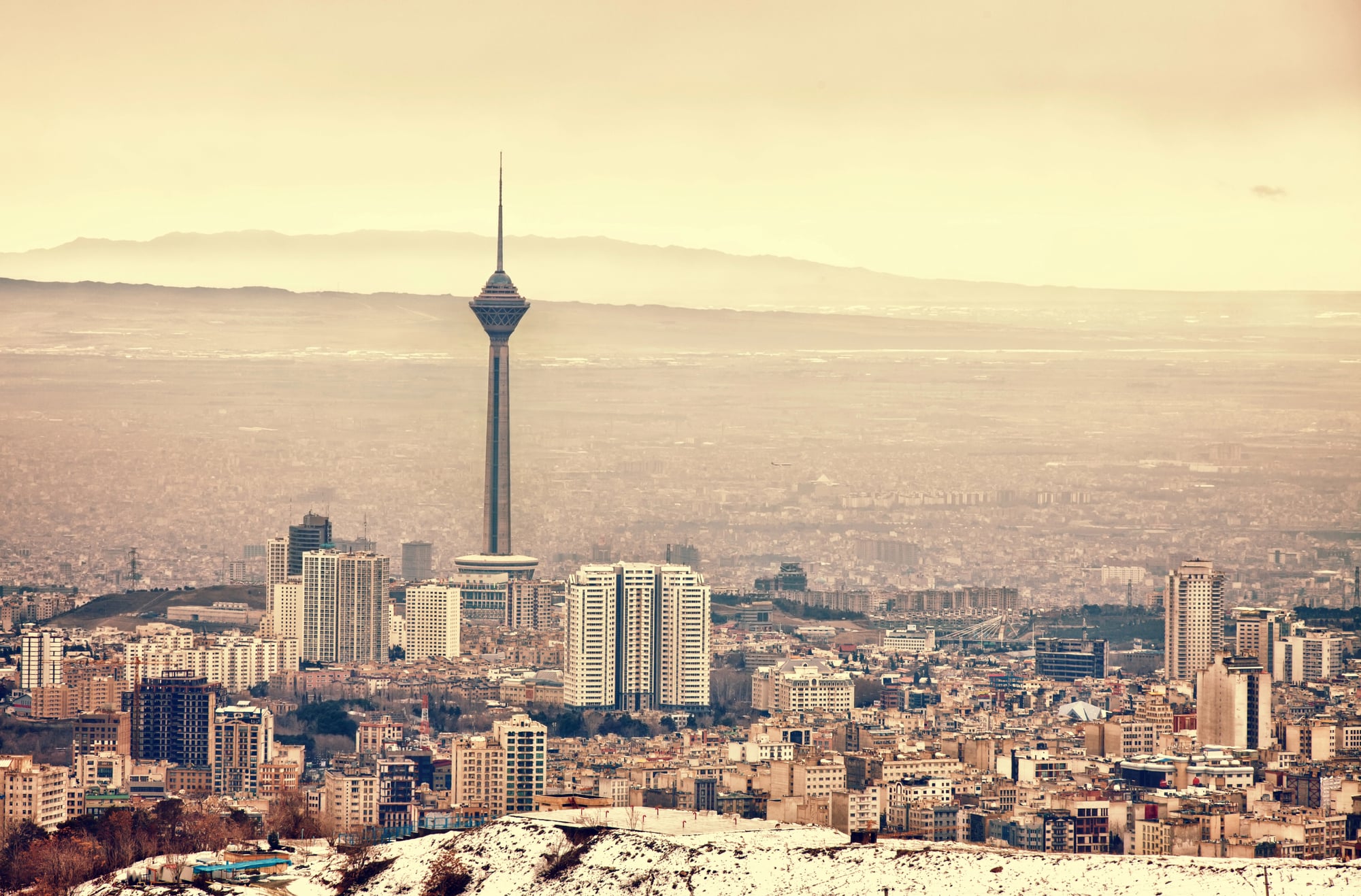
In 2017, the city of Ahvaz in Iran reached a sweltering 54°C (129.2°F). That’s not just hot—it’s one of the highest temperatures ever recorded on Earth.
The heat here is dry and intense, with little relief even at night. People plan their daily routines around avoiding the afternoon sun. Air conditioning is not a luxury—it’s survival.
Like Go2Tutors’s content? Follow us on MSN.
Mount Everest’s summit is colder than your freezer
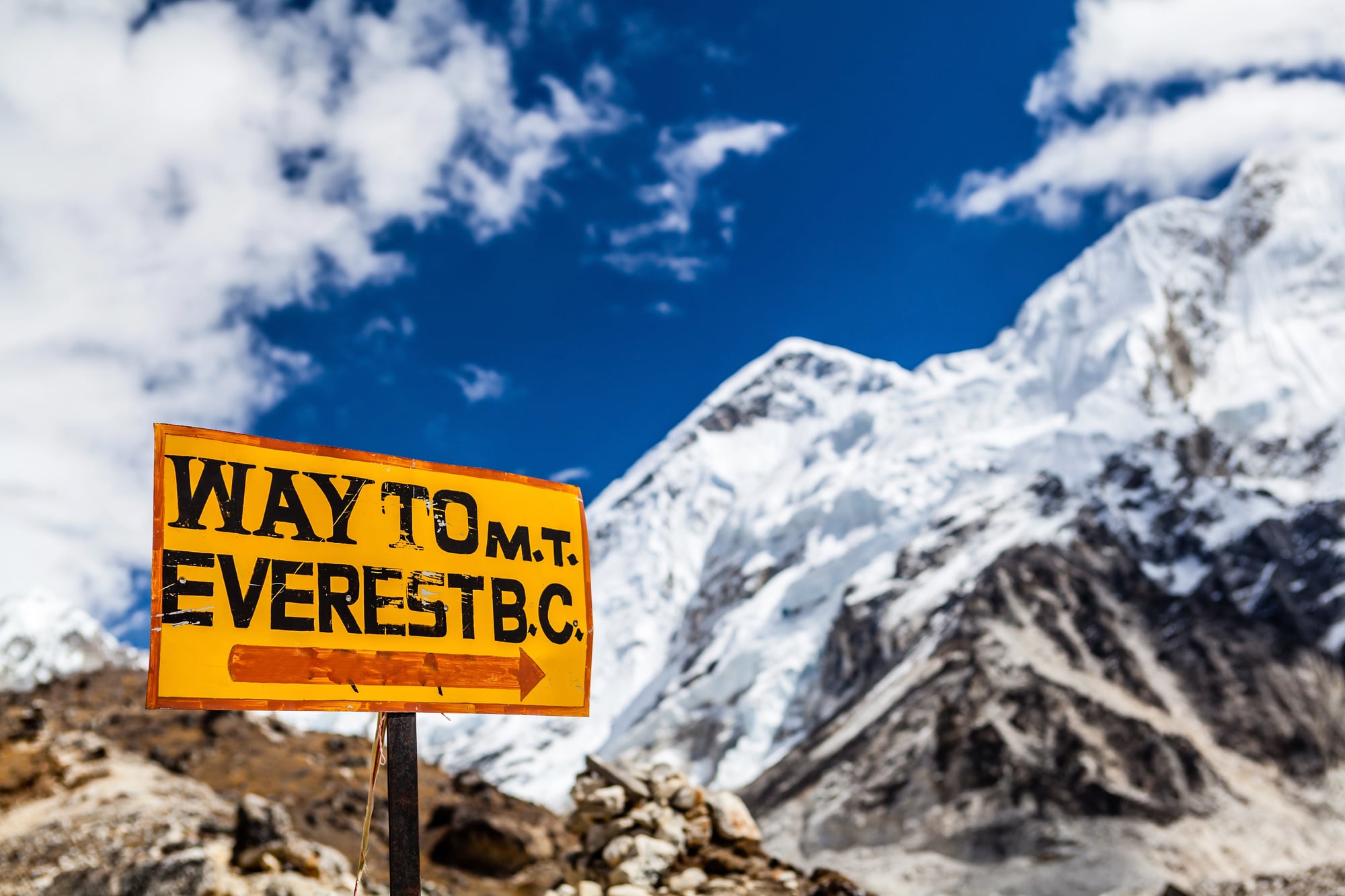
The top of Mount Everest, which sits at 8,848 meters above sea level, rarely sees temperatures above freezing. Even in summer, it can be around −19°C (−2°F), and in winter, it drops well below −35°C (−31°F).
Wind speeds make it feel even colder. Breathing is tough, and frostbite is a real threat. Only the most prepared climbers can handle it.
India’s Mawsynram is the wettest place on Earth
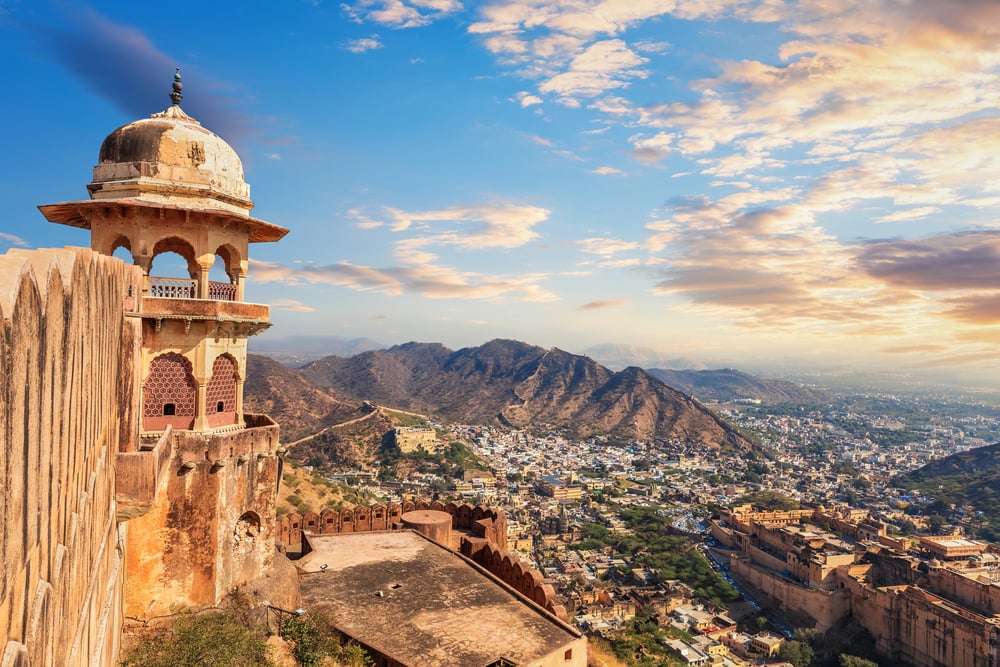
This tiny village in the state of Meghalaya gets an average of 11,871 millimeters (467 inches) of rain each year. That’s more than most places get in a decade.
The monsoon season floods the area with near-daily downpours. Residents build thick roofs to handle the pounding rain. Even laundry is a challenge when the sun rarely shines.
The Gobi Desert sees burning days and freezing nights

Spanning China and Mongolia, the Gobi Desert has one of the widest temperature swings in Asia. Daytime highs can reach 40°C (104°F) while nighttime temps plunge below freezing.
The dry air doesn’t hold heat, so the change happens quickly. It’s a tough climate for people, animals, and plants. Only the hardiest survive here.
Like Go2Tutors’s content? Follow us on MSN.
Typhoons slam the Philippines almost every year
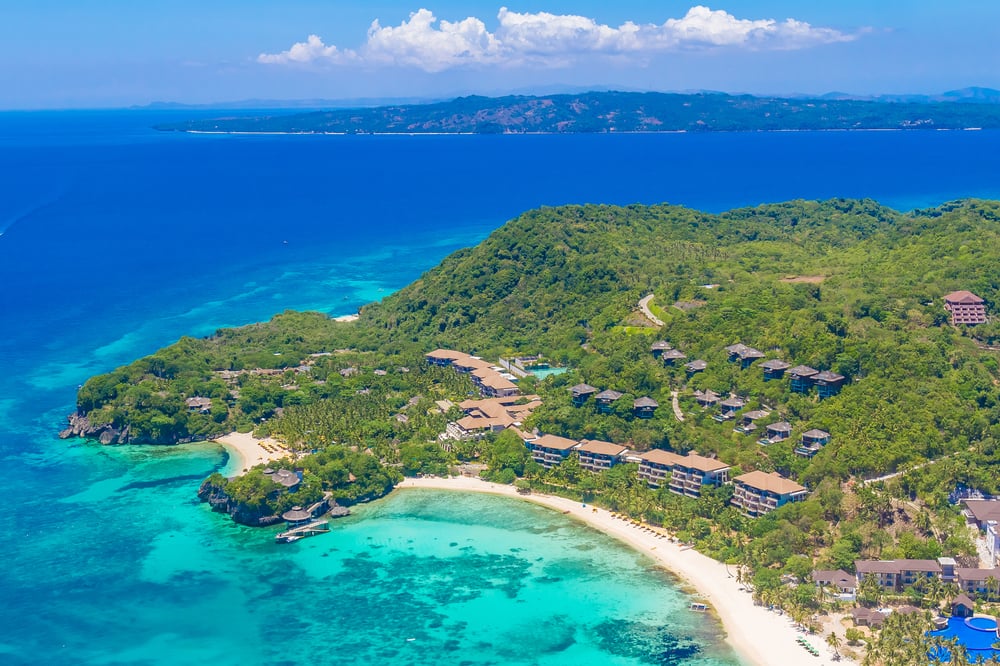
The Philippines is hit by about 20 tropical storms a year, with many growing into full-blown typhoons. These bring heavy rain, powerful winds, and flooding.
Some towns get flattened and must rebuild again and again. Coastal communities are especially at risk. It’s a yearly battle with nature that shapes the way people live.
Siberian winters are long, dark, and deadly cold

In much of Siberia, winter stretches from October to April—or even longer. Temperatures regularly fall below −40°C (−40°F).
The ground freezes solid, making it hard to build or grow anything. People stay indoors most of the time. The cold becomes a way of life.
Thailand’s humidity feels like a wet blanket
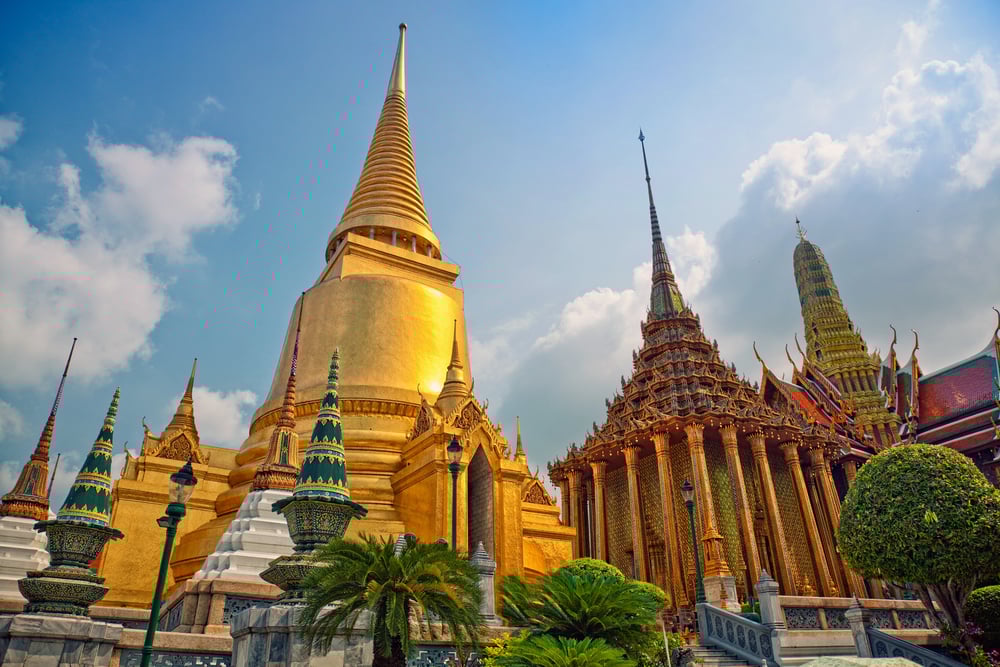
Thailand may not always have the highest temperatures, but the humidity makes it feel hotter than it is. During the rainy season, sweat doesn’t dry because the air is already full of moisture.
Clothes stick to skin. Air conditioners and fans run non-stop.
It’s uncomfortable, especially in crowded cities.
Like Go2Tutors’s content? Follow us on MSN.
The Taklamakan Desert is one of the driest places in Asia
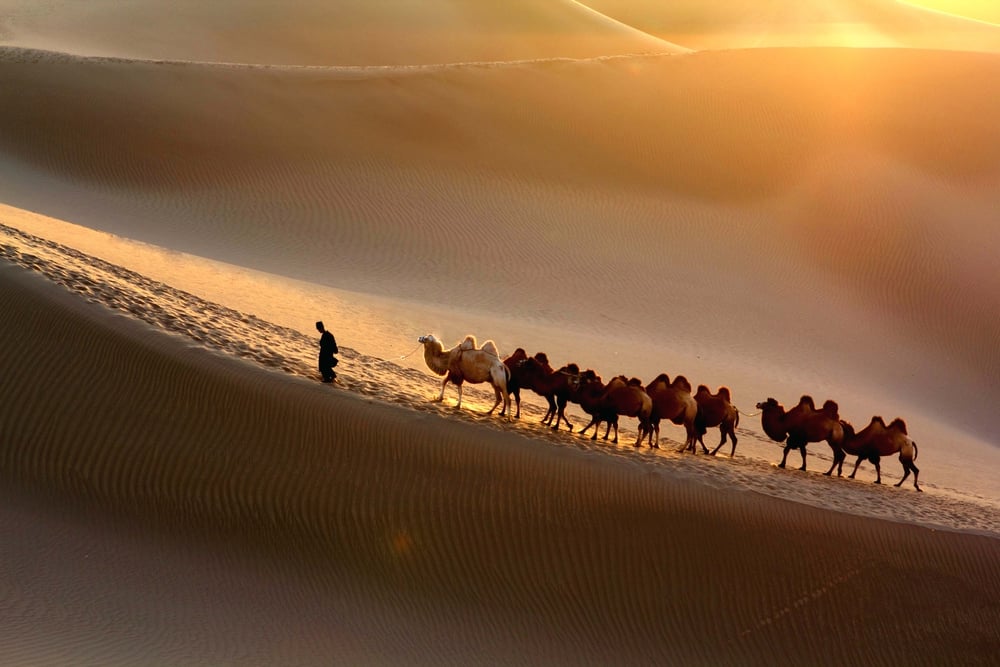
This Chinese desert gets less than 10 millimeters (0.4 inches) of rain per year in some areas. Sandstorms are common, and water sources are rare.
It’s called the “Sea of Death” for a reason. Travelers must prepare carefully. Getting lost here can be dangerous.
Japan has snow that buries entire homes
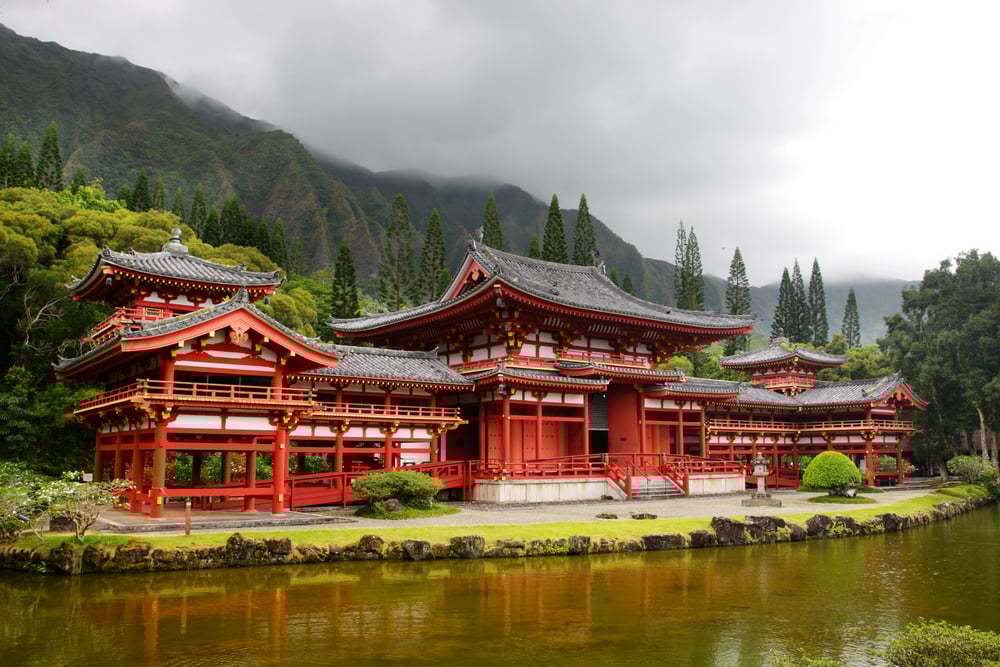
In parts of northern Japan like Aomori and Niigata, snowfall can reach over 8 meters (26 feet) in a season. People dig tunnels just to reach their front doors.
Roads have high snow walls on both sides. Snow plows run daily, sometimes hourly.
It’s beautiful, but also a challenge to manage.
The Arabian Peninsula bakes under desert sun
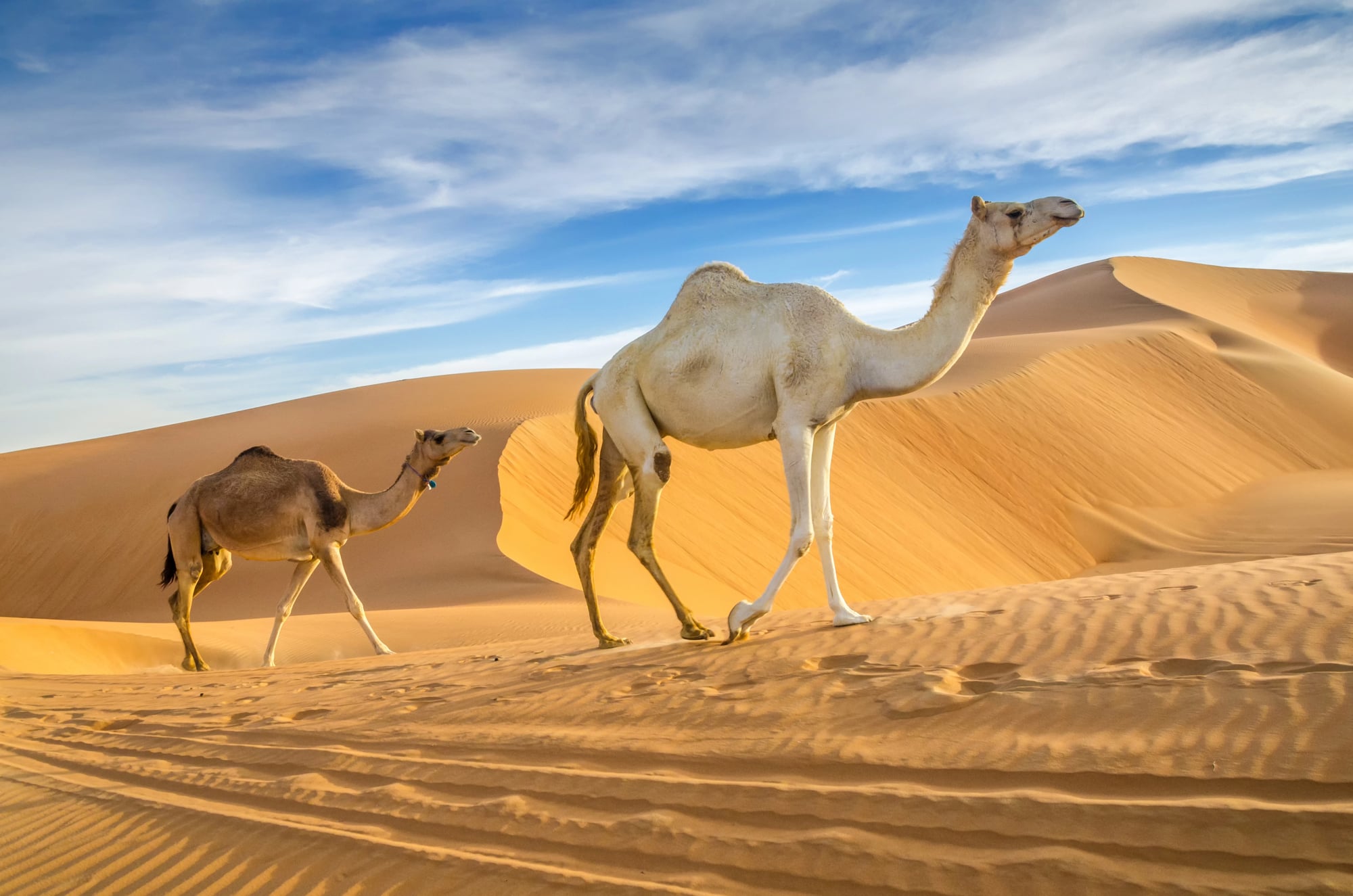
Countries like Saudi Arabia, Oman, and the UAE experience summer temperatures above 50°C (122°F). Rain is rare, and water is precious.
Cities are built with cooling systems and shaded walkways. Without modern technology, living here would be nearly impossible.
The sun is both a lifeline and a threat.
Like Go2Tutors’s content? Follow us on MSN.
Bangladesh faces rising waters and rising heat

Climate change is hitting Bangladesh hard. Summers are getting hotter, and floods are becoming more frequent.
Entire villages get washed away during monsoon season. Farmers lose crops and homes. It’s a tough fight to keep up with the changes.
Mongolia’s winters can snap bones

Temperatures in Mongolia often drop below −30°C (−22°F), especially in the open steppe. Winds cut through layers of clothing.
Livestock die if not protected. Many nomadic families move to lower areas to escape the worst cold. Survival depends on preparation and community.
Indonesia’s islands feel like steam rooms
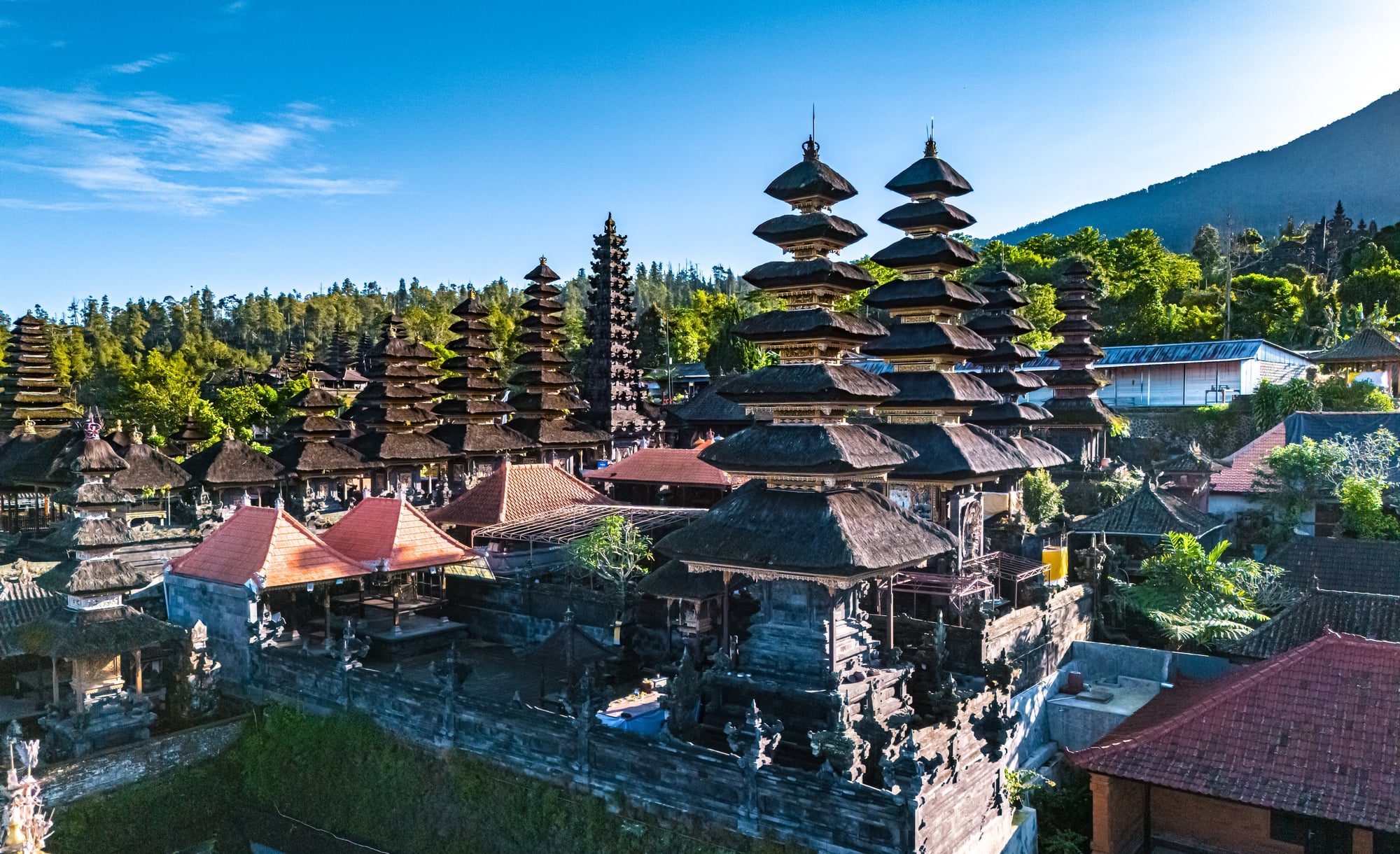
With year-round heat and constant humidity, Indonesia’s tropical climate can be exhausting. Even in the shade, sweat pours down.
There’s little relief except at higher altitudes. Many homes are built to stay open and breezy. Locals are used to it—but visitors often struggle.
Like Go2Tutors’s content? Follow us on MSN.
Pakistan’s Cholistan Desert burns under the sun
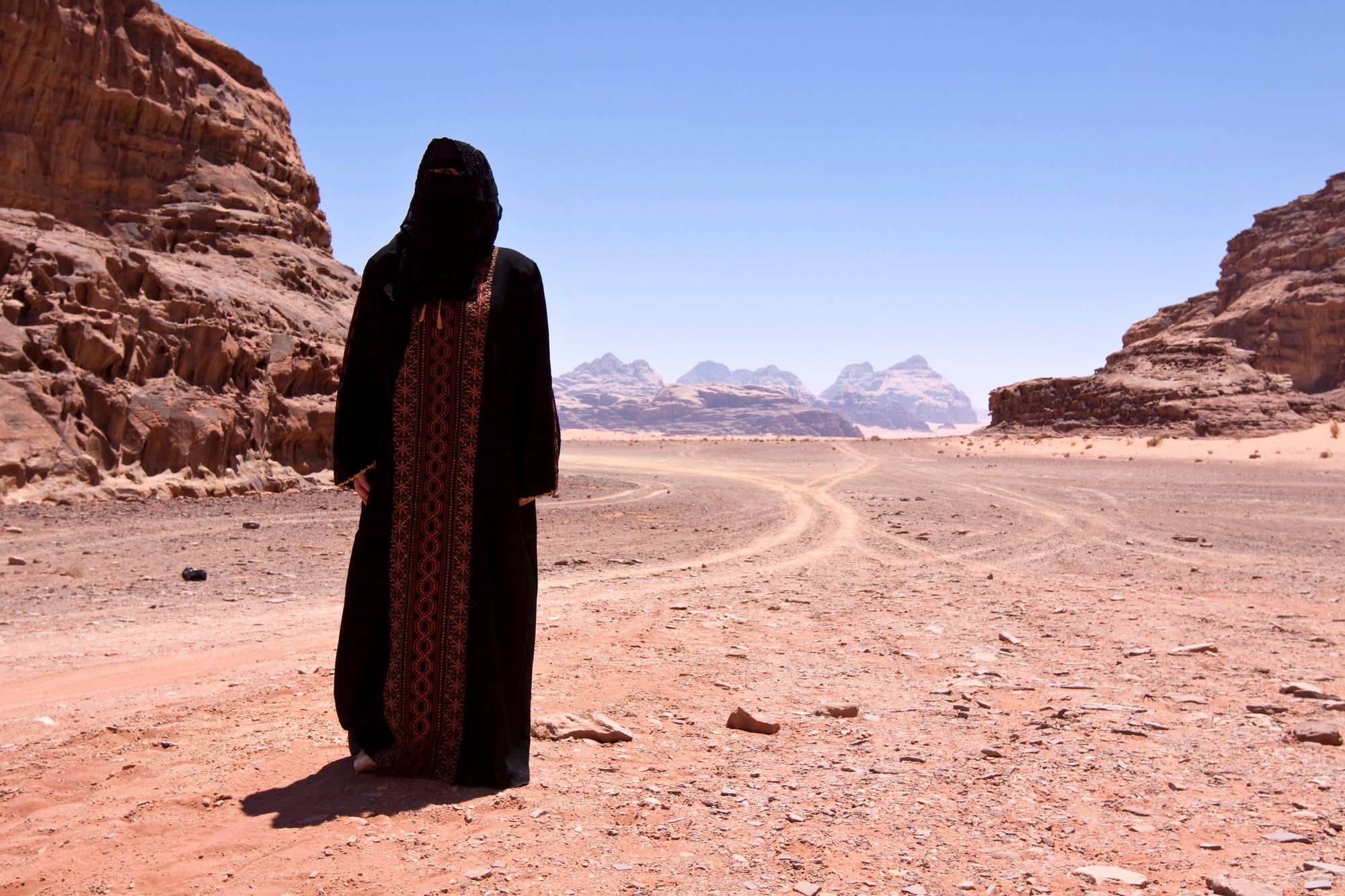
This desert in southern Punjab sees scorching temperatures and almost no rain. It’s dry, dusty, and unforgiving.
People rely on underground water and seasonal wells. Life moves slowly to cope with the heat.
Traditional homes are built to stay cool inside.
South Korea’s summers are sweaty and stormy
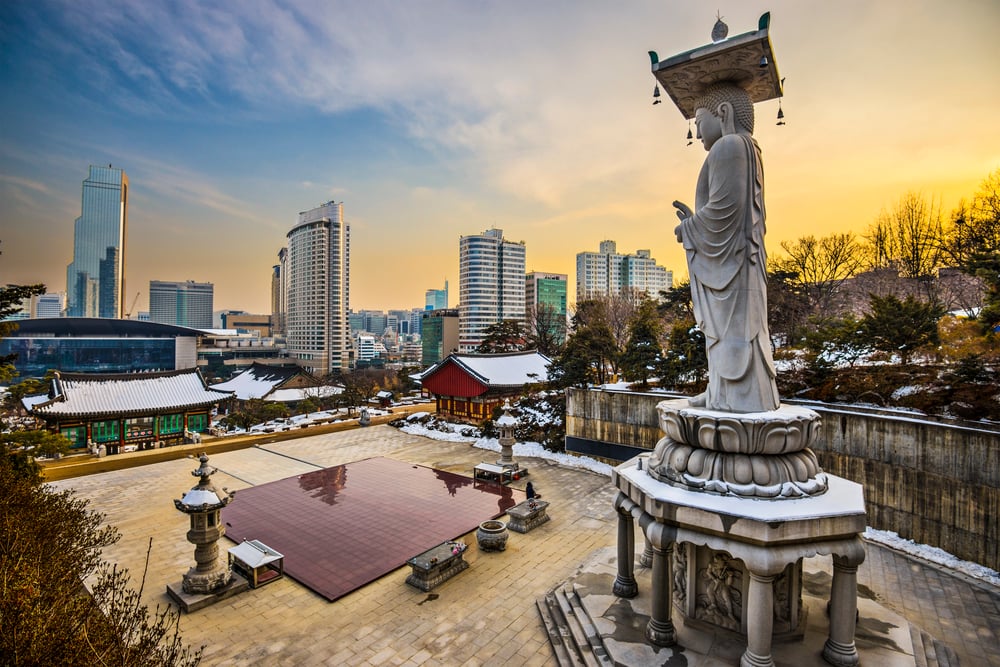
South Korea gets hot and humid in summer, with sudden downpours and high heat indexes. Streets feel sticky, and air conditioners hum in every building.
The weather can change fast, bringing thunder and flash floods. People carry umbrellas almost daily.
It’s a time when staying cool becomes a full-time effort.
Kazakhstan’s winters chill you to the bone
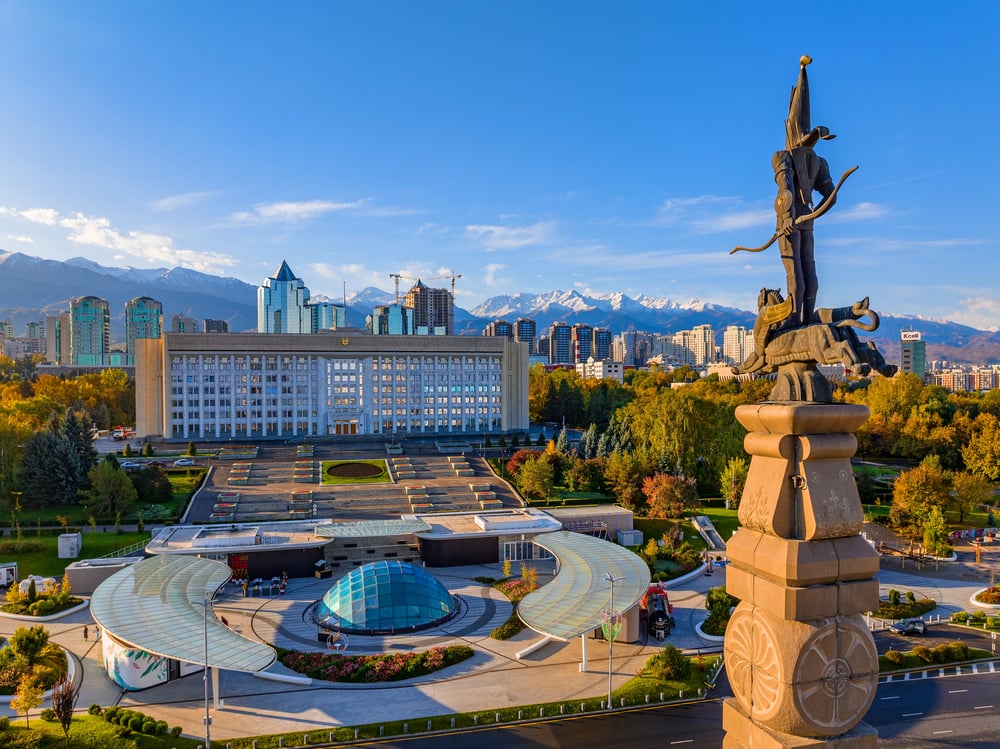
The country has one of the most extreme continental climates in Asia. Winters are long and brutally cold, with temperatures often hitting −30°C (−22°F).
Snow piles up quickly, and strong winds make it worse. Cities like Astana (now Nur-Sultan) feel like frozen worlds.
Still, people go about their day, bundled up and ready for anything.
Like Go2Tutors’s content? Follow us on MSN.
China’s Sichuan Basin traps heat and haze

Surrounded by mountains, the Sichuan Basin acts like a giant bowl, locking in heat and humidity. Summers are stifling, and the air often feels heavy.
Pollution can make it worse. Locals deal with sticky clothes and stuffy nights.
It’s not the hottest part of China, but it sure feels like it.
The past still shapes the present
Asia’s extreme climates haven’t just influenced the way people live—they’ve also shaped culture, habits, and even food. Generations have built homes, planned cities, and grown crops around the demands of their weather.
Today, technology helps with cooling, heating, and forecasting, but the power of nature is still deeply felt. These climates continue to test limits, build resilience, and remind everyone that weather is more than just a forecast—it’s a way of life.
More from Go2Tutors!

- 16 Historical Figures Who Were Nothing Like You Think
- 12 Things Sold in the 80s That Are Now Illegal
- 15 VHS Tapes That Could Be Worth Thousands
- 17 Historical “What Ifs” That Would Have Changed Everything
- 18 TV Shows That Vanished Without a Finale
Like Go2Tutors’s content? Follow us on MSN.



