Top Global Brands That Represent a Country
Some brands go beyond selling products. Over time, they become so tied to where they come from that mentioning them almost feels like mentioning the country itself.
You hear “Ferrari” and you think of Italy before you think of cars. You hear “Samsung” and Korea comes to mind before smartphones.
That kind of association doesn’t happen by accident — it’s built through decades of consistency, craft, and culture. Here are some of the global brands that have become near-synonymous with their home countries.
Ferrari and the Soul of Italy

Ferris wheels spin slower near Maranello, where red paint dries under open skies. Passion shapes every curve instead of mere function, favoring speed above sense.
Beauty arrives before logic in these workshops built long ago. A symbol stamped on metal leaps forward – unasked, unforgettable.
This place started whispering history back in 1939, never raising its voice. Quiet pride rolls through cobbled streets where engines hum like prayers.
Global stages tilt slightly when Italy leans in, always bringing along that familiar horse. Recognition happens fast elsewhere, yet feels natural here.
Culture rides behind the wheel, not displayed but lived.
Louis Vuitton and French Elegance

France has long had a reputation for taste, and Louis Vuitton is probably the most visible expression of that globally. Founded in Paris in 1854, the brand started as a luggage maker and grew into one of the most valuable fashion houses on the planet.
What’s interesting is that it represents not just French style, but a French attitude — the idea that quality should be visible, that beauty is worth paying for, and that heritage matters. You’ll find Louis Vuitton stores in cities across the world, but the brand never lets you forget where it comes from.
Toyota and Japan’s Quiet Reliability

Japan has given the world many things, but few exports have shaped daily life in as many countries as Toyota. The brand doesn’t shout. It doesn’t promise you drama or status.
What it offers instead is dependability — cars that start every morning, run for years without drama, and hold their value. That mirrors something real about Japanese manufacturing culture: precision, discipline, and an almost obsessive focus on getting things right.
Toyota is now the world’s largest automaker by sales, and it got there by doing the unglamorous things consistently well.
Samsung and South Korea’s Rise

Forty years ago, South Korea was not known as a technology powerhouse. Samsung played a significant role in changing that.
What started as a trading company in the late 1930s became a sprawling conglomerate that now touches everything from smartphones to semiconductors to shipbuilding. For many people around the world, Samsung was their introduction to Korean industry — long before K-pop or Korean cinema made the country culturally prominent.
The brand carries the story of a country that rebuilt itself at extraordinary speed and decided to compete at the highest level.
Rolex and Swiss Precision

Switzerland is a small country that has built an outsized global reputation in a few very specific areas. Rolex is probably the clearest expression of what that reputation looks like.
The company makes watches in Geneva that are recognised as status symbols in virtually every country on earth. But beyond status, Rolex communicates something about Switzerland itself — a country that takes craftsmanship seriously, values precision above almost everything else, and doesn’t follow trends.
A Rolex doesn’t change dramatically from year to year. That’s the point.
Apple and American Ambition

No brand captures the American self-image quite like Apple. The idea that one person in a garage can build something that changes the world is distinctly American mythology, and Steve Jobs leaned into that narrative consciously.
Apple products are designed in California, and that geography shows up in the aesthetic — clean, confident, slightly utopian. The brand communicates that the future is something to reach for, not fear.
Even as Apple manufactures most of its products overseas, it remains a deeply American story about individual vision and the ambition to do something better than anyone else.
LEGO and Danish Simplicity

Denmark is a country that punches well above its weight in design and creativity, and LEGO is a big part of why. The company started in a small carpentry workshop in Billund in 1932, and the interlocking brick system that made it famous was patented in 1958.
What LEGO represents — both as a product and as a cultural symbol — is the Danish belief that good design should be simple, accessible, and built to last. The bricks from the 1960s are still compatible with today’s sets.
That kind of long-term thinking says something about where the brand comes from.
IKEA and Sweden’s Democratic Design Philosophy
IKEA’s founder Ingvar Kamprad had a very specific idea: good design should be available to everyone, not just people who can afford expensive furniture. That philosophy is deeply Scandinavian.
Sweden has a long tradition of functional design and social equality, and IKEA has exported both of those values to more than 60 countries. The flat-pack concept, the affordable pricing, the simple aesthetics — all of it reflects a Swedish sensibility that resists excess and values practicality.
Walking into an IKEA in Tokyo or Cape Town or Mexico City feels almost the same, which is itself a remarkable cultural achievement.
Adidas and German Engineering Culture

Germany is known for making things well. Cars, machinery, infrastructure — the country has built its global reputation on engineering and reliability. Adidas fits neatly into that tradition.
Founded in Herzogenaurach in Bavaria in 1949, the brand became dominant in global sport by focusing on performance above aesthetics. The three stripes are everywhere, from football pitches to running tracks to city streets, and they carry the German association with quality manufacturing.
Adidas and its crosstown rival Puma (also founded in Herzogenaurach, by the founder’s brother) made a small Bavarian town the unlikely centre of global sports footwear.
Havaianas and Brazil’s Casual Spirit

Brazil is a country that does warmth well — the climate, the culture, the people. Havaianas, the rubber sandal brand that started in 1962, somehow captured all of that in a very simple product.
Originally designed as cheap footwear for working-class Brazilians, the brand transformed itself into a global fashion item without losing its identity. Wearing Havaianas signals something specific: a relaxed attitude, comfort over formality, and a connection to Brazilian beach culture.
The brand is now sold in over 40 countries and has collaborated with designers and luxury houses — but it still feels unmistakably Brazilian.
Burberry and Britain’s Complicated Identity

Britain has a complicated relationship with tradition — it values it deeply while also being slightly embarrassed by it. Burberry navigates that tension better than almost any other British brand.
The trench coat, the plaid lining, the heritage dating back to 1856 — all of it signals British history. But the brand has also reinvented itself multiple times, appealing to younger audiences without abandoning what makes it recognisable.
When you see the Burberry check, you think of Britain in a specific way: reserved, distinguished, with a bit of weather thrown in.
Nando’s and South Africa’s Irreverent Confidence

One thing stands out about brands tied to nations – they do not always scream elegance or high-tech craftsmanship. Out of Johannesburg in 1987 came a place serving chicken cooked over open flames, later spreading past borders until locations numbered more than a thousand.
Its soul lies less in food alone but in how it speaks – ads stir talk because they push edges, jokes land with quiet sharpness, seriousness rarely shows up. Though peri-peri traces back through Portuguese steps into Mozambique, this company shaped it into a taste people now link straight to South Africa.
Culture here blends many threads, also a rare gift: knowing when to grin at your own reflection.
Hermès and the Art of Slowness
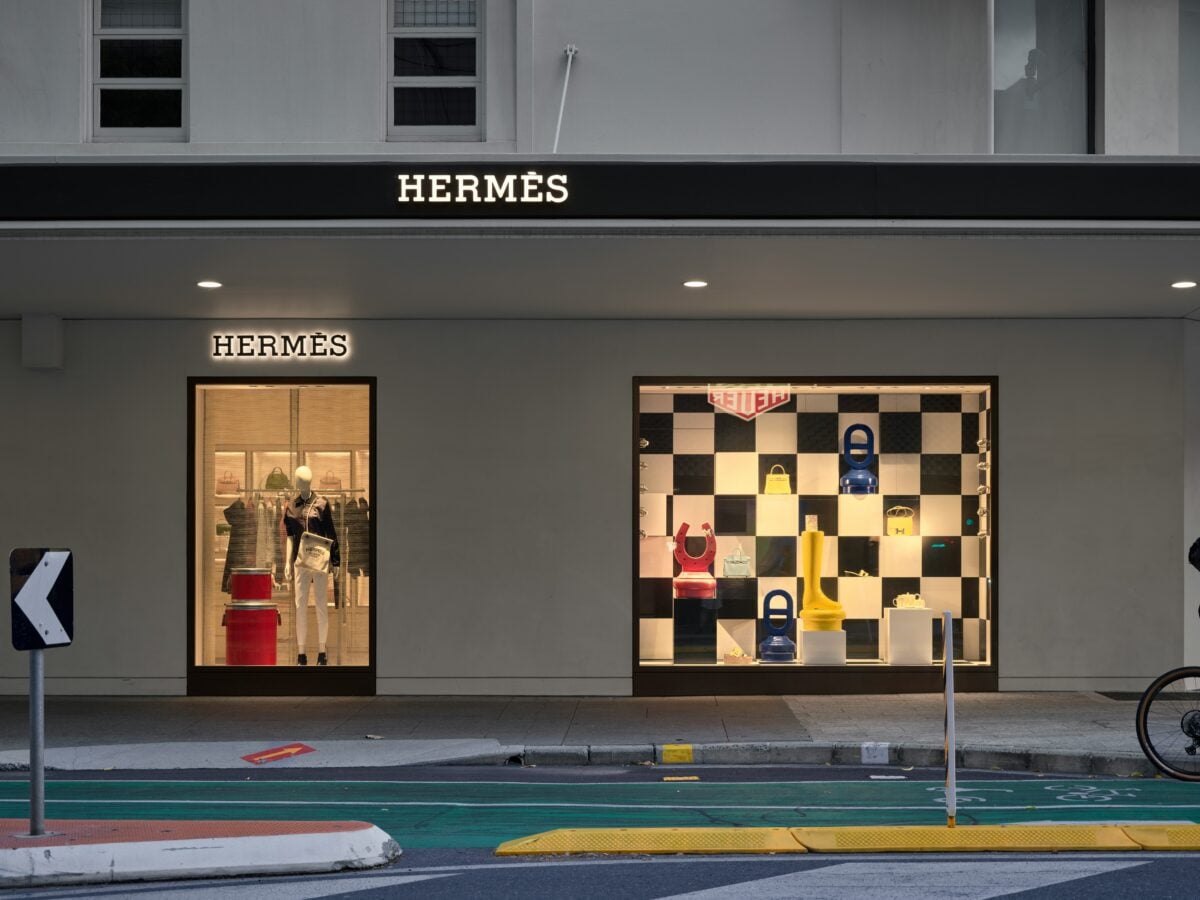
While most rush forward, Hermès chooses slowness without apology. Born in 1837, the Parisian label relies on artisans who shape one bag over many days, using only their hands. Some buyers wait several years just to own a piece.
This delay isn’t accidental; it reflects intent. Luxury here means patience and mastery, so often missing elsewhere – Hermès measures value differently.
Staying true often means saying no. That choice built something rare instead of chasing quick wins. Slow growth became quiet strength.
What others saw as limits turned into advantages. Patience outlasted noise. Value grew without shouting about it.
Where a Logo Becomes a Landmark

It’s clear now – not ambition or drive stands out, but how chance molded everything. Starting small was normal, paying attention to what things did mattered more than who noticed.
Building machines designed to move humans came first for one. For another, crafting clocks built to endure became the beginning.
A single pair of shoes focused on comfort stood quietly apart. Bricks came together without fanfare or design dreams.
Work became meaningful over time, not by force. Years passed, hands kept moving, results followed unseen.
What mattered appeared only when nobody called attention. Here’s a thought: truth might be the sole path forward.
Culture rarely grows from blueprints. What matters is showing up, again and again, which speaks louder than quick fixes.
Symbols rise without chasing the spotlight. Attention stays fixed on action itself, never on pitching it.
More from Go2Tutors!

- The Romanov Crown Jewels and Their Tragic Fate
- 13 Historical Mysteries That Science Still Can’t Solve
- Famous Hoaxes That Fooled the World for Years
- 15 Child Stars with Tragic Adult Lives
- 16 Famous Jewelry Pieces in History
Like Go2Tutors’s content? Follow us on MSN.



