Toughest Endurance Races On the Planet
Most races have a finish line you can picture before you start. You know roughly how far, roughly how long, roughly how hard.
These races are different. They attract people who find ordinary suffering a bit too manageable — athletes who want the weather, the terrain, the altitude, and sheer distance all working against them at the same time.
Some of these events have completion rates that hover in the single digits. A few have never been finished at all.
Here’s a look at the races that have earned a reputation for breaking even the most prepared competitors.
Barkley Marathons — Frozen Head, Tennessee
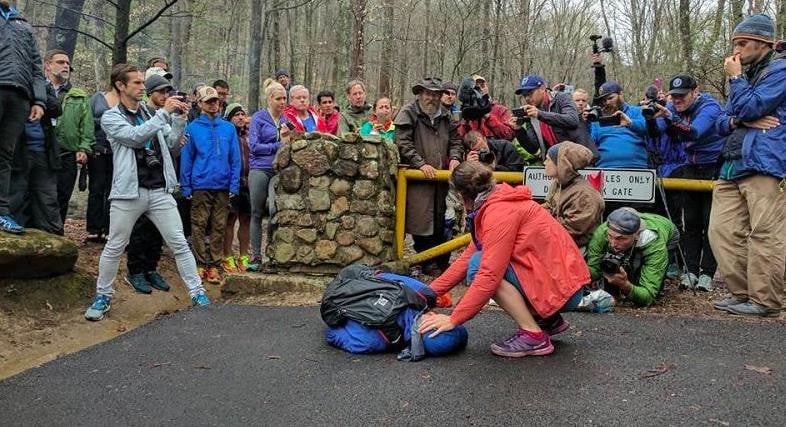
No race on this list has a more legendary failure rate. The Barkley is held in Frozen Head State Park in Tennessee, covers roughly 100 miles with around 60,000 feet of elevation gain across five loops, and has no clear course markings.
Runners navigate by map and compass. The entry process is secretive — there’s an application fee of $1.60 and a license plate from your home state.
The race director, Laz Lake, sounds a conch shell to start each year. Since its founding in 1986, fewer than 20 people have ever finished.
In most years, nobody does. The cutoff is 60 hours.
Watching runners emerge from the woods destroyed, sometimes hallucinating, often weeping, is part of the race’s culture at this point.
Badwater 135 — Death Valley, California
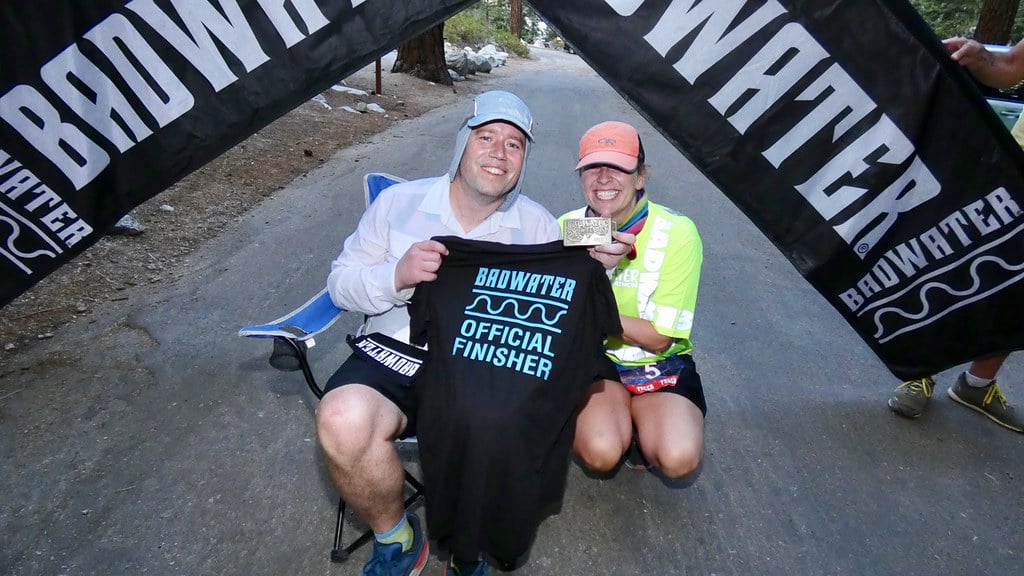
The name tells you most of what you need to know. Badwater 135 starts at Badwater Basin in Death Valley — the lowest point in North America at 282 feet below sea level — and finishes 135 miles later at the trailhead of Mount Whitney, the highest peak in the contiguous United States. It runs in July, when ground temperatures in the valley regularly exceed 200 degrees Fahrenheit.
Shoes melt on the road. Runners develop blisters the size of golf orbs.
You’re required to run on the white line at the road’s edge because the asphalt in the center is too hot to stand on. Crews drive alongside athletes in air-conditioned cars and hand them ice, fluids, and food at regular intervals.
Without that support, the race would simply be fatal.
Marathon des Sables — Sahara Desert, Morocco
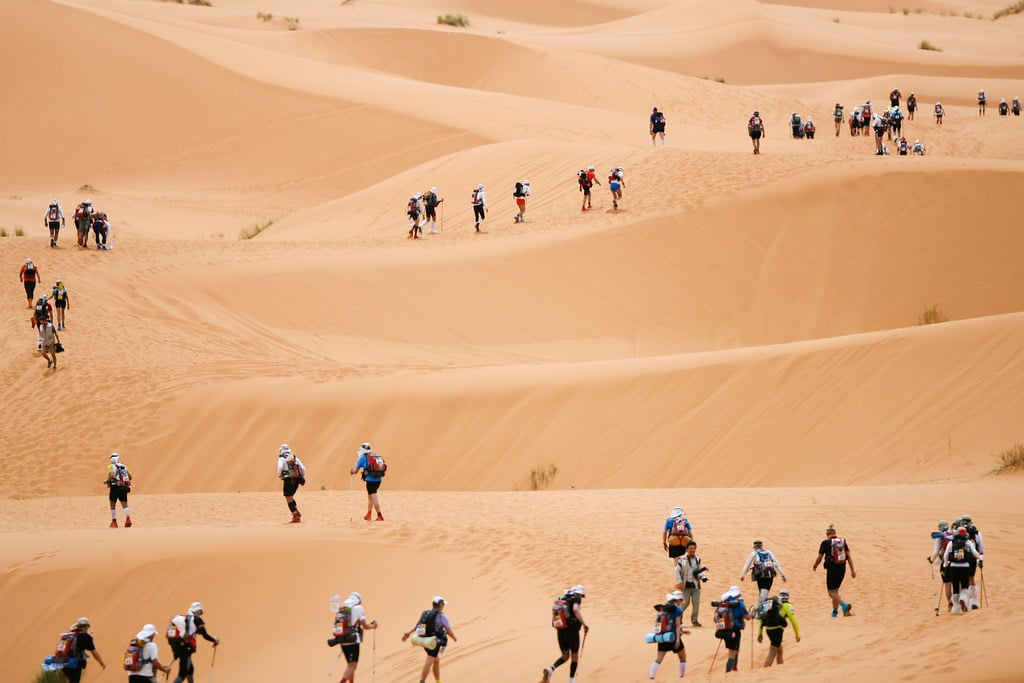
Six days. 156 miles. The Sahara. Competitors carry everything they need to survive — food, sleeping gear, medical supplies — on their backs.
Organizers provide water and a tent to sleep in each night. Everything else is on you.
The Marathon des Sables has been running since 1986 and typically draws around 1,000 runners from more than 50 countries. The combination of self-sufficiency, sand, heat, and distance makes it one of the most logistically demanding races in the world.
Getting your pack weight wrong by even a few pounds can ruin your race before day three.
Iditarod Trail Invitational — Alaska
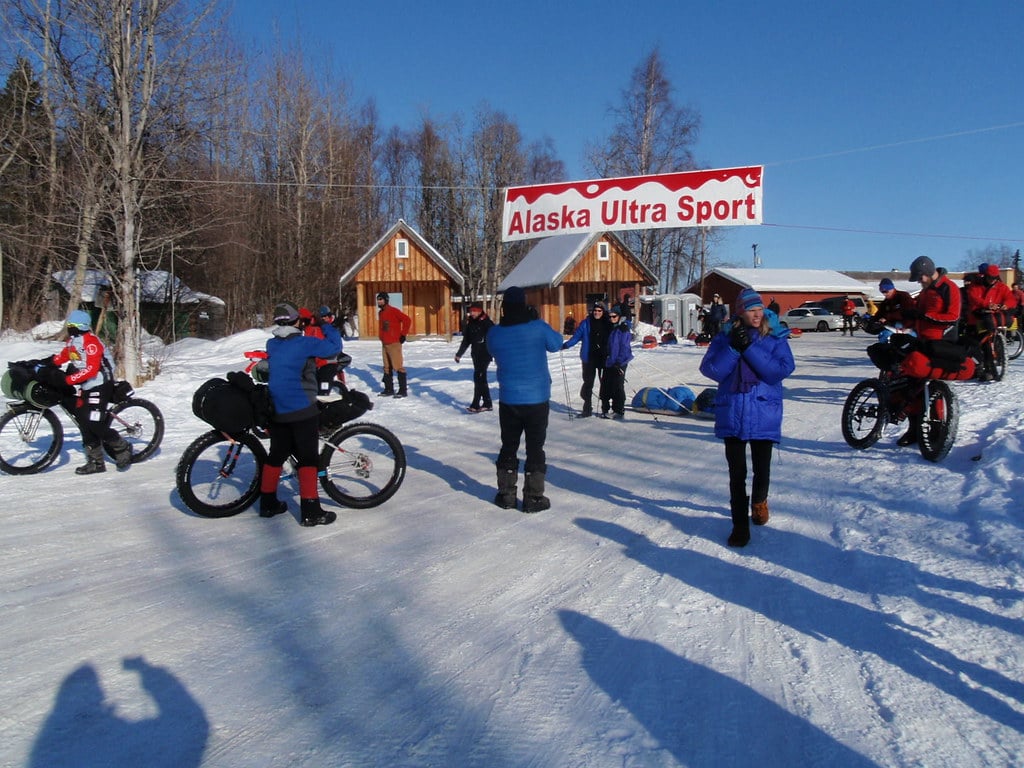
The Iditarod sled dog race is famous. Far fewer people know about the human-powered version that follows the same trail. The Iditarod Trail Invitational covers 1,000 miles from Knik to Nome, Alaska, in February — when temperatures routinely drop to -40 degrees Fahrenheit, and winds push the wind chill well below that.
Competitors travel on foot, ski, or fat bike. They haul a sled loaded with survival gear through frozen wilderness for weeks.
The trail passes through remote villages where resupply is possible, but long stretches go through complete isolation. Frostbite is common.
Getting disoriented in a whiteout storm at those temperatures is life-threatening.
Hardrock 100 — San Juan Mountains, Colorado
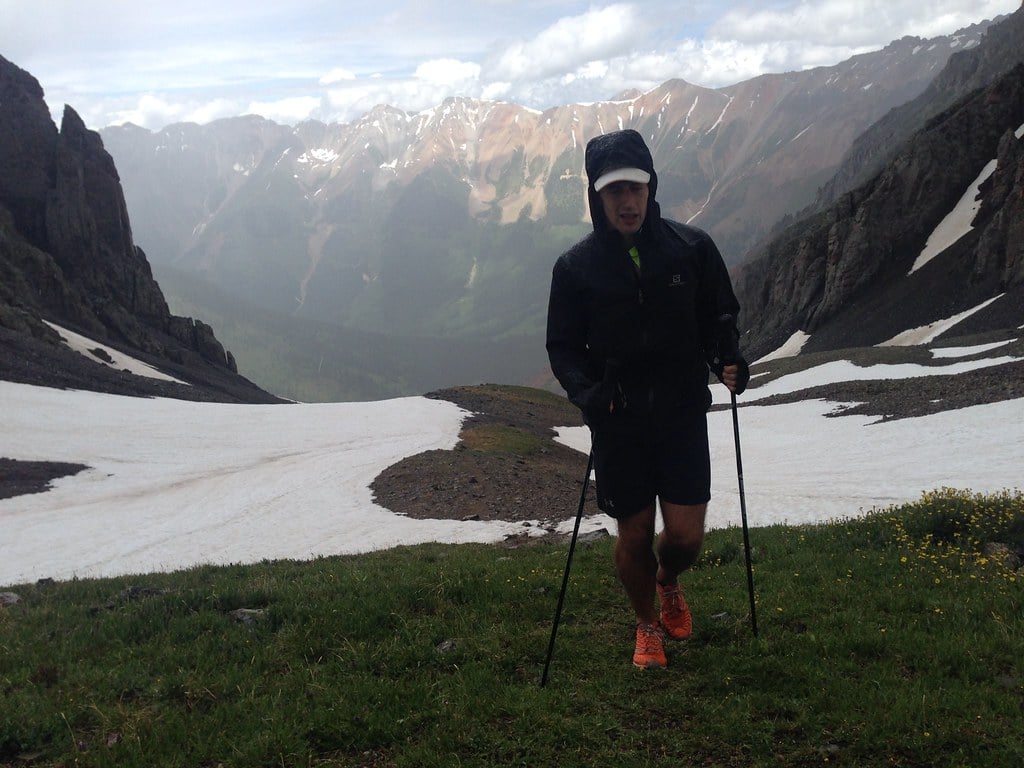
Colorado’s Hardrock 100 covers 100 miles through the San Juan Mountains with over 33,000 feet of elevation gain. The average altitude on the course is above 11,000 feet.
The highest point crosses 14,000 feet. Most of the race takes place above treeline, exposed to afternoon thunderstorms that roll in with almost no warning.
The course alternates direction each year — clockwise one year, counterclockwise the next — so knowledge of one route doesn’t fully prepare you for the other. Entry is by lottery, and demand far exceeds available spots.
Average finishing times hover around 40 hours, though the cutoff extends to 48.
Norseman Xtreme Triathlon — Norway
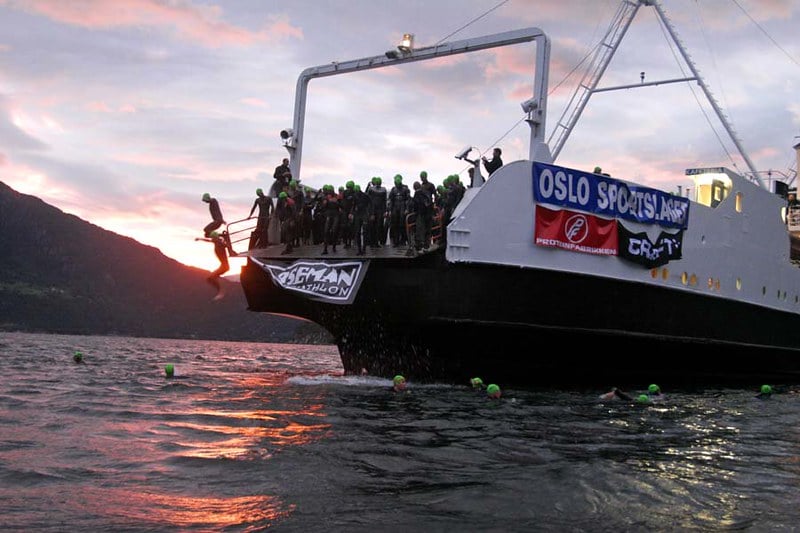
Norseman starts at 5 a.m. with competitors jumping off a ferry into the Hardangerfjord — water temperature around 59 degrees Fahrenheit — for a 2.4-mile open water swim. From there, they bike 112 miles through Norwegian mountain roads, gaining over 5,000 feet in elevation.
The marathon that follows climbs to the Gaustatoppen summit at 5,900 feet above sea level. Only 250 spots are available each year, and the race is self-supported, meaning each athlete needs a personal crew followed by a car with supplies.
There’s no prize money, no finish line medal for the full course — just a black t-shirt for those who make it to the mountain top, and a white one for those who finish at a lower checkpoint. The black shirt has become one of the most coveted items in endurance sport.
Race Across America — U.S. Coast to Coast
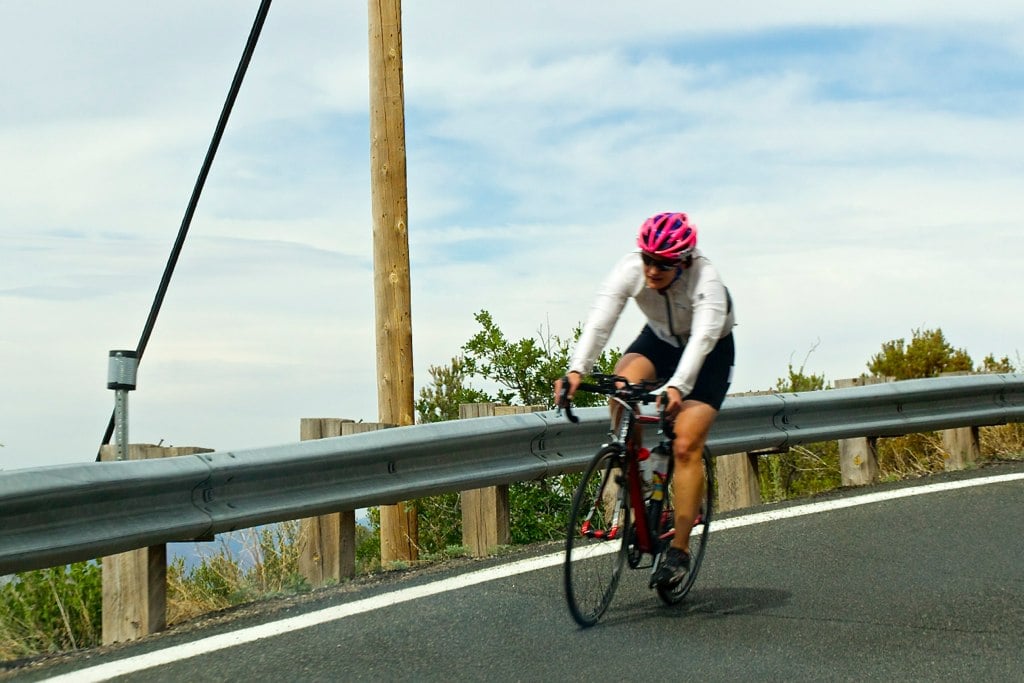
Most cycling events give you a break at night. Race Across America does not. RACA spans approximately 3,000 miles from Oceanside, California to Annapolis, Maryland, and the clock never stops. Solo finishers typically sleep 90 minutes per day for the duration.
The physical toll is well documented — sleep deprivation causes hallucinations within the first few days, and riders routinely report seeing things on the road that aren’t there. Saddle sores, tendonitis, and nerve compression injuries are routine.
The record for solo completion is just under eight days. Most finishers take closer to 12.
Yukon Arctic Ultra — Yukon, Canada

Held in February along the Yukon Quest sled dog trail, the Yukon Arctic Ultra offers distances ranging from 100 miles to 430 miles. The longer distance puts it among the most punishing cold-weather races anywhere.
Competitors travel on foot or ski, hauling their gear on a pulk — a sled attached to a harness — through temperatures that frequently drop below -40 Celsius. There are checkpoints, but between them, racers are alone in the dark for long stretches.
Hypothermia, frostbite, and exhaustion are the main threats. The race allows competitors to scratch at any checkpoint without judgment, and most years, only a fraction of starters finish the full distance.
Tor des Géants — Aosta Valley, Italy
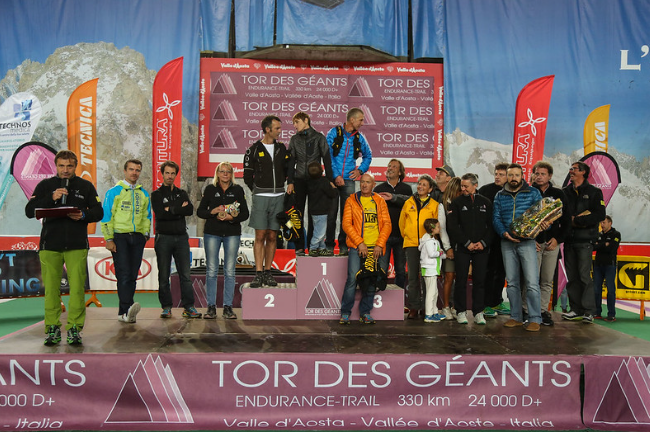
The Tor des Géants covers 205 miles through the Italian Alps with around 78,700 feet of cumulative elevation gain — roughly the equivalent of climbing Everest from sea level nearly three times. The race gives you 150 hours to finish and crosses more than two dozen mountain passes above 8,000 feet.
Life bases are scattered along the course where competitors can sleep, eat hot food, and receive some basic medical care. Most finishers sleep only in short bursts of two to four hours across the entire week.
The scenery is extraordinary — glaciers, alpine meadows, ancient stone villages — which helps when your legs stop cooperating somewhere around hour 80.
Western States 100 — Sierra Nevada, California
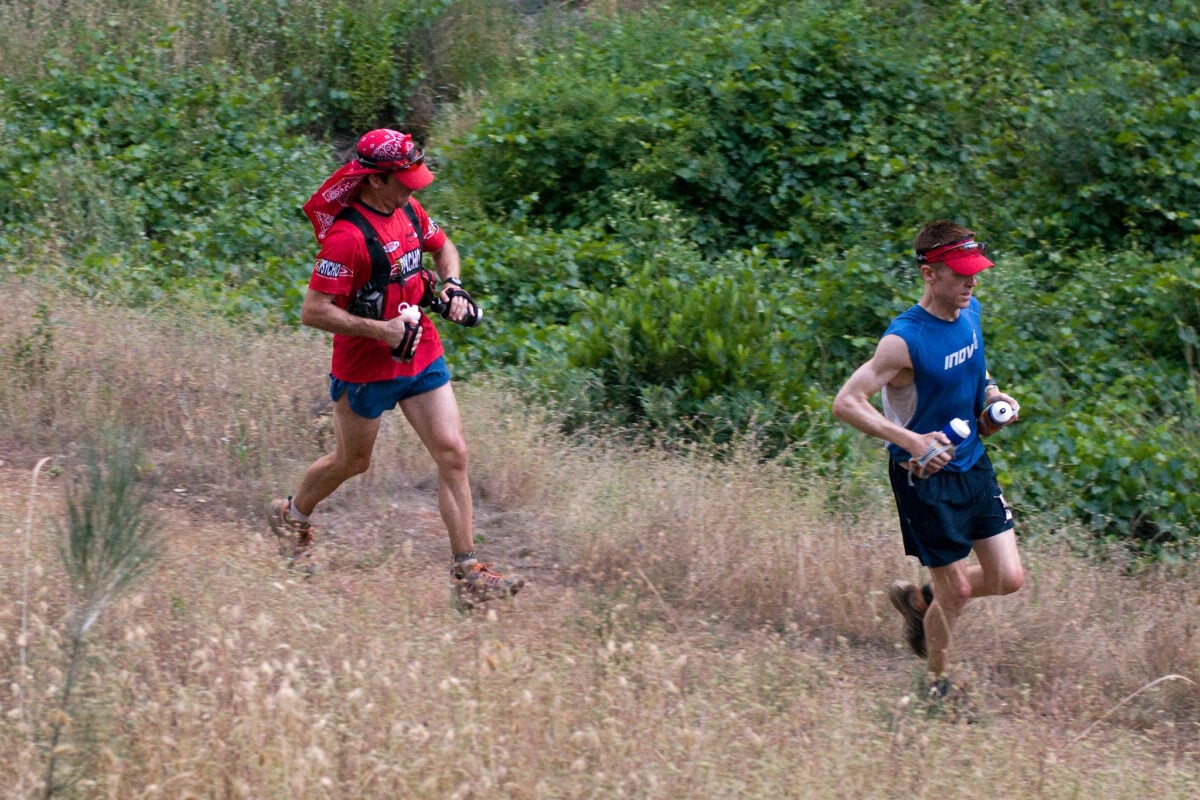
Western States is the oldest 100-mile trail race in the world, run continuously since 1977. The course starts in Squaw Valley (now Palisades Tahoe) and finishes in Auburn, crossing the Sierra Nevada with nearly 18,000 feet of climb and 22,970 feet of descent.
What makes Western States brutal isn’t just the distance — it’s that the descent is so aggressive it destroys your quads before you’ve even reached the halfway point. The canyons in the final 40 miles reach temperatures above 100 degrees Fahrenheit in June when the race is held.
The coveted silver and bronze buckles for finishing under 24 and 30 hours, respectively, are among the most recognizable awards in ultrarunning.
La Ultra — The High — Ladakh, India
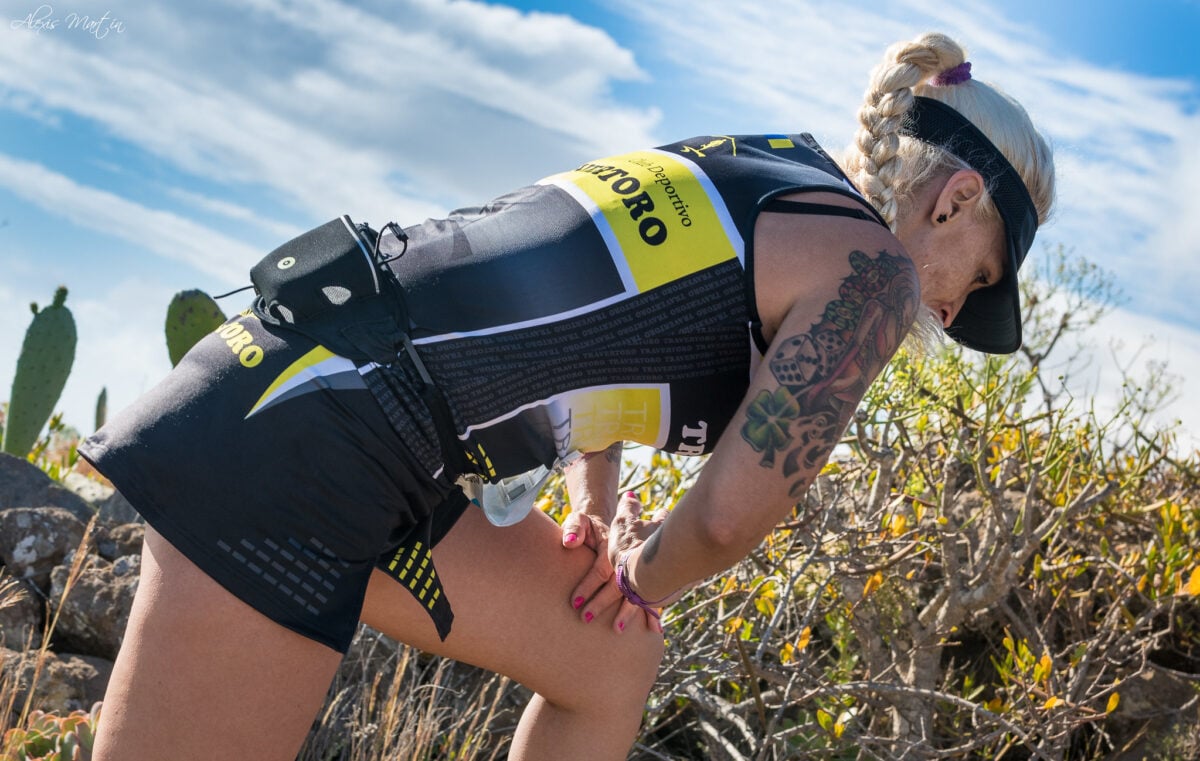
La Ultra takes place in the Himalayas of Ladakh at altitudes between 11,000 and 17,600 feet. The 111-mile and 222-mile options both cross three of the world’s highest motorable passes. Altitude-related illness is a genuine threat throughout — not just the kind that slows you down, but the kind that requires evacuation.
The course was designed to be nearly impossible. Completion rates fluctuate wildly from year to year. Temperatures swing from scorching daytime highs to sub-zero nights within hours.
The lack of oxygen at altitude makes every climb feel like twice the effort it would at sea level.
Amazon Jungle Marathon — Pará, Brazil
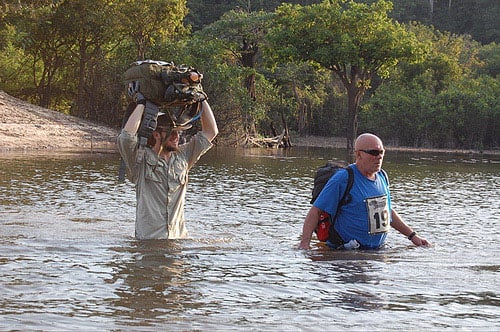
Most endurance races put you against the cold, the altitude, or the heat. The Amazon Jungle Marathon adds wildlife, disease, and perpetual humidity to that list.
Held in the Brazilian Amazon, this multi-stage self-supported race covers around 150 miles through dense jungle over six days.
You wade through rivers. You sleep in hammocks surrounded by insects.
The trail — where it exists — is slick with mud and root systems. Caiman, piranhas, and venomous snakes are not hypothetical concerns. Race doctors are present throughout, mostly because the medical risks of moving through that environment for a week are genuinely varied and unpredictable.
Spine Race — Pennine Way, England
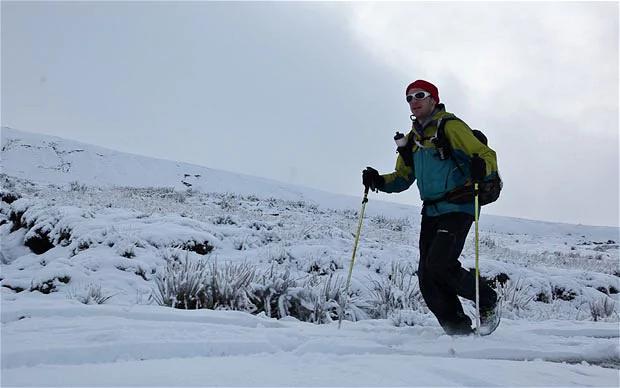
January drags cold across northern England when the Spine Race crawls along every mile of the Pennine Way. No timetable guides runners, just raw movement without rest stops after dark.
Time ticks nonstop while bodies push through mist, frozen ground, downpours, gusts – over trails even under July sun. Folks whisper about it being the toughest run across Britain – though that might just be the wind talking.
Hundred-mile fatigue drags like wet boots by mile one hundred and one. Heat hums inside those aid stations, trays full of bread rolls, tea, banana peels curling at the edges.
Stepping back into the rain after tasting warmth? That part scrapes deeper than blisters.
UTMB Chamonix France

Winding through France, Italy, and Switzerland, the Ultra-Trail du Mont-Blanc traces a loop around the massive peak. Stretching 106 miles, it climbs more than 32,000 feet in total – enough to challenge even seasoned runners.
Late August brings uncertain conditions; storms roll in fast. Because of that, officials have been known to change paths or scrap parts when skies turn harsh.
Midnight swallows the first steps of hundreds, their tiny lights climbing out of Chamonix like sparks in the wind. What began small now pulls top trail runners global, mixed with everyday people who earned entry point by point.
Few races carry this weight when dawn hasn’t even broken yet.
What Pulls People Toward the Edge
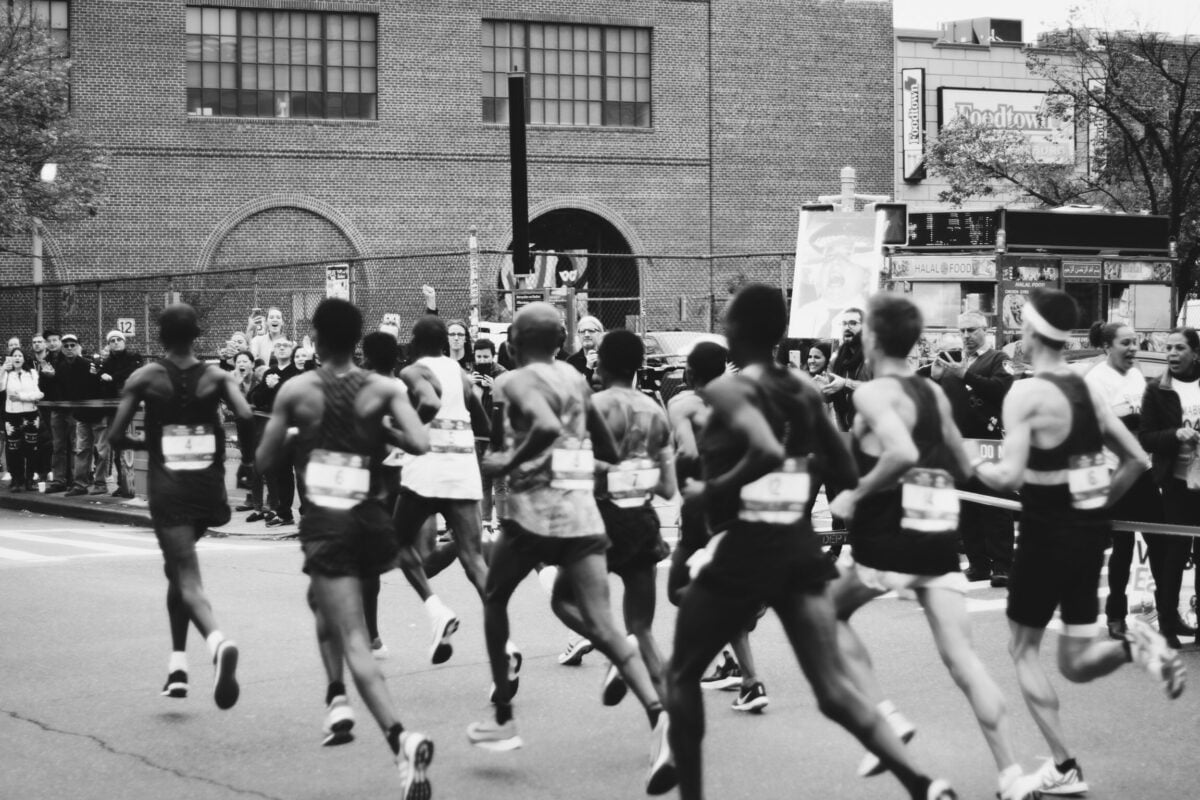
What drives folks to join these races? Not one reason fits all. A few seek a particular challenge.
Others wonder how it feels to go beyond every boundary they thought was fixed. Then there are those who simply aim for the shirt at the finish line.
Start anywhere down the trail, someone will tell you – distance never broke them. Weather? Not really. Altitude just hung around like a bad guest.
What hit hard was that quiet point near the center, where logic screamed to quit – and somehow, feet moved still. This unseen stretch is what each race quietly trades in, invisible in victory shots.
Only those stuck breathing dust know why it matters at all.
More from Go2Tutors!

- The Romanov Crown Jewels and Their Tragic Fate
- 13 Historical Mysteries That Science Still Can’t Solve
- Famous Hoaxes That Fooled the World for Years
- 15 Child Stars with Tragic Adult Lives
- 16 Famous Jewelry Pieces in History
Like Go2Tutors’s content? Follow us on MSN.



