Towns Built Into Steep Cliffsides
Some people look at a vertical rock face and see an obstacle. Others saw a home.
Throughout history, communities have carved their lives into cliffsides, creating towns that seem to defy gravity and common sense. These places weren’t built this way for the views, though the views certainly don’t hurt.
They were built for survival, for defense, for access to trade routes, or simply because flat land wasn’t available.
Ronda Bridges Two Sides of a Gorge
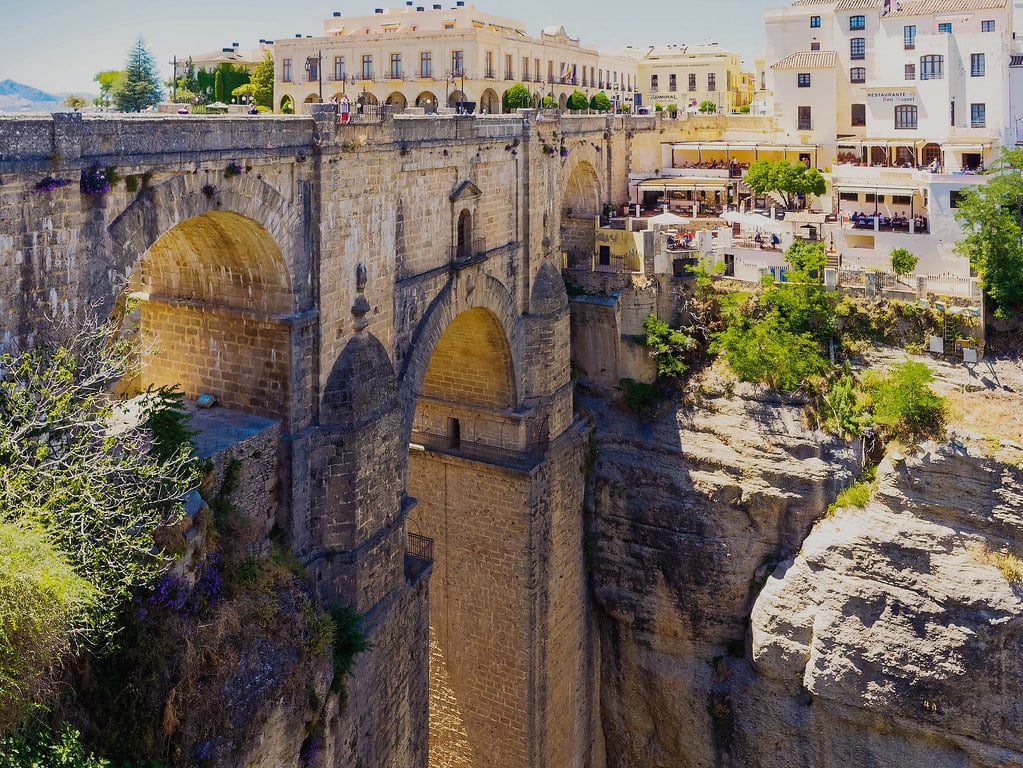
The Spanish town of Ronda sits on both sides of a deep gorge, connected by bridges that span the 390-foot drop. The old town perches on one cliff, the newer section on another, and the Puente Nuevo bridge links them across the chasm.
People have lived here since the Neolithic period, building successive civilizations on these cliffs. The gorge wasn’t just scenery.
It provided natural defense that made Ronda one of the last Moorish strongholds to fall during the Reconquista. Walking through the town today, you pass whitewashed buildings that end abruptly at the cliff edge.
Locals treat the precipice like you might treat a sidewalk—it’s just there, part of daily life.
Positano Climbs the Amalfi Coast
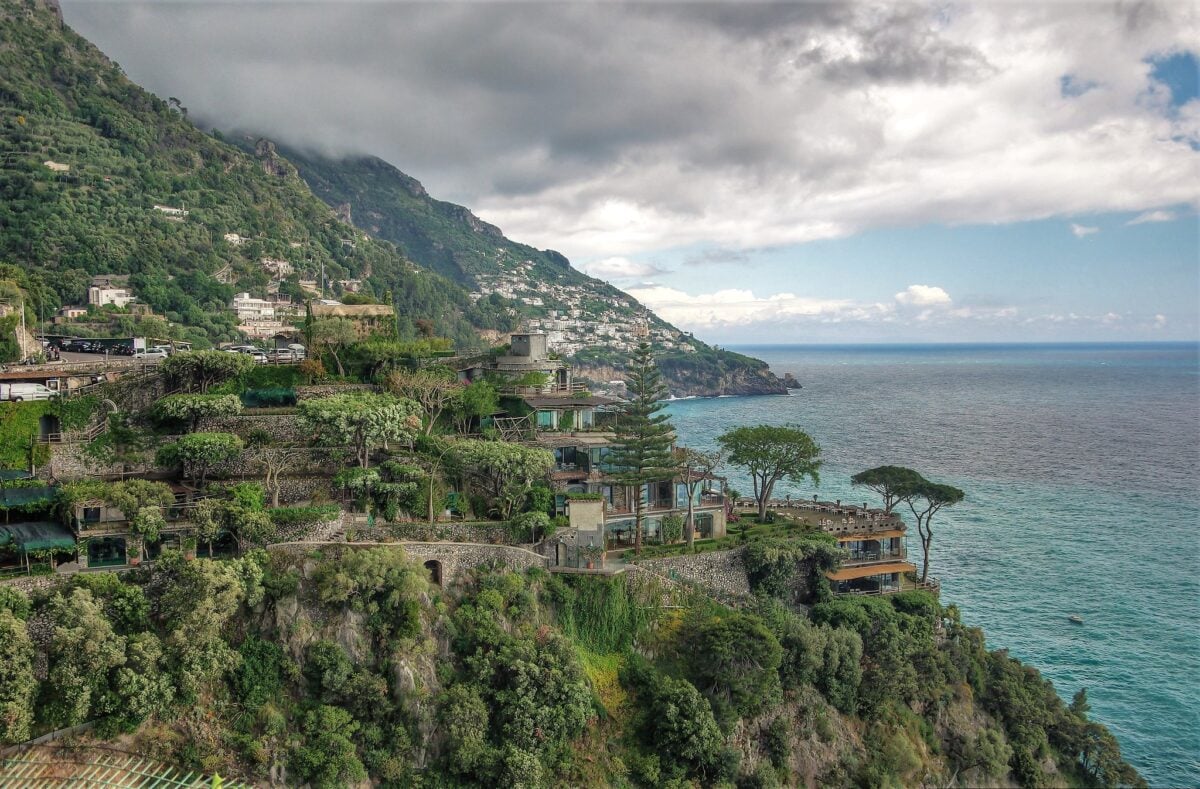
This Italian village cascades down a steep hillside toward the Mediterranean. Houses stack on top of each other in shades of pink, yellow, and terracotta.
The streets are mostly stairs, and many homes can only be reached on foot. Cars navigate narrow roads that switchback through the town.
Positano started as a fishing village. The clifftop location protected residents from pirate raids that plagued coastal settlements.
Today, the vertical layout means every restaurant and hotel seems to have a view of the sea. Getting groceries up to your house requires either strong legs or a willingness to pay for delivery.
Bonifacio Hangs Over the Mediterranean
The old town of Bonifacio sits on limestone cliffs at the southern tip of Corsica. Buildings perch right at the edge, with some houses extending over the cliff face on wooden supports.
The rock beneath the town has been carved by wind and waves into dramatic formations.
Medieval residents chose this spot because attacking it was nearly impossible. The only approach came through a narrow entrance that defenders could easily guard.
Ships below had to navigate treacherous waters and limestone formations to reach the harbor. The town survived centuries of sieges because of its position.
Walk through the narrow streets today and you’ll find the buildings haven’t changed much. They couldn’t expand outward, so they went up instead.
Rocamadour Rises in Tiers
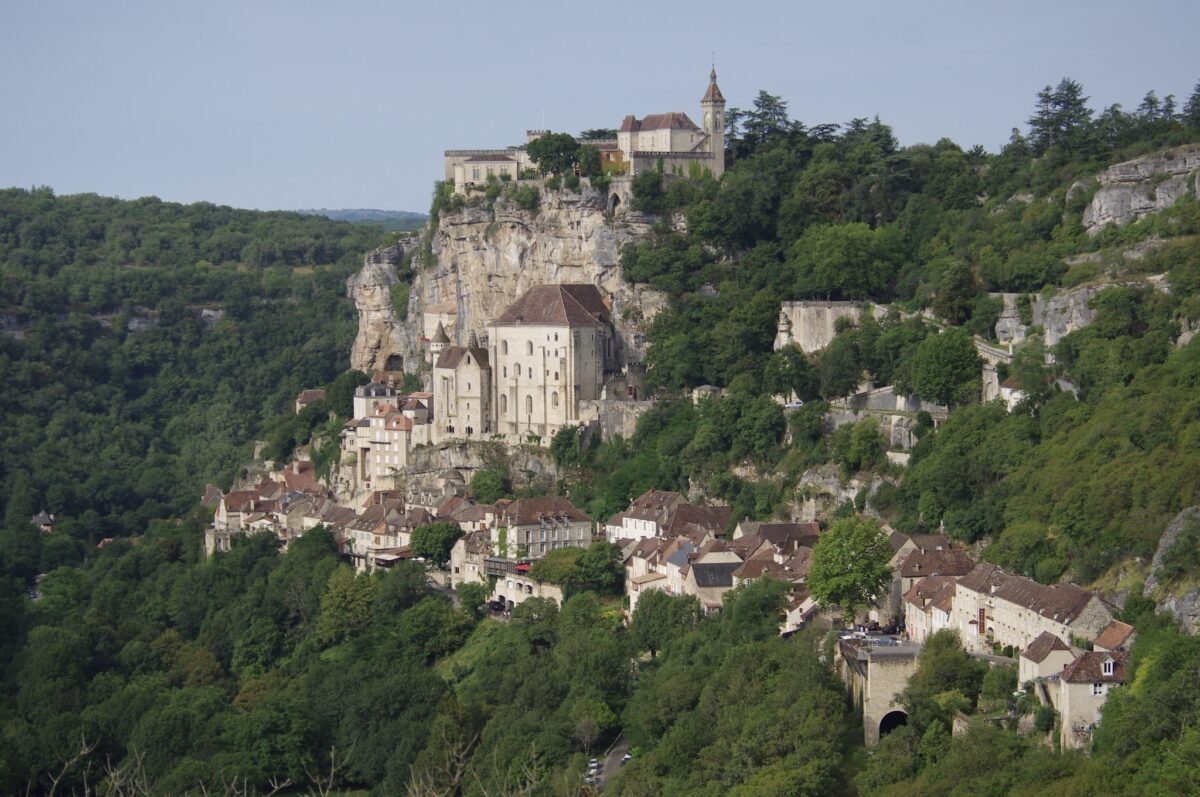
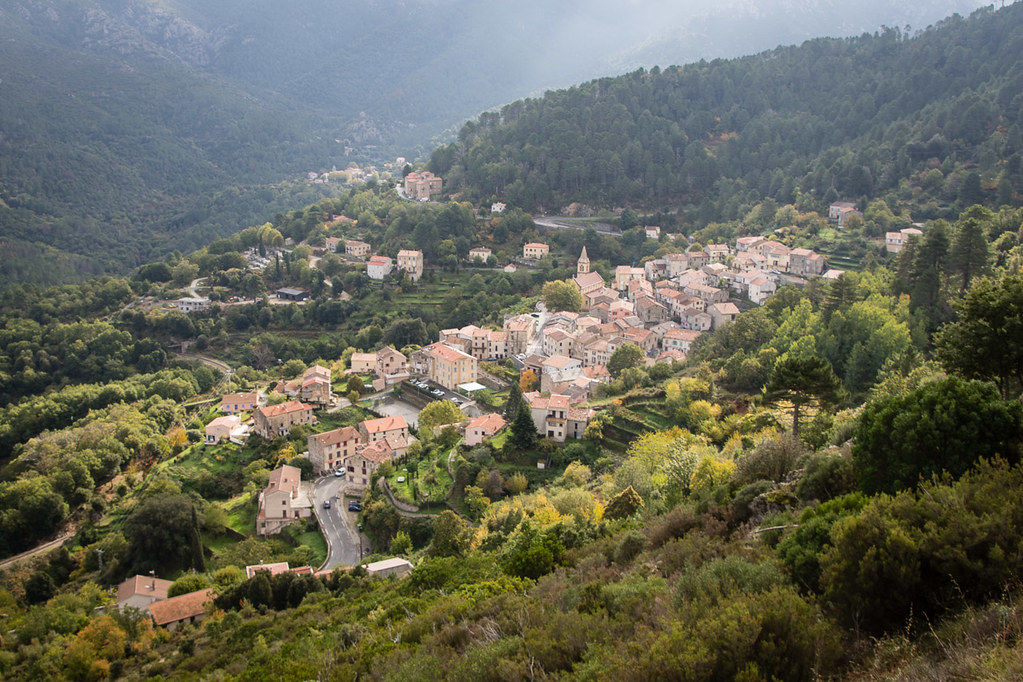
This French sanctuary town climbs a cliff face in the Dordogne Valley. The buildings arrange themselves in vertical layers—houses at the bottom, churches in the middle, a castle at the top.
A grand staircase with 216 steps connects the levels. Pilgrims have been climbing those steps since the Middle Ages.
The town grew around the shrine of Saint Amadour, built into a natural cave in the cliff. As more pilgrims arrived, more buildings appeared, each one fitting into whatever space the rock allowed.
The result looks more like architecture growing from the stone than being built on it.
Matera Lives in Ancient Caves
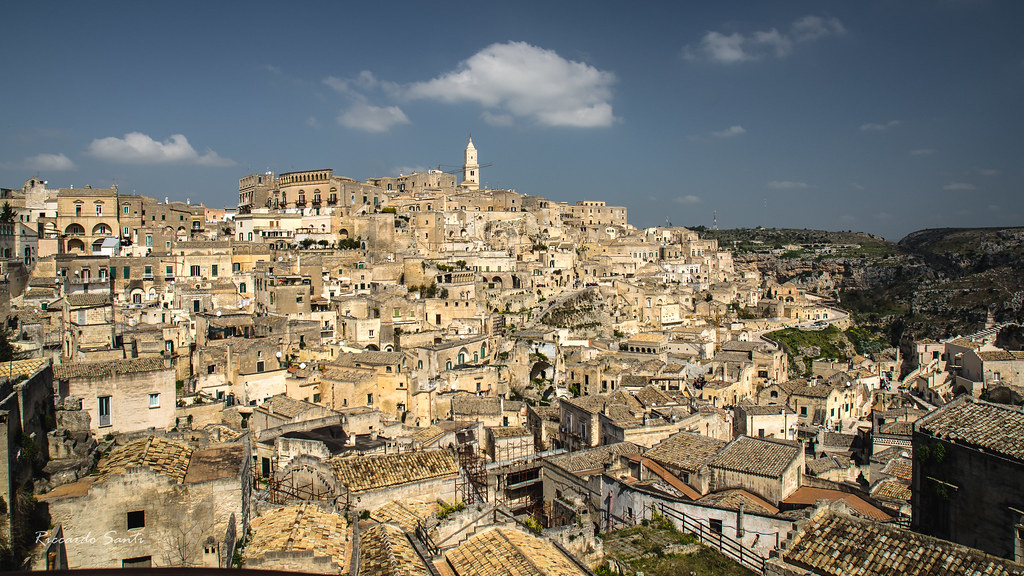
The Italian city of Matera fills a rocky ravine with cave dwellings called sassi. These aren’t simple caves.
Residents carved elaborate homes into the limestone, creating rooms, cisterns, and even churches within the rock. Some caves have been continuously inhabited for 9,000 years.
By the 1950s, overcrowding and disease led the Italian government to evacuate the sassi. The caves sat empty for decades.
Then restoration efforts began, and now many sassi house hotels, restaurants, and homes again. The stone stays cool in summer and holds warmth in winter—natural climate control that modern buildings struggle to match.
Vernazza Crowds a Coastal Cleft
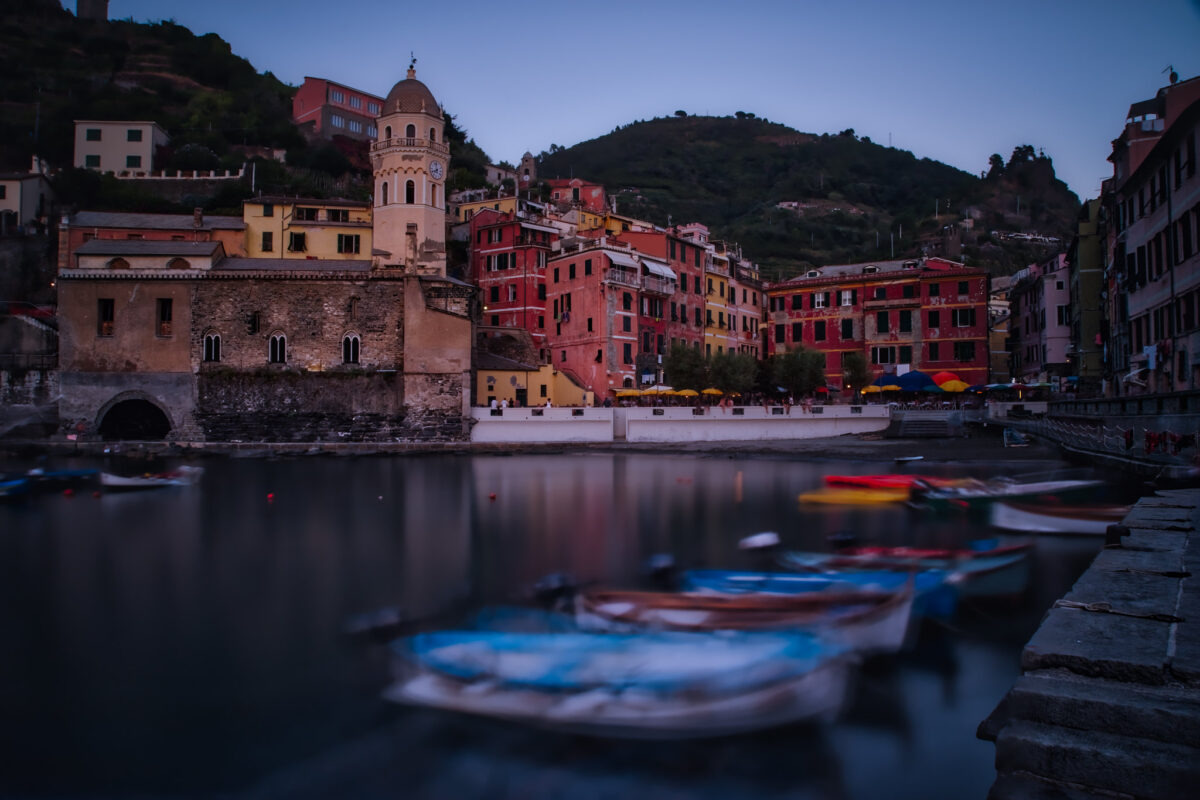
One of Italy’s Cinque Terre villages, Vernazza fits itself into a small ravine leading to the sea. Tall, narrow houses in bright colors press against each other up the hillside.
A small piazza opens to the harbor, where fishing boats still tie up. The town dates to around 1000 AD.
Building on the slope meant every structure needed deep foundations anchored into the rock. Streets are narrow paths and staircases winding between buildings.
A medieval watchtower sits at the highest point, a reminder that these clifftop positions served defensive purposes. Flash floods occasionally roar down the ravine, a risk residents have learned to live with.
Guatapé Overlooks a Reservoir
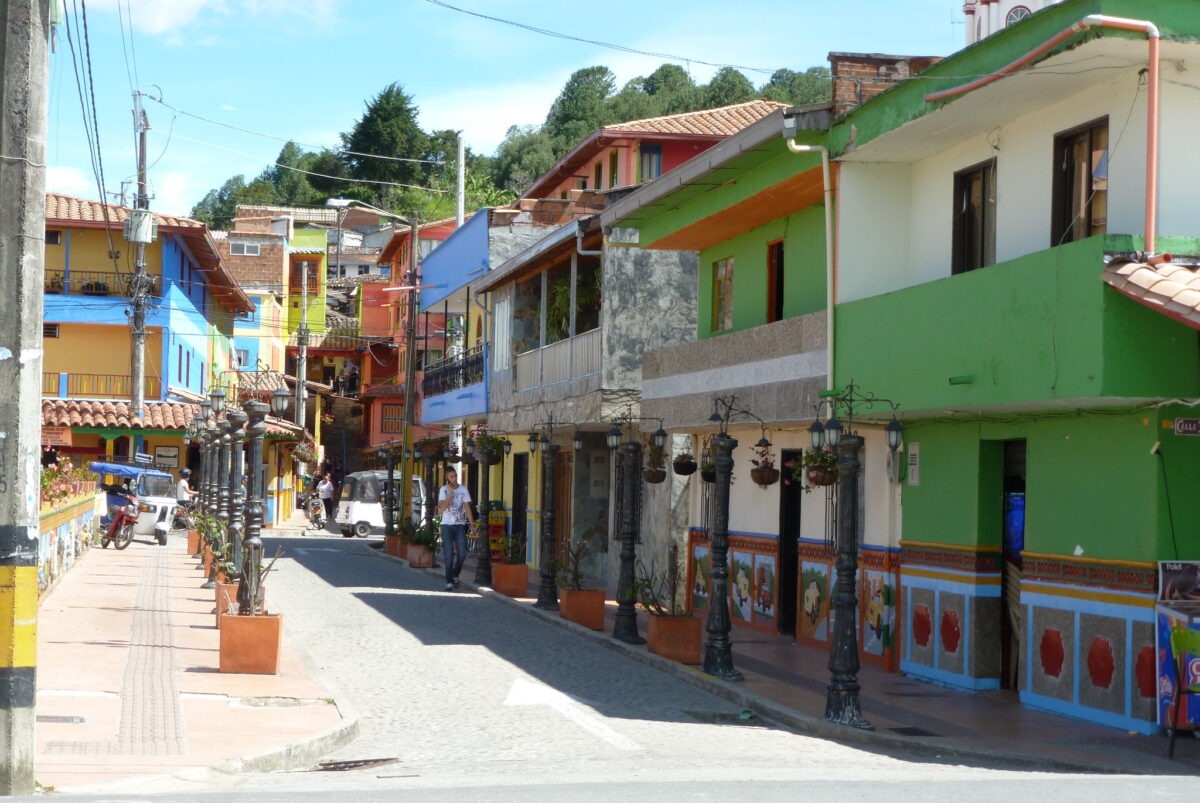
This Colombian town sits near El Peñol, a massive granite rock that rises 650 feet from the valley floor. The rock has steps built into a crack running up its face.
Climbing those 740 steps takes you to a summit with views over a reservoir dotted with hundreds of islands. The surrounding town isn’t built into the rock itself, but it clusters on the highlands above the water.
When the government flooded the valley to create the reservoir in the 1970s, it displaced several communities. Guatapé survived because it sat high enough to stay above the waterline.
The rock became the town’s defining feature and main attraction.
Civita di Bagnoregio Sits on Eroding Tuff
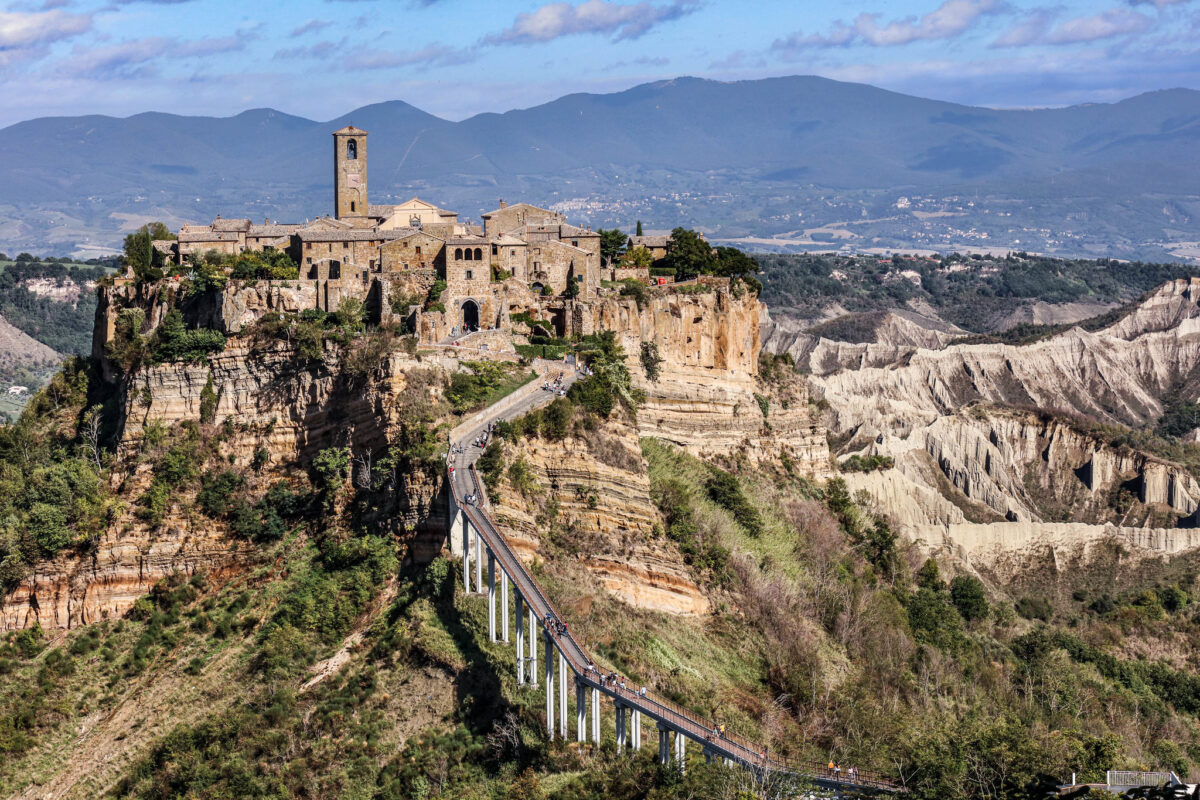
This Italian village sits on a pinnacle of volcanic rock that’s slowly crumbling away. Erosion has isolated Civita from the surrounding plateau.
The only access comes via a long pedestrian bridge. The town is dying slowly—the population has dropped to around a dozen permanent residents.
The volcanic tuff that forms the rock is soft and weathers easily. Chunks of the cliff break away during heavy rains and earthquakes.
Buildings at the edge sometimes go with them. Yet people lived here for 2,500 years before modern times, when the erosion accelerated and most residents left.
The few who remain maintain their homes on a rock that geologists say will eventually disappear.
Castellfollit de la Roca Balances on Basalt
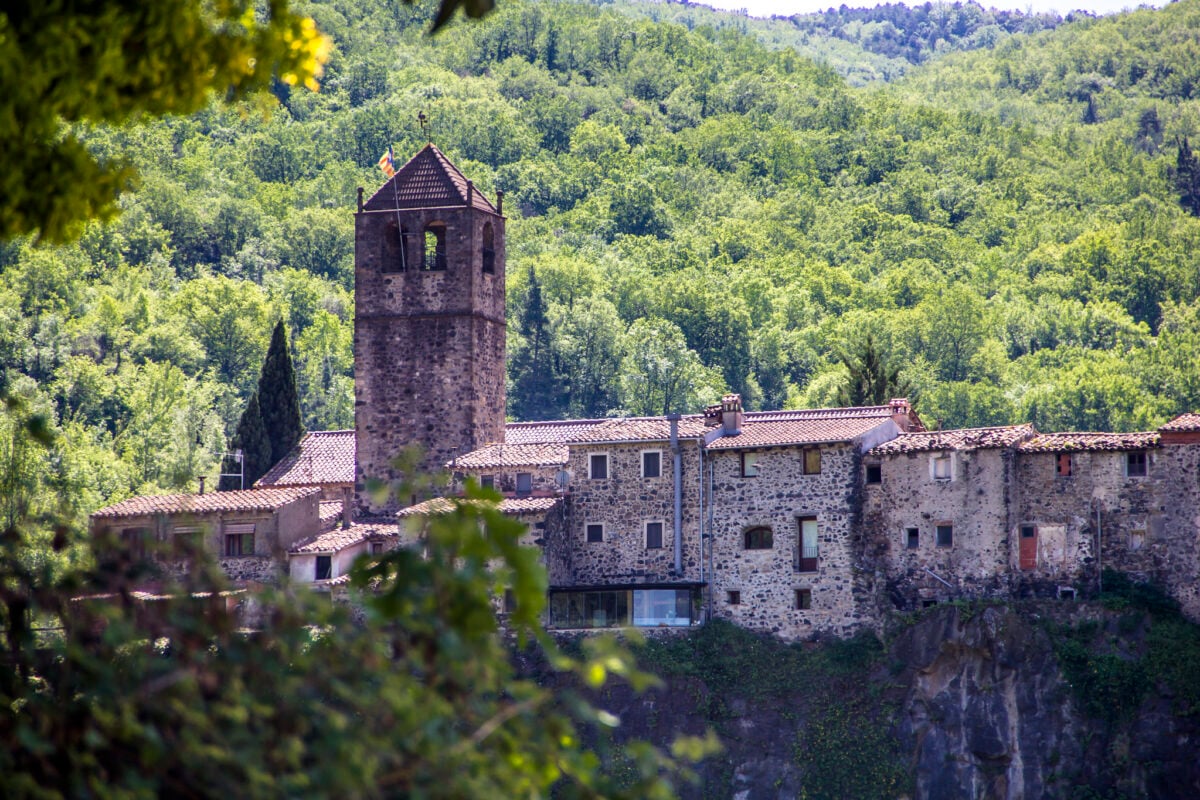
This Catalan town in Spain sits on top of a basalt cliff formed by ancient lava flows. The cliff is 160 feet high and less than a kilometer long.
Medieval houses line the edge, their foundations built right into the basalt columns. From below, the town looks like an extension of the cliff itself.
The rock formation is young by geological standards, only about 217,000 years old. The lava cooled into distinctive hexagonal columns that make the cliff face look almost manufactured.
The town has existed here since the Middle Ages. Space is so limited that the main street runs the length of the cliff with barely room for buildings on either side.
Al-Hajjara Clings to Yemeni Peaks
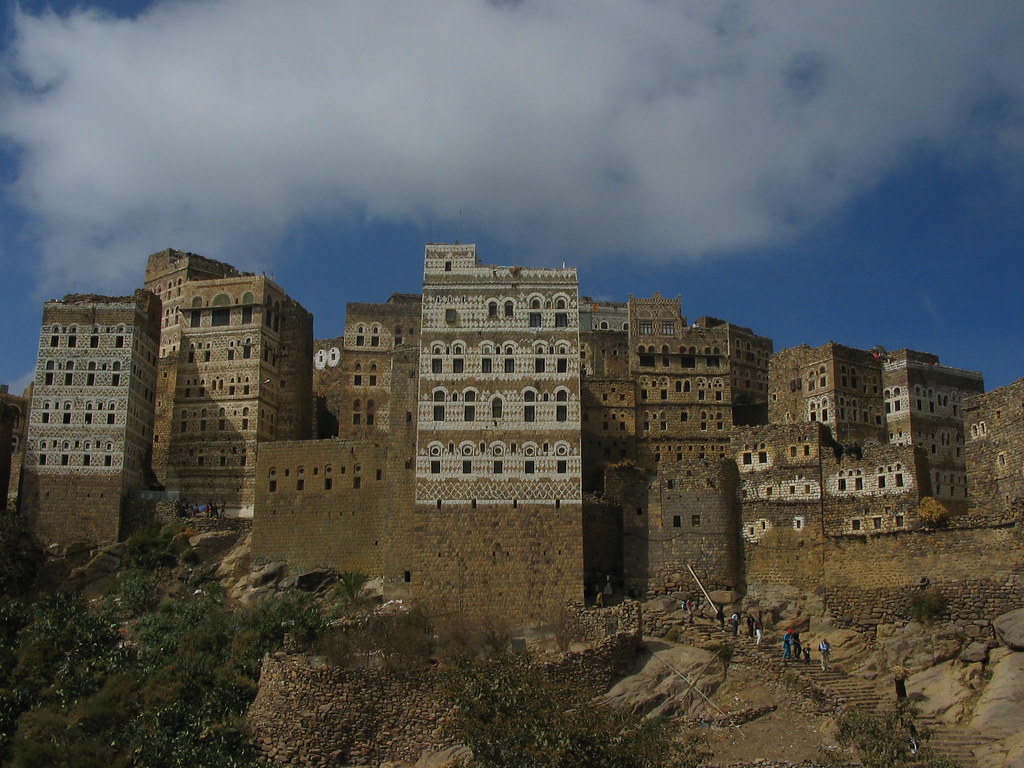
This village in Yemen’s Haraz Mountains rises from a steep slope at 7,200 feet elevation. Stone houses stack up the mountainside, each one built on the roof or terrace of the one below.
The construction uses local stone without mortar—rocks fit together so precisely that the buildings have stood for centuries. Mountain people built these villages high for defense against tribal conflicts.
The terrain meant agriculture happened on terraced fields carved into the slopes. Every stone for construction had to be carried up the mountain or quarried nearby.
The buildings blend into the rock so completely that from a distance, you might not see the town until you’re almost upon it.
Meteora Monasteries Touch the Sky
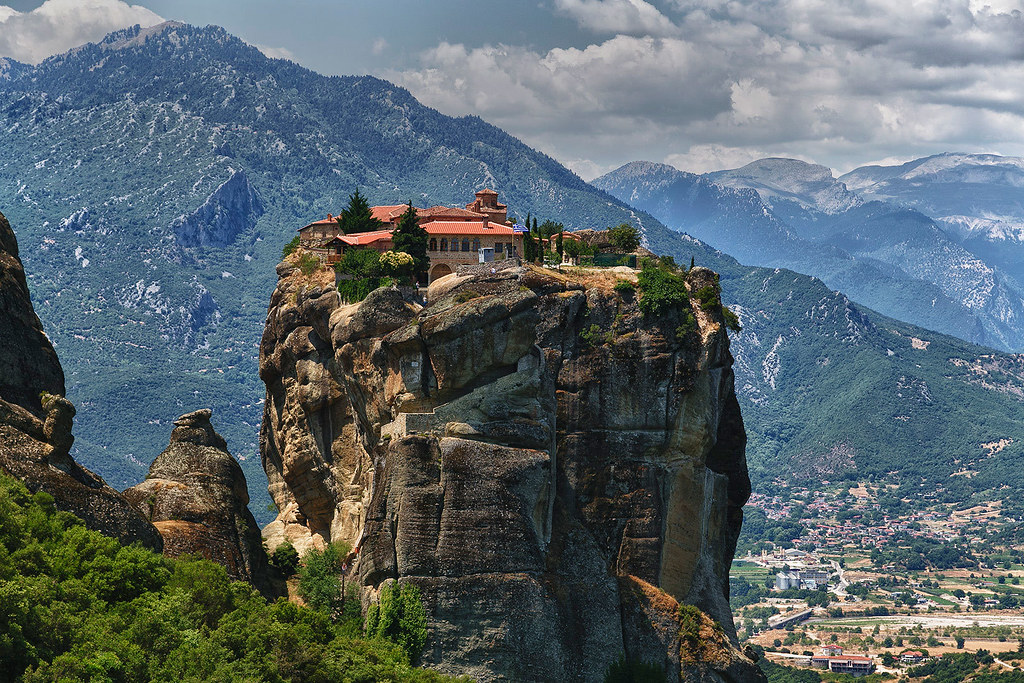
In central Greece, monasteries sit atop natural sandstone pillars that rise as high as 1,300 feet. Monks built these sanctuaries starting in the 14th century, seeking isolation for prayer.
Originally, the only way up was by rope ladder or nets that could be pulled up. Modern times brought stairs, but the monasteries remain dramatically perched.
The rock formations, called Meteora, formed millions of years ago when a river delta was pushed upward and then eroded. The monks chose the hardest pillars to build on, ones that resisted weathering.
They hauled materials up by hand, building churches and living quarters in places most people couldn’t reach. Six of the monasteries remain active today.
Setenil de las Bodegas Uses the Overhang
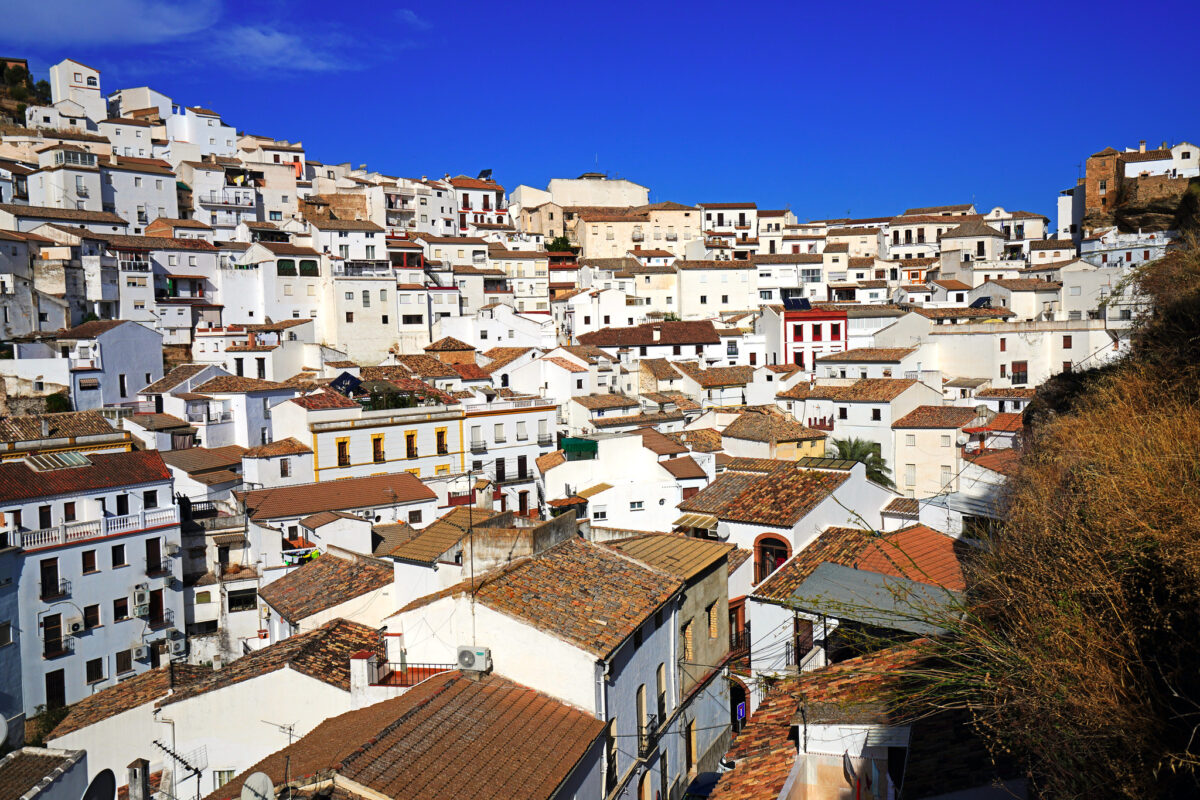
This Spanish town built many of its houses directly under rock overhangs. The cliff becomes the ceiling.
Some buildings have three normal walls and a roof of solid stone. The main streets run through what are essentially large caves with houses carved into the walls.
The rock here is soft enough to excavate but stable enough to stay put. Moorish residents expanded on earlier Roman settlements, digging deeper into the rock to create more living space.
The overhang provides natural insulation and protection from weather. Some restaurants and bars now occupy these cave spaces, serving drinks under tons of rock that have hung there for millennia.
Acapulco’s Cliff Divers Risk the Rocks
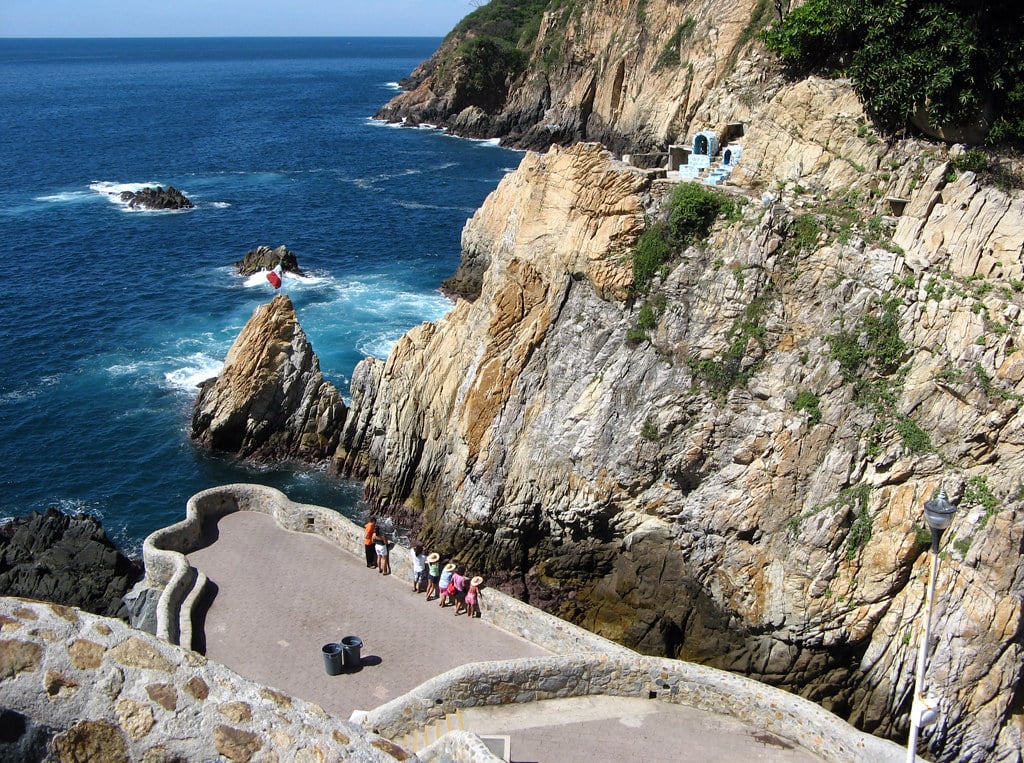
While not a town built into cliffs, La Quebrada in Acapulco shows another way humans interact with vertical rock faces. Professional divers have been jumping from these cliffs into a narrow ocean inlet since 1934.
The dive is 125 feet, and timing with the incoming waves makes the difference between a clean entry and hitting rocks. The divers come from local families and train for years.
They started this practice as a display of courage and skill. Now it’s a tourist attraction, but the danger remains real.
The cliff face shows where some jumps went wrong over the decades. Yet the tradition continues, passed down through generations who’ve learned to read the water and wind from that specific height.
Azenhas do Mar Meets the Atlantic
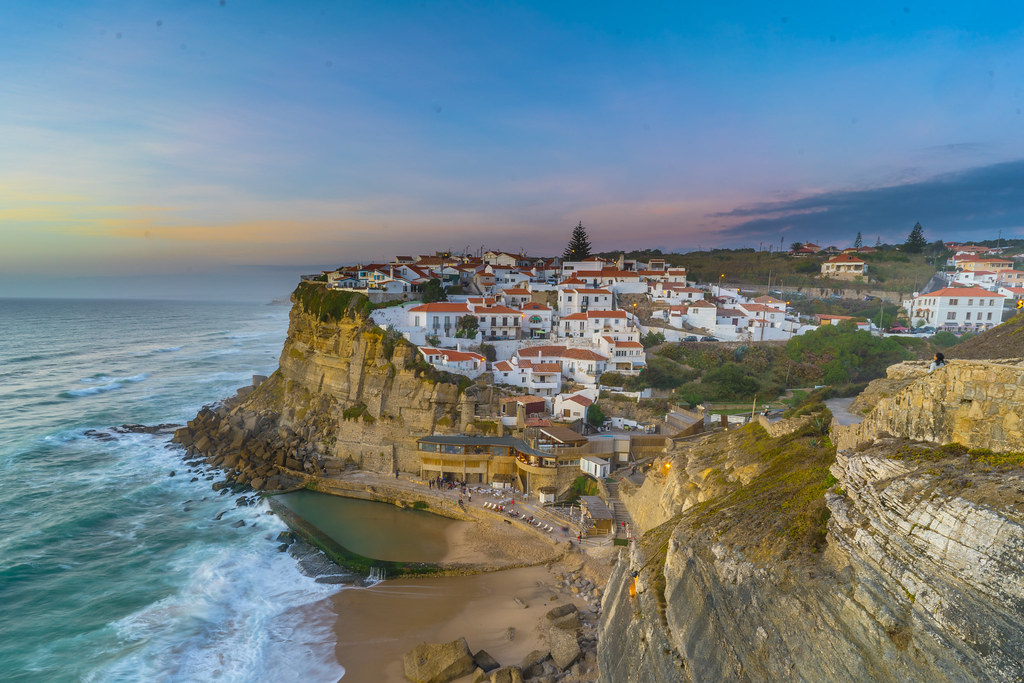
This Portuguese village perches on a rocky edge above the Atlantic. Tiny white houses huddle together near the cliff’s peak, while some stretch down step by step to a quiet shore.
Down there, a sea-formed basin traps ocean water when waves rise. The saltwater floods naturally as tides climb.
The village began as a place where people grew food while catching fish offshore. Sheltered by the cliff, it stayed safe from rough sea weather and attackers.
Paths twist down the steep side of the rock to get to the shore and small water basin. Buildings changed shape based on room left over, going up wherever someone made or found level ground.
When waves crash hard, salty mist hits the bottom homes; folks shaped their houses to survive dampness and corrosion.
Where Necessity Becomes Home
Life shaped these places – folks settled here out of necessity. For safety, markets, catching fish, growing food, worship – they built homes on rocky slopes where level ground was rare.
It wasn’t about the scenery; it was about what worked. Yet living right at the cliff’s edge changes how you see everything.
You start seeing space and height in a new way. While others see danger, it feels normal to people raised near those drops.
The towns survive thanks to how folks adjust. Even high-up settlements now have basic comforts from today’s world.
Paths are shaped into stone, lifts go in, while goods come through fresh ways instead. Still, their core stays unchanged – houses perched where few would ever risk stepping, much less resting.
This is what happens when you need to team up with cleverness on a steep rock.
More from Go2Tutors!

- The Romanov Crown Jewels and Their Tragic Fate
- 13 Historical Mysteries That Science Still Can’t Solve
- Famous Hoaxes That Fooled the World for Years
- 15 Child Stars with Tragic Adult Lives
- 16 Famous Jewelry Pieces in History
Like Go2Tutors’s content? Follow us on MSN



