17 Ingredients Grandma Swore By That Work
Before specialized cleaning products and expensive solutions lined store shelves, our grandmothers maintained spotless homes using simple ingredients found in their kitchens and garden sheds. These natural cleaners, remedies, and household helpers weren’t just economical—they actually worked remarkably well.
Modern science has confirmed what generations of homemakers already knew through practical experience about these versatile substances. Here is a list of 17 household ingredients grandma relied on that remain effective solutions for common problems today.
White Vinegar
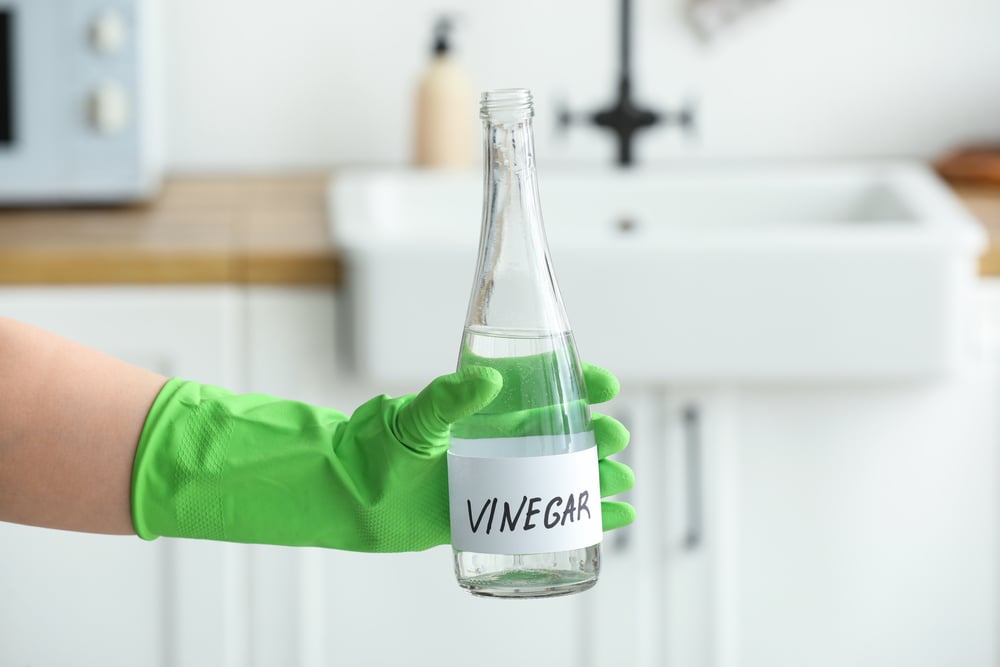
This kitchen staple cuts through grease, removes mineral deposits, and eliminates odors through its acetic acid content. Grandma used it to clean coffee makers, descale kettles, and make windows sparkle without leaving streaks.
A simple solution of equal parts vinegar and water still outperforms many commercial cleaners on glass surfaces while costing just pennies per cleaning session.
Baking Soda

Beyond baking, this simple package can be used as a laundry enhancer, odor absorber, and mild abrasive cleaning. Grandma would keep an open box in the refrigerator to cover up food odors, use it to scrub sinks without scratching, and sprinkle it on carpets before vacuuming.
It breaks down acidic materials and protein-based stains, such as those on clothes and kitchen utensils, thanks to its slightly alkaline composition.
Salt
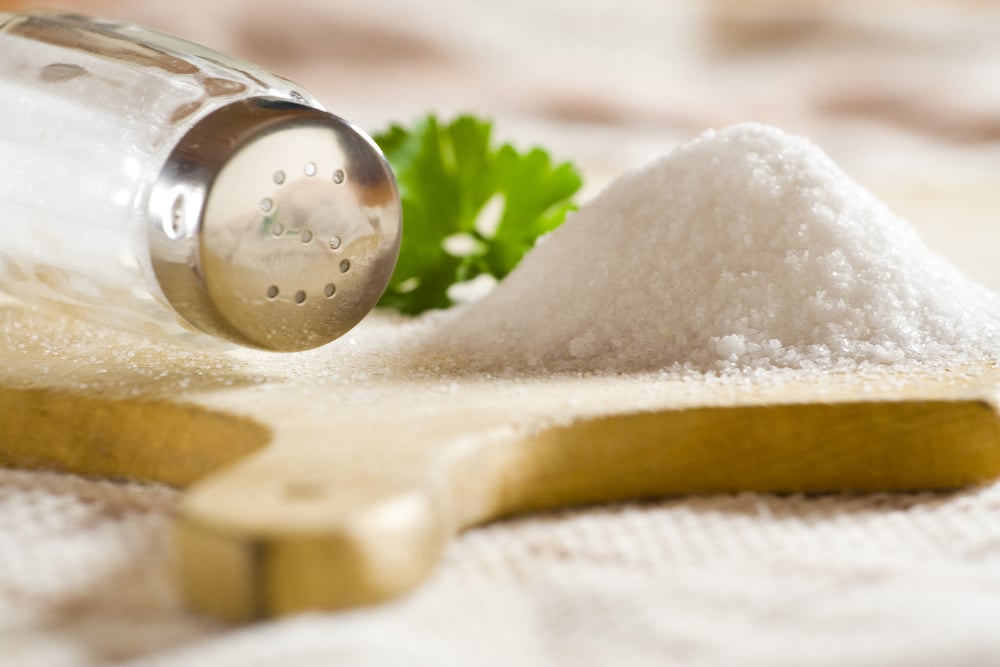
This common mineral functioned as grandma’s go-to scouring powder and stain treatment long before specialized products existed. She would use it to absorb fresh spills on fabrics, clean cast iron without damaging seasoning, and remove wine stains when combined with club soda.
The mild abrasiveness of salt crystals provides mechanical cleaning action while its absorbent properties help lift stains from various surfaces.
Lemon Juice

Lemons’ acidic character is great for eliminating rust stains, whitening whites, and cutting through soap scum. Grandma would freshen cutting boards that had absorbed food scents, use juice to lighten age spots on hands, and rub half a lemon on copper bottoms to restore luster.
Lemons were popular for both cleaning and personal care routines because of their inherent bleaching qualities and pleasant aroma.
Olive Oil

In addition to cooking, grandma’s household armory included olive oil for squeaky hinge repairs, leather conditioner, and furniture polish. She would apply a thin layer to leather things that were drying out and cracking, or she would combine it with a little lemon juice to dust wooden surfaces.
Without the use of dangerous chemical fumes, the natural moisturizing qualities offer a delicate sheen while protecting leather and wood.
Cornstarch

This cooking thickener doubles as an effective dry shampoo, carpet freshener, and window polisher when used correctly. Grandma would sprinkle it on greasy stains before laundering, dust it on tangled jewelry chains to ease knots, and use it to prevent chafing in hot weather.
The fine powder absorbs oils and moisture while providing a gentle cleaning action on delicate surfaces too fragile for scrubbing.
Coffee Grounds

Used coffee grounds serve as excellent odor absorbers, gentle abrasives, and even plant fertilizers. Grandma would dry them thoroughly and place small containers in the refrigerator to absorb food odors, use them to scour particularly grimy pots, and work them into garden soil around rose bushes.
The slightly acidic nature and abrasive texture make them particularly useful for tough cleaning jobs and enriching garden soil.
Hydrogen Peroxide

This medicine cabinet staple works as a disinfectant, stain remover, and mouthwash when properly diluted. Grandma kept it handy for cleaning minor cuts, whitening grout lines between tiles, and removing stubborn stains from white clothing and linens.
The bubbling action lifts dirt from porous surfaces while killing bacteria through oxidation, making it effective for both cleaning and disinfecting various household surfaces.
Like Go2Tutors’s content? Follow us on MSN.
Borax
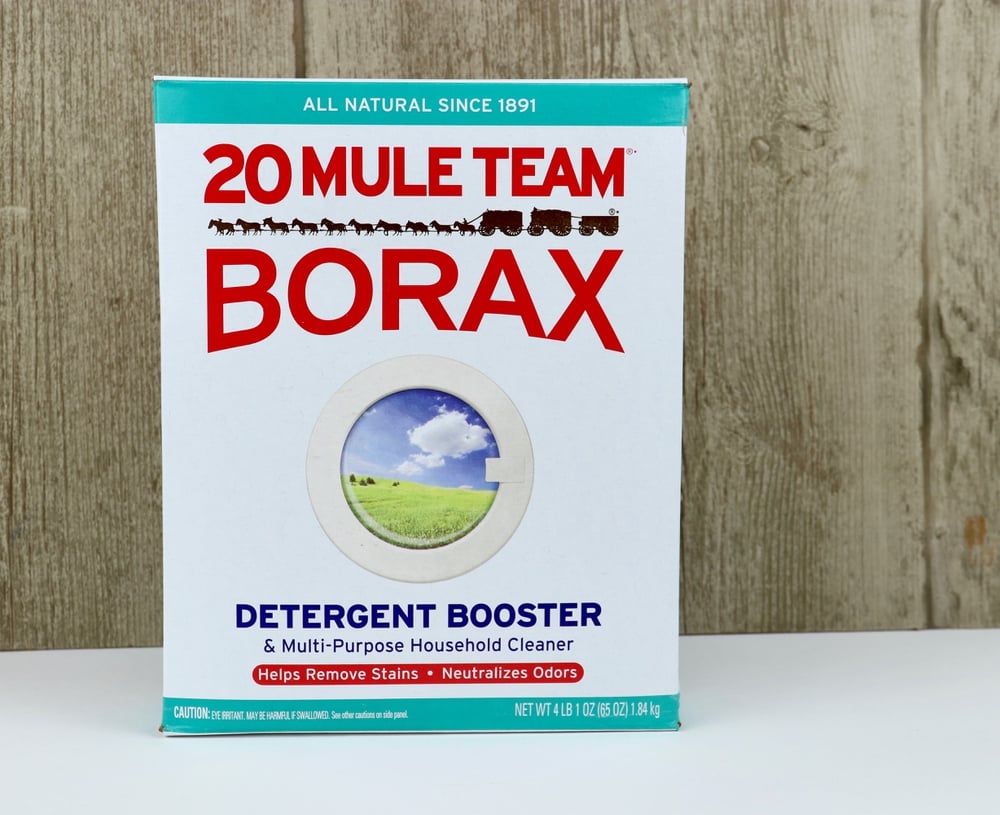
This natural mineral compound enhances detergent performance, kills insects, and deodorizes carpets and upholstery. Grandma would add a half cup to laundry loads for brighter whites, sprinkle it along ant trails to eliminate infestations, and use it to clean the toilet bowl without harsh chemicals.
Modern research confirms its effectiveness as a natural insecticide and cleaning booster despite falling out of common usage in recent decades.
Witch Hazel

This natural astringent served as grandma’s skin toner, bruise treatment, and soothing remedy for various skin irritations. She would apply it to reduce under-eye puffiness, treat itchy insect bites, and clean minor wounds when alcohol might sting too much.
The natural plant extract contains tannins with anti-inflammatory properties recognized by modern dermatologists as beneficial for various skin conditions.
Aloe Vera

The gel from this succulent plant works wonders on minor burns, skin irritations, and even as a natural hair styling product. Grandma often kept a plant growing on a sunny windowsill, breaking off leaves to squeeze out the soothing gel for sunburns or kitchen accidents.
Scientific research confirms the plant contains compounds that reduce inflammation, promote healing, and provide a protective barrier for damaged skin.
Oatmeal

Beyond breakfast, oatmeal functions as a skin soother, mild exfoliant, and even a soap substitute for sensitive skin. Grandma would add it to bathwater for itchy skin conditions, use it as a facial mask mixed with honey, and create poultices for skin irritations and rashes.
The compounds in oats have documented anti-inflammatory properties that help calm irritated skin while the texture provides gentle exfoliation.
Tea Bags
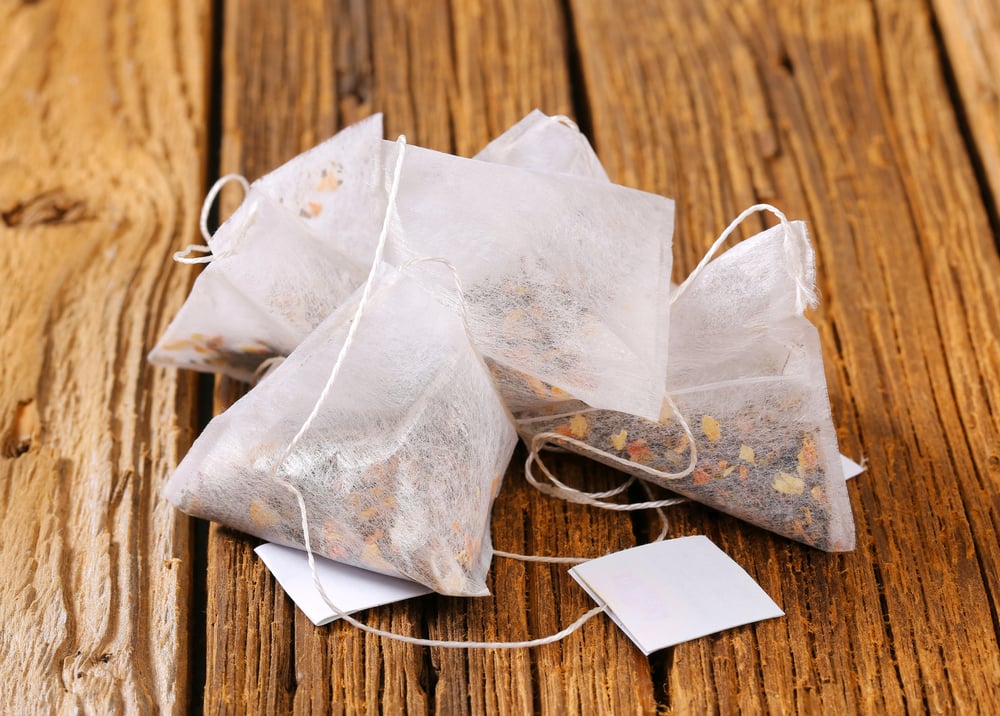
Used tea bags had second lives as eye compresses, garden fertilizer, and glass cleaners in grandma’s thrifty household. She would place cool used bags on puffy eyes or sunburns, work them into soil around acid-loving plants, and use them to wipe down mirrors after cooling.
The tannins in tea reduce inflammation when applied topically while the mild acidity helps cut through grease on glass surfaces.
Milk

This kitchen staple serves as a gentle facial cleanser, fabric softener, and even leather conditioner when properly applied. Grandma would use it to soothe sunburns, remove ink stains from clothing, and clean and condition fine leather gloves and purses.
The proteins and fats in milk make it surprisingly effective for various cleaning and conditioning tasks throughout the home.
Epsom Salt

These magnesium sulfate crystals relieve muscle aches, improve plant growth, and even help clean tile grout when used appropriately. Grandma would dissolve them in bath water for sore muscles, add them to garden soil for pepper and tomato plants, and make a paste with dish soap for scrubbing bathroom surfaces.
Modern research confirms that the transdermal absorption of magnesium from Epsom salt baths can indeed help relieve muscle tension.
Walnuts
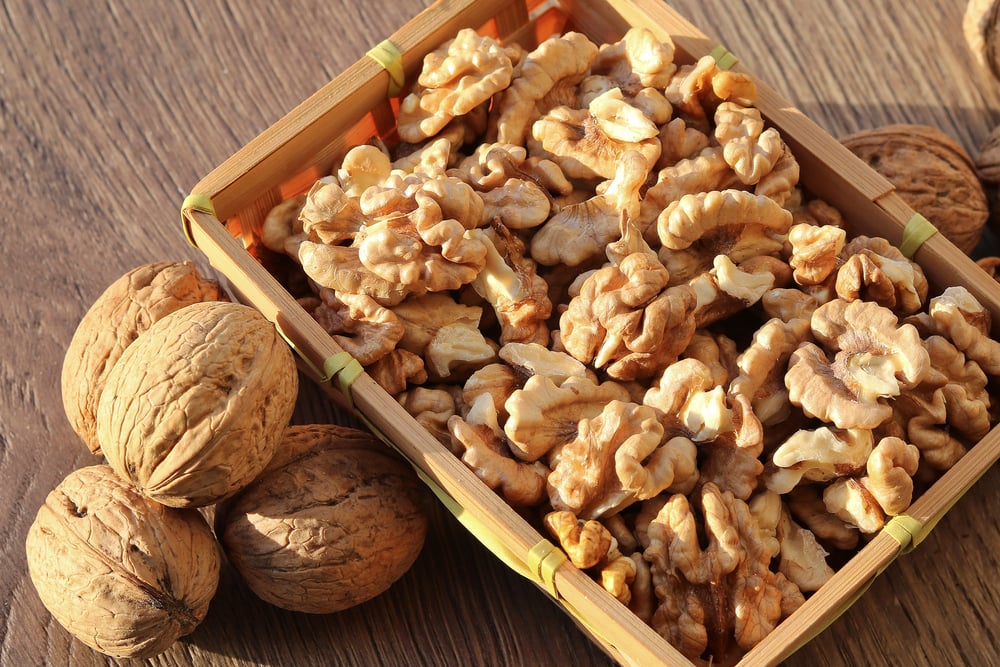
The oils in walnut meat effectively repair scratches in wood furniture through a simple rubbing technique. Grandma would take a shelled walnut half and gently rub it along minor scratches in wooden tables and chairs, allowing the natural oils to penetrate and darken the exposed wood.
The method works particularly well on medium-toned woods where the walnut’s color closely matches the original finish.
Plain Yogurt

This dairy product functions as an effective face mask, fabric softener, and even brass cleaner due to its lactic acid content. Grandma would apply it to sunburned skin for quick relief, use it to soften stiff fabric, and restore shine to tarnished brass fixtures and decorative items.
The mild acidity helps dissolve mineral deposits while proteins condition surfaces without harsh chemicals.
Wisdom in Simple Solutions

These everyday ingredients demonstrate how effective household solutions often exist right in our kitchen cabinets and pantries. Grandma’s practical wisdom came from generations of passed-down knowledge and direct experience rather than marketing claims or fancy packaging.
As modern consumers increasingly seek natural alternatives to chemical-laden products, these time-tested ingredients deserve renewed appreciation for their versatility and effectiveness. The next time you face a stubborn household problem, consider reaching for one of these simple solutions before heading to the store for a specialized product your grandmother would have never needed.
More from Go2Tutors!

- The Romanov Crown Jewels and Their Tragic Fate
- 13 Historical Mysteries That Science Still Can’t Solve
- Famous Hoaxes That Fooled the World for Years
- 15 Child Stars with Tragic Adult Lives
- 16 Famous Jewelry Pieces in History
Like Go2Tutors’s content? Follow us on MSN.



