Towns with Names No One Can Say
English is tricky enough on its own, but American place names take the confusion to a whole new level. Some towns got their names from Native American languages, others from European settlers who clearly didn’t think about pronunciation, and a few seem like someone just smashed letters together and called it a day.
The result is a collection of places that leave even GPS systems stumbling over their words. Let’s jump into some of the most tongue-twisting town names across America and find out why they’re so hard to pronounce.
Worcester, Massachusetts
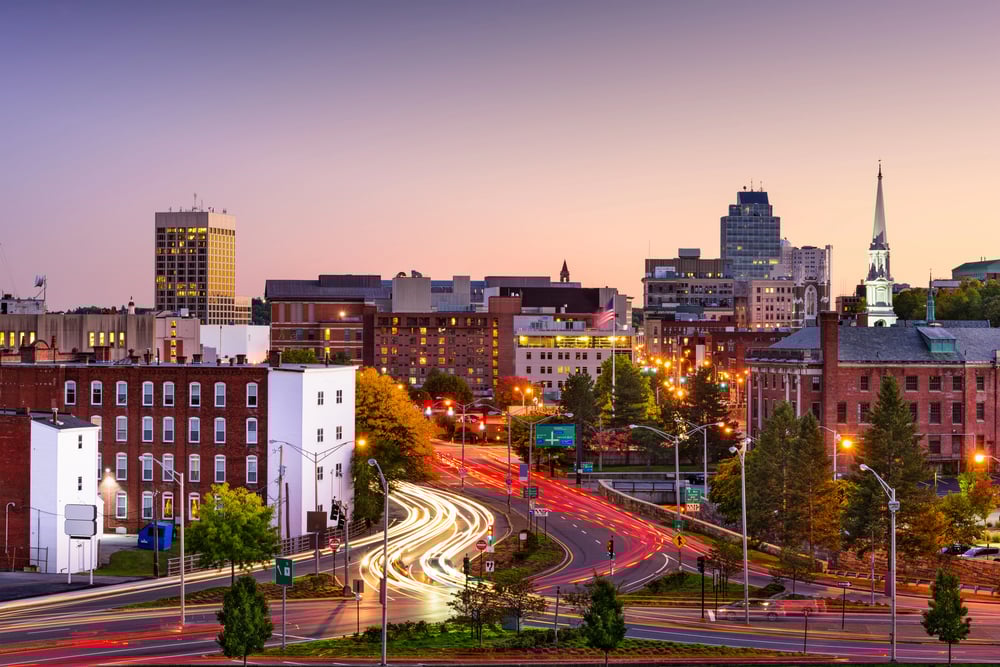
People see this town’s name and immediately want to say “Wor-chest-er” or “Wor-ses-ter,” but locals will quickly correct you. The right way to say it is “Wuss-ter,” which makes absolutely no sense when you look at how it’s spelled.
The name comes from Worcester, England, where they also pronounce it the same confusing way. New Englanders have been watching outsiders butcher this name for centuries, and they’ve learned to just smile and nod.
Puyallup, Washington

This Pacific Northwest town trips up nearly everyone who tries to say it for the first time. The correct pronunciation is “Pew-AL-up,” but most people want to say “Poo-YAL-up” or some other variation that sounds nothing like the real thing.
The name comes from the Puyallup Tribe of Native Americans who have lived in the area for thousands of years. Even people who live in Washington State sometimes avoid saying it out loud because they’re not entirely sure they’re getting it right.
Schenectady, New York

This upstate New York city has a name that looks like a spelling bee nightmare. You’re supposed to say “Sken-EK-ta-dee,” but the combination of letters makes people pause and second-guess themselves constantly.
The name has Dutch origins and comes from a Mohawk word meaning “beyond the pine plains.” Locals can spot outsiders immediately just by listening to how they pronounce their hometown.
Kissimmee, Florida
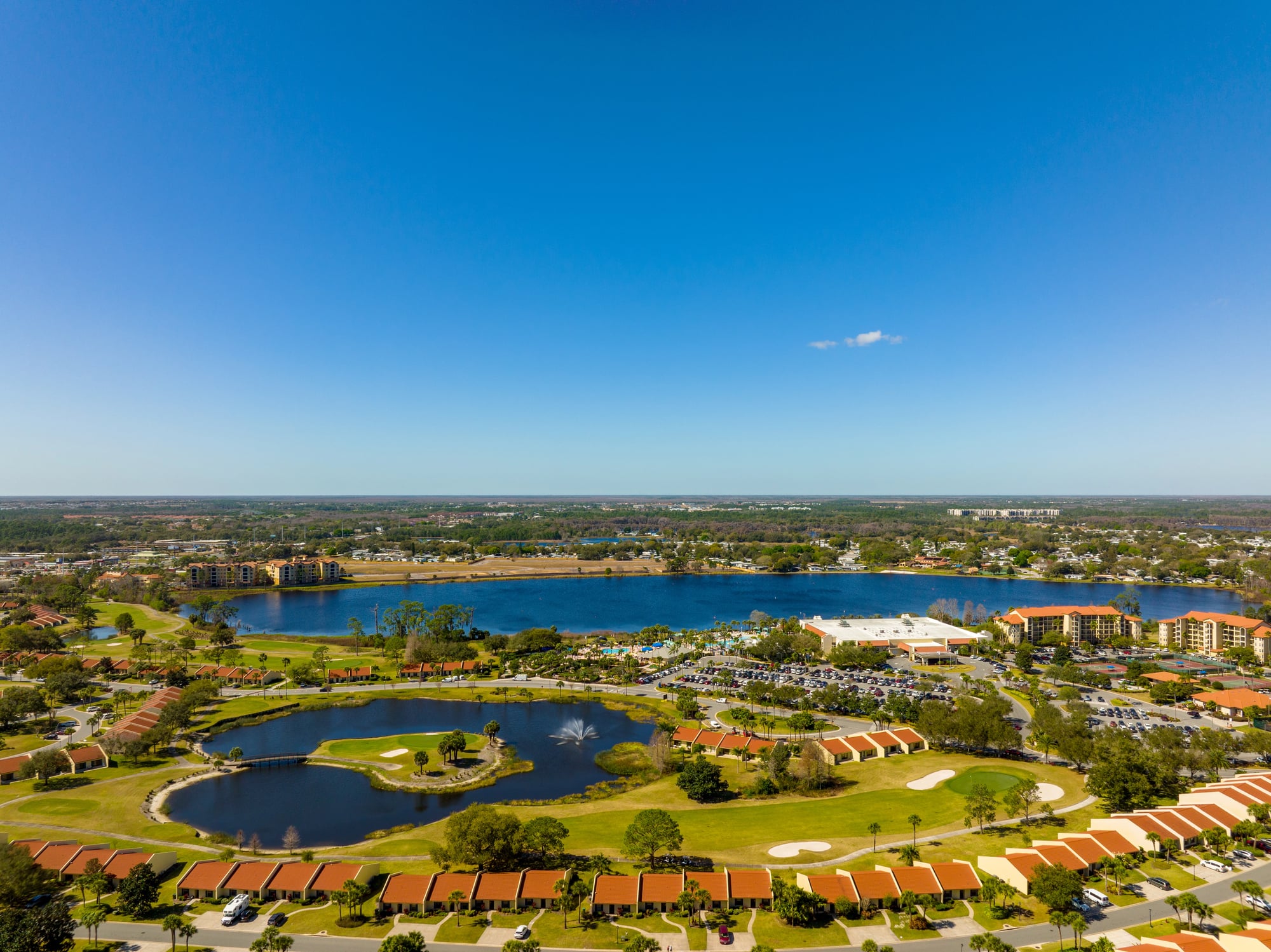
Tourists heading to the theme parks near Orlando often need to say this town’s name, and most of them get it wrong. The correct pronunciation is “Kih-SIM-ee,” not “Kiss-ih-mee” like it appears.
The name comes from the Jororo Native American tribe and possibly means “long water” or refers to mulberries. People booking hotels in the area have definitely confused customer service representatives more than once with their creative pronunciations.
Wilkes-Barre, Pennsylvania

This Pennsylvania town has a hyphenated name that nobody can agree on how to pronounce. Locals say “Wilkes-Bear-uh” or sometimes “Wilkes-Barry,” depending on which part of town they’re from.
The name honors two British politicians, John Wilkes and Isaac Barré, who supported American independence. The confusion gets even worse because Barre is also a town in Vermont, and they pronounce it completely differently there.
Yachats, Oregon

Oregon’s coast is home to this tiny town with a name that stumps nearly everyone driving through. The proper pronunciation is “YAH-hots,” though some locals say “Yuh-HOTS” depending on how long they’ve lived there.
The name comes from the Alsea Native American word meaning “dark water at the foot of the mountain.” People planning coastal road trips often just point to it on a map rather than trying to say it out loud.
Havre de Grace, Maryland

This charming Chesapeake Bay town has a French name that Americans have completely transformed. Instead of the French pronunciation, locals say “HAV-er duh Grace,” dropping most of the original accent and flair.
The name means “harbor of grace” in French and was supposedly suggested by Marquis de Lafayette himself. Marylanders have been pronouncing it their own way for so long that the French version sounds wrong to them now.
Ouray, Colorado

Colorado’s mountains hide this small town with a deceptively simple name that people constantly mispronounce. The correct way is “You-RAY,” not “Oo-ray” or “Our-ay” like most visitors guess.
The town was named after Chief Ouray of the Ute tribe, who was known as a skilled negotiator and peacemaker. Skiers and hikers passing through have learned to just call it “that pretty mountain town” to avoid embarrassment.
Sequim, Washington

Washington State appears on this list again with a town whose name looks nothing like it sounds. You’re supposed to say “Skwim,” which makes zero sense when looking at the spelling.
The name comes from the S’Klallam Native American word meaning “quiet waters.” Real estate agents showing properties in the area have definitely had to repeat the pronunciation multiple times to confused buyers.
Natchitoches, Louisiana
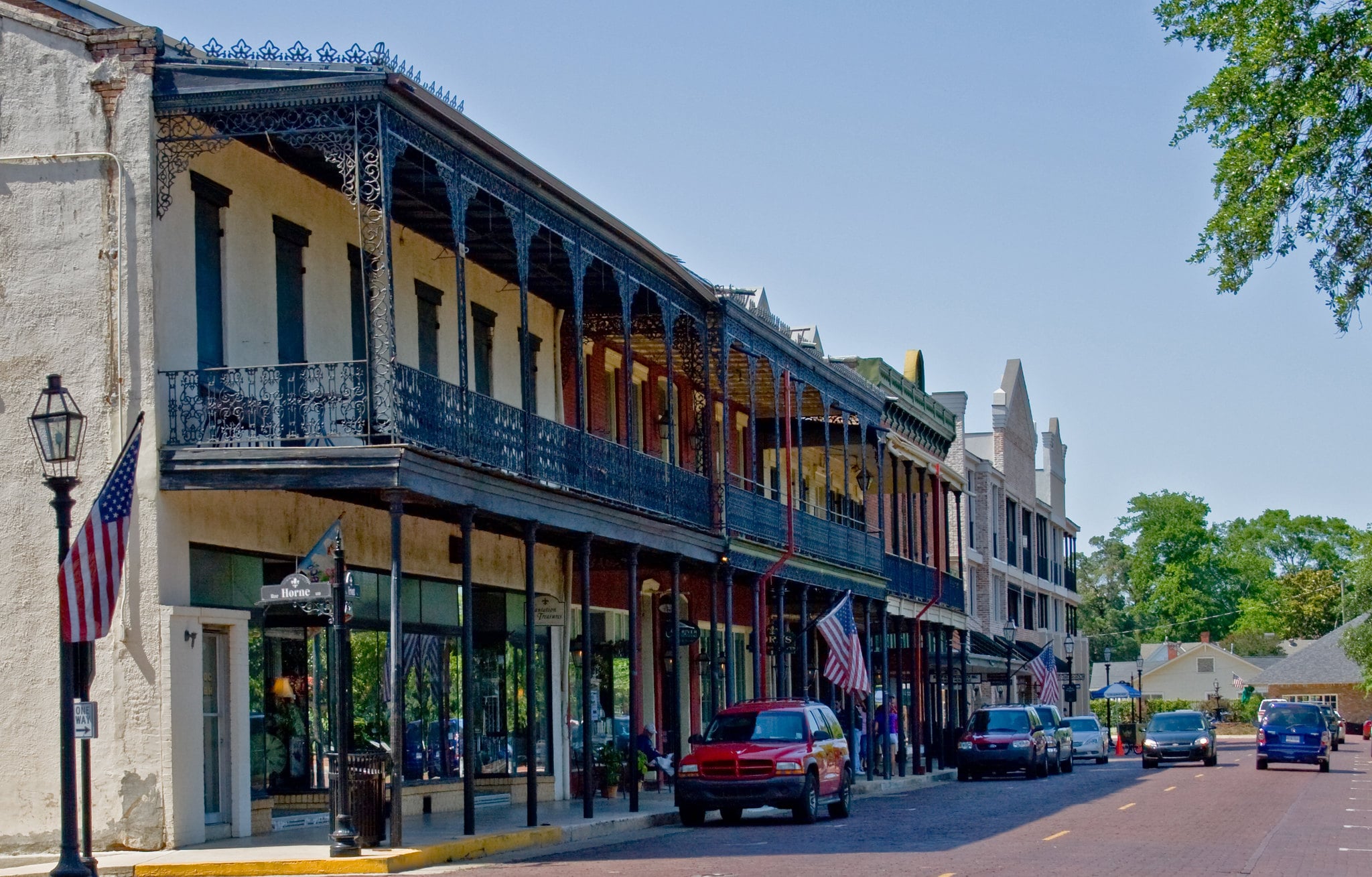
Louisiana wins the prize for confusing town names, and Natchitoches tops the list. The correct pronunciation is “NAK-uh-tish,” though some locals say “NAK-uh-tush” depending on their family background.
The name comes from the Natchitoches Native American tribe that lived along the Red River. People ordering crawfish at local restaurants have learned to just point to the town on their map rather than attempting to say it.
Versailles, Kentucky

— Photo by idenev
Kentucky took a French name and decided to pronounce it completely differently from the famous palace. Locals say “Ver-SALES,” not “Ver-sigh” like the French original.
The town was named after the French city to honor France’s support during the American Revolution, but somewhere along the way, Kentuckians made it their own. Bourbon trail tourists often get corrected at their first distillery stop.
Des Moines, Iowa
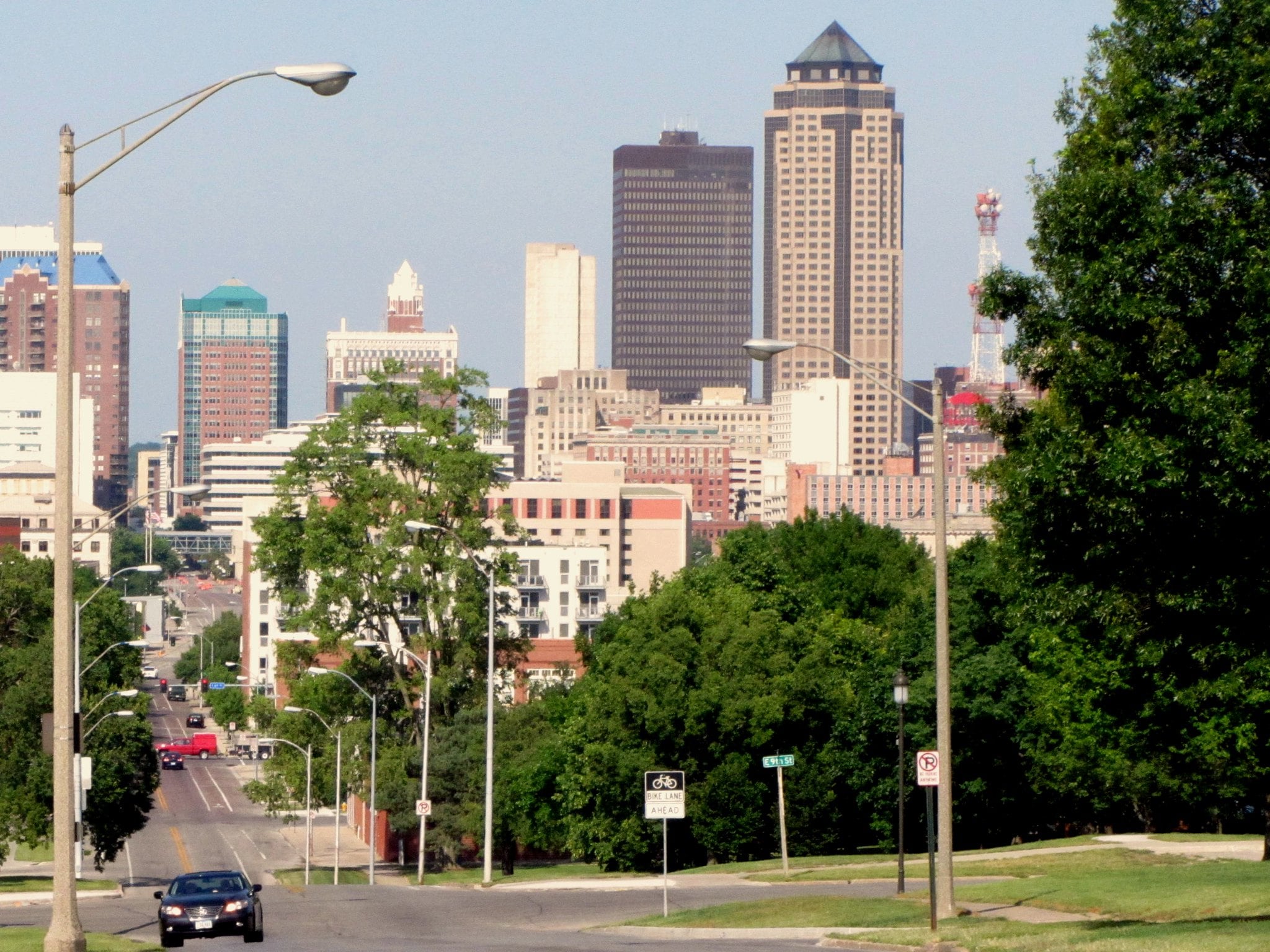
Iowa’s capital city has a French name that Americans have simplified over the years. The correct pronunciation is “Duh-MOYN,” but the original French would have been quite different.
The name comes from the Des Moines River, which French explorers called “Rivière des Moines,” possibly meaning “river of the monks.” Weather forecasters covering Iowa have it easy since everyone just accepts the American pronunciation.
Montpelier, Vermont

Vermont’s capital city shares a name with a French city, but Vermonters pronounce it their own special way. Locals say “Mont-PEEL-yer,” giving it a distinct New England twist that sounds nothing like the French original.
The city was named after Montpellier, France, to honor French support during the Revolutionary War. Politicians working in the state capital have long since given up trying to enforce the French pronunciation.
Boerne, Texas
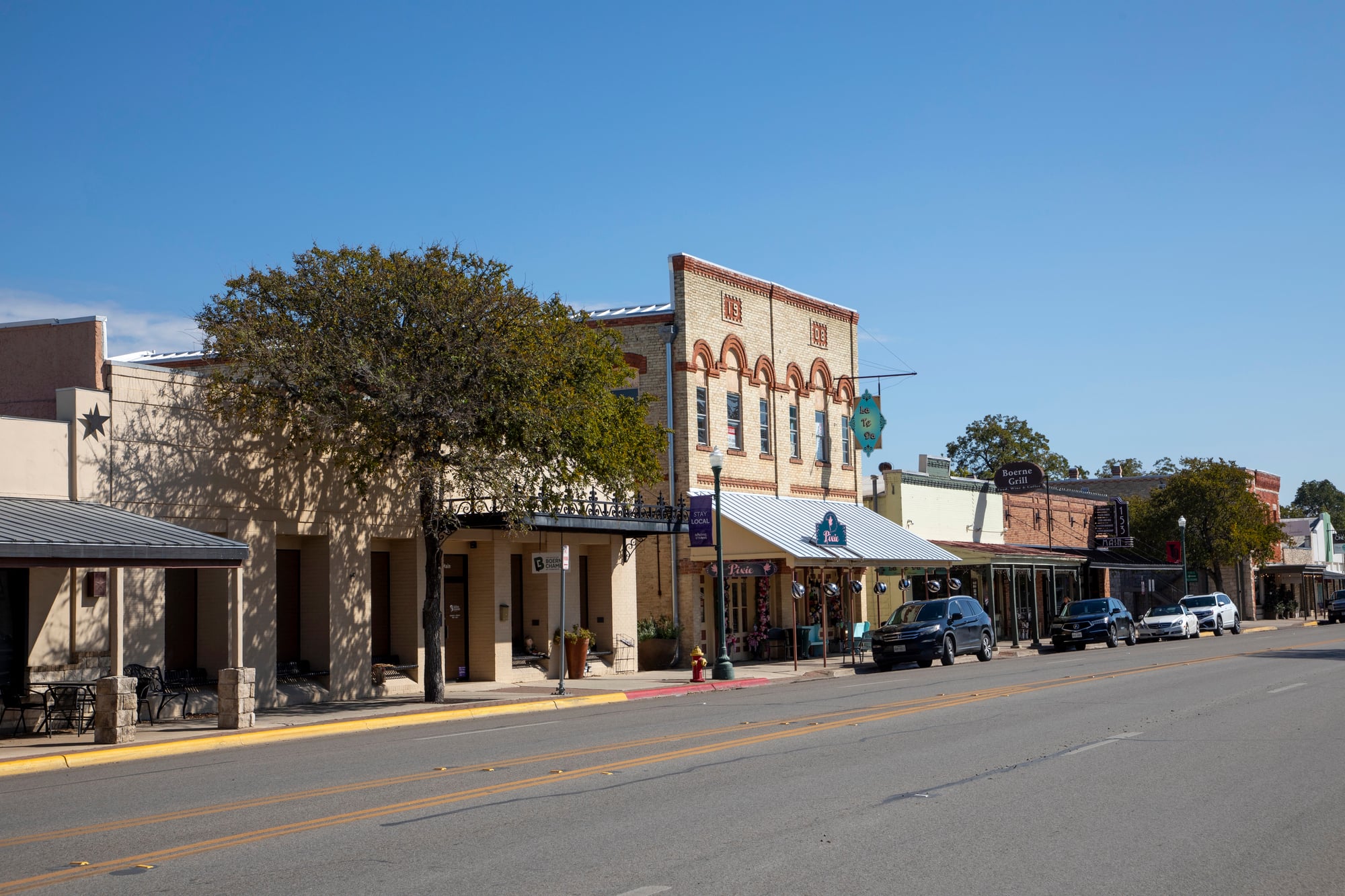
This Texas Hill Country town has a German name that Texans have completely transformed. The proper pronunciation is “BUR-nee,” not “Boer-nuh” or “Born” like people guess from the spelling.
The town was named after German author Ludwig Börne, and German immigrants settled the area in the 1800s. Visitors exploring Texas wineries often practice saying it a few times before asking for directions.
Wayzata, Minnesota
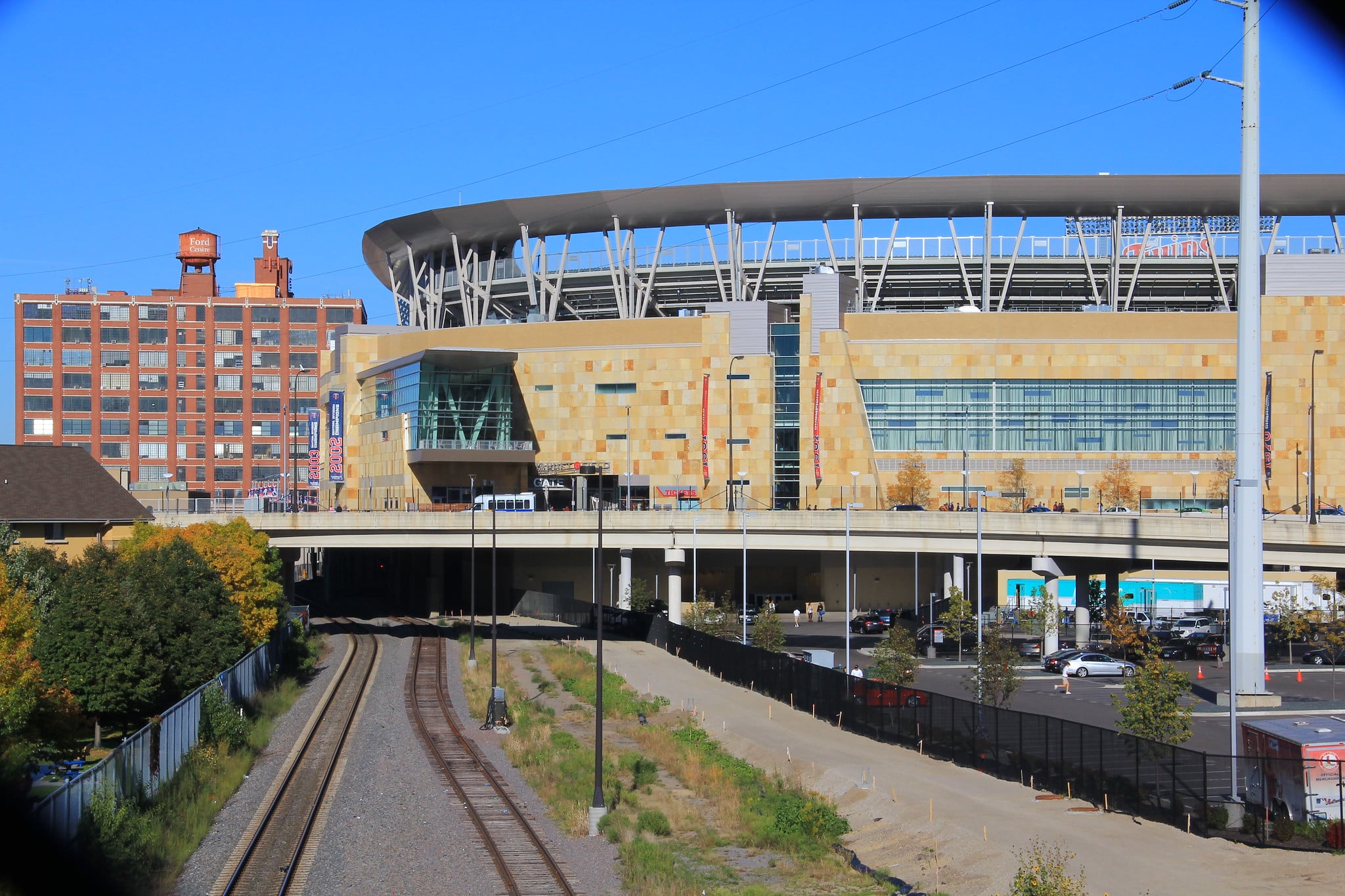
Minnesota’s lake country includes this town with a name that looks impossible to pronounce. Locals say “Why-ZET-uh,” though newcomers often try “Way-ZAH-tuh” or other creative versions.
The name comes from a Dakota word meaning “north” or “pines.” People buying lake homes in the area quickly learn the correct pronunciation after being gently corrected by real estate agents.
Coeur d’Alene, Idaho
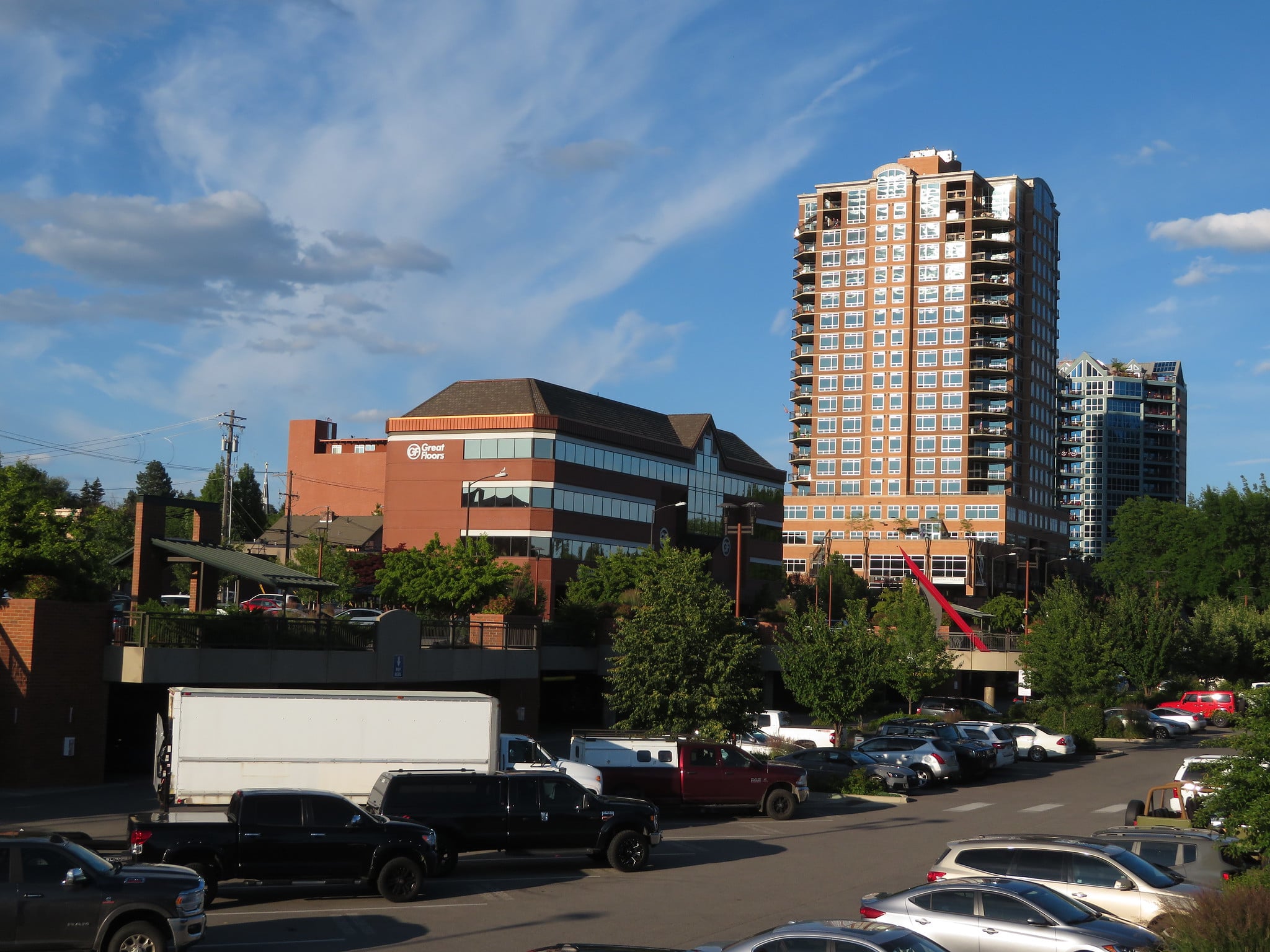
Heart of a tool, that is what the words mean in French. Though spelled like Parisian tongue would write it, folks here shape the sounds differently.
You will hear Core duh-LANE rolling out at coffee shops and chairlift lines. The rhythm skips the elegance the old language carries.
A nod to sharp deals once made by tribal traders lives behind those syllables. Tourists now drop their careful accents and echo what they keep hearing.
Pronunciation bends to habit, not heritage.
Martinez, California

A funny thing happens when you visit this quiet place in California. Listen closely and you will catch the name rolling off tongues like Mar-TIN-ez, not the textbook version.
Back in time, a man called Ygnacio Martínez ran military affairs at San Francisco’s presidio. His legacy stuck around long enough to shape the map.
Folks driving through the region quickly figure out one detail: saying it the Spanish way draws glances.
The way we talk now

Starts with a stumble, really – town names across America carry the weight of tangled pasts. From Native roots twisted into European sounds, layers piled up over time.
Locals reshaped them, bent vowels to fit familiar speech patterns. What do you get now? A scattered mix that leaves travelers guessing, devices stammering.
Sayings shift like sand, proof that words breathe on their own. Right or wrong often means nothing more than what sticks in daily talk.
More from Go2Tutors!

- The Romanov Crown Jewels and Their Tragic Fate
- 13 Historical Mysteries That Science Still Can’t Solve
- Famous Hoaxes That Fooled the World for Years
- 15 Child Stars with Tragic Adult Lives
- 16 Famous Jewelry Pieces in History
Like Go2Tutors’s content? Follow us on MSN.