Movie Scenes Filmed in Reverse
Some of the most memorable moments in film history weren’t shot the way they appear on screen. Directors have long used the trick of filming actors and action backward, then reversing the footage in post-production to create effects that would be impossible or too dangerous to achieve normally.
The technique dates back to the earliest days of cinema, when filmmakers discovered they could bend the laws of physics with a simple rewind. These scenes range from practical effects that save money to artistic choices that create a specific mood or visual style.
Let’s look at some famous examples where what you’re watching actually happened in reverse.
The water scene in Twin Peaks
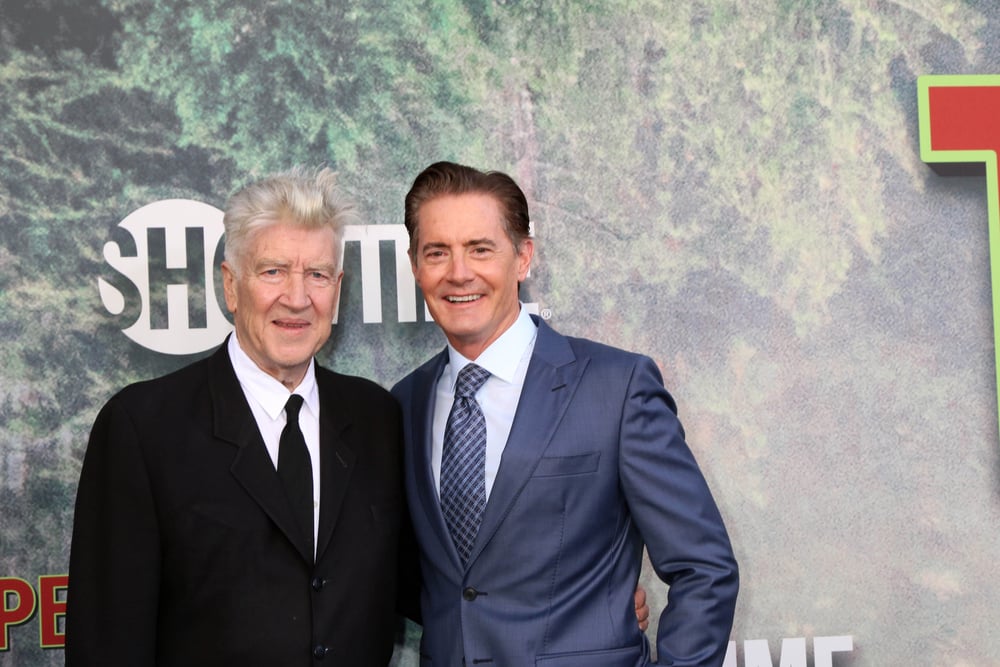
David Lynch filmed the red room sequences in Twin Peaks by having his actors speak and move backward, then reversed the footage to create that strange, dreamlike quality. The actor playing the Man from Another Place learned to talk backward phonetically, which took weeks of practice.
When played in reverse, his speech sounds almost normal but with an eerie, otherworldly tone that became one of the show’s most distinctive features.
Christopher Reeve’s shirt rip in Superman

The famous scene where Clark Kent rips open his shirt to reveal the Superman costume was actually filmed in reverse. Reeve started with his shirt already open, then the costume team carefully closed it while he pulled his hands away from his chest.
When reversed, it looks like he tears the shirt apart in one smooth motion, which would have been nearly impossible to do cleanly with a real rip.
The truck explosion in Sorcerer
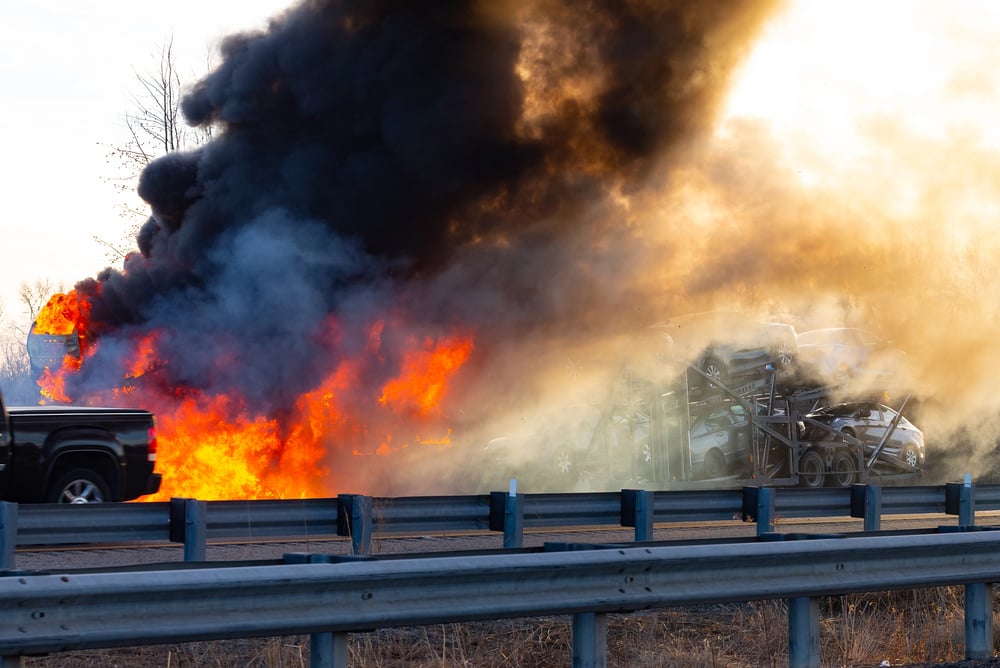
William Friedkin filmed the truck explosion in Sorcerer by having the vehicle roll backward down a hill away from the explosion point. The crew then detonated the charges and filmed everything in reverse.
This allowed the truck to appear as if it was driving toward the explosion at the exact right speed, creating perfect timing that would have been extremely difficult to achieve with a forward-moving vehicle.
Meryl Streep’s pie in Julie & Julia

The scene where Julia Child flips a potato pancake in the air and catches it in the pan was filmed backward because Meryl Streep couldn’t nail the flip after many attempts. The crew placed the pancake in the pan, Streep tossed it onto the stove, and they filmed her reaction as if she’d just caught it.
Reversed footage shows a perfect catch that looks completely natural.
The backwards man in Twin Peaks: Fire Walk with Me
Lynch used the reverse filming technique again for the backwards man who appears in Laura Palmer’s bedroom. The actor performed his movements in reverse while walking backward, creating a jerky, unsettling motion when the footage plays forward.
It’s one of the most disturbing visuals in the entire Twin Peaks universe, and it works precisely because the human brain recognizes something is wrong but can’t quite pinpoint what.
The Phantom’s entrance in The Phantom of the Opera
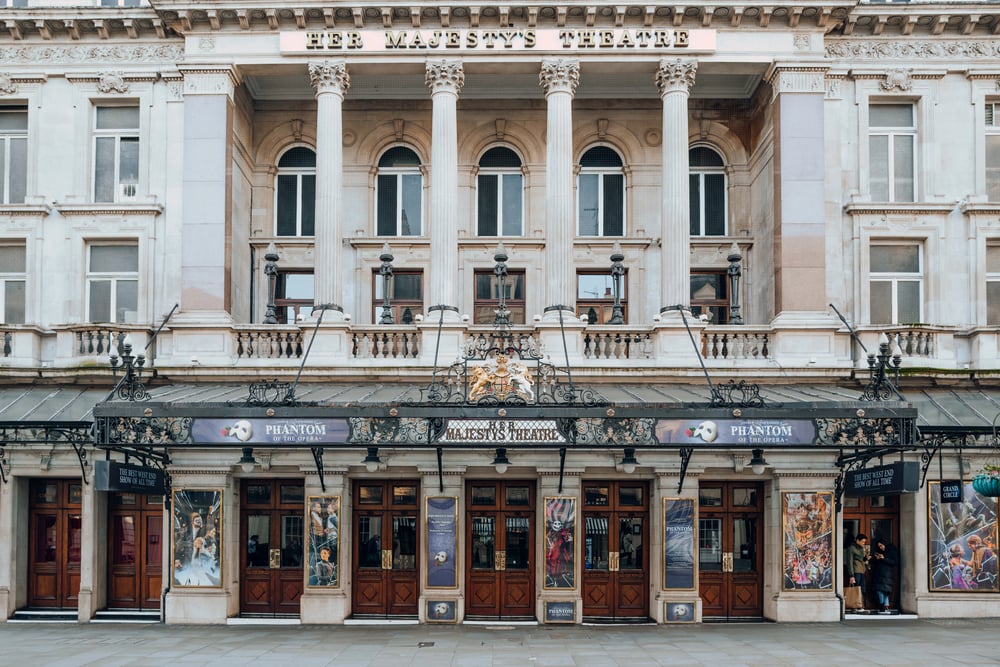
In the 1925 silent film, the Phantom’s dramatic boat entrance through the misty underground lake was filmed by having the boat move backward through the fog. When reversed, it created the illusion of the boat emerging smoothly from the darkness with perfect dramatic timing.
The fog machines of that era were unpredictable, so filming in reverse gave the director complete control over how the mist appeared to part.
Tenet’s inverted fight scenes
Christopher Nolan took reverse filming to an extreme level with Tenet, where characters literally move backward through time. The hallway fight scene required actors to learn their choreography in reverse, then perform it backward so it would look correct when played both forward and in reverse.
Some shots were filmed normally, others backward, and the editing team had to piece together footage running in opposite directions.
Blood dripping up in Carrie

The iconic final shot of Carrie’s blood-covered hand rising from the grave was enhanced with reverse-filmed blood drops. The crew dripped stage blood onto the hand from above while filming, then reversed the footage so the blood appeared to defy gravity and crawl upward.
It adds to the supernatural horror of the scene in a subtle but effective way.
Gene Wilder’s somersault in Willy Wonka
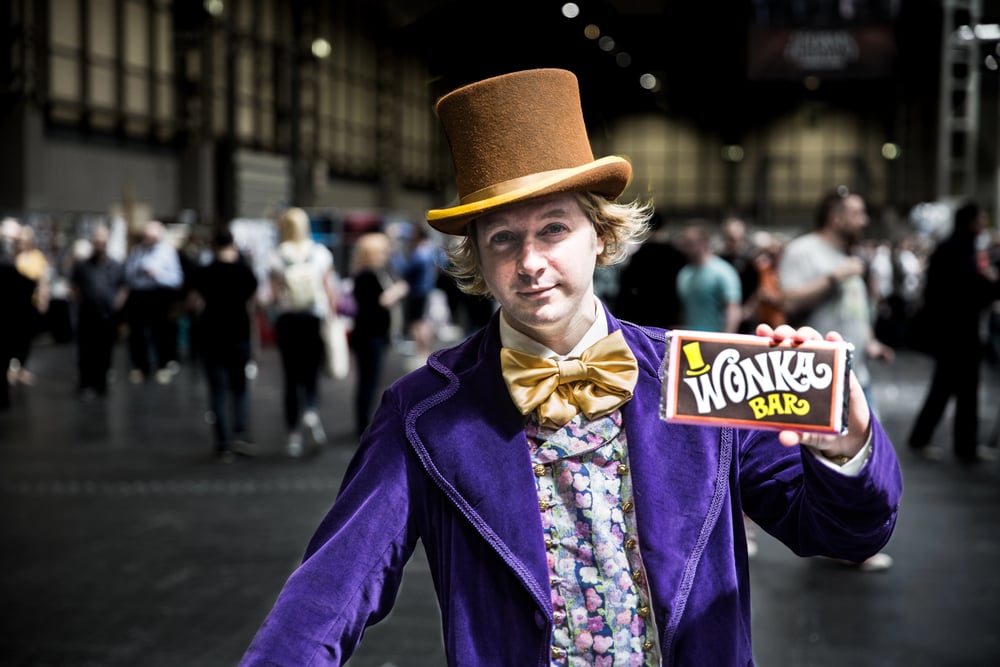
Willy Wonka’s forward somersault when he first appears was actually filmed as a backward roll. Gene Wilder performed a backward somersault, and the footage was reversed to create the illusion of a smooth forward roll.
Wilder suggested the move himself to show that Wonka was unpredictable and full of surprises from his very first moment on screen.
The Final Destination log truck crash

The infamous log truck sequence used reverse filming for several shots where logs bounce and roll with seemingly impossible precision. The crew positioned logs carefully, then filmed them being pulled away with cables.
Reversed, the logs appear to fly toward the cars with terrifying accuracy, creating one of the most memorable disaster sequences in the franchise.
Mary Poppins’ bag
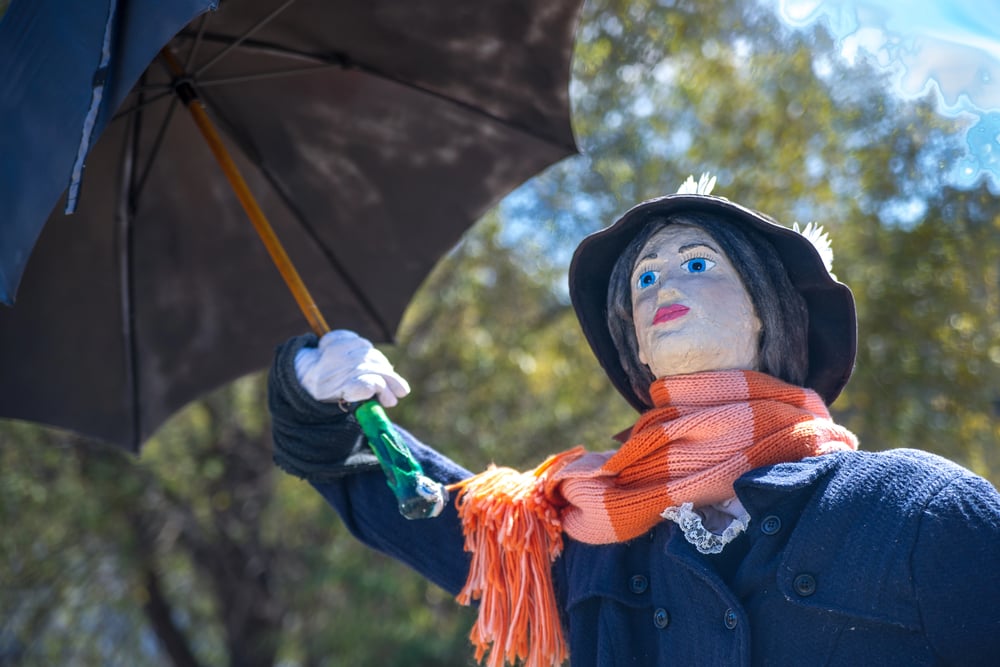
When Mary Poppins pulls impossibly large items from her carpet bag, several shots were filmed in reverse. The crew started with all the items visible, then removed them while filming as Julie Andrews moved her hands away from the bag.
Played backward, it looks like she’s pulling lamp stands and mirrors from a bag that couldn’t possibly hold them, selling the idea that her bag has no bottom.
The axe catch in The Shining
In one version of The Shining’s famous ‘Here’s Johnny’ scene, Jack Nicholson appears to catch an axe thrown at him. The shot was filmed with Nicholson throwing the axe away from himself, then reversed so it looks like he catches it mid-air.
The take wasn’t used in the final cut, but it demonstrates how Kubrick considered using reverse filming for even the smallest moments.
Inception’s hallway explosion
The rotating hallway fight in Inception combined practical effects with some reverse-filmed elements. When debris flies through the spinning corridor, certain pieces were actually filmed being sucked away by hidden vacuum systems, then reversed to make them appear to explode outward.
This gave the effects team precise control over where debris landed during the complex rotating set sequences.
The knife catch in The Man from U.N.C.L.E.
Guy Ritchie filmed several knife and gun movements in The Man from U.N.C.L.E. by having actors place weapons down carefully, then reversing the footage so it looks like they catch or grab them with impossible speed and precision. It’s subtle enough that most viewers don’t notice, but it gives the spies an extra layer of superhuman cool that fits the 1960s spy aesthetic.
The Smoke In Blade Runner
Smoke runs backward in Blade Runner because Ridley Scott wanted fog that behaved differently. Instead of fading, it pulls itself together when played in reverse.
That twist let him shape the haze exactly where he needed it. The result settled into corners like quiet breath, building a world soaked in shadow and steam.
Shapes grew out of nothing, drifting upward with purpose. Each frame held still longer than expected, heavy with unseen stories.
Terminator 2’s frozen nitrogen scene
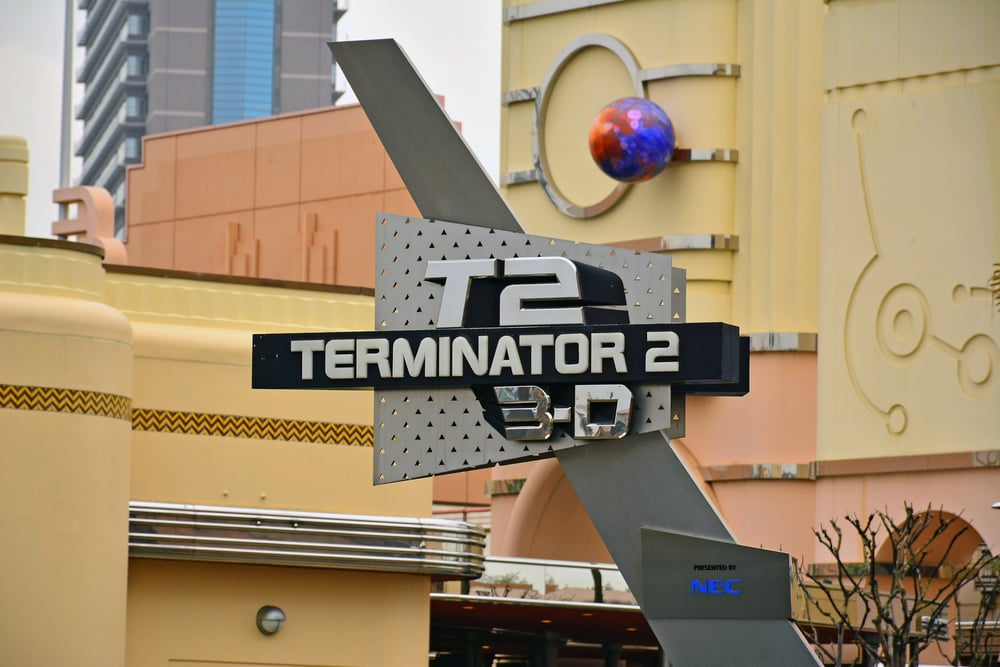
Pieces of the T-1000 breaking apart? They weren’t shattered live on camera. Instead, fragments made from the prop were put together by hand.
Then, those bits were slowly pulled away while filming. Playing that backward created the illusion of cracking ice – clean splits, sharp edges, just right.
Freezing an actual model and blowing it up wouldn’t behave like that. Physics gets tricky when you rush it.
So they cheated time. Backward motion gave control. Realism came not from force, but patience during setup.
That slow undoing became chaos once reversed. Perfect fracture lines emerged without guesswork. Timing bent to their favor because footage ran in reverse. What looked violent was actually calm precision behind the scenes. A frozen smash turned elegant through film trickery.
Funny clips once spun on film reels. Now magic hides in code and pixels instead
Backward shooting on film stands as a graceful fix for tough challenges behind the camera. Long before pixels could fake reality, moviemakers relied on wit, motion, and split-second precision.
Even now, some creators choose this method since real stunts often beat flawless CGI illusions. What lives on screen shows magic need not come from high-end gear but from minds seeing straight paths through tangled puzzles.
More from Go2Tutors!

- The Romanov Crown Jewels and Their Tragic Fate
- 13 Historical Mysteries That Science Still Can’t Solve
- Famous Hoaxes That Fooled the World for Years
- 15 Child Stars with Tragic Adult Lives
- 16 Famous Jewelry Pieces in History
Like Go2Tutors’s content? Follow us on MSN.