15 Common Items That Are Surprisingly Illegal
Out on the street, rules try to protect folks – yet odd items get singled out for no clear reason. Walk a bit farther, what’s sold openly might suddenly be forbidden.
Dig deeper, some logic shows up now and then. Still, surprises wait around corners where least expected.
Everyday things can land you in trouble under strange laws across different countries.
Kinder Surprise Eggs
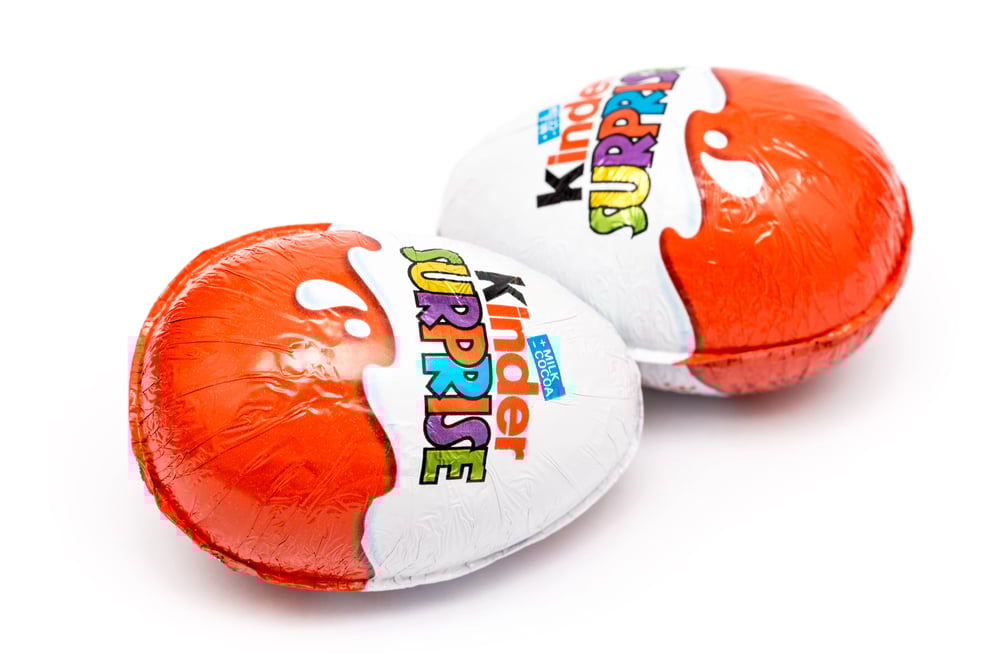
Back in 1938, America outlawed a kind of chocolate snack that hadn’t been invented yet. Because tiny toys tucked inside sweets could be dangerous if swallowed, rules were made.
Kinder Surprise eggs showed up years after those laws, landing straight in forbidden territory. A small plaything sealed within cocoa layers breaks federal safety standards on food items.
At border checkpoints, officials routinely seize crates of these confections from visitors. Slipping one past customs might cost two thousand five hundred dollars – for just a single egg.
Laser Pointers Above Five Milliwatts
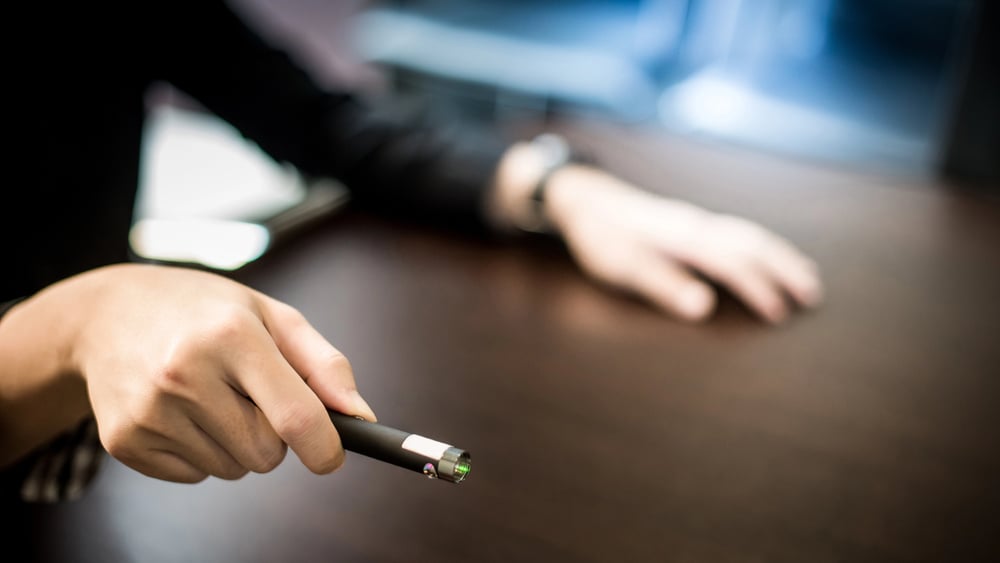
Shining bright beams toward planes got too common, so Australia drew a line on laser strength. Pilots might lose sight right when they need it most – say, touching down or climbing away.
Not every handheld light breaks rules; shop models usually play by limits. But gadgets pushed for stargazing or boardroom shows often go beyond what is allowed.
Carrying one that’s too strong? Fines pile up fast, some places may lock you up.
Chewing Gum In Singapore

Sticky wads left behind by chewers started clogging the rail lines under Singapore’s streets. Train doors jammed shut – well, almost – with globs glued in place, throwing off arrivals across the network.
Instead of chasing litterers one by one, officials chose to wipe out availability altogether. That full stop came down hard in 1992, cutting supply at the source.
Years later, a narrow opening appeared: doctors and dentists could bring in special types meant for healing mouths. Still today though, picking up a pack just because you feel like it? Not happening.
Haggis In The United States
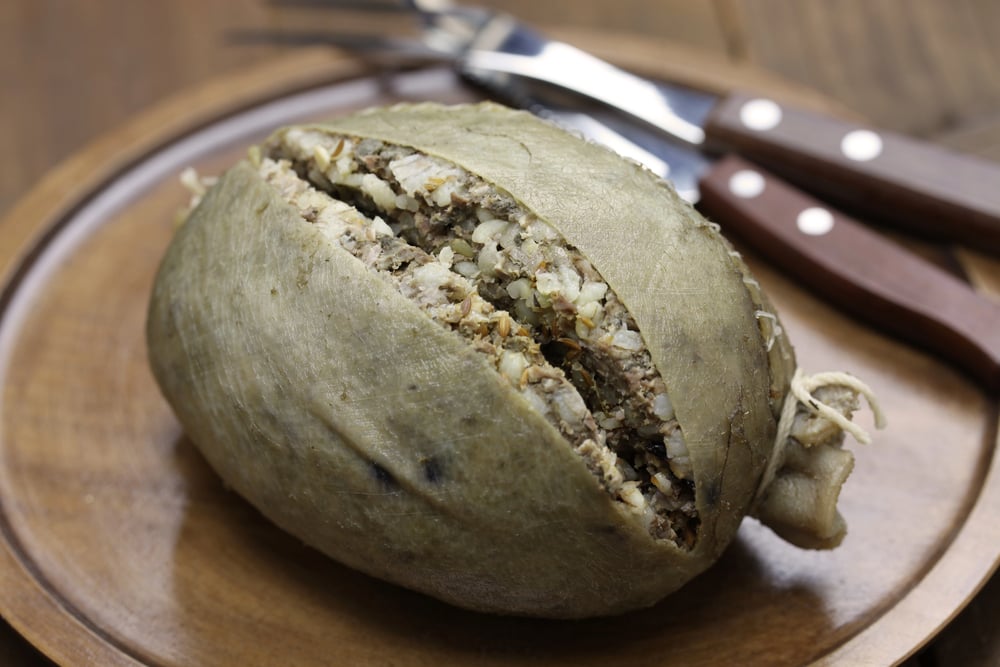
Banned in the US since 1971, Scotland’s traditional meal includes a part few want near their dinner – sheep lung. That bit? It’s off-limits stateside; regulators fear gut material might sneak into it when animals are processed.
While officials hold firm, some Scottish meat crafters keep pushing back, saying how they handle the ingredient removes danger completely. Off-the-shelf versions exist there, built without the contested piece, yet those who know the real thing say something vital is missing.
Taste changes when rules step in.
Marmite In Denmark

Back in 2004, Denmark drew a line under fortified foods – Marmite got caught in the net, right alongside many morning cereals. Health concerns sparked the move; stacking too many vitamins might backfire, causing real issues down the road.
That rich dose of B vitamins inside Marmite? It tipped past what Denmark allowed. Later on, officials carved out exceptions, letting some items slip through.
Still, die-hard lovers of the dark spread raised quite a fuss when it vanished from shelves.
Baby Walkers In Canada

Canada completely prohibited the sale, import, and advertisement of baby walkers in 2004 after years of injury data piled up. These wheeled devices allow babies to move before they can walk naturally, but they also give kids access to dangerous areas like stairs and hot stoves.
Thousands of children ended up in emergency rooms with walker-related injuries every year before the ban. Parents who still have old walkers stored away technically violate the law by keeping them, even if they never use them.
Plastic Bags In Kenya
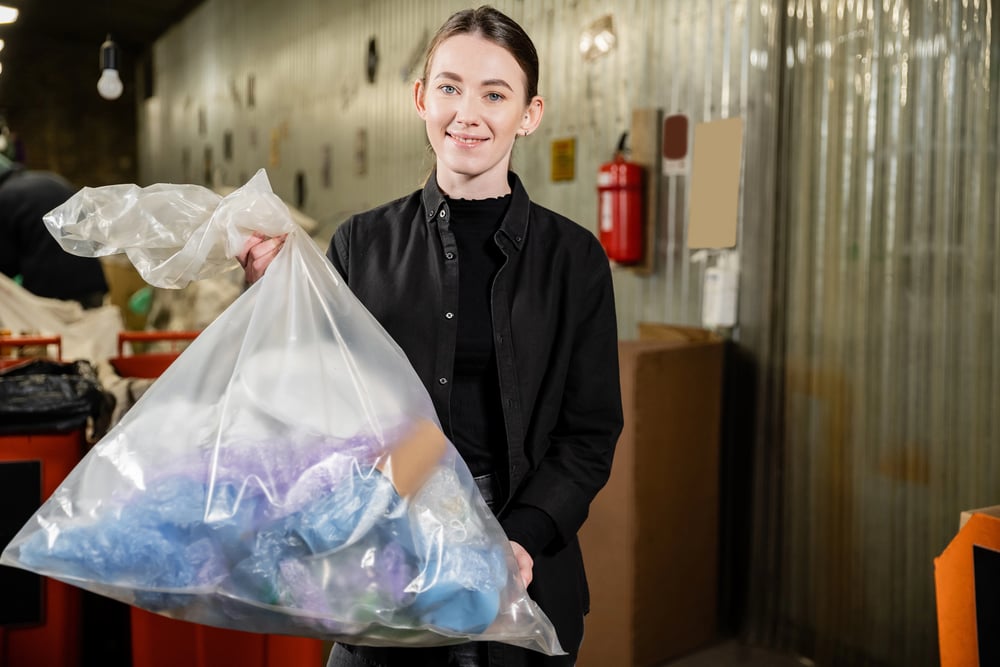
Kenya implemented one of the world’s strictest bans on plastic bags in 2017, making it illegal to manufacture, sell, or even use them. Violators face fines up to $40,000 or jail sentences of up to four years.
The country took this extreme approach after plastic waste clogged drainage systems and killed livestock that ate discarded bags. Tourists have had their luggage searched at airports to confiscate any plastic bags they brought with them.
Electronic Cigarettes In Several Countries
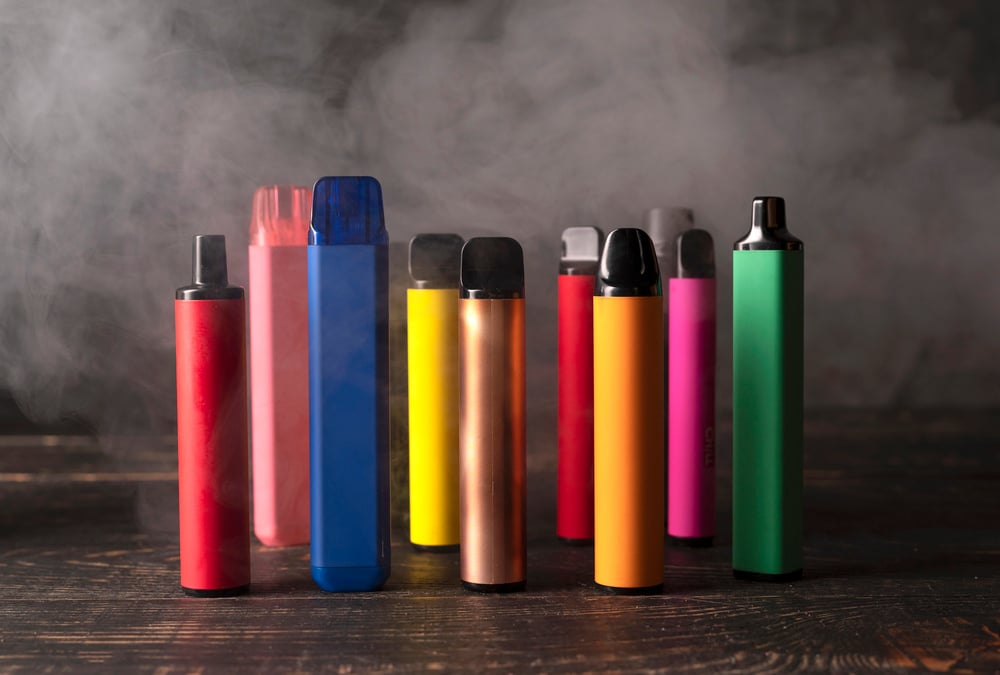
Thailand, Singapore, and several other nations have completely banned vaping devices and related products. These governments cite health concerns and the desire to prevent a new generation from developing dependency on devices.
Getting caught with a vape in Thailand can result in up to 10 years in prison, though authorities usually just confiscate the device and issue warnings to tourists. The penalties exist partly because these countries want to maintain their existing regulations on traditional products without creating loopholes.
Samosas In Somalia

The extremist group Al-Shabaab banned samosas in areas under their control around 2011 because they decided the triangular shape resembled the Christian Trinity symbol. This bizarre prohibition meant bakeries and restaurants in those regions had to stop making one of the most popular snacks in Somali cuisine.
People caught selling or eating samosas faced punishment from the militant group. The ban highlighted how arbitrary rules can disrupt everyday life when extremists control territory.
Casu Marzu Cheese In Most Places
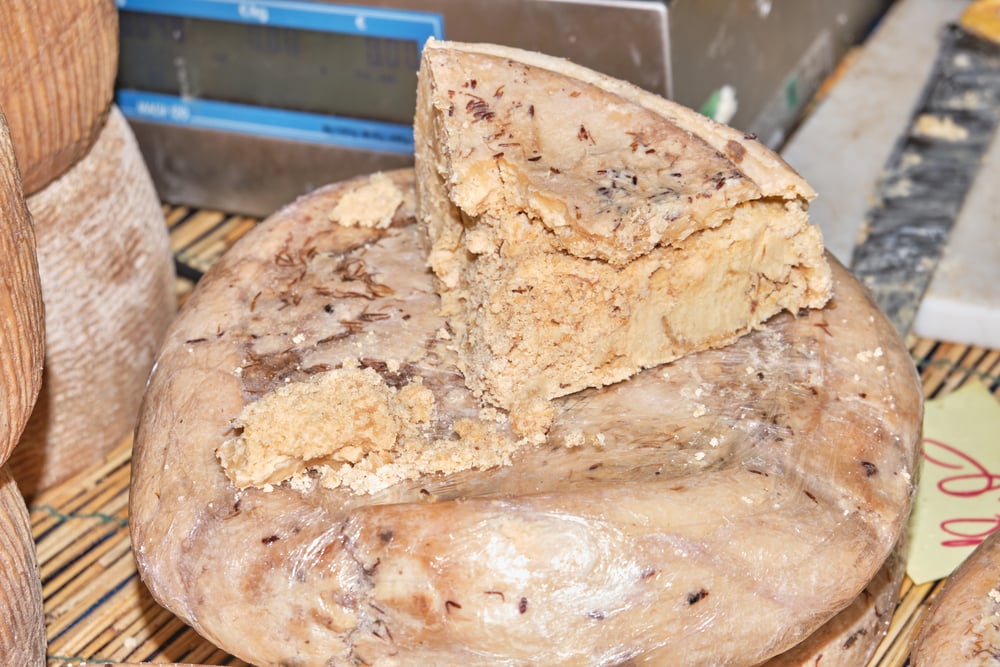
This traditional Sardinian cheese contains live insect larvae that break down the fat, creating an extremely soft texture. Most countries ban it because the maggots can survive digestion and potentially cause health problems in the intestinal tract.
Sardinians have eaten casu marzu for centuries without widespread issues, but food safety regulations don’t make exceptions for tradition. The cheese occasionally appears on black markets in Italy, where it commands high prices despite its illegal status.
Ponytails On Men In Iran

Iranian authorities have periodically cracked down on Western hairstyles, including ponytails on men, as part of efforts to enforce Islamic values. Barbershops receive lists of approved haircuts, and styles considered too Western or effeminate can get shops shut down.
The rules change depending on which officials hold power at any given time. Men spotted with forbidden hairstyles might just get warnings, but repeated violations can lead to arrests.
Winnie The Pooh Merchandise In China
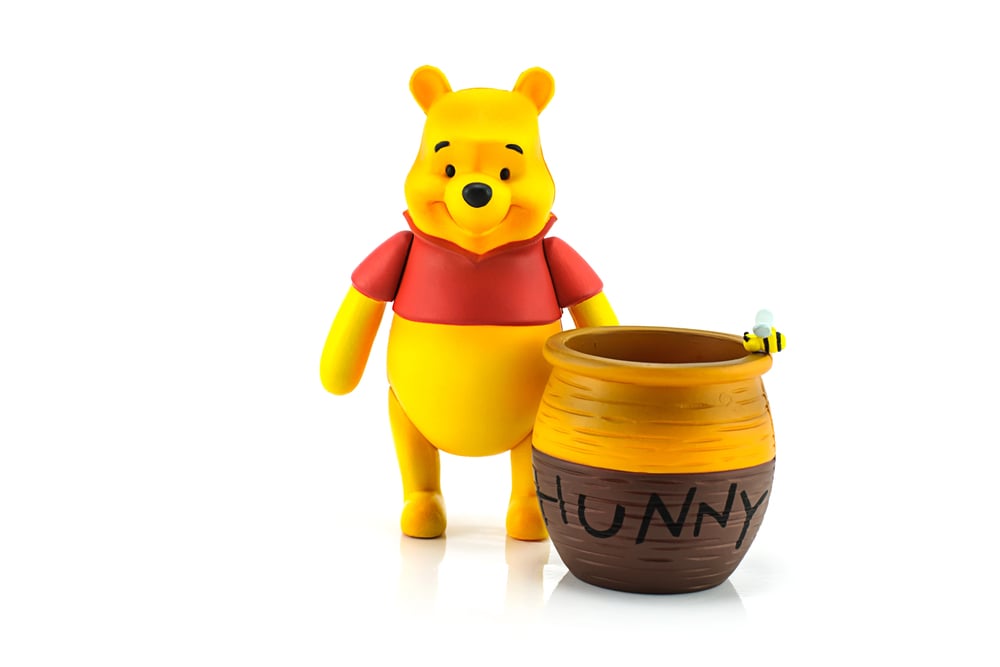
Chinese censors have blocked images and references to the cartoon bear because people used it to mock President Xi Jinping in comparison to memes. The resemblance between Xi and certain Pooh illustrations became a popular way to criticize the government online.
Rather than ignore the joke, authorities decided to ban the character entirely from social media and discourage its commercial use. The restriction extends to movies and merchandise, making China one of the few places where a children’s character faces government suppression.
Reincarnation Without Permission In China

China passed a law in 2007 requiring government approval for anyone who reincarnates, specifically targeting Tibetan Buddhist practices. The regulation states that Buddhist monks need permission from the State Administration for Religious Affairs before they can be recognized as reincarnated lamas.
This law was designed to give the Chinese government control over selecting the next Dalai Lama after the current one dies. The absurdity of requiring permission to reincarnate hasn’t stopped officials from enforcing other aspects of religious control.
Camouflage Clothing In Caribbean Nations
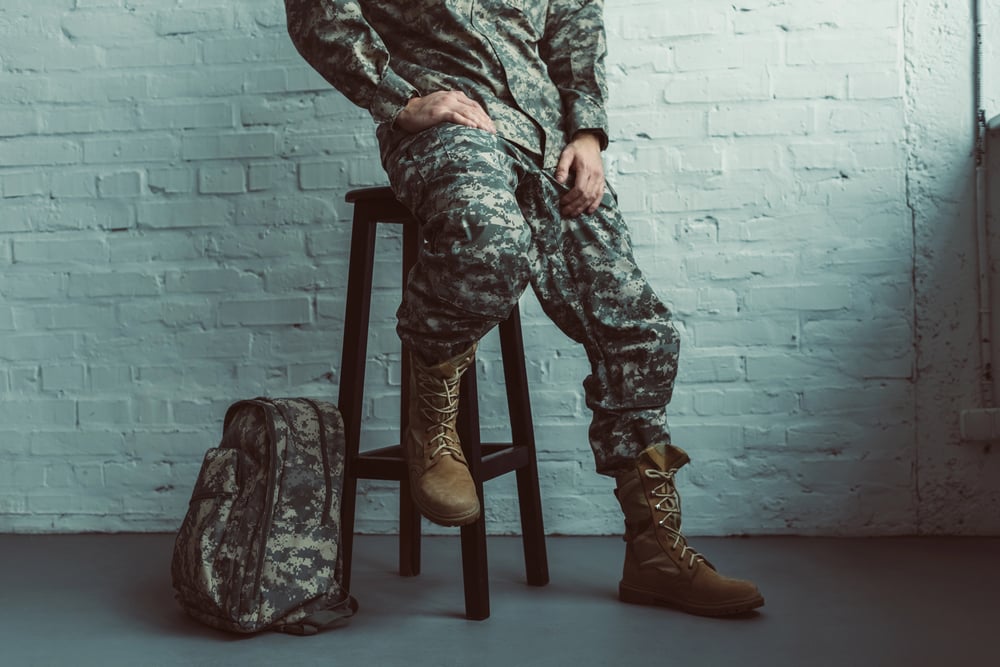
Several Caribbean countries including Barbados, Jamaica, and Saint Lucia prohibit civilians from wearing camouflage patterns. These laws reserve military-style clothing exclusively for armed forces and police to prevent confusion and maintain authority.
Tourists who pack camo shorts or shirts can have them confiscated at customs or face fines if spotted wearing them. The restrictions apply even to children’s clothing with camouflage designs.
Step Ladders In Some Rental Agreements

This one isn’t technically illegal everywhere, but many rental agreements in the UK specifically prohibit tenants from using step ladders without permission. Landlords include these clauses to avoid liability if someone falls while doing maintenance or decorating.
The restriction means renters theoretically need to ask their landlord before changing a light bulb if it requires climbing. Most landlords don’t actually enforce this rule, but it exists in countless lease agreements across the country.
When Normal Becomes Criminal
These bans show how laws can turn ordinary objects into contraband based on location, culture, or political whims. Something perfectly legal in one country becomes grounds for arrest just across a border.
The items themselves rarely change, but the rules around them shift constantly based on whoever holds power and whatever concerns dominate at the moment. Travelers and residents alike need to pay attention to local regulations, because common sense doesn’t always predict what counts as illegal.
More from Go2Tutors!

- The Romanov Crown Jewels and Their Tragic Fate
- 13 Historical Mysteries That Science Still Can’t Solve
- Famous Hoaxes That Fooled the World for Years
- 15 Child Stars with Tragic Adult Lives
- 16 Famous Jewelry Pieces in History
Like Go2Tutors’s content? Follow us on MSN.