Strange Laws About Pets Around the World
Pets belong in families just like people do, yet how they’re handled by law changes sharply from place to place. Though certain rules come from concerns about harm or care, many stem from local habits, odd past events, or fixes aimed at narrow situations.
That mix leads to guidelines so precise they sound strange if you didn’t grow up with them. A rule too much here may be routine practice somewhere else.
Funny rules about pets pop up in odd corners of the globe – showing just how wildly ideas can differ when it comes to sharing space with animals. Some spots have bans that seem made-up, yet they stand unshaken by time or logic.
One country says you cannot glue googly eyes on your hamster; another frowns hard on dressing fish in tiny hats. In certain towns, cats need permits much like cars do, requiring registration and yearly check-ins.
A law once passed after a goat climbed onto a school roof now stops goats from walking streets alone. These quirks aren’t jokes – they’re written down, sometimes with fines attached.
Even whispering secrets to squirrels could get you watched under an old village code. Not every rule survived contact with common sense, but there they remain.
Each one hints at moments history took a strange turn.
Switzerland’s Social Rules For Pets

In Switzerland, certain animals are legally required to have companionship. Social species like guinea pigs cannot be kept alone, as doing so is considered harmful to their well-being.
The law even goes as far as encouraging owners to adopt pets in pairs. This rule reflects a strong focus on emotional welfare.
It recognizes that animals experience loneliness in ways that can affect their health, making companionship a legal requirement rather than a personal choice.
Germany’s Dog Walking Requirement

Germany has introduced guidelines that require dog owners to walk their dogs regularly, often interpreted as at least twice a day. The aim is to ensure dogs receive enough exercise and mental stimulation to stay healthy.
While it might sound strict, the rule reinforces responsible ownership. It sets a clear expectation that pets require daily engagement, not just basic care, and that their well-being depends on consistent attention.
Italy’s Ban On Goldfish Bowls

In some Italian cities, keeping goldfish in small bowls is discouraged or even restricted. The concern is that limited space can affect the fish’s health and quality of life, particularly their ability to grow and function normally.
This law highlights a broader shift toward more humane treatment of even the smallest pets. It challenges long-standing habits and encourages owners to rethink what proper care actually looks like.
France’s Recognition Of Pets As Sentient Beings

France legally recognizes pets as sentient beings rather than property. While this doesn’t change day-to-day ownership in obvious ways, it influences how animals are treated under the law, especially in cases involving neglect.
This shift reflects evolving attitudes toward animals. It places greater responsibility on owners to consider emotional and physical well-being, not just basic needs.
Australia’s Limits On Pet Numbers

In parts of Australia, local councils set limits on how many pets a household can have without special permission. These rules vary by region and are often tied to space, noise, and environmental concerns.
The goal is to prevent overcrowding and ensure animals are properly cared for. It also helps maintain balance in neighborhoods where multiple households share close living spaces.
Japan’s Pet Noise Regulations

In Japan, pet owners can face complaints or penalties if their animals create excessive noise. This includes barking dogs in densely populated neighborhoods where sound travels easily.
The rule reflects the importance of maintaining harmony in shared living environments. It places responsibility on owners to manage their pets in a way that respects others.
Singapore’s Restrictions On Dog Breeds

Singapore has strict regulations on certain dog breeds, particularly in public housing. Some breeds are restricted or require special approval, especially in high-rise environments.
These rules are designed with safety and space in mind. They also reflect how urban living conditions can shape the types of pets people are able to keep.
Spain’s Naming Restrictions

In some parts of Spain, pet names are subject to guidelines that prevent confusion with official identification systems. Names that resemble numbers or codes may be discouraged or flagged.
While it may seem unusual, the rule aims to avoid administrative complications. It’s a small detail that shows how even naming can intersect with regulation in unexpected ways.
China’s Size Limits For Dogs

In certain Chinese cities, there are restrictions on the size of dogs allowed in urban areas. Larger breeds may be limited or require permits, particularly in crowded districts.
These rules are often tied to safety and space constraints. They reflect the challenge of balancing pet ownership with dense, fast-paced city life.
Iceland’s Historic Dog Ban

Reykjavik once had a ban on dogs that lasted for decades. The rule was originally introduced to address health concerns but eventually became outdated as understanding improved.
Although the ban has since been lifted, it remains a notable example of how regulations can evolve. It shows how public perception of pets can change significantly over time.
United Kingdom’s Microchipping Requirement
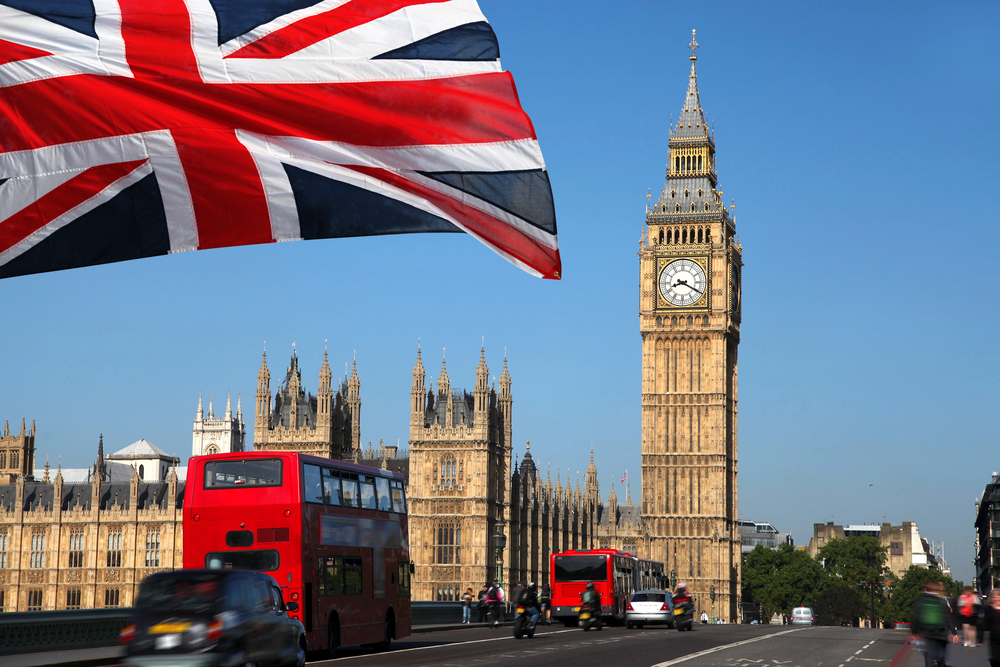
In the UK, dogs are required to be microchipped, allowing them to be identified if lost. This system has become a standard part of responsible ownership and is strictly enforced.
The rule adds a layer of accountability. It ensures that pets can be traced back to their owners, which helps reduce abandonment and improve recovery rates.
United States’ Exotic Pet Laws

In the United States, laws around exotic pets vary widely by state. Some places allow unusual animals, while others have strict bans based on safety and environmental concerns.
This patchwork of regulations creates a complex landscape for pet ownership. It highlights how local priorities shape what is considered acceptable or risky.
Denmark’s Breed Restrictions
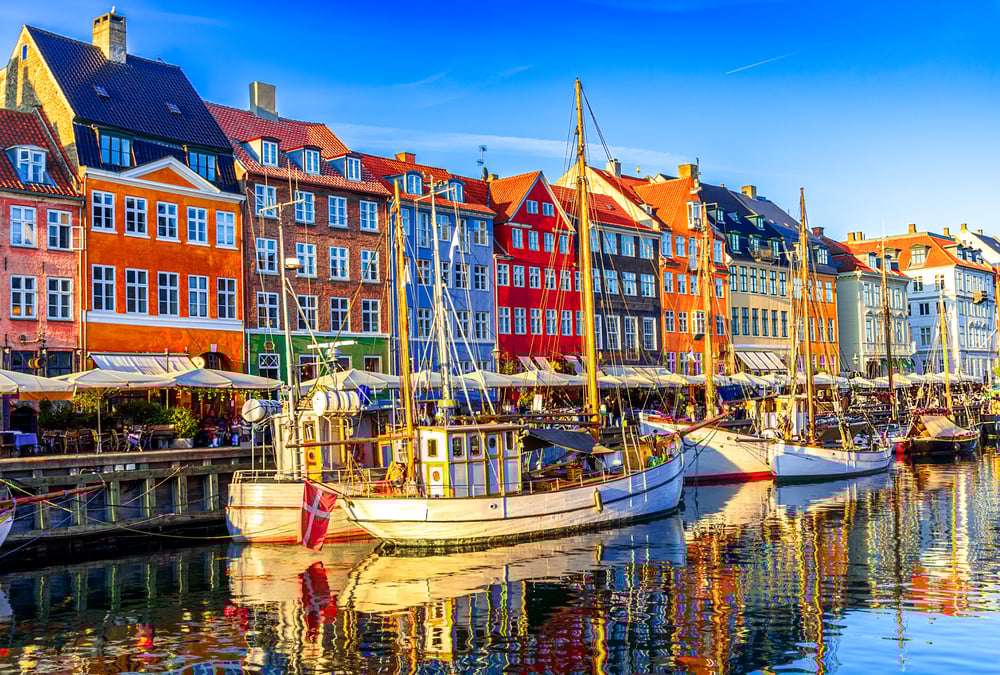
Denmark has laws banning certain dog breeds considered dangerous. These rules are enforced to reduce risk and promote public safety in shared spaces.
Even so, they remain a topic of debate. They raise questions about whether behavior is influenced more by breed or by training and environment.
New Zealand’s Biosecurity Rules

New Zealand has strict biosecurity laws that affect pet ownership and importation. Certain animals are heavily regulated to protect native wildlife and ecosystems.
These rules reflect the country’s focus on environmental preservation. They show how pet ownership can have broader ecological consequences.
Canada’s Detailed By-Laws

In some Canadian cities, there are specific rules about where pets can be tied up or left unattended. These laws often cover small details, such as how long an animal can be left alone in public.
They may seem overly precise, but they aim to protect both animals and the public. It’s an example of how everyday situations can lead to very specific legal guidelines.
Why These Laws Continue To Evolve

Strange as they might appear, these laws offer clues about what a society values most. While some aim to protect animals, others prioritize keeping people safe, besides shaping how creatures share spaces.
As views shift and knowledge grows, so do the rules meant to guide them. What sticks around often reflects deeper beliefs more than logic.
Today, that change keeps moving forward, with communities everywhere reimagining the role of animals in daily living. Things considered odd just years ago now feel normal, showing how views on pets have quietly transformed.
Not so long back, these ideas would’ve sounded strange – now they’re simply part of life.
More from Go2Tutors!

- The Romanov Crown Jewels and Their Tragic Fate
- 13 Historical Mysteries That Science Still Can’t Solve
- Famous Hoaxes That Fooled the World for Years
- 15 Child Stars with Tragic Adult Lives
- 16 Famous Jewelry Pieces in History
Like Go2Tutors’s content? Follow us on MSN.



