Toys Recalled in the ’80s and ’90s for Reasons That Are Hilarious in Hindsight
The toy aisle used to be a wild place. Before focus groups and safety committees ruled everything, manufacturers would throw basically anything onto store shelves and see what stuck.
The result? A parade of products so obviously dangerous that it’s amazing anyone thought they were good ideas in the first place. These weren’t subtle design flaws discovered after years of use.
Most of these toys had problems you could spot from across the room. Sharp edges where there should have been curves.
Choking hazards the size of quarters. Chemistry sets that belonged in a laboratory, not a seven-year-old’s bedroom.
Looking back at the recalls from the ’80s and ’90s feels like flipping through a catalog of corporate “what were we thinking?” moments. The reasons these toys got pulled tell a story about an era when product testing apparently consisted of asking “Does it turn on?” and calling it a day.
Lawn Darts
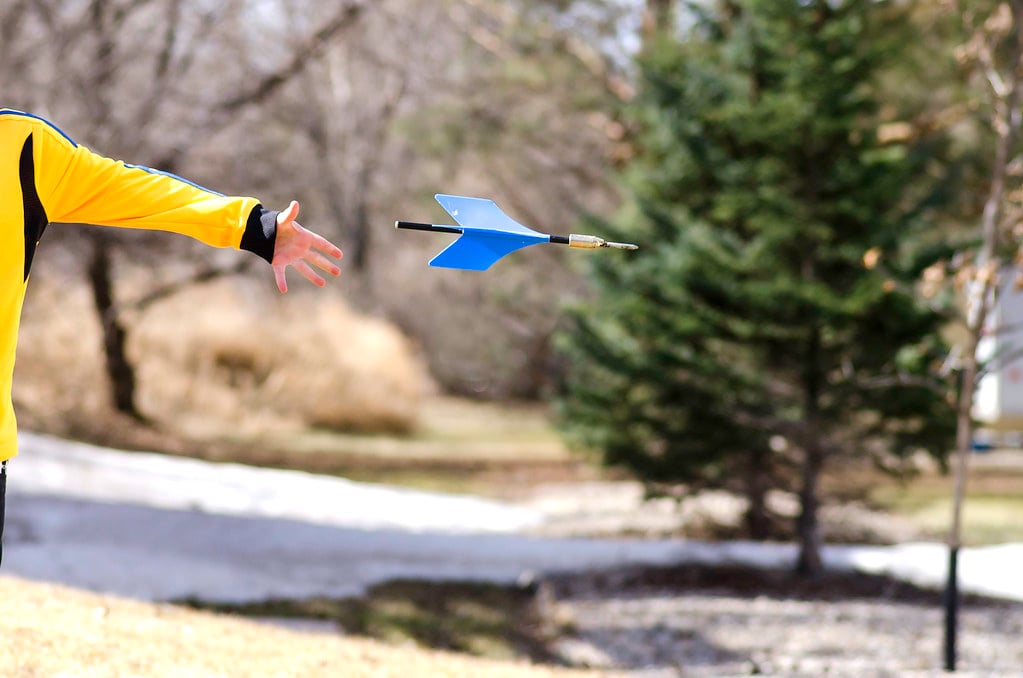
Lawn Darts were metal-tipped projectiles marketed as backyard fun. The instructions suggested throwing them high into the air toward plastic rings on the ground.
Sharp metal spikes hurtling through suburban airspace – what could go wrong? The Consumer Product Safety Commission banned them in 1988 after reports of serious injuries and deaths.
Turns out giving families weaponized lawn games wasn’t the brilliant summer activity manufacturers thought it would be. The real mystery isn’t why they were recalled, but how they made it to market in the first place.
Sky Dancers
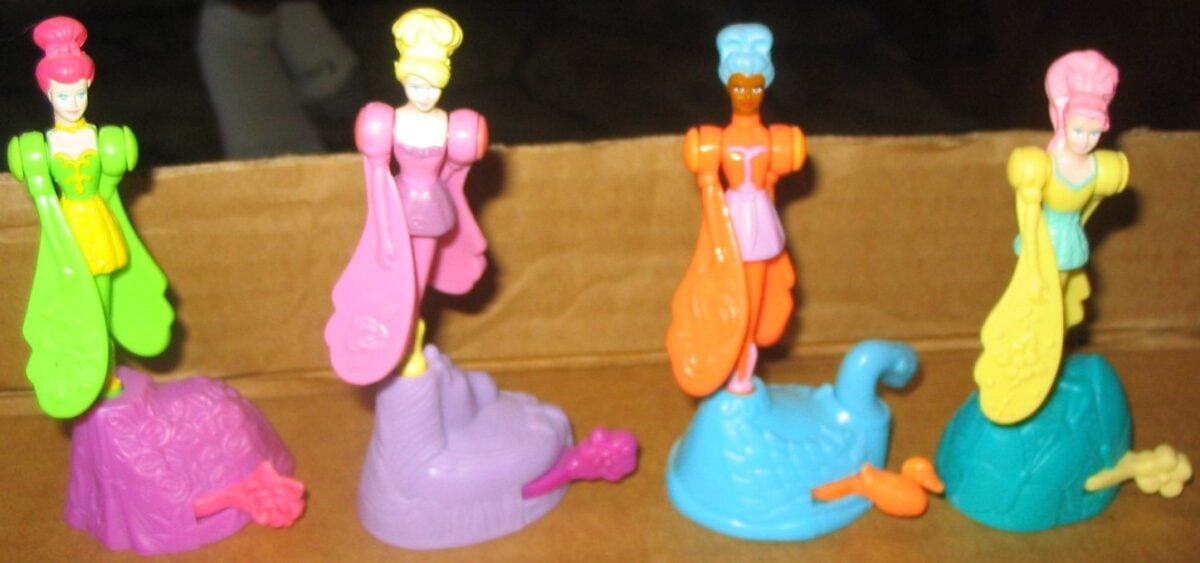
Sky Dancers were small dolls with foam wings that launched into the air when you pulled a ripcord. The concept seemed innocent enough (magical fairy flight), but the execution was essentially a guided missile with pigtails.
These tiny projectiles would shoot unpredictably in any direction, and the plastic base packed enough force to cause real damage when it inevitably struck someone in the face. The recall came after reports of eye injuries, broken teeth, and facial cuts – because apparently no one considered that a spring-loaded toy launching at high velocity might need some kind of trajectory control.
The manufacturers seemed genuinely surprised that children couldn’t predict where a spinning plastic fairy would land, which suggests they’d never actually watched children play with anything before. And the kicker? The recall notice specifically warned against using them indoors, as if the problem was simply a matter of venue rather than the fundamental design of turning playtime into a game of dodge-the-flying-object.
Polly Pocket
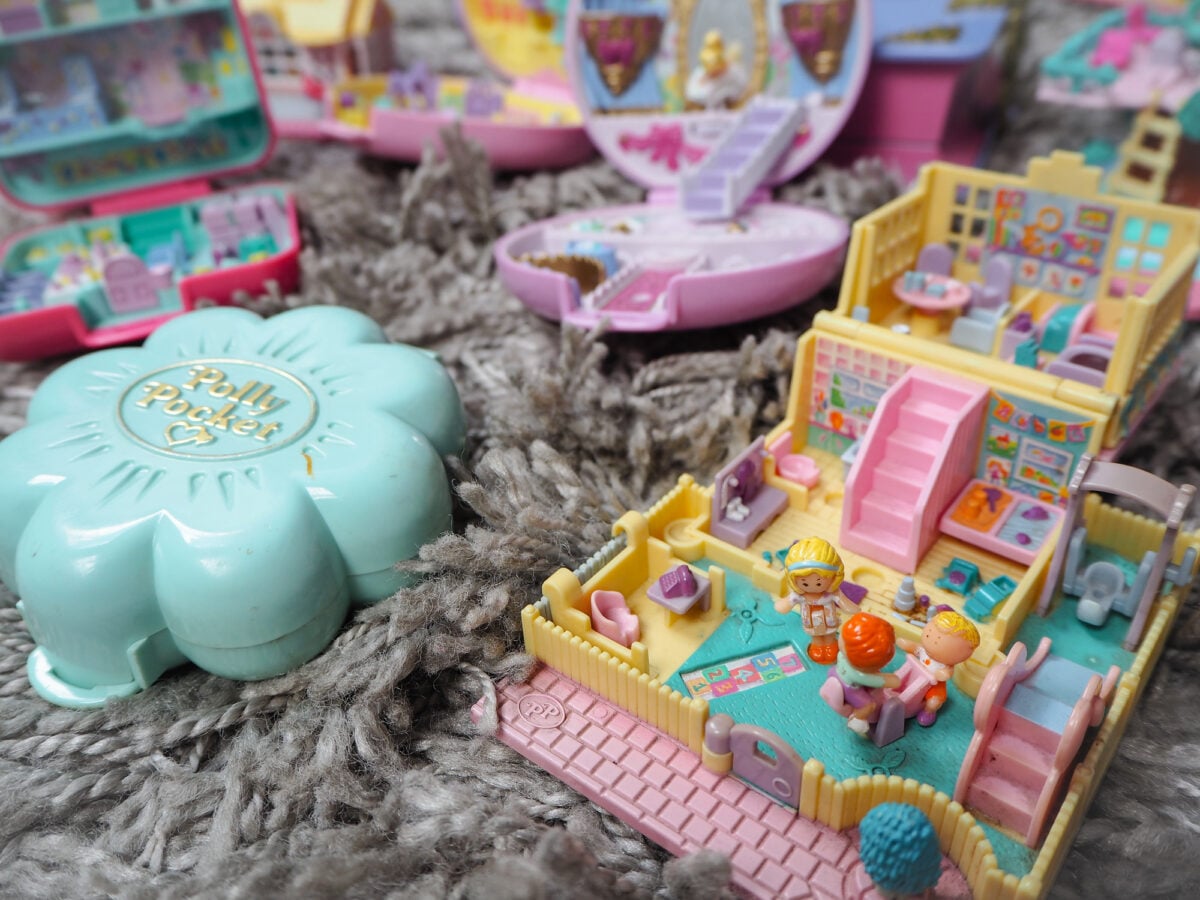
Polly Pocket dolls were tiny figures with removable clothes and accessories. The problem was that everything about them was perfectly sized to fit down a small child’s throat.
The 2006 recall affected 4.4 million sets because the magnets could detach and become choking hazards. But the real issue was more fundamental – these toys were designed for children who still put everything in their mouths, yet every component was essentially a choking hazard waiting to happen.
The name should have been a clue.
Aqua Dots
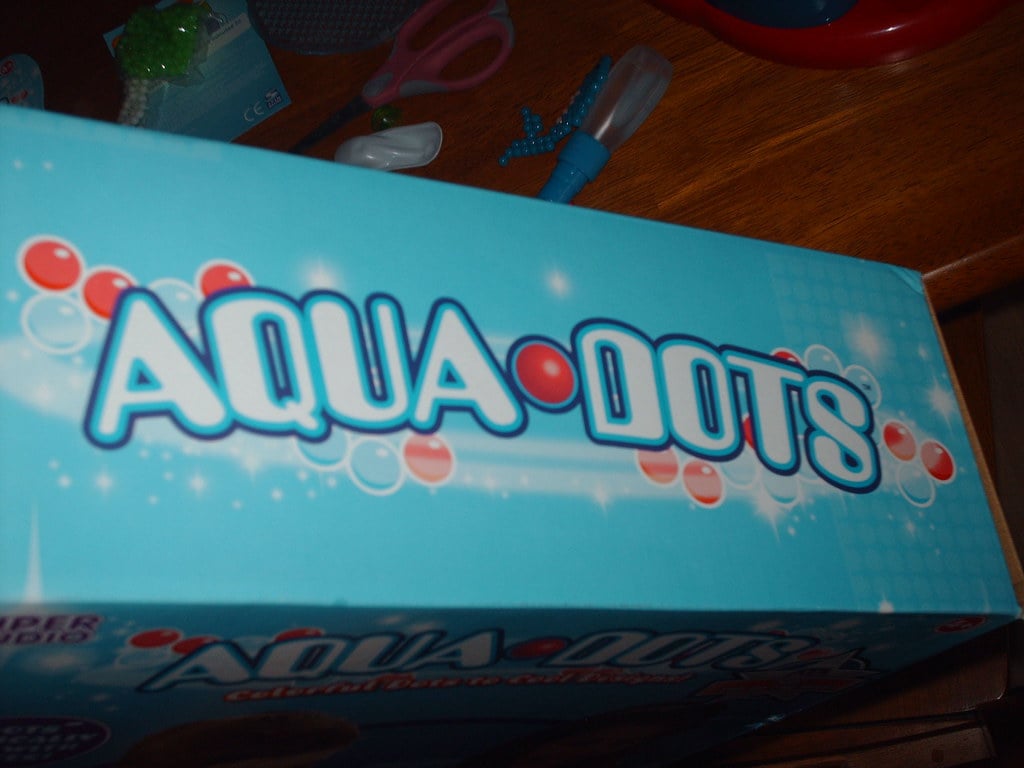
Aqua Dots were colorful beads that stuck together when sprayed with water. Children could create designs, add water, and watch their artwork transform into a solid shape.
The concept was genuinely clever – until someone discovered that the coating contained a chemical that metabolized into a date-rape drug when ingested. Multiple children fell into comas after swallowing the beads.
The recall was swift and absolute, but it raised uncomfortable questions about how a craft supply ended up containing GHB precursors and whether anyone had tested what happened when kids inevitably ate the materials.
Easy-Bake Oven
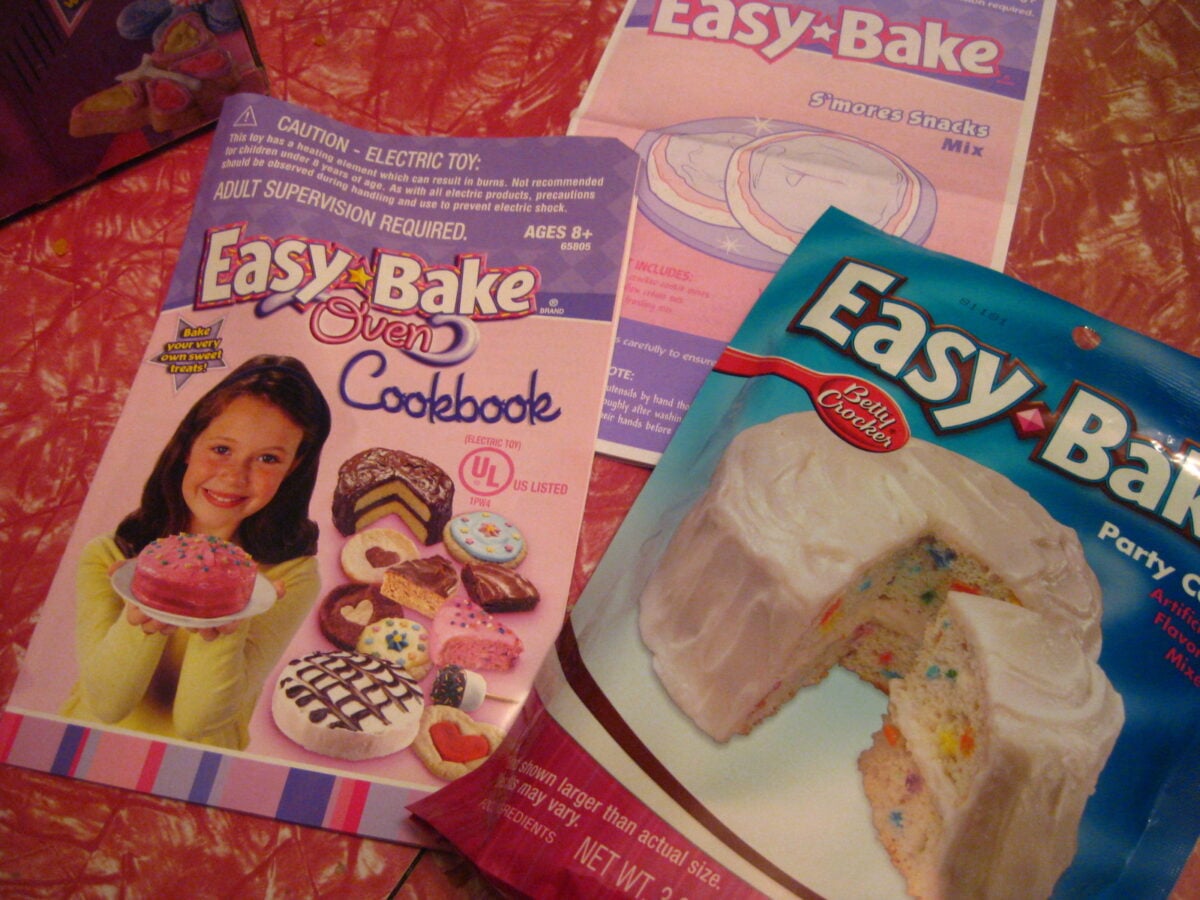
The Easy-Bake Oven was a miniature working oven powered by a light bulb, designed to let children bake tiny cakes and cookies. The 2006 recall came after reports of children getting their fingers caught in the oven’s opening, leading to serious burns and even fingertip amputations.
The issue wasn’t the concept (teaching kids to bake) but the execution (creating a finger trap that also happened to be extremely hot). The original design had no safety mechanism to prevent small fingers from sliding into the heating chamber, which seems like the kind of problem that should have been obvious during the first day of testing.
So here was a toy that combined all the appeal of real cooking with all the danger of an actual appliance, marketed to the age group least capable of understanding either.
Creepy Crawlers
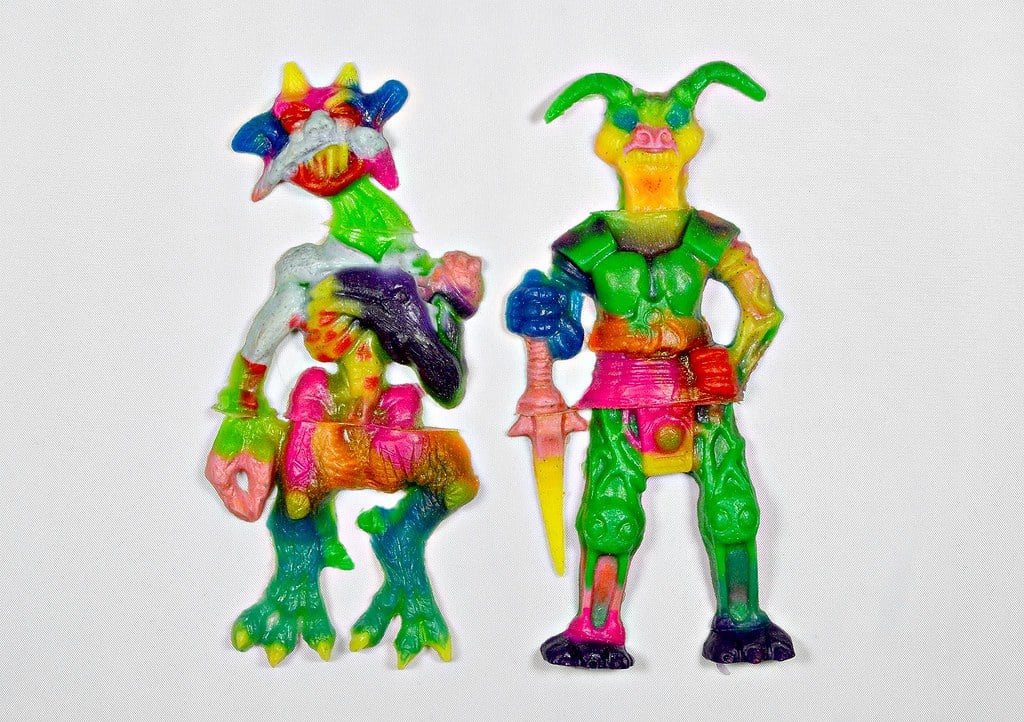
Creepy Crawlers let kids pour liquid plastic into molds shaped like insects and spiders, then heat them up to create rubbery creatures. The heating element reached temperatures of over 300 degrees Fahrenheit – hot enough to cause severe burns on contact.
The toy essentially put a miniature foundry in children’s bedrooms, complete with molten materials and exposed heating elements. Burns were inevitable, not accidental.
Yet somehow this passed for appropriate play equipment for elementary school children, as if learning about manufacturing processes required actual industrial hazards.
Slap Bracelets
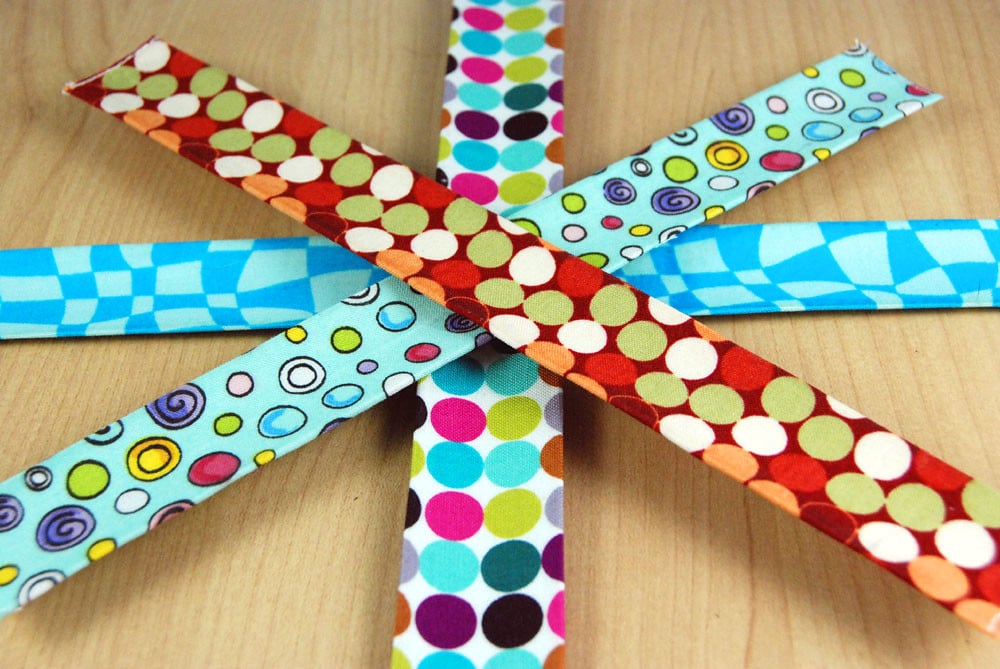
Slap bracelets were metal strips covered in fabric that would curl around your wrist when you hit them against your arm. Simple, satisfying, and seemingly harmless – until the fabric started wearing through and exposing sharp metal edges underneath.
Reports of cuts and scratches led to recalls and school bans across the country. The problem wasn’t complicated: metal edges sharp enough to slice through fabric would eventually slice through skin too.
But the real absurdity was that these were marketed as jewelry for children, despite being made from what was essentially a metal ruler with a mood disorder. The fact that kids loved them only made the oversight more glaring – when your target demographic is enthusiastically slapping metal objects against their bodies, maybe the safety margins need to be a little wider than “hope the fabric holds up.”
Magnetix
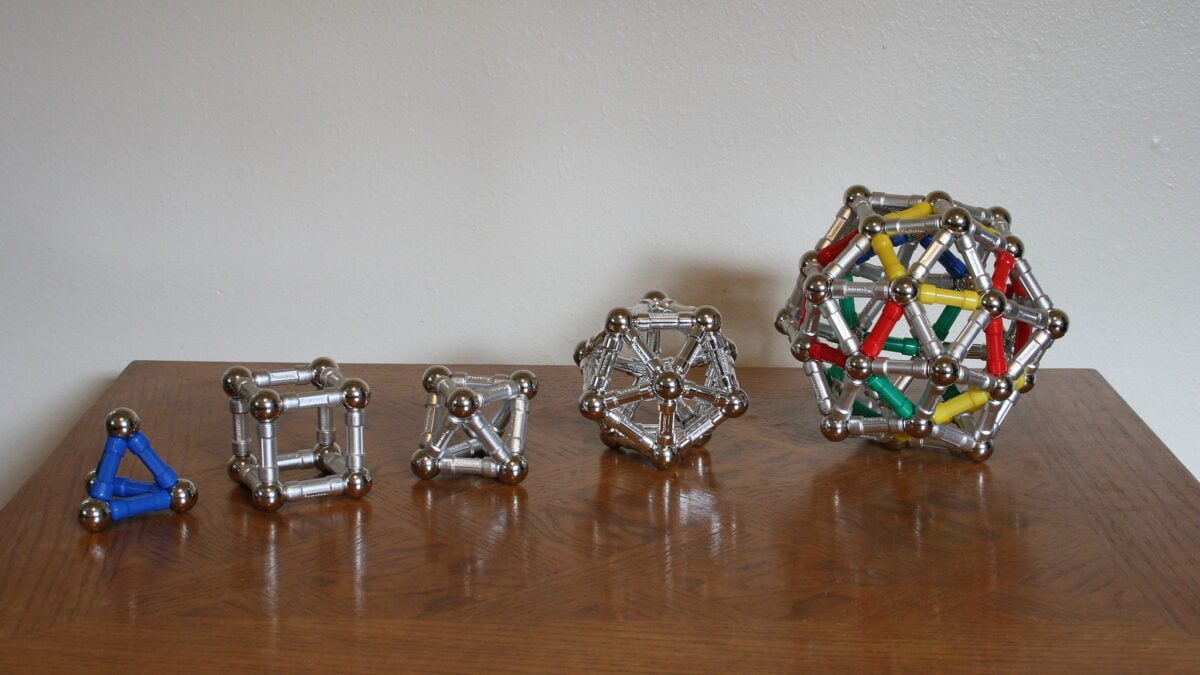
Magnetix building sets contained powerful rare-earth magnets that could create impressive structures and sculptures. When children swallowed multiple magnets, they would attract each other through intestinal walls, causing perforations, blockages, and internal injuries that required emergency surgery.
The magnets were strong enough to cause serious internal damage but small enough to swallow easily. Over 1,500 incidents were reported before the recall, including at least one death. The engineering that made these toys fun to build with made them extraordinarily dangerous to accidentally ingest.
Moon Shoes
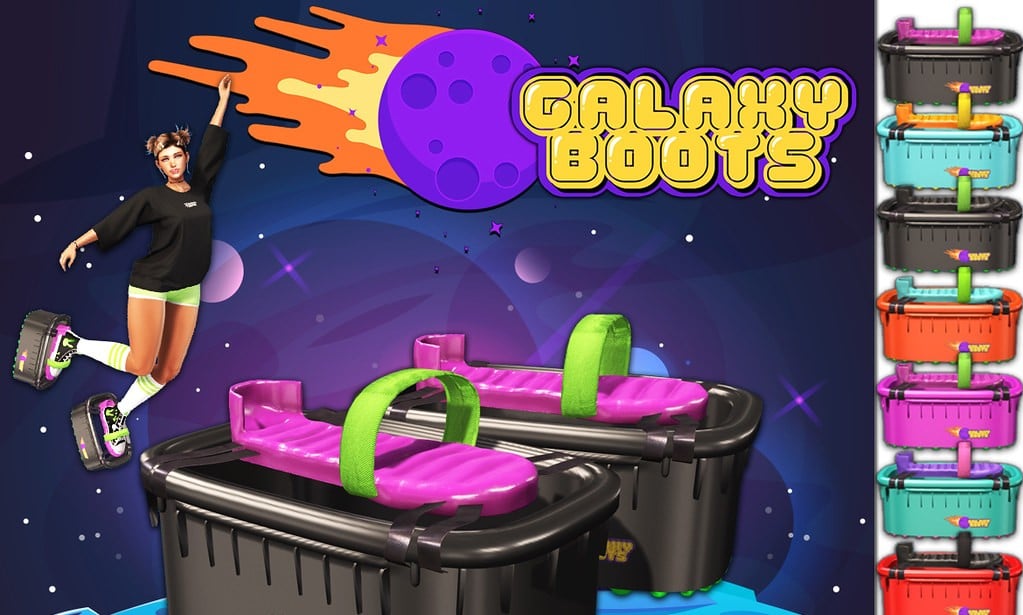
Moon Shoes were mini trampolines you strapped to your feet, promising to let kids bounce like astronauts on the lunar surface. The reality was twisted ankles, falls, and injuries from an inherently unstable platform attached to children’s feet.
The design ignored basic physics and common sense. Adding springs to footwear doesn’t create controlled bouncing – it creates unpredictable launching with no way to steer or stop safely.
The fact that they were marketed as exercise equipment made the oversight even more remarkable.
CSI Investigation Kits

CSI investigation kits rode the wave of crime show popularity by giving children the tools to dust for fingerprints and analyze evidence. The fingerprint powder contained asbestos – the same carcinogenic material that had been banned from most products for decades.
Someone thought it was appropriate to include a known carcinogen in a toy designed for children to handle repeatedly. The irony was perfect: a kit designed to solve crimes was itself committing one against public health.
The recall was immediate once testing revealed the asbestos, but it raised questions about how such an obviously dangerous material had made it into a children’s product in the first place.
Cabbage Patch Snacktime Kids
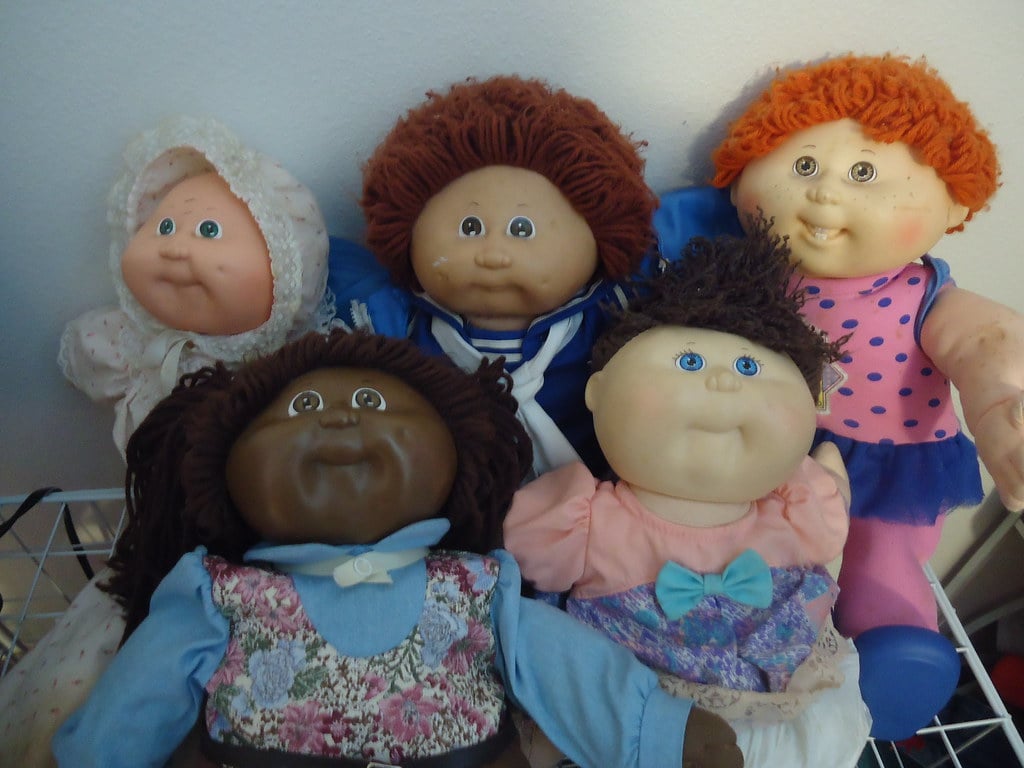
Cabbage Patch Snacktime Kids were dolls that could “eat” plastic food when children fed them. The mechanical mouth had no sensor to distinguish between fake food and real fingers, leading to children getting their hair and fingers caught in the chewing mechanism.
The doll’s jaw was powerful enough to require scissors to free trapped hair and fingers. Reports of injuries poured in almost immediately, but the manufacturer initially suggested that children simply needed to be more careful while feeding their dolls.
The idea that the problem was user error rather than design flaw was almost as absurd as the original concept.
Gilbert Chemistry Sets
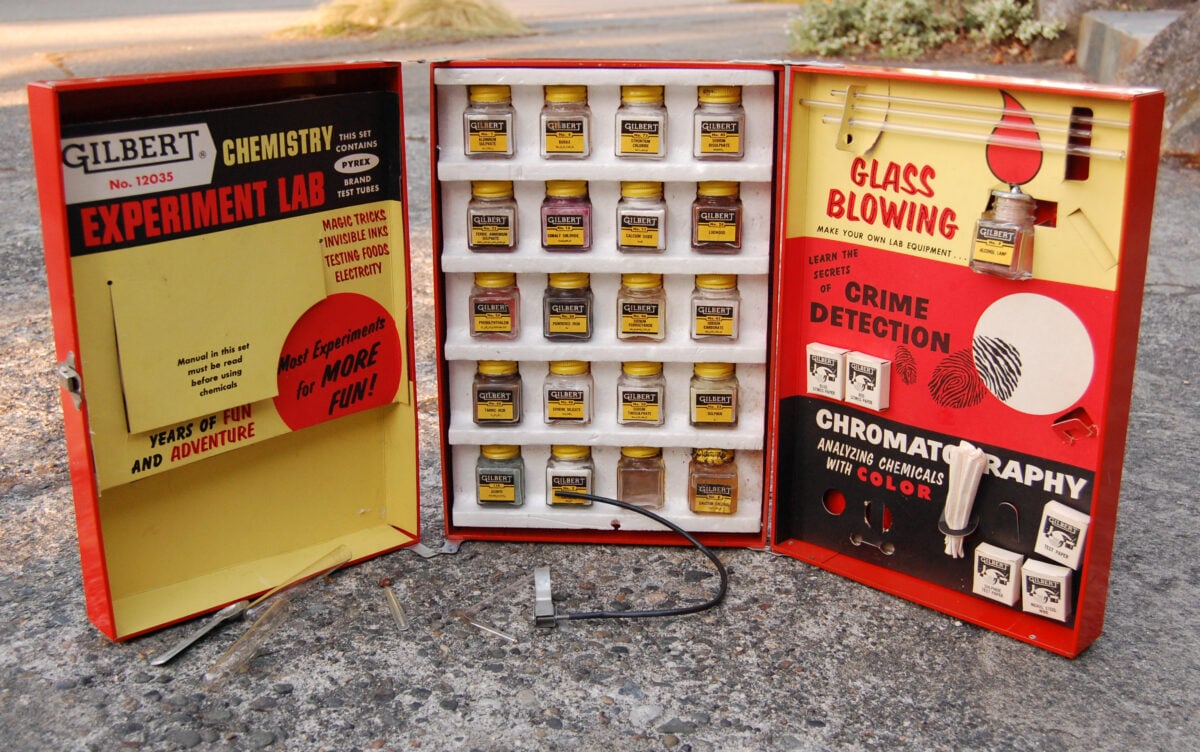
Gilbert chemistry sets contained real chemicals and lab equipment, allowing children to conduct genuine experiments. The problem was that these were genuine chemicals – including substances that could cause burns, explosions, and toxic reactions when mishandled.
The sets included materials like potassium nitrate, sulfur, and various acids without adequate safety equipment or supervision requirements. What was marketed as educational became dangerous when combined with childhood curiosity and inadequate adult supervision.
The recall essentially acknowledged that real chemistry was too dangerous for fake chemists.
Battlestar Galactica Colonial Viper

The Battlestar Galactica Colonial Viper toy came with small red missiles that could be fired from the spacecraft. The missiles were exactly the right size to lodge in a child’s throat, creating a choking hazard that proved fatal in at least one case.
The toy was recalled after a four-year-old choked to death on one of the missiles. The tragedy led to new regulations about small parts in toys, but it highlighted how manufacturers had prioritized realistic play features over basic safety considerations.
The missiles served no essential function – they were added purely for play value, making the risk entirely unnecessary.
Mighty Morphin Power Rangers Legacy Collection
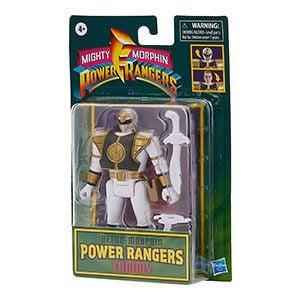
The Power Rangers Legacy Collection included detailed replica weapons from the TV show, complete with sharp edges and points that could cause cuts and puncture wounds. These weren’t safety scissors versions of fictional weapons – they were functional replicas marketed to children.
The recall came after reports of injuries from the sharp decorative elements. Somehow, the idea of giving children realistic weapons had seemed reasonable as long as they were tied to a popular franchise.
The fact that the show featured teenagers using these items apparently made manufacturers forget that the target audience was actual children.
Flying Discs with Metal Edges

Several manufacturers produced flying discs with metal edges during the ’80s, apparently believing that adding sharp metal to a toy designed to be thrown around would improve the aerodynamics without creating obvious safety hazards. The metal edges could cause cuts when the discs were caught incorrectly or struck someone unexpectedly.
The recall was straightforward – sharp metal edges on projectile toys were a bad idea – but it took actual injuries to reach this conclusion. The engineering logic seemed sound right up until the moment children started wounding.
When Safety Was an Afterthought

These recalls tell the story of an era when toy safety was treated as an optional feature rather than a fundamental requirement. Manufacturers seemed to operate on the assumption that if something was fun, it was automatically appropriate for children – regardless of obvious dangers.
The real lesson isn’t that these specific toys were poorly designed, but that an entire industry somehow convinced itself that choking hazards, sharp edges, and toxic materials were acceptable trade-offs for entertainment value. Looking back, it’s hard to believe these products ever made it past the initial design phase, let alone onto store shelves nationwide.
More from Go2Tutors!

- The Romanov Crown Jewels and Their Tragic Fate
- 13 Historical Mysteries That Science Still Can’t Solve
- Famous Hoaxes That Fooled the World for Years
- 15 Child Stars with Tragic Adult Lives
- 16 Famous Jewelry Pieces in History
Like Go2Tutors’s content? Follow us on MSN.