Most Dangerous Islands to Visit
Some places look beautiful from afar but hide serious risks once you get closer. Islands often fall into this category.
The isolation that makes them appealing can also make them dangerous. Remote locations mean limited access to medical care, unpredictable weather, and sometimes wildlife or terrain that poses real threats.
You won’t find these destinations in typical travel brochures. Many have restricted access for good reasons.
Others remain accessible but demand respect and preparation from anyone who visits. Understanding what makes these islands dangerous helps you appreciate why certain places should stay off your travel list.
Snake Island, Brazil

Ilha da Queimada Grande sits about 90 miles off the coast of São Paulo. The Brazilian government prohibits visitors from setting foot there.
The reason becomes clear when you learn about the population density of golden lancehead vipers—one of the most venomous snakes in the world. Estimates suggest one to five snakes per square meter across the island.
The venom causes kidney failure, muscle tissue death, and brain hemorrhaging. No antivenom exists specifically for this species.
The snakes evolved in isolation here, and their venom became significantly more potent than their mainland relatives. The lighthouse that once operated on the island is now automated.
The last lighthouse keeper and his family died when snakes entered their home. That incident sealed the island’s fate as a forbidden destination.
Bikini Atoll, Marshall Islands

This UNESCO World Heritage site carries a dark legacy from nuclear testing. Between 1946 and 1958, the United States conducted 23 nuclear tests here.
The radiation levels remain dangerous even decades later. The local Bikinian people were relocated before testing began and still cannot return to live there permanently.
The soil contains high levels of strontium-90 and cesium-137. Growing food on the island presents serious health risks.
Fish in the lagoon have elevated radiation levels that make them unsafe to eat. Some dive tourism operates in the lagoon, where sunken warships create artificial reefs.
But even brief visits require careful planning and awareness of the ongoing contamination.
North Sentinel Island, India

The Sentinelese people have lived in isolation for thousands of years and make clear they want no contact with outsiders. They attack anyone who approaches their shores.
The Indian government established a three-mile exclusion zone around the island after several deadly encounters. A missionary who illegally traveled there in 2018 was killed shortly after landing.
Fishermen who drifted too close have faced the same fate. The Sentinelese use bows, arrows, and spears to defend their territory.
Their hostility stems from tragic history. In the late 1800s, British colonial administrators kidnapped several islanders. Some died from disease exposure.
This experience likely reinforced their isolation as a survival strategy.
Saba Island, Caribbean Netherlands

Saba looks peaceful until you consider how you arrive there. The airport features one of the shortest commercial runways in the world at just 1,300 feet.
Mountains surround the runway on three sides, with the Caribbean Sea on the fourth. Only specially trained pilots can land here.
The approach requires precision flying between volcanic peaks. Strong crosswinds add another layer of difficulty.
Planes must touch down in exactly the right spot or risk overshooting into the water. The island itself poses less danger once you land.
But getting there and leaving involves accepting significant risk every time a plane takes off or lands.
Miyake-jima, Japan

This volcanic island forces residents to carry gas masks at all times. Mount Oyama releases poisonous sulfur dioxide constantly.
Sirens warn residents when gas levels spike, and they must put on their masks immediately. A major eruption in 2000 forced a complete evacuation.
Residents returned five years later, but the volcano never stopped venting gas. The air quality remains hazardous.
Children and elderly people face particular health risks. The island offers stunning volcanic landscapes and hot springs.
But breathing the air comes with documented health consequences. Long-term exposure causes respiratory problems and other chronic conditions.
Ramree Island, Myanmar

This island holds a grim place in history for a mass crocodile attack during World War II. British forces trapped around 1,000 Japanese soldiers in coastal swamps overnight.
Saltwater crocodiles killed hundreds of them. The mangrove swamps still host large crocodile populations.
These reptiles grow up to 20 feet long and attack without warning. They’re the largest living reptilians and among the most aggressive predators.
Beyond the crocodiles, the terrain itself challenges travelers. Dense mangrove forests, mud flats, and brackish water make navigation difficult.
The humidity and heat create perfect breeding grounds for disease-carrying mosquitoes.
Poveglia Island, Italy
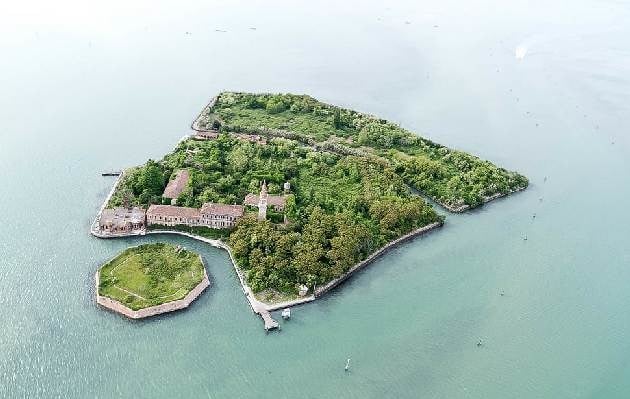
This small island in the Venetian Lagoon served as a quarantine station during plague outbreaks. Later, it housed a mental asylum where patients allegedly faced cruel treatment.
Now it sits abandoned. The Italian government prohibits public access.
The buildings deteriorate and pose structural dangers. Asbestos and other hazardous materials contaminate the structures.
Breaking through rotting floors or getting trapped in collapsed sections presents real risks. Local legends about ghosts and hauntings probably exaggerate the dangers.
But the physical hazards of exploring decaying buildings on an isolated island remain very real. People who trespass face fines and potential injury.
Gruinard Island, Scotland

The British military used this island for biological warfare testing during World War II. Scientists released anthrax spores to study their effectiveness as weapons.
The bacteria proved incredibly persistent. Decontamination took decades and cost millions.
Workers removed topsoil, treated the ground with formaldehyde, and tested repeatedly. The island was finally declared safe in 1990, though some scientists remain skeptical.
Sheep grazed on the island for years after decontamination to prove its safety. But the history of biological contamination makes many people nervous about visiting.
The island remains privately owned and discourages tourism.
Reunion Island, Indian Ocean

This French territory experiences more shark attacks per capita than almost anywhere else in the world. The surrounding waters attract bull sharks and tiger sharks.
Since 2011, multiple fatal attacks have occurred close to shore. The government banned swimming and surfing at most beaches.
Only a few designated lagoon areas remain open for water activities. Even experienced surfers have lost their lives here despite the warnings.
Scientists don’t fully understand why shark attacks increased so dramatically. Theories include marine reserve protections that increased shark populations, changes in water temperature, and fishing practices that altered prey distribution.
Whatever the cause, the waters around Reunion demand extreme caution.
Vozrozhdeniya Island, Aral Sea

Once an island in the Aral Sea, this remote location served as a Soviet biological weapons testing site. Scientists tested plague, anthrax, and other deadly pathogens here.
When the Soviet Union collapsed, the facility was abandoned with some materials left behind. The Aral Sea’s dramatic shrinking turned the island into a peninsula connected to mainland Kazakhstan.
This raised concerns about contaminated materials spreading beyond the former island. Anthrax spores can survive in soil for centuries.
American scientists helped decontaminate the site in the early 2000s. But the area remains isolated and inhospitable.
Extreme temperatures, lack of water, and lingering contamination concerns keep most people away.
Farallon Islands, California

These rocky outcrops sit 30 miles off the San Francisco coast. Great white sharks patrol the waters around them, hunting seals.
Researchers call this the Red Triangle due to the high concentration of shark attacks. The islands also served as a nuclear waste dump from the 1940s to the 1970s.
Thousands of barrels of radioactive material sit on the ocean floor nearby. Monitoring continues, but the exact condition of these barrels remains uncertain.
Access requires special permits. The rough seas, jagged rocks, and shark presence make casual visits impossible.
Scientists conducting research are among the few people who go there, and even they take serious precautions.
Palau’s Jellyfish Lake

This marine lake hosts millions of golden jellyfish that migrate across the water daily. The jellyfish lost their ability to sting through evolution since they had no predators.
Tourists loved swimming among them for years. Then climate change disrupted the ecosystem.
The jellyfish population crashed in 2016 due to rising temperatures and drought. The lake was closed to tourism for three years.
When it reopened, strict new rules limited visitors. Swimming in the lake still carries risks despite the jellyfish’s reduced stinging ability.
The water lacks oxygen below a certain depth. Divers who go too deep face the danger of toxic hydrogen sulfide.
Several people have died from ignoring depth warnings.
Hashima Island, Japan

This abandoned mining facility sits off the coast of Nagasaki. At its peak, over 5,000 people lived in its concrete apartment blocks.
When the coal mine closed in 1974, everyone left. The island became a ghost town.
Typhoons batter the exposed structures constantly. Concrete crumbles.
Steel reinforcements rust away. The buildings become more dangerous every year.
Visitors must stay with guided tours on approved pathways. Parts of the island remain completely off-limits because floors could collapse at any moment.
The deterioration happens faster near the coast where salt water accelerates decay. What looks stable from a distance could give way under your weight.
Lanzarote’s Timanfaya
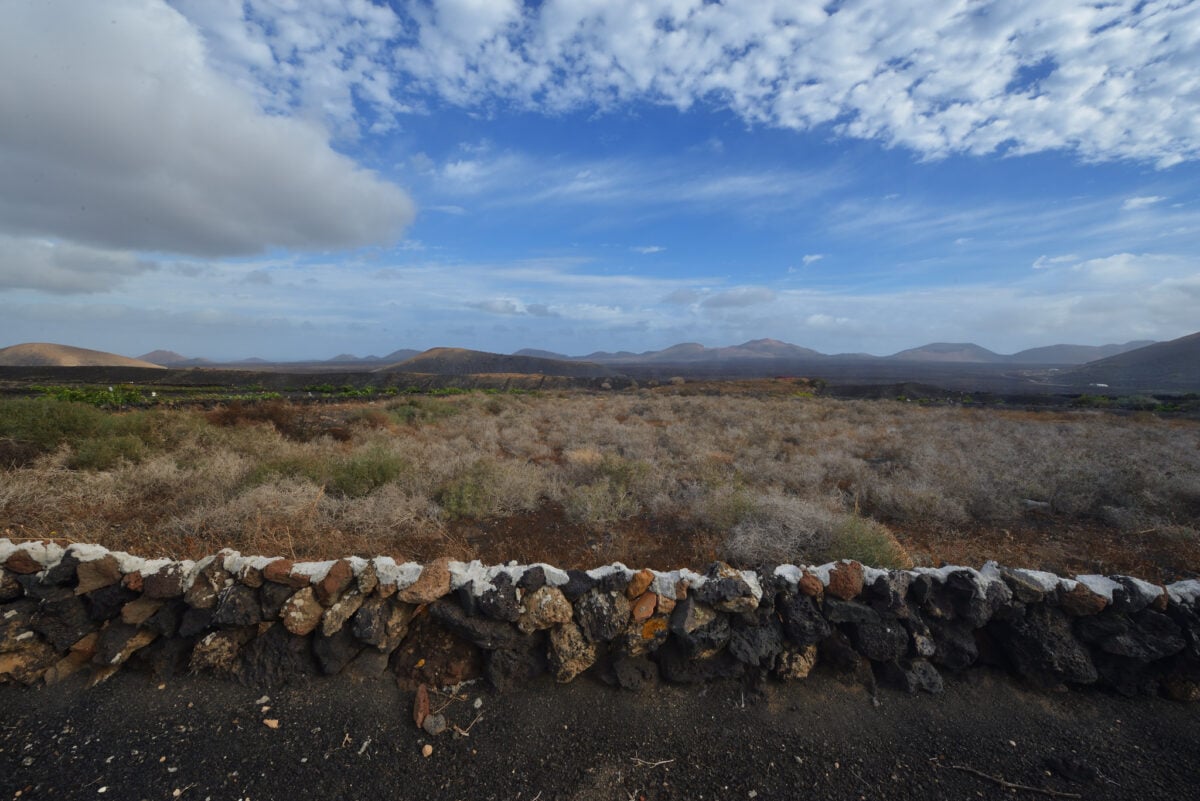
This volcanic landscape in the Canary Islands still generates intense heat just below the surface. Temperature readings show 400 degrees Celsius at shallow depths.
The last eruption was in the 1800s, but the magma chamber remains active. Park demonstrations show how volatile the ground is.
Rangers pour water into pipes in the ground, and it shoots back out as a geyser within seconds. They light dry brush with the ground heat alone.
These aren’t tricks—the land genuinely radiates dangerous heat. Visitors must stay on marked paths.
Stepping off risks burning through shoe soles and causing serious injury. Children need constant supervision.
The volcanic rock creates sharp, unstable surfaces that can cause falls and cuts.
When Fear Becomes Respect

What turns these islands into risky spots shifts your view of faraway locations. That solitude feeling dreamy while sitting at home? It feels different once you’re standing on the shore.
Help won’t arrive fast if trouble hits. Out here, comfort zones vanish like morning mist.
Where ground cracks under ancient pressure, every step asks more than it gives. Skills matter when paths disappear into fog.
Just because a map marks a spot does not mean going there makes sense. Water moves without asking permission, shaping coastlines while people watch from afar.
Rules written by wind and ice rarely match the ones we bring. Stay ready – some corners of the planet answer only to time.
Staying within limits means trouble stays away while nature remains untouched. Certain risks come with ways to get ready.
Not every threat fades, even when plans are perfect. That line between what you can handle and what defeats effort – that truth stands out here more than anywhere else.
More from Go2Tutors!

- The Romanov Crown Jewels and Their Tragic Fate
- 13 Historical Mysteries That Science Still Can’t Solve
- Famous Hoaxes That Fooled the World for Years
- 15 Child Stars with Tragic Adult Lives
- 16 Famous Jewelry Pieces in History
Like Go2Tutors’s content? Follow us on MSN.



