Traditional Games With Dangerous Elements
Kids used to play roughly. Really rough.
The playgrounds of past generations featured games that would send modern parents into a panic. No safety nets, no helmets, no liability waivers.
Just children testing their limits with activities that carried real risk. These games didn’t disappear because kids stopped wanting to play them.
They vanished because adults decided the danger outweighed the fun. But something was lost in that transition—a certain kind of fearlessness, maybe, or the thrill of knowing you could actually get hurt.
Lawn Darts

Picture this: heavy metal projectiles with pointed tips that you throw high into the air, trying to land them in a plastic ring on the ground. That was lawn darts, and families played it at barbecues throughout the 1970s and early 1980s.
The problem became obvious pretty quickly. The darts weighed about a pound each and fell from significant heights.
When they came down on something other than grass—like a child’s head—the injuries were severe. The U.S. banned them in 1988 after thousands of emergency room visits and several deaths.
People who played lawn darts remember the tension of watching those weighted tips arc through the sky. You had to pay attention.
Taking your eyes off the game for even a moment meant you couldn’t track where the darts would land.
Mumblety-Peg

This knife-throwing game has roots going back centuries. Players would perform increasingly difficult throws, trying to stick a pocketknife into the ground.
The loser had to pull a peg out of the dirt with their teeth—hence the name. Different regions had different rules, but the core concept stayed the same: throw a sharp blade and make it stick. Kids would practice flipping the knife off their elbow, their nose, and their forehead. Each successful stick earned points or advanced you to the next challenge.
The game taught knife handling skills, hand-eye coordination, and a healthy respect for sharp objects. But it also meant children regularly played with open blades, and accidents happened often enough that most schools banned it by the mid-20th century.
British Bulldog

This playground chase game turned schoolyards into combat zones. One kid stood in the middle while everyone else lined up on one side.
The goal was to run past the person in the middle without getting tackled and held off the ground long enough for them to yell “British Bulldog!” Anyone who got caught joined the middle and helped tackle the next wave of runners.
The game continued until only one person remained untackled. That last runner faced everyone else in one final sprint.
Broken bones were common. Concussions too.
The pile-ups at the end of the game could involve a dozen kids crashing together at full speed. Schools across the UK, Canada, and Australia eventually banned it, though kids still played whenever adults weren’t watching.
Conkers

String a horse chestnut on a shoelace, then take turns swinging at your opponent’s conker until one shatters. The game sounds simple enough, but the reality involved high-speed impacts, fingers in the strike zone, and chestnuts hardened through various sneaky methods.
Dedicated players would bake their conkers, soak them in vinegar, or age them for a year to make them harder. A champion conker that had destroyed ten others became a “tenner” and earned serious playground respect.
The injuries were usually minor—bruised knuckles, split skin, the occasional black eye from a conker flying off its string. But the game faced increasing restrictions as schools worried about the liability. Some districts required safety goggles.
Others banned it outright.
Red Rover
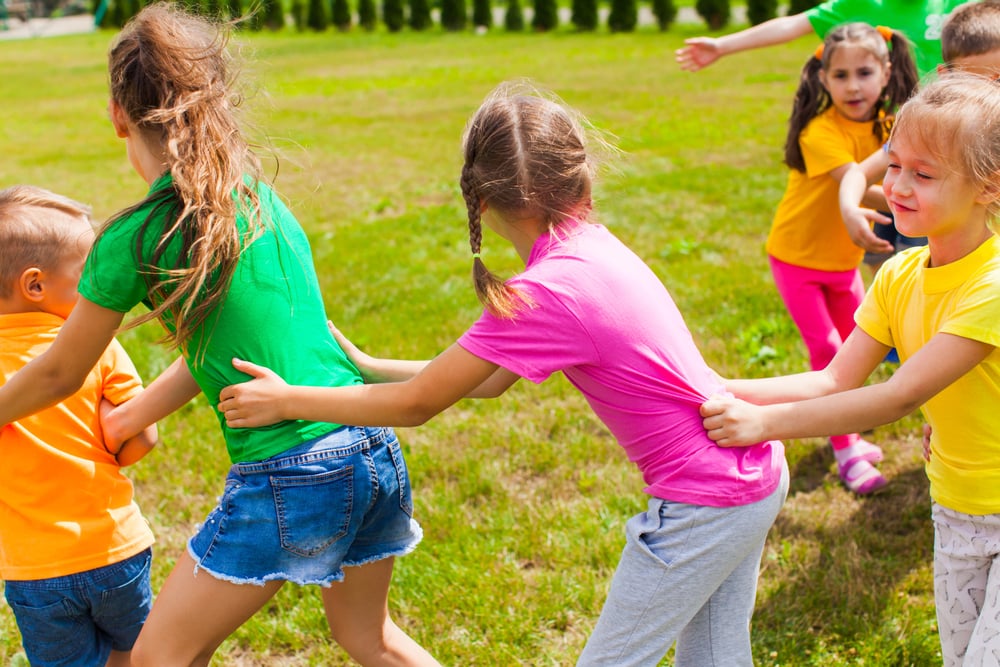
Two lines of kids holding hands, one team calling over a runner who tried to break through their linked arms. “Red Rover, Red Rover, send Tommy right over!”
Then Tommy would sprint full speed at what he hoped was the weakest link in the chain. The collisions could be brutal.
The strongest pairs would barely budge when someone hit them, sending the runner bouncing backward. Other times the chain would break and kids would tumble to the ground together.
Sprained wrists and dislocated shoulders happened regularly. The kids forming the chain would squeeze hands as tight as possible, sometimes cutting off circulation.
The runners would lower their shoulders and hit the line like they were breaking down a door.
Crack the Whip
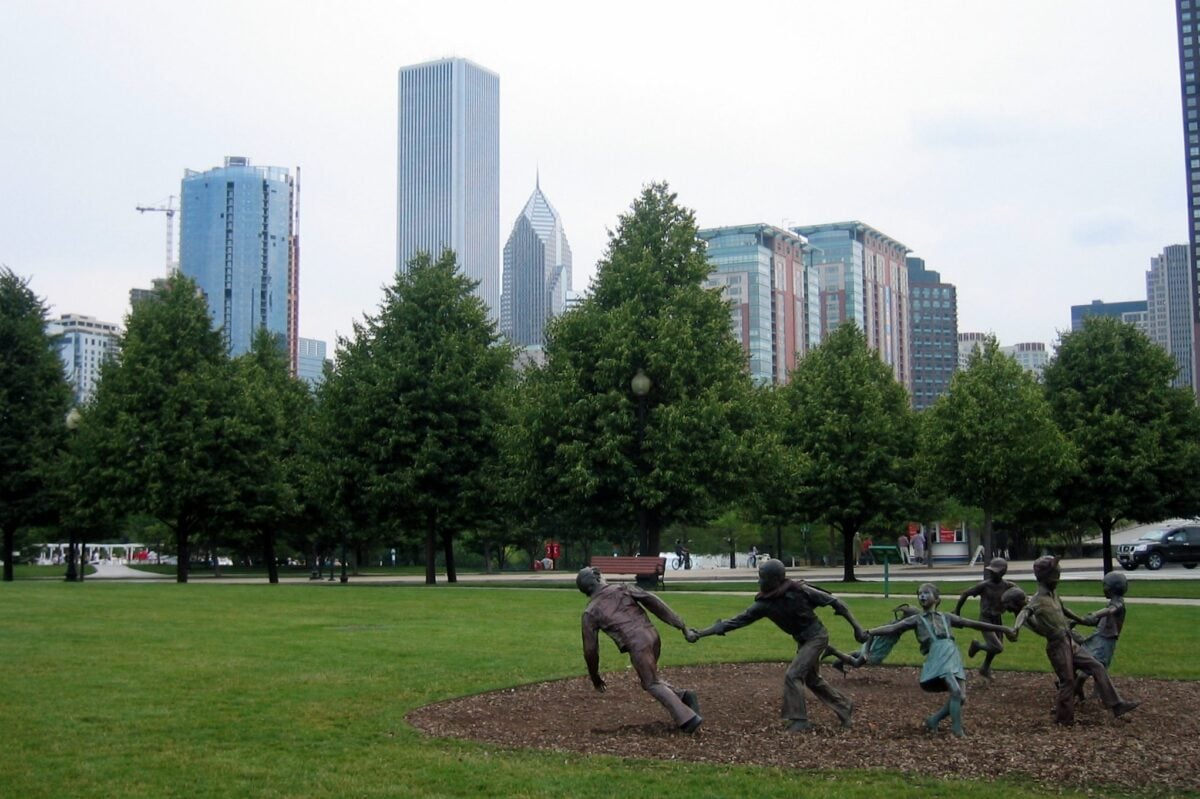
Ice skating rinks saw this game play out every winter. Skaters would link hands in a long chain, then the person at the front would start turning in circles.
The centrifugal force would whip the end of the line around at dangerous speeds. Being at the end of the whip meant traveling faster than you could control.
If you lost your grip or your skates slipped, you’d go sliding across the ice at high velocity. Collisions with the rink walls were common.
So were crashes into other skaters who weren’t part of the game. The physics made it thrilling.
The person at the front barely moved while the last person in line could reach speeds that felt terrifying. But those same physics meant the game regularly sent kids to the hospital with broken arms, cracked ribs, and head injuries.
King of the Hill
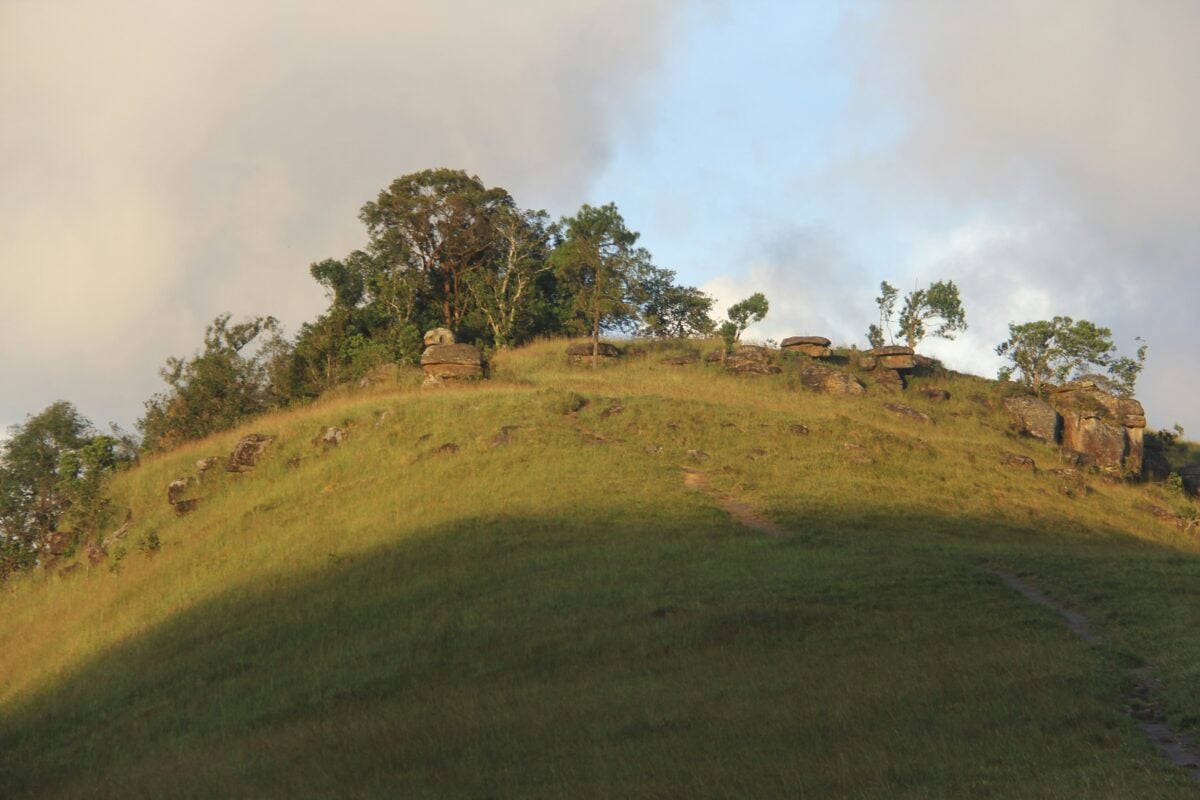
Find a hill, pile, or elevated surface. One person claims the top.
Everyone else tries to pull them down and take their place. The chaos that followed was the entire point of the game.
Snow piles worked great for this game. So did dirt mounds at construction sites.
Some kids played it on hay bales or woodpiles. The surface didn’t matter as much as the fighting required to stay on top.
Scratches, bruises, and twisted ankles were standard. But the game could escalate quickly when kids started using elbows and fists to defend their position.
What began as playful shoving could turn into actual fights, especially when the same person kept dominating.
Tree Tag

Regular tag, but played in the branches of trees. You could only tag someone who was in the same tree as you, which meant climbing higher, jumping between branches, and taking risks to escape being “it.”
The best trees for this game had thick branches that spread wide and grew close enough together to allow movement between them. Oak trees were popular.
So were the spreading maples in older neighborhoods. Falls were inevitable.
Most kids learned to read which branches would hold weight and which would snap. But mistakes happened, and a fall from fifteen or twenty feet could mean broken bones.
Some kids fell from higher.
Dodging Games

Throw things at each other until only one team remains standing. The thrown objects varied by region and era—rubber spheres, tennis equipment, even shoes in desperate schoolyard versions.
The game rewarded quick reflexes and accurate throwing. Getting hit meant sitting out until your team caught something, giving you another chance.
The last person standing faced incoming throws from the entire opposing team. Injuries came from getting hit in the face, usually when someone wasn’t paying attention.
The rules said to aim below the shoulders, but in the heat of competition, those guidelines got ignored. Broken noses, black eyes, and knocked-out teeth all happened with some regularity.
Mercy

Two players would grip each other’s hands and try to bend the opponent’s wrists backward until they cried mercy. The game was pure pain tolerance.
Whoever could endure the most discomfort won. The hand position mattered.
Players would try to get their fingers on top, giving them a mechanical advantage. But even with perfect positioning, the game came down to who could handle more pain.
Sprained wrists were the common injury. Some kids would keep playing even after hearing something pop.
The competitive nature of the game meant admitting pain felt like weakness, so players would endure serious discomfort rather than say mercy.
Chicken on Bikes

Two kids on bikes are riding straight at each other. Whoever swerved first lost.
The game tested nerve more than skill, and the potential consequences were obvious from the start. Empty parking lots or quiet streets became the arena.
The riders would start far apart, pedaling toward each other with increasing speed. The moment when both players realized neither planned to turn created a kind of frozen panic.
Most games ended with both riders swerving at the last second, each claiming the other went first. But sometimes neither swerved, and the collisions resulted in scraped skin, bent wheels, and occasionally broken collarbones.
Splits
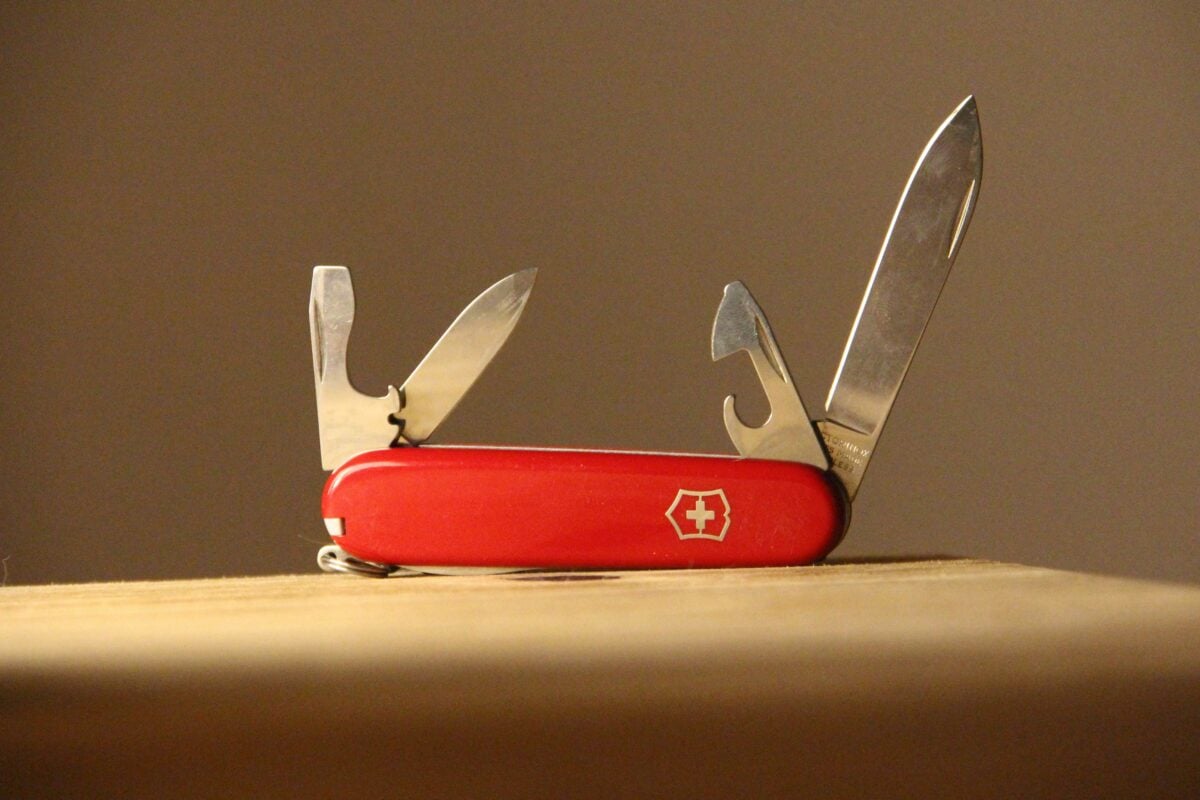
One player stood with feet together while opponents threw pocketknives into the ground next to their feet. Wherever the knife stuck, the player had to move that foot to the blade.
The game continued until the player could no longer reach the next knife or gave up. The danger was obvious.
Missed throws could hit feet. Even successful throws required the player to spread their legs wider and wider, eventually reaching positions that strained muscles and challenged balance.
The psychological element added another layer. Standing still while someone threw a knife near your foot required trust and nerve.
The person throwing had to manage their competitive urge against not wanting to actually stab their friend.
Wall Running

Find a wall, run at it, and see how many steps you can take vertically before gravity wins. The game originated from parkour and free running, but kids adapted it into a competition long before those movements became mainstream.
Brick walls worked best because they offered some traction. But smooth surfaces had their own appeal because the challenge was greater.
The goal was height, measured by whatever mark you could slap on the wall at your highest point. Landing poorly was the main risk.
Coming off the wall backward meant hitting the ground without seeing it coming. Ankles twisted, wrists sprained from trying to catch the fall, and heads bounced off the pavement when the landing went completely wrong.
Rough and Tumble Wrestling

No rules, no refereed rounds, just two kids grappling on the ground until one submitted or an adult intervened. This was how young people settled disputes, established hierarchy, and sometimes just burned off energy.
The wrestling could get genuinely rough. Hair pulling, scratching, and biting weren’t officially allowed, but they happened. The informal nature meant no one enforced rules consistently.
Winners emerged when losers admitted defeat or couldn’t continue. Grass stains and minor scrapes were expected.
But the fights could result in chipped teeth, black eyes, or worse. The lack of structure meant bigger kids had significant advantages, and mismatches could lead to one-sided beatings that crossed from play into bullying.
Snowy Memories and Scraped Knees
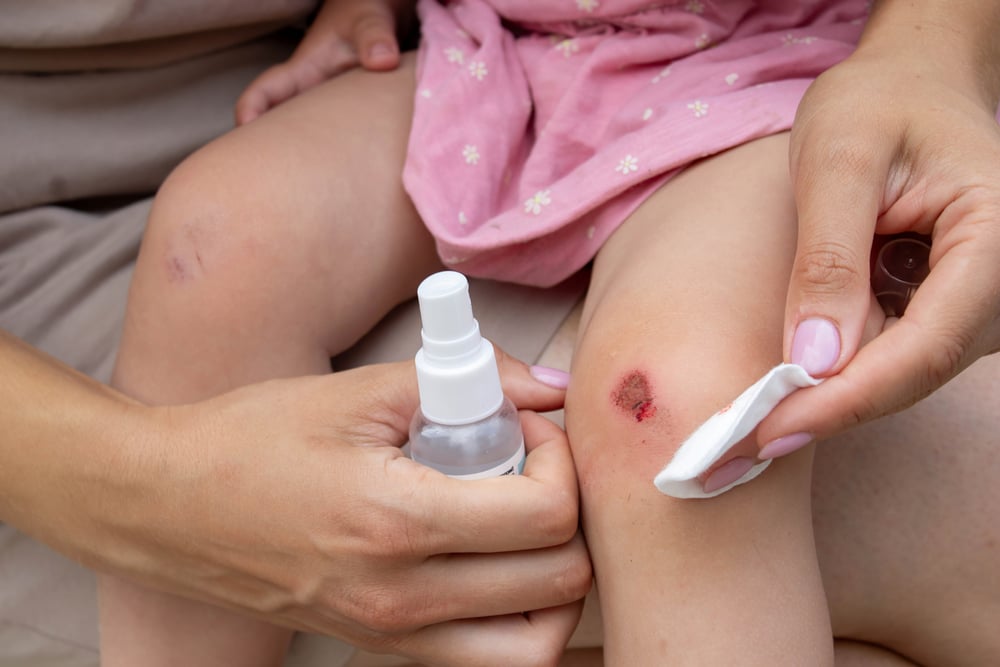
These games disappeared gradually, banned one by one as safety concerns mounted and liability fears grew. Schools eliminated them from playgrounds.
Parents forbade them in yards. Insurance companies made them too risky to allow. Something changed in the process.
The modern playground offers engineered safety—rubber surfaces, rounded edges, structured activities with supervision. Kids grow up in a world that protects them from the kinds of risks their grandparents faced daily.
Whether that trade-off was worth it depends on your perspective. Fewer injuries, certainly. Fewer emergency room visits.
But also fewer opportunities to learn personal limits through direct experience, to build courage through controlled danger, to earn respect by enduring something genuinely difficult. The games live on in memory and in the occasional unsupervised moment when kids rediscover that testing themselves against real risk creates a particular kind of satisfaction.
That thrill doesn’t fade just because adults decided it was too dangerous. It just goes underground, waiting for the next generation to find it again.
More from Go2Tutors!

- The Romanov Crown Jewels and Their Tragic Fate
- 13 Historical Mysteries That Science Still Can’t Solve
- Famous Hoaxes That Fooled the World for Years
- 15 Child Stars with Tragic Adult Lives
- 16 Famous Jewelry Pieces in History
Like Go2Tutors’s content? Follow us on MSN.