Traditions Revived in Modern Weddings
Occasionally, while browsing modern wedding pictures online, a peculiar detail stands out. Amid rustic décor like mason jars, alongside polished social media snapshots, older elements quietly reappear – grandmothers’ jewelry worn by brides, rites mirroring old customs long thought forgotten, practices fading yet somehow preserved.
Perhaps it’s longing for depth in a screen-driven era; alternatively, many simply grew weary of identical party templates. For whatever cause, partners now explore heritage tales and faded records to uncover moments that feel genuine.
The Return of Handfasting

Handfasting is having a serious moment, though most people don’t even know what to call it. You’ve seen it—the couple binds their hands together with ribbon or rope during the ceremony, usually while everyone tries to figure out what’s happening.
The tradition dates back to ancient Celtic and European cultures, where it was basically a trial marriage that lasted a year and a day. Now it’s showing up everywhere from beach weddings to backyard ceremonies, and honestly, it’s way more meaningful than most of the other stuff couples do to make their wedding “unique.”
The colors and materials chosen for the binding often carry specific meanings—green for fertility, blue for loyalty, red for passion—turning what looks like a simple gesture into a layered statement about the couple’s hopes for their marriage. It’s symbolic and expressive.
Ancient Vows in Modern Voices

People are ditching the standard wedding script and reaching way back for their vows. Celtic blessings, Native American traditions, even ancient Roman ceremonies are getting mixed into modern weddings like some kind of historical remix.
It sounds pretentious until you hear a couple reciting words that have bound people together for thousands of years—then it hits different. There’s weight to language that has survived centuries, phrases that have been spoken at bedsides and battlefields, in stone churches and open fields.
When a couple speaks those words, they’re joining a conversation that started long before them and will continue long after. It feels grounding.
The Renaissance of Wedding Rings on Chains
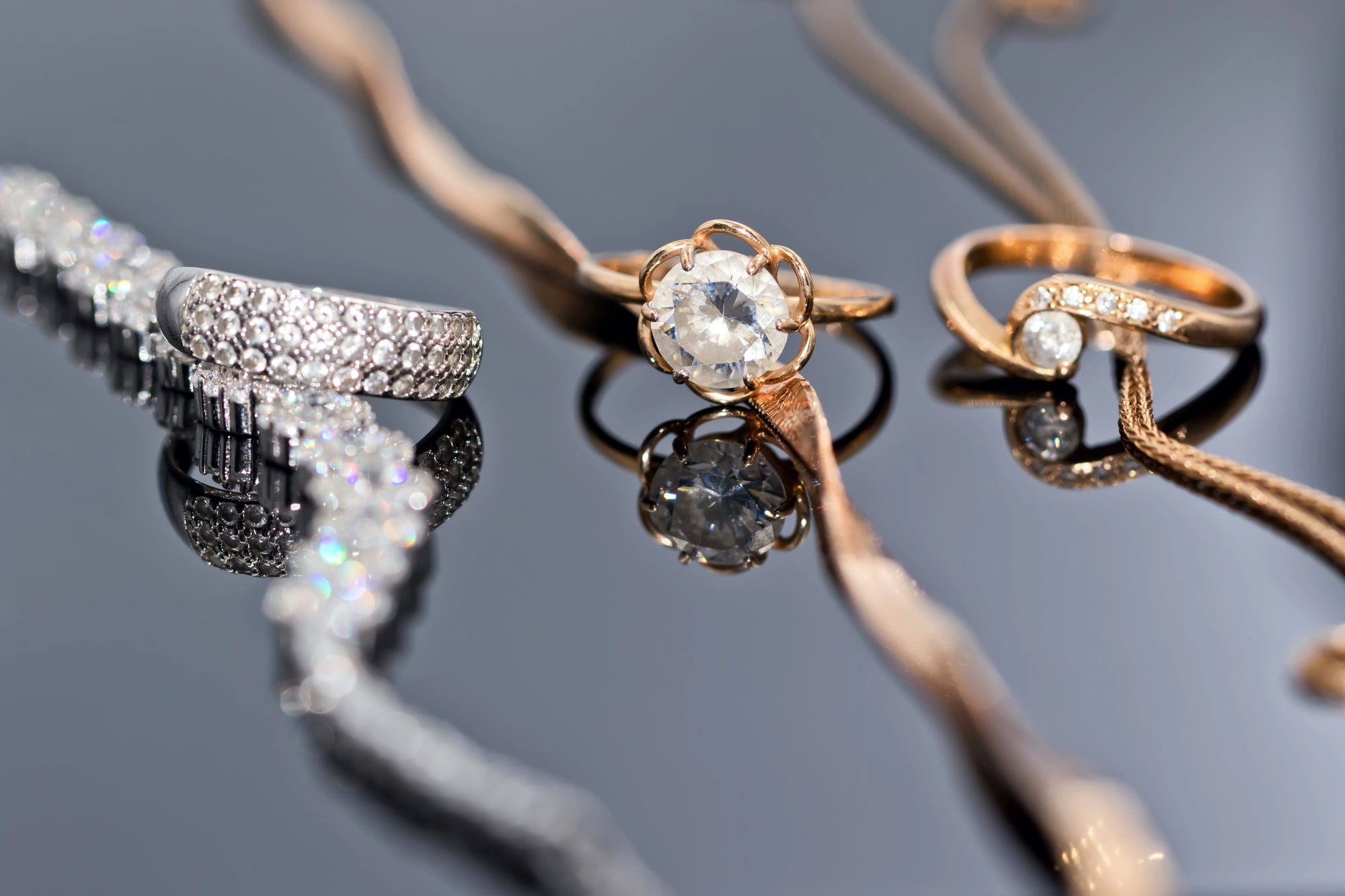
This one’s subtle but it’s everywhere once you start noticing. Brides wearing their wedding rings on chains around their necks during the ceremony, then moving them to their fingers afterward.
It’s borrowed from medieval and Renaissance traditions where rings were too precious to wear daily, but it also solves the modern problem of what to do with your engagement ring during the ceremony. Smart, actually.
Some couples are taking it further, wearing family heirloom rings on chains throughout their engagement as a way to keep the symbol close to their heart before making it official. It’s sentimental and functional.
Jumping the Broom Makes a Comeback

You’d think this tradition would stay within specific cultural communities, but jumping the broom is crossing all kinds of boundaries these days. It originated in West Africa and became a powerful symbol in African American communities during slavery when legal marriages weren’t allowed.
Now couples from all backgrounds are incorporating it, though hopefully with some understanding of its heavy history. The symbolism of sweeping away the old life and stepping into a new one together resonates pretty universally.
Many couples are choosing to decorate their brooms with ribbons, flowers, or fabrics that represent their families, turning the broom itself into an heirloom to be displayed in their home. It becomes part of their story.
Unity Ceremonies Beyond the Candle

The unity candle thing got old fast (and never worked well outdoors anyway). But couples are reviving older unity traditions that actually mean something.
Sand ceremonies from Hawaiian and Native American cultures, wine blending from ancient Greek traditions, even tree planting ceremonies that create something lasting. These feel more substantial than lighting a candle that’ll probably sit in a closet for the next decade.
The tree planting version is particularly compelling—couples plant a sapling during their ceremony and then care for it together throughout their marriage, watching it grow as their relationship grows. It’s symbolic in a living way.
The Comeback of Morning Weddings
Victorian-era morning weddings are quietly making their way back, though probably not for the same reasons as before. Back then, it was about propriety and religious observance.
Now it’s more about budget and hangover management (plus brunch receptions are undeniably superior to rubber chicken dinners). There’s something refreshing about celebrating love with mimosas and fresh flowers instead of forcing everyone to stay awake until midnight.
The morning light is better for photos too, and guests actually remember the ceremony when they’re not exhausted from a long day of waiting around. It feels lighter and more joyful.
Traditional Music in Unexpected Places

String quartets playing Taylor Swift songs felt revolutionary for about five minutes. Now couples are going deeper, incorporating actual traditional wedding music from their heritage—Scottish pipe music, Jewish klezmer, Irish folk songs, African drumming.
It’s like they figured out that their great-grandmother’s wedding music might actually be more meaningful than whatever’s trending on Spotify. Some couples are even commissioning musicians to compose original pieces that blend their different cultural musical traditions, creating something entirely new that still honors where they come from.
It’s a soundtrack with roots. It adds emotional depth.
The Return of the Wedding Feast

The concept of a proper wedding feast is slowly overtaking the standard reception dinner. Long tables instead of round ones, family-style serving, multiple courses that actually mean something culturally.
It’s messier and more chaotic than the typical wedding reception, but it feels more like what weddings used to be—actual celebrations instead of performance pieces. Plus people remember the food when it’s good, and forget everything else when it’s terrible.
The long table format also forces conversation between guests who might not otherwise meet, recreating the communal atmosphere that made historical wedding feasts important social events. It brings people together.
Blessing Ceremonies from Multiple Traditions

This gets tricky, but couples are increasingly incorporating blessing rituals from different cultural backgrounds—sometimes their own, sometimes adopted ones that speak to them. Native American smudging, Hindu fire ceremonies, Jewish glass breaking, Christian unity rituals all mixing together in ways that would horrify traditionalists but somehow work for the people getting married.
It’s religious fusion cuisine, basically. It’s unconventional but personal.
Revival of Seasonal Wedding Traditions

People are paying attention to seasons again in ways their grandparents would recognize. Harvest weddings in autumn with actual harvested decorations, spring weddings timed to specific flowers, winter ceremonies that embrace the cold instead of fighting it.
It’s like couples remembered that humans used to plan their lives around natural cycles instead of venue availability. The Pinterest-perfect barn wedding thing was just the beginning.
Nature is back in the spotlight. It brings authenticity.
Ancient Wedding Favors That Actually Matter
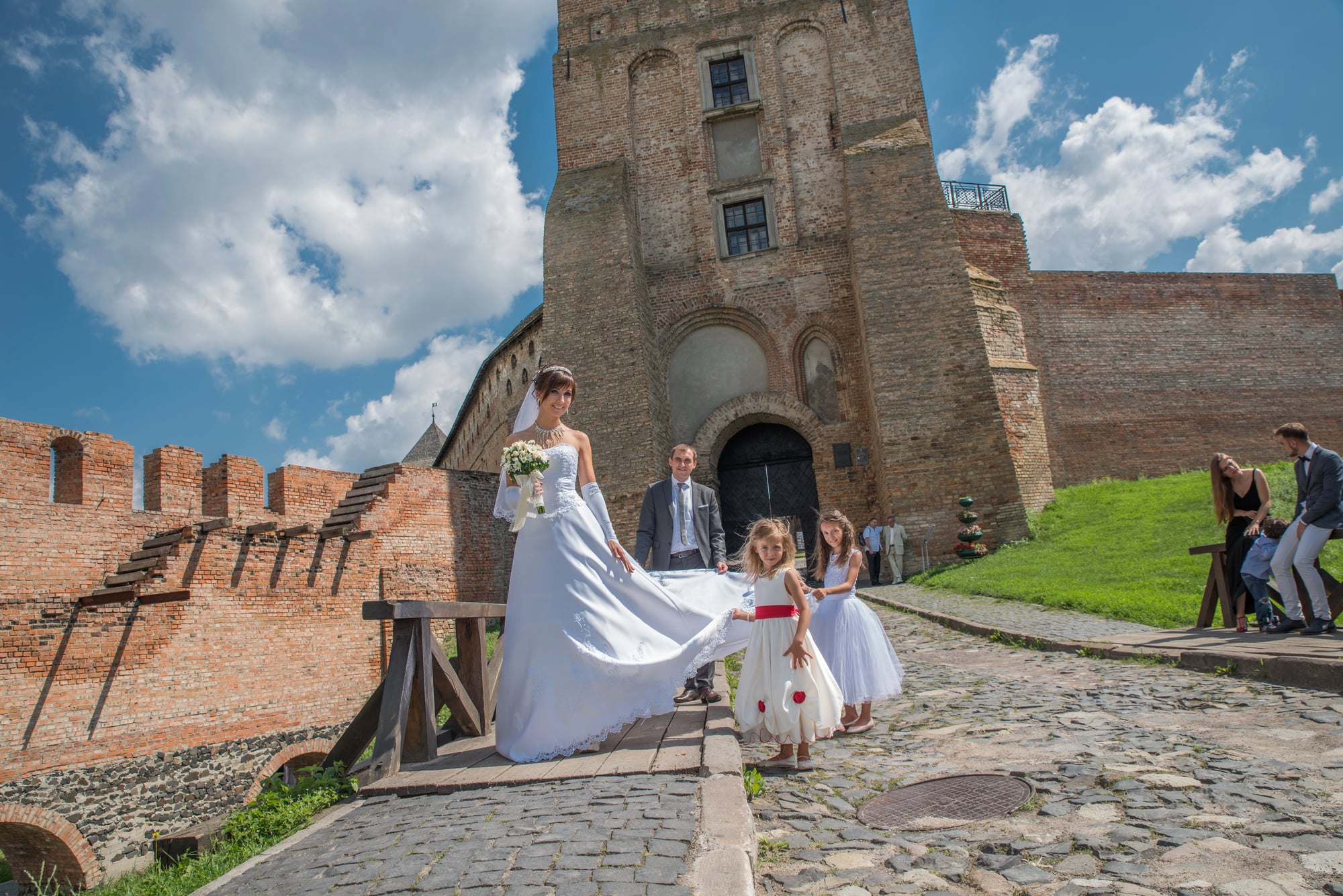
Wedding favors have been universally terrible for decades, but some couples are reaching back to older traditions that gave guests something meaningful. Seeds to plant (an ancient symbol of fertility and growth), handmade soaps, small potted herbs, even tiny bottles of honey.
These echo historical practices where wedding guests received gifts that would remind them of the couple throughout the year, not just clutter up their junk drawer. They’re small but thoughtful.
The Resurrection of Wedding Processions
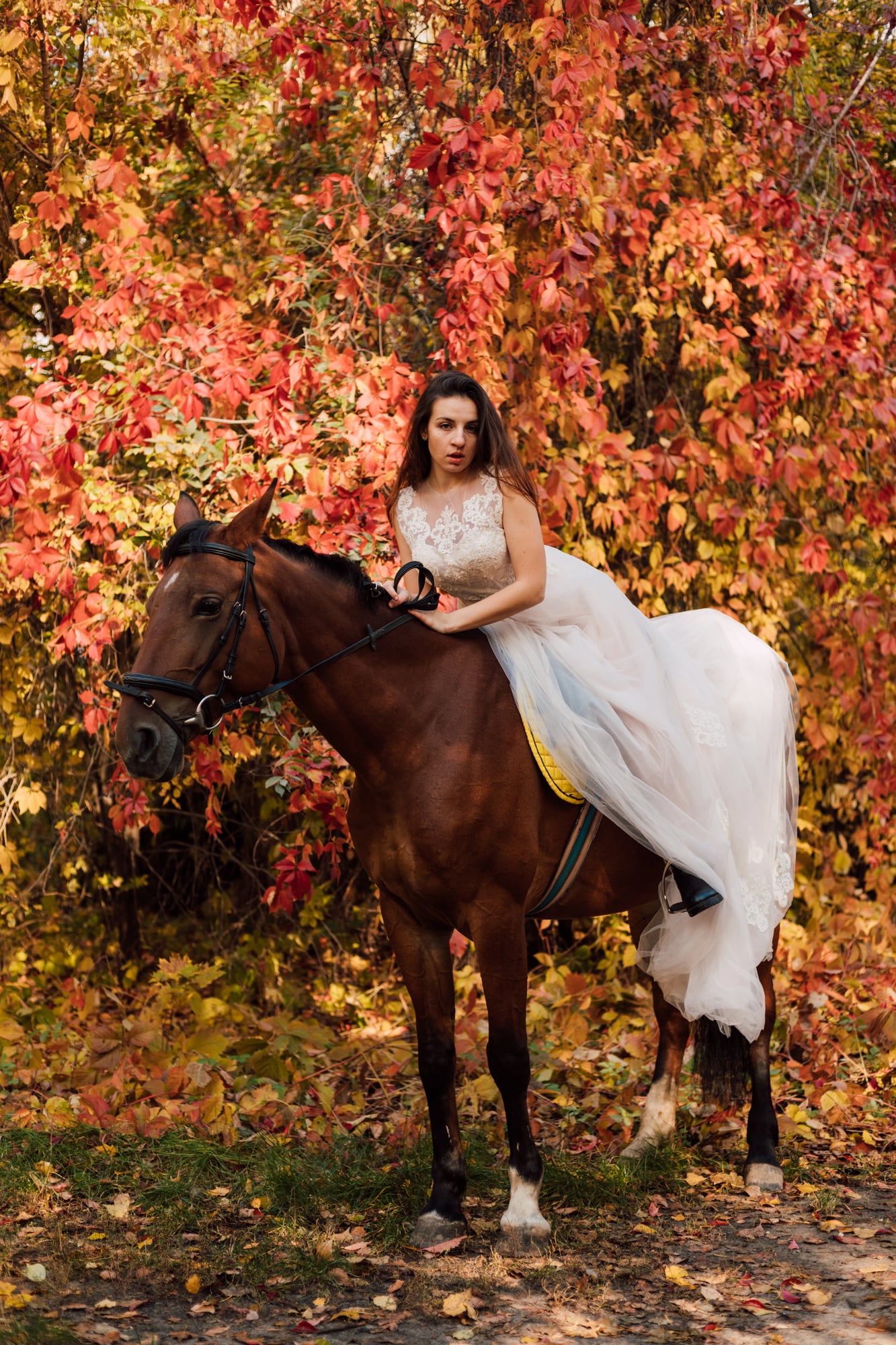
The traditional wedding processional is getting an overhaul with elements borrowed from cultures around the world. Hindu baraat processions with horses and drums, Jewish hora dancing, even elements of ancient Roman wedding parades are showing up in modern ceremonies.
It beats the standard march down the aisle to some overplayed classical piece, and it gets the guests involved instead of just sitting there trying not to check their phones. It adds energy and excitement.
Traditional Wedding Attire Elements

The white wedding dress stranglehold is finally loosening, and couples are incorporating traditional clothing elements from their actual heritage. Scottish tartans, Indian lehengas, African kente cloth, Chinese qipaos—sometimes as full outfits, sometimes as accessories or accents.
It’s more interesting than the standard wedding uniform, and it actually means something to the families involved. Plus the photos are way better.
It celebrates identity. It stands out.
Old-School Wedding Gifts That Build a Life

The wedding registry filled with kitchen gadgets nobody needs is giving way to older traditions of giving practical gifts that help establish a household. Tools, linens made to last, even livestock in some communities (though that one’s harder to pull off in suburban settings).
It echoes historical practices where wedding gifts were investments in the couple’s future survival, not just stuff to fill up their apartment. Makes you think about what marriage actually means when the gifts have purpose beyond looking nice on a shelf.
Practicality becomes meaningful. It supports real life.
When Old Becomes New Again

The wedding business spent years claiming old customs were obsolete, insisting today’s pairs required fresh rites crafted by experts with superior insight. Yet perhaps century-old practices carry value – updated for current lifestyles while keeping their core intact.
Such renewed habits don’t aim to copy history precisely – they seek links to what matters more than a flawless social media shot. Truthfully, this shift seems like real advancement.
More from Go2Tutors!

- The Romanov Crown Jewels and Their Tragic Fate
- 13 Historical Mysteries That Science Still Can’t Solve
- Famous Hoaxes That Fooled the World for Years
- 15 Child Stars with Tragic Adult Lives
- 16 Famous Jewelry Pieces in History
Like Go2Tutors’s content? Follow us on MSN.