Unbelievably Crazy Things Found in TSA Bins
Airport security checkpoints reveal a lot about human nature. Every day, TSA agents encounter items that range from genuinely puzzling to downright bizarre as travelers empty their pockets and bags into those gray plastic bins.
Some people seem to forget what they packed, while others apparently believe the rules don’t apply to their particular situation. The collection of confiscated items tells stories of forgetfulness, desperation, and sometimes just plain poor judgment.
Here’s a look at some of the wildest discoveries that have left TSA agents shaking their heads.
A full-sized sword hidden in a cane

Walking sticks and canes are common at airports, especially among older travelers or people with mobility issues. One passenger thought they could sneak a completely functional sword through security by disguising it as a mobility aid.
The TSA agent scanning the item noticed something off about the weight and shape, prompting a closer inspection. When they unscrewed the handle, a sharp blade emerged that could have caused serious harm.
The traveler claimed they forgot it was even there, which seems hard to believe given the weapon’s size and weight.
A live snake coiled in someone’s pants
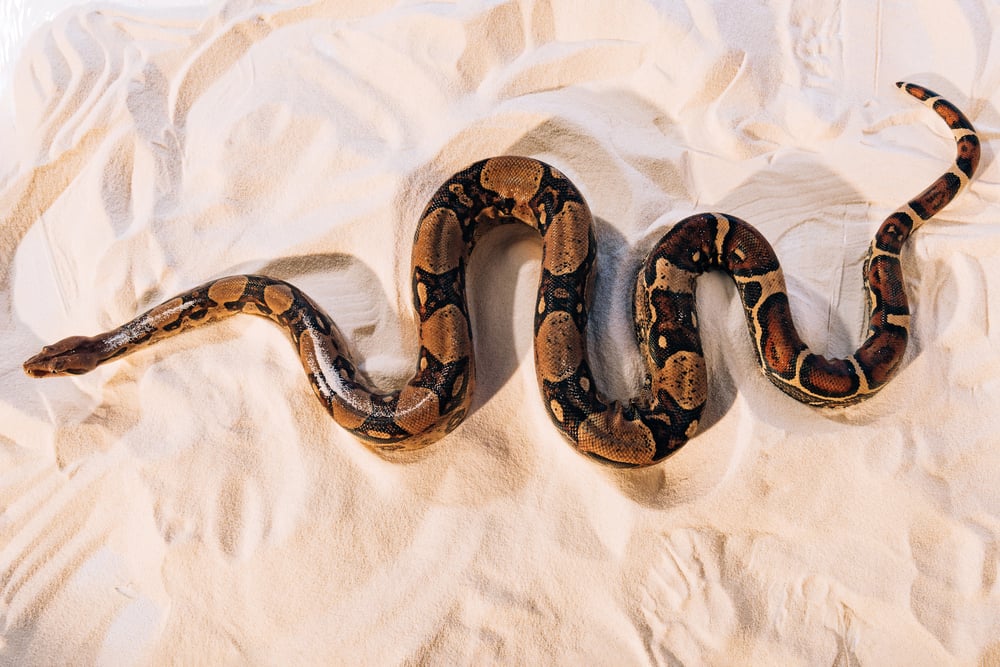
Reptiles belong in proper carriers with documentation, not tucked into clothing. A traveler attempted to board a flight with a small snake wrapped around their leg beneath their trousers.
The creature was discovered during a pat-down after the metal detector went off for an unrelated reason. The snake appeared calm, but TSA agents were understandably alarmed by the unconventional carry-on choice.
The passenger faced serious consequences for trying to transport a live animal without following proper procedures.
An entire Thanksgiving turkey, uncooked and frozen

Holiday travel brings out creative packing strategies, but this one crossed the line from clever to completely impractical. Someone showed up with a massive frozen turkey wrapped in layers of plastic and aluminum foil, hoping to bring it as a carry-on item.
While frozen food can technically pass through security, the size and weight made it impossible to fit in overhead bins. TSA agents had to explain that checked baggage would have been the appropriate choice for transporting poultry across state lines.
The traveler seemed genuinely surprised this wasn’t allowed in the cabin.
A chainsaw with dried wood chips still attached

Power tools raise immediate red flags at security checkpoints, and chainsaws rank among the most alarming. One passenger arrived with a chainsaw that clearly saw recent use, based on the sawdust and wood fragments stuck to the blade.
Even if properly stored and declared, chainsaws belong in checked luggage due to their size and potential danger. This traveler apparently thought the TSA bin was an appropriate place for lumber equipment.
The agent processing the item later said it was one of the strangest things they’d encountered in years of service.
A jar of human ashes mixed with marijuana

Cremated remains can travel with passengers following specific guidelines, but adding controlled substances complicates matters significantly. Someone packed what they claimed were their relative’s ashes in a decorative urn, which also contained a substantial amount of cannabis.
The TSA agent noticed the unusual texture and weight during screening and decided to investigate further. When questioned, the passenger explained they wanted to combine their loved one’s remains with something the deceased enjoyed.
Unfortunately, federal law doesn’t make exceptions for sentimental reasoning when it comes to prohibited substances.
Throwing stars scattered in a makeup bag

Cosmetics bags typically contain brushes, lipsticks, and maybe some foundation. One traveler’s beauty supplies included a collection of sharp throwing stars mixed among the mascara tubes.
The weapons were small enough that someone might overlook them in a cluttered bag, but their presence suggested either martial arts training or questionable intentions. TSA agents confiscated the items immediately and questioned the passenger about why they packed them.
The explanation involved attending a costume party, though that didn’t change the outcome.
A cannonball from the Civil War era

Historical artifacts belong in museums or properly secured collections, not in airport security bins. Someone attempted to bring an actual cannonball from the 1860s as a carry-on item, either as a souvenir or family heirloom.
The problem extended beyond the obvious security concerns. Antique ammunition can remain dangerous even after more than a century, with some explosives maintaining their potency.
The bomb squad was called to assess whether the item posed an active threat. The passenger seemed offended that their historical treasure caused such a commotion.
Fifty pounds of cheese wheels wrapped in clothing

Food items are generally allowed through security, but quantity matters. One traveler packed their suitcase with approximately fifty pounds of artisanal cheese, wrapped in shirts and pants to prevent damage.
The organic material showed up strangely on the X-ray machine, prompting agents to open the luggage for inspection. While cheese itself isn’t prohibited, the sheer amount and unconventional packing method raised questions.
The passenger insisted they needed all of it for a family gathering, but had to repack everything properly before continuing.
A kitchen knife taped inside a laptop case

Creative concealment attempts rarely work at modern security checkpoints. Someone taped a large kitchen knife to the inside of their laptop bag’s lining, apparently hoping it would blend in with the computer’s metal components.
Advanced scanning technology easily distinguished between the blade and electronic devices, flagging the bag for manual inspection. When confronted, the passenger claimed they forgot the knife was there from a previous camping trip.
TSA agents didn’t buy the explanation, given the deliberate placement and taping method.
A pet turtle in a plastic container with airholes
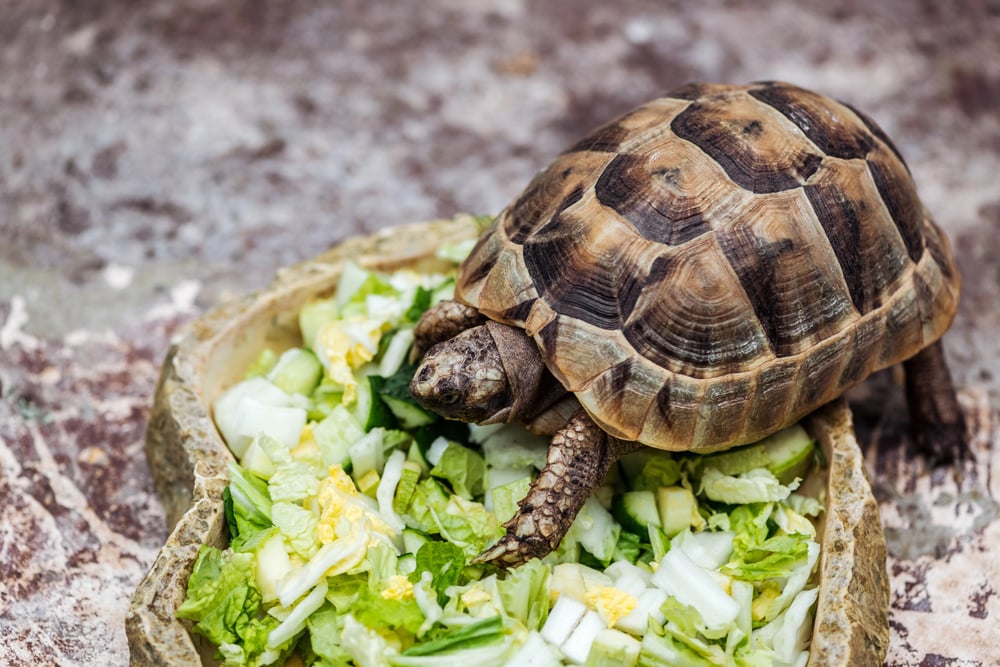
Small animals need proper carriers and documentation to fly, not makeshift homes punched with airholes. Someone showed up with a turtle in a clear plastic food storage container, complete with some lettuce and a small water dish.
The reptile looked healthy enough, but traveling this way violated multiple regulations about transporting live animals. TSA agents had to explain that pets require specific carriers approved by airlines and proper health certificates.
The passenger seemed genuinely confused about why their turtle couldn’t just ride along in their backpack.
Brass knuckles disguised as a belt buckle

Fashion accessories shouldn’t double as weapons, but some travelers test this boundary. One person wore a belt with a removable buckle that functioned as brass knuckles when detached.
The design was clever enough that it might have passed a casual visual inspection, but scanning equipment revealed its true nature. Wearing prohibited items doesn’t make them any more legal than packing them in luggage.
The passenger argued it was purely decorative and they had no intention of using it for harm. Confiscation happened regardless of stated intentions.
An accordion filled with undeclared currency

Musical instruments often travel through security without incident, but this one contained an expensive surprise. Someone packed thousands of dollars in cash throughout the folds and chambers of a vintage accordion.
Currency isn’t prohibited on domestic flights, but large amounts should be declared for international travel. The creative hiding spot suggested the passenger wanted to avoid questions about the money’s origin or destination.
TSA agents discovered the cash during a routine inspection and notified customs officials about the undeclared funds.
Antique medical instruments that looked like torture devices

Historical medical equipment can appear terrifying to modern eyes, especially items from the 19th or early 20th centuries. A traveler packed a collection of antique surgical tools, including saws, forceps, and other sharp implements.
While potentially valuable to collectors, these items resembled something from a horror movie when they appeared on the X-ray screen. The passenger was a medical history enthusiast heading to a collector’s convention, but the tools still had to go through additional screening.
Some items were confiscated as potential weapons despite their historical significance.
A dozen eggs individually wrapped and cushioned

Protecting fragile items makes sense, but this passenger took precautions to an extreme level. Someone carefully wrapped each egg in multiple layers of bubble wrap and tissue paper, packing them into a small cooler for transport.
The X-ray operator couldn’t immediately identify the spherical objects and called for a bag check. When agents unwrapped the elaborate packaging, they found regular grocery store eggs that could have been purchased at the destination.
The passenger insisted these were special farm-fresh eggs worth the effort.
A collection of taxidermy animals in various poses

Preserved animals require special permits and documentation for transport, especially across international borders. One traveler’s carry-on bag contained several small taxidermy specimens, including a squirrel, birds, and a fox.
The positioning of the animals in lifelike poses made them particularly unsettling when revealed during inspection. Beyond the creepiness factor, the items potentially violated wildlife trafficking laws and agricultural regulations.
The passenger claimed they were purchased legally at an antique shop, but couldn’t provide proof of ownership or legal acquisition.
Nunchucks wrapped in newspaper at the bottom of a backpack

Martial arts weapons belong in checked luggage or better yet, left at home when flying. Someone buried a pair of nunchucks beneath layers of clothes and newspaper in their backpack.
The distinctive shape showed up clearly on scanning equipment despite the attempted concealment. When questioned, the passenger said they practiced martial arts and wanted to train while traveling.
TSA agents explained that training equipment needs to follow specific rules and confiscated the items immediately.
A full-sized machete labeled as a garden tool

Labeling something differently doesn’t change what it actually is in the eyes of security. One traveler attached a tag reading “pruning tool” to a machete that measured over two feet long.
Garden implements with blades this size belong in checked baggage with proper wrapping and declaration. The passenger seemed genuinely surprised this wouldn’t be allowed in the cabin, despite the obvious danger a blade this large could pose.
Common sense should dictate that long, sharp blades need special handling regardless of their intended purpose.
Live lobsters crawling in a cooler
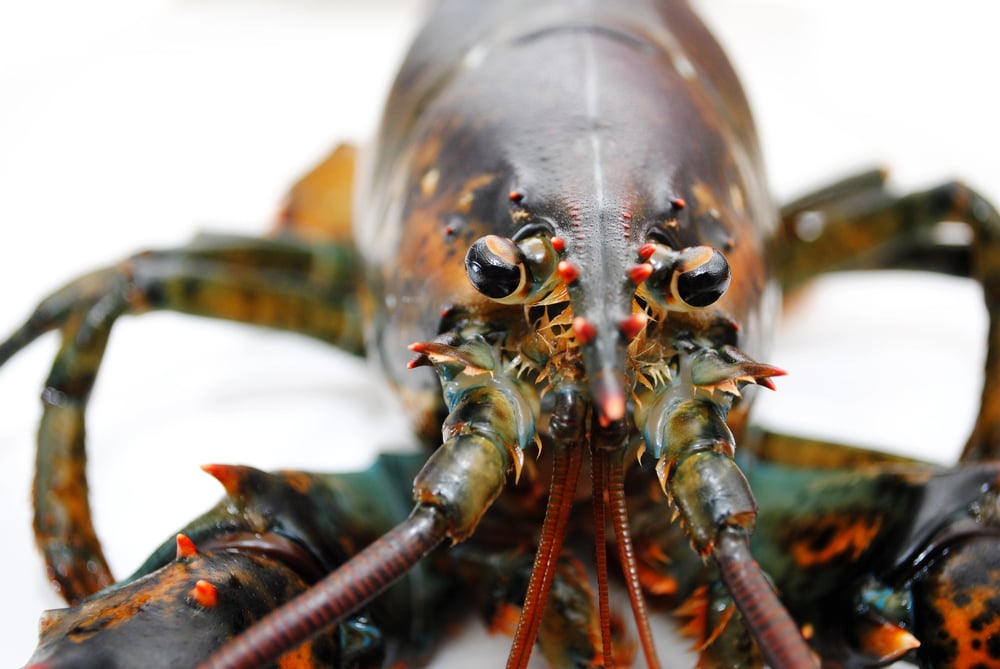
Seafood transport follows strict guidelines that most travelers don’t fully understand. Someone arrived with a cooler containing several live lobsters packed in damp seaweed and ice.
While seafood can fly under certain conditions, live creatures present unique challenges for security screening. The lobsters were very much alive and moving around, which complicated the inspection process.
TSA agents had to determine whether the crustaceans posed any security risks while also ensuring they were packed according to airline policies.
A single shake sends swirls through the first jar. Water fills another container nearly to the top.
The third holds a storm trapped inside glass. Security rules limit liquids for solid reasons, yet certain keepsakes slip through awareness.
A traveler once filled their hand luggage with over twelve big snow globes – each one brimming with fluid and shimmering particles. Together, these surpassed the 3.4-ounce cap meant for individual containers on flights.
After being informed that either the items must be left behind or moved to checked baggage, tension rose at the checkpoint. Worries surfaced about fragile souvenirs breaking if stowed below.
It turned out the guest had never thought of decorative spheres as liquid-filled under screening policies.
A medieval mace replica bought at a renaissance fair

A spiky orb on a chain might seem like fun until you’re standing at an airport gate. One traveler bought what looked like a real mace at a fair, thinking it’d be fine onboard.
Though meant as decoration, the object appeared too much like something dangerous. Security staff gave no exceptions, even when told it came from a festival booth.
What followed wasn’t negotiation but quiet surrender near the scanner belt. That piece now sits in a pile of similar oddities taken before flights.
Here is what it adds up to

It turns out folks often overlook even the simplest safety steps. From morning to night, those checking passengers see choices ranging from slips-up to sneaky moves.
Some odd things seized were meant for real uses but broke the guidelines anyway. A few cases puzzle screeners completely – reasons lost forever.
Odd belongings caught in scanners hint at one thing: flying demands planning plus rule awareness, however annoying it feels.
More from Go2Tutors!

- The Romanov Crown Jewels and Their Tragic Fate
- 13 Historical Mysteries That Science Still Can’t Solve
- Famous Hoaxes That Fooled the World for Years
- 15 Child Stars with Tragic Adult Lives
- 16 Famous Jewelry Pieces in History
Like Go2Tutors’s content? Follow us on MSN.



