Underdog Teams That Reached the Quarter-Finals Against Impossible Odds
There’s a particular kind of electricity that fills a stadium — or a living room, or a crowded sports bar — when a team that has absolutely no business still being in the tournament keeps winning anyway. It cuts through the noise of form tables and pre-tournament predictions, and it reminds you why sports exist in the first place.
These aren’t stories about talent winning out. They’re stories about something harder to name and harder to stop.
Here are the teams that made it to the quarter-finals when every reasonable person had already written them off.
Senegal at the 2002 FIFA World Cup
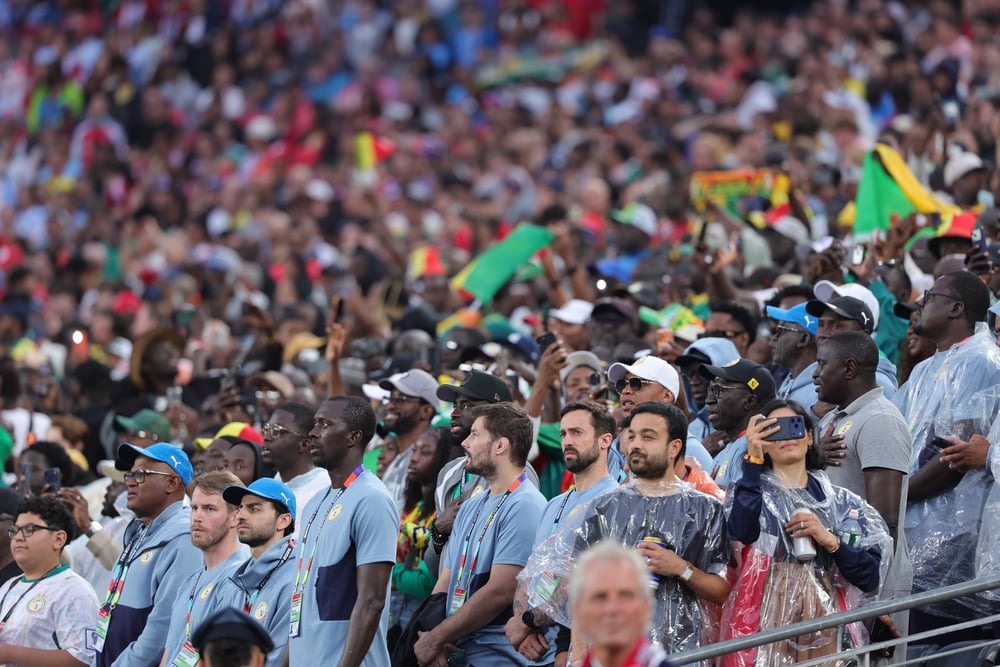
Senegal’s opening match of the 2002 World Cup was against France — the reigning world champion, stacked with Thierry Henry and Zinedine Zidane, and completely indifferent to the possibility of losing. Senegal won 1–0.
They went on to reach the quarter-finals without losing a single match in normal time, eventually falling to Turkey in extra time in a competition where they had no business being a factor.
Greece at Euro 2004

Greece winning Euro 2004 is the most stubborn refusal to accept narrative that international football has ever produced. They beat the host nation Portugal in the opening game, and then beat them again in the final, which is almost insulting when you consider Portugal had Luís Figo and Cristiano Ronaldo.
Their coach Otto Rehhagel built something so disciplined and so deeply unsexy that opponents struggled to find the edges of it.
Iceland at Euro 2016

Iceland — a nation of roughly 330,000 people, many of whom were apparently in the stadium — beat England 2–1 in the round of 16 to reach the quarter-finals, and did it playing a brand of football that was collective, physical, and utterly unapologetic about being exactly what it was. Their Viking clap had already become the soundtrack of the tournament by that point, a slow, building thunder that felt less like a chant and more like a pressure system rolling in off the North Atlantic.
England, to be fair, helped quite a bit by collapsing entirely.
Cameroon at the 1990 FIFA World Cup

Cameroon in 1990 played like a team that had decided the rules of international football were suggestions. They beat Argentina in the opening game — the reigning world champion, with Diego Maradona — and kept going, eventually reaching the quarter-finals before losing to England in extra time on a penalty Roger Milla, 38 years old at that point, had done absolutely nothing to deserve.
Roger Milla’s corner-flag celebrations became one of the defining images of that entire World Cup. Turns out 38 is just a number.
North Korea at the 1966 FIFA World Cup
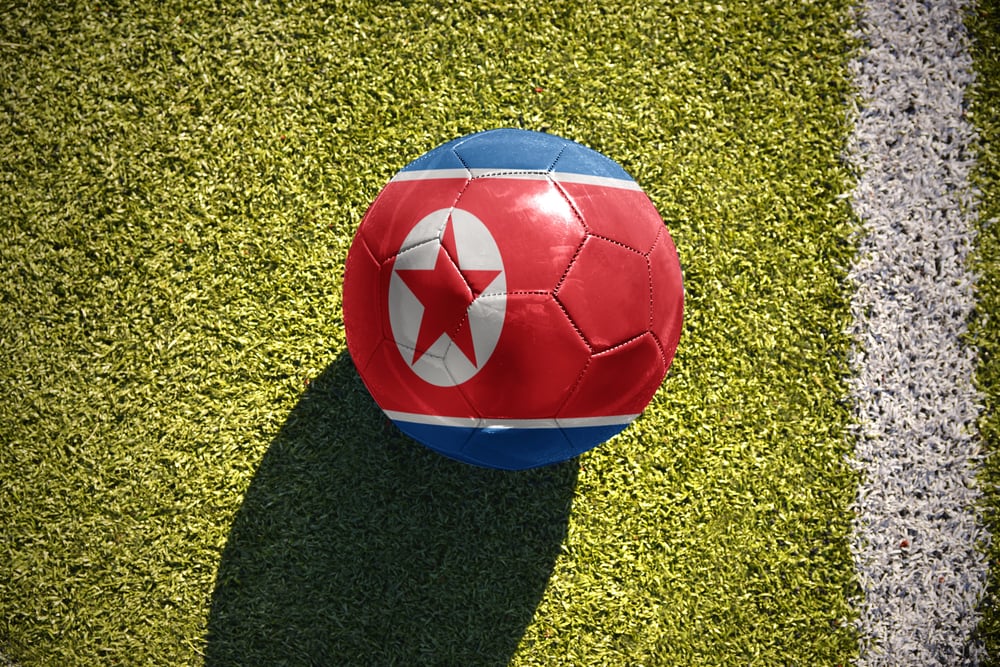
They eliminated Italy. With a goal from Pak Doo-ik.
A country most of the world barely recognized in 1966 knocked out one of football’s most historically decorated nations and marched into the quarter-finals, where they led Portugal 3–0 before Eusébio personally dismantled them with four goals. But they led Portugal 3–0, which is something Italy could not say.
South Korea at the 2002 FIFA World Cup
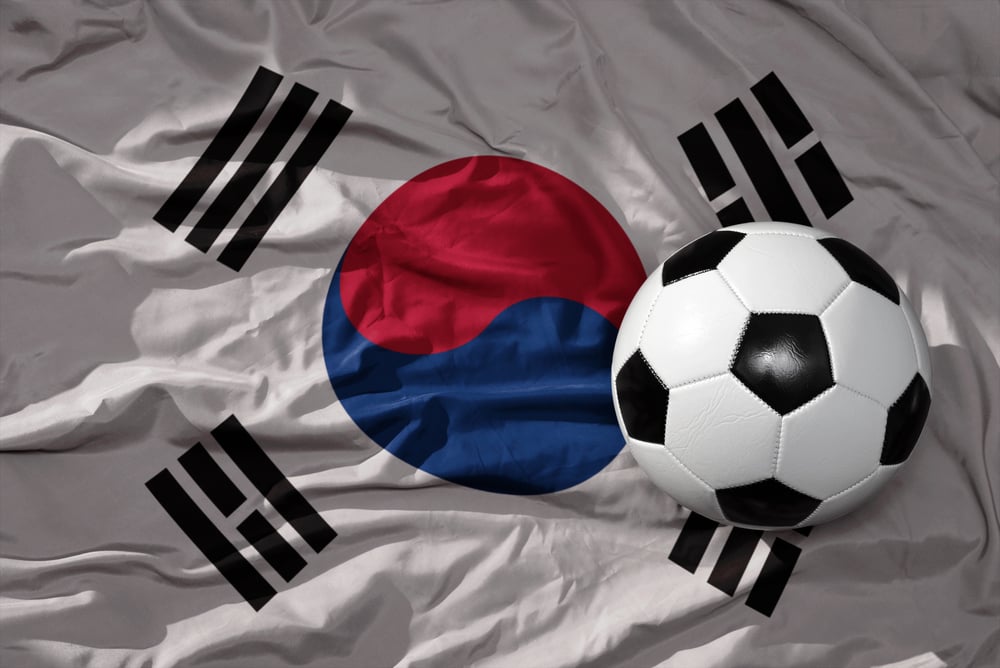
South Korea’s 2002 run remains one of the most contested and discussed in World Cup history — contested by Spain, Italy, and Portugal, who all felt the sharp end of decisions that didn’t go their way, and discussed by everyone else who watched in stunned fascination as the co-host nation reached the semi-finals. The atmosphere in Seoul and Busan during those matches was something beyond crowd noise: it was a whole country vibrating at the same frequency, a pressure that seemed to physically affect opponents in ways that statistics couldn’t measure.
They beat Spain on penalties in the quarter-finals, and whatever you think about the officiating, the commitment was unimpeachable.
Costa Rica at the 2014 FIFA World Cup
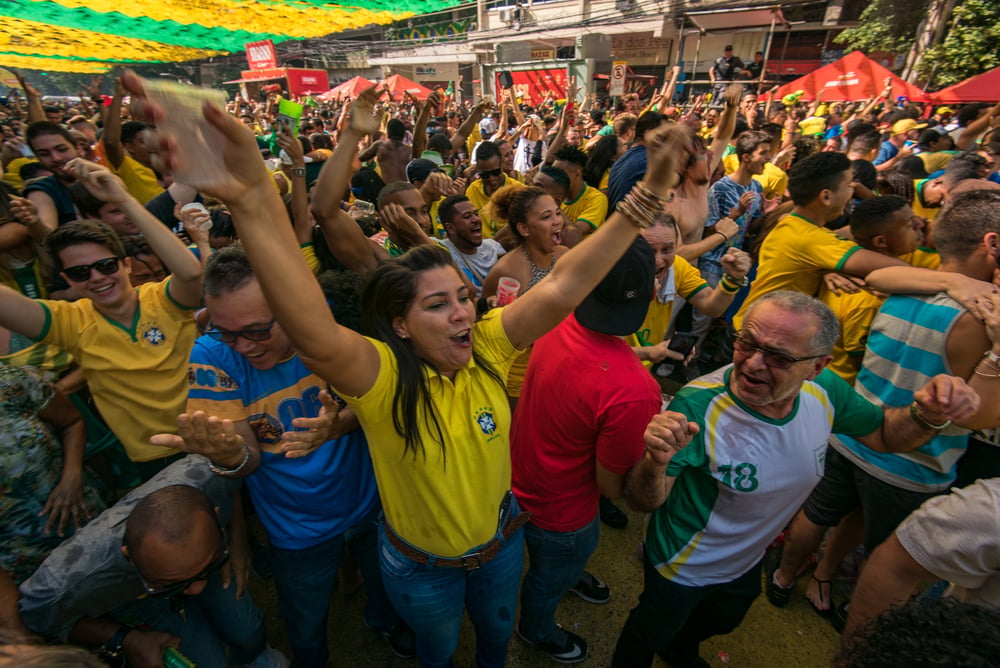
Costa Rica were drawn into a group with Uruguay, Italy, and England — a group widely described as the Group of Death — and then won it. They beat Uruguay 3–1, beat Italy 1–0, drew with England, and arrived at the quarter-finals having done something no reasonable pre-tournament model had predicted.
They lost to the Netherlands on penalties after a goalless 120 minutes, which is its own kind of achievement when the opponent is the Netherlands.
Bulgaria at the 1994 FIFA World Cup
Bulgaria 1994 had Hristo Stoichkov, and Hristo Stoichkov — fierce, technically brilliant, and deeply committed to his own opinions about everything — was enough to carry a small Eastern European nation to the semi-finals. They eliminated defending champions Germany in the quarter-finals with two goals in four minutes, Stoichkov and Yordan Letchkov combining to end German involvement in a tournament Bulgaria had no historical precedent for winning.
It remains one of the more quietly staggering results in World Cup knockout history.
Japan at the 2022 FIFA World Cup
Japan beat Germany 2–1 and Spain 2–1 in the group stage — both of those were comebacks from a goal down — then defeated Croatia on penalties to reach the quarter-finals, where Spain’s 2010 World Cup winner Pedri had been eliminated by the same team Japan had already beaten. So the narrative arc was almost too clean: a team with no expectation of advancing past the group stage reaching the last eight by beating two European heavyweights twice.
The post-match changing room photos, spotlessly clean and with a hand-folded origami crane left behind, became their own kind of statement.
Morocco at the 2022 FIFA World Cup
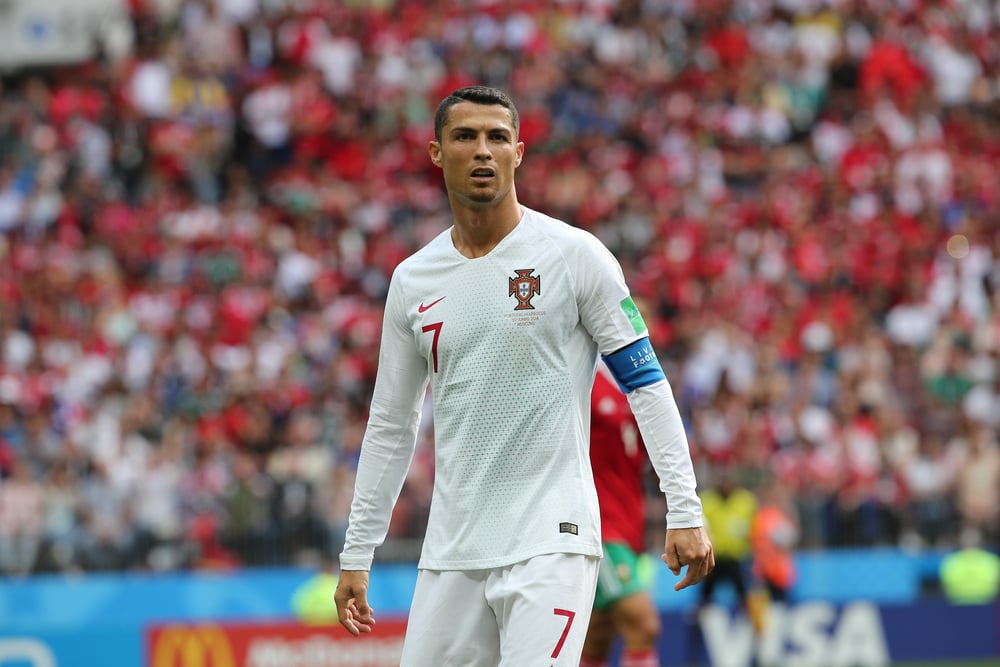
Morocco didn’t just reach the quarter-finals — they became the first African nation to reach the semi-finals of a World Cup, and the path there was extraordinary in every sense of the word. They beat Belgium, Spain on penalties, and Portugal, knocking out Cristiano Ronaldo in the process.
Their wall of defending — organized, ferocious, and executed with a precision that most European teams would have been proud to produce — seemed to correct the assumption that African football was still finding its footing at the tournament’s deepest levels.
Turkey at the 2002 FIFA World Cup
Turkey in 2002 is the tournament’s most underappreciated run, arriving in the shadow of South Korea and Senegal but quietly doing something just as remarkable: finishing third in the entire competition. They beat Senegal in extra time in the quarter-finals with a golden goal, having already navigated a brutal group stage, and produced in Hakan Şükür the man responsible for the fastest goal in World Cup history — 11 seconds against South Korea in the third-place playoff.
Turns out Turkey 2002 deserves considerably more shelf space in the history books than it tends to get.
Zambia at the 2012 Africa Cup of Nations
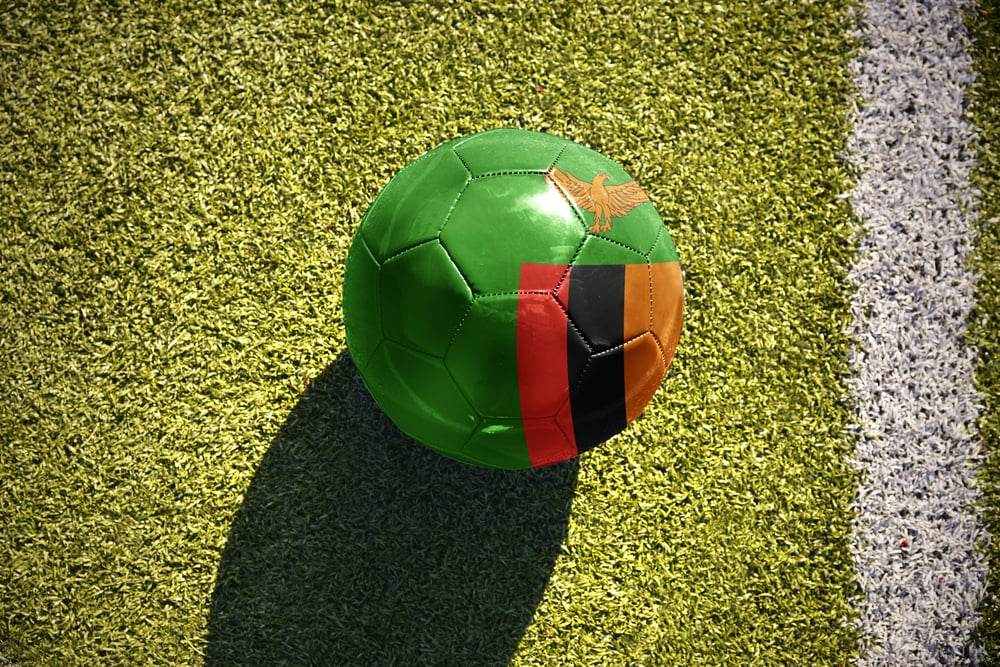
Zambia won the 2012 Africa Cup of Nations, and the quarter-final against Sudan was the point where the tournament understood this wasn’t a coincidence. What made the entire run extraordinary was context: the final was played in Libreville, Gabon, the site where 18 members of the Zambian national team had died in a plane crash in 1993.
The team that won it — decades later, on the same ground — felt less like a sports story and more like something that had been waiting to happen. Striker Emmanuel Mayuka and the entire squad played the tournament in a spirit that was unmistakably about something larger than football.
USA at the 2002 FIFA World Cup
The United States reached the quarter-finals of the 2002 World Cup by beating Portugal 3–2 in the group stage and then eliminating Mexico 2–0 in the round of 16. They lost to Germany 1–0 in the quarter-finals on a save that Torsten Frings made with his hand — not given as a penalty — which would have tied the match.
It remains one of the more quietly infuriating near-misses in American soccer history, from a team that had no business being there and was a handball call away from a semi-final.
Republic of Ireland at the 1990 FIFA World Cup
Ireland reached the quarter-finals of the 1990 World Cup having never played in one before, never scoring more than once in any match, and drawing almost every game on the way there. They drew their three group games, drew against Romania in the round of 16, and won on penalties — a series of events that seemed to function on sheer collective stubbornness and Packie Bonner’s instincts.
Jack Charlton built a team that was impervious to style criticism and entirely focused on results, which, turns out, is a perfectly legitimate strategy.
Burkina Faso at the 2013 Africa Cup of Nations
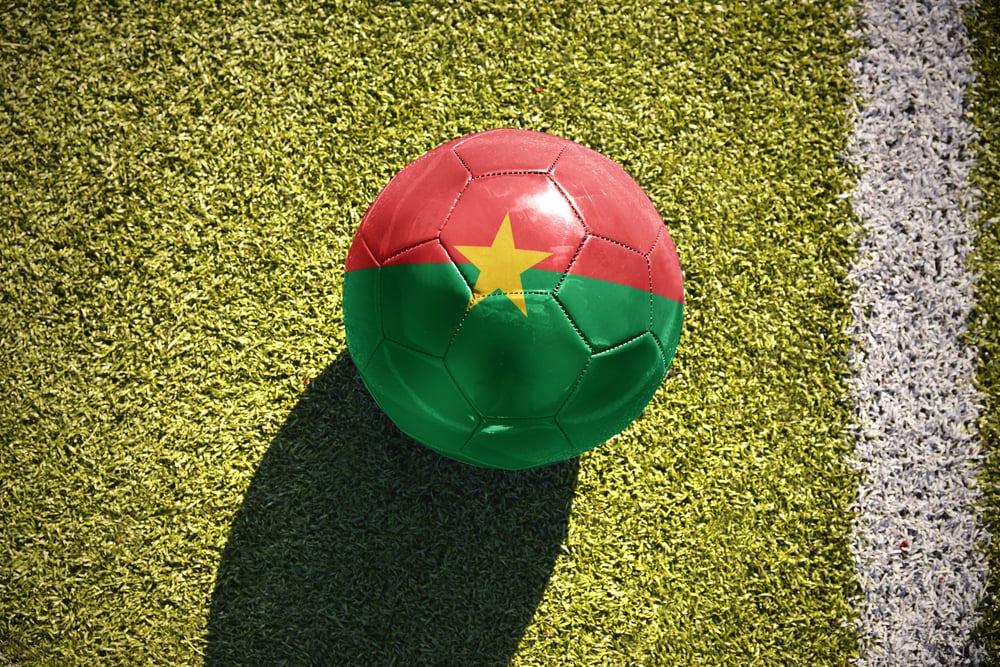
Burkina Faso had never gone beyond the group stage of an Africa Cup of Nations before 2013, and they arrived in South Africa as one of the quieter entries in the field. They beat Angola and Nigeria and reached the final, which — when you say it plainly — still sounds like a misprint.
Jonathan Pitroipa won the tournament’s best player award, and the image of a West African nation that had spent most of its football history on the tournament’s periphery suddenly standing in a final told a story that no pre-tournament analysis had bothered to draft.
When the Script Gets Ignored

The teams that reach quarter-finals against all reasonable expectation share one quality that isn’t tactical and can’t be coached: they simply don’t believe the version of events everyone else has already agreed on. Form tables, FIFA rankings, squad valuations — all of that exists as a kind of collective fiction that most teams accept, and the teams on this list refused to.
And that refusal, stubborn and sometimes tactically unglamorous and occasionally a little chaotic, is the thing that makes sport worth watching in the first place. You already knew that.
But it’s worth saying out loud anyway.
More from Go2Tutors!

- The Romanov Crown Jewels and Their Tragic Fate
- 13 Historical Mysteries That Science Still Can’t Solve
- Famous Hoaxes That Fooled the World for Years
- 15 Child Stars with Tragic Adult Lives
- 16 Famous Jewelry Pieces in History
Like Go2Tutors’s content? Follow us on MSN.



