17 Strange Things Found by Divers in the Great Lakes
The Great Lakes hold secrets that most people never imagine. Beneath those familiar surfaces—waters that seem almost ocean-like in their vastness—lies a collection of oddities that would make any diver’s logbook read like fiction.
These aren’t just your typical sunken boats or lost fishing gear. The cold, fresh water acts like a preservative, keeping things intact for decades or even centuries.
What emerges from these depths tells stories of human ambition, accidents, and sometimes just plain weirdness that defies easy explanation.
A Perfectly Preserved Ship From 1679
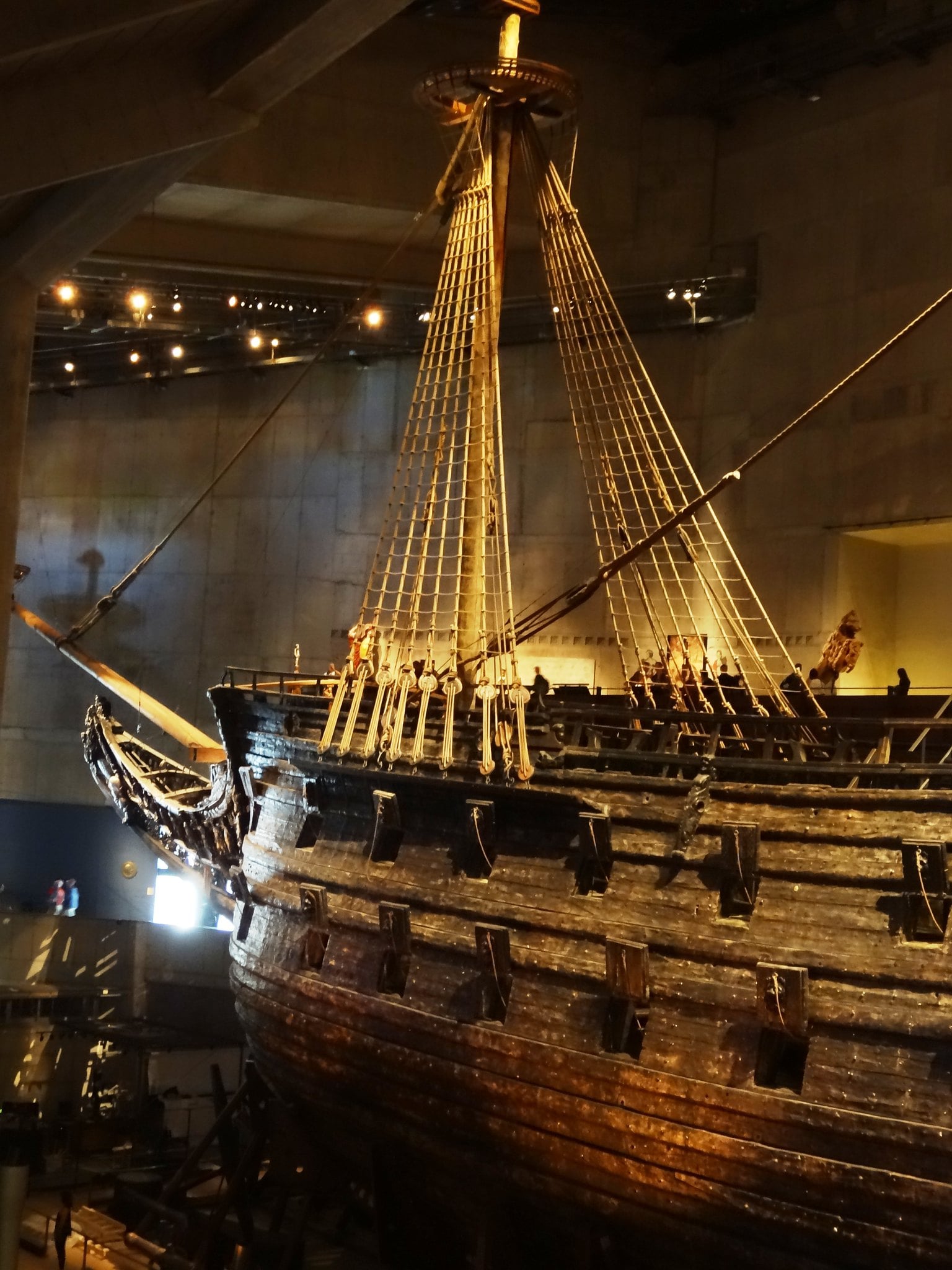
The Griffin wasn’t supposed to become a legend. Built by French explorer René-Robert Cavelier, this vessel vanished somewhere in the Great Lakes over 300 years ago, carrying a cargo of furs and the hopes of expanding French trade routes.
Divers have claimed to find her remains multiple times, each discovery stirring debates among historians and treasure hunters alike. What makes these claims so compelling isn’t just the ship’s age—it’s the condition.
Lake Superior’s frigid temperatures preserve wood and metal in ways that ocean water never could. The Griffin represents the holy grail of Great Lakes shipwreck hunting, a vessel so old it predates most of European settlement in the region.
Steinway Piano In Perfect Condition
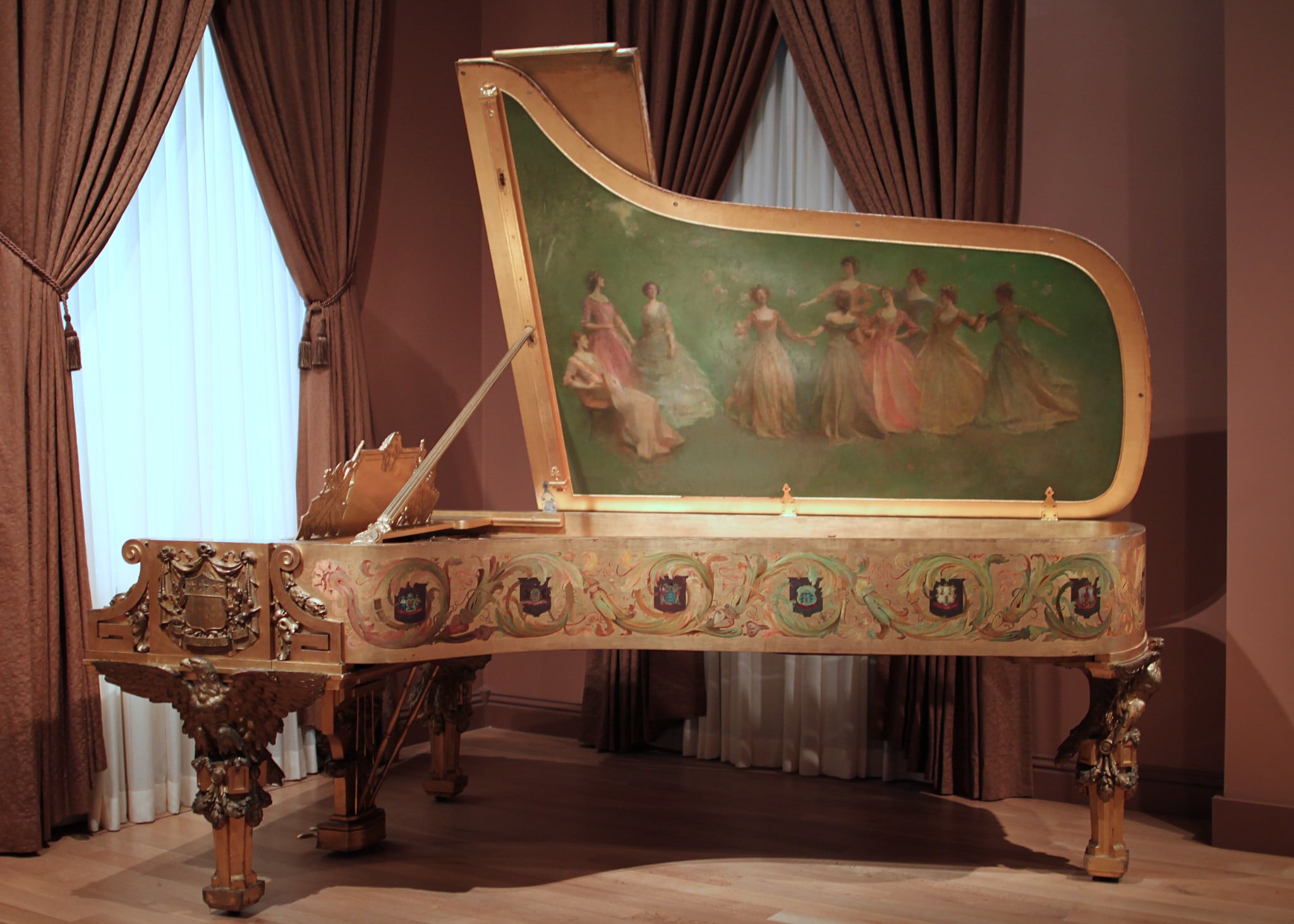
Someone’s prized Steinway sits on the bottom of one of the Great Lakes, and it shouldn’t be there. Grand pianos don’t accidentally end up underwater.
This one rests upright on the lakebed as if someone carefully positioned it for an underwater concert that never happened. The piano’s presence raises more questions than it answers.
Moving a Steinway requires planning, equipment, and several strong people. Yet there it sits, keys still intact, waiting for a pianist who will never come.
Divers describe it as surreal—an object of such elegance and culture displaced into an environment where it makes absolutely no sense.
Ancient Native American Artifacts
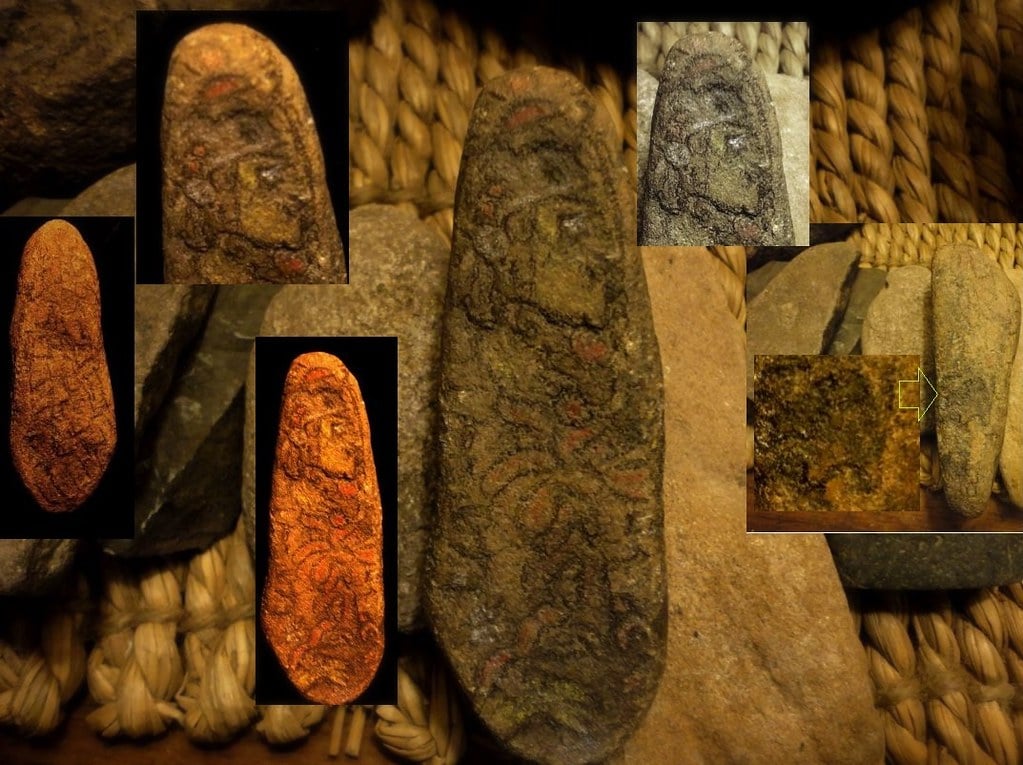
Beneath Lake Huron lies something that rewrites what people thought they knew about ancient hunting practices in the Great Lakes region. Stone structures, carefully arranged in lines and circles, mark what archaeologists believe are 9,000-year-old caribou hunting grounds—now submerged under 120 feet of water.
These aren’t just random stones (though at first glance, that’s exactly what they look like to the untrained eye). The patterns are too deliberate, too purposeful to be natural formations.
And then there’s the positioning: these structures sit exactly where you’d expect ancient hunters to funnel caribou herds, back when this area was dry land and the lakes were much smaller. So the discovery isn’t just about finding old things underwater—it’s about understanding that the landscape itself has completely transformed, swallowing up entire hunting grounds that sustained communities for generations.
Military Aircraft From World War II
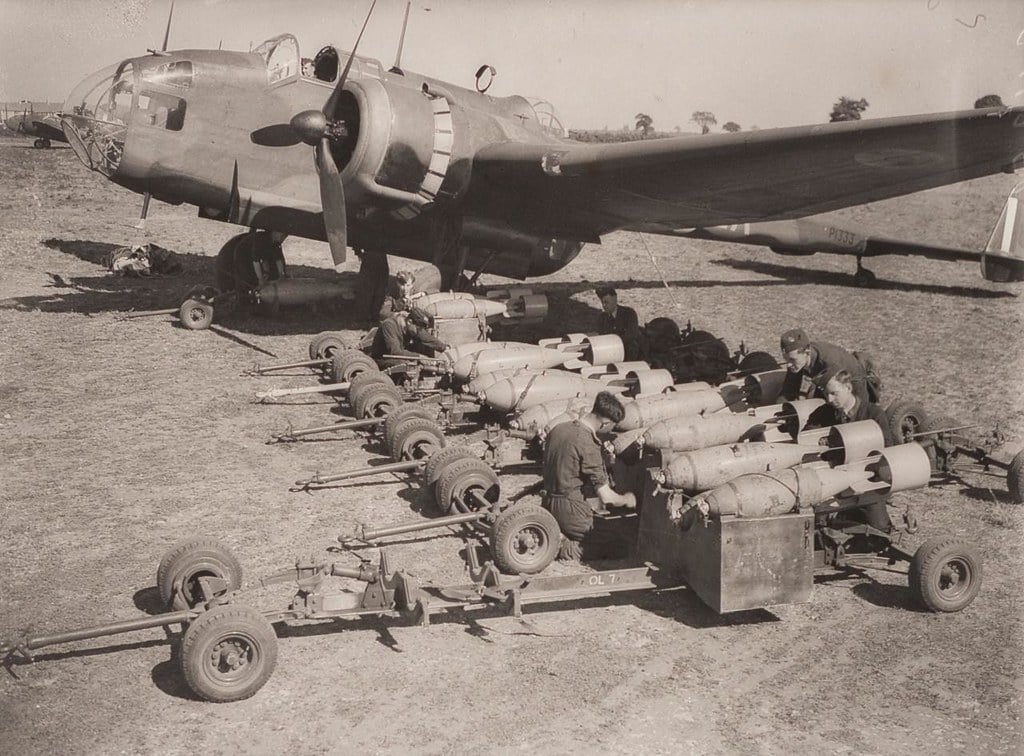
A perfectly intact P-39 Airacobra sits in Lake Huron like it landed there yesterday. The pilot walked away from this one—literally.
He ditched during a training flight in 1944 and survived to tell about it. The aircraft tells a story about wartime training operations most people never knew happened over the Great Lakes.
Thousands of pilots trained in this region, and not all of them made it back to base. What makes this particular find remarkable isn’t just the plane’s condition—it’s that the cockpit still contains personal items from the pilot.
Locomotive From The 1800s
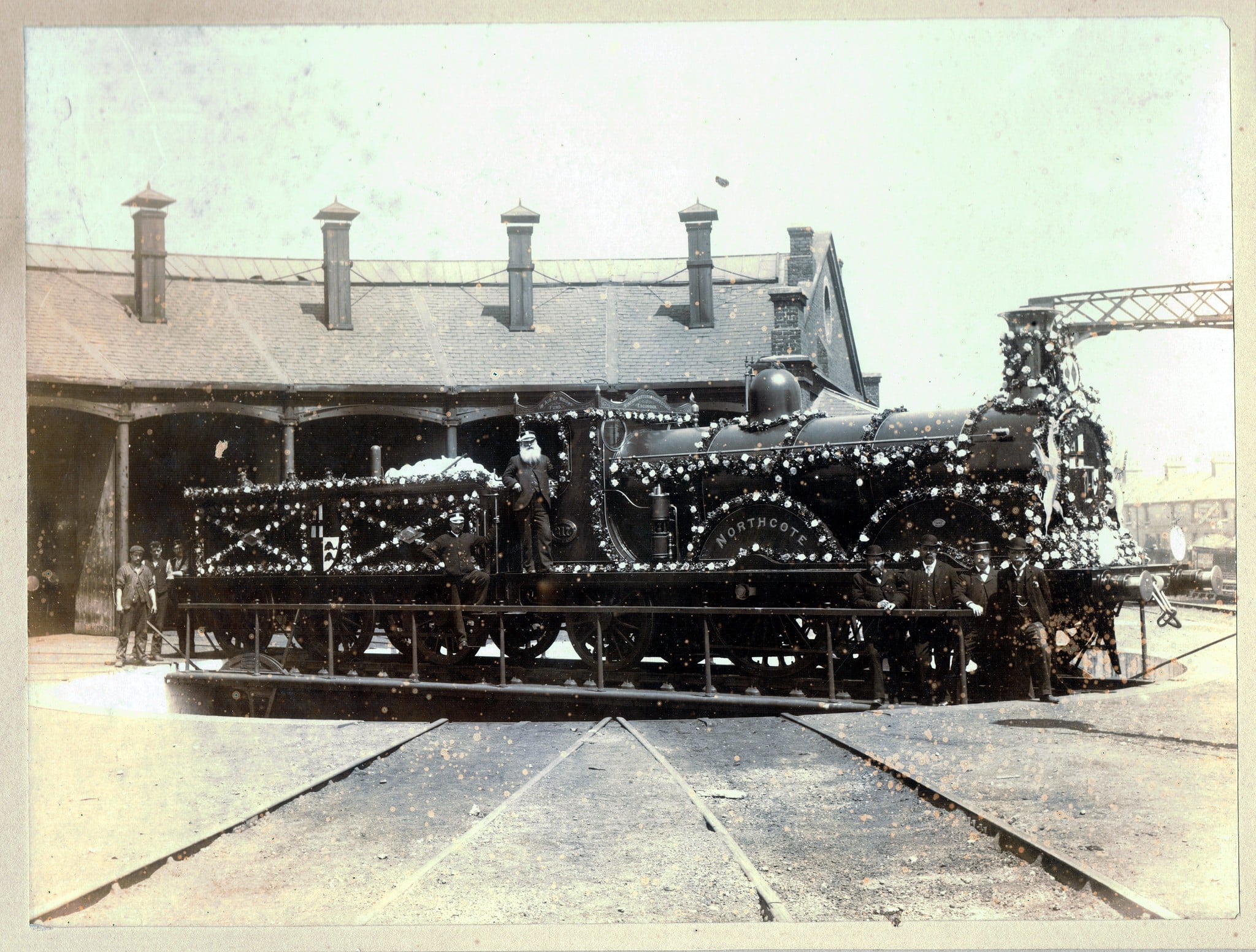
Trains belong on tracks, not lake bottoms. Yet there sits a complete locomotive in Lake Superior, far from any railway line that ever existed.
The engine rests upright, as if it simply drove off dry land into 200 feet of water. The locomotive was being transported by ship when a storm hit. Rather than risk the vessel, the crew made a calculated decision to jettison the heaviest cargo.
What they couldn’t have predicted was how perfectly preserved their sacrifice would remain. The engine looks like it could run tomorrow if someone could figure out how to get it back to the surface.
Prohibition-Era Whiskey Cache
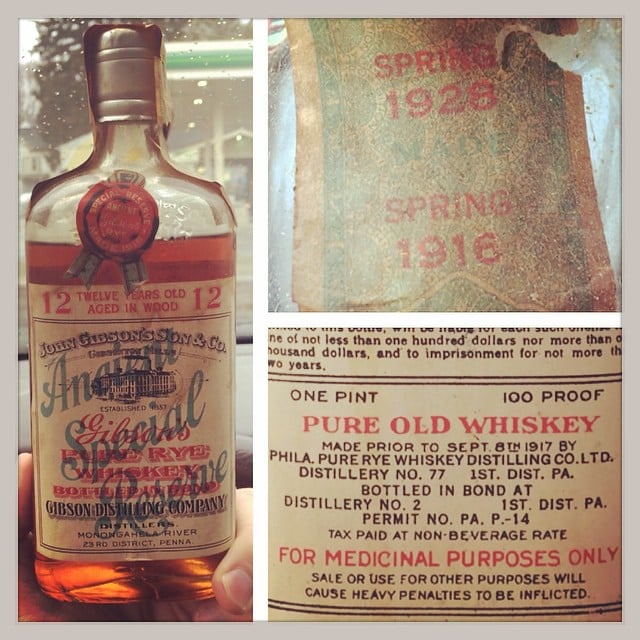
The bottom of Lake Michigan holds enough bootleg whiskey to stock a small speakeasy. Crates upon crates of bottles, sealed and intact, represent someone’s very expensive mistake during Prohibition.
The alcohol inside remains perfectly drinkable, though few divers are willing to test that theory. This discovery paints a picture of the Great Lakes as a major smuggling route during the 1920s.
Boats would run liquor from Canada to thirsty American cities, dodging Coast Guard patrols and rival smugglers. Sometimes they didn’t make it.
The whiskey cache suggests either a shipwreck or a deliberate dump when authorities got too close.
Stone Circles That Predate Stonehenge
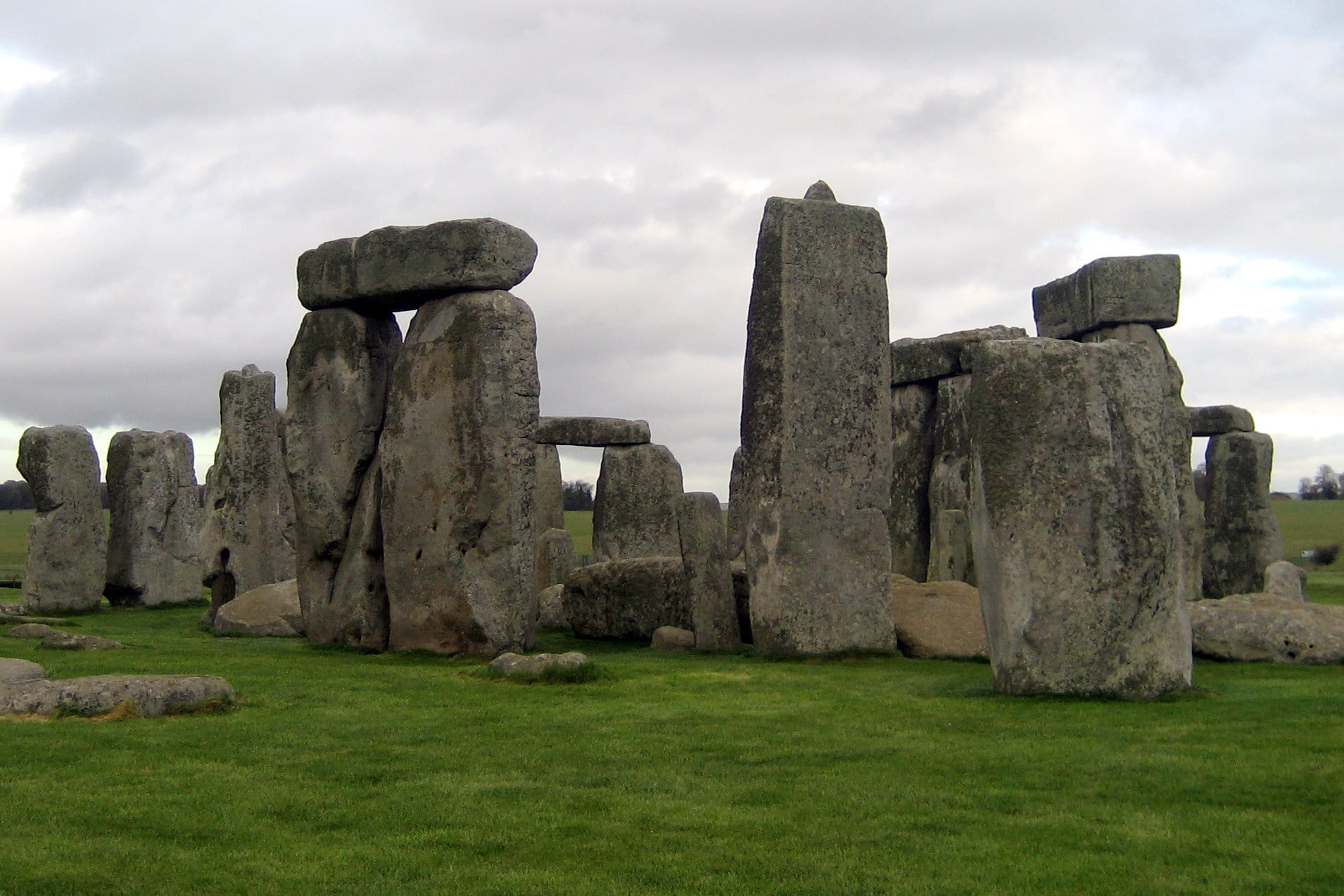
Lake Michigan conceals stone formations that make archaeologists reconsider everything they thought they knew about ancient North American civilizations. These circles, arranged with astronomical precision, are older than Stonehenge and just as mysterious.
They sit in water that was once dry land, placed there by people whose names history never recorded. The stones align with celestial events—solstices, equinoxes, star patterns that guided ancient peoples through their yearly cycles.
But here’s what makes them truly remarkable: the level of sophistication required to create these alignments suggests a culture far more advanced than most textbooks acknowledge.
Perfectly Preserved Forest
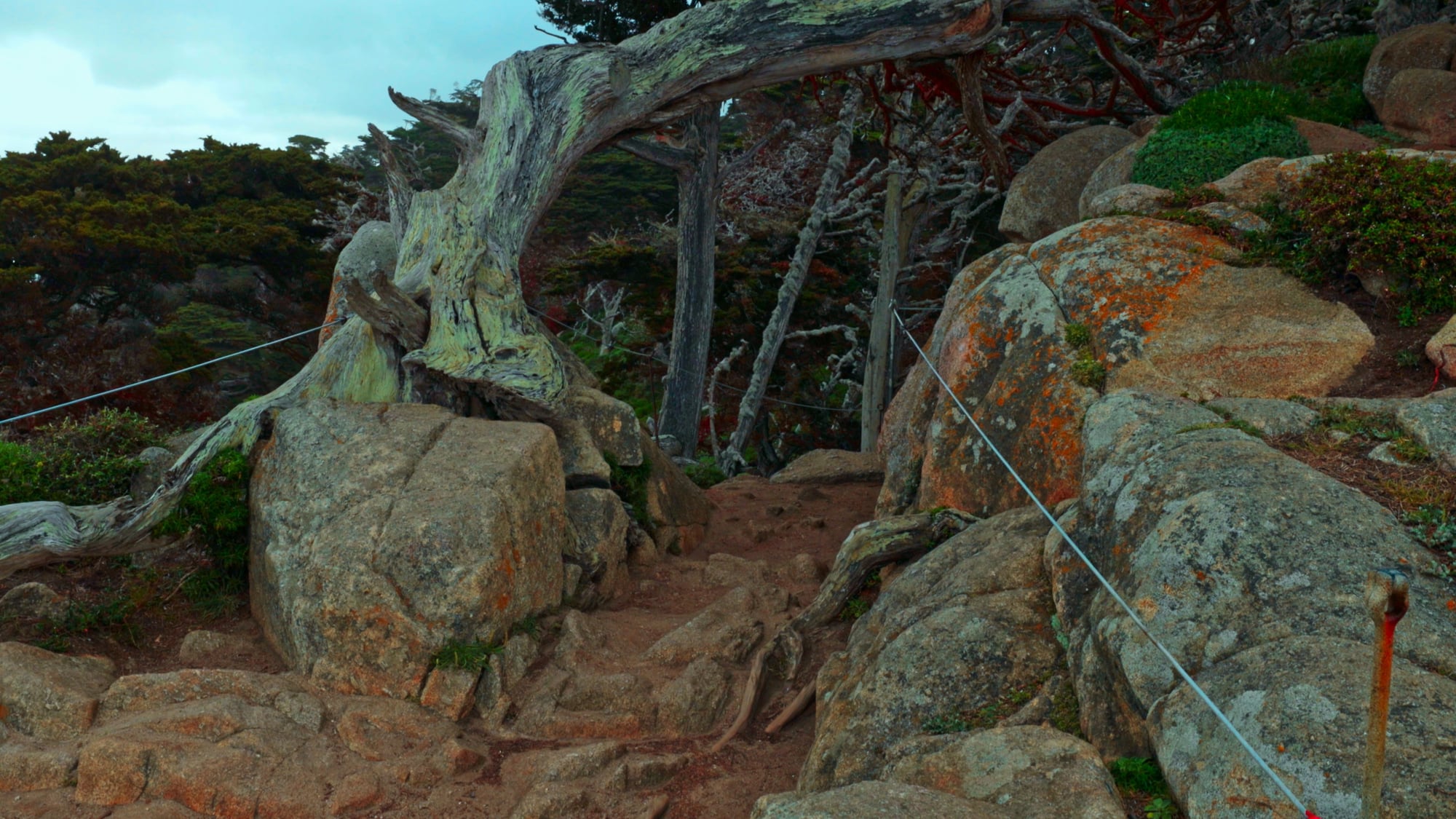
Lake Superior hides an entire forest beneath its waves. Trees stand upright on the bottom, bark intact, branches reaching toward a surface they’ll never touch again.
This isn’t petrified wood—these trees died recently enough that they still look like trees. The forest tells the story of a massive landslide that happened fast enough to preserve everything exactly where it fell.
One day, these trees were growing on dry land. The next, they were underwater monuments to the power of geological change.
Luxury Car From The 1920s

A pristine Duesenberg rests on the bottom of Lake Michigan, chrome still gleaming, leather seats still recognizable. This wasn’t just any car—Duesenbergs were among the most expensive vehicles money could buy in the 1920s.
Finding one underwater is like discovering a Lamborghini in a cornfield. The car’s presence underwater makes no practical sense.
Duesenbergs were too valuable to abandon, too rare to treat carelessly. Yet there it sits, perfectly preserved by the lake’s cold water.
Native American Copper Mining Tools
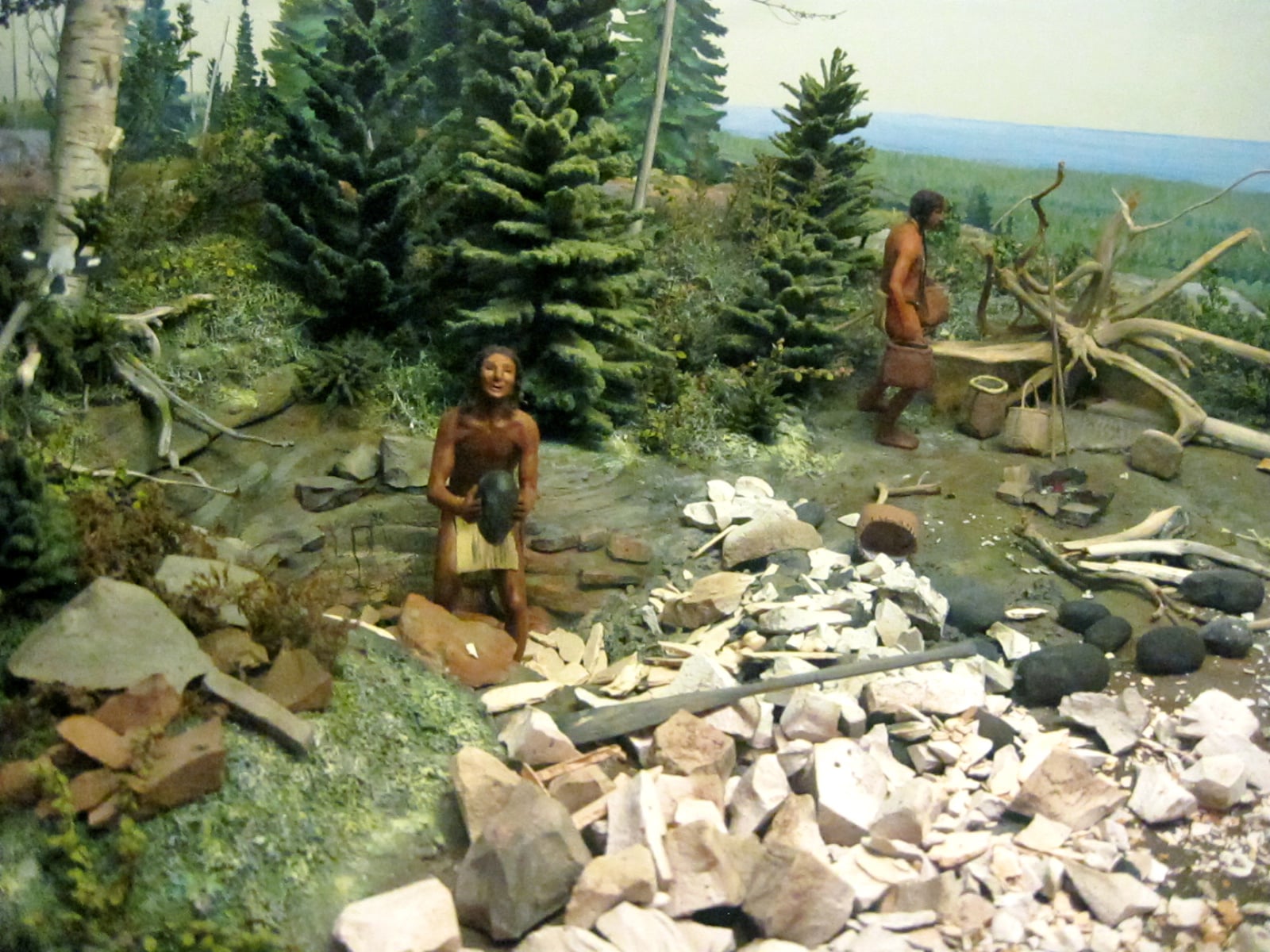
The Great Lakes region was North America’s first industrial zone, and the evidence sits on the bottom of Lake Superior. Copper mining tools, some thousands of years old, tell the story of sophisticated extraction operations that predate European arrival by millennia.
These aren’t crude implements—they’re specialized tools designed for specific tasks by people who understood metallurgy. The scale of ancient copper mining in this region surprises most people.
Native peoples extracted millions of pounds of copper from Isle Royale and the Keweenaw Peninsula, trading it across the continent. The tools found underwater represent just a fraction of this industry, but they’re enough to prove that complex commerce existed here long before Columbus set sail.
Sunken Grain Elevator
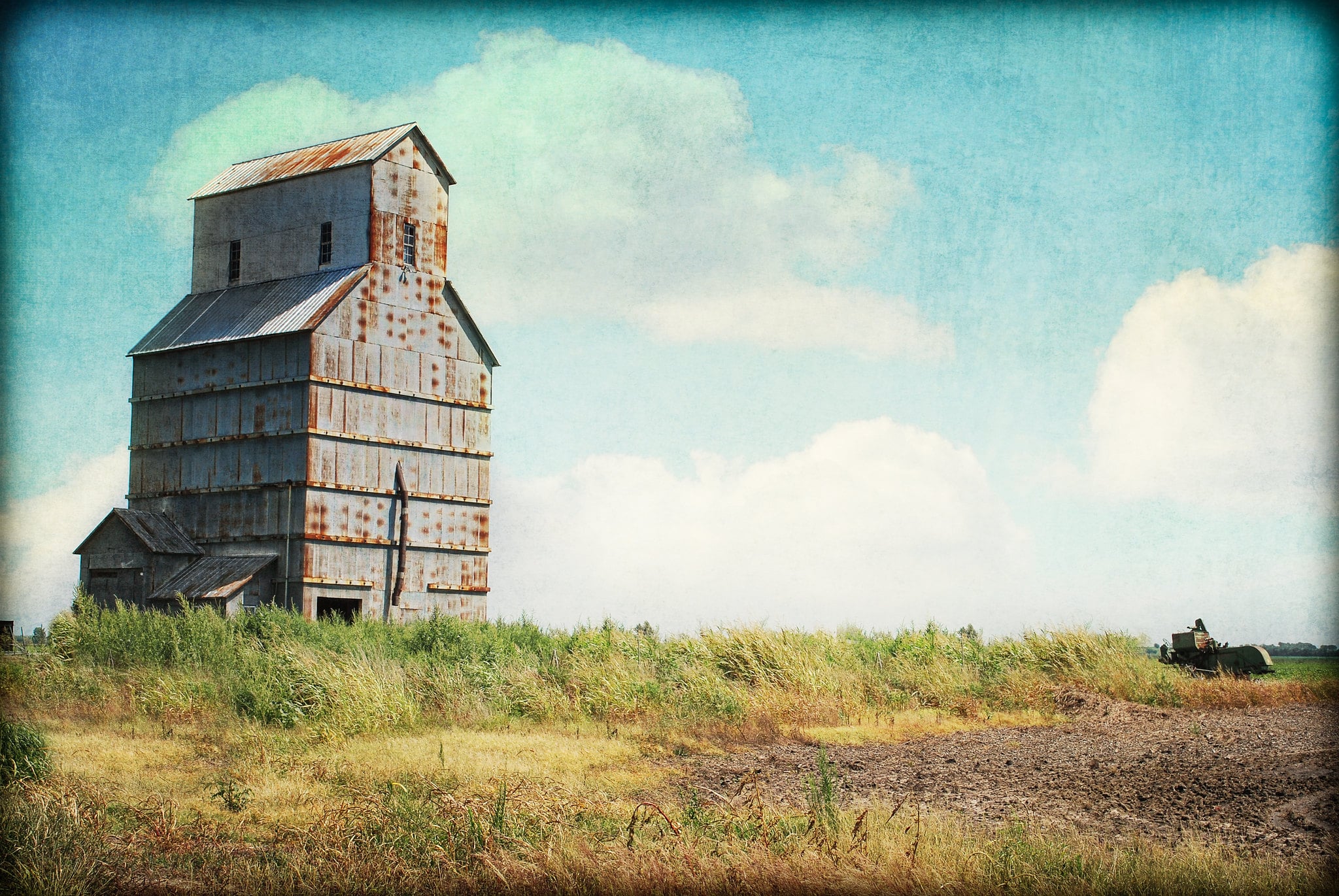
Grain elevators belong in ports, not at the bottom of lakes. This one sits intact in Lake Huron, a testament to engineering ambitions that exceeded practical limitations.
The structure was being moved by barge when weather turned bad and decisions went worse. The elevator now serves as an artificial reef, home to fish that never expected to live inside industrial architecture.
Its presence underwater seems almost intentional, as if someone decided the lake needed a monument to agricultural commerce.
Antique Safe Still Locked
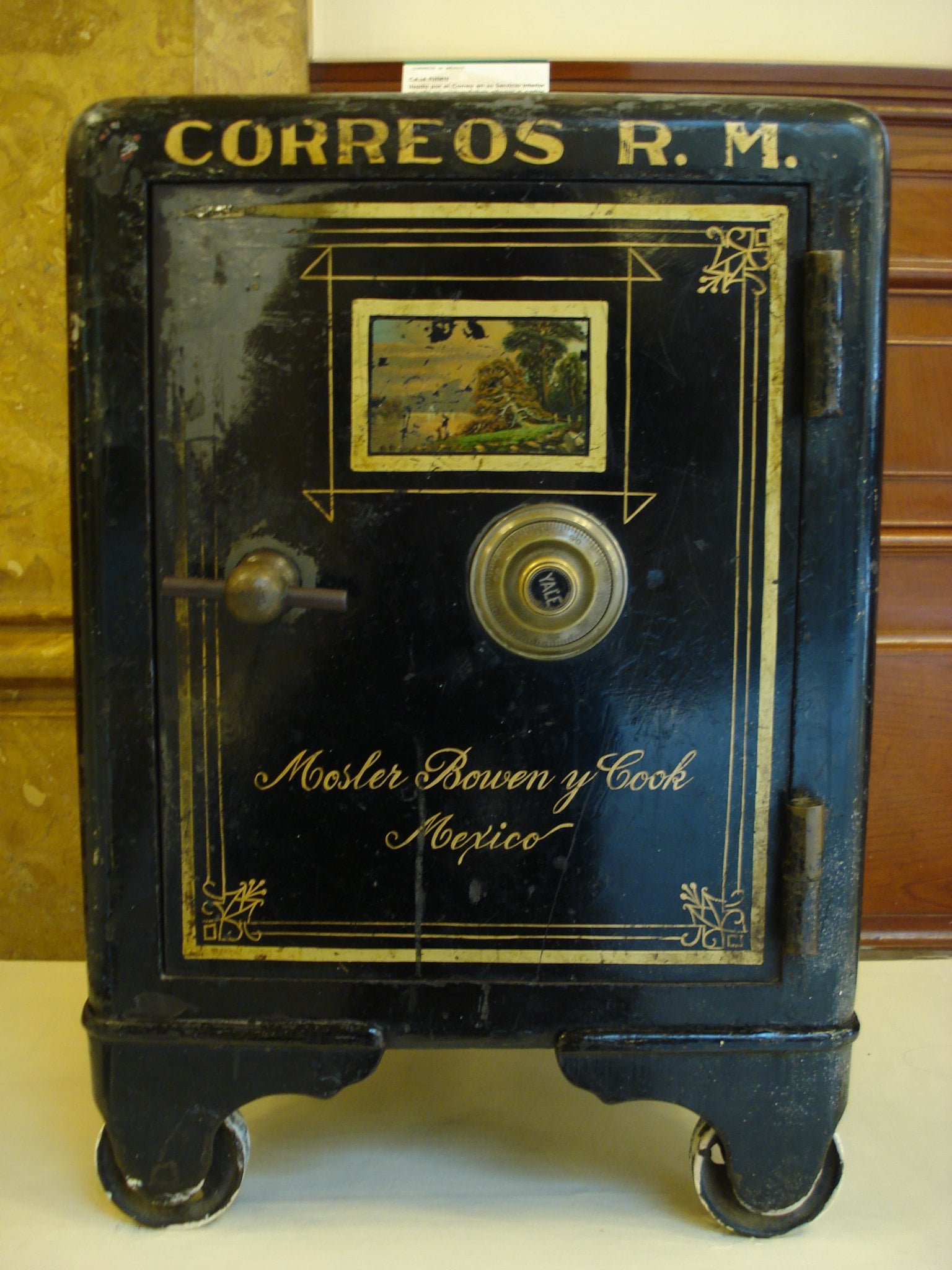
A bank safe sits on the bottom of Lake Superior, combination unknown, contents mysterious. The safe is old enough that whatever’s inside probably isn’t legal tender anymore, but that hasn’t stopped people from speculating about what it might contain.
Cash, gold, documents—all preserved by cold water and steel walls designed to protect against everything except being dropped into a lake. The safe’s presence suggests a story involving either transport gone wrong or crime gone right.
Banks didn’t typically ship safes still loaded with valuables, which means this one either fell off a ship accidentally or was dumped there deliberately. The combination died with whoever knew it, leaving the safe’s secrets locked away indefinitely.
Collection Of Vintage Motorcycles
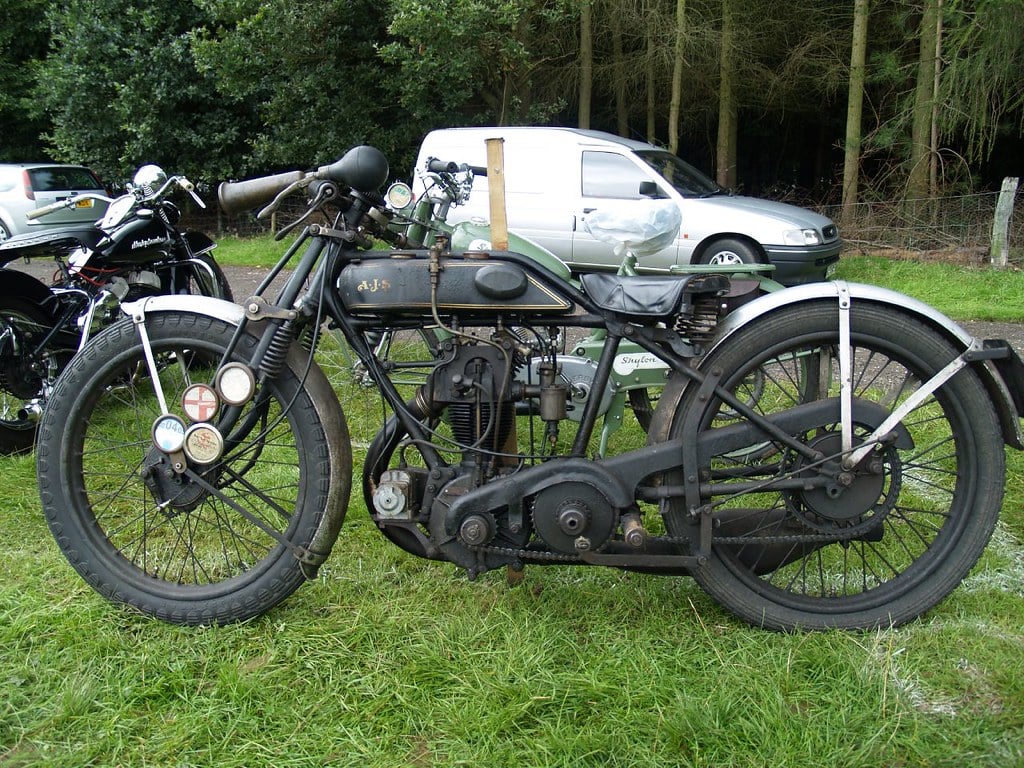
Motorcycles don’t swim, but someone apparently thought these should try. A collection of vintage bikes sits bundled together on the lake bottom, as if someone decided to create the world’s most expensive artificial reef.
The motorcycles are tied together, suggesting this wasn’t an accident but a deliberate disposal. The bikes date to different eras, from early Harley-Davidsons to post-war Indians.
This wasn’t someone’s single prized possession—it was an entire collection.
Ship’s Bell From An Unknown Vessel
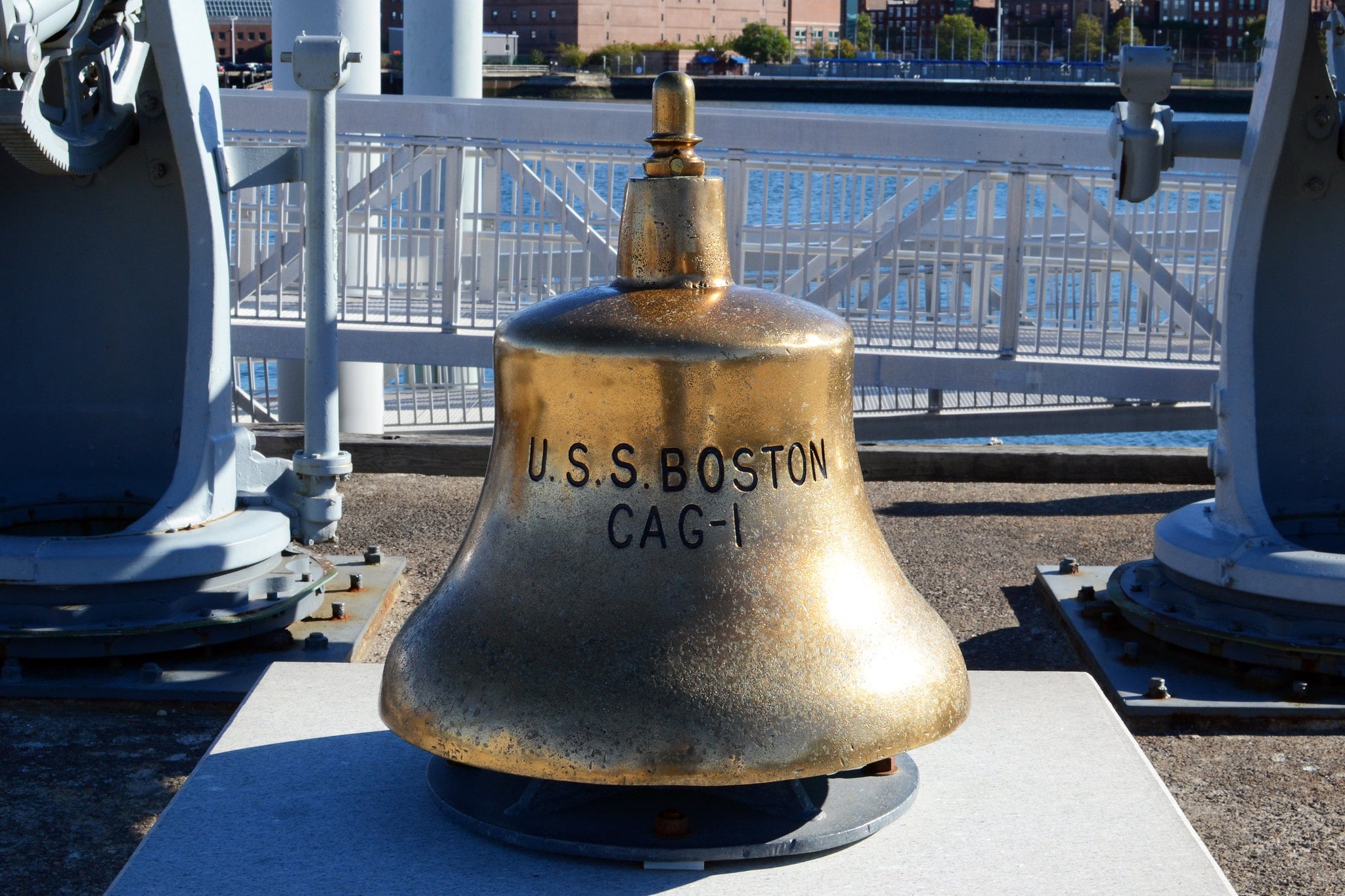
A ship’s bell sits alone on the lake bottom, disconnected from any vessel. The bell bears no identifying marks, no ship’s name, no date of manufacture.
It’s just a bell, perfectly preserved, waiting for someone to ring it in a place where no one can hear the sound it would make. Ship’s bells don’t typically survive wrecks alone—they’re usually attached to ships, which leave debris fields when they sink.
This one sits by itself, as if it fell from the sky or was placed there deliberately.
Antique Printing Press
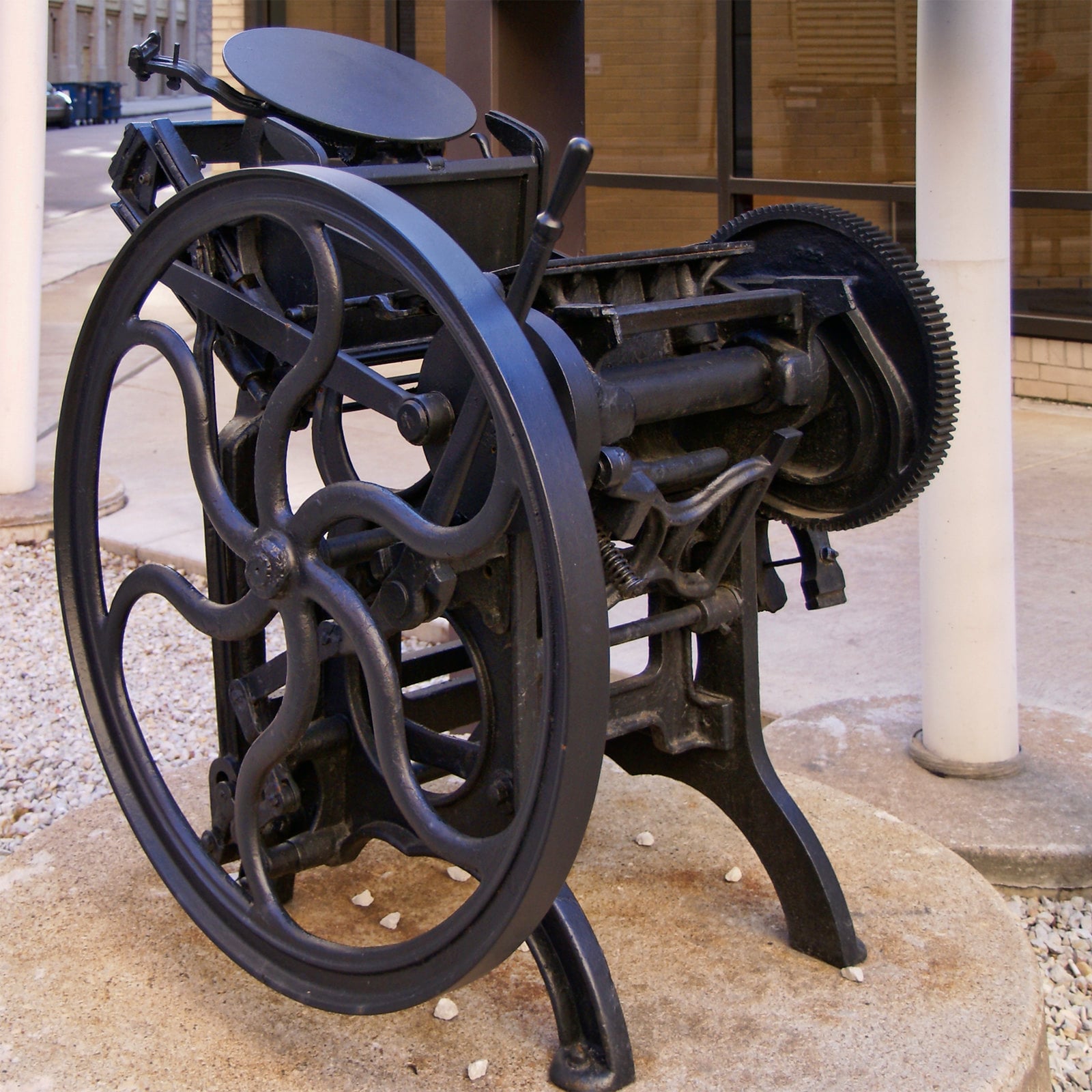
Someone’s printing press sits on the bottom of one of the Great Lakes, type still set, ready to print newspapers that no one will ever read. The press is old enough to be hand-operated, the kind of machine that produced small-town newspapers when news traveled slowly and printing was still considered somewhat magical.
Moving a printing press requires significant effort—these machines weigh hundreds of pounds and don’t travel well under the best circumstances. Finding one underwater suggests either a shipping accident or a very determined effort to dispose of evidence.
Bathtub Made Of Solid Copper
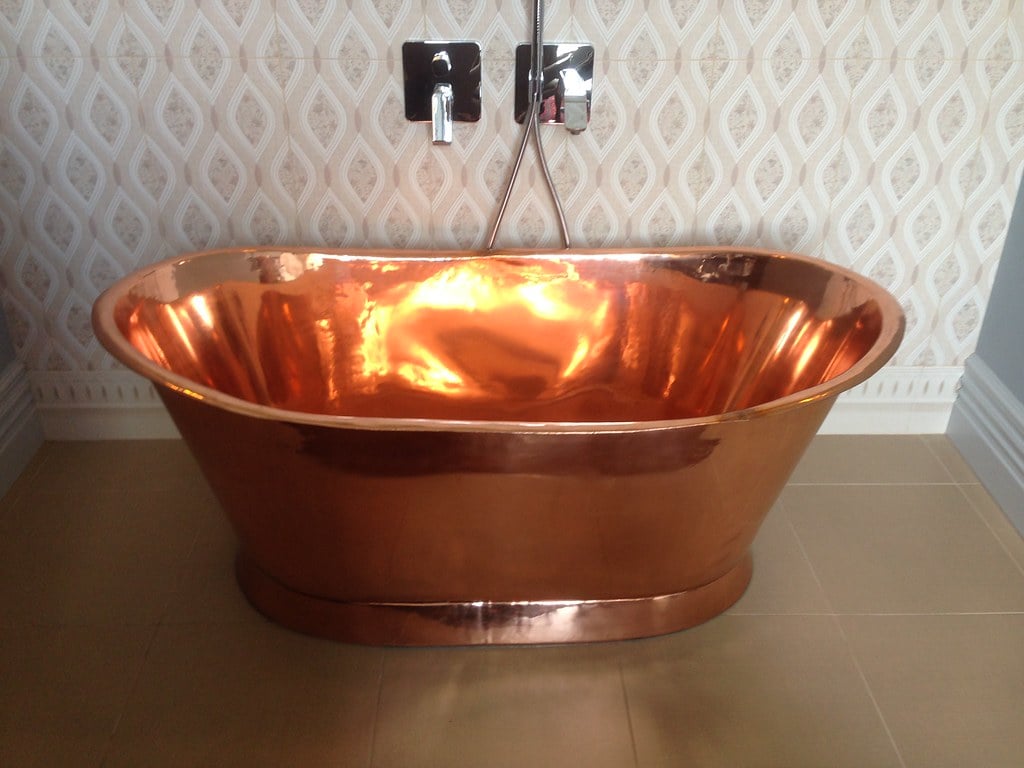
A copper bathtub rests on the lake bottom like someone decided to take luxury bathing to an impossible extreme. The tub is large enough for two people and ornate enough to belong in a mansion.
Copper bathtubs were expensive when they were popular, and this one was clearly custom-made for someone with particular ideas about how bathing should be done. The tub’s presence underwater makes no practical sense. These weren’t mass-produced items that someone would casually discard.
The most reasonable explanation involves a shipping accident, though why anyone would ship a copper bathtub across the Great Lakes remains unclear.
Stained Glass Windows From A Cathedral
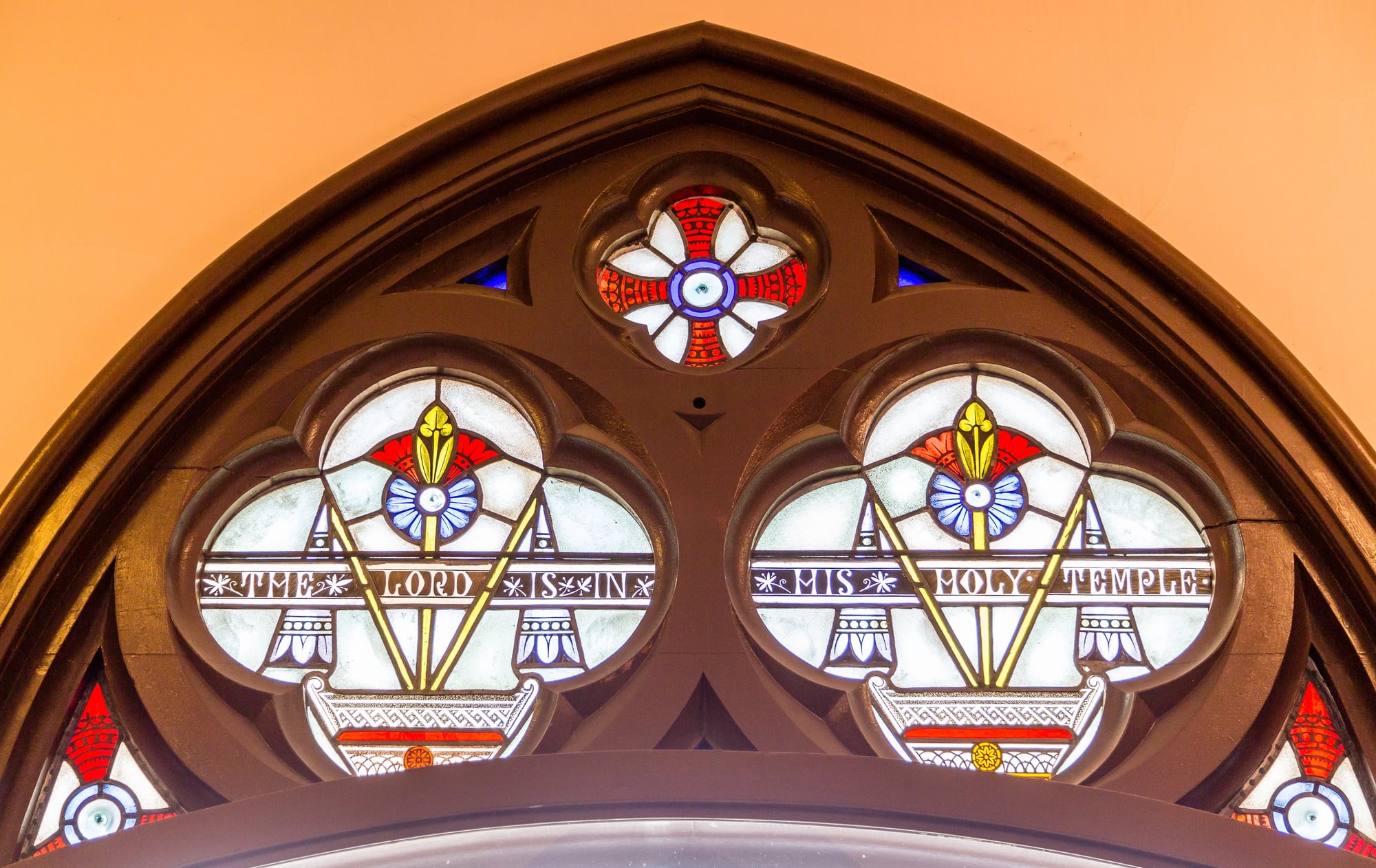
Cathedral windows rest on the lake bottom, their colors still vibrant despite decades underwater. The glass depicts religious scenes in detail that suggests they came from a significant church, not a small-town chapel.
Each panel is intact, as if someone carefully removed them from their original setting before they ended up underwater. Stained glass windows don’t typically leave churches unless the building is being demolished or renovated.
These windows suggest either a church that was relocated or destroyed, with the windows being transported elsewhere when disaster struck.
Stories Written In Water
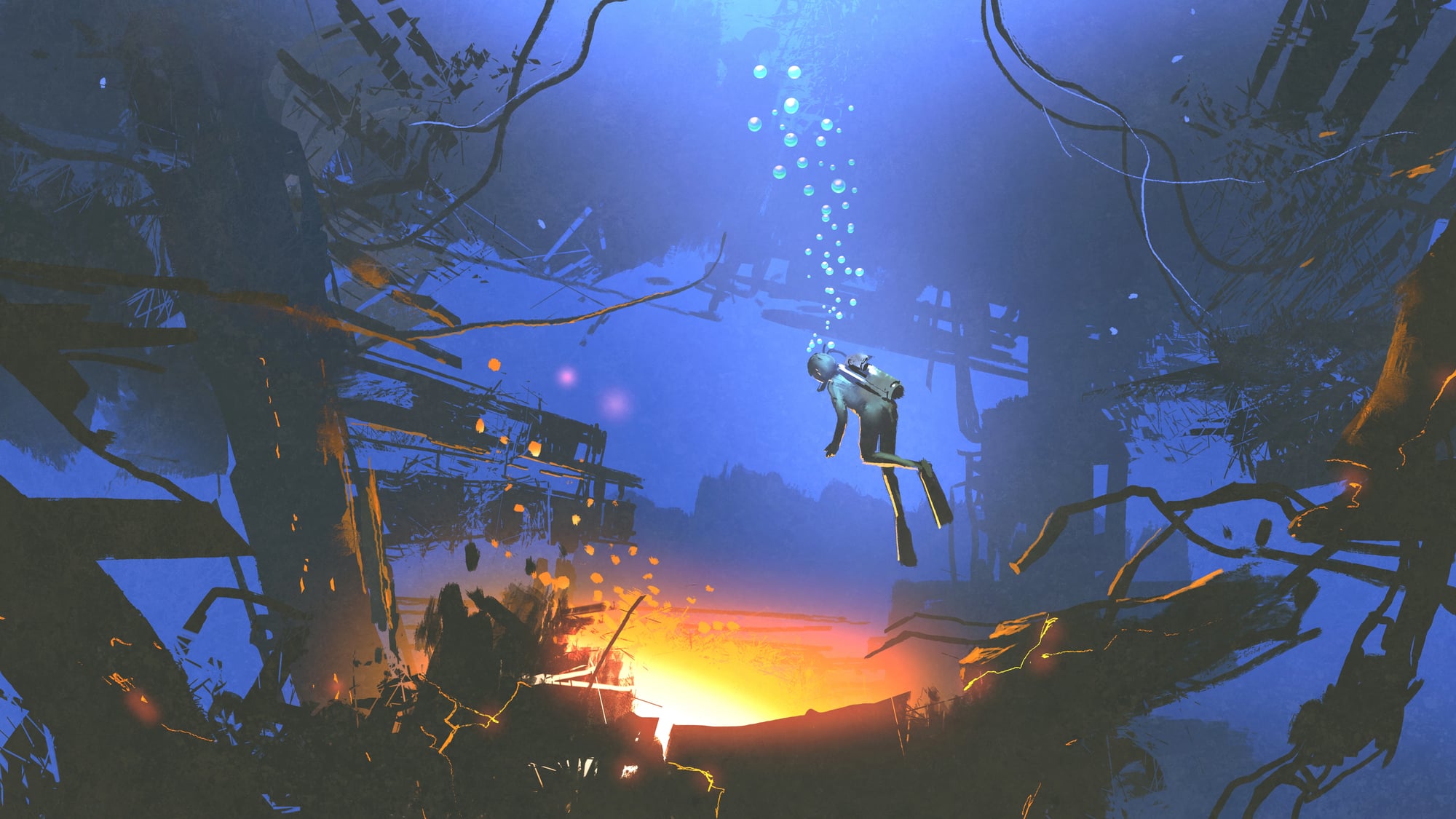
These discoveries prove that the Great Lakes function as North America’s largest archive, preserving stories that would have been lost anywhere else. The cold, fresh water acts as a museum curator, keeping artifacts intact long enough for modern divers to find them and wonder how they got there.
Each item represents a moment when human plans met natural forces and natural forces won. What makes these finds remarkable isn’t just their preservation—it’s their randomness. The lakes don’t discriminate between valuable and worthless, important and trivial.
They preserve everything equally, creating an underwater collection that no curator would ever deliberately assemble.
More from Go2Tutors!

- The Romanov Crown Jewels and Their Tragic Fate
- 13 Historical Mysteries That Science Still Can’t Solve
- Famous Hoaxes That Fooled the World for Years
- 15 Child Stars with Tragic Adult Lives
- 16 Famous Jewelry Pieces in History
Like Go2Tutors’s content? Follow us on MSN.