Unique Cultural Habits From Around The World That Are Disappearing
The grandmother’s hands move with practiced certainty across the silk threads, creating patterns that carry stories older than memory. Her granddaughter sits nearby, scrolling through her phone, occasionally glancing up but never quite absorbing the rhythm of the ancient craft.
This scene plays out in countless variations across the globe — traditions that once defined entire communities now hanging by threads as thin as the ones being woven. These cultural habits aren’t just quaint customs or tourist attractions.
They’re the living DNA of human societies, encoding centuries of wisdom, community bonds, and ways of understanding the world that can’t be found in textbooks or Google searches. Yet many are vanishing faster than species in a rainforest, disappearing not through force or prohibition, but through the quiet erosion of time and changing priorities.
Letter Writing By Hand

People stopped writing letters the day email felt normal. Not gradually — suddenly.
One day there were drawers full of handwritten correspondence, the next day there were empty stationery boxes gathering dust in closets. The loss cuts deeper than convenience.
Handwritten letters required commitment. You couldn’t fire off angry thoughts and regret them later.
Every word had weight because crossing out and starting over meant real work. The pause between thought and expression filtered out the noise, leaving only what mattered enough to put pen to paper.
Tea Ceremony Traditions

Tea ceremonies represent something modern life has almost completely abandoned: the idea that slowing down creates value rather than destroying it. In Japan, China, and Morocco, these rituals transform a simple beverage into meditation, hospitality, and art rolled into one experience.
The movements follow patterns refined over centuries (each gesture carrying meaning that extends far beyond efficiency), and the participants understand that the tea itself isn’t really the point — the ceremony creates space for connection in a world that has forgotten how to sit still. But learning these traditions requires time that few people feel they can spare, and masters of the art find fewer students each year who can commit to something that serves no obvious practical purpose.
So the knowledge moves from common practice to cultural museum piece, performed for tourists rather than lived as daily ritual.
Oral Storytelling In Native Communities
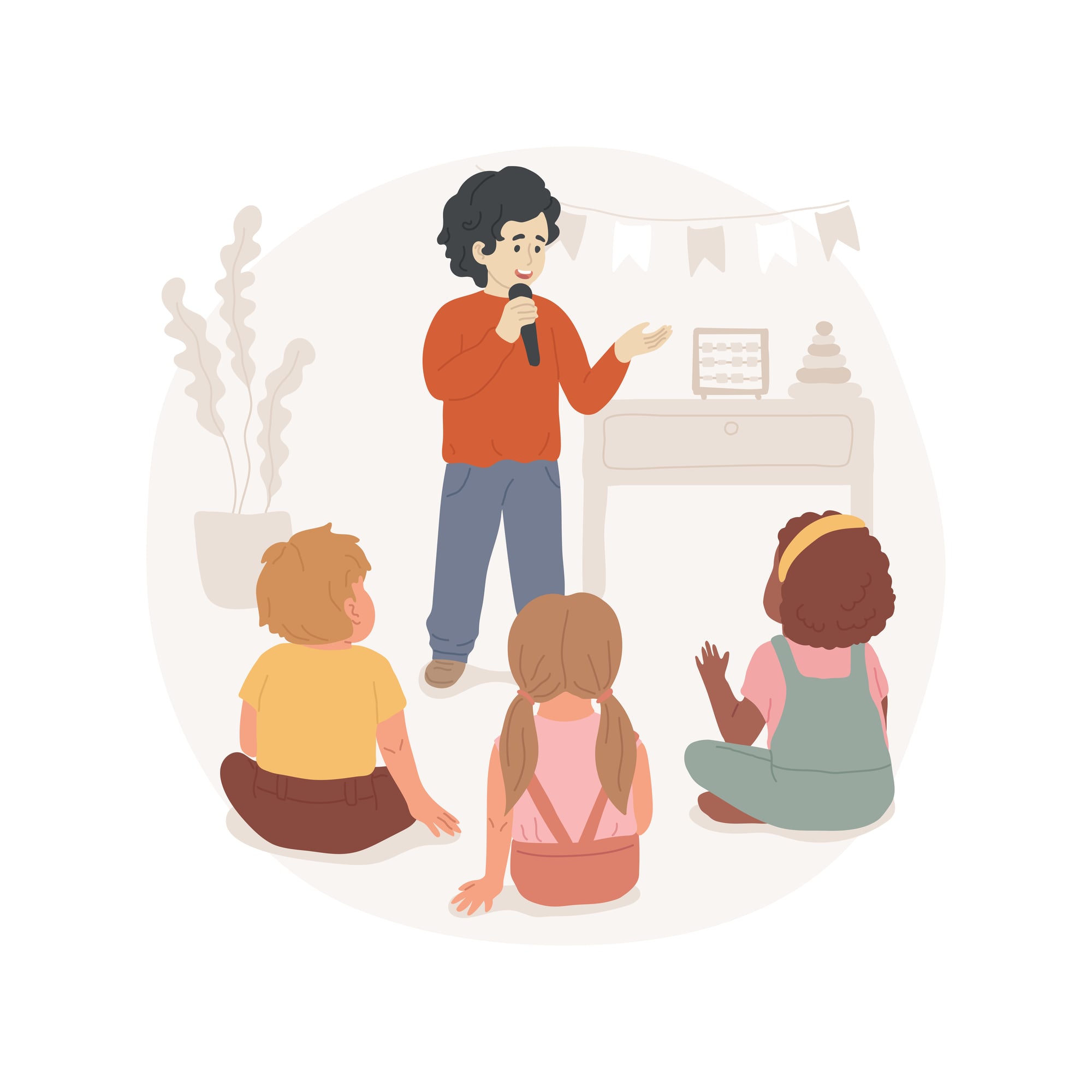
Stories used to be how entire civilizations remembered who they were. Not written down, not recorded — spoken aloud, passed from elder to child like precious heirlooms that gained weight with each telling.
The storyteller wasn’t just reciting facts; they were keeping the spiritual and cultural DNA of their people alive through voice, gesture, and the electric connection between speaker and listener. These oral traditions carry information that can’t be captured any other way.
The pause before a certain phrase, the way the storyteller’s voice drops when ancestors are mentioned, the audience’s collective intake of breath at a familiar turning point. When the last fluent speaker of a language dies, entire ways of understanding the world vanish with them.
It’s like libraries burning, except the books were never written down in the first place.
Traditional Apprenticeship Systems
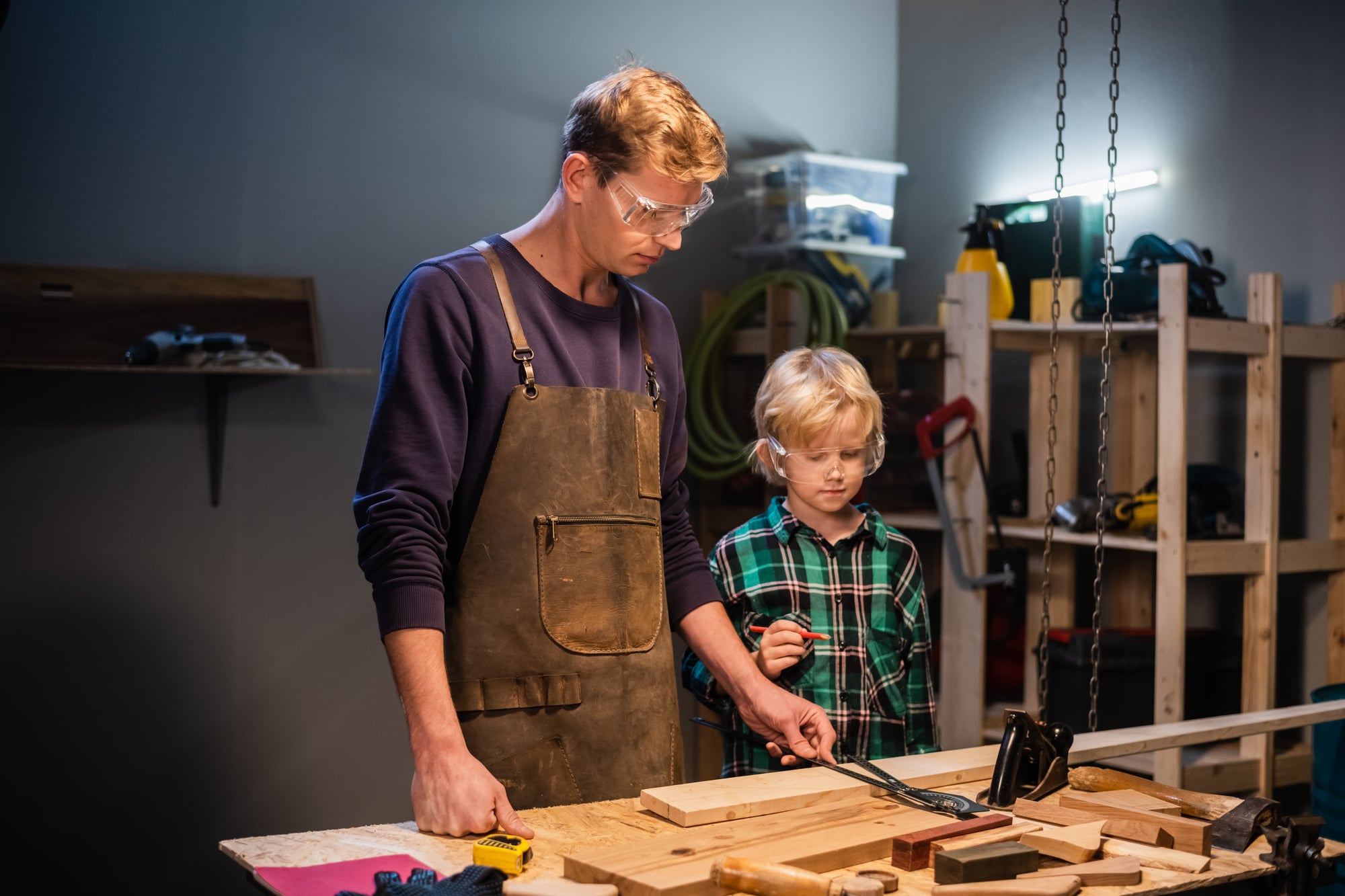
Apprenticeships used to mean something specific: years of watching, practicing, failing, and slowly absorbing not just techniques but the deeper wisdom that separated craftsmen from people who simply knew how to use tools.
The apprentice didn’t just learn to build furniture or forge metal. They learned patience, attention to detail, and the satisfaction of creating something that would outlast their own lifetime.
The master craftsman passed along not just skills but an entire philosophy of work and quality. YouTube tutorials and online courses offer information, but they can’t replicate the experience of standing next to someone who has spent decades perfecting their craft, feeling their frustration when you make the same mistake for the tenth time, earning their nod of approval when you finally get it right.
Communal Harvesting And Barn Raising
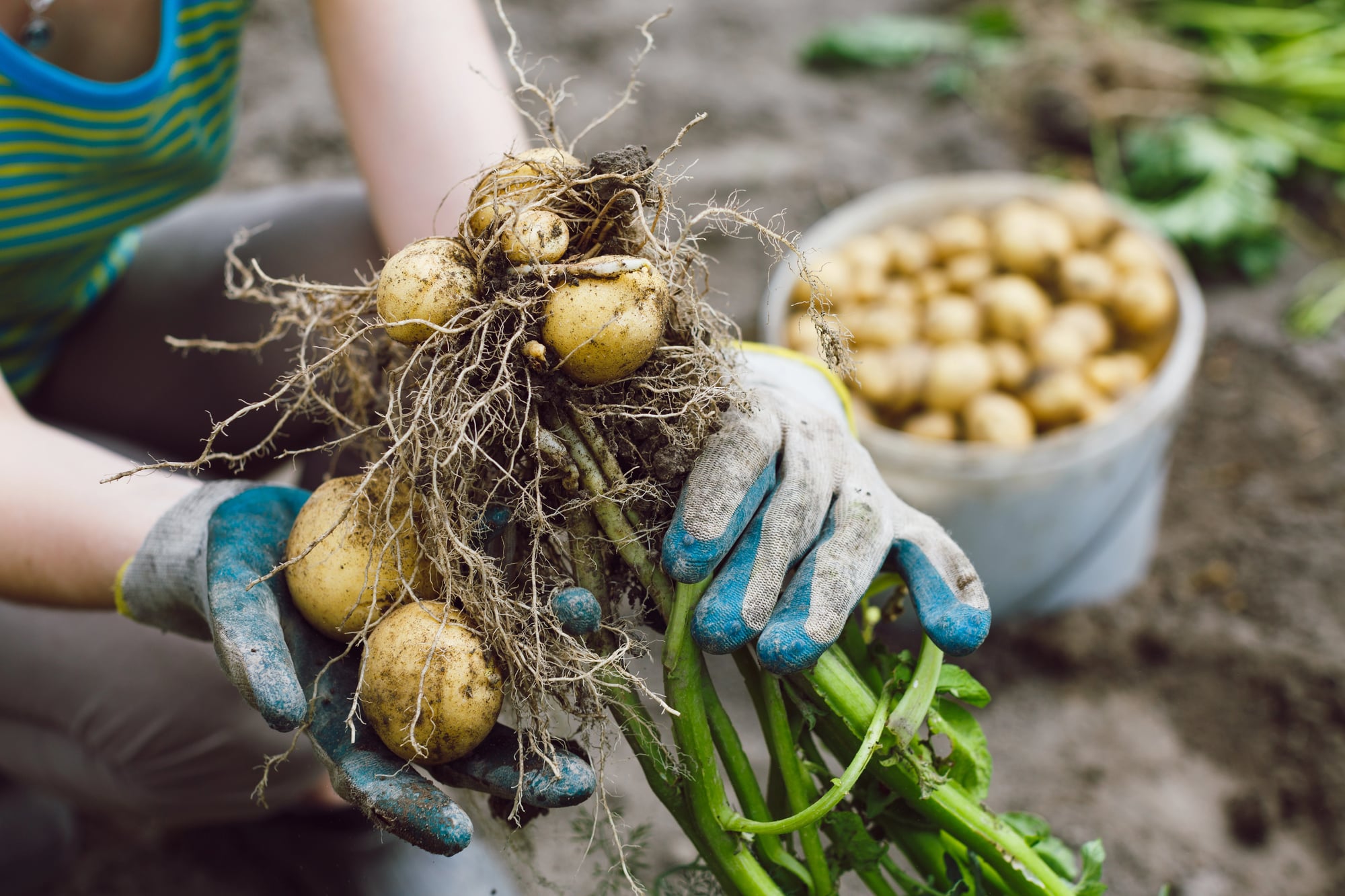
There’s a particular kind of exhaustion that comes from working alongside your neighbors to bring in a harvest or raise a barn in a single day. Your back aches, your hands are raw, but something feels right about the world when everyone shows up because the work needs doing and that’s what communities do.
These gatherings weren’t just about getting tasks done efficiently — though they were efficient in ways that paid labor can’t match. They were about reinforcing the bonds that held rural communities together.
Everyone understood that help given would be help received when their turn came. The work was hard, but it was shared, and the shared effort created relationships that lasted lifetimes.
Modern life offers plenty of convenience, but it’s hard to replicate the satisfaction of knowing your neighbors well enough to work beside them in comfortable silence, each person instinctively knowing their role in the larger effort.
Traditional Food Preservation Methods
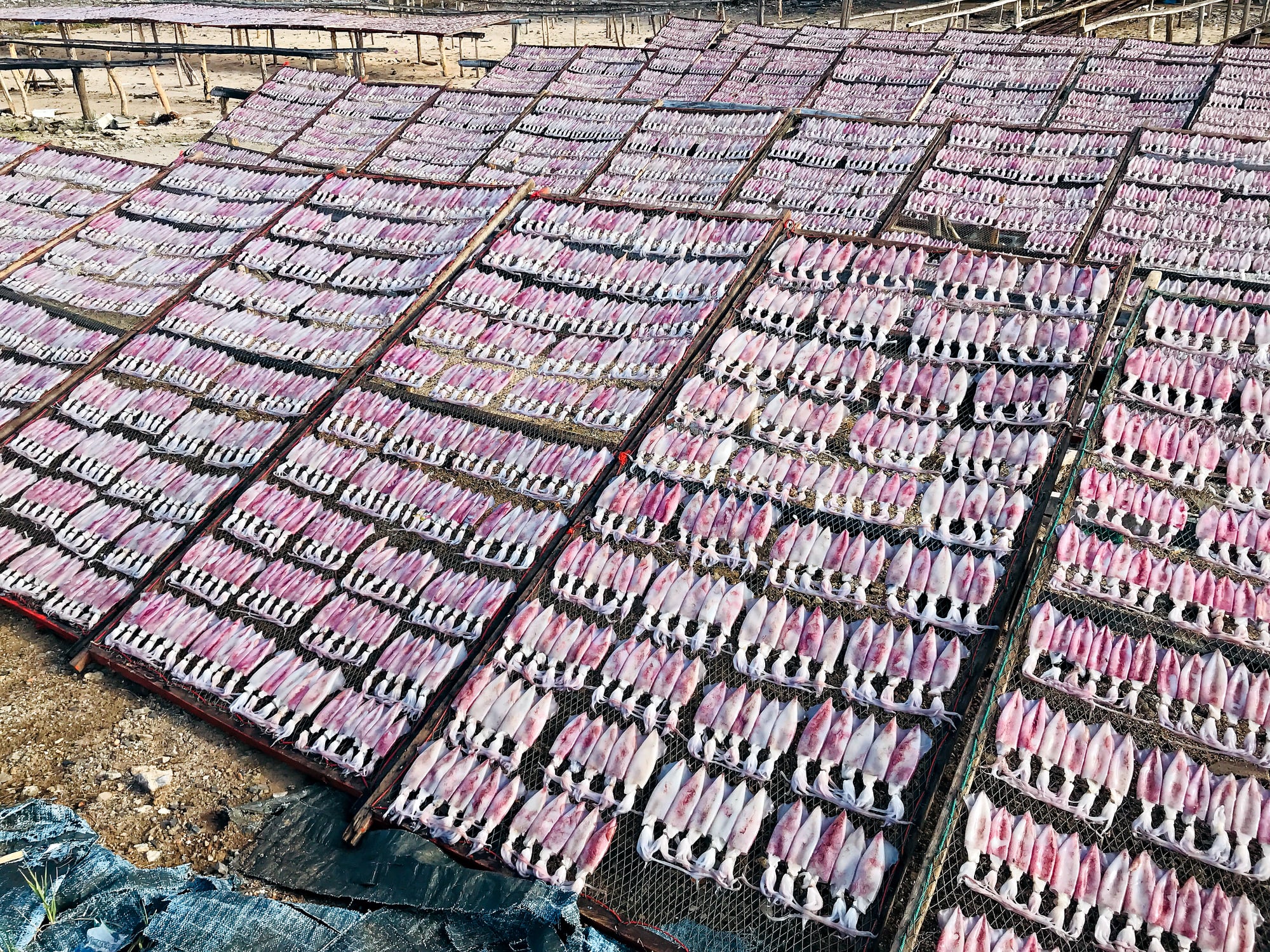
Salt-curing meat, fermenting vegetables, smoke the fish — these weren’t quaint hobbies but survival skills that kept families fed through long winters and lean times. Every culture developed methods perfectly suited to their climate and available resources, creating flavors that industrial food production has never quite managed to replicate.
The knowledge went beyond technique. People understood seasonal rhythms, knew when certain foods were ready for preservation, could tell by smell and touch when fermentation was proceeding correctly.
Grandmothers passed along not just recipes but an entire relationship with food that treated it as precious rather than disposable. Refrigeration and global supply chains made these skills unnecessary for survival, but their disappearance has left us with something less nourishing than what we gained in convenience.
Village Matchmaking Traditions

Before dating apps reduced human connection to a swipe, communities had intricate systems for bringing compatible people together. Village matchmakers, family networks, and seasonal festivals created opportunities for young people to meet while embedded in the social fabric that would support their eventual marriages.
These systems weren’t perfect — they often reinforced social hierarchies and limited individual choice in ways that modern sensibilities rightly reject. But they also understood something that contemporary dating culture has forgotten: lasting relationships require more than individual attraction.
They need community support, shared values, and the kind of deep compatibility that’s difficult to assess during a coffee date with a stranger. The matchmakers knew the families involved, understood temperaments and needs, and had a stake in successful pairings because they’d be living alongside the results.
It was courtship as community investment rather than individual entertainment.
Seasonal Celebration Rituals
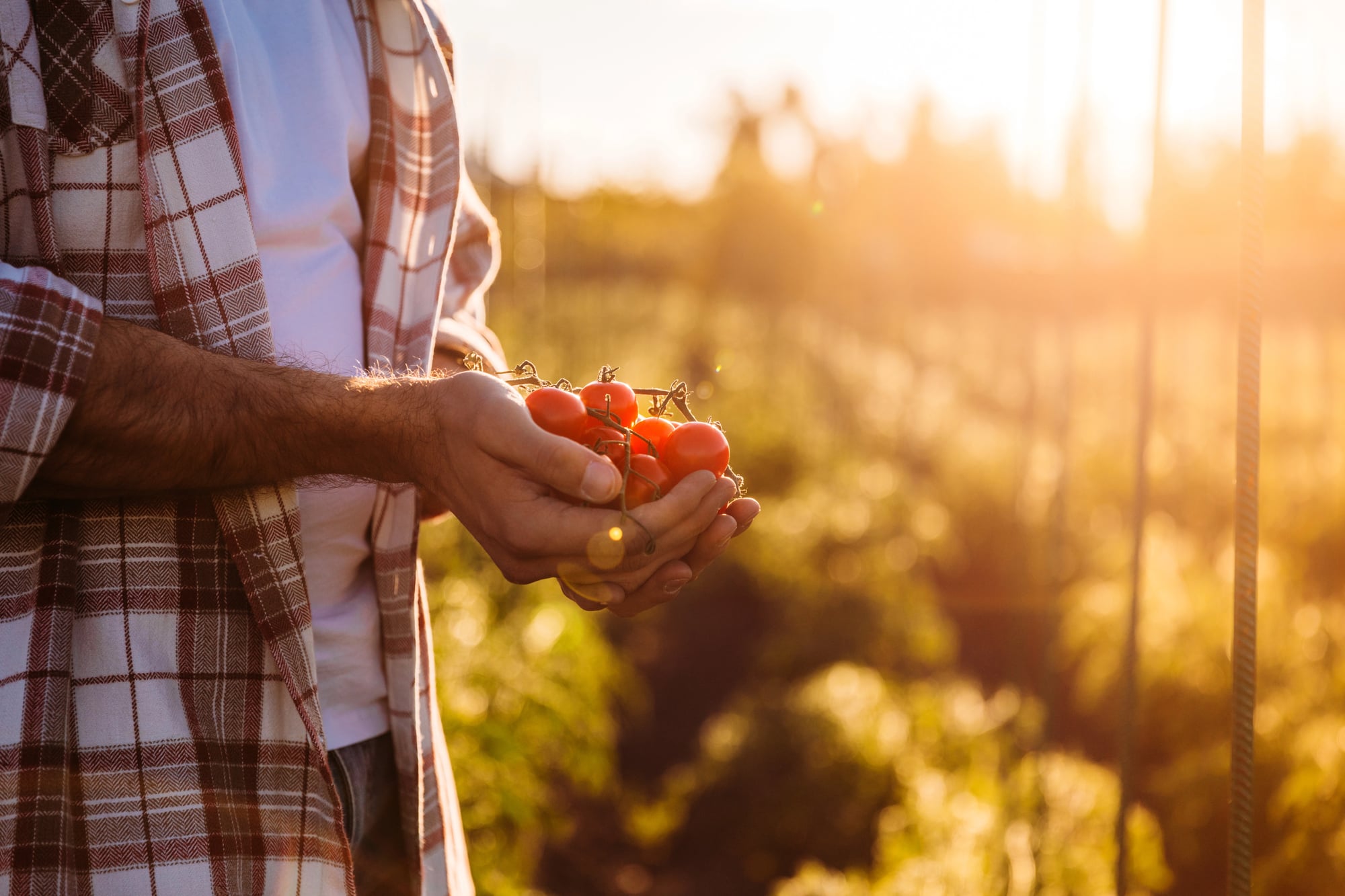
The calendar used to pulse with meaning. Harvest festivals, solstice celebrations, spring planting ceremonies — each season brought rituals that connected communities to natural rhythms and each other.
These weren’t just parties but acknowledgments of humanity’s place in larger cycles of growth, death, and renewal. The celebrations created anticipation throughout the year and gave people shared experiences that bonded them across generations.
Children learned their culture’s values through participation rather than instruction, absorbing the community’s understanding of time, abundance, gratitude, and continuity. Modern holidays often feel hollow by comparison — commercial rather than communal, focused on consumption rather than connection.
The old seasonal rituals anchored people in something larger than themselves, providing meaning that transcended individual concerns.
Traditional Healing Practices
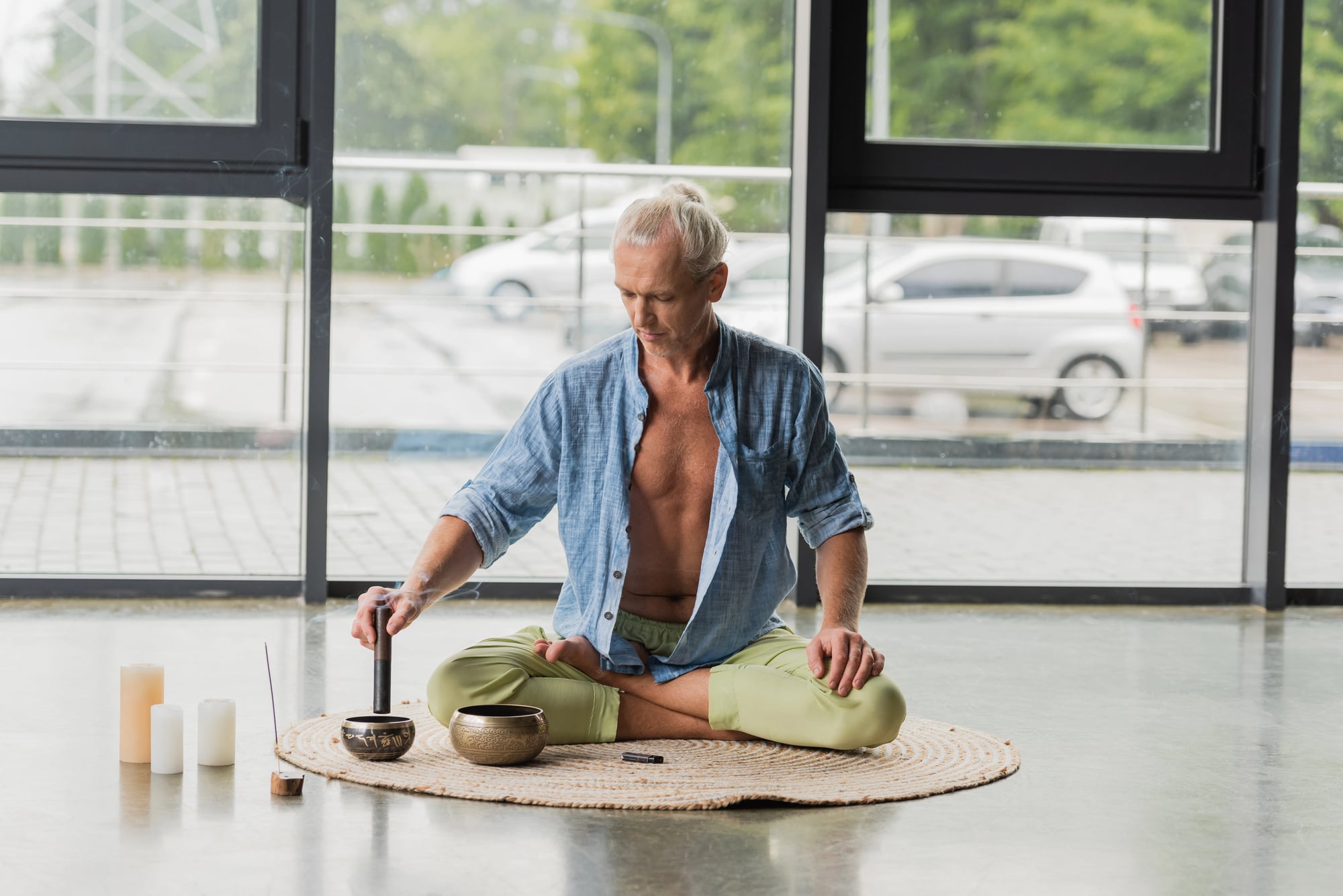
Traditional healers understood that illness affects more than just the body — it disrupts relationships, spiritual balance, and community harmony. Treatment involved not just addressing symptoms but restoring the patient’s place in the social and natural world through ceremony, plant medicine, and communal support.
This approach wasn’t anti-scientific; it was holistic in ways that modern medicine is only beginning to rediscover. The healer knew the patient’s family history, understood their role in the community, and could address the emotional and spiritual dimensions of illness alongside the physical symptoms.
Many traditional remedies have proven scientifically valid, but the knowledge is often embedded in complex cultural contexts that can’t be easily extracted and packaged. When traditional healers die without passing on their knowledge, centuries of accumulated wisdom about the relationship between plants, bodies, and healing disappears with them.
Textile And Fiber Arts Mastery
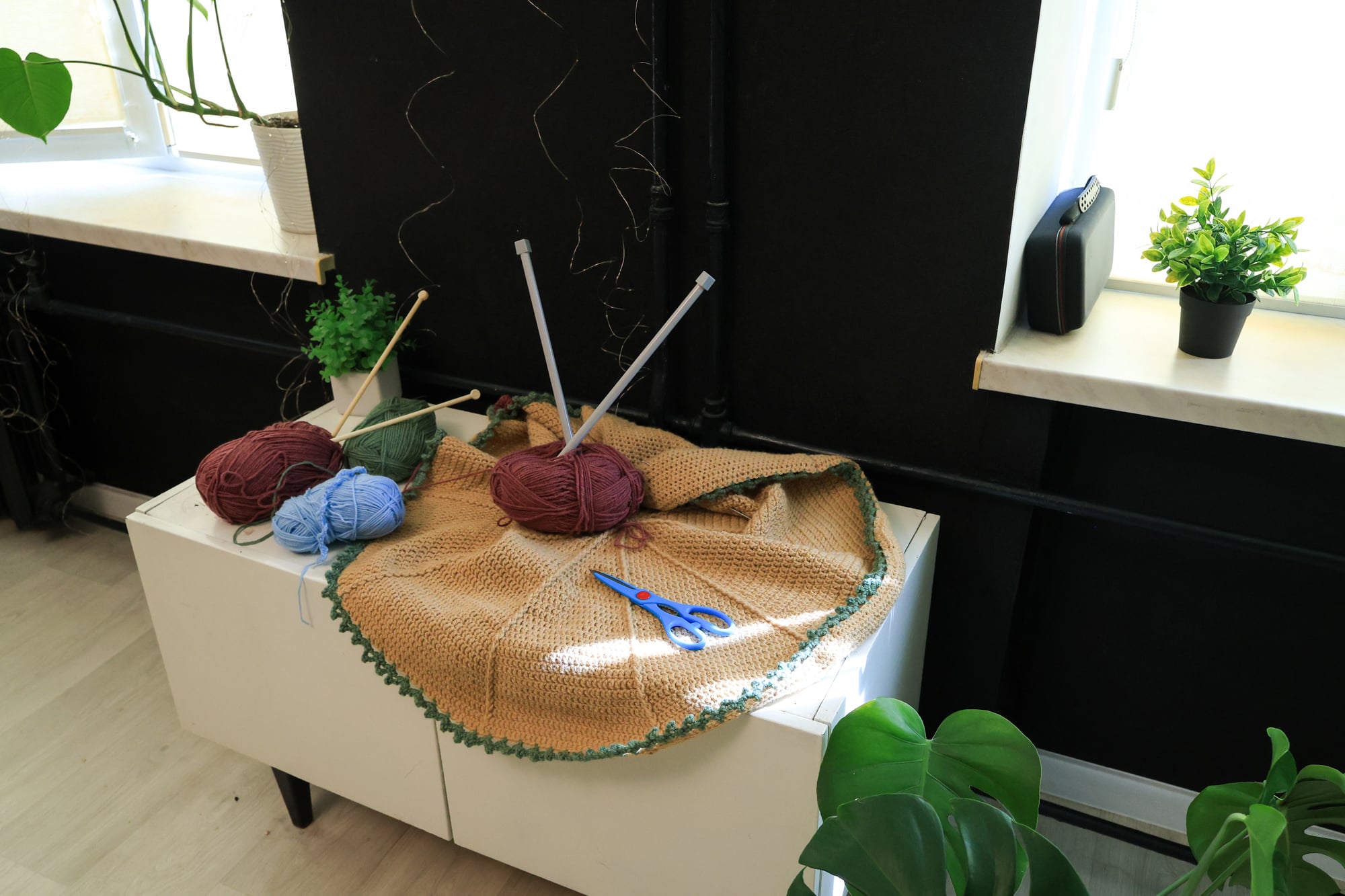
Hand-spinning wool, weaving cloth, creating intricate embroidery — these skills once meant the difference between having clothes and going without. Every culture developed distinctive techniques and patterns that identified not just individual craftspeople but entire regions and communities.
The work required extraordinary patience and skill, but it also provided a form of meditation and creative expression that modern life rarely offers. Women (and sometimes men) would gather to work on textiles together, creating social bonds while producing beautiful, functional items that would last for generations.
The patterns often carried cultural significance — symbols that told stories, protected the wearer, or marked important life transitions. Mass production has made handmade textiles a luxury rather than a necessity, but it has also severed the connection between the clothes we wear and the hands that make them.
Memory Palace Techniques

Before Google became humanity’s external hard drive, people developed elaborate mental techniques for storing and retrieving vast amounts of information. Memory palaces, mnemonic devices, and oral traditions allowed individuals to carry entire libraries in their heads, accessible without any external technology.
These techniques didn’t just store facts — they created rich, interconnected webs of knowledge that enhanced understanding rather than simply providing information. A skilled practitioner could navigate through their mental palace, connecting seemingly unrelated pieces of information in ways that generated new insights and deeper comprehension.
The process of building these internal structures also strengthened cognitive abilities, improving focus, creativity, and analytical thinking. Smartphones have made such skills seem unnecessary, but their abandonment has left us more dependent on external systems and possibly less capable of the deep thinking that comes from truly owning our knowledge.
Traditional Astronomical Knowledge
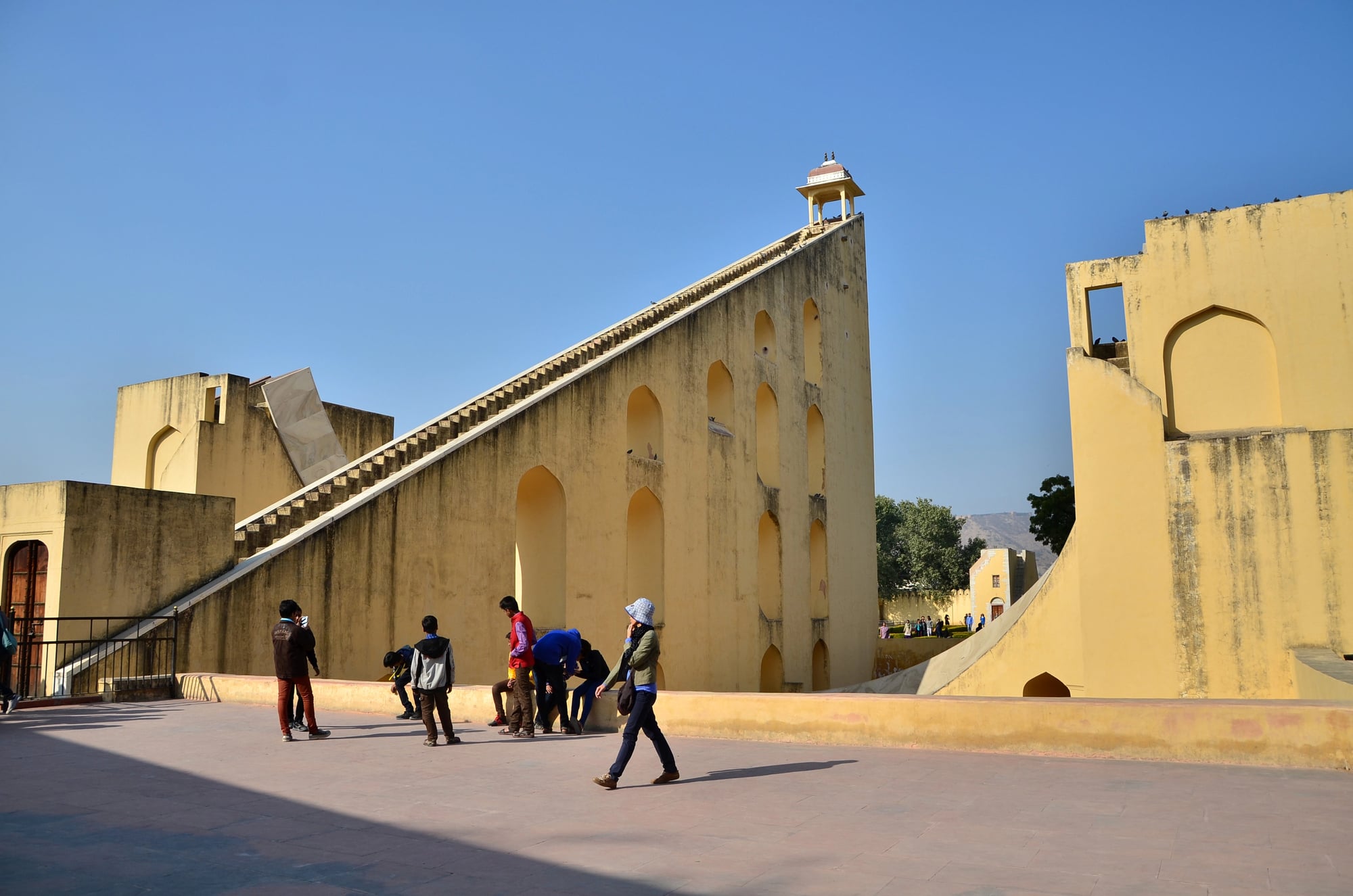
Before light pollution washed out the night sky, every culture developed sophisticated understanding of celestial patterns. Farmers, sailors, and nomads read the stars like maps, calendars, and compasses, using astronomical knowledge to navigate, plant crops, and time important ceremonies.
This knowledge was precise and practical — Pacific Islander navigators could find tiny islands across thousands of miles of ocean using only star patterns, wave formations, and bird behavior. Indigenous communities tracked seasonal changes through stellar observations, knowing exactly when to plant, hunt, or migrate based on the position of constellations.
The wisdom was embedded in stories, songs, and ceremonies that made complex information memorable and meaningful. Modern GPS and weather forecasting have made such skills obsolete for most people, but their loss has disconnected us from the natural cycles that once shaped human life and consciousness.
Cooperative Economic Systems

Many traditional societies organized economic life around cooperation rather than competition, creating systems where individual success was inseparable from community wellbeing. These arrangements — from rotating credit associations to communal land management — provided security and mutual support that pure market relationships can’t replicate.
The systems worked because everyone understood their interdependence. Success required maintaining relationships and reputation within the community, creating natural incentives for fair dealing and mutual aid.
Trust was the foundation of all economic activity, and that trust was built through daily interaction and shared responsibility. Modern economic systems offer greater individual freedom and efficiency, but they’ve also created isolation and insecurity that traditional cooperative arrangements naturally prevented.
The loss of these alternatives has left many people economically vulnerable and socially disconnected in ways that previous generations would have found incomprehensible.
Watching The Last Light Fade
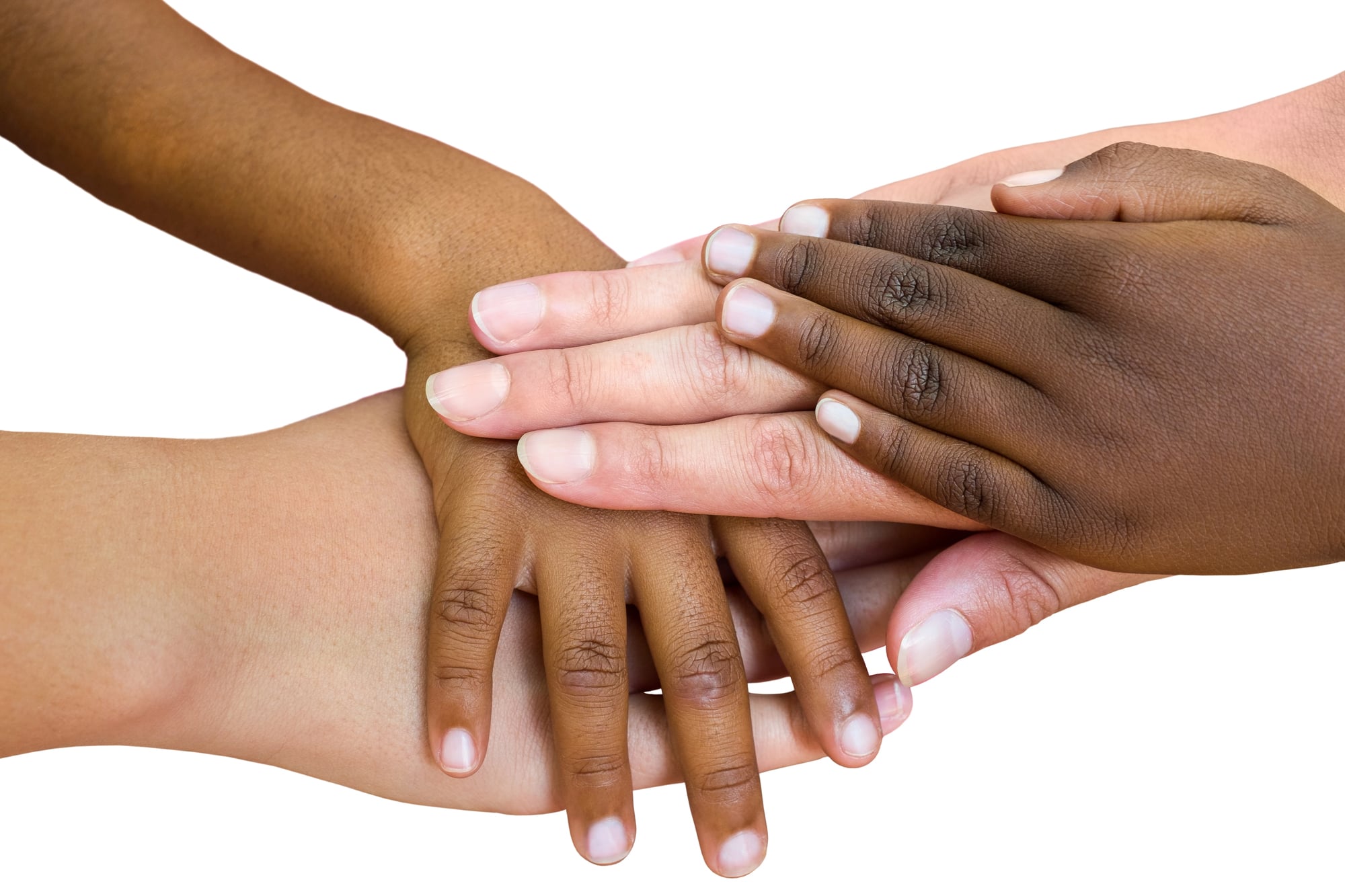
These disappearing traditions aren’t museum pieces or obstacles to progress. They’re different ways of being human — approaches to time, community, knowledge, and meaning that took centuries to develop and can vanish in a single generation.
Some of their loss is inevitable and even welcome; not every old way is a good way. But much of what we’re losing contains wisdom that our modern solutions haven’t adequately replaced.
The real tragedy isn’t that these practices are changing — culture has always evolved. It’s that they’re disappearing faster than we can understand what we’re giving up, leaving us with efficiency and convenience but perhaps less wisdom about how to live well together on this planet.
The grandmother’s hands will eventually grow still, and if the patterns aren’t learned before then, they’ll disappear into the same silence that has already claimed so many other ways of knowing the world.
More from Go2Tutors!

- The Romanov Crown Jewels and Their Tragic Fate
- 13 Historical Mysteries That Science Still Can’t Solve
- Famous Hoaxes That Fooled the World for Years
- 15 Child Stars with Tragic Adult Lives
- 16 Famous Jewelry Pieces in History
Like Go2Tutors’s content? Follow us on MSN.



