15 Times Nature Reclaimed Human Spaces
When humans abandon a place, nature doesn’t wait for an invitation to move in. From ancient temples strangled by massive tree roots to entire cities swallowed by sand, the natural world has an uncanny ability to reclaim what was once its own. These transformations often create something more beautiful than the original human creation ever was.
Here is a list of 15 remarkable examples where nature has successfully reclaimed spaces once dominated by human activity.
Ta Prohm Temple
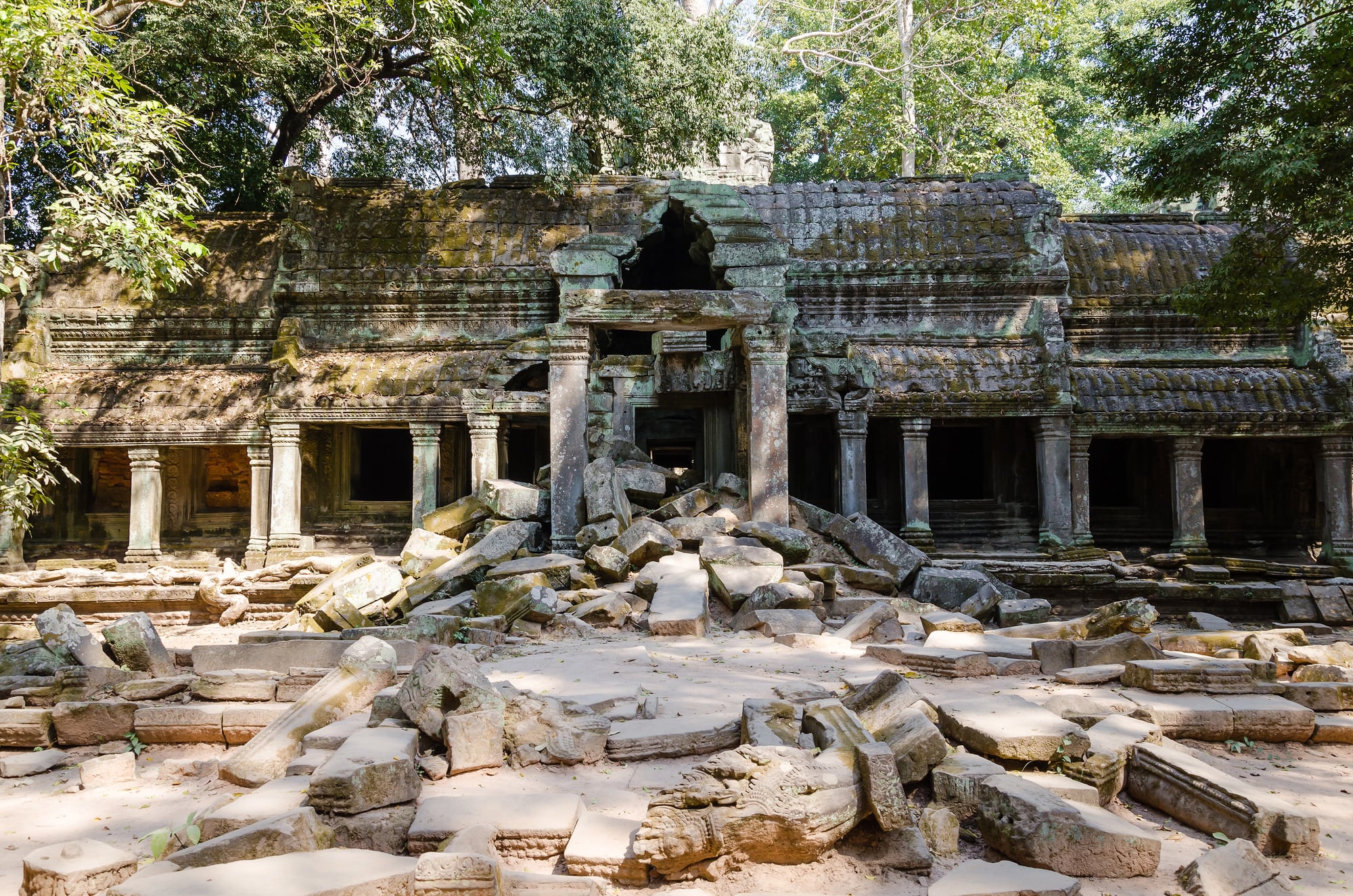
Ta Prohm temple in Cambodia, originally built as a royal temple in honor of King Jayavarman VII’s family, has become famous for its dramatic takeover by massive tree roots. The silk cotton and strangler fig trees have wrapped their roots around the ancient stone structures like giant tentacles, creating a scene that’s both haunting and beautiful.
This temple gained modern fame as a backdrop in the 2001 movie Lara Croft: Tomb Raider, but the real star has always been nature’s slow-motion conquest of human craftsmanship.
Pripyat

The abandoned city of Pripyat, once home to about 49,000 people before the 1986 Chernobyl disaster, is today a post-apocalyptic ghost town with homes, schools and hospitals uninhabited and reclaimed by plants and wildlife. In this abandoned town, it looks like one of those video game maps where ancient ruins of a post-apocalyptic landscape have been choked by land-reclaiming foliage.
What was once a thriving Soviet city has become a green wilderness where trees grow through apartment buildings and vines cascade down concrete facades.
Like Go2Tutors’s content? Follow us on MSN.
Chernobyl Exclusion Zone
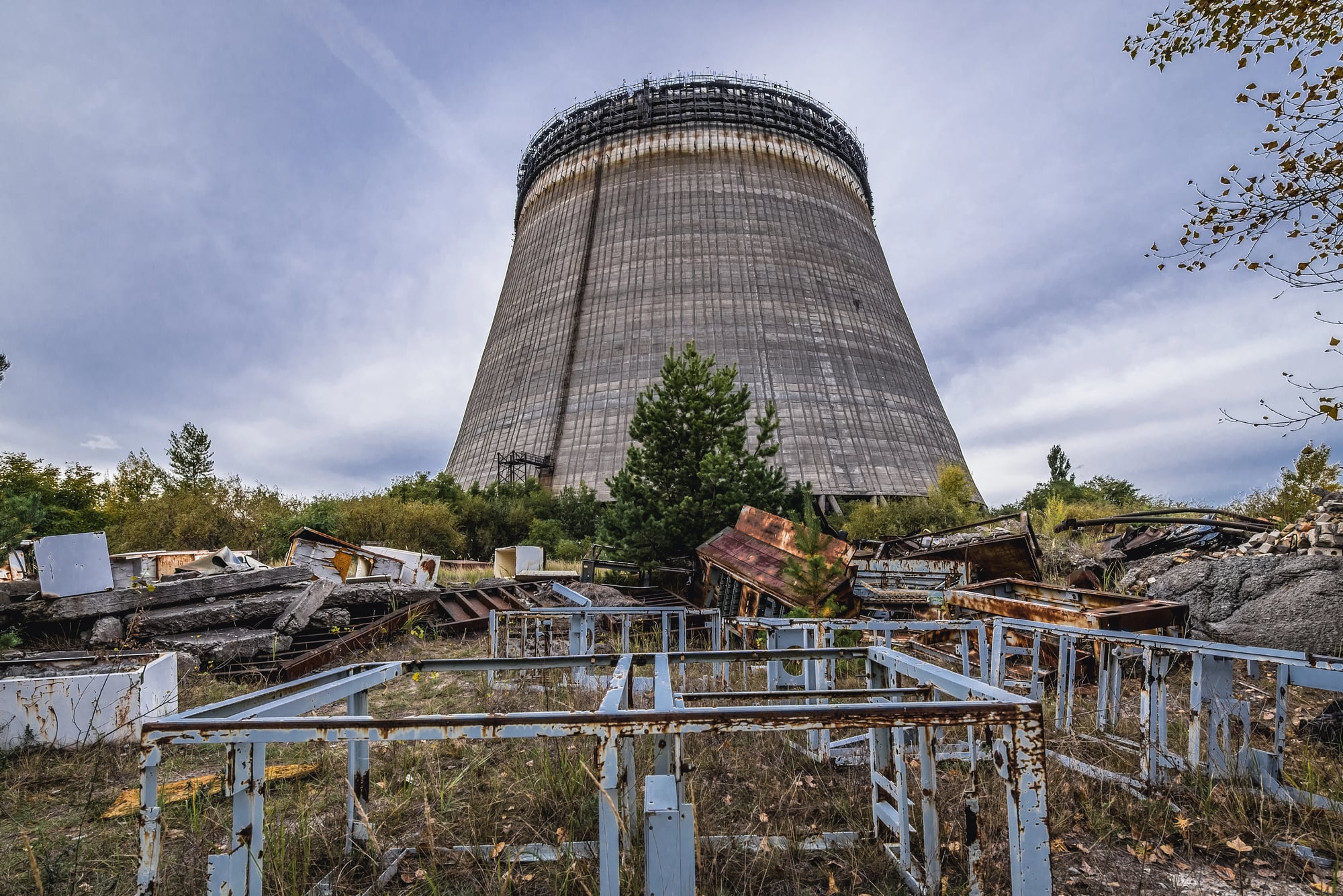
Since humans abandoned the area, nature has reclaimed the Chernobyl Exclusion Zone, and 35 years after a reactor meltdown drove 350,000 people from the region, flora and fauna thrive. While not fit for human habitation, wildlife has made a remarkable comeback in the exclusion zone with more than 60 different types of mammals living there including wild boar and elk, and wolves are doing especially well with a population seven times larger than normal.
The zone has become an unexpected wildlife sanctuary, proving that nature can adapt even in the most challenging circumstances.
Korean DMZ

The DMZ is the only place in the world where red-crowned and white-naped cranes still co-exist. This heavily militarized border between North and South Korea has inadvertently become one of Asia’s most important nature reserves.
The 2.5-mile-wide strip of land, untouched by human development for over 70 years, now hosts endangered species that have disappeared from other parts of the Korean Peninsula. It’s ironic that one of the world’s most tense political boundaries has become a peaceful haven for wildlife.
Abandoned Italian Flour Mills

Old Italian flour mills have been transformed into verdant oases when Mother Nature takes over, often making dilapidated relics look even more spectacular than they were in their original state. These centuries-old stone structures, once the backbone of rural Italian communities, now serve as natural planters for wild Mediterranean vegetation.
Olive trees sprout from mill wheels, and grapevines wind through ancient grinding stones, creating living museums of industrial archaeology.
Like Go2Tutors’s content? Follow us on MSN.
Shipwrecks as Underwater Forests
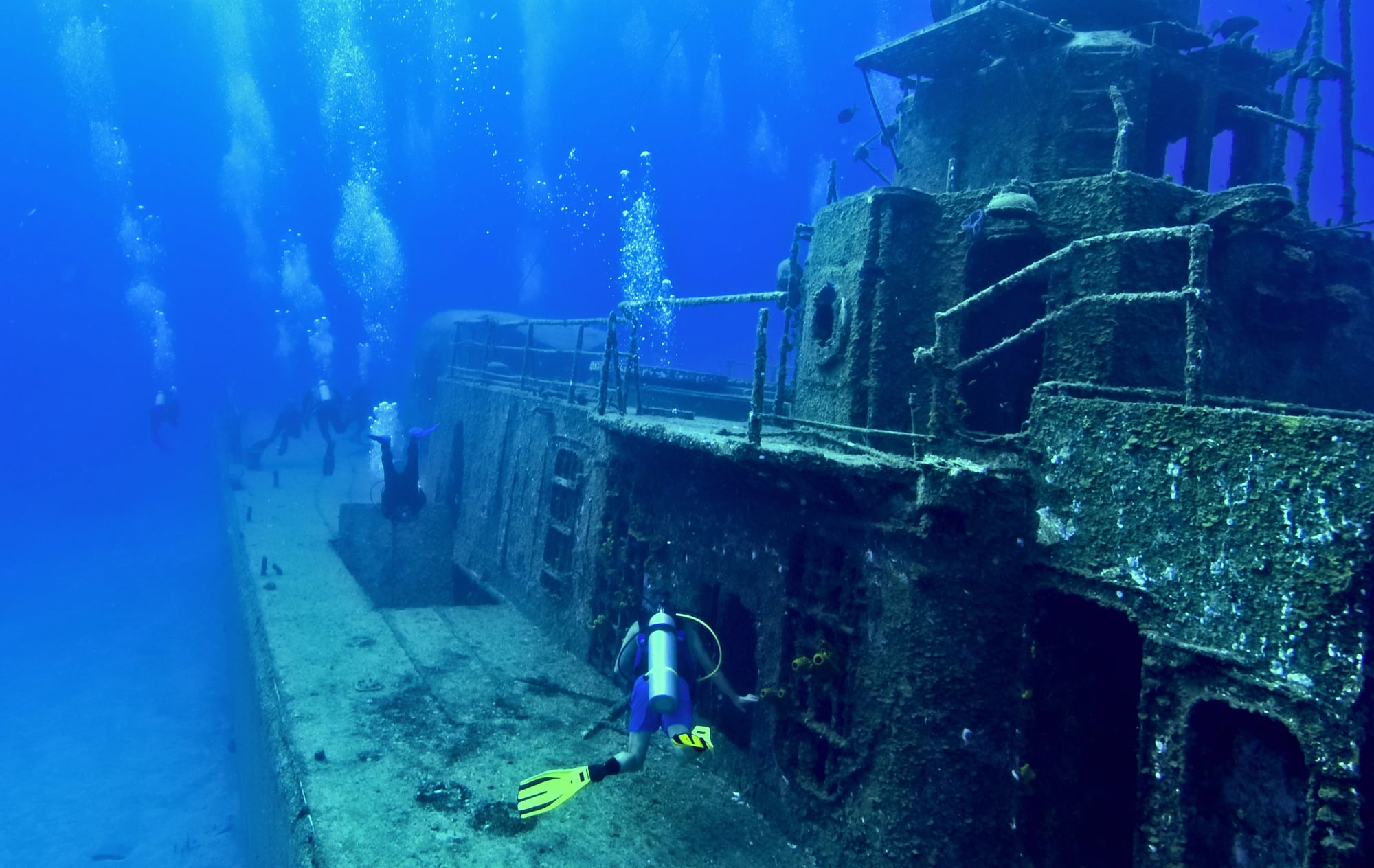
When humans flee, nature moves in on deserted territory, turning shipwrecks into water-locked forests. Sunken vessels become artificial reefs, providing homes for coral, fish, and marine plants.
The SS Thistlegorm in the Red Sea, for example, has been transformed into an underwater garden where schools of fish swim through cargo holds once filled with wartime supplies. These metal skeletons have become some of the ocean’s most vibrant ecosystems.
Abandoned Soviet Military Bases

Forgotten Soviet military bases in Belarus have been photographed as nature reclaims what it once called its own. These concrete bunkers and radar installations, built during the Cold War, are now covered in moss and surrounded by birch forests.
What were once symbols of military might have become quiet monuments to nature’s persistence. Wild animals now use former ammunition storage areas as dens, and rare plants grow in the cracks of abandoned runways.
Overgrown Croatian Castles

An overgrown castle in Croatia represents how decaying buildings remind us of the inevitable process of history as the wild world reclaims what it once called its own. Medieval fortresses that once protected kingdoms are now barely visible through curtains of ivy and wild roses.
These romantic ruins have become hiking destinations where visitors can explore history through nature’s lens. The stone walls that once kept enemies out now provide perfect surfaces for climbing plants to flourish.
Like Go2Tutors’s content? Follow us on MSN.
Abandoned Agricultural Fields

Many agricultural areas appear as flat gray-green in satellite images, indicating natural vegetation that has taken over abandoned fields, and later images show that this land change persists. When farming communities are abandoned, nature quickly moves in to reclaim the carefully cultivated landscape.
Former wheat fields become wildflower meadows, and old orchards turn into small forests. This process can happen remarkably quickly—within just a few seasons, neat rows of crops can disappear under a tangle of wild growth.
Hashima Island

Once a thriving coal mining community off the coast of Japan, Hashima Island was abandoned in 1974 when the mine closed. The concrete apartment buildings that housed thousands of workers are now crumbling shells where seabirds nest in former bedrooms.
Salt air and constant wind have accelerated the decay, creating a moonscape where only the hardiest plants can survive. This “Ghost Island” demonstrates how quickly the ocean can reclaim human settlements.
Bodie Ghost Town
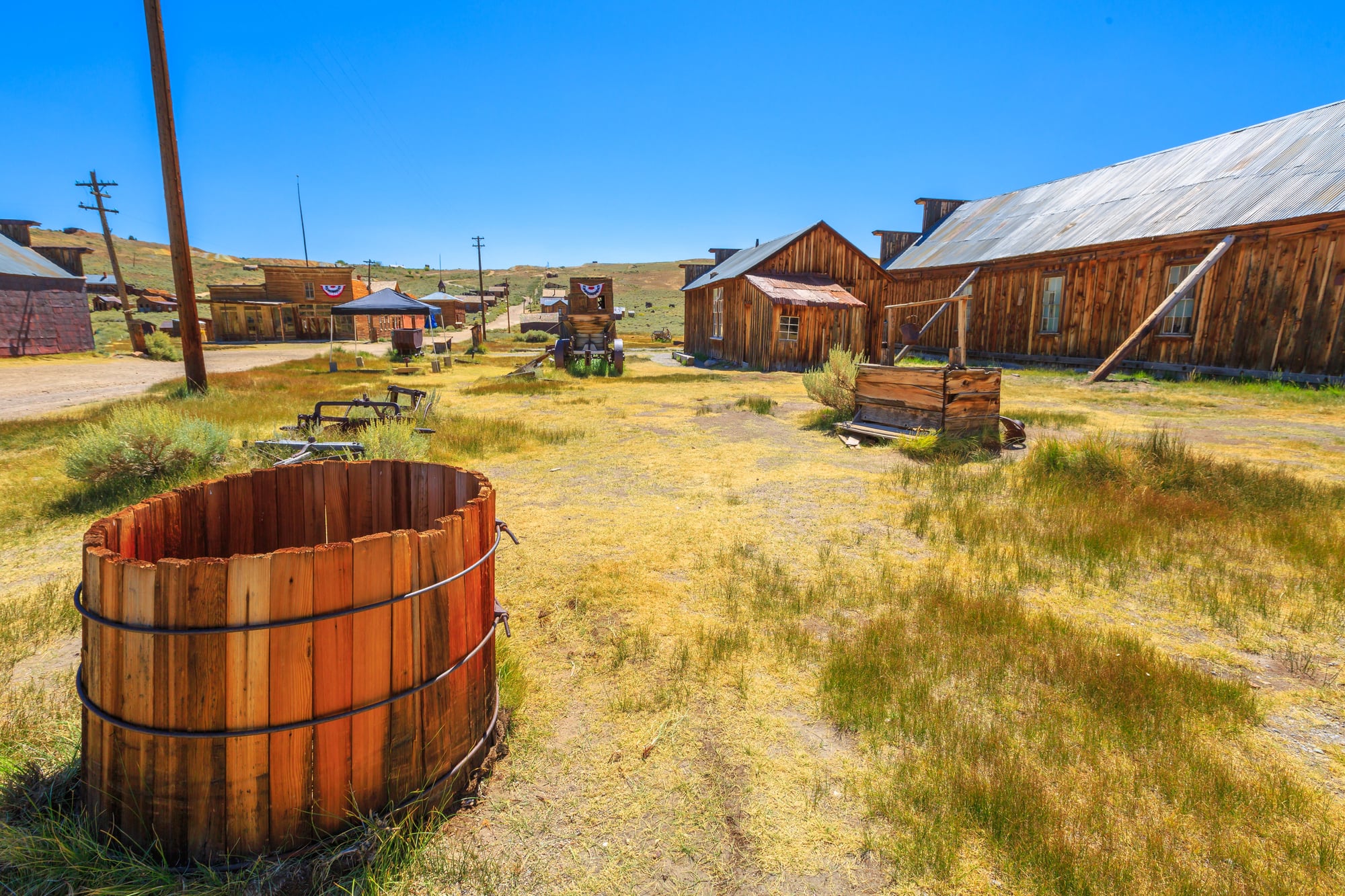
California’s famous gold rush town of Bodie was abandoned when the ore ran out, leaving behind a perfectly preserved snapshot of the Old West. Desert plants have slowly invaded the town, with sagebrush growing through floorboards and tumbleweed collecting in former saloons.
The harsh desert climate has naturally mummified the buildings, creating an eerie time capsule where nature and history coexist. Wild horses now roam streets where miners once searched for fortune.
Like Go2Tutors’s content? Follow us on MSN.
Centralia

The Pennsylvania town of Centralia was evacuated in 1962 due to an underground coal fire that still burns today. Nature has reclaimed most of the abandoned lots, but the story here is unique—plants grow directly above the burning coal seams, creating an otherworldly landscape.
Steam vents in the forest floor and unusually warm soil in winter create microclimates where tropical plants can survive in Pennsylvania’s climate. It’s a bizarre example of how industrial accidents can create entirely new ecosystems.
Angkor Wat Complex
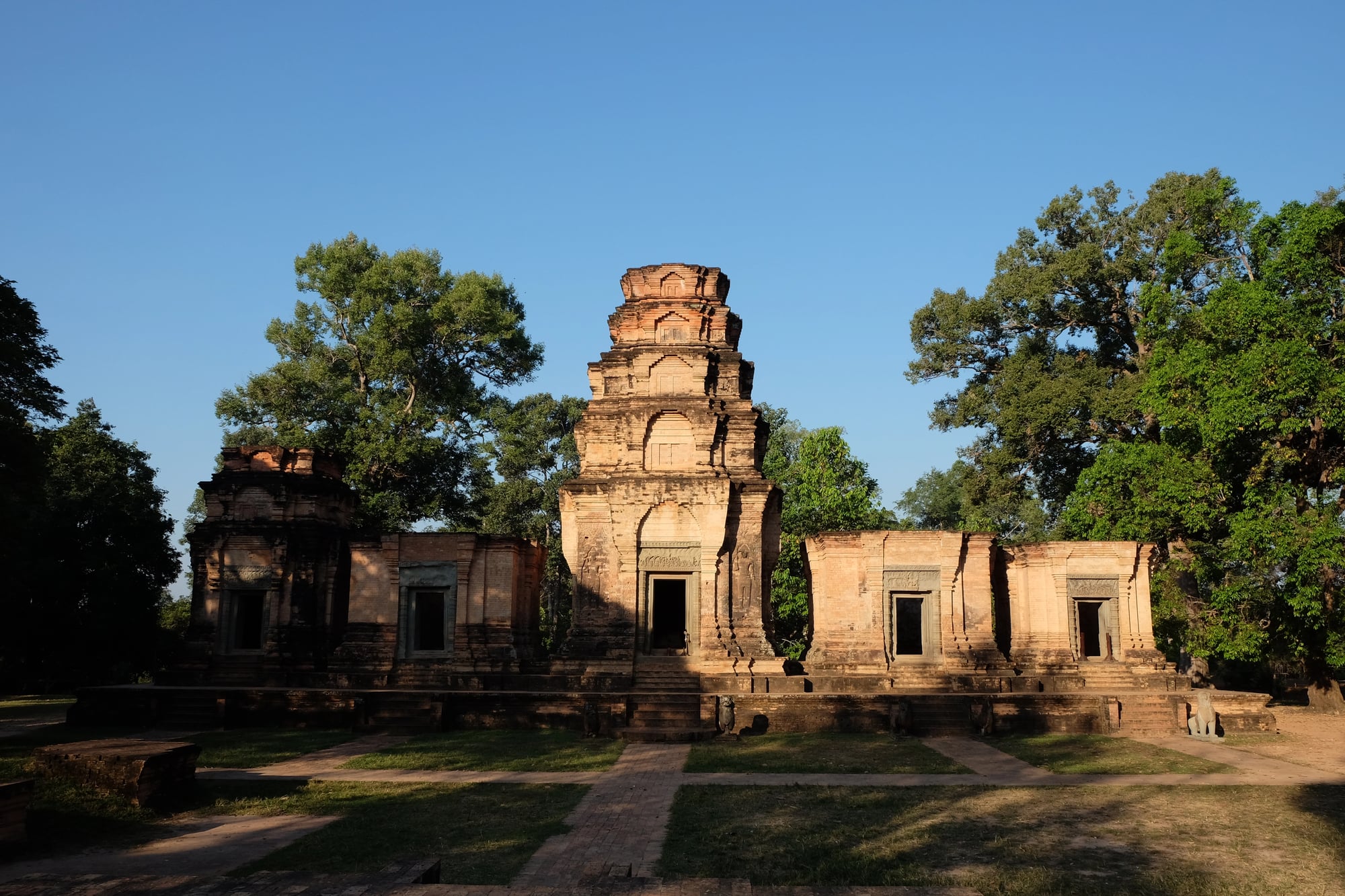
While Angkor Wat itself is well-maintained, many surrounding temples in the complex show dramatic examples of nature reclamation. Massive strangler figs have grown over centuries to completely envelop some structures, their roots becoming part of the architecture.
The jungle has claimed entire courtyards, turning ancient religious sites into natural cathedrals. These temples demonstrate the ultimate partnership between human creativity and natural persistence.
Detroit’s Urban Prairie

Large sections of Detroit have been abandoned as the city’s population declined, creating an unexpected phenomenon—urban prairies in the middle of a major city. Former residential neighborhoods have become grasslands where deer graze and coyotes hunt.
Community gardens have sprouted in vacant lots, and entire city blocks have returned to something resembling their pre-settlement state. It’s a remarkable example of how quickly nature can reclaim urban spaces when given the opportunity.
Like Go2Tutors’s content? Follow us on MSN.
Abandoned Railway Lines

Old railway lines across the world have become linear parks where nature has reclaimed the tracks. The famous High Line in New York City was once an abandoned elevated railway that became a wild garden before being converted into a public park.
In more remote areas, former rail lines have become wildlife corridors, allowing animals to move safely through otherwise developed landscapes. These green ribbons through the countryside show how transportation infrastructure can have a second life as habitat.
When the Wild World Wins

Oftentimes, Mother Nature’s takeover makes dilapidated relics look even more spectacular than they were in their original state. These 15 examples prove that nature doesn’t just survive human abandonment—it thrives and often creates something more beautiful than what came before.
Whether it’s a temple wrapped in massive tree roots or a city transformed into a wildlife sanctuary, these places remind us that our constructions are temporary, but nature’s creativity is eternal. The green world is always ready to reclaim what we leave behind, turning our abandoned spaces into living monuments to resilience and renewal.
More from Go2Tutors!

- 16 Historical Figures Who Were Nothing Like You Think
- 12 Things Sold in the 80s That Are Now Illegal
- 15 VHS Tapes That Could Be Worth Thousands
- 17 Historical “What Ifs” That Would Have Changed Everything
- 18 TV Shows That Vanished Without a Finale
Like Go2Tutors’s content? Follow us on MSN.



