Massive Fortunes That Were Lost
Throughout history, some people have built wealth beyond imagination, only to watch it disappear faster than it arrived. These stories aren’t just about bad luck or poor timing.
They’re about decisions that seemed brilliant at the moment, markets that turned cruel, and sometimes just plain human error on a scale that’s hard to believe. Let’s look at some of the biggest financial collapses that turned millionaires and billionaires into cautionary tales.
William Crapo Durant
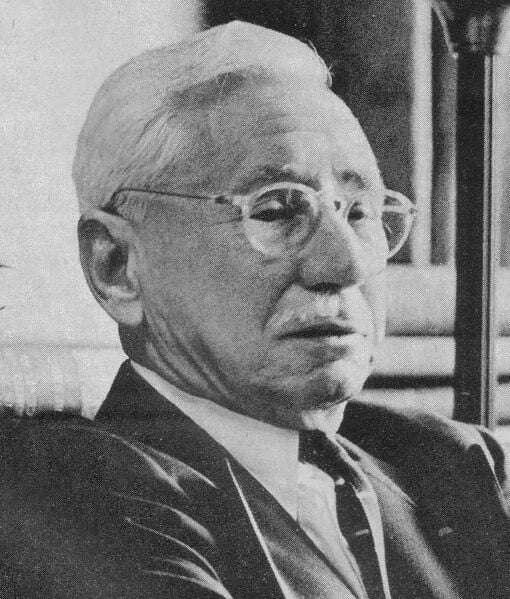
The founder of General Motors watched his automotive empire slip through his fingers not once, but twice. Durant created GM in 1908 and built it into a powerhouse, but his aggressive buying strategy and love of risk caught up with him during the 1910 downturn.
He lost control of the company he built. After clawing his way back and regaining control, Durant repeated the same mistakes and got ousted again in 1920.
He died working in a bowling alley in Flint, Michigan, the same city where his automotive dreams had once seemed unstoppable.
Eike Batista
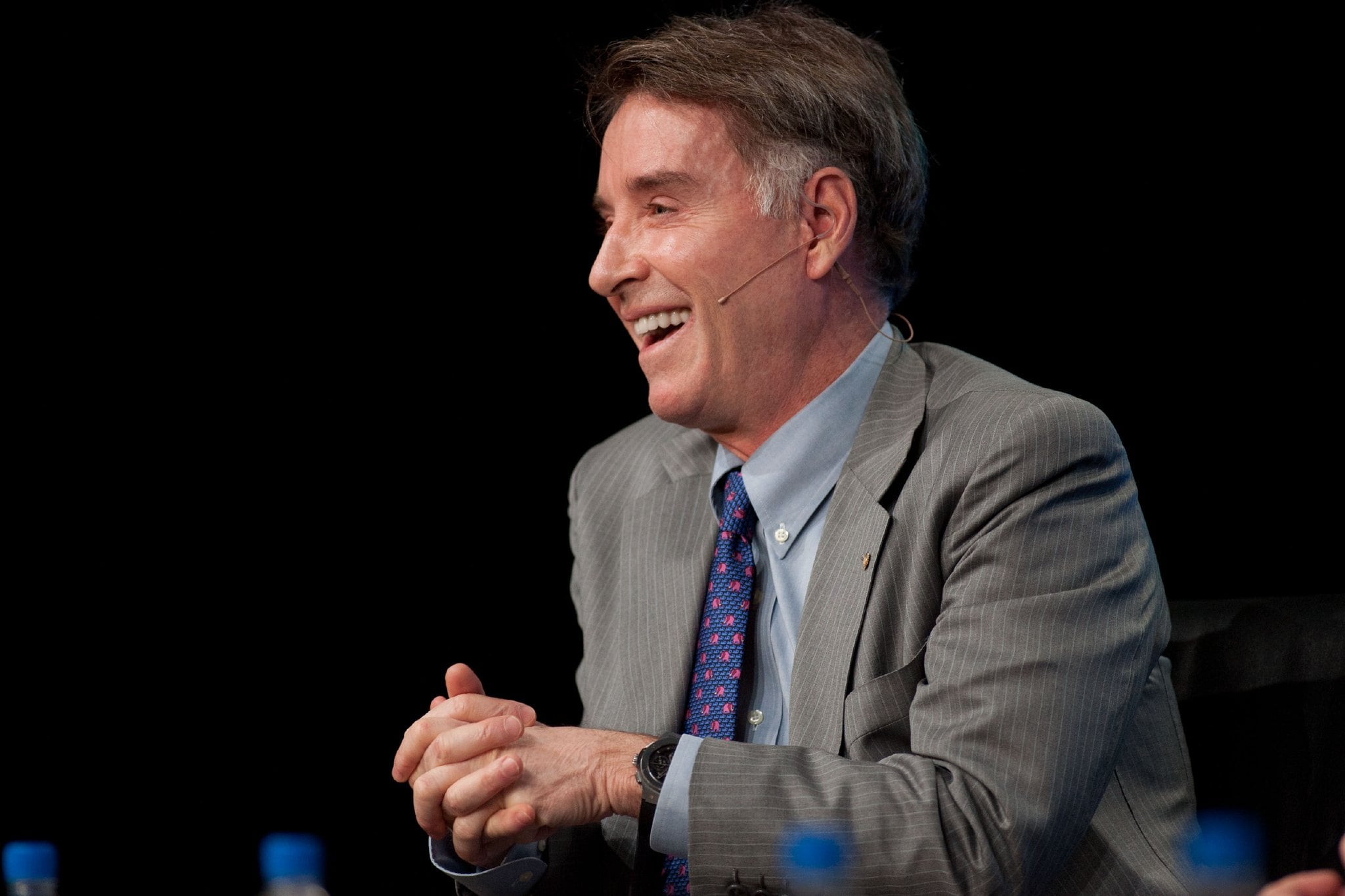
This Brazilian businessman became the eighth richest person on the planet in 2012 with a fortune estimated at $35 billion. Batista’s empire centered on oil, mining, and logistics companies that all carried his signature ‘X’ branding.
But his oil reserves turned out to be far smaller than promised, and his mining operations couldn’t deliver the results investors expected. By 2013, his net worth had plummeted to negative $1 billion, making it possibly the fastest wealth destruction in modern history.
The fall from eighth richest to owing money took less than eighteen months.
Björgólfur Gudmundsson
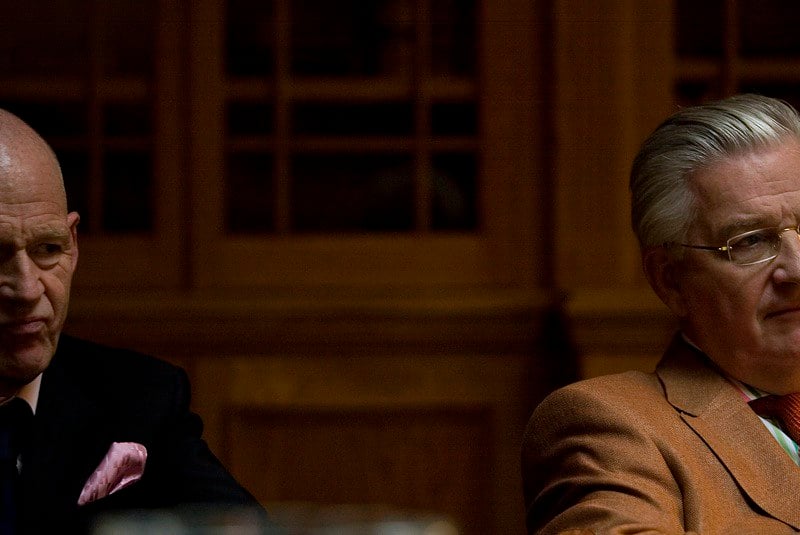
Iceland’s first billionaire lost everything when his country’s banking system collapsed in 2008. Gudmundsson had built his fortune through Landsbanki, one of Iceland’s three major banks that grew recklessly during the mid-2000s boom.
When the global financial crisis hit, Iceland’s entire banking sector imploded in a matter of days. The man who once had a net worth over $1 billion filed for bankruptcy in 2009.
His story became a symbol of how an entire nation’s economic dreams could evaporate almost overnight.
Sean Quinn

Ireland’s richest man built a business empire worth nearly $6 billion through cement, manufacturing, and insurance. Quinn’s downfall started when he secretly bought a huge stake in Anglo Irish Bank using contracts for difference, a risky financial instrument.
As the bank’s share price collapsed during the 2008 crisis, Quinn faced margin calls he couldn’t meet. He lost his entire fortune and his business empire was dismantled.
The man who started with a small gravel pit and built a multinational corporation ended up declared bankrupt in 2012.
Fritz Heinz
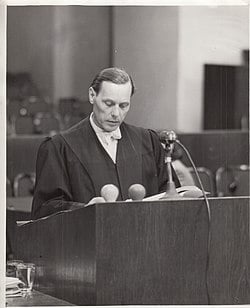
This Montana copper king thought he could corner the copper market in 1907, but Wall Street fought back hard. Heinz attempted to manipulate United Copper Company stock by buying up shares and forcing short sellers to pay him inflated prices.
The plan backfired spectacularly when the short sellers found shares elsewhere and the price collapsed. The failed corner triggered a banking panic that spread across the country.
Heinz lost his entire mining fortune within weeks and spent his remaining years trying to rebuild wealth he never recovered.
Elizabeth Holmes

The Theranos founder convinced investors her company was worth $9 billion at its peak, making her the world’s youngest self-made female billionaire on paper. Holmes claimed her technology could run hundreds of tests from a single drop of blood, but the machines never worked as promised.
When journalists and regulators exposed the truth, the entire valuation evaporated. She went from worth $4.5 billion in 2015 to zero in 2016, and later faced criminal fraud charges that landed her in prison.
Allen Stanford
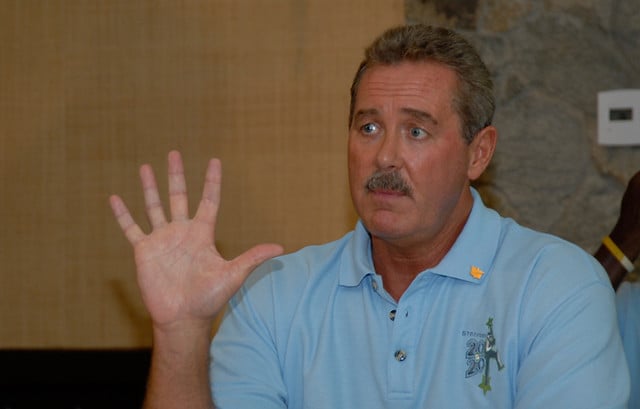
The Texas financier ran a $7 billion Ponzi scheme disguised as a Caribbean banking empire. Stanford promised investors impossibly high returns on certificates of deposit from his Antigua-based Stanford International Bank.
For years, he lived like royalty, owning islands and sponsoring cricket tournaments. Federal investigators finally caught up with him in 2009, and his $2.2 billion personal fortune vanished as quickly as his investors’ money.
He received a 110-year prison sentence and will likely die behind bars.
Patricia Kluge
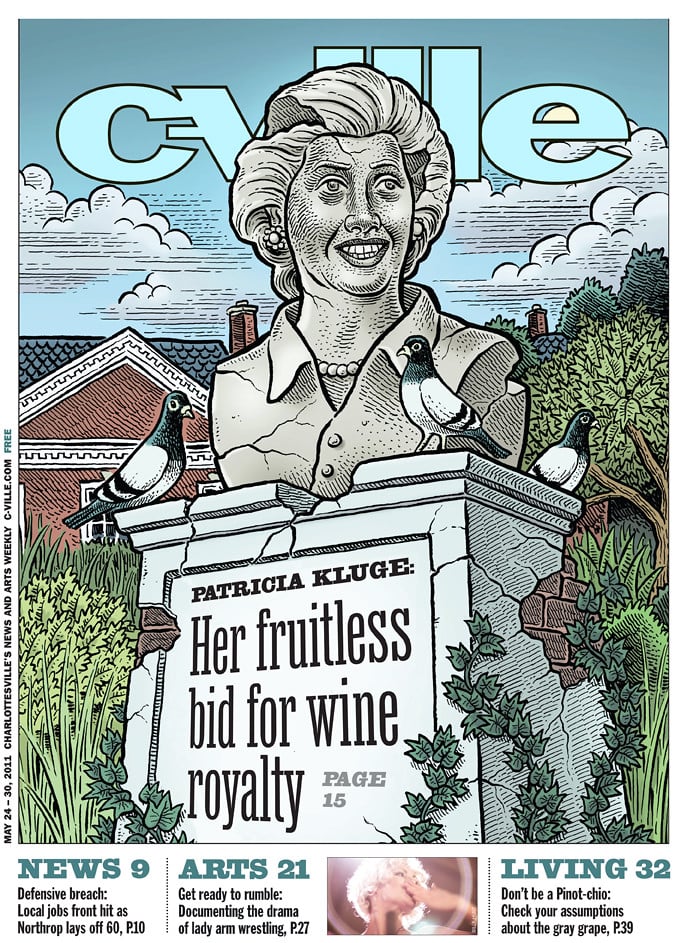
Once married to one of the richest men in America, Kluge received a Virginia estate and $1 million monthly alimony in her divorce. She used the money to build a winery and luxury real estate developments on the 1,000-acre property.
The 2008 recession crushed her ventures, and she couldn’t service the $65 million in debt she’d accumulated. The woman who once threw parties for British royalty filed for bankruptcy in 2011.
Donald Trump bought her estate at auction for a fraction of its former value.
Aubrey McClendon
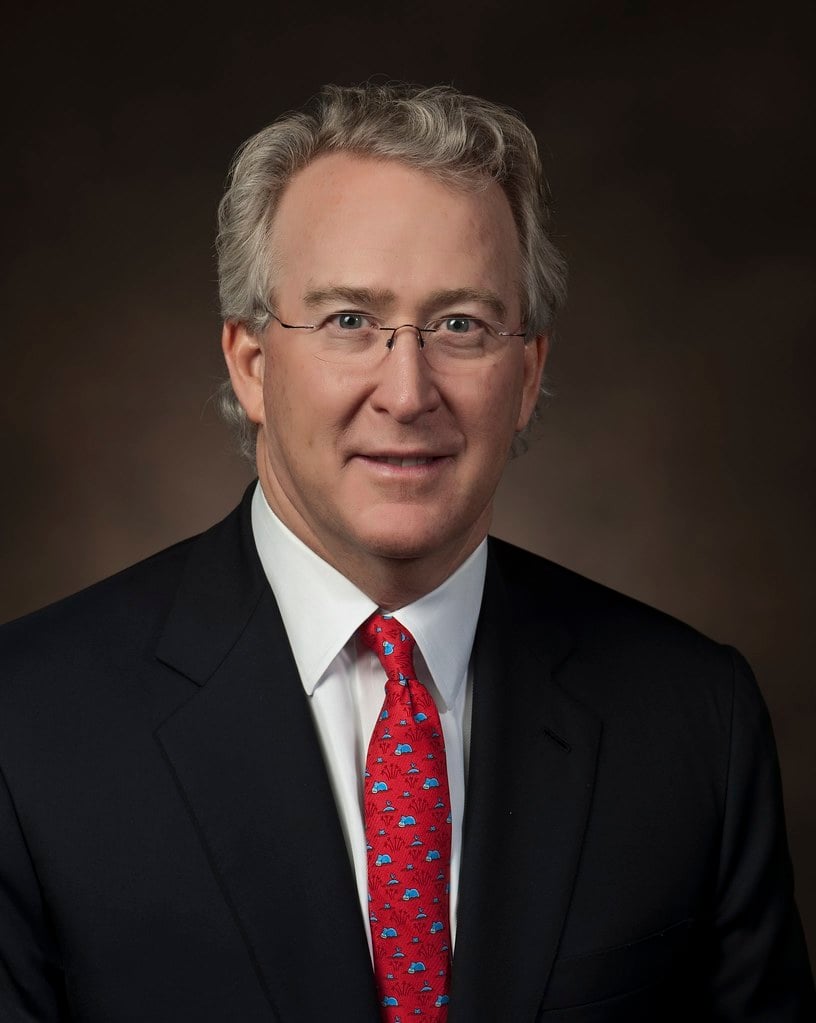
The Chesapeake Energy co-founder became a billionaire riding the natural gas boom of the 2000s. McClendon borrowed heavily to buy stakes in thousands of wells, betting that gas prices would keep rising.
When prices crashed, he faced a liquidity crisis and had to sell assets at fire-sale prices. He stepped down as CEO amid scandal and lost most of his fortune.
In 2016, one day after being indicted on federal charges, he died in a single-car crash that many believe was intentional.
Vijay Mallya
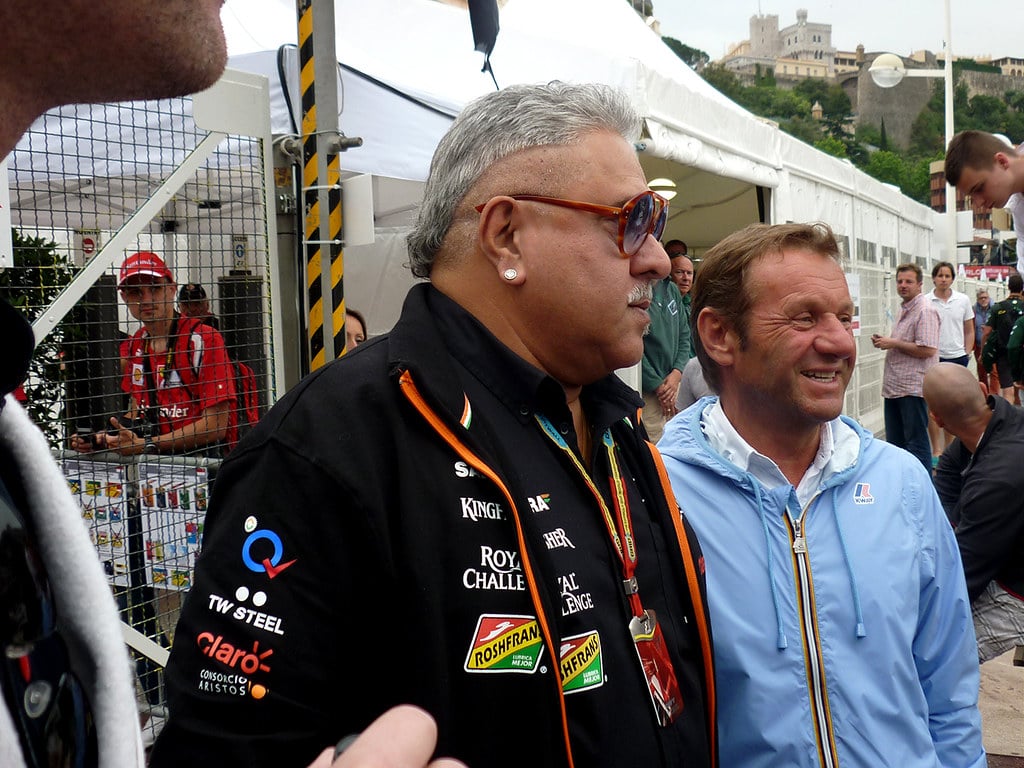
India’s ‘King of Good Times’ built a business empire spanning beer, airlines, and Formula One racing. Mallya’s Kingfisher Airlines borrowed over $1 billion but couldn’t compete with low-cost carriers flooding the Indian market.
The airline collapsed in 2012, leaving banks and employees unpaid. He fled to Britain to avoid arrest, and Indian courts declared him bankrupt.
The man who once owned a yacht formerly belonging to the Sultan of Brunei became a fugitive fighting extradition.
Huntington Hartford

The A&P supermarket heir inherited roughly $90 million in 1957, worth about $900 million today. Hartford spent it all trying to become a cultural tastemaker, funding magazines, art galleries, and even an entire Bahamian island resort.
His projects consistently lost money because Hartford valued his artistic vision over business sense. By the 1970s, he was broke and living on charity from family members.
He died in 2008 in a nursing home, supported by relatives who managed what little remained.
Patricia Arquette’s brother Richmond

This member of the famous acting family was set to inherit part of the Arquette estate. Richmond Arquette received a substantial settlement but struggled with personal challenges that affected his financial management.
Within a few years of receiving his inheritance, he’d gone through most of the money on ventures that failed and lifestyle choices that proved unsustainable. His story shows that even modest fortunes can disappear quickly without proper planning.
Michael Jackson
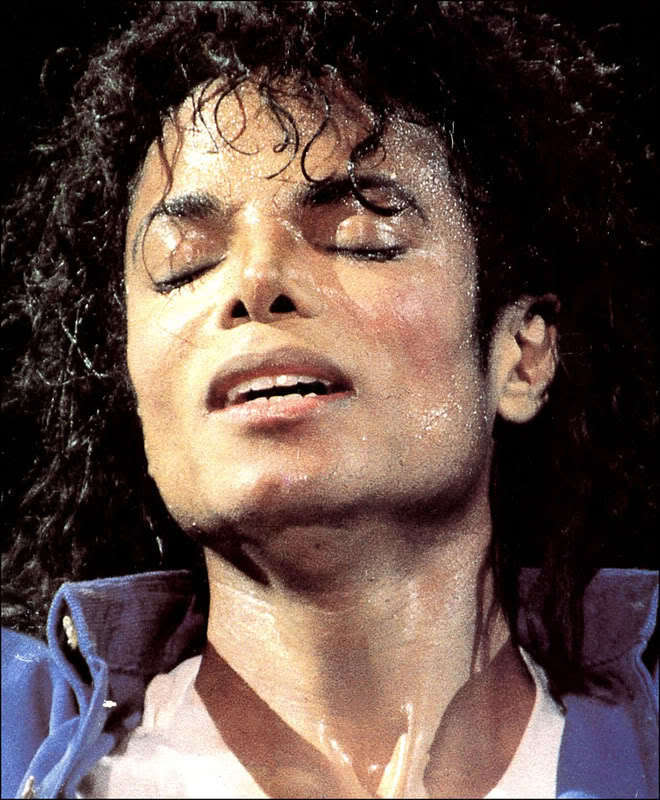
The King of Pop earned over $500 million during his lifetime but died with debts estimated at $400 million to $500 million. Jackson’s spending habits were legendary, from his Neverland Ranch to expensive artwork and gifts.
He borrowed heavily against future royalties and couldn’t keep up with interest payments as his career stalled. Legal settlements from accusations further drained his resources.
Ironically, his estate became incredibly valuable after his death, earning more than he did while alive.
Curt Schilling

Iron Mike earned approximately $400 million during his boxing career but filed for bankruptcy in 2003. Tyson spent money faster than he made it, buying mansions, cars, and even Bengal tigers for pets.
His entourage cost him millions annually, and poor investment advice left him vulnerable. By the time he stopped fighting, the money was gone and the bills kept coming.
He’s since rebuilt a modest fortune through acting and cannabis businesses, but nothing like his boxing wealth.
Curt Schilling

The baseball star turned his World Series fame into a video game company called 38 Studios. Rhode Island gave him a $75 million loan guarantee to move the company there, but the games never reached the market.
Schilling personally invested and lost his entire $50 million baseball fortune trying to keep the company alive. The studio collapsed in 2012, leaving Rhode Island taxpayers on the hook and Schilling financially ruined.
He now works as a broadcaster, having lost the fortune he earned striking out batters.
Bernie Kosar

The former Cleveland Browns quarterback earned millions during his NFL career but lost it through bad business decisions and a messy divorce. Kosar invested heavily in restaurants, bars, and other ventures that failed to turn profits.
His financial troubles came to light when he filed for bankruptcy in 2009, listing assets of zero against debts exceeding $18 million. The hometown hero who led the Browns to multiple playoff appearances now works various jobs to make ends meet.
Marvin Gaye

The soul legend earned millions from hits like ‘What’s Going On’ and ‘Let’s Get It On’ but died essentially broke. Gaye owed the IRS over $9 million in back taxes and had lost most of his music rights to his ex-wife in divorce proceedings.
Drug problems and erratic behavior destroyed his ability to tour and record consistently. He was living in his parents’ house when his father killed him in 1984.
His estate later earned back substantial money, but Gaye never saw financial stability in his final years.
Nicholas Cage

The actor earned over $150 million from blockbuster films but burned through it at an incredible rate. Cage bought castles, dinosaur skulls, rare comics, and a private island among his extravagant purchases.
He owned fifteen homes at one point, including two European castles. By 2009, he owed the IRS over $6 million and had to sell most of his properties and possessions.
Cage has since taken numerous film roles, many in questionable productions, just to pay off debts and rebuild savings.
Where the money went

These stories share common threads that connect generations of financial disaster. Leverage and debt amplify gains on the way up but accelerate destruction on the way down.
Bad advice from people who benefit from spending rather than saving helps fortunes evaporate. Pride often prevents wealthy people from admitting problems early when solutions still exist.
The same boldness that builds empires becomes recklessness when markets change and that initial success disappears faster than anyone thought possible.
More from Go2Tutors!

- The Romanov Crown Jewels and Their Tragic Fate
- 13 Historical Mysteries That Science Still Can’t Solve
- Famous Hoaxes That Fooled the World for Years
- 15 Child Stars with Tragic Adult Lives
- 16 Famous Jewelry Pieces in History
Like Go2Tutors’s content? Follow us on MSN.