Cultural Treasures Found in Small Nations
Big countries dominate cultural conversations. France gets attention for the Louvre. Egypt draws crowds to its pyramids.
China shows off the Great Wall. Meanwhile, nations you could drive across in a few hours hold treasures that rival anything found in sprawling empires.
Small size often forces countries to guard their heritage more carefully. When you have limited space and population, every artifact and tradition carries extra weight.
These places prove that cultural richness has nothing to do with square mileage.
Bhutan Measures Success Differently
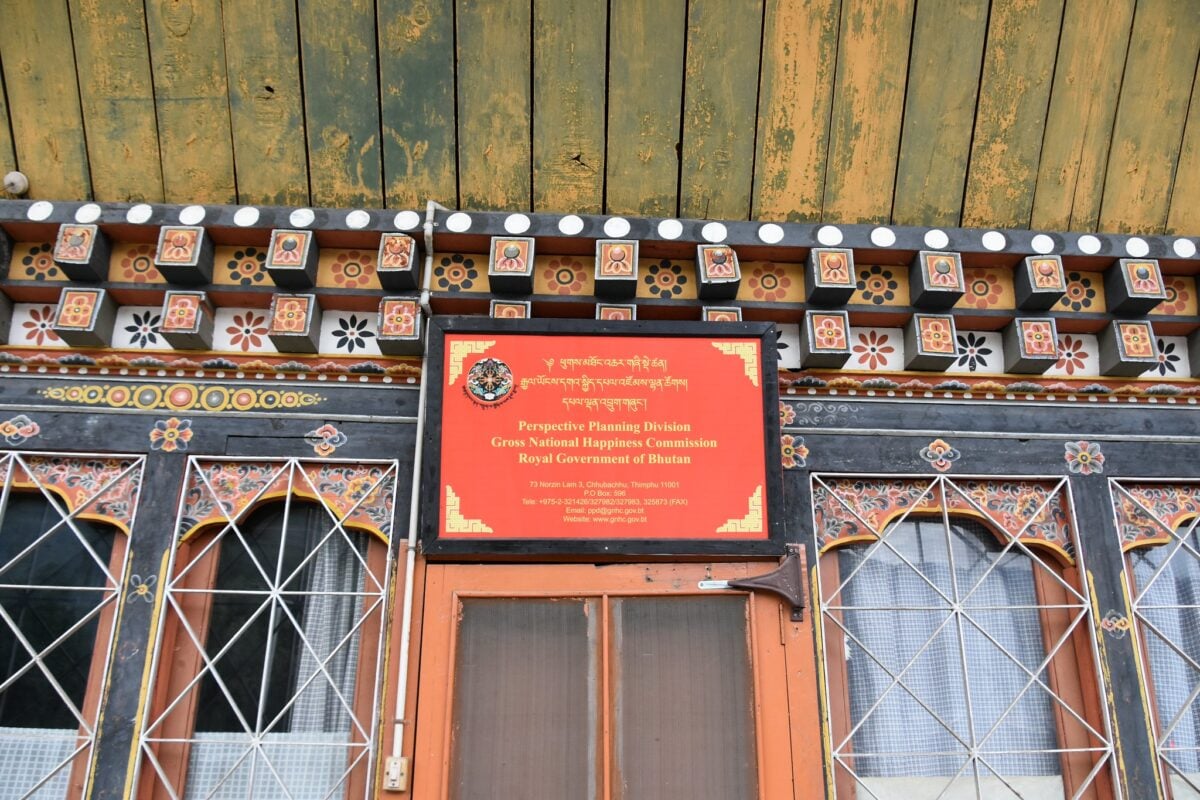
This Himalayan kingdom created Gross National Happiness as an official metric, prioritizing well being over economic growth. The government surveys citizens regularly about psychological health, time use, cultural diversity, and ecological resilience.
Policy decisions get evaluated based on whether they increase happiness rather than just GDP. The approach sounds naive until you see the results.
Bhutan maintained over 70 percent forest coverage by writing environmental protection into the constitution. Traditional architecture dominates even in the capital—buildings must follow Bhutanese design principles.
Citizens wear national dress for formal occasions and government work. The country opened to tourism only in 1974 and still limits visitor numbers through high daily fees.
This deliberate approach preserved a culture that vanished elsewhere during rapid modernization.
Slovenia Guards Europe’s Oldest Musical Instrument
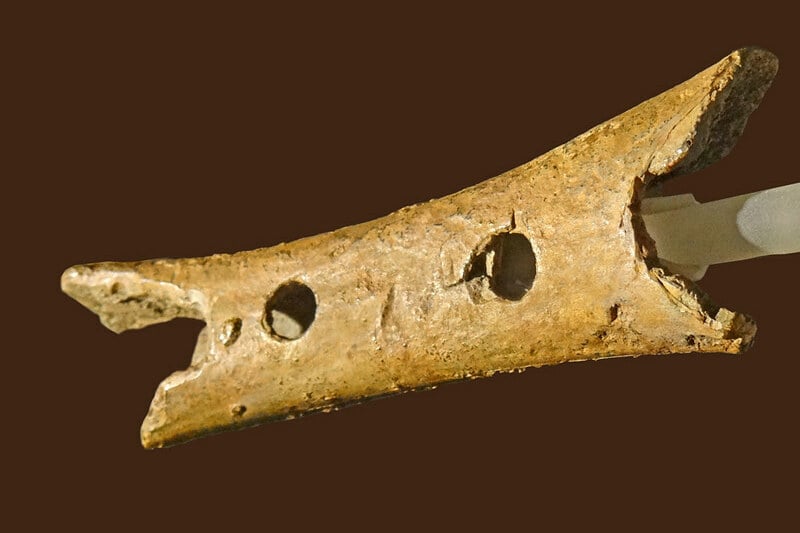
The Divje Babe flute, carved from a cave bear femur over 50,000 years ago, sits in a museum in Ljubljana. This bone fragment with precisely carved openings represents the oldest known musical instrument in the world.
Neanderthals made it, which challenges assumptions about their cognitive abilities. Slovenia also produced the Idrija lace, a delicate bobbin lace technique developed in the 17th century.
Women still practice this craft, creating intricate patterns that take months to complete. The tradition connects directly to the mining industry—miners’ wives needed income while their husbands worked underground.
The lace became so valuable that it funded entire households. Schools in Idrija still teach the technique to ensure it survives.
Liechtenstein Holds Art Worth Billions
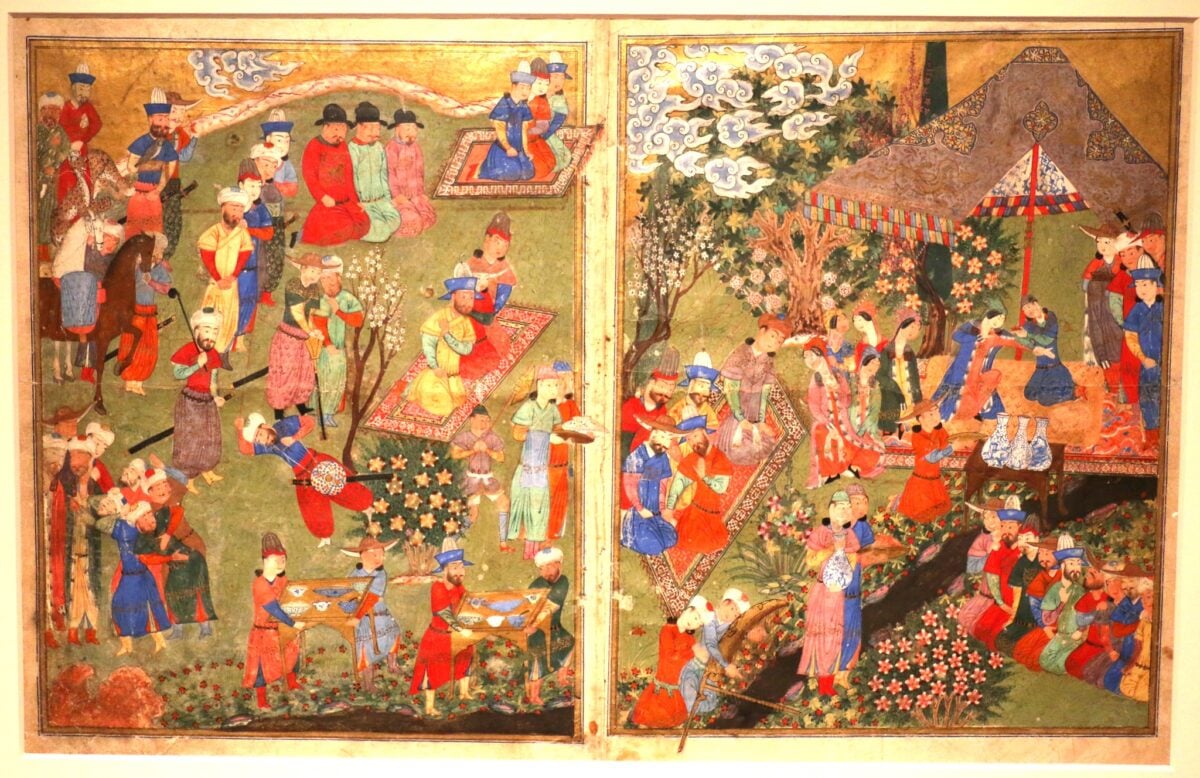
This nation of 39,000 people owns one of the world’s finest private art collections. The Princely Collections include works by Rubens, Rembrandt, and Van Dyck.
The collection contains over 1,500 paintings and thousands of sculptures, prints, and decorative objects. The royal family kept this treasure private for generations.
Only recently did they open portions to public viewing in Vienna and Vaduz. The collection survived because Liechtenstein stayed neutral through both world wars.
While other European collections got looted, bombed, or sold to fund war efforts, Liechtenstein’s remained intact. The tiny principality’s political insignificance became its greatest protection.
Malta Preserves Megalithic Temples Older Than Stonehenge
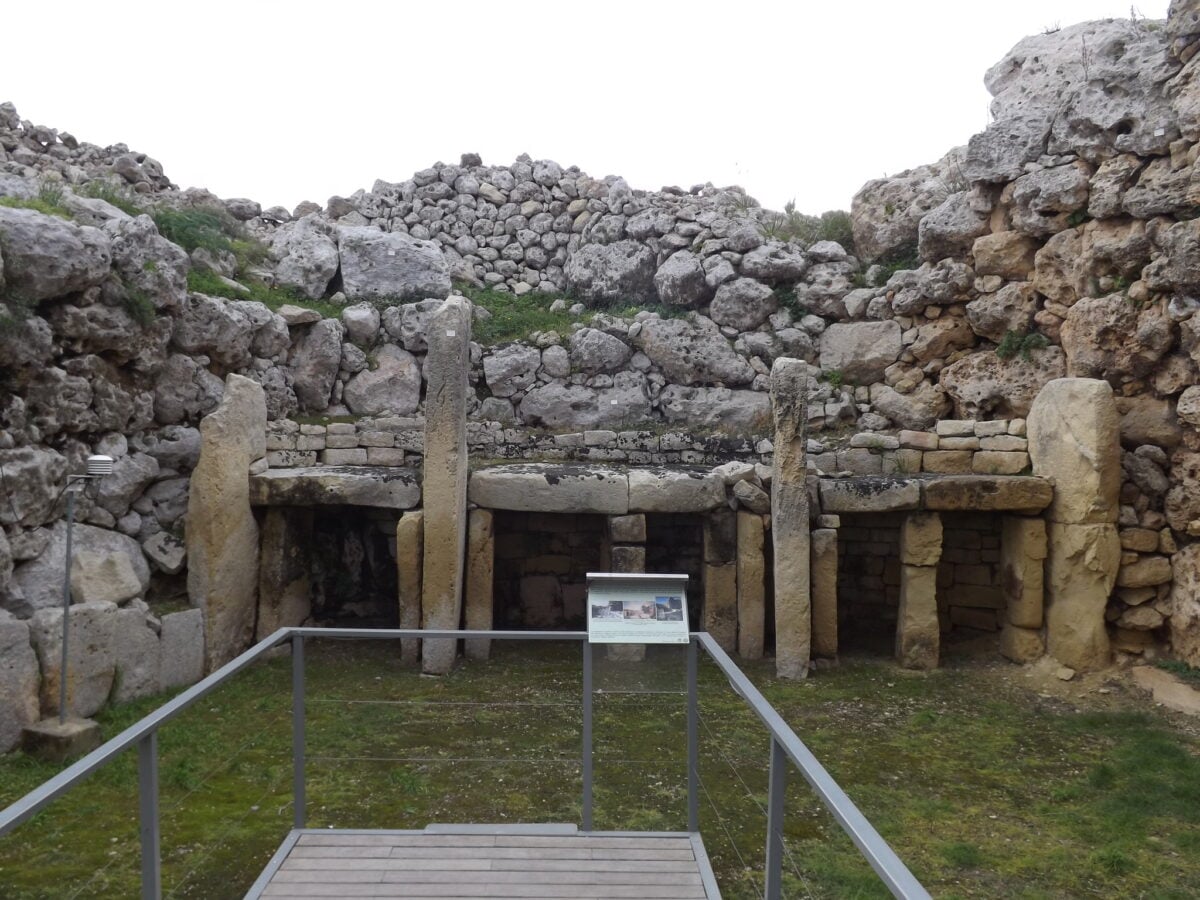
The Ġgantija temples on Gozo date to 3600 BCE, making them among the oldest freestanding structures on Earth. The massive limestone blocks fit together without mortar, built by a civilization that left no written records.
Malta’s strategic position in the Mediterranean meant constant invasion and occupation. Phoenicians, Romans, Arabs, Normans, Spanish, French, and British all controlled these islands.
Each group left architectural and linguistic marks. Maltese language mixes Arabic grammar with Romance vocabulary—the only Semitic language written in Latin script.
The islands function as a living museum of Mediterranean history compressed into 122 square miles.
Iceland Kept Medieval Manuscripts Alive
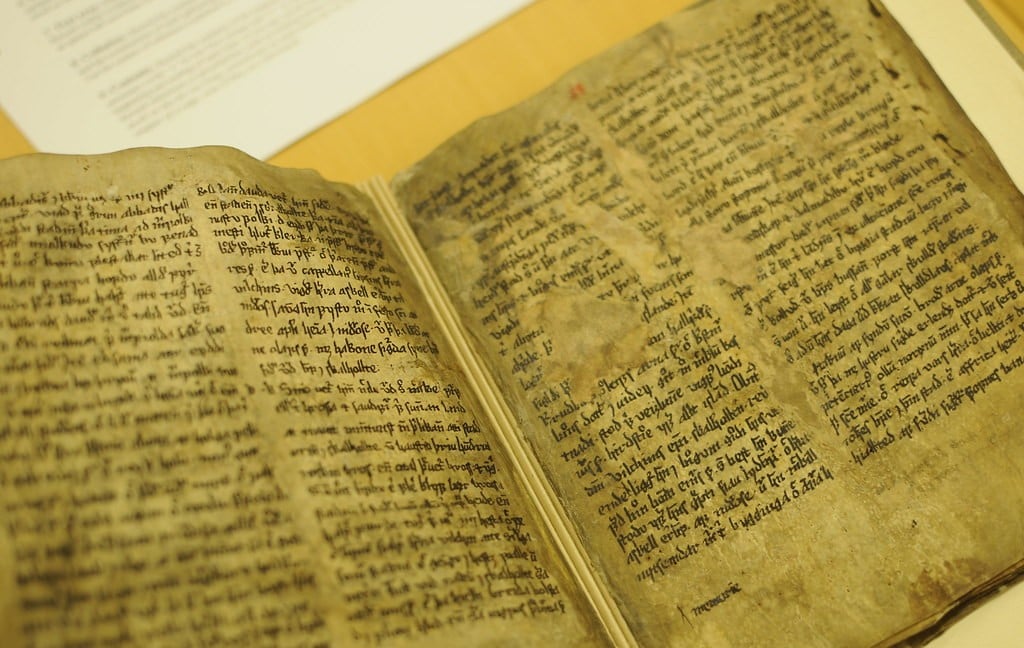
Icelanders wrote down Norse sagas in the 13th century, preserving stories that survived nowhere else. These manuscripts contain the only written accounts of Viking exploration, mythology, and daily life.
The sagas describe everything from legal disputes to the discovery of North America. The Icelandic language changed so little over centuries that modern Icelanders can read medieval texts with minimal difficulty.
This linguistic stability happened because isolation prevented outside influence. The island had no trees for shipbuilding after the Vikings cut them all down, so Icelanders couldn’t easily leave or receive visitors.
That isolation preserved language and stories that would have evolved beyond recognition anywhere else.
San Marino Claims Unbroken Independence
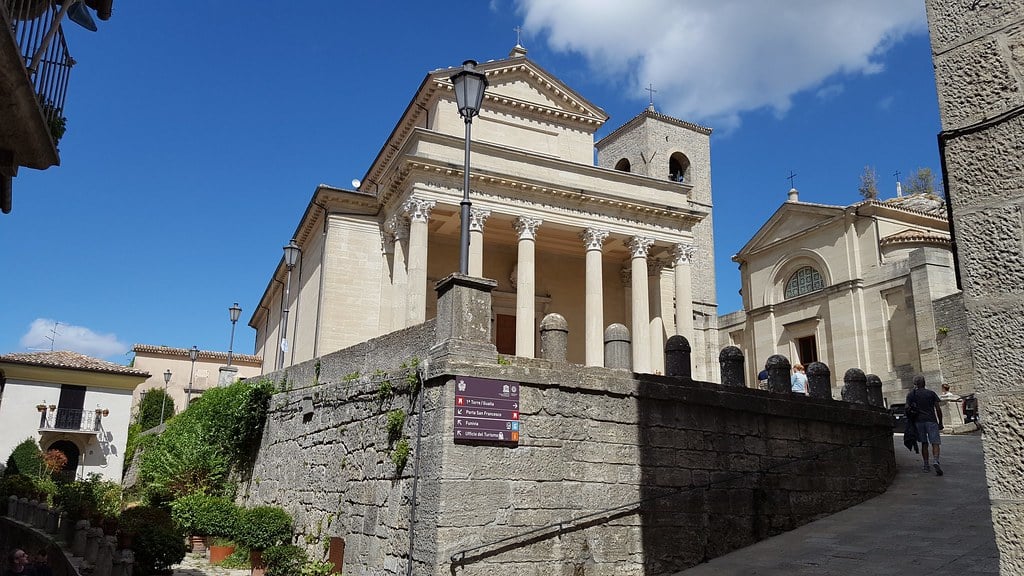
Founded in 301 CE, San Marino ranks as the world’s oldest republic. This microstate survived because it stayed strategically unimportant.
Mountain fortresses made invasion costly, and the territory offered nothing worth the effort. The government still uses the original constitution written in 1600.
Two Captains Regent serve as heads of state for six-month terms, a system designed to prevent dictatorship. Napoleon offered to expand San Marino’s territory, but the government refused because expansion might threaten independence.
During both world wars, San Marino stayed neutral and provided refuge for thousands fleeing combat. The tiny nation survived by knowing what mattered more than size or power.
Georgia Invented Wine Eight Thousand Years Ago
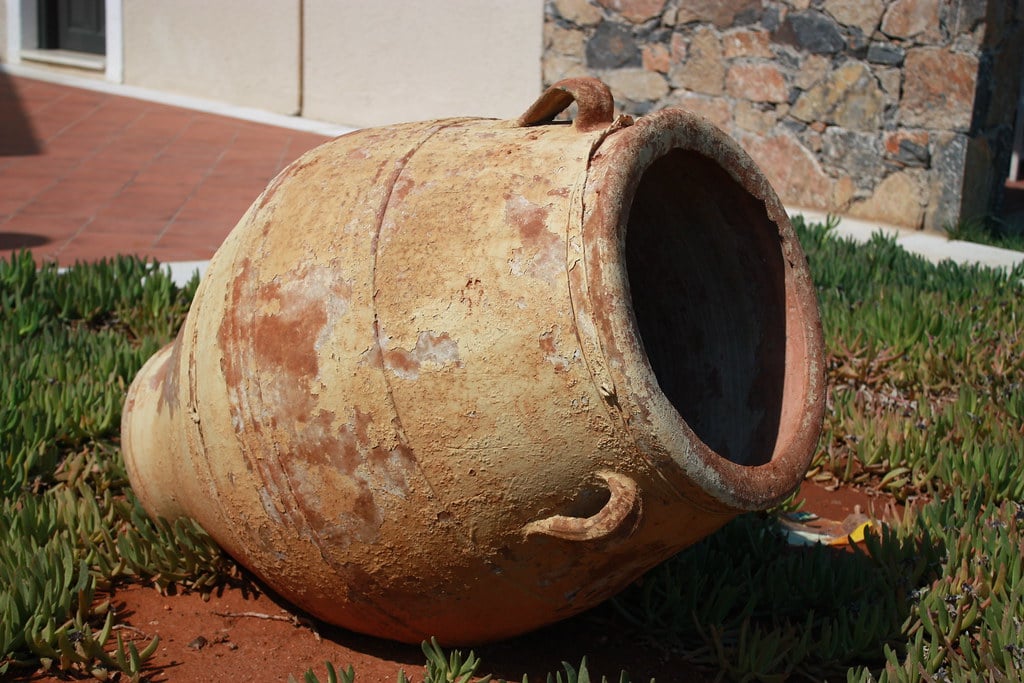
Archaeological evidence from Georgian sites shows wine production dating to 6000 BCE. Georgians developed the qvevri method—fermenting wine in large clay vessels buried underground.
UNESCO recognized this technique as intangible cultural heritage. Georgia sits between empires that spent centuries trying to erase it.
Persians, Mongols, Ottomans, and Russians all invaded repeatedly. The Georgian language and alphabet survived through determination and luck.
Georgians hid manuscripts in monasteries and continued teaching their script in secret when occupiers banned it. The wine tradition persisted because it was connected to religious practice and national identity.
Even Soviet authorities couldn’t completely suppress it.
Luxembourg Speaks Three Languages Daily
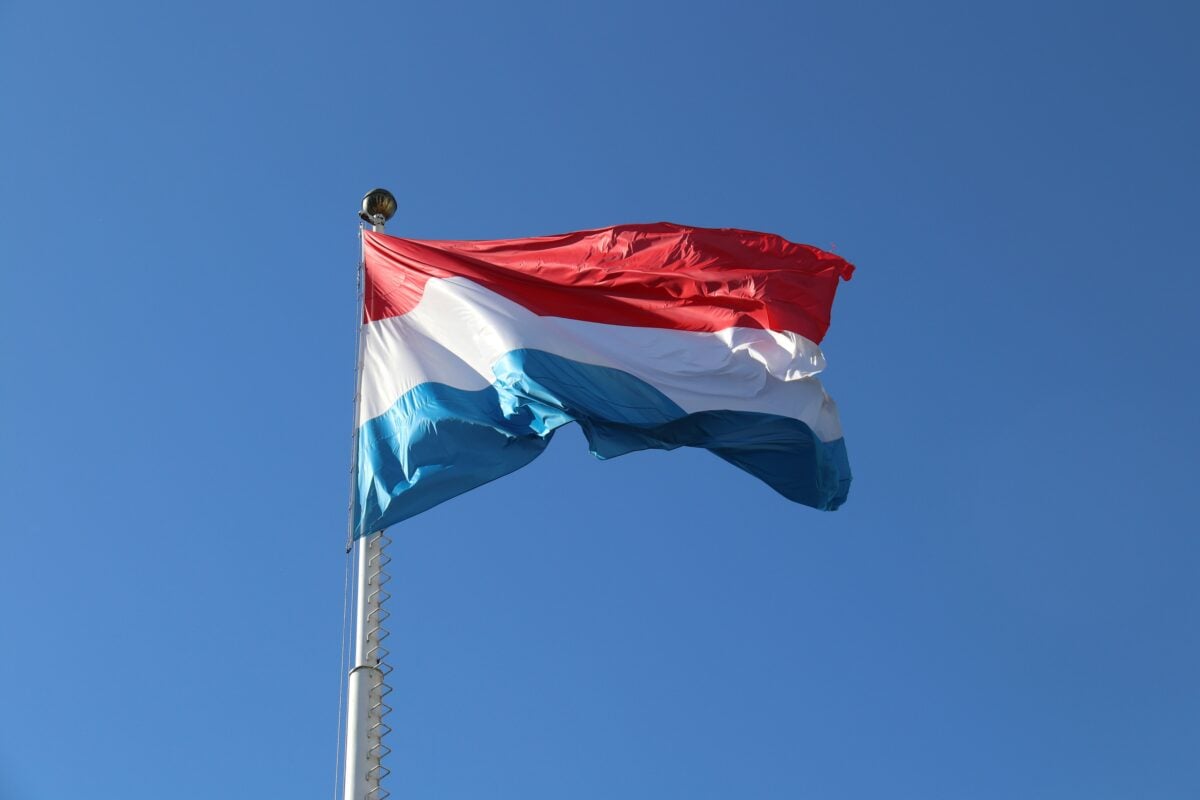
Citizens switch between Luxembourgish, French, and German depending on context. Luxembourgish serves for casual conversation.
French dominates government and legal documents. German appears in media and education. Most residents speak all three fluently plus English.
This multilingualism developed from necessity. Luxembourg borders France, Germany, and Belgium.
Banking and international institutions made the country wealthy, attracting workers from across Europe. The population adapts to whoever they’re talking to, switching languages mid-conversation.
This flexibility creates a unique culture that resists simple categorization as French or German. Luxembourg became something entirely its own by refusing to choose.
Andorra Maintains Feudal Government Structures
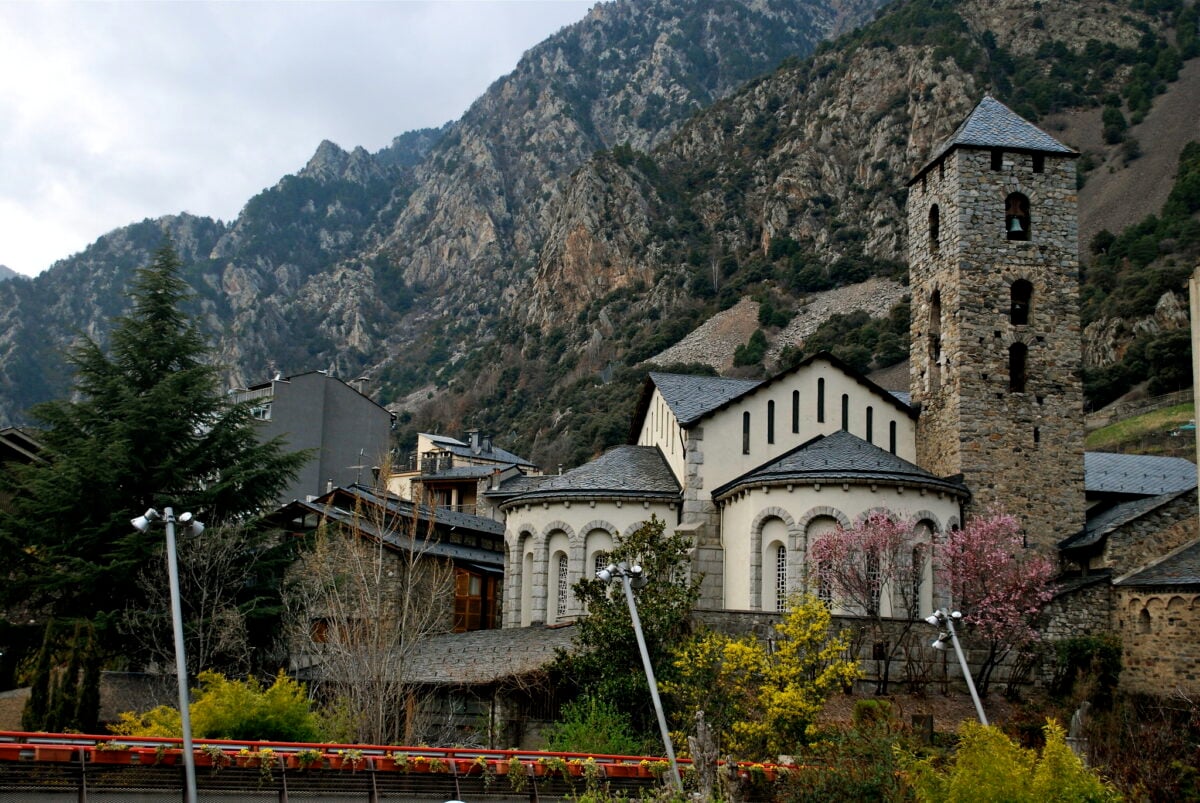
This Pyrenean microstate has two co-princes who serve as joint heads of state—the President of France and the Bishop of Urgell in Spain. This arrangement dates to 1278 and continues today.
The co-princes exercise minimal power, but the symbolic structure remains. Andorra had no military and stayed neutral through European conflicts.
The mountainous terrain made it useful as a smuggling route but not worth occupying. Romanesque churches dot the valleys, some dating to the 9th century. The stone structures survived because Andorra lacked money to rebuild in newer styles.
Poverty preserved architecture that wealthier nations demolished.
East Timor Weaves Identity Into Fabric
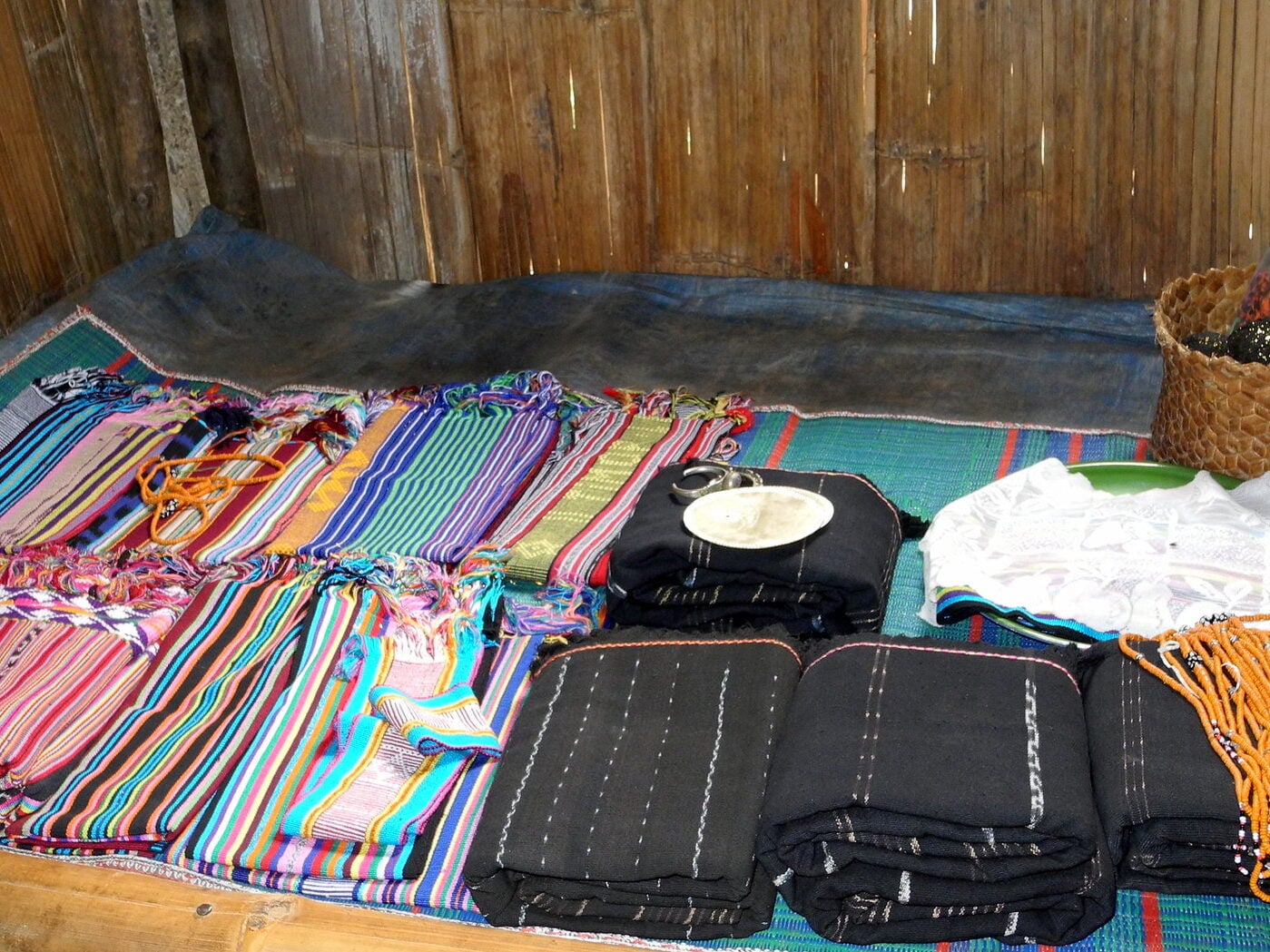
Timorese weavers create tais cloth using techniques passed through generations. Each region produces distinct patterns and colors.
The cloth marks life events—births, marriages, deaths. People read social information from the patterns someone wears.
East Timor endured centuries of Portuguese colonization followed by brutal Indonesian occupation. Through all of it, women kept weaving.
The Indonesian military tried to suppress Timorese culture, but they couldn’t stop weaving without raiding every household. The craft survived as quiet resistance.
After independence in 2002, tais became a symbol of national identity. The patterns that once indicated village and clan now represent survival and freedom.
Monaco Perfected Oceanography
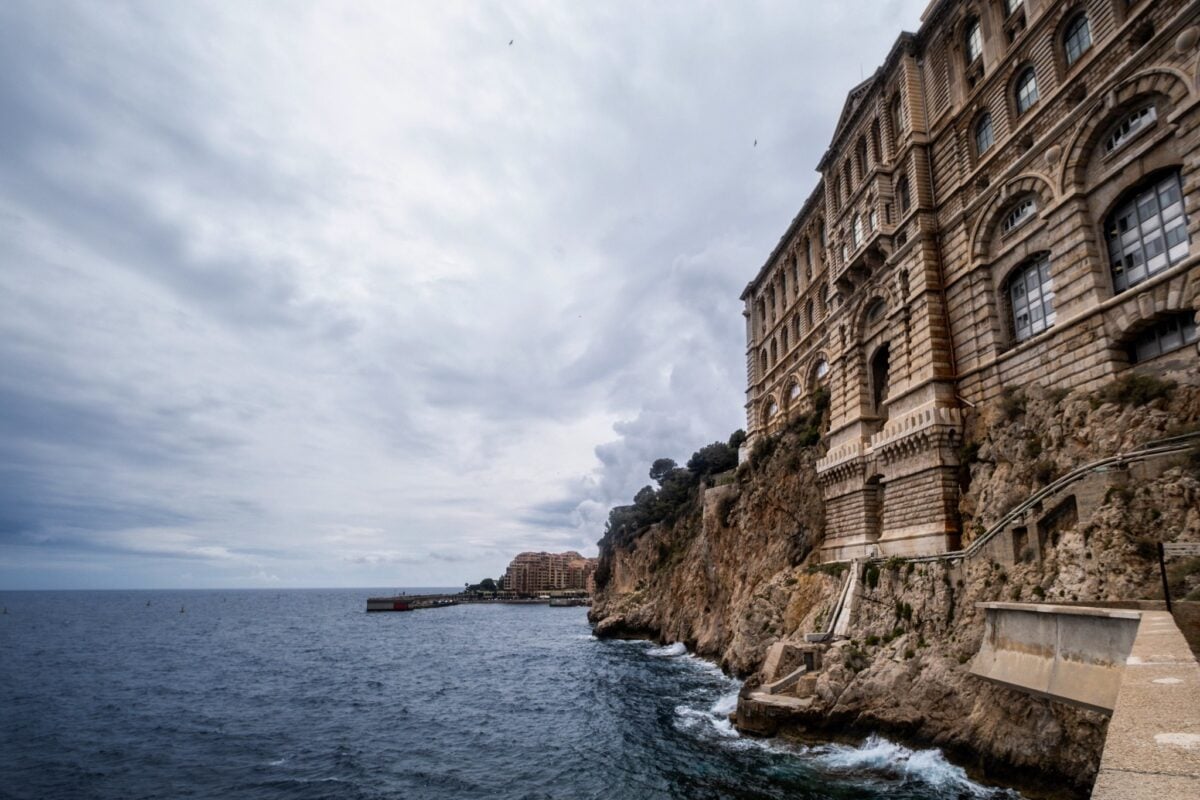
The Oceanographic Museum in Monaco houses one of the world’s finest marine collections. Prince Albert I founded it in 1910 after conducting deep-sea expeditions.
His research vessel collected specimens from depths previously unexplored. The museum contains preserved specimens, aquariums, and research facilities.
Jacques Cousteau directed it for three decades. Monaco’s location on the Mediterranean and the royal family’s scientific interests created a center for marine research that countries a thousand times larger never matched.
The museum proves that scientific advancement depends on commitment and resources, not territory size.
Brunei Preserved Forests Others Destroyed
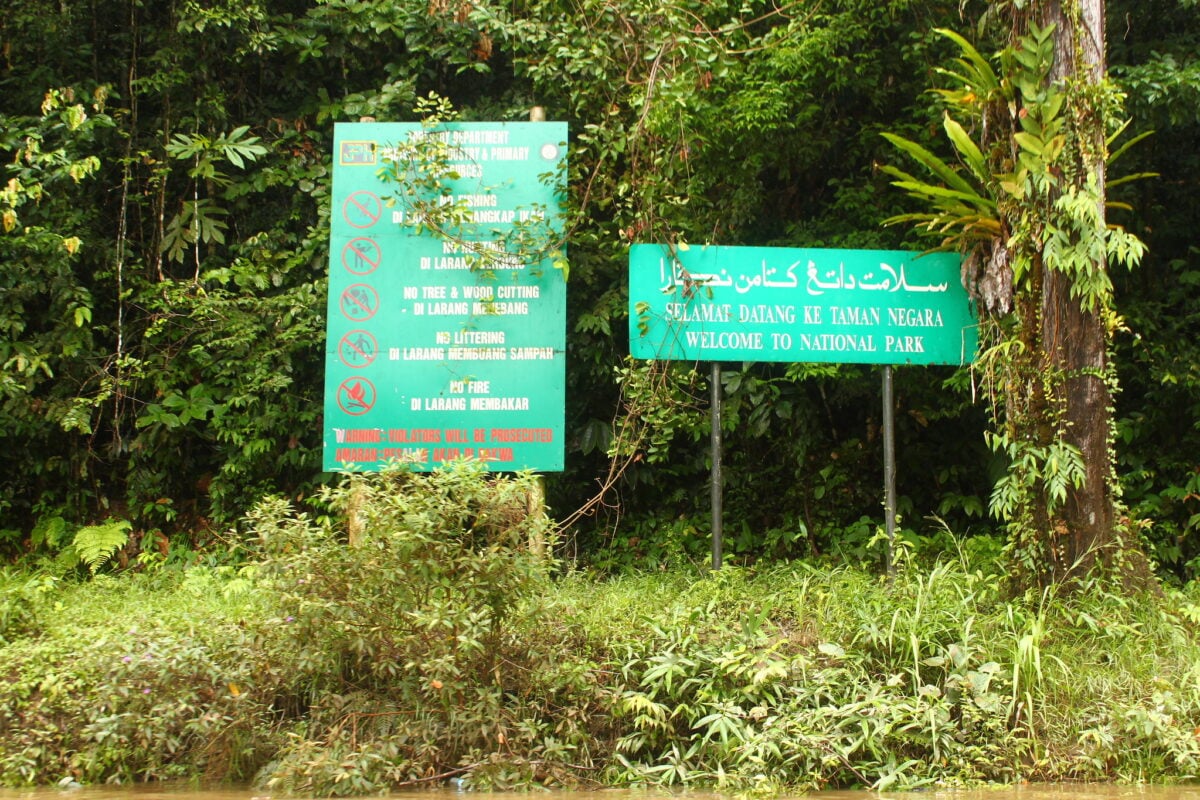
Seventy percent of Brunei remains covered in primary rainforest. The Sultan protected these forests when neighboring countries cleared theirs for palm oil plantations.
The Ulu Temburong National Park protects ecosystems found nowhere else. Oil wealth meant Brunei didn’t need to harvest forests for economic development.
The Sultan used oil revenues to build infrastructure while leaving rainforests intact. This accidental conservation preserved species from going extinct elsewhere in Southeast Asia.
The forest canopy walkway lets visitors see the ecosystem without damaging it. Brunei shows what tropical nations could look like if extraction industries didn’t dominate their economies.
Tuvalu Faces the Rising Ocean With Song
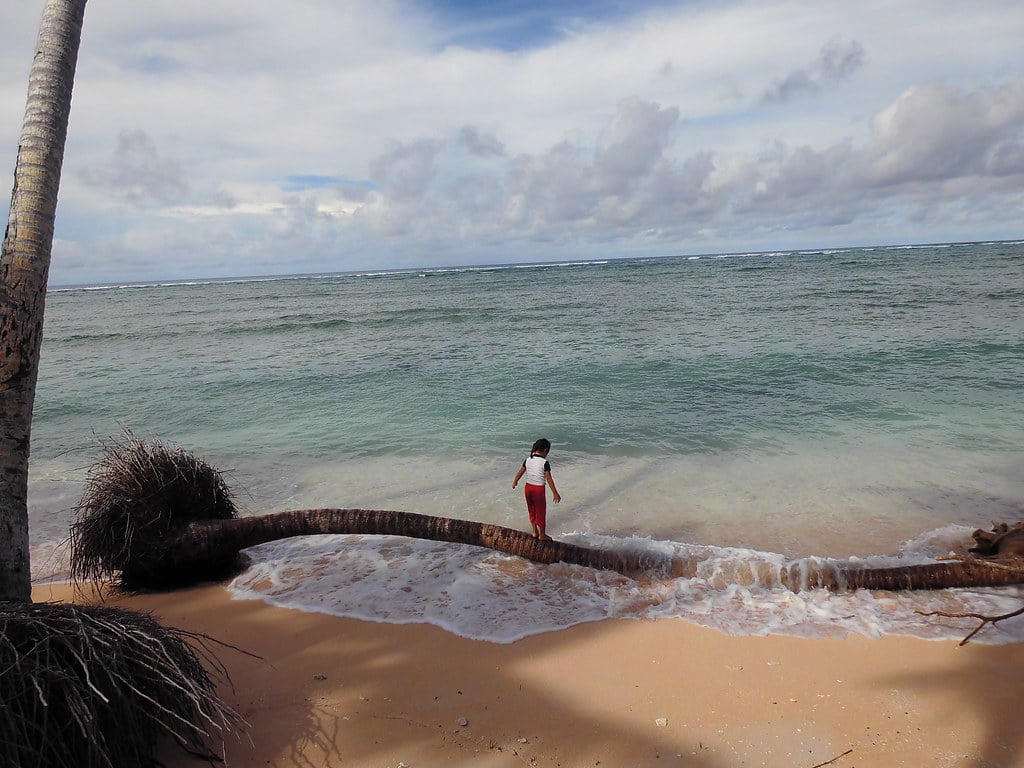
Floating low in the Pacific, this cluster of nine islands barely climbs fifteen feet above the waves. Rising waters could swallow it whole before the century ends. So people there are saving stories, songs, moments – filling digital vaults with who they are.
Footage of classic fatele dances finds its way into classrooms for children. National record keepers store songs, tales, and ancient seafaring knowledge.
Drums from old times mix with electric guitars and keyboards in new tracks. Even as sounds shift, roots remain tied to what came before.
Facing rising seas, Tuvaluans hold tight to who they are. Should land vanish beneath waves, their stories won’t fade.
A living archive grows quietly, built not of stone but memory. Even without soil underfoot, belonging remains unshaken.
Size Measures Nothing Important
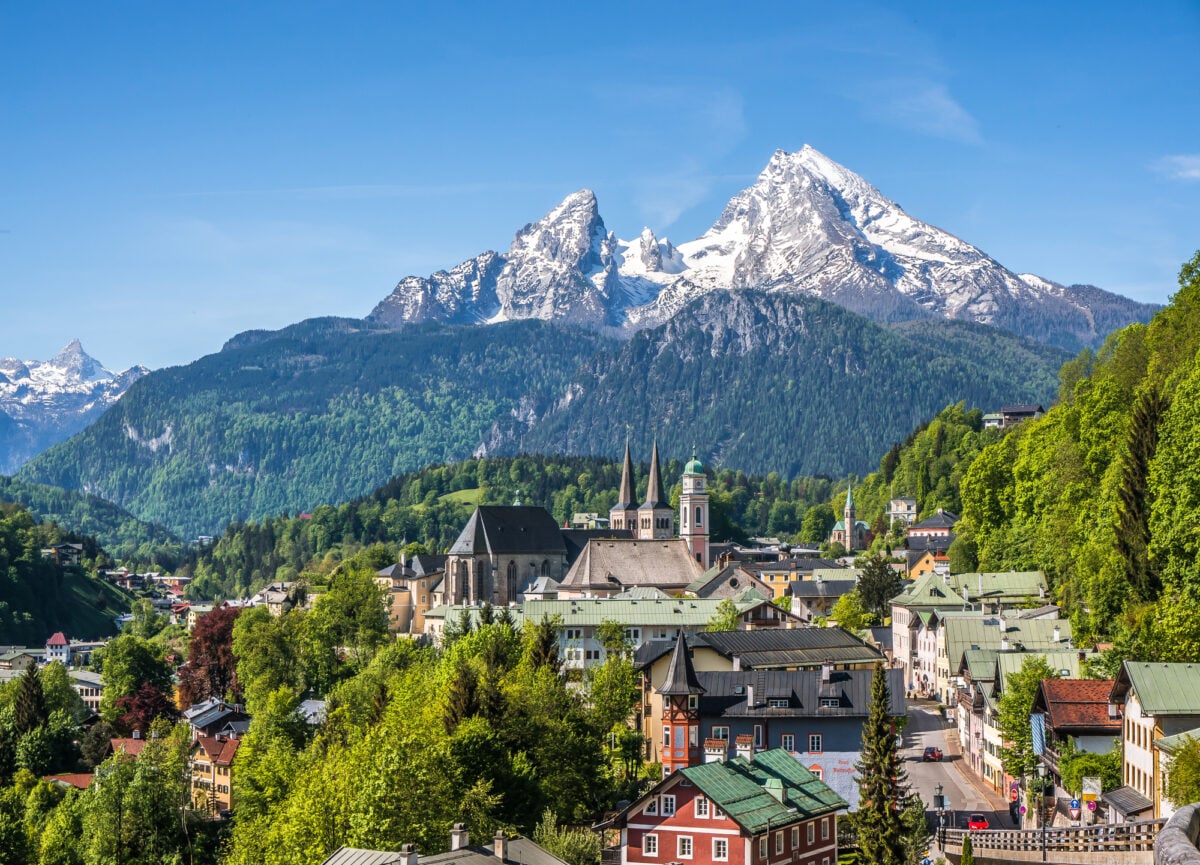
A tiny homeland means each story counts. What survives is kept close, passed down carefully. Think about it – when borders could vanish overnight, symbols become vital.
Not everything old gets saved; only what feels essential does. Size doesn’t decide worth – attention does.
Some islands speak languages barely heard elsewhere. Their songs, their tools, even how meals are shared – they resist forgetting.
Big powers rise fast then fade just as quick. Small ones watch time differently.
They know disappearing begins with neglect. So they hold on – not tightly, but steadily.
More from Go2Tutors!

- The Romanov Crown Jewels and Their Tragic Fate
- 13 Historical Mysteries That Science Still Can’t Solve
- Famous Hoaxes That Fooled the World for Years
- 15 Child Stars with Tragic Adult Lives
- 16 Famous Jewelry Pieces in History
Like Go2Tutors’s content? Follow us on MSN.



