School Lunchboxes Then Vs. Now: How the Midday Meal Has Changed
There’s something oddly emotional about a lunchbox. It traveled with you every single school day, sat under your desk, and held whatever someone at home thought would get you through the afternoon.
Open one today from the 1970s or 80s and it almost smells like childhood. Open a modern one and you’re looking at a compartmentalized masterpiece with a fruit skewer and a handwritten note on a sticky tab.
The lunchbox didn’t just change in shape. It tells a story about how parenting, food culture, and even school rules have shifted over the decades.
The Metal Tin Era
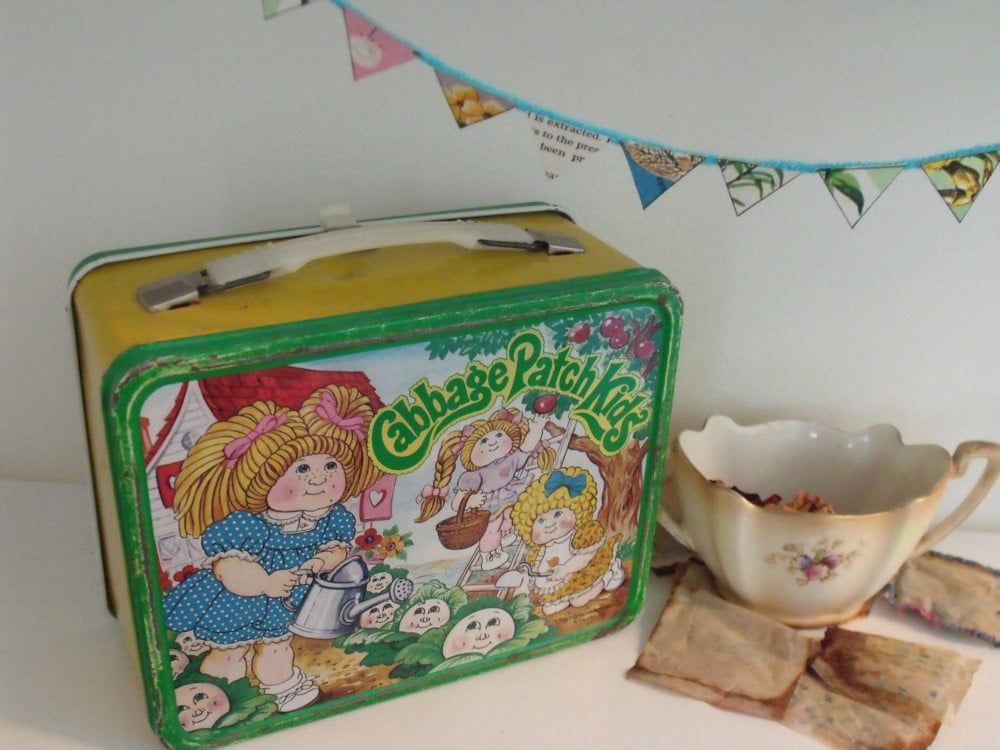
Before insulation was a priority, lunchboxes were just decorated metal tins. The kind with a latch that clicked, a handle that eventually got wobbly, and a matching thermos that slotted inside the lid.
Kids carried characters — Scooby-Doo, The Dukes of Hazzard, Star Wars — on the sides of these boxes like little portable billboards. The metal scratched easily.
The corners dented. And by mid-year, most of them had a faint smell that no amount of washing was fully removed.
But kids loved them, and so did collectors. Some of those vintage tins now sell for hundreds of dollars.
Whatever Was in the Thermos
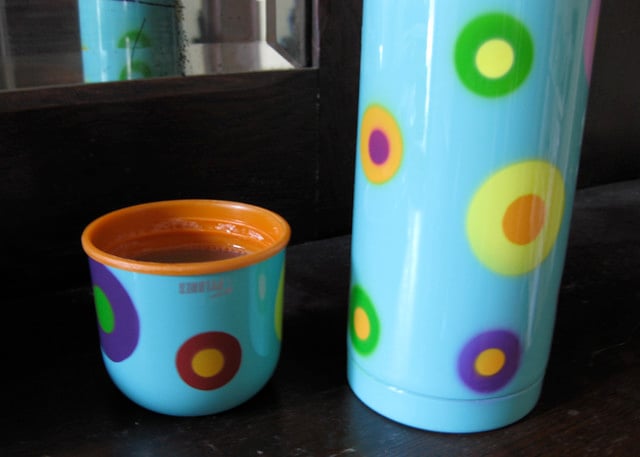
The thermos was the star of the old-school lunchbox. It kept tomato soup warm or milk cold, depending on the family.
A lot of kids showed up with chocolate milk in theirs. Others had diluted orange juice, which somehow always leaked just enough to dampen the napkin tucked around it.
The point wasn’t nutrition optimization — it was getting something into the kid before afternoon classes. Nobody was counting macros.
The Plastic Takeover

Somewhere in the late 1980s and through the 1990s, hard plastic lunchboxes replaced metal ones. They were lighter, easier to wipe down, and came in every color imaginable.
The Ninja Turtles phase. The Lisa Frank phase.
The plain-colored phase when older kids decided branded boxes were embarrassing. These boxes had a simple clamshell design — one big space with maybe a small tray inside.
Everything went in together. Sandwich, apple, chips, maybe a Little Debbie snack cake if it was a good day.
The Classic Packed Lunch
The contents of a school lunchbox in the 80s and 90s were remarkably consistent. A sandwich — usually peanut butter and jelly, bologna, or ham and cheese.
A bag of chips or crackers. A piece of fruit, often a bruised apple or a banana that turned brown by 11am.
Maybe a small bag of cookies. Nobody thought much about it. There were no food dye conversations.
The sandwich was in a plastic bag, the chips were in a plastic bag, and everything went into a lunchbox that would be thrown in a backpack next to a Trapper Keeper.
When the Insulated Bag Arrived

Soft-sided, insulated lunch bags started appearing in force during the late 1990s and early 2000s. They were easier to carry, held more, and didn’t clang around in lockers.
They also looked less like a lunchbox and more like a small cooler — which, for self-conscious middle schoolers, was a meaningful distinction. The thermos started disappearing too.
Ice packs came in instead. You froze them the night before, dropped them in the bag, and your sandwich stayed cold until noon.
Nut-Free Zones Changed Everything
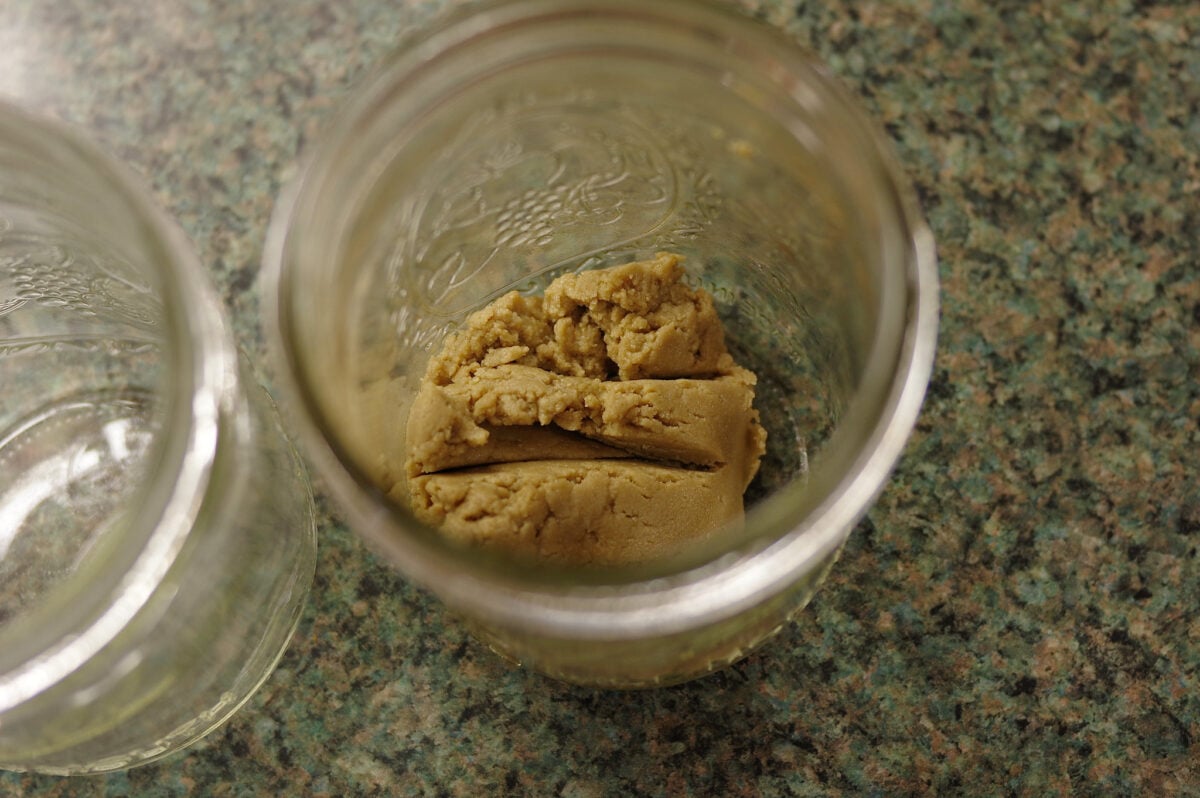
One of the biggest shifts in school lunchboxes over the past two decades has nothing to do with the box itself — it’s what’s no longer allowed inside. Nut-free school policies, driven by the rise in severe allergies, wiped peanut butter sandwiches off the menu for a huge chunk of kids.
Sunflower seed butter stepped in. So did cream cheese, hummus, and a lot more turkey roll-ups.
The lunch conversation between parents got more complicated, and lunchboxes started reflecting it.
The Bento Box Moment

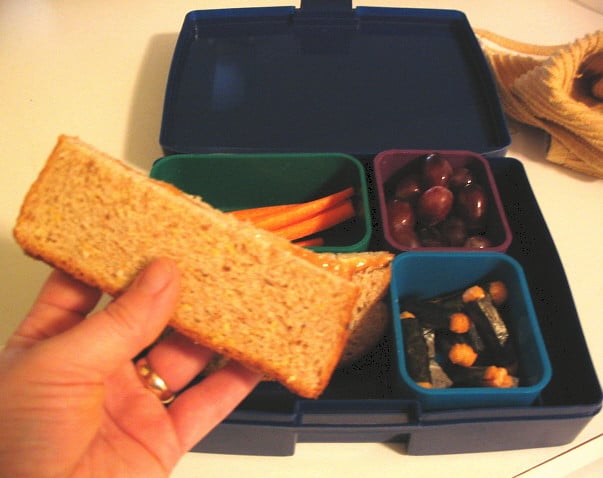
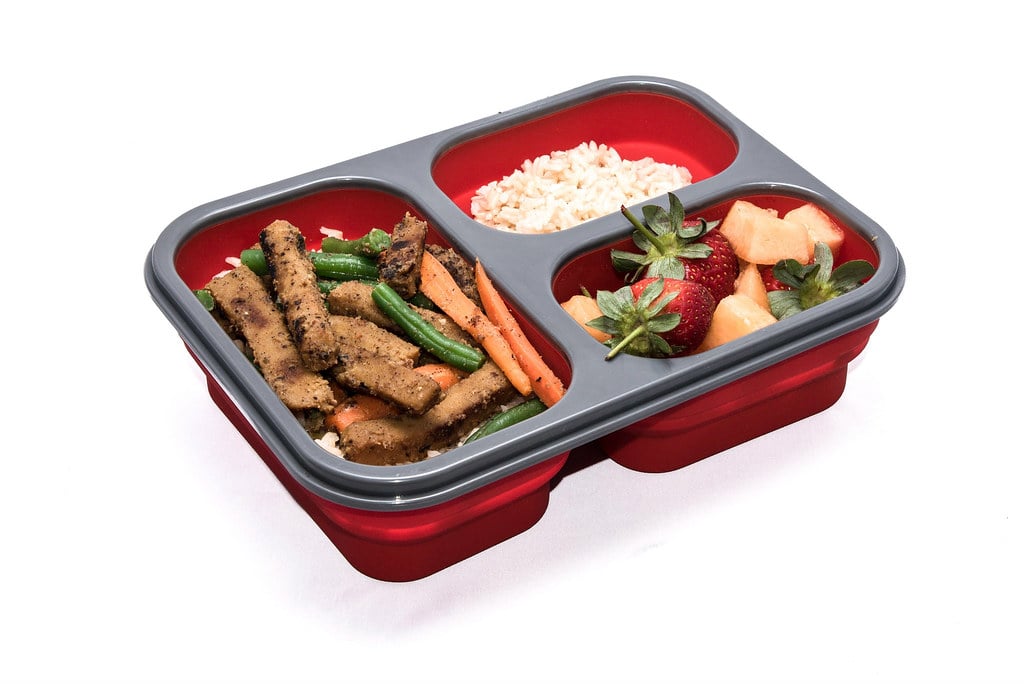
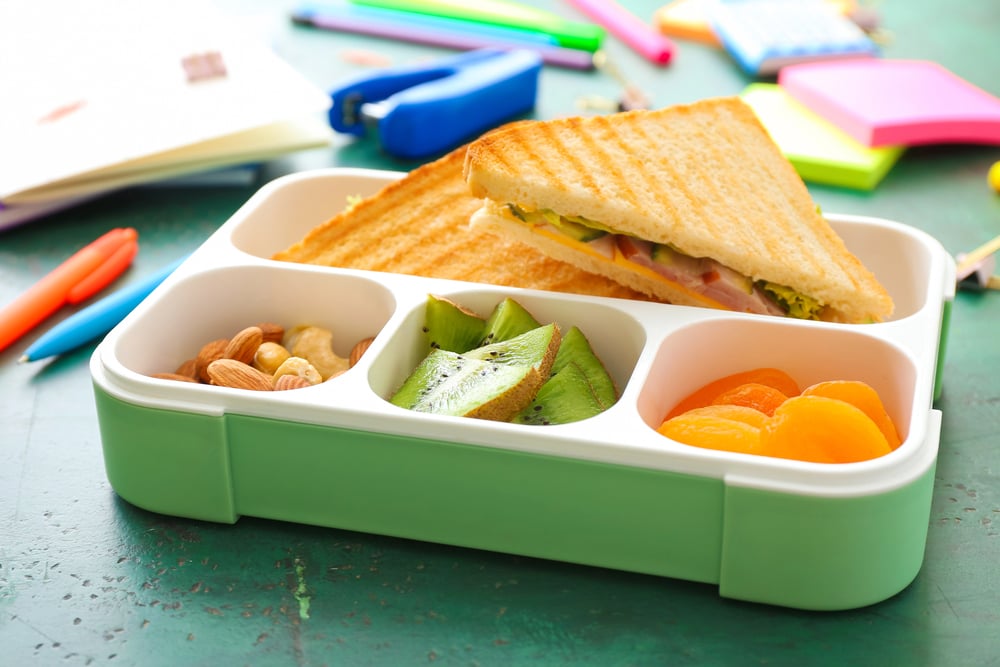
The bento box arrived in Western school lunch culture and didn’t leave. Borrowed from Japanese food culture, where portioned, visually balanced meals have been the norm for decades, the bento format suddenly made lunchboxes feel like they required effort — and maybe a little planning the night before.
Divided trays. Silicone cups for dips.
Grapes in one section, cheese cubes in another, a small sandwich cut into triangles. The goal wasn’t just feeding a child — it was presenting something that looked intentional.
Social Media and the “Instagram Lunchbox”
Once parents started sharing lunchbox photos online, the game changed for some families. Suddenly there were accounts dedicated entirely to school lunch prep.
Tiny cookie cutters shaping sandwiches into dinosaurs. Curated color palettes.
Little notes tucked in with motivational messages. For many parents, this was inspiring.
For others, it was a source of pressure they didn’t ask for. The lunchbox became a performance in some corners of the internet — which says more about social media than it does about feeding kids.
Water Bottles Replaced the Thermos

The classic thermos is mostly gone from modern lunchboxes. What replaced it is a water bottle — usually a large, insulated stainless steel one that keeps water cold for hours.
Kids lug these things everywhere now. The hydration culture that hit adults eventually filtered down to school hallways.
Some kids have bottles with time markers on the side to remind them to drink throughout the day. The idea of sending a child to school with a small thermos of chocolate milk feels like a postcard from another century.
What Schools Serve Now vs. Then
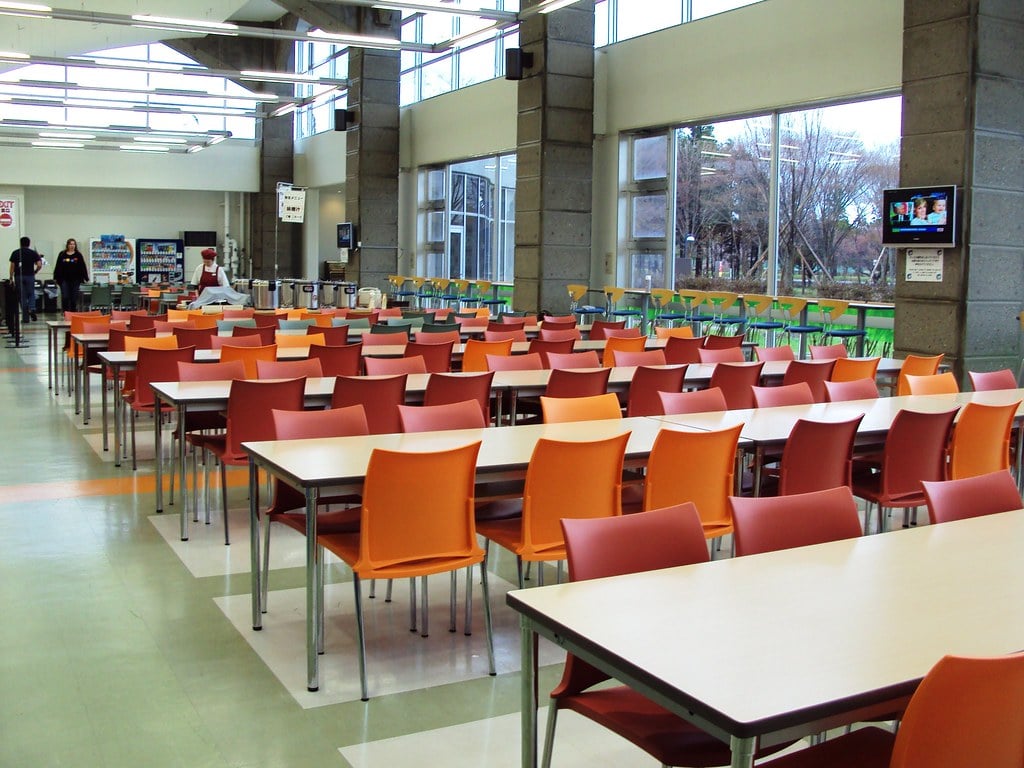
School cafeteria food has changed too, and it shapes what kids expect. The rectangular pizza and corn dog combo plates of the 1980s gave way to, in many districts, salad bars, whole grain options, and lower-sugar beverages.
The 2010 Healthy, Hunger-Free Kids Act pushed schools to meet new nutrition standards, and menus shifted accordingly. Not every kid loved the change.
But it moved the baseline for what lunch looked like, and parents packing from home started adjusting too — at least some of them.
The Lunchbox as Parenting Statement

Lunchboxes carry a weight now they never used to. The contents seem to speak before you do, somehow.
Pile in too many packaged treats, suddenly effort feels lacking. Go all artistic with tiny food faces, then it reads like performance.
Ingredients must dodge allergens, skip artificial colors, hit the organic mark – assuming that’s still what the classroom allows this term. A meal container once meant only metal and hinges.
Today? It carries weight beyond sandwiches – like principles packed tight, marching through classroom doors each weekday.
Kids Who Pack Their Own

Nowadays, a real change stands out: lots of kids pack their lunch themselves. It might be down to tighter parent schedules, yet perhaps it’s also about teaching self-reliance – either way, pupils in late primary years increasingly put together what they’ll eat.
Predictable outcomes show up fast – endless snacks, almost no greens, then once in a while, a lunchbox victory that beats what most grown-ups manage. When children handle it alone, balance usually gets lost somewhere along the way.
Improvements and Declines
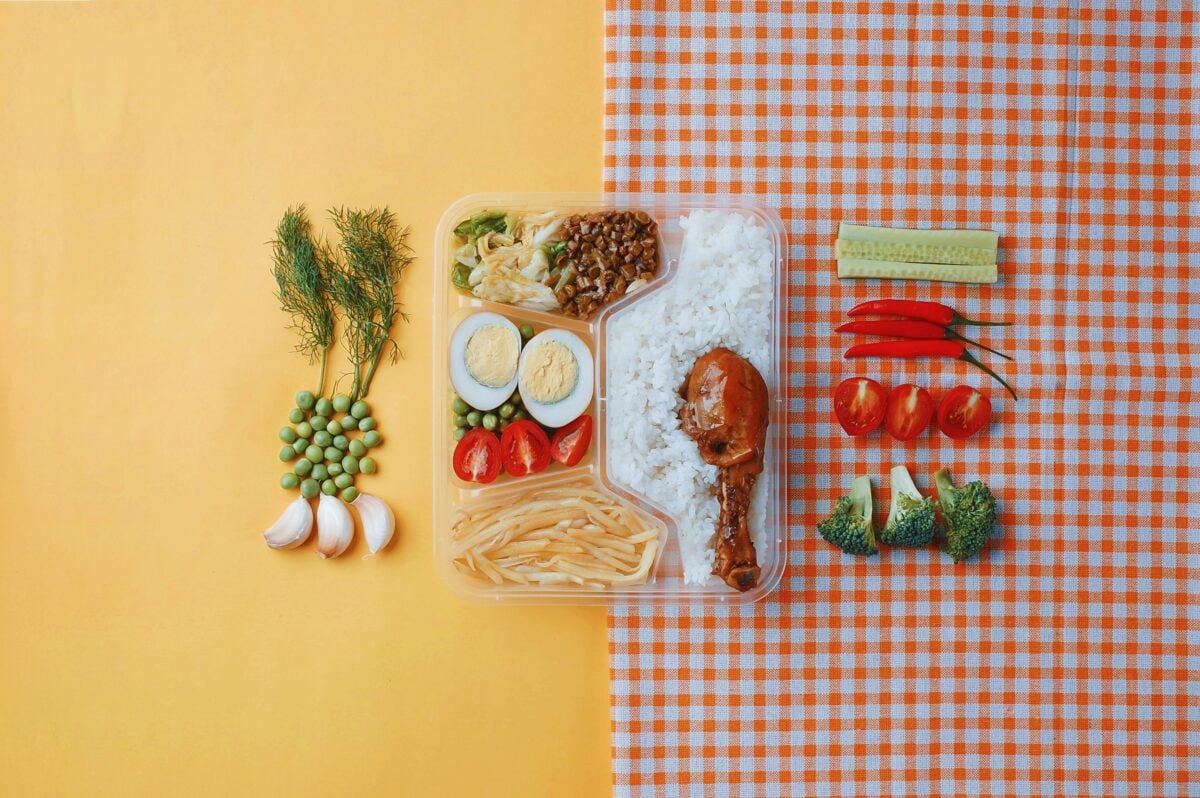
Lunchboxes today keep food cooler longer, thanks to smarter designs that help everything stay fresh. A wider mix of foods shows up now, like crunchy veggies or meals inspired by faraway places.
Sandwiches and chips alone? That was yesterday. These days, young eaters explore tastes from different cultures, along with ingredients that add color and crunch.
Organization matters too – compartments make it easier to separate snacks from main dishes. Yet a quiet kind of freedom slipped away. Back then, no thought went into packing.
Nobody measured you by what you brought. A crumpled wrapper with crusts bitten off meant nothing – just another afternoon.
The Box at the Bottom of the Backpack
Every afternoon when school lets out, the lunchbox returns just like before. Packed into the backpack again, sometimes wet from a cooling pad that didn’t melt fully.
A single untouched fruit rolls loose somewhere at the bottom. Not much differs these days.
A packed meal shows someone thought ahead. Sometimes it came in old tins marked with faded drawings.
Other times it arrived in clean boxes divided into parts holding food just so. Shapes shifted over time. What mattered stayed put.
More from Go2Tutors!

- The Romanov Crown Jewels and Their Tragic Fate
- 13 Historical Mysteries That Science Still Can’t Solve
- Famous Hoaxes That Fooled the World for Years
- 15 Child Stars with Tragic Adult Lives
- 16 Famous Jewelry Pieces in History
Like Go2Tutors’s content? Follow us on MSN.