Weirdest Things People Tried to Smuggle
People have always tested the limits of what they can sneak past borders, security checkpoints, and customs officials. Some do it for profit, others for personal reasons, and a few seem to enjoy the thrill of getting away with something outright ridiculous.
The creativity involved in these attempts ranges from clever to completely absurd, and the items themselves often defy logic. Airport security and border patrol agents have seen it all, from live animals stuffed into luggage to bizarre food items hidden in the strangest places.
Let’s look at some of the most unusual smuggling attempts that made headlines and left officials shaking their heads in disbelief.
A man with 94 iPhones taped to his body

A traveler arriving in mainland China from Hong Kong drew attention when customs officials noticed he walked in an odd, stiff manner. Upon inspection, they discovered 94 iPhones and 15 luxury watches strapped to his torso, thighs, and calves with plastic wrap and tape.
The phones alone weighed over 30 pounds, making his awkward gait completely understandable. This wasn’t a first-time offense either.
The man had been caught before attempting similar stunts, proving that some people never learn their lesson.
Live pigeons hidden in pants

A man tried to cross from Australia into Melbourne with two live pigeons stuffed down his pants. Customs agents became suspicious when they noticed unusual bulges and movement in his trousers during a routine check.
The birds were wrapped in padded envelopes and tucked into specially made pockets sewn into his pants. He also had two eggs strapped to his body.
The man faced serious charges because bringing undeclared animals into Australia poses huge risks to the country’s agriculture and wildlife.
A leopard cub in a suitcase

Travelers at an Indian airport tried to smuggle a sedated leopard cub inside a piece of checked luggage. The two-month-old cub was discovered when security staff noticed suspicious movement and sounds coming from the bag during a routine scan.
The animal was wrapped in clothing and hidden among other items to avoid detection. Wildlife trafficking remains a serious global problem, and big cats are often targeted because of their value on the black market.
Thankfully, the cub survived and was taken to a wildlife rescue center.
Cocaine disguised as carrots

Drug smugglers have tried countless ways to disguise their products, but fake carrots take creativity to another level. U.S. Customs and Border Protection agents intercepted a shipment containing over 2,000 pounds of drugs shaped and painted to look exactly like fresh carrots.
The fake vegetables were mixed in with real produce to throw off inspectors. Each carrot was carefully molded and colored orange, complete with realistic green tops.
The shipment was valued at over $500,000, proving just how much effort criminals will put into fooling authorities.
A mummified monkey in luggage

A traveler returning to the United States from the Democratic Republic of Congo had a dried, mummified monkey carcass hidden in his suitcase. The man claimed it was intended for personal consumption, a defense that didn’t help his case much.
Bringing bushmeat into the country is illegal due to the risk of spreading diseases like Ebola and other viruses. The monkey was confiscated and destroyed, and the traveler faced hefty fines.
Cases like this highlight the dangers of wildlife smuggling beyond just animal welfare concerns.
Hundreds of snakes in tiny containers

A man at an airport in China tried to board a plane with 104 live snakes concealed in his pants pockets. The reptiles were stuffed into small cloth bags and hidden in various pockets sewn into his clothing.
Security discovered the snakes when they saw suspicious movements during a body scan. The species included rat snakes and corn snakes, some of which are non-venomous but still dangerous when handled improperly.
Authorities arrested the man, and the snakes were handed over to wildlife officials.
Parrots strapped inside water bottles
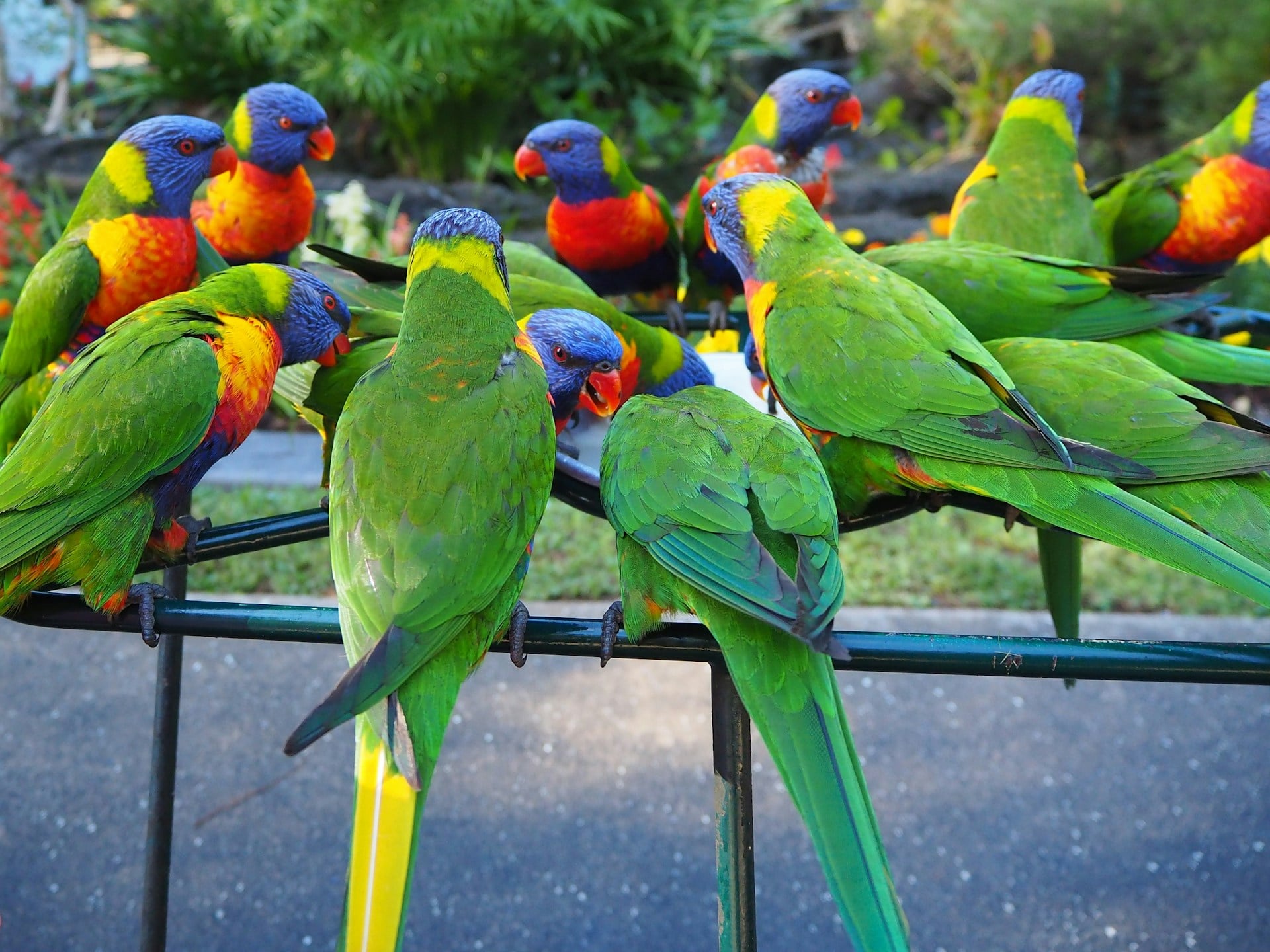
In a bizarre attempt to smuggle wildlife, a man was caught with 18 live parrots stuffed into plastic water bottles. Each bird was crammed into a small bottle with openings poked in the sides for air.
The bottles were then hidden inside his luggage to avoid detection. Many of the parrots were injured or dead by the time customs agents found them.
The exotic pet trade drives much of this kind of trafficking, with rare birds fetching high prices on illegal markets.
Gold hidden in body cavities

Smugglers have long used their own bodies as hiding spots, but one man took things to an extreme when he attempted to transport gold bars by hiding them internally. Airport scanners picked up the suspicious metal, leading to his arrest.
This method is dangerous and can cause serious health problems or even death. Despite the risks, people continue trying because gold prices make the potential profit too tempting to resist.
Customs officials have seen countless variations of this scheme over the years.
A cow’s stomach filled with drugs
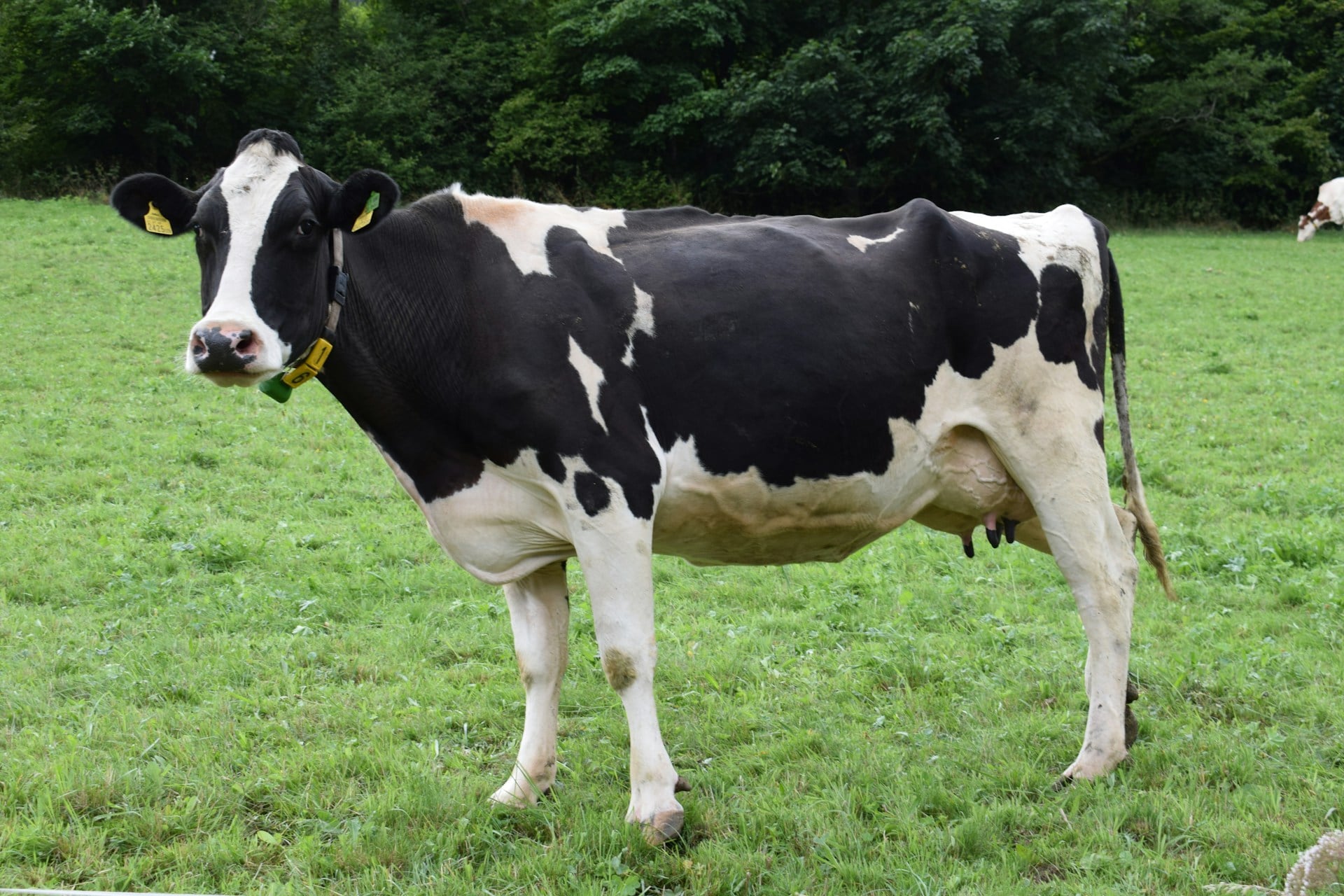
Authorities at a border checkpoint discovered over 100 pounds of drugs hidden inside a cow’s stomach. The animal had been slaughtered, and its stomach was cleaned out and filled with packages of narcotics before being transported across the border.
This gruesome method was meant to avoid suspicion since livestock and meat products are commonly shipped between countries. The smell and decomposition eventually gave away the scheme.
Drug cartels constantly develop new tactics, but this one stood out for its sheer audacity and creativity.
Live eels in a false-bottom suitcase

A passenger flying into the United States had 163 live eels swimming in water-filled plastic bags hidden in the false bottom of his luggage. The eels were destined for restaurants where they would be sold as a delicacy.
Smuggling live animals poses biosecurity threats because non-native species can disrupt local ecosystems if they escape or are released. The eels were confiscated, and the traveler was fined.
This case shows how far people will go to turn a profit on specialty food items.
Endangered bird eggs wrapped in socks

A man attempted to smuggle 19 rare bird eggs into the United States by wrapping them in socks and hiding them in his pants. The eggs came from endangered species native to Australia and were bound for the illegal pet trade.
He walked through customs with extreme care, trying to avoid breaking the fragile cargo. Officials became suspicious of his odd behavior and searched him.
The eggs were confiscated, but many had already cracked from the journey. Wildlife crime like this threatens species that are already struggling to survive.
A shipment of live turtles in snack packages

Customs agents in China intercepted a package containing 1,529 live turtles hidden inside hollowed-out snack food boxes. The reptiles were stacked in tiny compartments with little air or space to move.
Many were dead or dying by the time authorities opened the shipment. Turtles are popular in traditional medicine and as exotic pets, which fuels illegal trade.
The sender had gone to great lengths to disguise the package as ordinary food products. Cases like this demonstrate the scale and cruelty of wildlife trafficking.
Human skulls disguised as art

A woman tried to bring two human skulls into the United States by claiming they were decorative art pieces. She had purchased them overseas and packed them in her luggage along with other souvenirs.
Human remains require special permits and documentation to cross borders, something she either didn’t know or chose to ignore. Customs officials seized the skulls and launched an investigation into their origins.
While some cultures use human bones in religious or artistic practices, transporting them without proper authorization violates international laws.
Spiders taped to the body
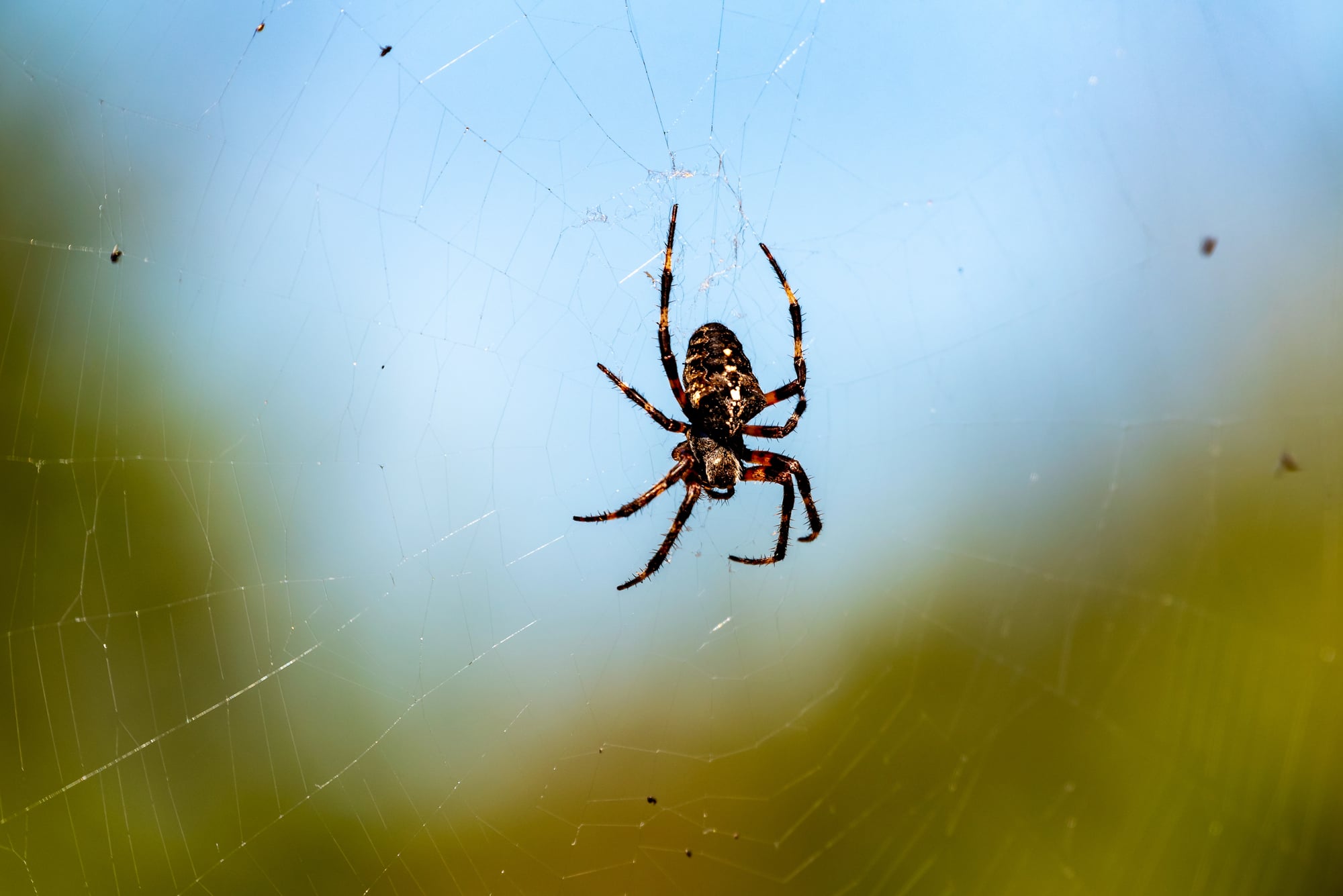
A man was caught trying to smuggle hundreds of live spiders by taping them to his torso and legs. The spiders were stored in small containers strapped to his body with adhesive tape.
Some were rare species sought after by collectors willing to pay high prices. Security became suspicious when they noticed unusual movements under his clothing.
The spiders were confiscated, and several had already died from stress and poor conditions. Exotic pet smuggling remains a persistent problem worldwide.
Cheese wheels stuffed with drugs

Italian authorities discovered over 150 pounds of drugs hidden inside hollowed-out wheels of Parmesan cheese. The smugglers had carefully removed portions of the cheese, inserted packages of narcotics, and sealed them back up to look like authentic products.
The wheels were shipped as part of a legitimate food export to avoid suspicion. Drug-sniffing dogs eventually detected the hidden cargo.
This clever disguise shows the lengths criminals go to in order to move illegal substances across borders.
Live pigeons tucked into hair curlers

A woman tried to sneak 12 live hummingbirds through customs using hair curlers stashed in her bag. Inside the small plastic rolls, the birds had almost no space to move or take air.
Officers found the creatures while going over bags like they normally do. These little birds are shielded by law across several nations – selling or moving them isn’t allowed without permission.
The birds felt totally overwhelmed yet dried out after everything they’d been through. Officials stepped in, taking the ones who made it for care so they could heal.
Moon rocks were taken then traded on the black market

In a bizarre heist, someone working at NASA teamed up with others to swipe a heavy vault – around 600 pounds – that held moon rocks and bits of Mars. Instead of going legit, their idea was to offload the space samples through secret deals with rich buyers.
These pieces weren’t just rare; together they were worth more than twenty-one million bucks, which put the crime near the top for costly robberies ever. Things fell apart once they met what they thought was a buyer – but turned out to be a fed playing along.
Everything taken got returned safely, while those involved landed in deep legal trouble.
Rare orchids hidden in chocolate boxes

A tourist attempted to sneak rare orchids through customs using fancy chocolate containers. Inside, the flowers were placed neatly so they’d seem like a design feature.
These blooms attract big interest from hobbyists – some fetch prices up high per piece. Since global agreements guard many types, moving them without paperwork breaks the law.
Customs officers found the greenery while checking bags by chance. Then, they handed over the orchids to plant experts so they could look after them.
What this reveals about people
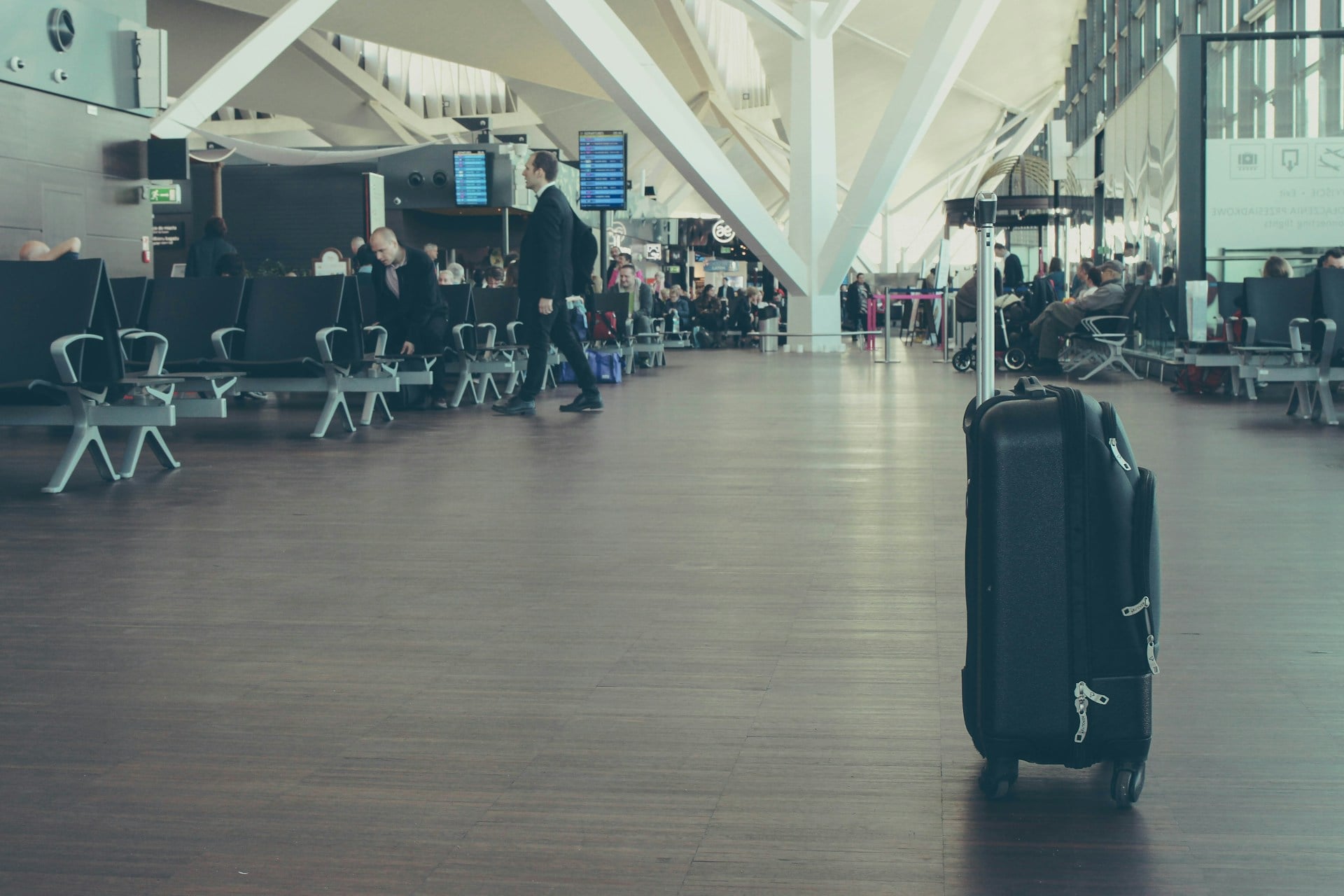
Some crazy smuggling stories show what goes on in people’s minds when they risk it all. Greed, panic, or just thinking they’re smarter than the system pushes folks into moves that look nuts to others.
Officers at borders handle threats one minute, bizarre stunts the next. Whenever cash is involved – or laws get in the way – someone will try slipping stuff through.
Inventive tricks pop up nonstop, yet so do the efforts to shut them down.
More from Go2Tutors!

- The Romanov Crown Jewels and Their Tragic Fate
- 13 Historical Mysteries That Science Still Can’t Solve
- Famous Hoaxes That Fooled the World for Years
- 15 Child Stars with Tragic Adult Lives
- 16 Famous Jewelry Pieces in History
Like Go2Tutors’s content? Follow us on MSN.