Vegetables That Are Actually Fruits
Walk into any grocery store and you’ll find produce sections neatly divided into fruits and vegetables. It seems simple enough, right? Pick up a tomato from the vegetable aisle, grab some berries from the fruit section, and head home.
But here’s the thing: botanists have been laughing at us this whole time because many of the items we’ve been calling vegetables are scientifically fruits. The confusion comes down to how we use these foods in cooking versus how scientists classify them based on plant biology.
So what makes something a fruit anyway? In botanical terms, a fruit develops from the flower of a plant and contains seeds. Vegetables, on the other hand, come from other parts of the plant like roots, stems, or leaves.
Let’s dig into some common foods that have been hiding their true fruity identity.
Tomatoes

The tomato is probably the most famous imposter in the produce aisle. Courts have even gotten involved in this debate, with an 1893 Supreme Court case ruling that tomatoes should be classified as vegetables for tax purposes despite their botanical status as fruits.
Science doesn’t care about taxes though. Tomatoes grow from the flower of the tomato plant and contain seeds, making them fruits by every botanical measure.
We toss them in salads and cook them in savory dishes, which is why our brains insist on calling them vegetables.
Bell peppers

Those colorful peppers you stuff or slice into stir fries are fruits too. Bell peppers develop from the flower of the pepper plant and house seeds inside their hollow chambers.
They come in green, red, yellow, and orange varieties, with the different colors often representing different stages of ripeness rather than different types. The sweet crunch of a bell pepper might not remind you of an apple, but botanically speaking, they’re playing for the same team.
Cucumbers

Cucumbers belong to the same family as melons and squash, which should be your first clue about their true nature. These water-packed cylinders grow from flowers and contain seeds throughout their flesh.
People pickle them, slice them for salads, and put them in sandwiches, all typical vegetable treatments. But that doesn’t change the fact that cucumbers are fruits masquerading as vegetables in our kitchens.
Eggplants

The shiny purple eggplant might look like the least fruity thing imaginable, but it’s absolutely a fruit. Eggplants develop from the flower of the plant and contain small seeds scattered throughout their spongy flesh.
Different cultures have embraced eggplants in countless ways, from Italian parmigiana to Middle Eastern baba ganoush. The meaty texture and savory applications have cemented its reputation as a vegetable in most people’s minds.
Zucchini and summer squash
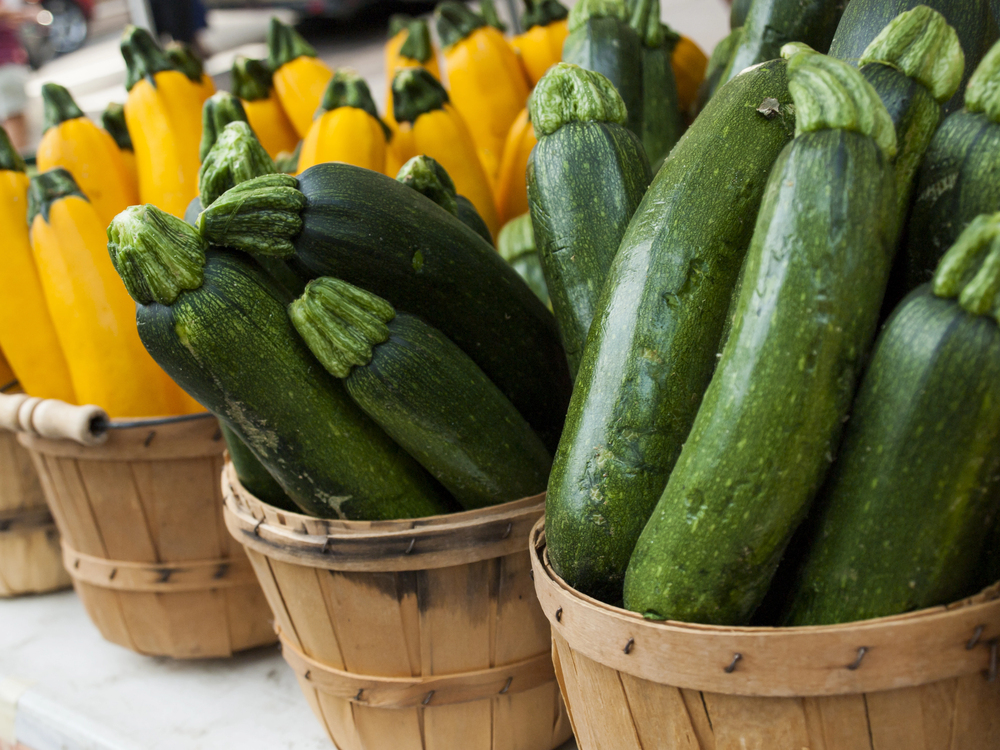
Zucchini grows from bright yellow flowers that some chefs actually fry up as a delicacy. The squash itself contains seeds and develops from those flowers, checking all the boxes for fruit status.
Summer squash varieties like yellow squash and pattypan follow the same pattern. These plants produce both male and female flowers, with only the female flowers developing into the squash we eat.
Pumpkins and winter squash

Pumpkins might get carved into jack-o-lanterns, but they’re fruits through and through. The same goes for butternut squash, acorn squash, and other winter varieties.
They all develop from flowers and contain seeds in their centers, even if we scoop those seeds out before cooking. The thick flesh and savory preparation methods have landed them firmly in vegetable territory for most home cooks.
Green beans

Those crisp green beans sitting next to your chicken dinner are actually the fruit of the bean plant. The pod is technically a fruit called a legume, and the beans inside are seeds.
We eat them before the beans fully mature, which is why they’re tender and not hard like dried beans. String beans, snap peas, and snow peas all follow the same principle.
Okra

Okra produces beautiful hibiscus-like flowers before developing its distinctive pods. Those slimy green pods that people either love or hate are fruits containing rows of edible seeds.
Popular in Southern cooking and essential to gumbo, okra gets treated like a vegetable in every kitchen. The pods must be picked young before they become too tough and fibrous to eat.
Avocados
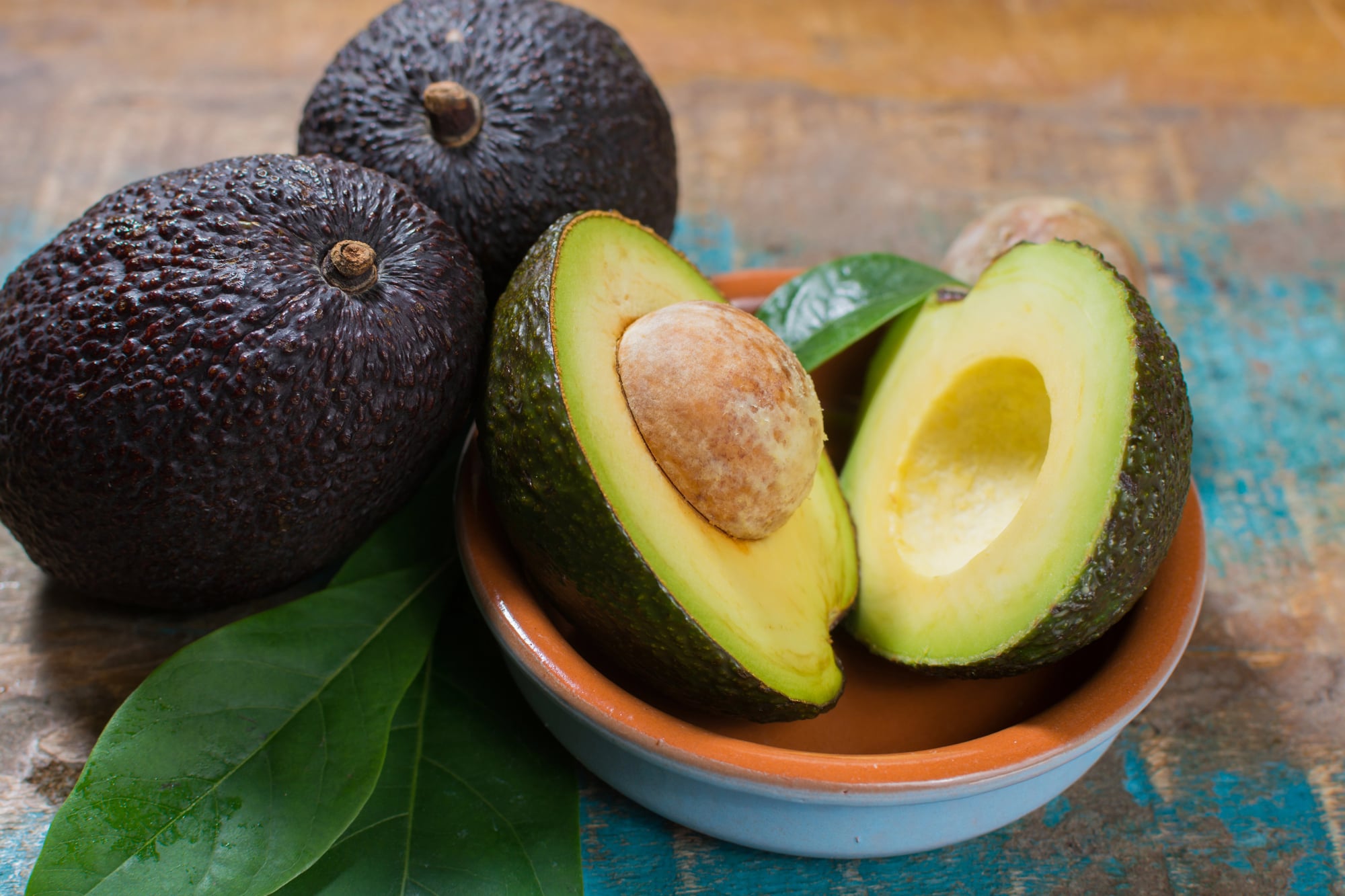
Here’s one that might actually surprise people less since avocados have that creamy, rich quality that seems different from typical vegetables. They grow from flowers on avocado trees and contain a single large seed in the center.
Some people call that seed a pit, but it’s doing the same job as apple seeds or cherry pits. The high fat content and buttery texture set avocados apart from most other fruits.
Olives

Those salty little flavor bombs on pizza are fruits from olive trees. Each olive contains a hard pit in the center, which is the seed.
Ancient civilizations cultivated olive trees for thousands of years, primarily for olive oil rather than eating the fruits whole. The bitter taste of raw olives means they need to be cured or brined before becoming the tasty snacks or salad toppings we know.
Corn kernels

This one gets complicated because corn is actually multiple things at once. Each kernel on a cob of corn is technically a fruit called a caryopsis, where the seed and fruit are fused together.
That means when you bite into an ear of corn, you’re eating hundreds of tiny fruits. We treat corn as a vegetable at dinner and as a grain when it’s dried.
Botanists classify it as a fruit no matter what form it takes.
Pea pods
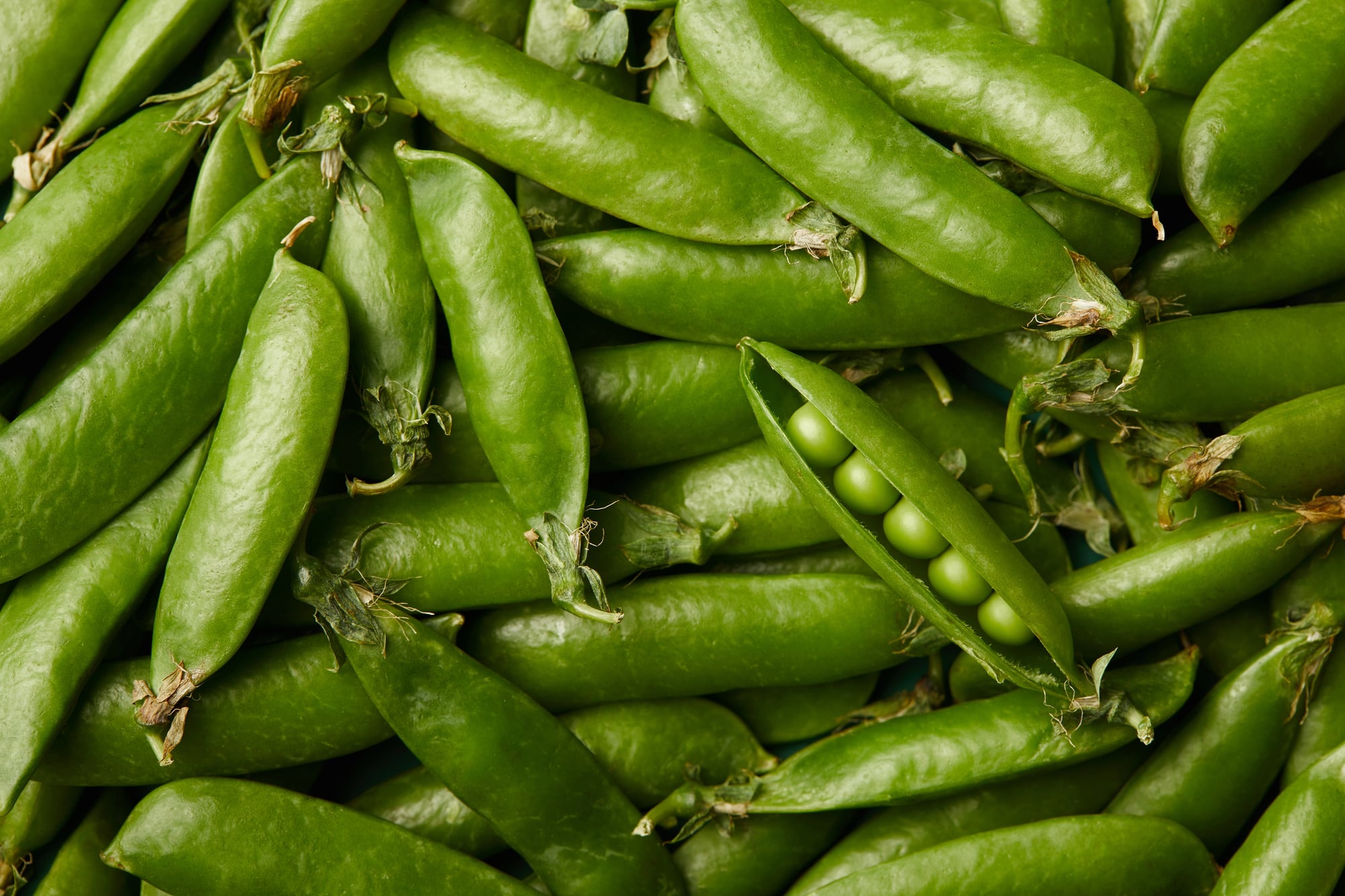
Garden peas growing in their pods are fruits just like green beans. The pod develops from the flower of the pea plant and contains the seeds we call peas.
Sugar snap peas and snow peas let you eat both the pod and the immature seeds inside. Dried peas become legumes used in split pea soup, but they start their life as fresh fruits on the vine.
Chili peppers

From mild jalapeños to scorching habaneros, all chili peppers are fruits. They grow from flowers and contain seeds that carry the heat from one generation to the next.
The chemical compound capsaicin, which makes peppers spicy, actually exists to deter mammals from eating them while attracting birds that can spread the seeds. Humans decided to ignore that warning and built entire cuisines around these spicy fruits.
String beans

The crisp pods of string beans are legume fruits that snap when you break them. They got their name from the fibrous string that used to run along the seam of the pod, though modern varieties have been bred to be stringless.
Green beans and wax beans are the same species, just different colors. People usually eat them whole when they’re young and tender.
Tomatillos

These papery-husked fruits look like small green tomatoes and come from the same plant family. Tomatillos grow inside a tan husk that splits open as the fruit matures.
They’re essential in salsa verde and many Mexican dishes. The sour, slightly citrusy flavor sets them apart from regular tomatoes.
Each fruit contains numerous small seeds suspended in the flesh.
Pumpkin seeds
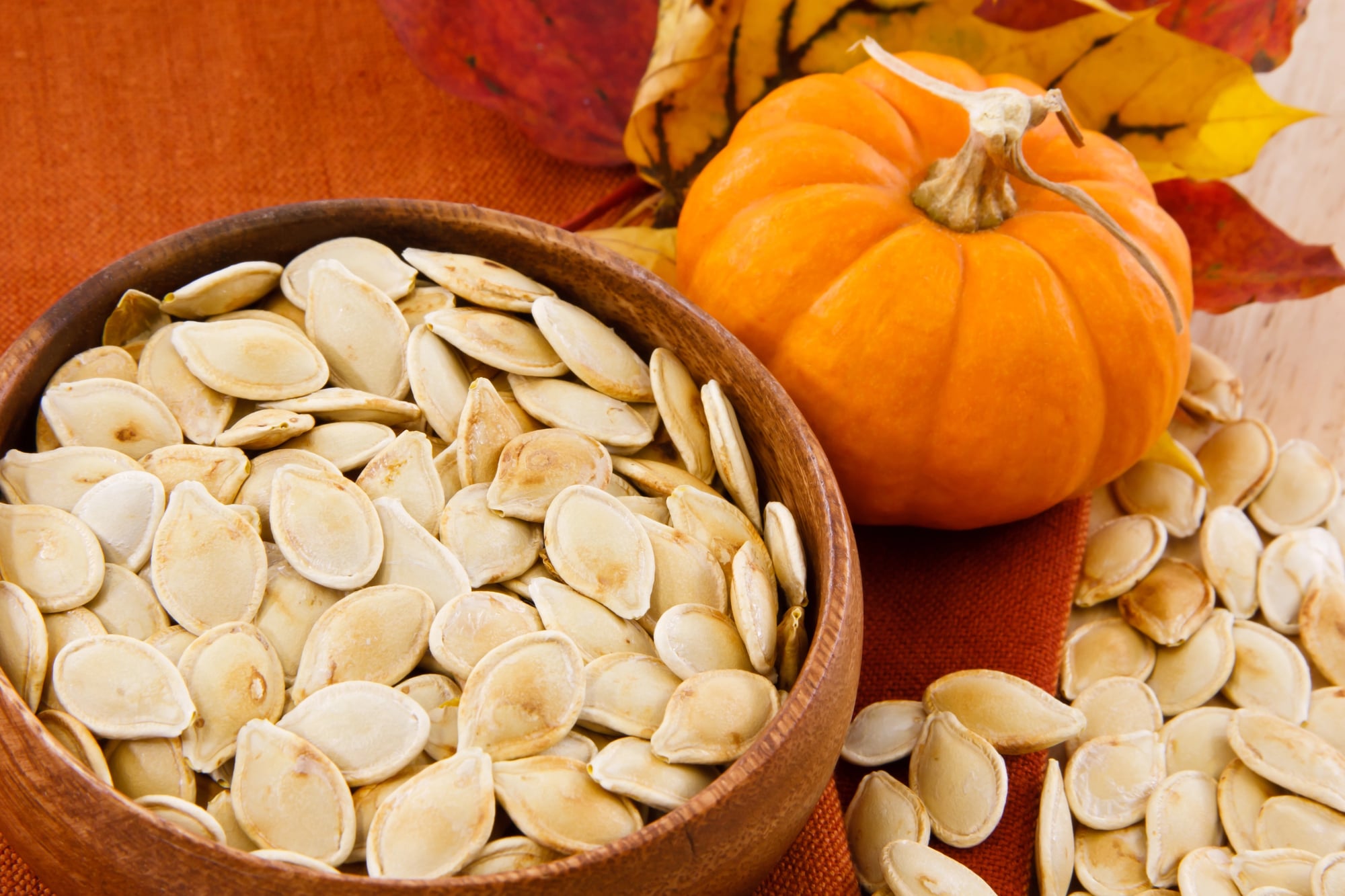
Even though we’ve talked about pumpkins being fruits, the seeds still need a shoutout. ‘Cause really, those roasted snacks? They’re why pumpkins grow at all – biologically speaking.
That dense orange part around them only helps move the seeds around. Way back, Native American groups grew pumpkins mostly for these packed-with-nutrients seeds, not the pulp inside.
Butternut squash

This tan gourd with a bulb at the bottom shines in stews or when baked. Though its sugary, earthy inside doesn’t taste fruity, it actually comes from a bloom and holds seeds deep within.
You can keep it fresh for ages once picked – super useful back when fridges didn’t exist. Its tough shell and thick meat set it apart from juicy picks such as melons or citrus.
Garden reality

The fruit or vegetable argument proves science sometimes clashes with real-life habits. Even so, supermarkets sort foods by taste instead of plant facts – since customers get it better that way.
Cooks still label tomatoes and bell peppers as veggies when making meals. Yet researchers stick to old-school terms that work just fine for studying plants.
One works well here, while the other fits better there – no rush to make them match. Next time someone says tomatoes are fruit, just grin and say they’re having fruit salad if it’s got cucumbers mixed in.
More from Go2Tutors!

- The Romanov Crown Jewels and Their Tragic Fate
- 13 Historical Mysteries That Science Still Can’t Solve
- Famous Hoaxes That Fooled the World for Years
- 15 Child Stars with Tragic Adult Lives
- 16 Famous Jewelry Pieces in History
Like Go2Tutors’s content? Follow us on MSN.



