16 Valentine’s Day Traditions From the 1950s
Compared to today’s commercial extravaganza, Valentine’s Day in the 1950s was a totally different animal. Rules, expectations, and a certain naive charm that seems almost primitive by today’s standards were all part of romance back then. Unwritten rules about appropriate courtship were followed by couples, and February 14th was a serious day for anyone looking to keep their good name.
These were formal rituals that required preparation, manners, and sincere effort, and not informal hookup culture practices. Here are 16 Valentine’s Day customs that helped define romance in America’s golden decade.
Handwritten Love Letters
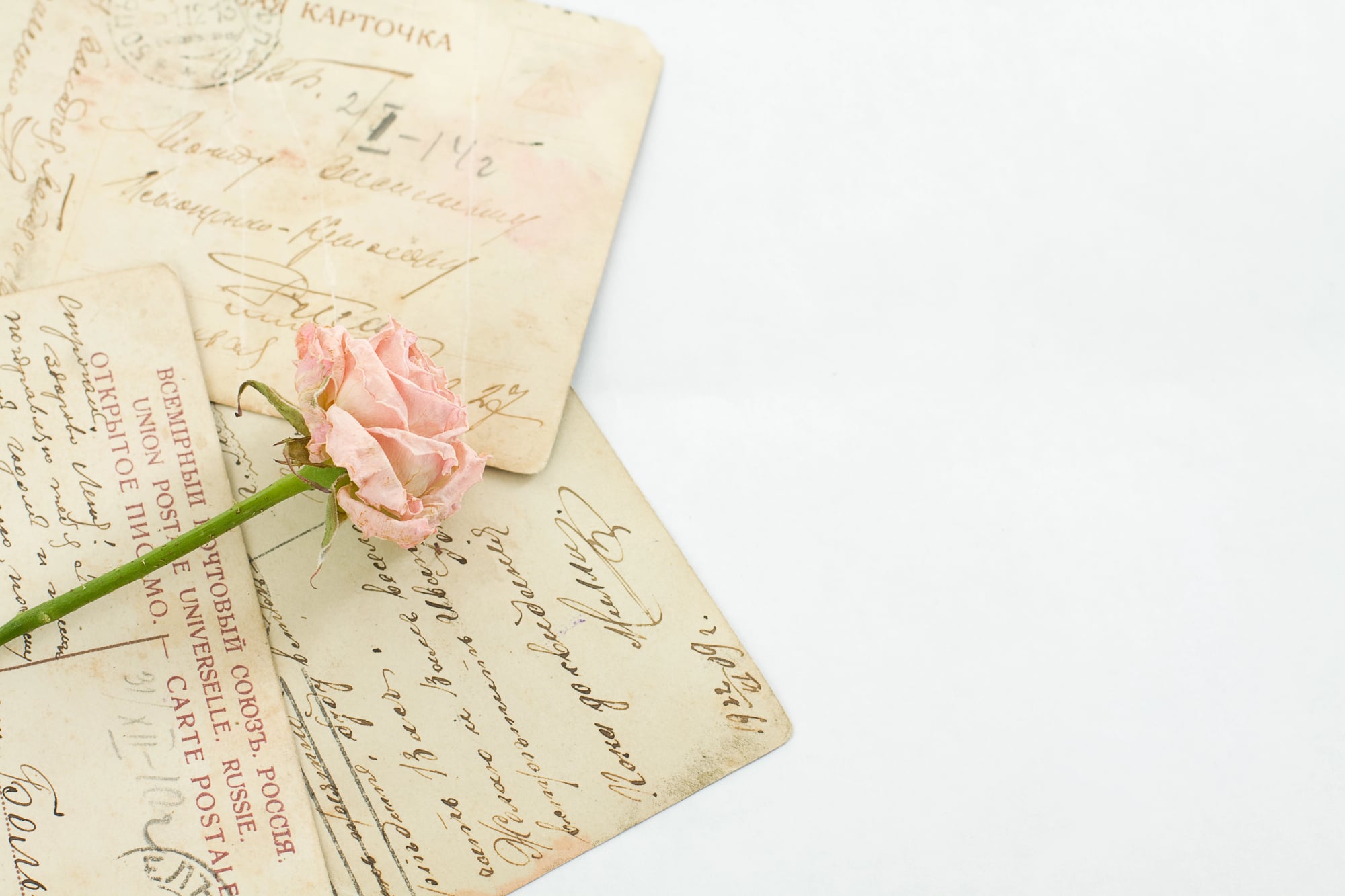
Before the widespread use of telephones, the main means of communicating intense emotions was through actual pen-and-paper correspondence. Young men would devote hours to writing the ideal romantic message, frequently revising their initial drafts several times until each word was just right.
Each letter had a more intimate and significant feel to it due to the physical act of handwriting than any contemporary text could.
Corsage Giving

Fresh flower corsages were essential accessories for any formal Valentine’s date, typically featuring red roses or pink carnations arranged with delicate baby’s breath. Boys would coordinate with their date’s dress color and pin the corsage carefully to avoid any wardrobe malfunctions.
These floral arrangements served as visible proof that a girl was being properly courted by someone who cared about details.
Soda Fountain Dates

Local drugstore soda fountains provided the perfect romantic setting for young couples to share chocolate malts and banana splits. These venues offered public spaces where teenagers could socialize under adult supervision while enjoying treats that felt special and indulgent.
The classic two-straws-one-milkshake scenario wasn’t just movie magic — it actually happened at countless soda fountains across America.
Box Candy Exchanges

Heart-shaped boxes filled with assorted chocolates were the gold standard for Valentine’s gifts throughout the decade. Russell Stover and Whitman’s dominated the market with elaborate packaging that girls would keep long after eating the contents.
The bigger the box, the more serious the relationship appeared to friends and family members observing the courtship process.
School Valentine Card Exchanges
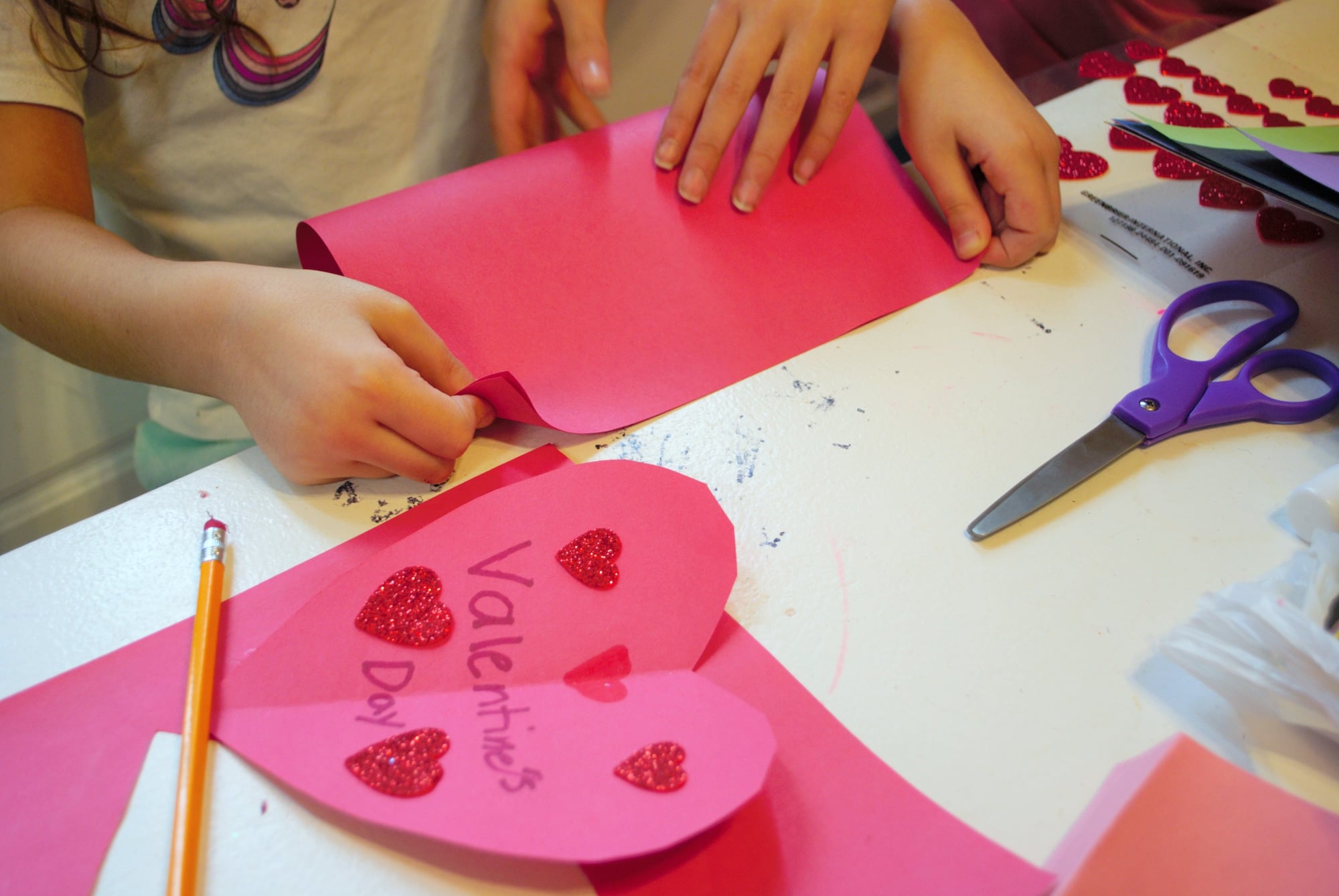
Elementary classrooms transformed into miniature post offices as children exchanged small Valentine cards with every classmate to avoid hurt feelings. Teachers would help students create decorated mailboxes from shoeboxes and construction paper for collecting their romantic correspondence.
This tradition taught kids about inclusivity and kindness while introducing them to Valentine’s Day customs they’d carry into adulthood.
Drive-In Movie Dates

Outdoor theaters provided couples with semi-private spaces to watch romantic films while maintaining appropriate social boundaries expected during the era. Cars became intimate little worlds where young people could hold hands and steal kisses without completely abandoning proper decorum.
The combination of entertainment and romance made drive-ins the perfect Valentine’s date destination for budget-conscious teenagers.
Formal Dance Invitations
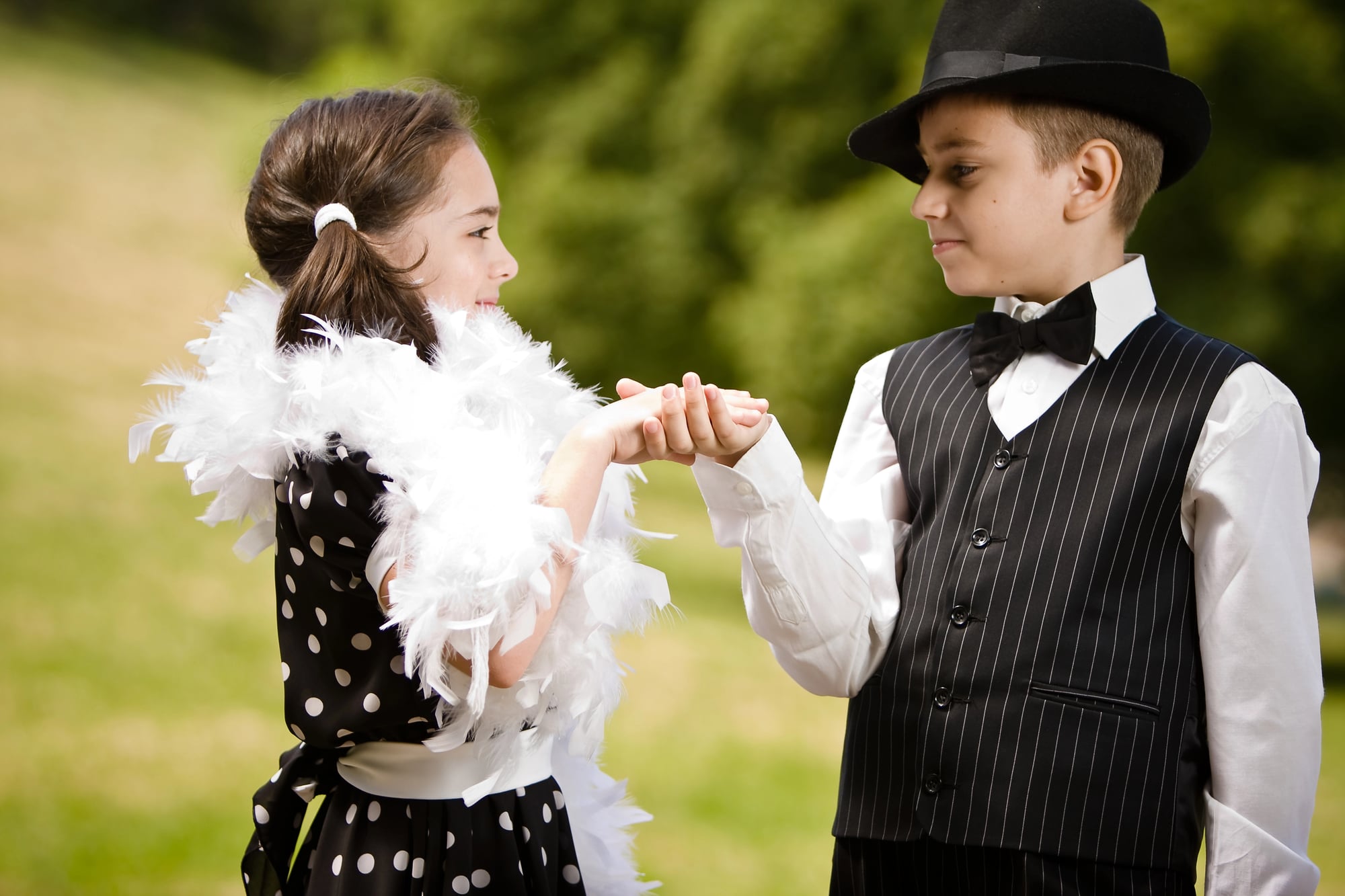
High school Valentine’s dances required boys to formally ask girls weeks in advance, often with elaborate invitations or creative proposals that demonstrated genuine effort. These events featured live bands or carefully curated record collections that emphasized slow dancing and romantic music.
Asking someone to the Valentine’s dance was a big deal that required courage and usually involved asking her father’s permission first.
Homemade Card Creation

Store-bought cards were available, but many people preferred creating personalized Valentine greetings using construction paper, doilies, and creative artwork. Crafting handmade cards allowed for custom messages and decorations that reflected the specific relationship between giver and receiver.
The time invested in creating something unique showed more thoughtfulness than simply purchasing mass-produced alternatives from the local five-and-dime store.
Church Social Events

Religious communities organized special Valentine’s gatherings that provided supervised social opportunities for young adults to meet and mingle appropriately. These events featured games, refreshments, and entertainment that brought together eligible singles in wholesome environments approved by parents and church leaders.
Meeting potential romantic partners through religious organizations was considered ideal by most families during this conservative decade.
Engagement Ring Presentations

February 14th became an increasingly popular date for marriage proposals, with young men saving money for months to purchase modest diamond rings from local jewelry stores. The tradition of presenting engagement rings on Valentine’s Day created lasting romantic memories while satisfying social expectations about proper courtship timelines.
These proposals were typically formal affairs that involved asking the girl’s father for permission beforehand.
Double Date Customs

Couples rarely went out alone during the early stages of dating — instead, they arranged group outings with other couples for safety and propriety. Double dates provided built-in chaperones while allowing romantic relationships to develop within socially acceptable boundaries that satisfied concerned parents.
These group outings often involved activities like bowling, skating, or attending local high school basketball games together.
Valentine’s Day Parties

Families and communities organized elaborate Valentine-themed celebrations featuring red and pink decorations, heart-shaped foods, and romantic games designed for couples. These parties provided social opportunities for adults to celebrate romance while maintaining the wholesome family values that defined 1950s culture.
The emphasis was on clean fun that brought people together rather than individual romantic pursuits that might raise eyebrows.
Telephone Courtship Rules

Long phone conversations between sweethearts followed strict etiquette about appropriate times to call and conversation length limits set by parents. Young people would spend hours talking about their day, sharing dreams, and expressing feelings through carefully chosen words that maintained proper decorum.
Phone calls were often supervised or limited by family rules about monopolizing the household’s single telephone line.
Valentine Photo Sessions

Professional portrait studios offered special Valentine’s packages for couples wanting to commemorate their relationship with formal photographs. These sessions typically featured romantic props like flowers, hearts, and soft lighting that created dreamy images suitable for framing and display.
Having professional couple photos taken was a serious step that indicated the relationship had reached significant milestone status.
Candy-Making Traditions

Many families would spend February preparing homemade fudge, divinity, and other confections to give as Valentine gifts to friends, neighbors, and romantic interests. Kitchen tables became candy-making workshops where mothers taught daughters traditional recipes passed down through generations.
Homemade sweets were considered more thoughtful and personal than store-bought alternatives, plus they saved money during tight economic times.
Valentine Dinner Preparations
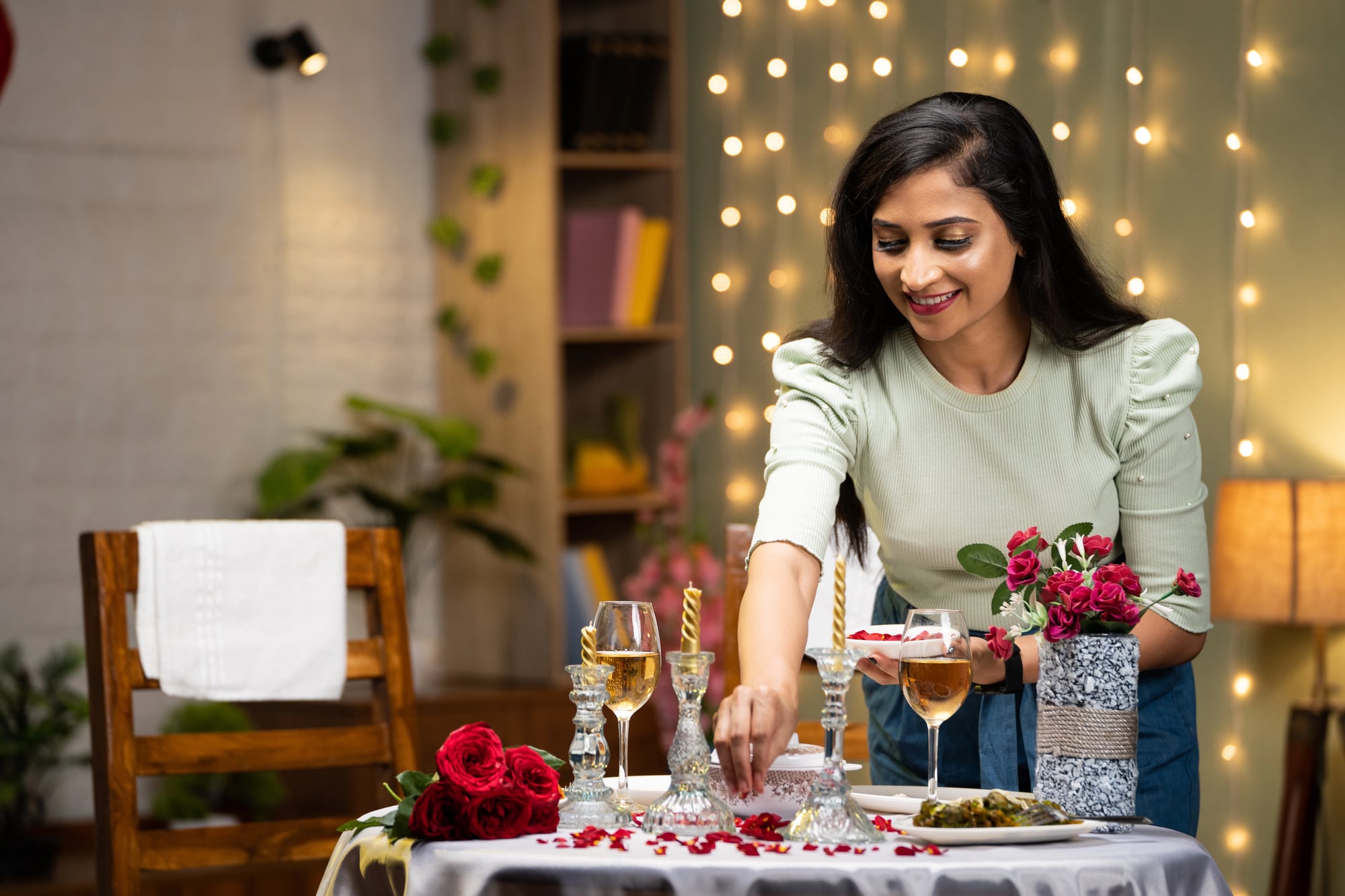
Home-cooked romantic dinners featured elaborate table settings with candles, flowers, and the family’s best china reserved for special occasions. Couples would prepare favorite dishes together or surprise each other with carefully planned menus that demonstrated domestic skills and thoughtfulness.
These intimate meals at home provided a romantic atmosphere while maintaining the privacy and propriety that defined 1950s relationship standards.
When Romance Required Real Effort

In contrast to the thoughtful customs that characterized romance in the 1950s, Valentine’s Day today feels hurried and commercial. These traditions fostered stronger bonds between couples by requiring sincere preparation, individual dedication, and social awareness.
The deliberate courtship magic that made relationships feel more significant and meaningful back when romance moved at a more human pace has been lost in today’s instant gratification culture, despite the convenience it offers.
More from Go2Tutors!

- The Romanov Crown Jewels and Their Tragic Fate
- 13 Historical Mysteries That Science Still Can’t Solve
- Famous Hoaxes That Fooled the World for Years
- 15 Child Stars with Tragic Adult Lives
- 16 Famous Jewelry Pieces in History
Like Go2Tutors’s content? Follow us on MSN.



