Video Game Rumors Kids Believed Pre-Internet
Before everyone had instant access to game guides and YouTube walkthroughs, playground gossip ruled the gaming world. Kids shared wild stories about secret characters, hidden levels, and cheat codes that supposedly unlocked incredible powers.
Most of these rumors turned out to be completely false, but they spread like wildfire through schools and neighborhoods anyway. Let’s look at some of the most popular gaming myths that had kids everywhere mashing buttons and trying ridiculous tricks.
Mew lived under that truck in Pokémon Red and Blue

Thousands of kids wasted hours trying to move a truck near the S.S. Anne in Pokémon Red and Blue because someone said Mew hid underneath it. The rumor included elaborate instructions involving Surf, Strength, and specific timing that made it sound totally legit.
Players tried every possible combination of moves and items to budge that truck. Nothing ever worked because the truck was just a decorative background object with no special purpose.
The rumor persisted for years despite zero evidence that anyone had actually found Mew there.
Unlocking Luigi in Super Mario 64

The ‘L is real 2401’ inscription in Super Mario 64’s castle courtyard sparked one of gaming’s biggest mysteries. Kids believed this cryptic message contained instructions for unlocking Luigi as a playable character.
Some theories suggested playing the game for 2,401 hours straight, while others claimed specific button combinations during the credits would work. Players spent countless hours testing different ideas based on playground theories.
Nintendo finally confirmed decades later that Luigi was never programmed into the game at all.
Reviving Aerith in Final Fantasy VII

The shocking death of Aerith in Final Fantasy VII left players desperate to bring her back. Rumors spread about secret materia combinations, hidden sidequests, and special items that could reverse her fate.
Some kids claimed their older brother’s friend had done it successfully. The myth became so widespread that gaming magazines addressed it multiple times.
Square Enix has repeatedly confirmed no method exists to revive her, but the rumor refuses to die even today.
Finding secret characters in Mortal Kombat
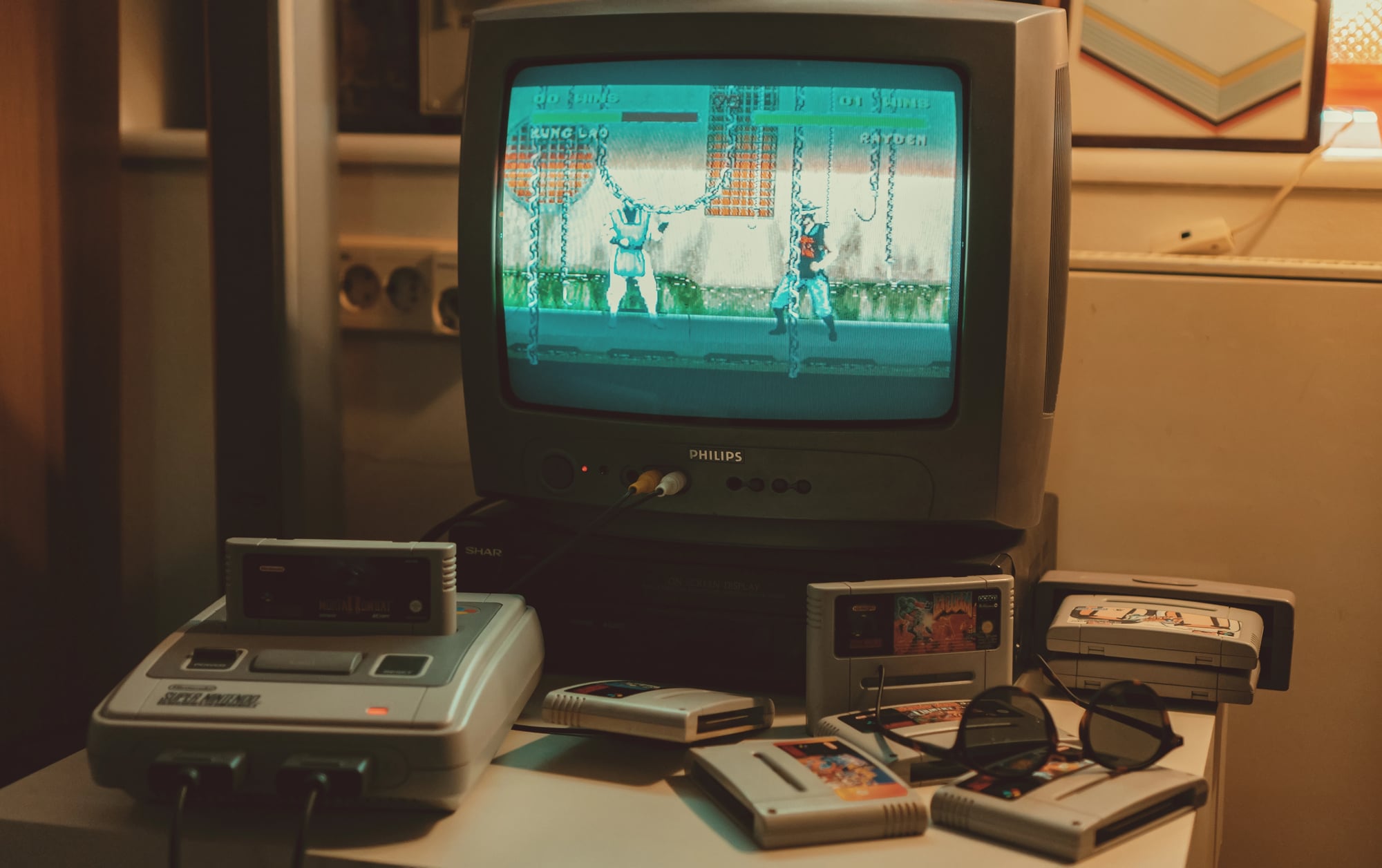
Mortal Kombat’s arcade cabinets spawned endless rumors about hidden fighters. Kids swore they’d seen Ermac, a glitch-turned-character, or claimed special button codes unlocked secret ninjas.
The mysterious green ninja would supposedly appear if players performed specific fatalities in exact sequences. Some arcades had lines of kids waiting to watch someone attempt the latest supposed unlock method.
Developers eventually added some rumored characters to later games, which only encouraged more wild speculation.
Sonic and Tails in Super Smash Bros. Melee

Before Sonic actually joined the Smash Bros. series, elaborate rumors explained how to unlock him in Melee. Instructions typically involved beating certain modes with every character, completing challenges within impossible time limits, or fighting specific numbers of matches.
Kids who wanted it badly enough convinced themselves they’d seen screenshots of Sonic in the game. The rumor gained traction because players desperately wanted their favorite gaming icons to fight each other.
Sonic eventually joined in Brawl, but Melee fans had already wasted years chasing a phantom.
Codes for Tomb Raider

The Lara Croft ‘codes’ became perhaps the most infamous gaming rumor of the 1990s. Playground gossip and early internet forums buzzed with supposed button combinations that would remove the character’s outfit.
Every version of these codes was completely fake, but kids kept trying them anyway. The rumor got so out of hand that the developers publicly stated no such code existed in the game.
Despite official denials, variations of this myth persisted across multiple Tomb Raider releases.
Catching a wild Pokémon beyond level 100

Some kids insisted they’d caught Pokémon above level 100 using a glitch near Cinnabar Island. The MissingNo glitch actually did weird things to the game, which lent credibility to wilder claims.
Players shared increasingly complicated procedures that supposedly let them catch level 255 monsters. Most attempts just corrupted save files or froze games entirely.
The glitch was real, but the exaggerated claims about what it could do were mostly fantasy mixed with wishful thinking.
A secret cow level in Diablo

Rumors about a hidden cow level in the original Diablo started as a complete joke. Players claimed clicking on cows in Tristram a certain number of times would open a portal to this mythical place.
The rumor became so popular that Blizzard actually put a real cow level in Diablo II as a nod to the original myth. This rare case of a rumor becoming reality only encouraged gamers to believe other wild theories.
Sometimes persistence and collective imagination can influence what developers create.
Bigfoot roaming San Andreas

Grand Theft Auto: San Andreas players spent years searching the forests for Bigfoot. The game’s massive map and realistic wilderness areas made the legend feel plausible.
Kids shared grainy screenshots and detailed coordinates where they claimed to have spotted the creature. Rockstar Games repeatedly denied Bigfoot existed in the game, but searchers wouldn’t give up.
The myth finally died when modders examined the game’s code and confirmed no Bigfoot model or programming existed anywhere.
The Triforce in Ocarina of Time
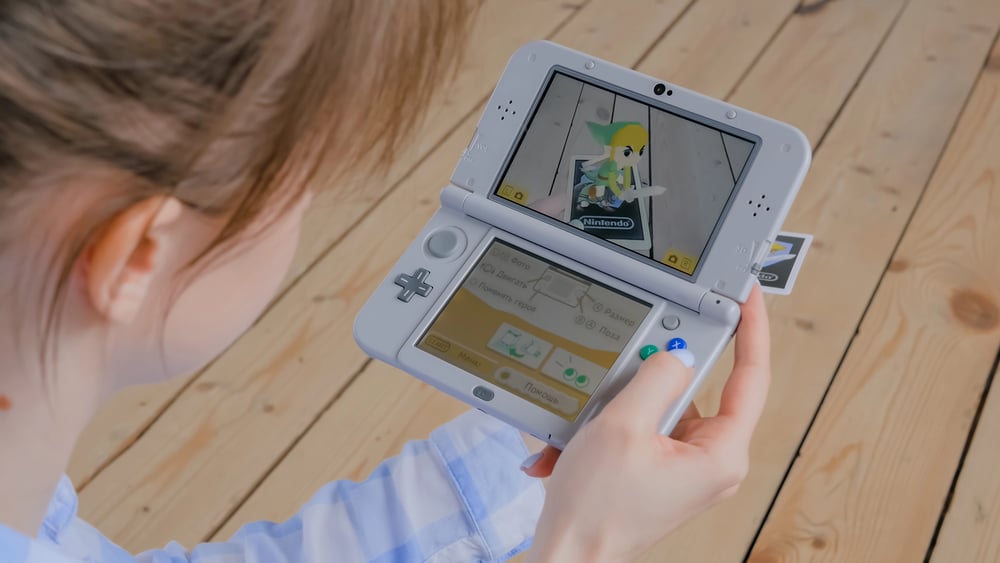
That unreachable Triforce symbol visible in some areas of Ocarina of Time drove players crazy. Rumors suggested complex sequences of actions across multiple in-game days would make it obtainable.
Some theories involved getting every single collectible, while others claimed specific songs played in certain locations would work. Nintendo never included the complete Triforce as an obtainable item in the game.
The visual tease was either an oversight or an intentional bit of design that sparked endless speculation.
Unlocking Sheng Long in Street Fighter II

An April Fools’ joke in Electronic Gaming Monthly convinced kids they could fight Ryu and Ken’s master Sheng Long. The fake strategy guide included detailed instructions that sounded believable enough to fool thousands of players.
Arcades filled with kids attempting to go through the game without taking damage or using any special moves. The character never existed, but the prank became one of gaming journalism’s most successful hoaxes.
Capcom later created Akuma partly because of the massive interest this rumor generated.
Getting Yoshi on the roof in Super Mario 64

Players discovered they could glimpse a Yoshi-shaped object on Peach’s castle roof in Super Mario 64. Kids developed elaborate theories about how to reach it and what rewards it might offer.
The real Yoshi did appear there after collecting all 120 stars, but rumors suggested he’d give players special powers or unlock Luigi. The actual reward was just extra lives and a friendly message, disappointing kids who expected something more.
The gap between expectation and reality defined many of these pre-internet rumors.
A jet pack is hidden in Vice City

Floating through the air in a neon-lit world – that idea stuck because of one picture inside a mansion. A man strapped to a rocket device caught eyes, setting imaginations loose.
Hidden corners of Vice City got circled, traced over by hopeful hands sketching routes on graph paper. Certain tasks had to be done first, some said; others claimed midnight held the key.
Nothing ever launched from rooftops or alleys, no gear waiting behind locked doors. Years passed before people accepted – empty walls, empty promise.
Though somewhere down the road, another game let that fantasy finally rise.
Pressing B to increase catch rates in Pokémon

Some kids pressed buttons trying to make Pokémon stay caught. When the orb shook, a few held down B hoping it helped.
One idea claimed stopping the shake locked things in place. Another thought clicking A during wobbles changed outcomes.
It turned out none of those moves made any real difference at all. Coders later admitted the game ignored player inputs completely here.
Luck alone decided if creatures stayed inside. That luck sometimes lined up with what people tried, which kept them convinced something was working.
Finding a secret ending in Mike Tyson’s Punch-Out

Beating Mike Tyson’s Punch-Out under rare conditions was said to reveal a hidden ending. Back then, players whispered about facing a mysterious new fighter if they stayed undefeated.
One false move ruined the chance – some claimed knockouts before the timer ran out were key. Late nights turned into long sessions as kids chased flawless wins.
Not one shortcut worked; there wasn’t any bonus scene at all. Still, pulling off perfect matches gave its own kind of thrill.
Myths grew simply because the game demanded so much precision. Each failed attempt only fed the legend more.
Victory felt different when it came after relentless tries.
Finish the 100-man Melee to open each warrior

Back in the day, beating Super Smash Bros. Melee’s 100-man brawl sparked wild guesses, even though the rulebook spelled out what actually unlocked things. Word spread among players that finishing it with various characters revealed hidden ones.
Rumors grew – some swore going unharmed through all fights brought bonus surprises. Others insisted only regular moves counted toward rare prizes.
Unlocking things worked in clear ways, yet took effort plus practice. Stories about beating 100 enemies spread fast because young players liked tough goals more than basic tasks.
When myths shaped how we played

Finding secrets felt like winning a prize back then. Lunch breaks turned into strategy sessions where whispers spread through crowded cafeterias.
Pencil-drawn mazes covered notebook margins while fingers crossed hoping a rumor was true. Late nights became adventures fueled by nothing more than hope and faulty memory.
Belief mattered more than facts when everyone played along together. Information now arrives too fast to let mysteries grow.
Truth shows up before magic gets a chance. Still, those made-up stories live on inside people who once spent hours jumping at shadows – literally, joyfully, pointlessly.
More from Go2Tutors!

- The Romanov Crown Jewels and Their Tragic Fate
- 13 Historical Mysteries That Science Still Can’t Solve
- Famous Hoaxes That Fooled the World for Years
- 15 Child Stars with Tragic Adult Lives
- 16 Famous Jewelry Pieces in History
Like Go2Tutors’s content? Follow us on MSN.



