Hidden US Bunkers and Underground Facilities
The United States has a long history of building secret underground spaces that most people will never see. These facilities range from massive military command centers buried deep in mountains to mysterious government bunkers that sparked countless conspiracy theories.
Some were built during the Cold War when nuclear war felt like a real possibility, while others serve purposes that remain classified even today. The government has confirmed the existence of some of these places, but many others exist in a gray area between rumor and reality.
Let’s take a look at some of the most interesting underground facilities hidden beneath American soil.
Cheyenne Mountain Complex
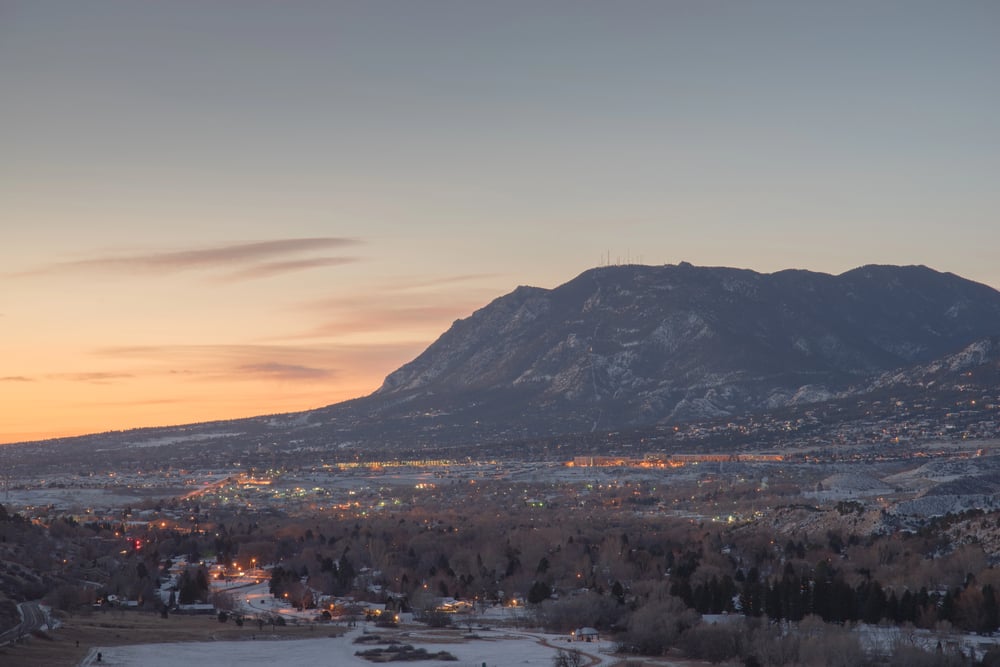
This fortress sits inside a granite mountain in Colorado Springs, built to survive a direct nuclear hit. The entire facility rests on giant springs designed to absorb the shock from a nuclear blast, with blast doors that weigh 25 tons each.
NORAD used this as their primary command center for decades, tracking every object in North American airspace from deep inside the mountain. The complex has its own power plant, water supply, and enough resources to keep people alive for months without contact with the outside world.
Today it operates on standby status, but the facility remains ready to activate at a moment’s notice if needed.
Raven Rock Mountain Complex
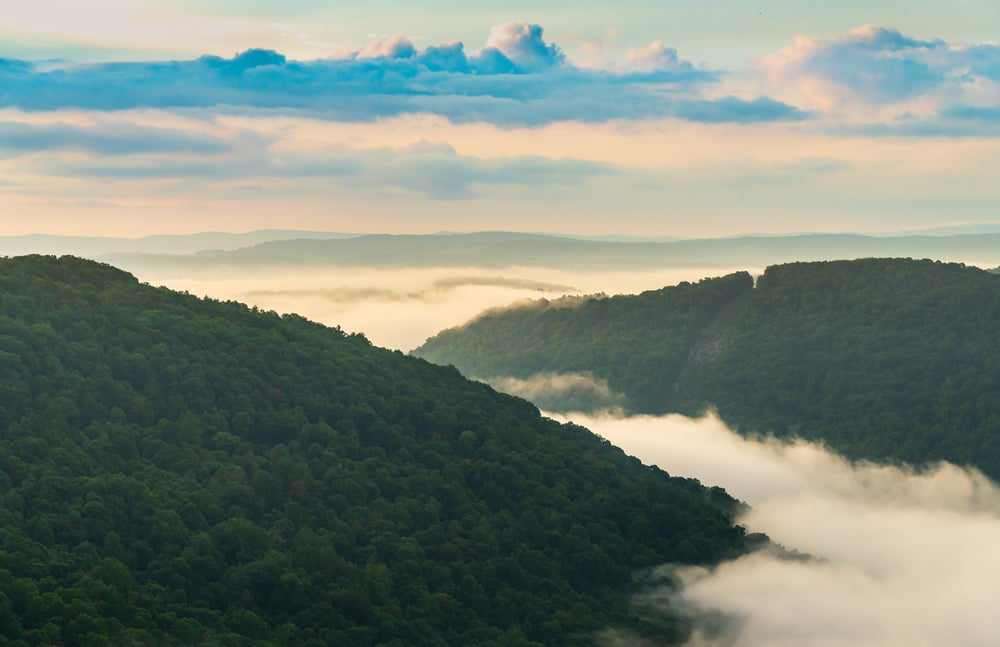
Known as Site R, this underground city in Pennsylvania serves as the backup Pentagon. The facility stretches across multiple buildings buried inside a mountain, connected by tunnels that could fit large vehicles.
During the September 11 attacks, key government officials retreated to this location while Washington dealt with the crisis. The base has everything needed to run military operations for extended periods, including communication systems that connect to forces worldwide.
Workers commute there daily, though they can’t talk about what happens inside those carved-out chambers.
Mount Weather Emergency Operations Center

This Virginia facility exists specifically to protect high-ranking government officials during catastrophic events. The underground complex has its own police force, fire department, and even a small hospital tucked away in the Blue Ridge Mountains.
Presidents and key cabinet members would relocate here if Washington became unsafe, running the country from chambers hollowed out of solid rock. The facility appeared in public records after a plane accidentally crashed near it in the 1970s, forcing the government to acknowledge its existence.
Despite that revelation, most details about Mount Weather remain off-limits to the public.
Greenbrier Bunker
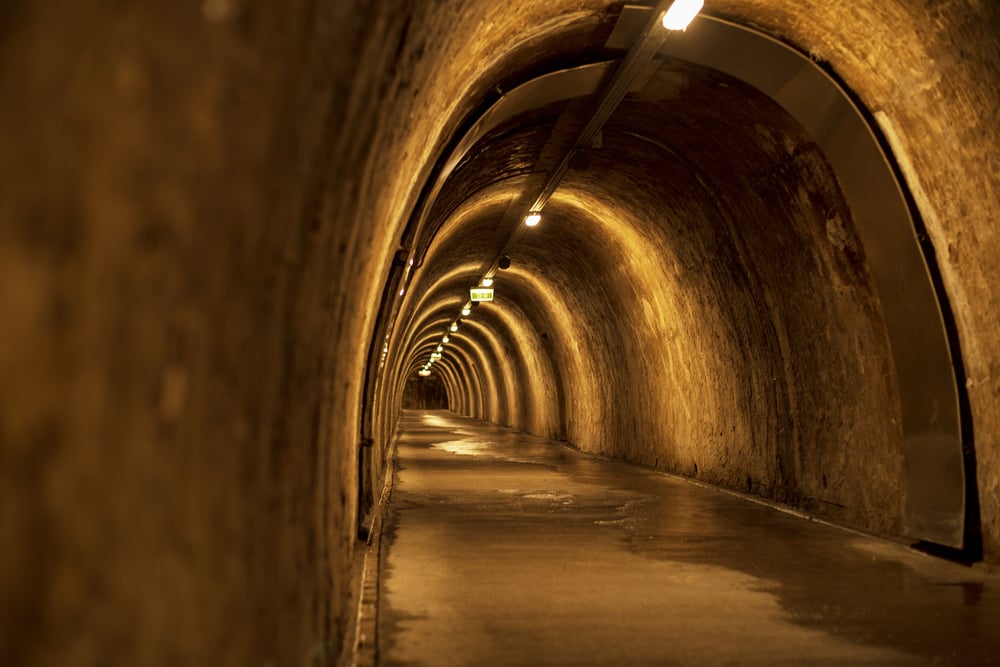
Hidden beneath a luxury resort in West Virginia, this bunker was meant to house the entire US Congress during a nuclear attack. The facility sat undiscovered for decades, disguised as part of the hotel’s conference and exhibition space.
It included dormitories, a cafeteria, decontamination chambers, and a meeting hall where lawmakers could continue governing even as the world above burned. A reporter exposed the bunker’s existence in 1992, ending its usefulness as a secret refuge.
Visitors can now tour the decommissioned space and see where senators would have slept in bunk beds during the apocalypse.
Dugway Proving Ground

This remote Utah facility tests chemical and biological weapons in conditions that replicate foreign cities and terrain. The base covers an area larger than Rhode Island, with most of its operations happening underground or in sealed buildings.
Dugway has recreated entire villages to test how different weapons perform in urban environments, though these simulations happen far from public view. The facility’s isolation makes it perfect for dangerous experiments that can’t happen near populated areas.
Rumors swirl about what really gets tested at Dugway, but the military keeps those secrets buried as deep as the bunkers themselves.
Burlington Bunker

Carved into the limestone beneath Corsham in England, this massive complex actually belongs to the UK, but the US maintained a significant presence there during the Cold War. The bunker sprawls across 35 acres underground, with enough space to house thousands of people in the event of nuclear war.
It contained an underground lake, hospitals, kitchens, and even a pub to keep morale up during extended stays. The British government sold off the facility after the Cold War ended, though portions remain restricted.
The sheer scale of Burlington shows how seriously both nations took the nuclear threat.
Area 51
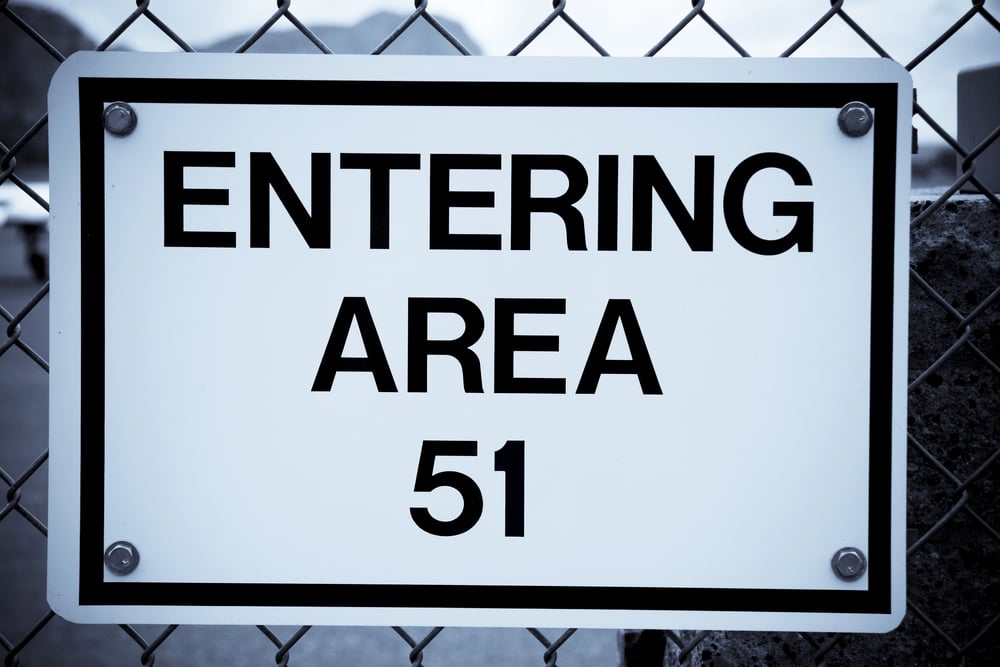
Everyone knows the name, but few understand what actually happens at this Nevada test site. The facility exists primarily as a development and testing ground for experimental aircraft, with underground hangars protecting classified projects from satellite surveillance.
Workers fly in on unmarked planes from Las Vegas, and the entire base sits inside restricted airspace that the military will defend aggressively. The UFO mythology surrounding Area 51 probably helped the government by directing attention away from the real secret aircraft being tested there.
Whatever goes on in those underground levels, it’s protected by some of the tightest security in the country.
Yucca Mountain Nuclear Waste Repository

The government spent billions building this facility to store radioactive waste deep inside a Nevada mountain. Tunnels stretch for miles underground, designed to hold nuclear material safely for thousands of years.
Political opposition halted the project before it could accept any waste, leaving the complex empty and unused. The facility represents one of the most expensive pits ever dug, sitting idle while nuclear waste piles up at power plants across the country.
Engineers built Yucca Mountain to outlast human civilization itself, but it never got the chance to serve its purpose.
Continuity of Government Facilities
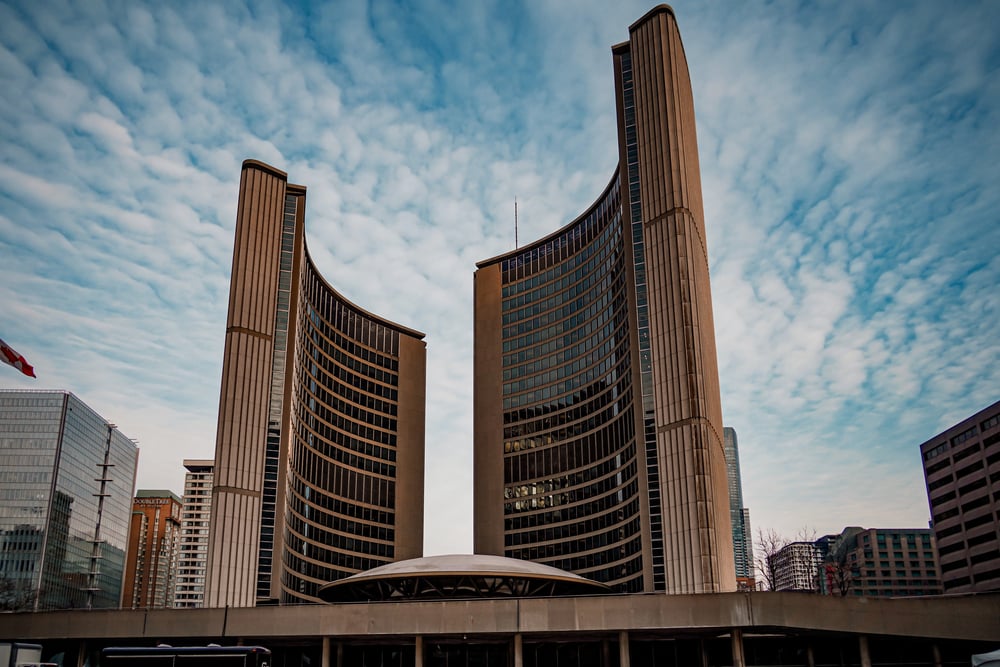
The government maintains several classified bunkers whose exact locations remain unknown to the public. These facilities ensure that some form of government survives even if major cities get destroyed.
They stock supplies, maintain communication equipment, and practice evacuation drills that most Americans never hear about. The locations get carefully guarded, with false information sometimes leaked to throw off anyone trying to find them.
This network of hidden sites forms a shadow government infrastructure that exists completely separate from the world above.
Deep Underground Command Center
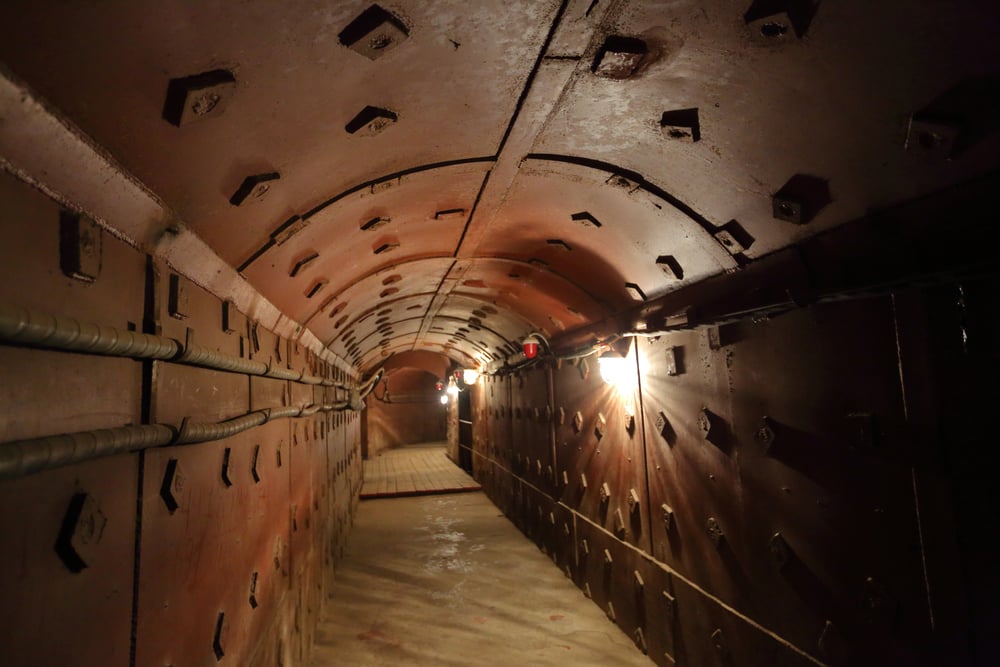
Rumors persist about facilities built far deeper than typical bunkers, possibly thousands of feet below the surface. These alleged complexes would require massive resources and advanced technology to construct and maintain.
Some believe these deep facilities connect through an underground tunnel system spanning vast distances. While the government acknowledges some deep storage facilities, the extreme depths described in certain theories remain unconfirmed.
The deeper you go, the harder it becomes to separate fact from fiction.
Pine Gap

Located in Australia, this facility operates as a joint US-Australian intelligence base, though America runs most of the operations. The base sits in the middle of the desert, far from any cities or towns that might notice unusual activity.
Underground levels house supercomputers and communication systems that monitor signals across the entire Asia-Pacific region. The facility’s distinctive white domes protect satellite dishes and other equipment from the harsh desert environment.
Pine Gap represents America’s global reach, projecting power from bunkers on the opposite side of the world.
Sunspot Solar Observatory
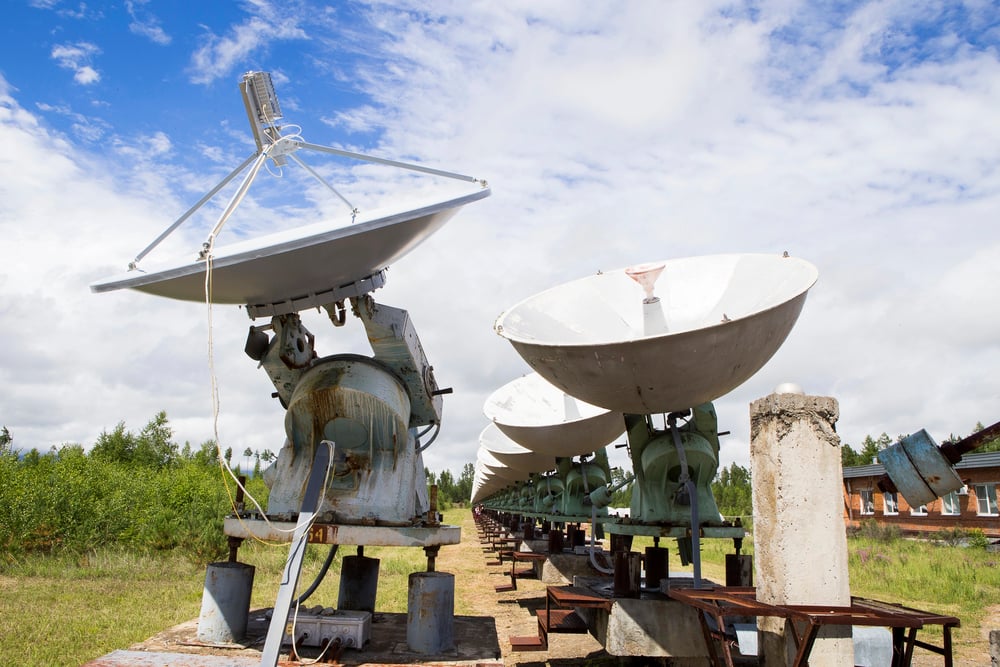
This New Mexico facility mysteriously shut down in 2018, with FBI agents clearing out staff and closing the area without explanation. The observatory sits near White Sands Missile Range and Holloman Air Force Base, leading to speculation about underground connections between the sites.
Officials eventually claimed the closure was related to a security issue, but the vague explanation satisfied few people. The incident reminded everyone that even scientific facilities can harbor secrets in underground spaces.
Whatever happened at Sunspot, the full story probably remains buried in classified files.
Strategic Petroleum Reserve
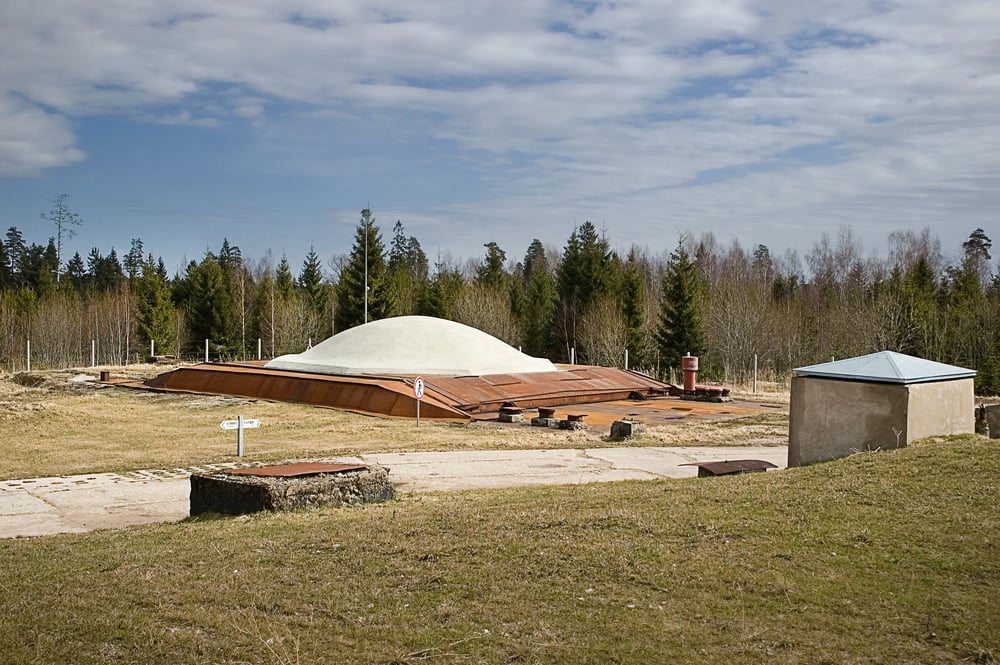
The government stores millions of barrels of oil in underground salt caverns along the Gulf Coast. These enormous caverns sit hundreds of feet below ground, carved out of ancient salt domes that naturally seal and protect the oil.
The reserve exists to cushion the economy against oil supply disruptions, with the capacity to release millions of barrels if needed. The salt caverns provide nearly perfect storage conditions, maintaining stable temperatures and preventing contamination.
This network of underground lakes filled with oil represents America’s insurance policy against energy crises.
Former Missile Silos

Scattered across the Great Plains, hundreds of decommissioned missile silos sit empty or converted to other uses. These concrete shafts once held nuclear missiles aimed at the Soviet Union, ready to launch within minutes.
The government deactivated most of them after various arms reduction treaties, but the structures remain. Some property owners have converted old silos into homes, data centers, or survival shelters.
These remnants of the Cold War dot the landscape like monuments to a threat that once seemed inevitable.
Hanford Nuclear Reservation
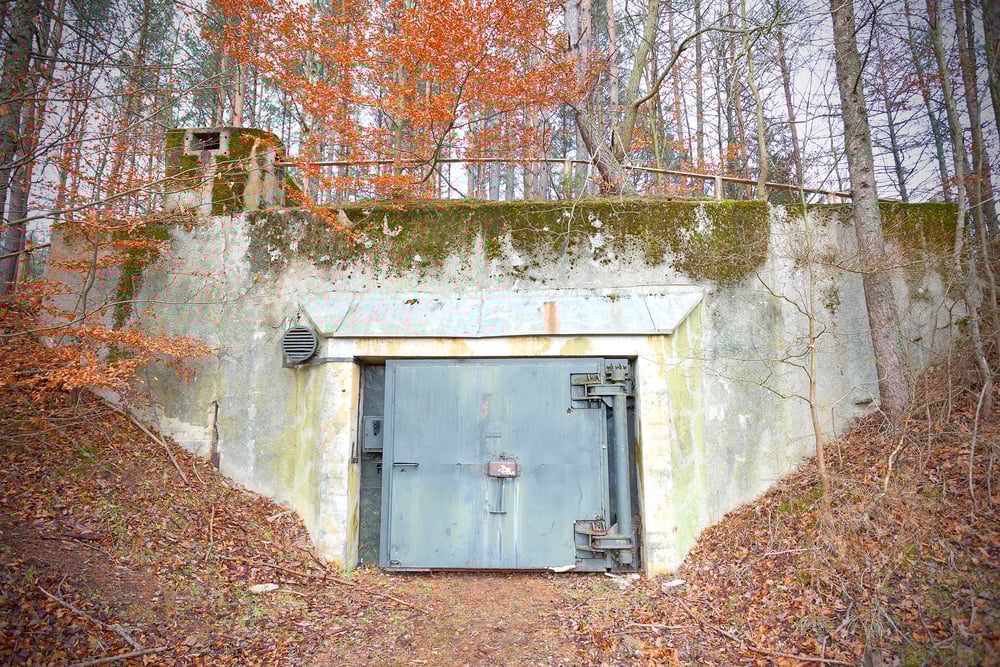
This Washington state facility produced plutonium for nuclear weapons during and after World War II. The site includes underground storage tanks holding radioactive waste, some of which have leaked into the surrounding soil.
Cleanup efforts continue decades after production stopped, with workers trying to secure the most dangerous materials deep underground. The facility’s contamination makes parts of it uninhabitable for thousands of years.
Hanford represents the hidden cost of the nuclear age, with its toxic legacy buried beneath the surface.
Los Alamos National Laboratory

Hidden beneath the surface, this place in New Mexico built the first atomic weapon. Today it still tests arms where few can see.
Deep tunnels shield work from prying eyes; distance keeps outsiders away just as well. Many researchers come here daily, though most never know what they’re really doing.
Decades pass before some findings become known at all. Long ago, families lost their homes so this site could rise during wartime.
What happens below ground has changed world events more than people realize.
Survival Condo Project

Out here, forgotten missile sites are turning into high-end shelters. One after another, firms build them deep below ground – safe spots meant to last through disasters like wars or outbreaks.
Inside, you’ll find swimming areas, movie rooms, even farms that grow food without soil. Some of these places fit whole groups, letting families live cut off from the world for long stretches.
Money pours in from individuals worried about chaos ahead. Instead of relying on public plans, they pay top dollar for personal security.
Deep under, each unit runs like its own tiny city. What once held weapons now holds wealth – and fear dressed as foresight.
The Legacy Underground
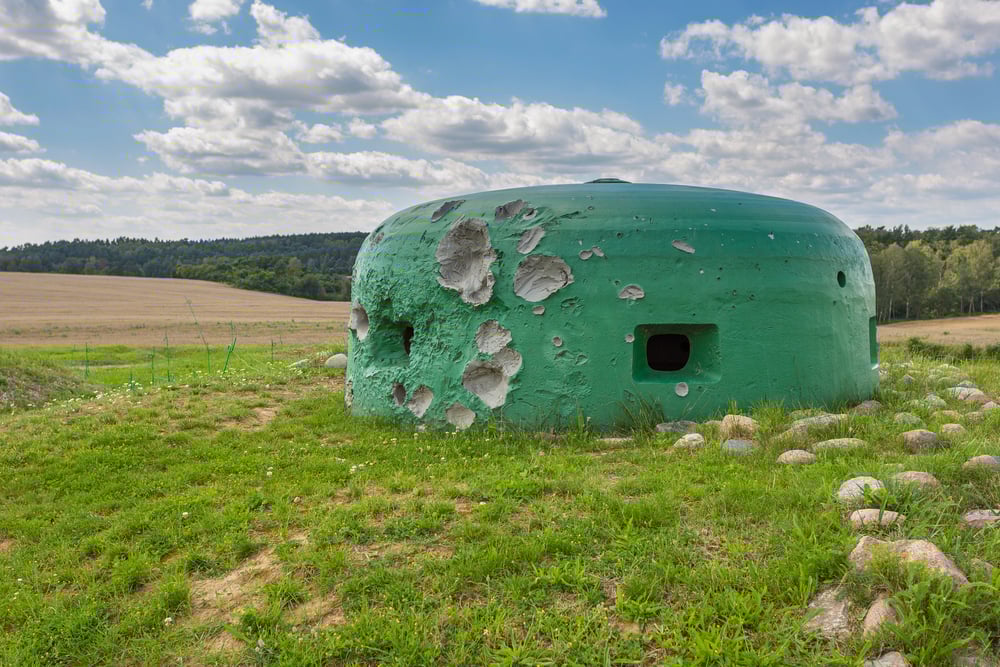
Underground, below U.S. ground, old shelters sleep like buried secrets. Fear shaped them just as much as planning did.
Not every shelter guarded against real danger – some stood ready for fears that faded. Even after the Cold War ended, tunneling kept going.
New risks brought newer rooms under earth. Machines changed, so pits got deeper.
What is locked down now may one day open to visitors – or vanish unnoticed. Spaces built low stay out of sight, yet hold steady purpose.
Going down feels natural when skies seem unstable. Safety often means disappearing beneath.
More from Go2Tutors!

- The Romanov Crown Jewels and Their Tragic Fate
- 13 Historical Mysteries That Science Still Can’t Solve
- Famous Hoaxes That Fooled the World for Years
- 15 Child Stars with Tragic Adult Lives
- 16 Famous Jewelry Pieces in History
Like Go2Tutors’s content? Follow us on MSN.



