Vintage Christmas Toys Worth Real Money Now
Every December produces a toy that parents fight over in store aisles, and nearly every one ends up in an attic by the following Christmas. Most stay worthless.
A few become the objects adults spend years trying to buy back. The difference usually comes down to scarcity, nostalgia, and a cardboard box someone thought to keep.
A toy played with hard is a memory, while the same toy complete in its packaging can pay for a holiday of its own.
Lionel Blue Comet Standard Gauge Sets
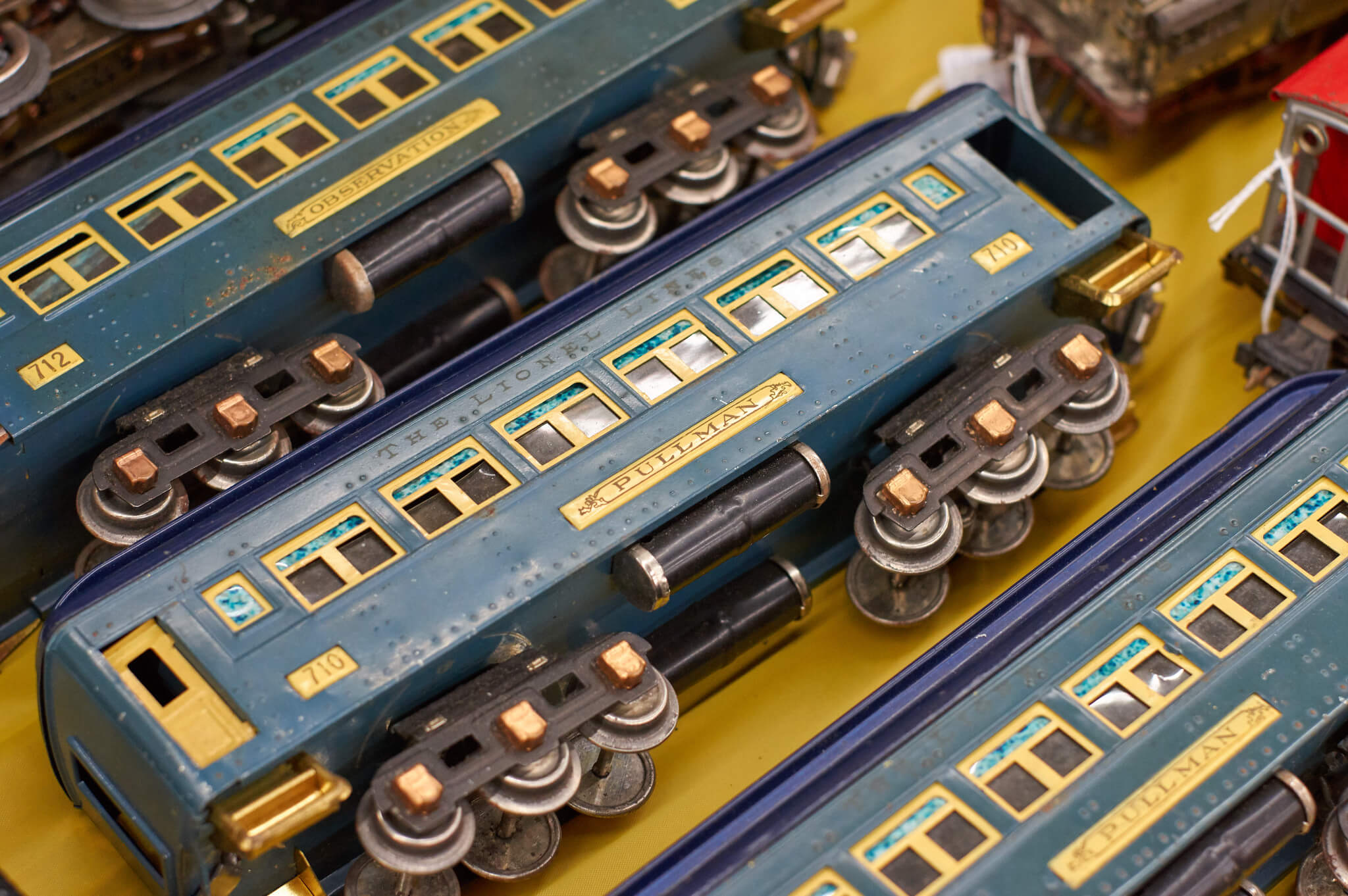
Lionel’s 400E Blue Comet, made from 1930 to 1939, copied the real Blue Comet train that the Central Railroad of New Jersey ran to Atlantic City. Its two-tone blue paint, nickel trim, and heavy steel build made it one of the most desirable gifts a Depression-era child could find under the tree.
Few families could afford it, which keeps survivors scarce. Buyers pay 1,500 to several thousand dollars for a complete set, depending on paint condition and whether the original boxes survived.
Rust, chipped enamel, and replaced parts drop prices quickly, and later reproductions need careful checking.
Lionel’s Pastel Girls’ Train From 1957
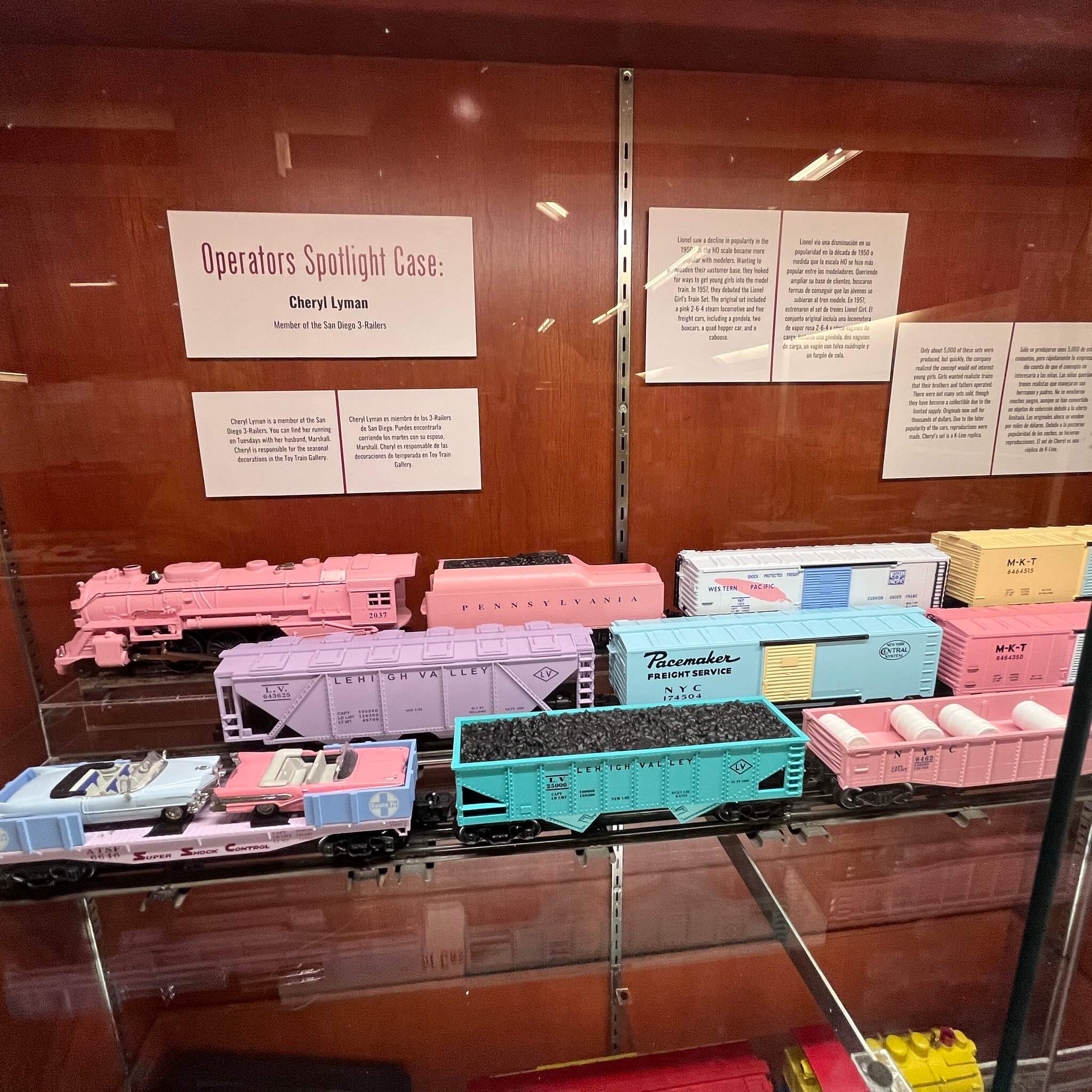
In 1957 Lionel tried to sell trains to girls with a set painted in pink, lilac, robin’s egg blue, and buttercup yellow. The pastel set flopped in stores, and many unsold pieces were repainted or scrapped.
That commercial failure turned it into one of the most sought-after postwar Lionel sets. Prices run 1,500 dollars and up for an authentic complete set in good order.
Lionel later issued reproductions, so collectors check markings and construction closely. Fading, scratches, and missing cars reduce value, and original boxes add a strong premium.
Early Steiff Teddy Bears

Margarete Steiff’s German company began making jointed mohair bears in the early 1900s, and in 1904 it adopted the metal button in the ear as its trademark. Early Steiff bears have long snouts, humped backs, and long arms, looking noticeably different from later teddies.
Prices run from several hundred dollars for postwar bears to tens of thousands for rare early examples at major auction houses. Worn fur, missing buttons, and replaced paw pads reduce value.
A surviving ear button or chest tag makes identification far easier and adds to what buyers pay.
Schoenhut Humpty Dumpty Circus Figures
Albert Schoenhut’s Philadelphia company introduced the Humpty Dumpty Circus in 1903, a set of jointed wooden clowns, animals, and props that children could pose in endless ways. The circus grew for decades, and families added pieces each Christmas.
Buyers pay hundreds of dollars for individual animals and much more for rare figures and complete sets. Glass eyes indicate early production, and painted eyes point to later years.
Chipped paint, missing parts, and restored surfaces all reduce value. Original boxes are rare and add a meaningful premium.
Early Fisher-Price Wooden Pull Toys
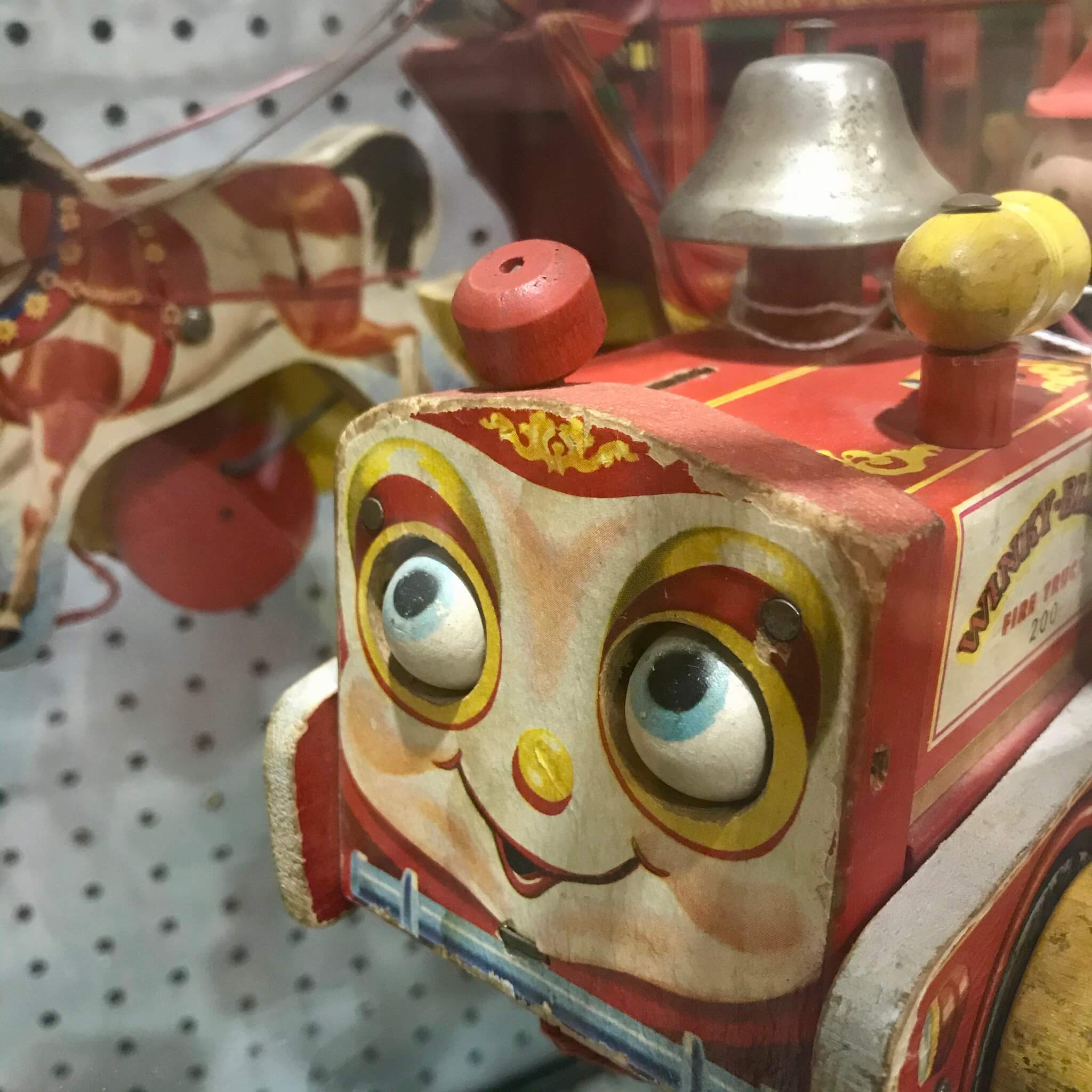
Fisher-Price was founded in East Aurora, New York, in 1930, and its first line of 16 wooden toys included a pull toy called Dr. Doodle. The company’s early toys used paper lithographed labels on wood, with bright colors that appealed to young children.
Pieces from the 1930s are scarce because they were played with hard. Buyers pay hundreds of dollars and sometimes more for early examples in good condition.
Torn labels, missing wheels, and chewed edges reduce value. Original strings and boxes add significantly to prices.
Marx Tin Wind-Up Toys
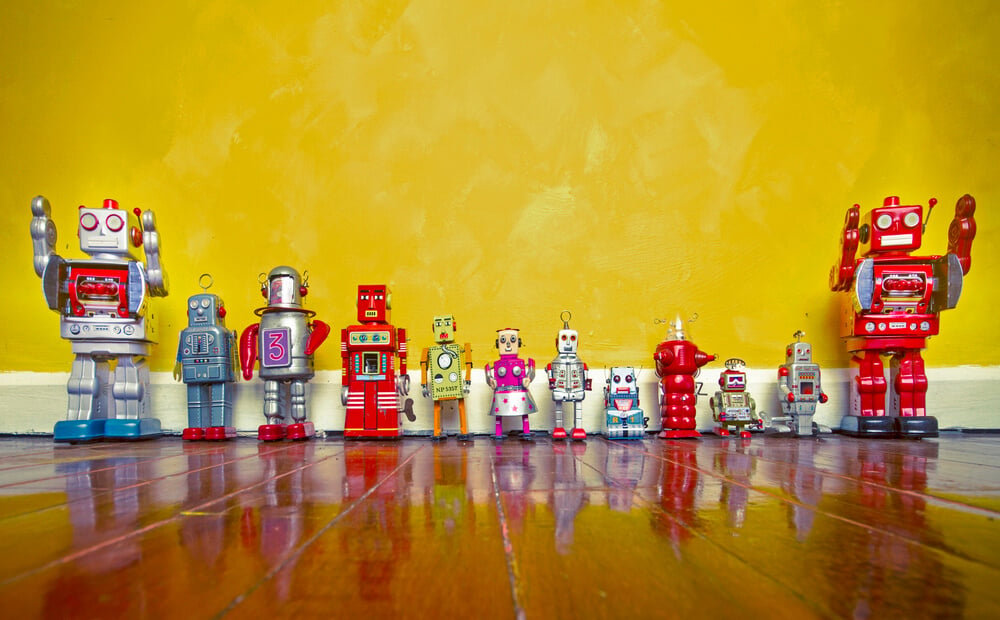
Louis Marx and Company became one of the largest toy makers in the world by selling colorful lithographed tin wind-ups at low prices through the middle decades of the century. Walking robots, clowns, cars, and characters filled Christmas stockings for decades.
Many were made in huge numbers, so most sell for modest sums. Rare characters and early examples draw strong prices, and buyers pay hundreds of dollars for boxed pieces that still work.
Rust, scratched lithography, and broken springs reduce value. A working mechanism matters a great deal.
Gilbert U-238 Atomic Energy Lab
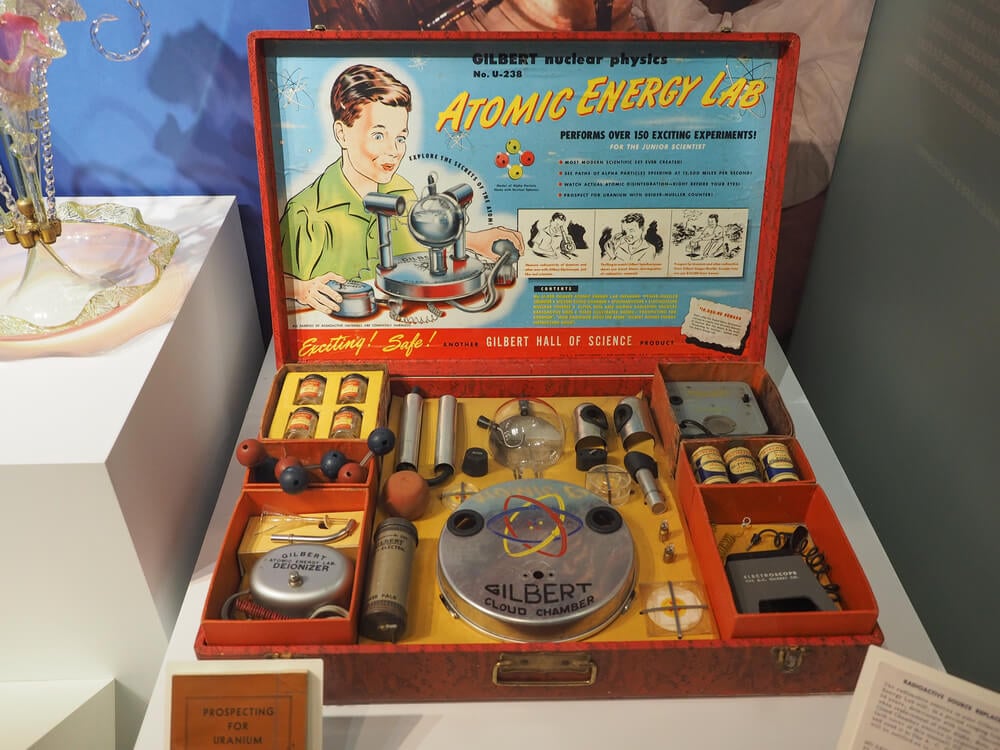
A.C. Gilbert sold the U-238 Atomic Energy Lab in 1950 and 1951, a kit that included real uranium ore samples, a Geiger counter, and a cloud chamber. It cost about 50 dollars at the time, a steep price that kept sales low.
Today it is often described as one of the most dangerous toys ever sold. Complete sets are extremely scarce, and prices run into the thousands of dollars.
Missing components, damaged cases, and incomplete manuals reduce value. Collectors handle the radioactive samples with appropriate caution.
Tonka Pressed Steel Trucks From the 1950s
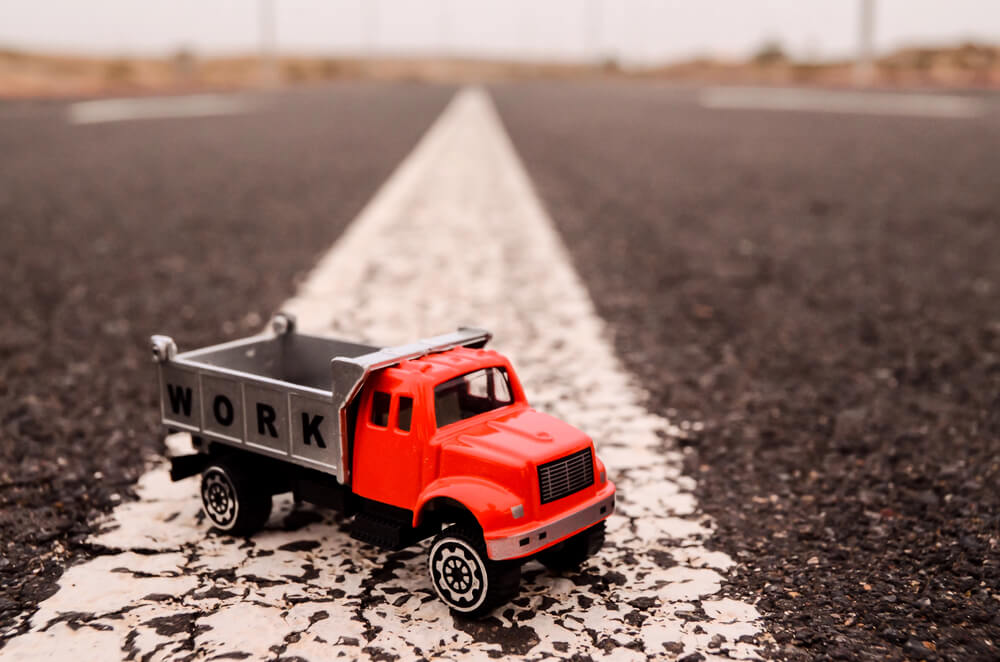
Mound Metalcraft of Mound, Minnesota, began making pressed steel toys in 1946 and took the name Tonka from nearby Lake Minnetonka. Tonka trucks were built to survive rough play, and many did, though often with dents and chipped paint.
Original examples from the 1950s draw strong interest, with buyers paying 200 to 1,000 dollars or more for rare models in good condition. Repainted trucks trade well below untouched examples.
Rust, missing decals, and damaged parts reduce value. Boxes are scarce and add a significant premium.
Lesney Matchbox Cars in Original Boxes
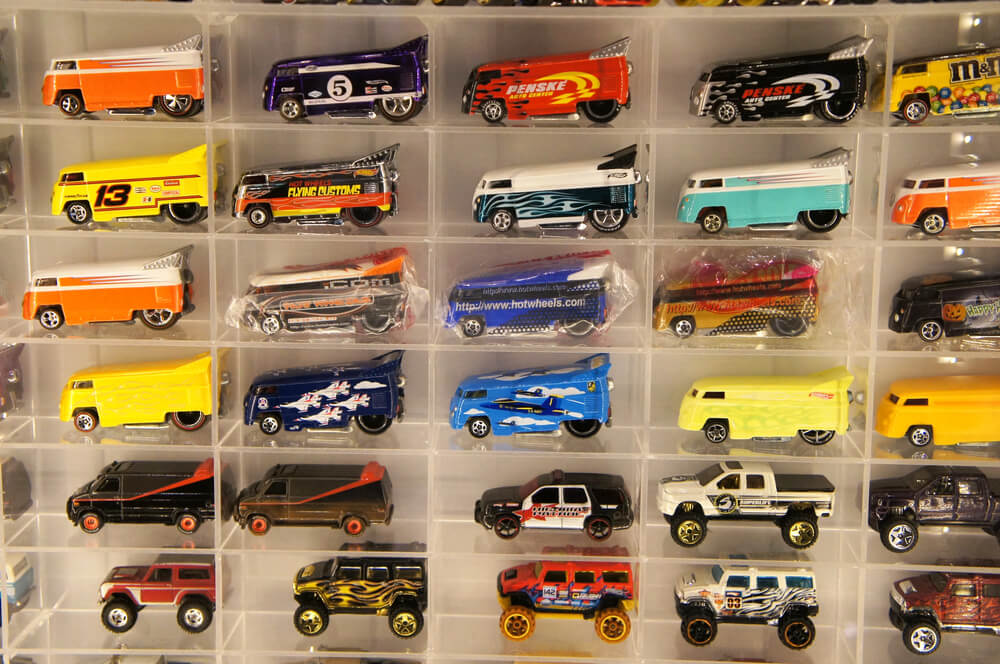
Lesney Products of London introduced Matchbox cars in 1953, packaging small die-cast vehicles in boxes the size of real matchboxes so children could carry them in a pocket. The regular series grew to 75 models, and small changes in paint color, wheel type, and baseplate created an enormous collecting field.
Most models trade for a few dollars, yet buyers pay hundreds and occasionally thousands for rare color variations. The printed box often matters as much as the car.
Chipped paint, bent axles, and crushed or torn boxes all reduce value, so checking model numbers against a variation guide pays off.
Mr. Machine From Ideal

Ideal introduced Mr. Machine in 1960, a clear-bodied robot man that marched forward, rang a bell, and could be taken apart with a toy wrench and put back together. The toy came out of Marvin Glass’s design studio in Chicago and became a Christmas hit on the strength of its television ads.
Its see-through body showed every gear turning, which fascinated children who had never seen inside a machine. Buyers pay 300 to 1,000 dollars for complete boxed examples in working order.
Cracked plastic, missing parts, and broken mechanisms reduce value sharply, and later reissues exist, so original markings matter.
Chatty Cathy Talking Dolls
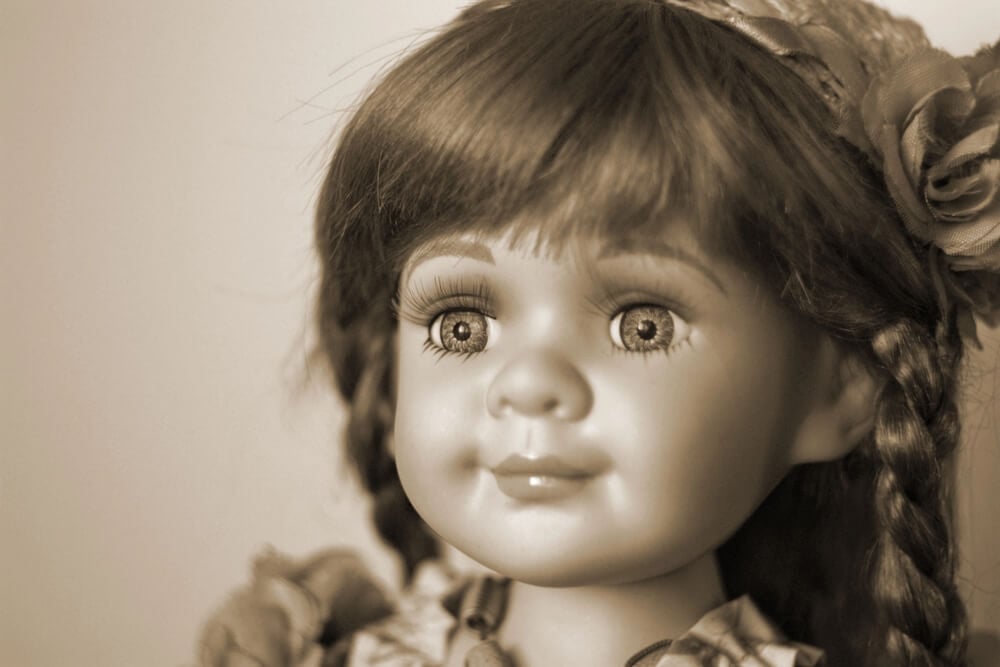
Mattel introduced Chatty Cathy in 1960, a doll that spoke a series of phrases when a string in her back was pulled. She became one of the best-selling dolls of the decade and a fixture under Christmas trees across America.
The talking mechanism, a tiny record player driven by the pull string, is the key to value because so many stopped working over the years. Buyers pay 100 to 500 dollars and more for dolls that still talk clearly.
Original dresses and boxes add a real premium, while matted hair, stains, and silent voice units reduce prices considerably.
Original 1959 Barbie Dolls

Barbie made her debut at the American International Toy Fair in New York in March 1959, and the earliest dolls are identified by copper tubes set into the soles of the feet for a display stand. These first dolls also have a distinctive face with white irises and arched eyebrows.
Mint examples in original boxes sell for thousands of dollars, while played-with dolls sell for much less. Hair damage, missing accessories, and faded makeup reduce value.
Collectors pay close attention to markings on the body to confirm the date.
GI Joe Figures From 1964
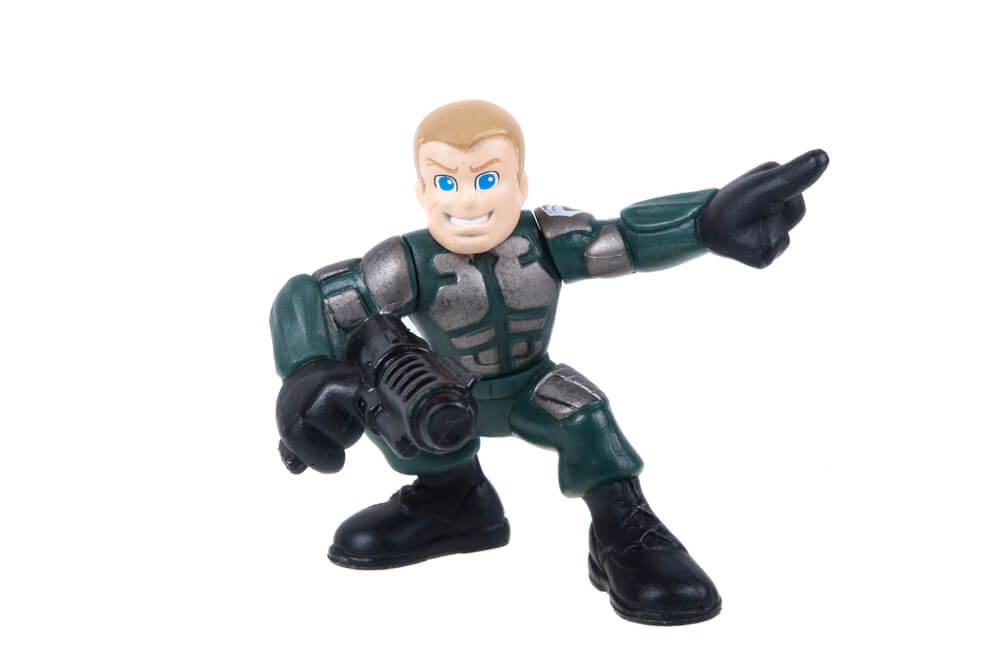
Hasbro introduced GI Joe in 1964 as a 12 inch figure with interchangeable uniforms, marketing it as an action figure because boys’ toys were not supposed to be dolls. The phrase stuck and named an entire toy category.
Early figures show a small scar on the right cheek and patent pending markings on the rear. They were a Christmas hit, and parents kept buying accessory packs for years afterward.
Buyers pay hundreds of dollars for early boxed figures and thousands for rare variations. Missing uniform pieces, loose joints, and worn head paint reduce value, while complete outfits with original accessories draw strong interest.
Easy-Bake Ovens From 1963
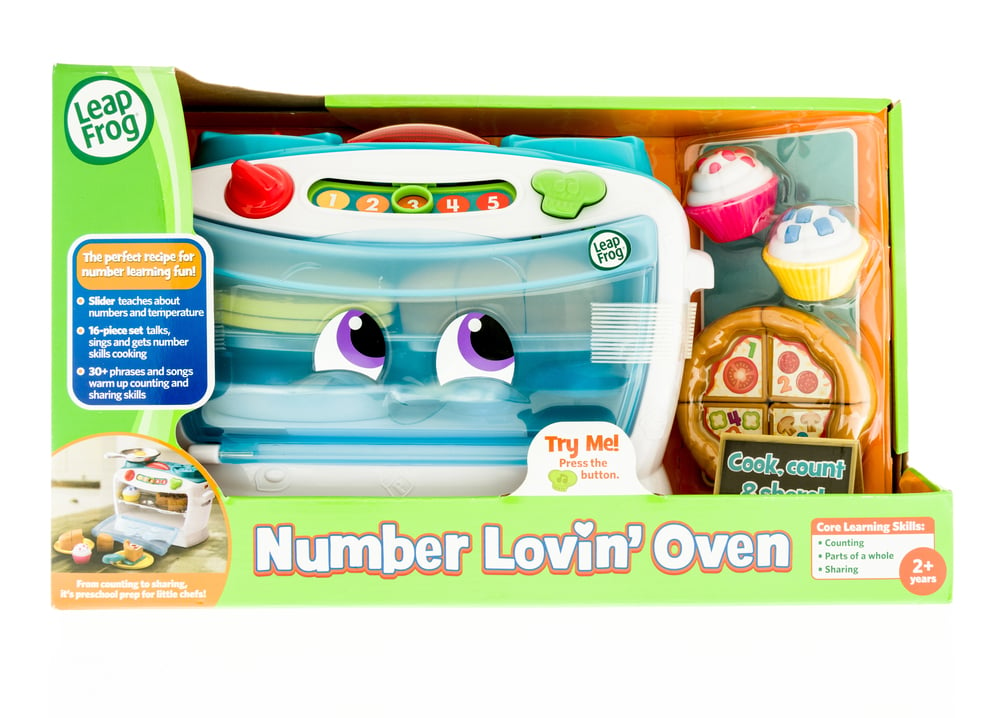
Kenner introduced the Easy-Bake Oven in 1963, a turquoise toy that baked small cakes using the heat of two 100 watt light bulbs. It sold hundreds of thousands of units in its first year and became one of the most familiar Christmas gifts of the decade.
Early models in original boxes are scarce because children used them constantly and families tossed them once they stopped working. Buyers pay 100 to 400 dollars for complete early examples with pans and mixes.
Rust, missing pans, and scorched interiors reduce value. That original turquoise finish is the quickest way to tell an early oven from a later one.
Hot Wheels Redlines From 1968
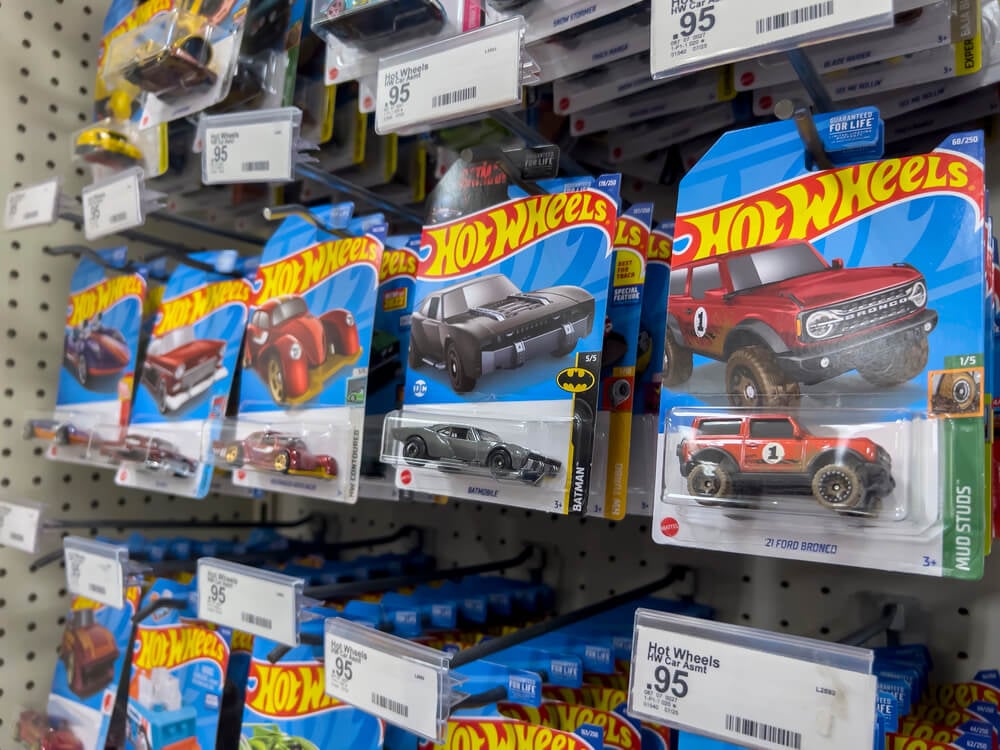
Mattel introduced Hot Wheels in 1968 with 16 original cars, known to collectors as the Sweet Sixteen, painted in bright metallic finishes. The cars used red-striped tires until 1977, which gave the era its nickname of redlines.
Most sell for modest sums today, but rare colors and early castings draw hundreds or thousands of dollars. The pink rear-loading Beach Bomb prototype is widely considered the rarest Hot Wheels car ever made.
Chipped paint, missing parts, and worn wheels reduce value. Original blister packs with the collector button still attached add a significant premium, since most were torn open on Christmas morning.
Evel Knievel Stunt Cycles From Ideal
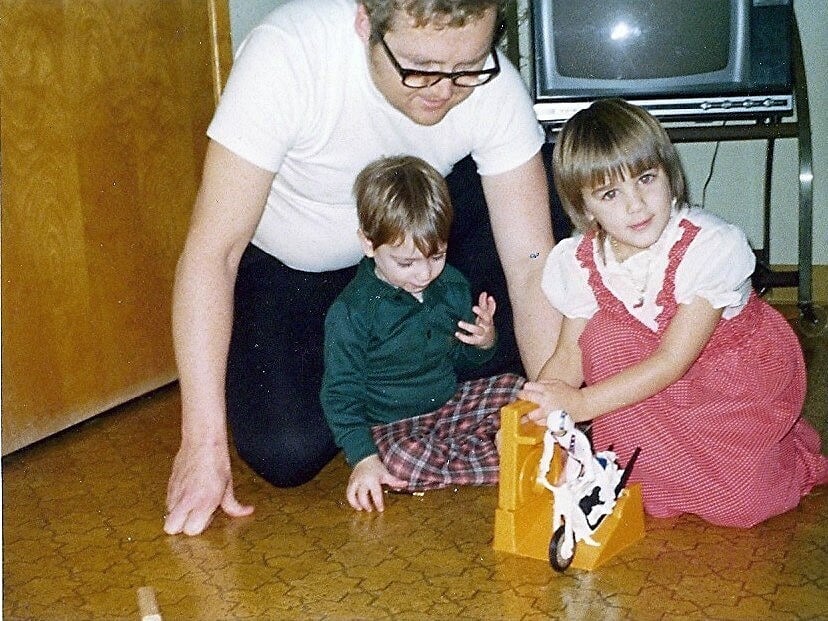
Ideal introduced the Evel Knievel Stunt Cycle in 1973, a toy motorcycle launched from a hand-cranked energizer that sent it roaring across the floor. The daredevil was at the height of his fame, and the toy became one of the biggest Christmas sellers of the decade.
Children crashed them into furniture constantly, so clean survivors are harder to find than the sales numbers suggest. Buyers pay 200 to 600 dollars for complete boxed sets in working order.
Missing figures, broken launchers, and worn paint reduce value. Later reissues exist, so the original markings on the cycle and energizer matter.
Stretch Armstrong From 1976
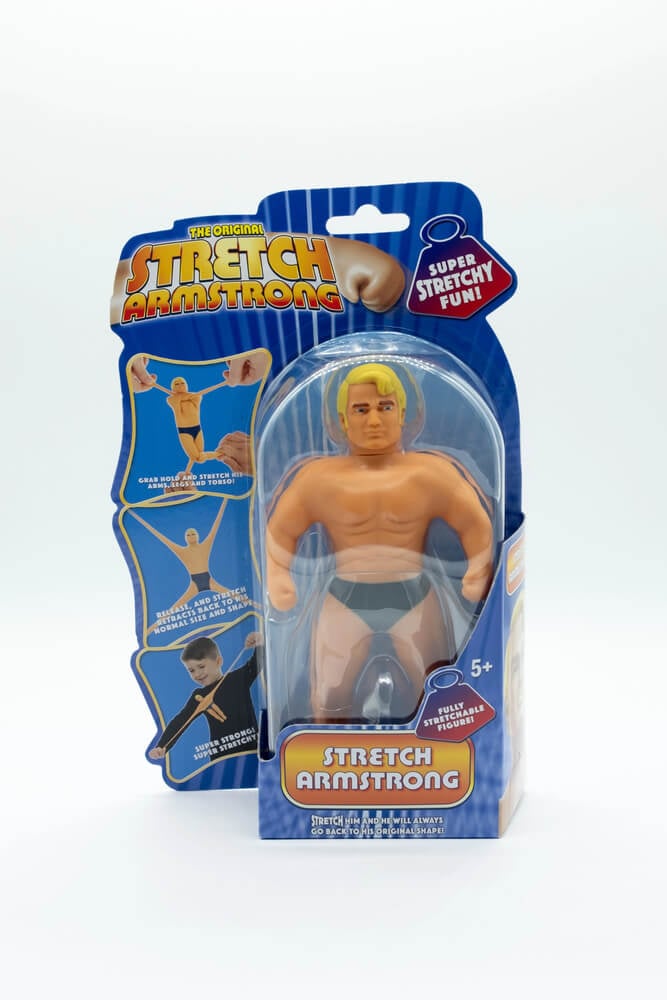
Kenner introduced Stretch Armstrong in 1976, a latex figure filled with gelled corn syrup that could be pulled to several times its length and slowly return to shape. It was a Christmas favorite for a few years before production ended.
Most figures eventually leaked, hardened, or split, so intact originals are genuinely scarce today. Buyers pay several hundred dollars for original figures in good condition, and boxed examples draw considerably more.
Punctures, hardened rubber, and sticky leaks reduce value sharply. The toy was reissued in later decades, so original markings and packaging help separate a 1970s figure from a newer one.
Kenner Star Wars Early Bird Certificate Packages
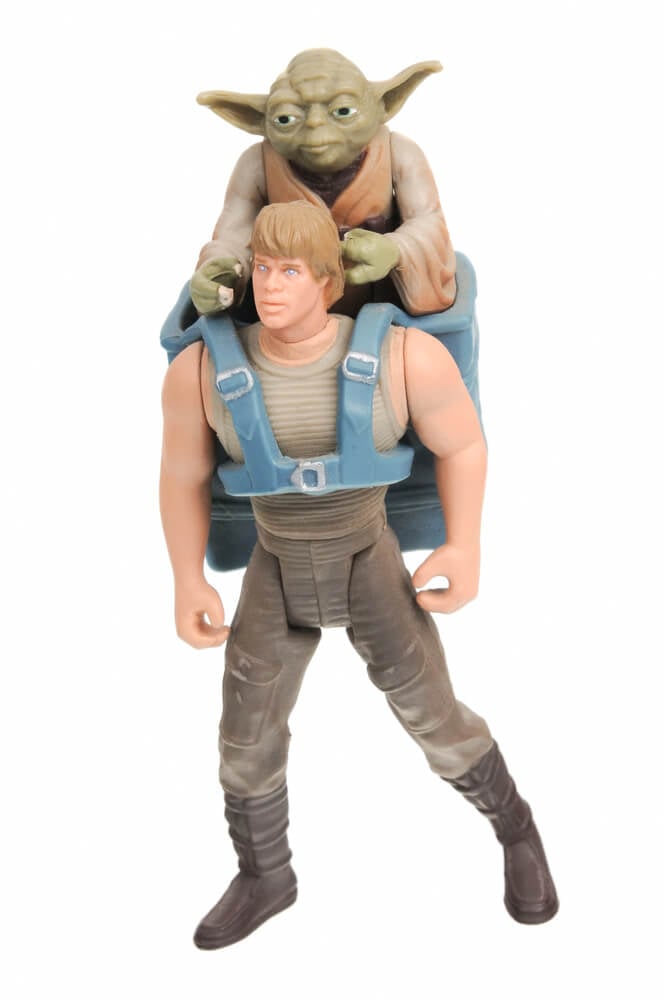
Kenner could not produce Star Wars figures in time for Christmas 1977, so it sold an envelope-style package containing a certificate that could be mailed in for four figures once they were ready. Children unwrapped, in effect, a promise.
The Early Bird Certificate Package became one of the strangest Christmas gifts in toy history and a favorite with collectors. Unused certificates in sealed packages are rare, and buyers pay thousands of dollars for them.
Opened or redeemed packages sell for much less. Creases, torn cardboard, and missing inserts reduce value, and graded sealed examples command the strongest prices.
Vinyl Cape Jawa From 1978
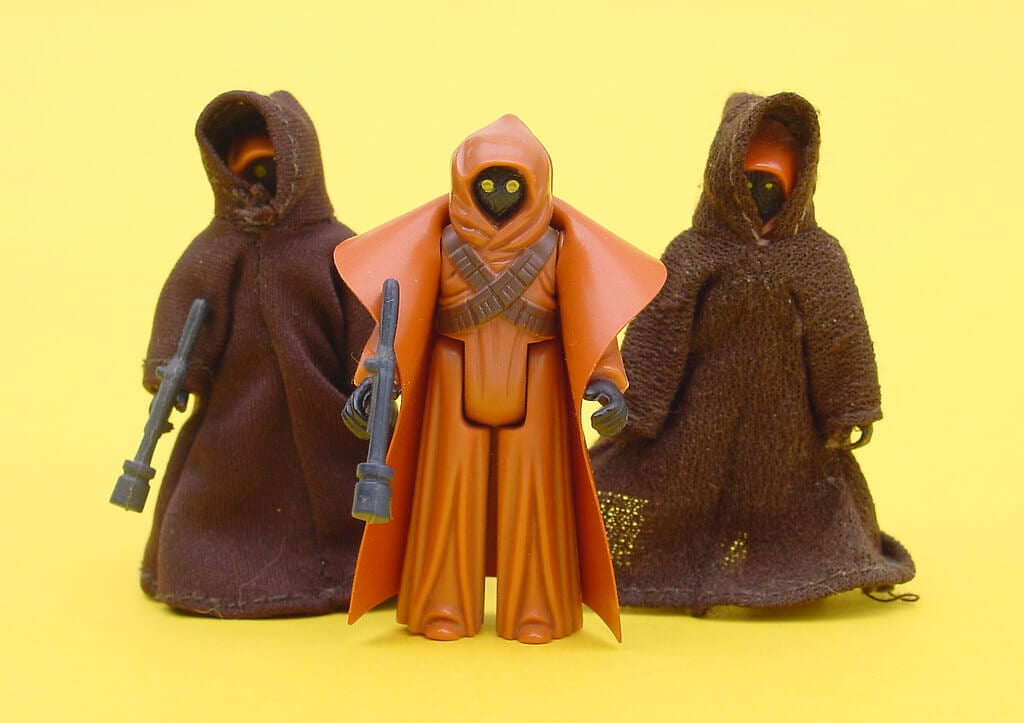
Kenner’s first Jawa figure came with a short vinyl cape, which the company quickly replaced with a cloth robe that looked less cheap next to the other figures. That brief production window makes the vinyl cape version one of the rarest standard figures in the vintage line.
Loose examples sell for hundreds to thousands of dollars, and carded examples sell for far more. Fake capes are common, so authentication is critical before any sale.
Collectors check cape shape, vinyl thickness, and stitching closely. Worn paint, loose limbs, and a missing weapon also reduce value.
Atari 2600 Consoles and Rare Cartridges
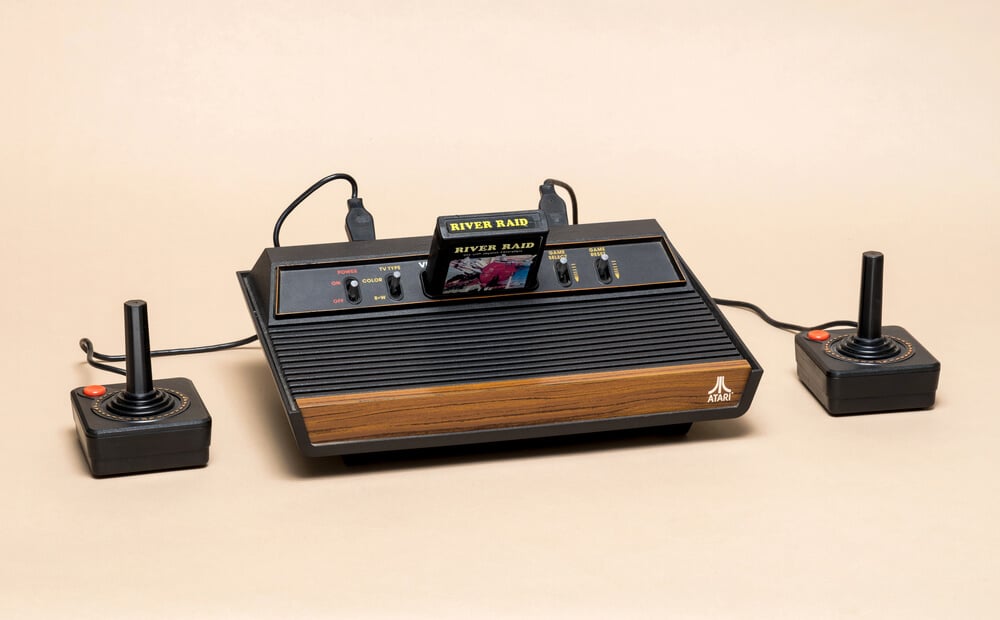
Atari introduced the Video Computer System in 1977, later renamed the Atari 2600, and it became a Christmas staple through the early 1980s. Millions were sold, so most consoles and common cartridges trade for modest sums.
Rare games are another story. Air Raid, a cartridge released by the small company Men-A-Vision with an unusual blue T-shaped handle, is one of the scarcest, and boxed copies have sold for tens of thousands of dollars.
Missing labels, torn boxes, and non-working hardware reduce value. Complete consoles in original boxes with manuals also draw steady interest from collectors.
Masters of the Universe Figures and Castle Grayskull
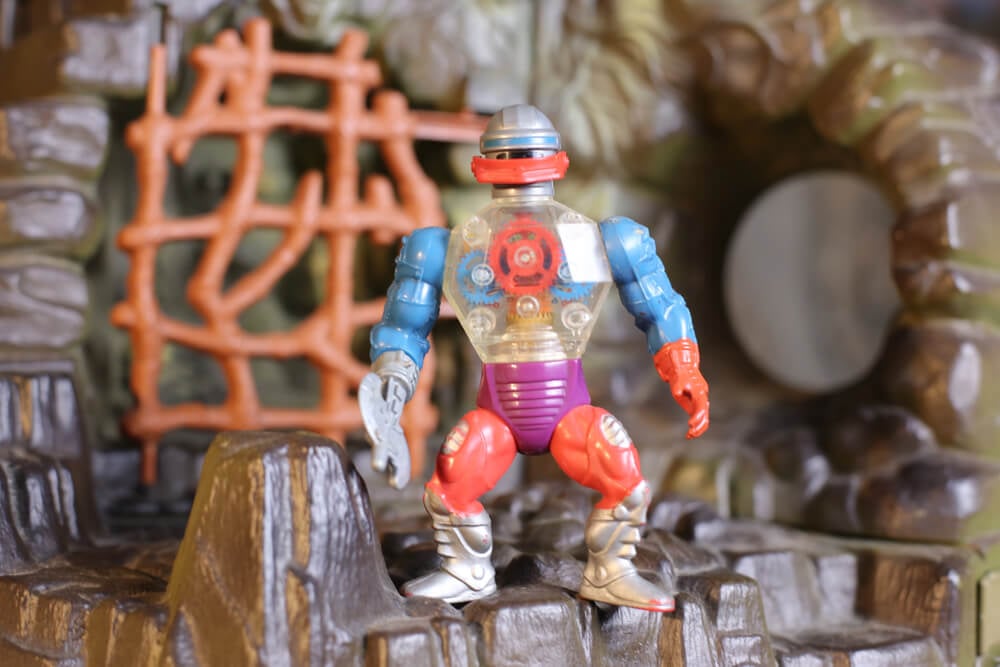
Mattel launched Masters of the Universe in 1982, and He-Man, Skeletor, and the skull-faced Castle Grayskull became Christmas favorites almost overnight. The line was backed by a cartoon that aired daily, which helped it sell in enormous numbers.
Loose figures are common, but early figures on original cards sell for hundreds and sometimes thousands of dollars. Complete Castle Grayskull playsets with every accessory draw strong prices as well.
Missing weapons, broken armor, and loose joints reduce value. Collectors also track the earliest card backs, which show fewer figures, as a quick way to date a sealed example.
Cabbage Patch Kids From 1983
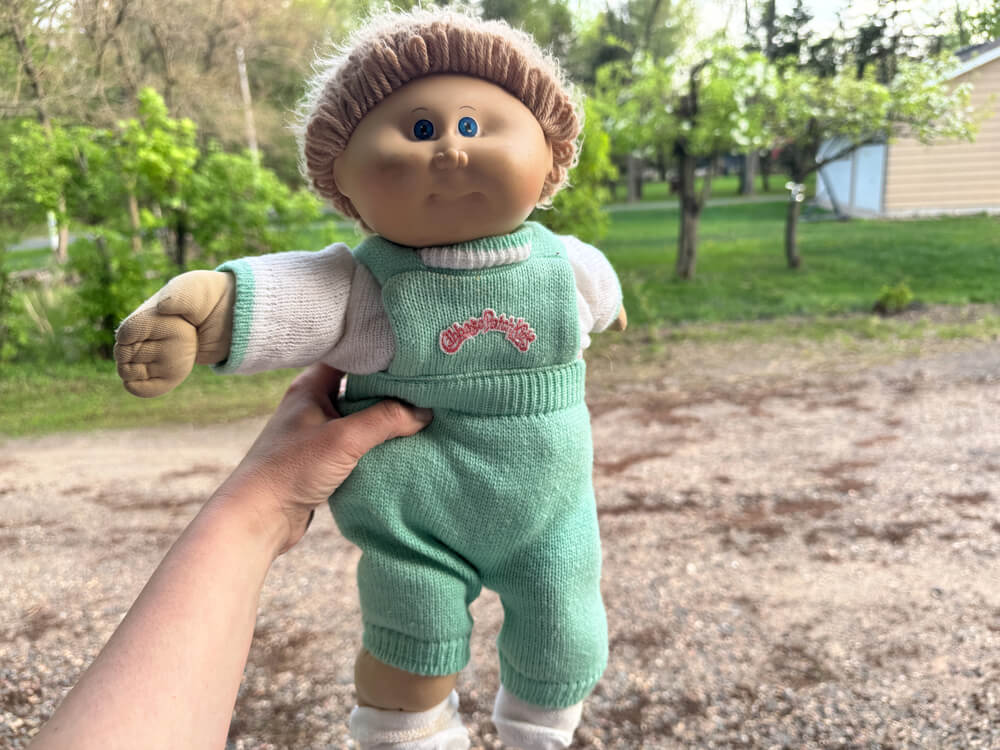
Coleco’s Cabbage Patch Kids caused shopping riots in the Christmas season of 1983, with store staff forced to protect shelves from crowds. The dolls grew out of Xavier Roberts’s hand-stitched Little People, sold as adoptions at Babyland General Hospital in Cleveland, Georgia.
Each came with a birth certificate and adoption papers. Coleco dolls are common today and trade for modest sums.
Early hand-stitched Little People dolls, however, bring hundreds of dollars or more. Missing birth certificates, stains, and damaged clothing reduce value, and original boxes with papers add a meaningful premium.
Transformers Optimus Prime From 1984
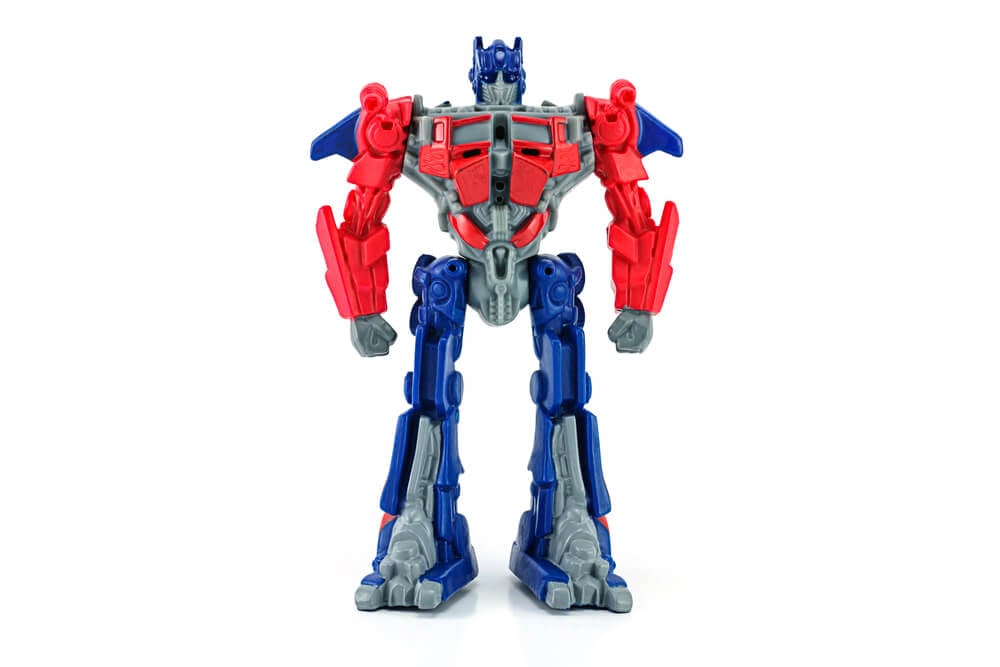
Hasbro introduced Transformers in 1984, adapting Japanese toys from Takara’s Diaclone and Microman lines for American shelves. Optimus Prime, a red and blue semi truck that converted into a robot, led the Autobots and became the most requested gift of that Christmas.
His trailer unfolded into a combat deck with a small scout car and a drone. Complete boxed examples sell for hundreds of dollars, and sealed or pristine ones reach thousands.
Missing fists, a lost gun, broken smokestacks, and worn stickers reduce value. Collectors check that every accessory is original rather than a later reproduction.
Factory-Sealed Nintendo Games
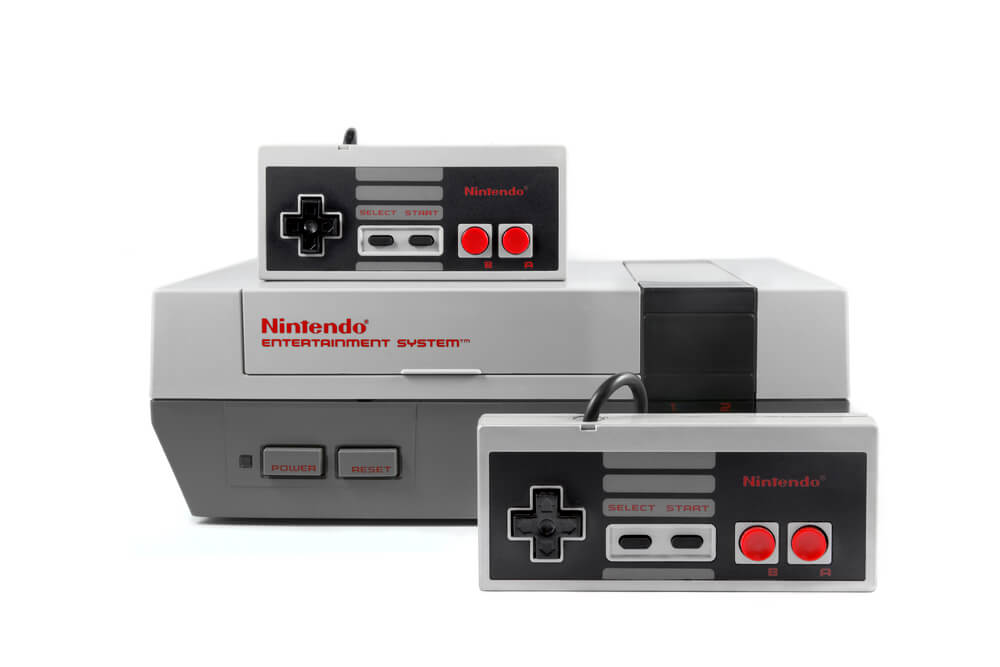
Nintendo launched its Entertainment System nationally in the United States in 1986 after a 1985 test launch in New York, and it quickly became the default Christmas gift for a generation. Most loose cartridges trade for modest sums.
Factory-sealed copies in high grades are another matter entirely. A sealed copy of Super Mario Bros. graded 9.8 by Wata sold for 2 million dollars through the collectibles platform Rally in August 2021.
Opened games, torn shrink wrap, and missing manuals sell for far less. Even complete in box copies of common titles bring a solid premium over cartridge-only games.
Furby From 1998
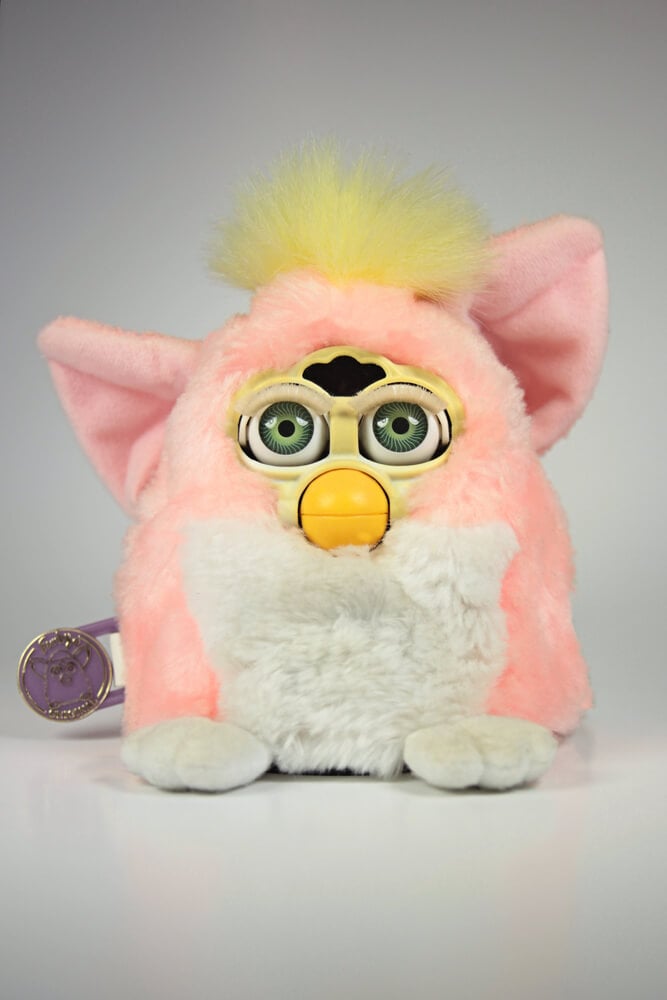
Tiger Electronics introduced Furby in 1998, an owl-like talking toy that appeared to learn English over time. It became the Christmas frenzy of that year, with resale prices climbing far above retail.
The toy even led the National Security Agency to ban Furbies from its premises over fears that they could record conversations. They could not, but the rumor stuck.
Buyers pay 50 to 300 dollars for boxed originals today, and rare colors and special editions draw more. Dead electronics, missing tags, and matted fur reduce value, while sealed boxes bring the best prices.
Japanese Battery-Operated Santa Toys

Japanese toy makers in the 1950s and 1960s produced tin battery-operated Santas that rang bells, rode sleighs, played drums, and walked across tabletops. Makers such as Alps and Modern Toys exported them to America in large numbers as Christmas novelties.
Many were packed away with the decorations each January, which is why they still surface in holiday bins today. Buyers pay 100 to 600 dollars for working examples in original boxes.
Battery corrosion is the main enemy, along with rust, torn cloth suits, and missing parts. Bright lithography and a mechanism that still runs make the biggest difference.
Nostalgia Under the Tree
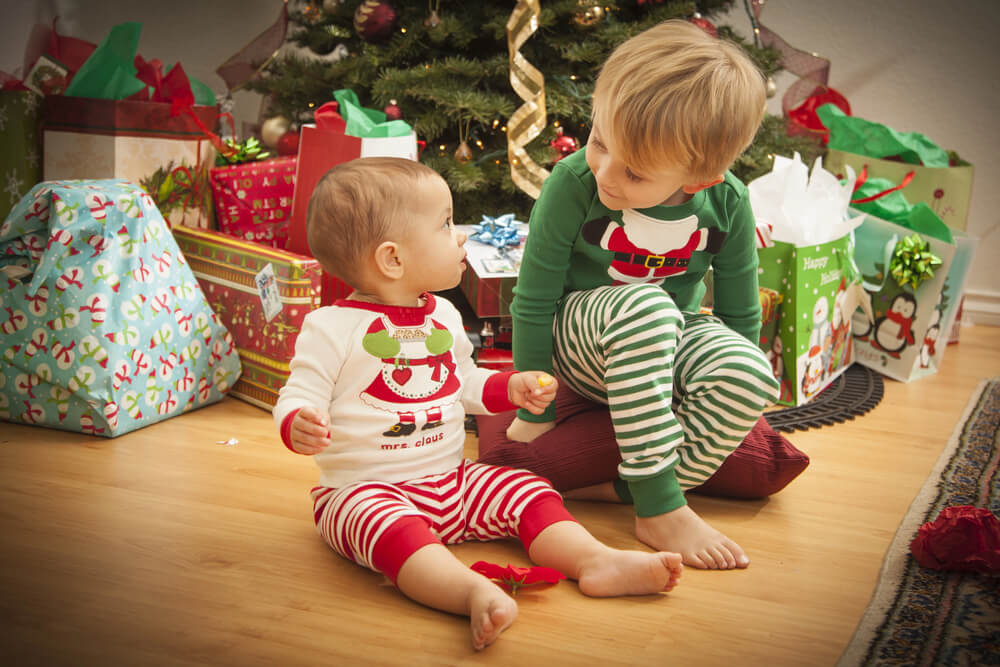
Christmas toys become valuable for the same reason they were loved. They carried the excitement of a particular year, and adults who remember that feeling want it back.
The boxes, instructions, and small parts that most families tossed on Christmas morning are what separate a memory from a collectible. That makes the attic a better investment adviser than most people realize.
A toy kept dry, complete, and in its box often outpaces the gifts bought for adults that same year. The lesson for future holidays might be to save the packaging along with the photos.
More from Go2Tutors!

- The Romanov Crown Jewels and Their Tragic Fate
- 13 Historical Mysteries That Science Still Can’t Solve
- Famous Hoaxes That Fooled the World for Years
- 15 Child Stars with Tragic Adult Lives
- 16 Famous Jewelry Pieces in History
Like Go2Tutors’s content? Follow us on MSN.



