25 Kitchen Techniques Passed Down for Generations
Some cooking skills never made it into a printed recipe because they were meant to be shown, not read — a grandmother’s hands guiding a grandchild’s through the motion until it became muscle memory. These techniques predate food processors and thermometers, and plenty of cooks still rely on them today.
Here are 25 that have survived generation after generation.
Canning
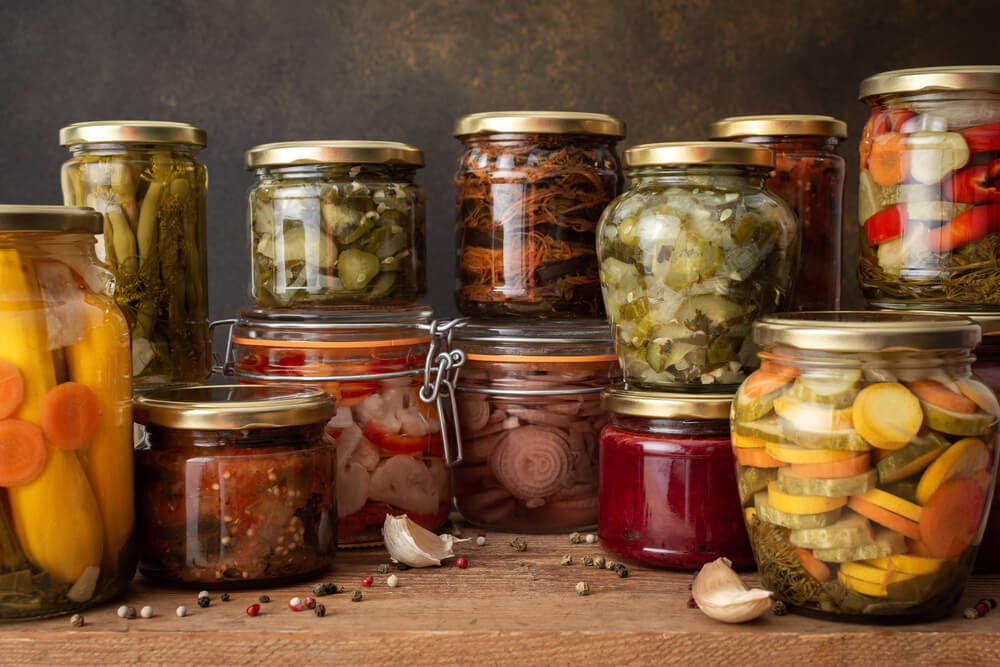
Preserving fruits and vegetables in sealed jars through a hot water or pressure process has been passed down as a late-summer ritual in countless households, timed to whatever the garden produces first. Getting a proper seal without a scientific gauge relies on experience and a practiced ear for the telltale pop of a sealing lid.
Home canners still learn the technique largely by working alongside someone who already knows it.
Pickling
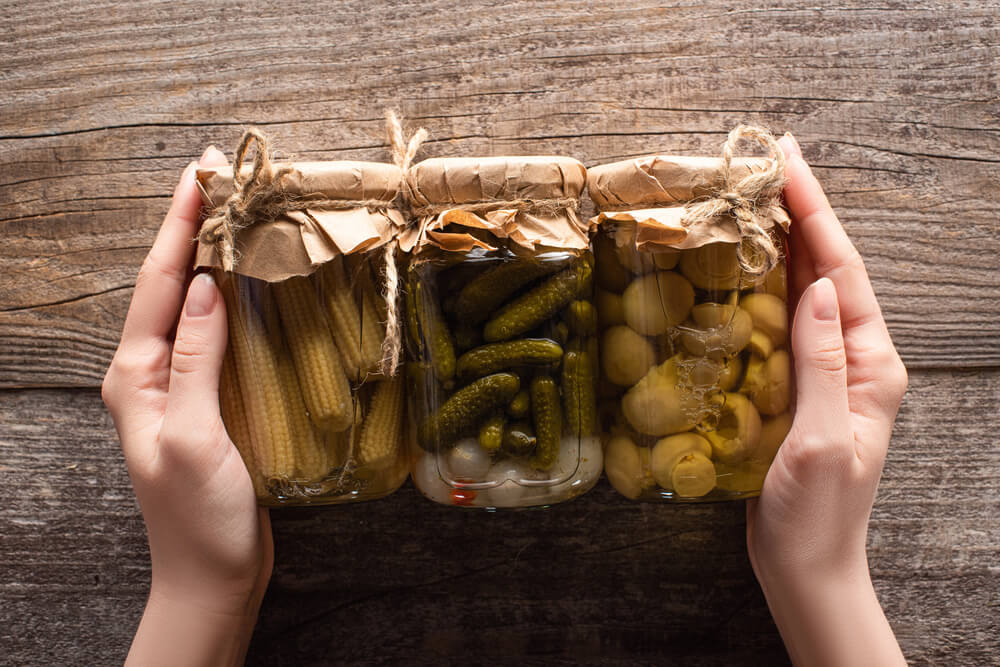
Preserving vegetables in a vinegar or salt brine is one of the oldest food-preservation techniques still practiced in home kitchens, with proportions of salt, vinegar, and sugar often passed down as a ratio memorized rather than measured. Cucumbers, onions, and peppers are among the most commonly pickled vegetables in American households.
Many families still keep a specific jar recipe that traces back several generations.
Fermenting Vegetables
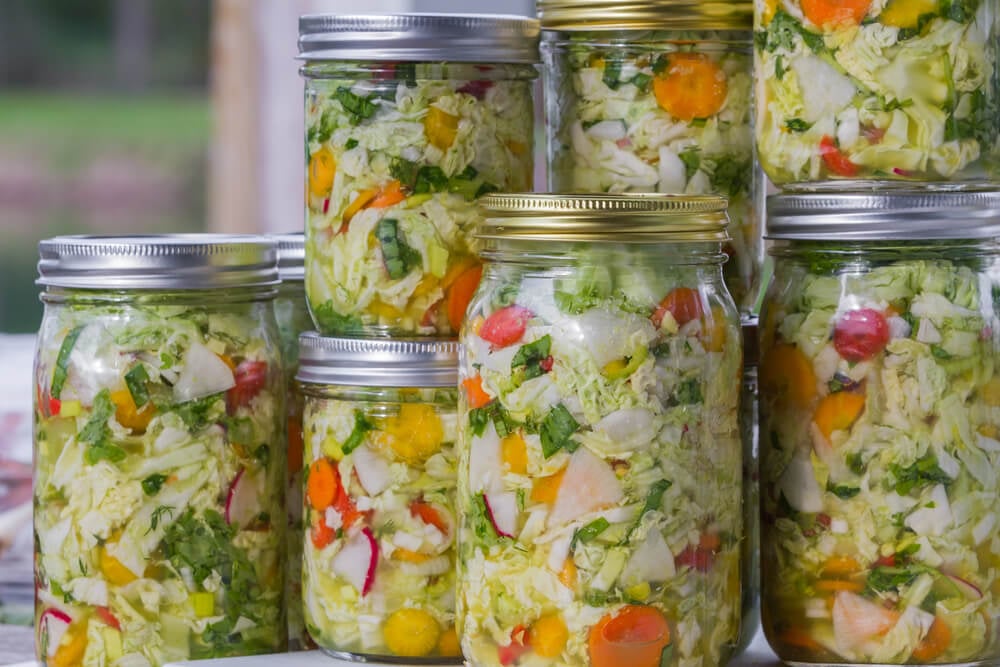
Turning cabbage into sauerkraut or cucumbers into true fermented pickles relies on controlling salt concentration and temperature to encourage beneficial bacteria rather than spoilage organisms. Judging readiness by smell and taste rather than a fixed timeline is a skill built through repetition.
Home fermenters still learn to read the process largely through trial and error passed down from someone experienced.
Rendering Lard
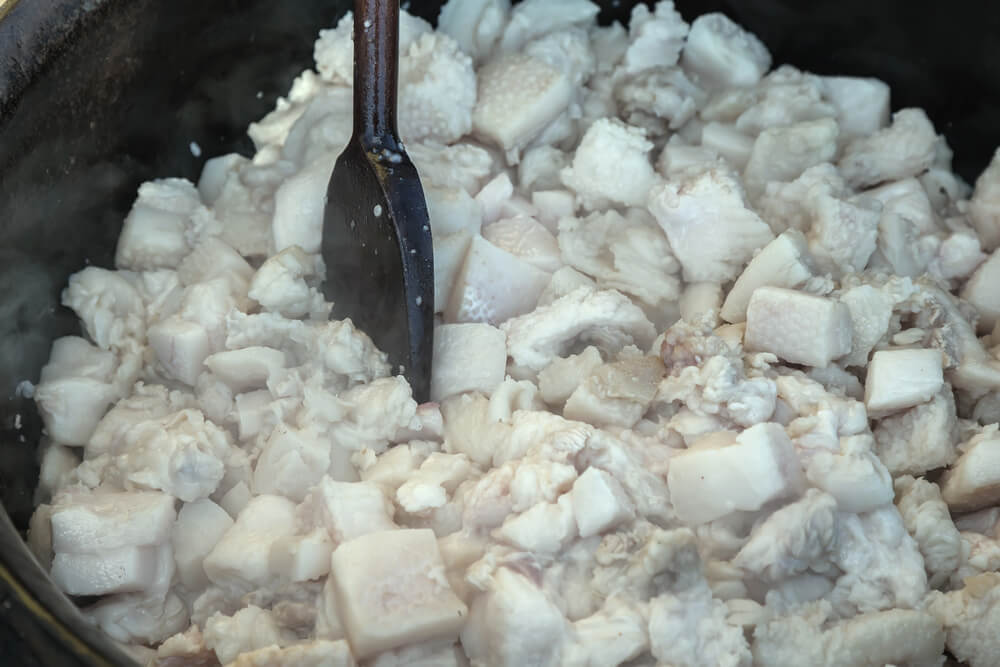
Slowly melting down pork fat into a clean, shelf-stable cooking fat was once a near-universal farmhouse task tied to hog butchering season. Getting a pure, mild-tasting result without scorching the fat takes a careful, low, patient heat.
Bakers who still render their own lard for pie crust generally learned the technique from someone who did it before them.
Making Stock From Bones
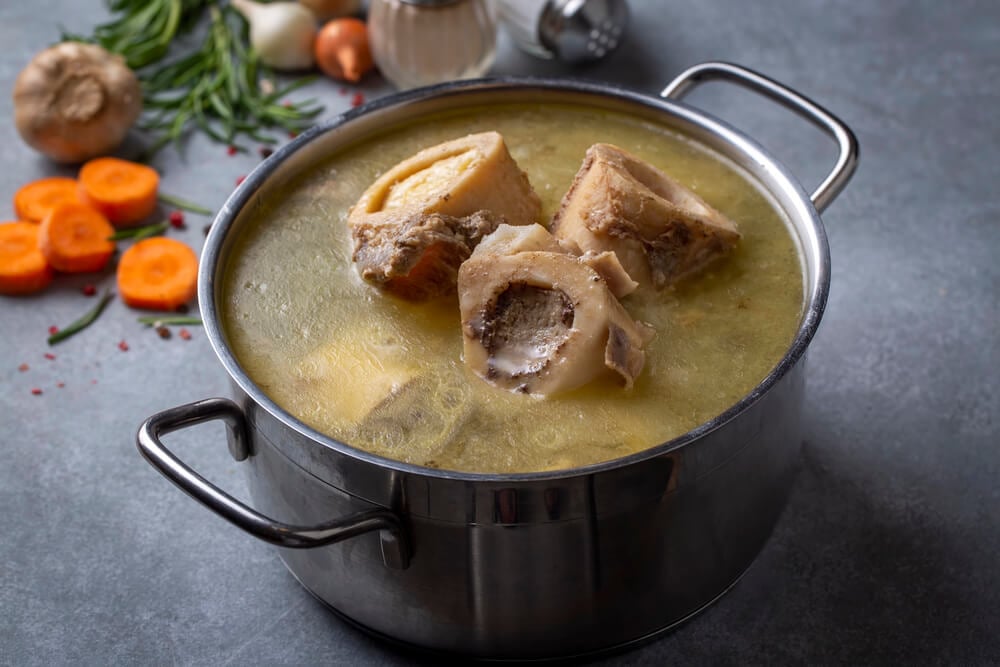
Simmering bones, vegetable scraps, and aromatics for hours to extract flavor and body is a technique built more on patience than precision, with cooks learning to judge doneness by color, smell, and the way the liquid coats a spoon. Skimming impurities as they rise is a hands-on skill rarely explained fully in a written recipe.
It remains one of the most commonly inherited kitchen techniques.
Curing Meat With Salt
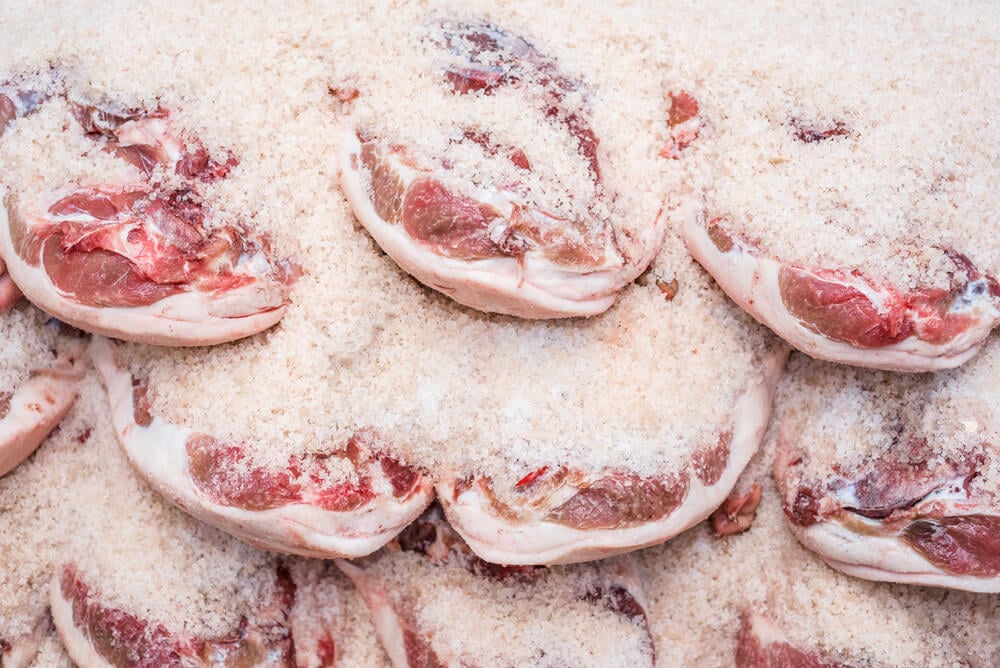
Preserving meat by packing it in salt, sometimes with sugar and spices, to draw out moisture and inhibit spoilage is a technique with roots stretching back centuries in farm households. Judging the right cure time by feel and appearance takes practice most cooks build under someone else’s supervision.
Home charcuterie enthusiasts still often trace their technique back to a family member who cured meat out of necessity rather than hobby.
Making Smoked Meat
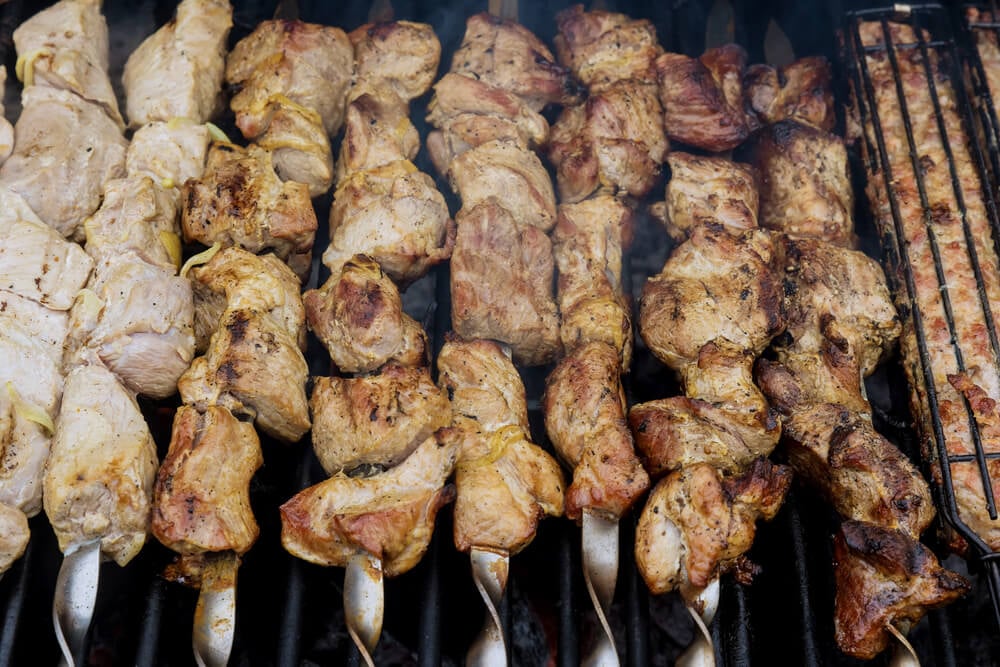
Exposing meat to low, steady heat and wood smoke over many hours to both flavor and preserve it is a technique long passed down through families running smokehouses or backyard pits. Judging doneness and smoke intensity without a thermometer relies almost entirely on experience.
Regional wood-smoke styles across the country often trace directly back to specific family lineages.
Churning Butter
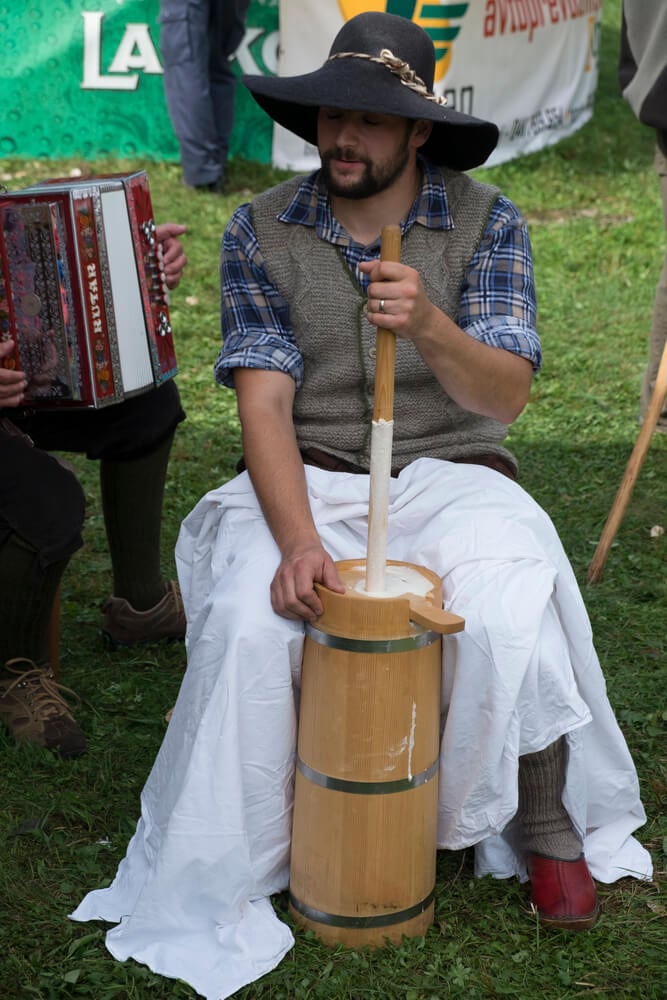
Agitating cream until the fat separates from the buttermilk is a technique many households once performed weekly, watching for the exact moment the cream transformed from whipped to solid. Knowing when to stop churning, and how long to work the butter afterward to remove excess liquid, takes a practiced hand.
It remains a hands-on skill some families still teach even though most butter is now bought rather than made.
Cutting Fat Into Pie Crust by Hand
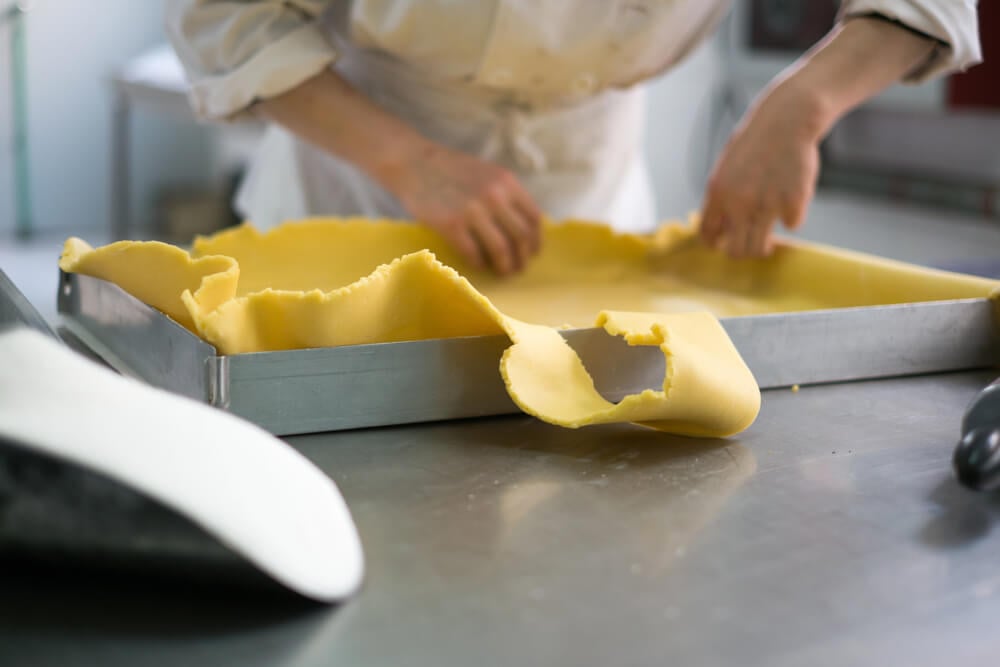
Working cold butter or lard into flour using fingertips or a pastry cutter until it forms pea-sized pieces is considered essential to a flaky crust, and the exact feel of “enough” is notoriously difficult to describe in writing. Many bakers learned to judge it by watching someone else’s hands rather than reading a recipe.
The technique is still taught largely through direct demonstration.
Kneading Bread by Hand
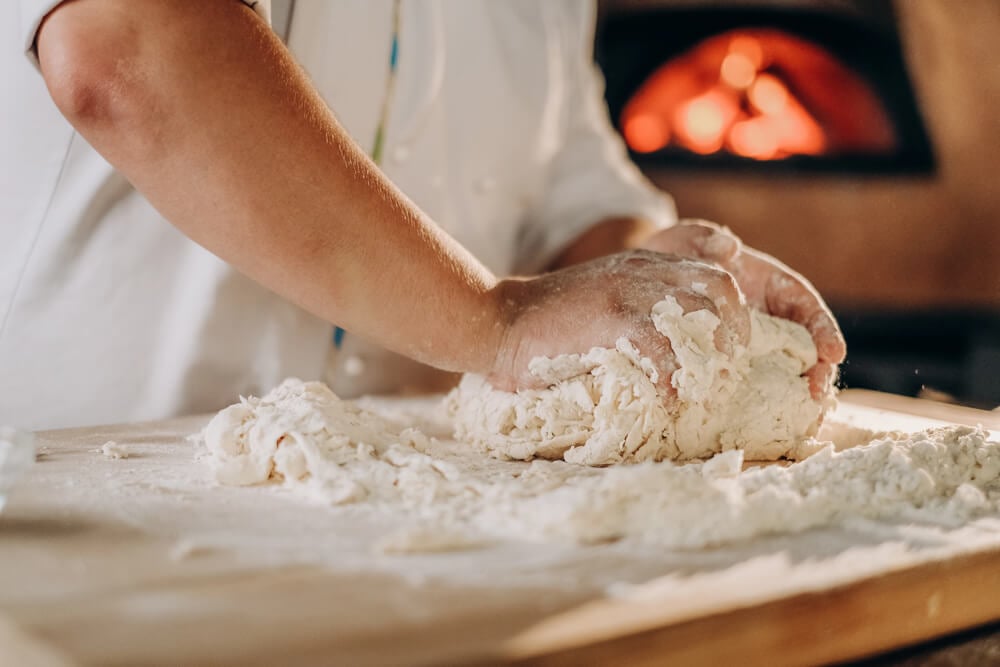
Working bread dough until it becomes smooth and elastic depends on judging gluten development by touch, a skill that takes considerable practice to learn reliably. Bakers often describe the right texture using comparisons, like “a baby’s earlobe,” passed down from whoever taught them.
It remains one of the most commonly inherited baking techniques in home kitchens.
Making Pasta From Scratch
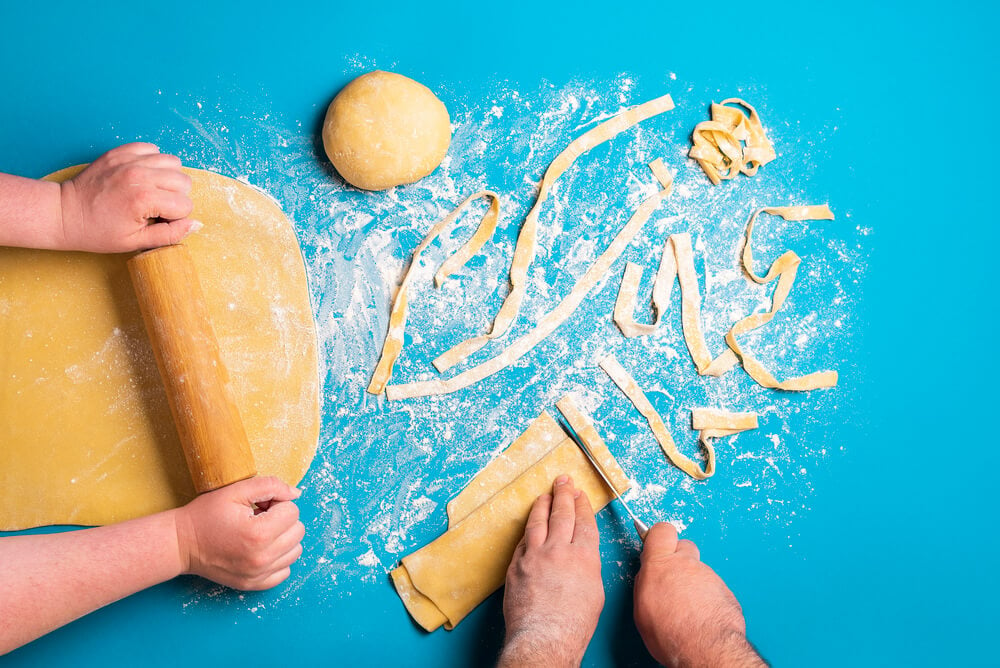
Working eggs into flour by hand until the dough reaches the right elasticity, then rolling and cutting it, is a technique many Italian-American families still teach directly to children and grandchildren rather than through written instructions. Judging dough hydration by feel rather than a fixed ratio is central to getting consistent results.
Regional shapes and techniques often vary from family to family within the same extended household.
Rolling Dumplings
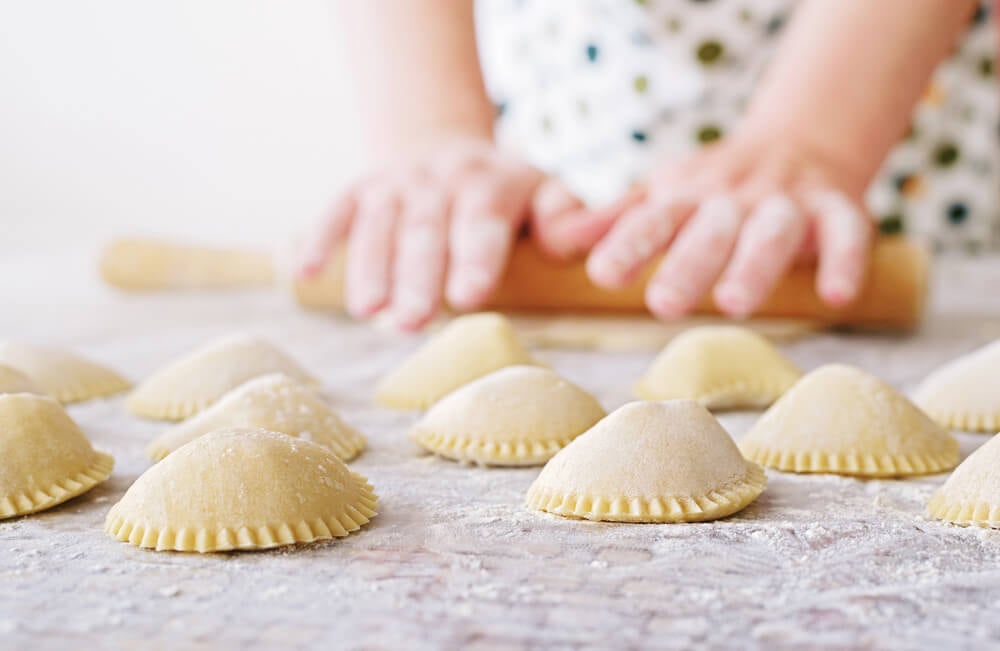
Shaping and filling dumplings by hand, whether for soup, dessert, or a savory main dish, is a technique commonly taught through repetition at a family table rather than a recipe card. Getting a consistent seal without tearing the wrapper takes practiced fingers.
Many households still gather multiple generations around a table specifically to make large batches together.
Hand-Making Tortillas
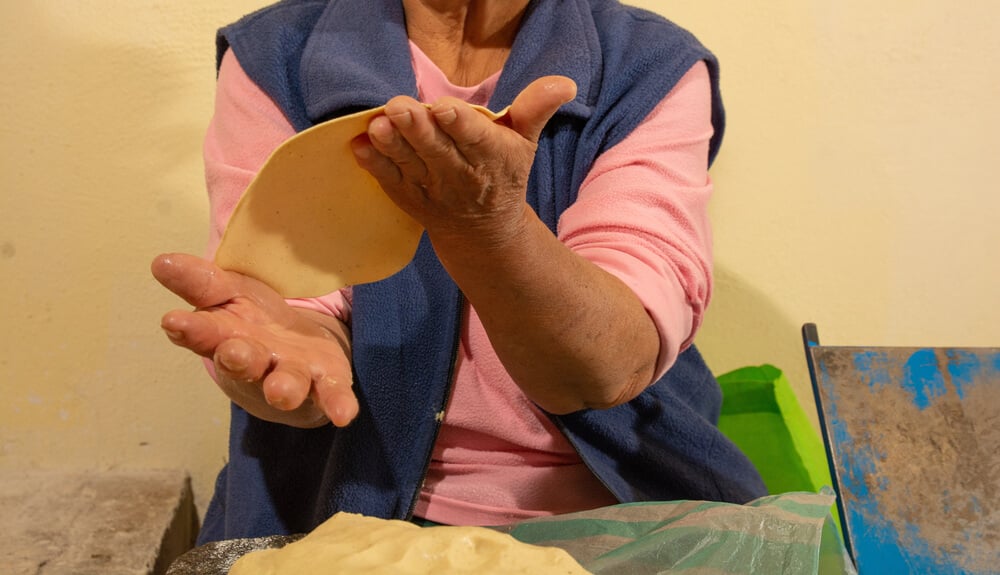
Pressing and shaping masa dough into thin, even rounds by hand or with a simple wooden press is a technique passed down through generations in households with Mexican and Central American heritage. Judging the right dough consistency and cooking time on a dry griddle takes considerable practice.
Many families still consider learning to make tortillas by hand a rite of passage.
Tempering Eggs
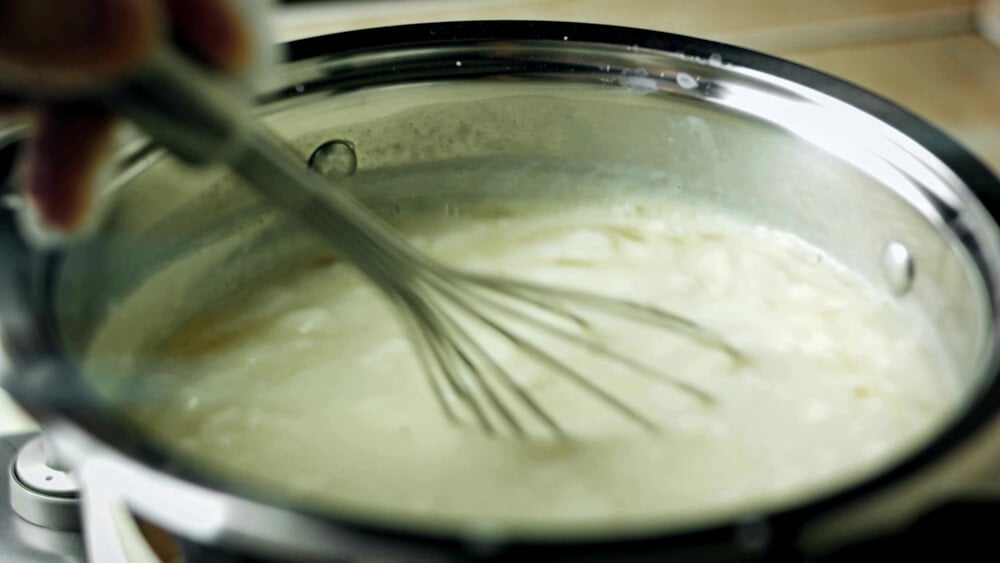
Slowly whisking hot liquid into beaten eggs to raise their temperature gradually, preventing them from scrambling when added to a hot mixture, is a technique that requires a careful, steady hand rather than an exact measurement. Cooks learn to judge the right pace largely by watching someone else do it first.
It remains essential to custards, curds, and cream-based sauces made from scratch.
Making a Roux
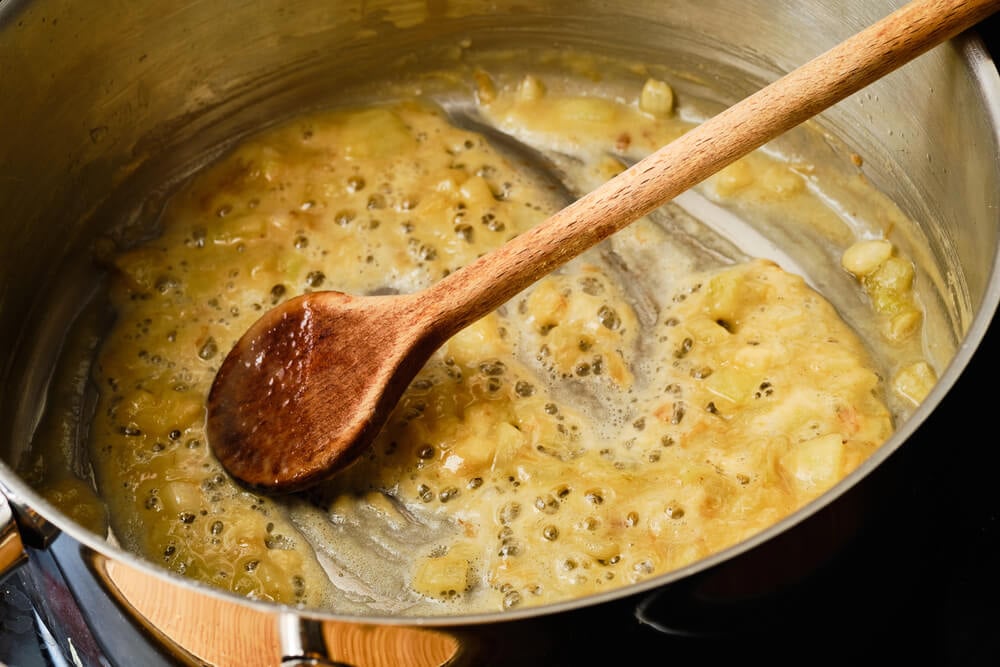
Cooking flour and fat together to varying shades of color, from pale to deep brown, forms the base of countless sauces and is judged almost entirely by color, smell, and consistency rather than a timer. In Louisiana households in particular, roux-making technique is often passed down as a point of family pride.
Getting it exactly right without scorching takes years of practice most cooks learn by watching a relative first.
Clarifying Butter
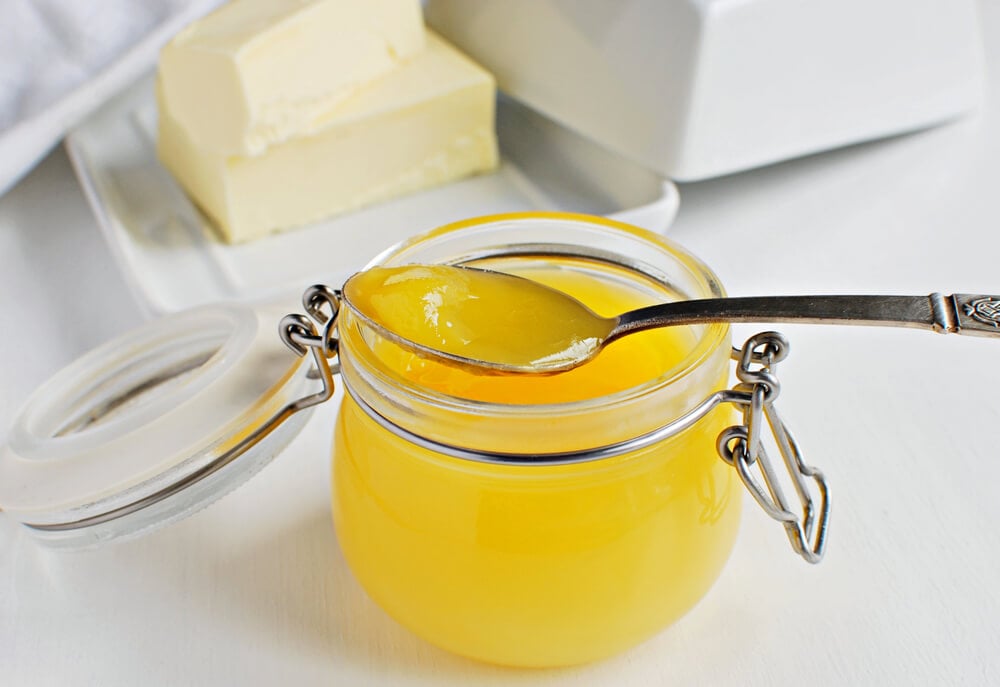
Separating milk solids and water from butterfat to produce a pure, shelf-stable cooking fat is a technique traditionally judged by sight, watching the butter separate into distinct layers as it gently melts. Skimming the foam at the right moment takes a practiced eye.
It remains a technique many cooks learn hands-on rather than from a written recipe.
Blanching and Shocking Vegetables
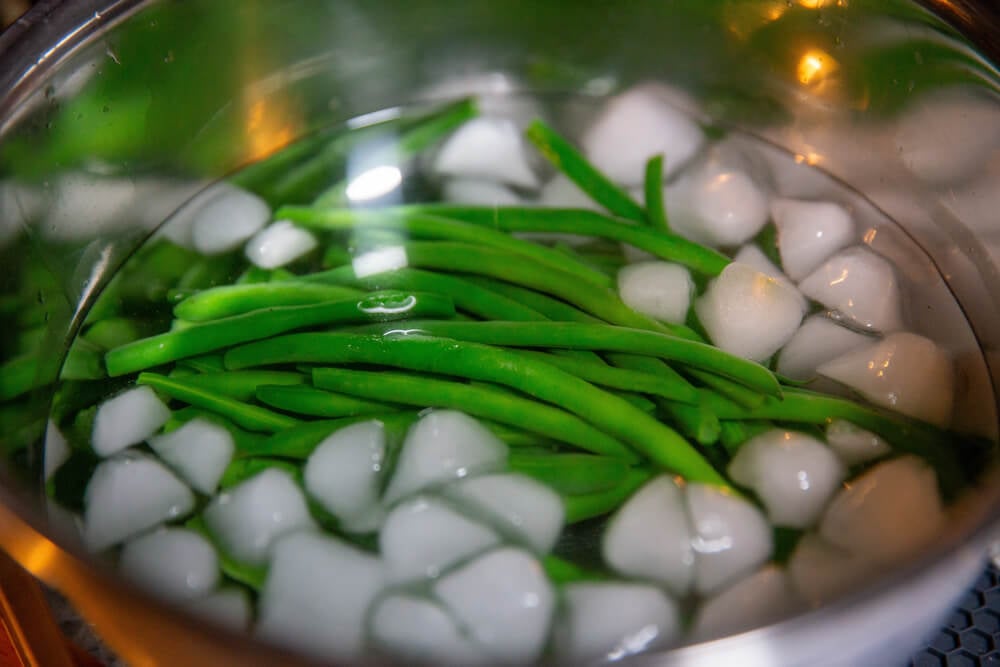
Briefly boiling vegetables and then plunging them into ice water to stop the cooking process preserves color and texture, a technique cooks learn to time by appearance rather than a fixed clock. Judging exactly when a vegetable has hit peak color takes repeated practice.
It remains a foundational technique taught hands-on in home and professional kitchens alike.
Sun-Drying Fruit
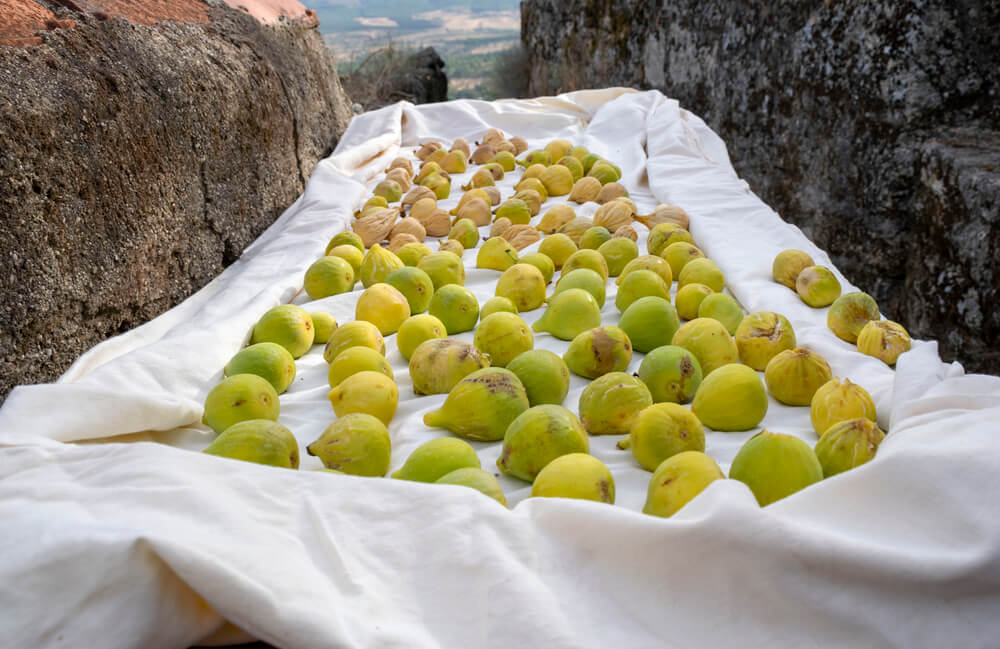
Slicing and laying fruit out to dry naturally in the sun, turning it periodically and protecting it from insects and moisture, was a common preservation method in households without access to commercial dehydrators. Judging doneness by texture rather than a set number of days takes accumulated experience.
Families in warmer climates in particular often still pass down specific drying techniques for regional fruit.
Root Cellaring
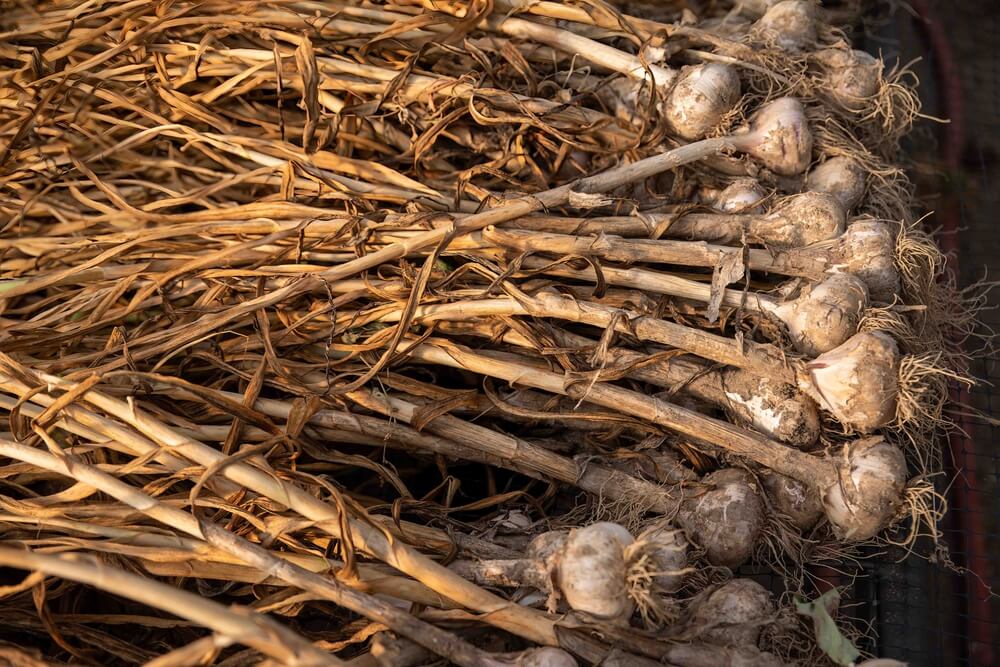
Storing root vegetables in a cool, dark, humidity-controlled space to keep them edible through winter months relies on knowledge of which vegetables need dry storage and which need damp, sand-packed conditions. Judging the right conditions without modern climate control takes practiced attention to a cellar’s natural temperature swings.
The technique is still taught directly by families who maintain working root cellars today.
Brining Poultry
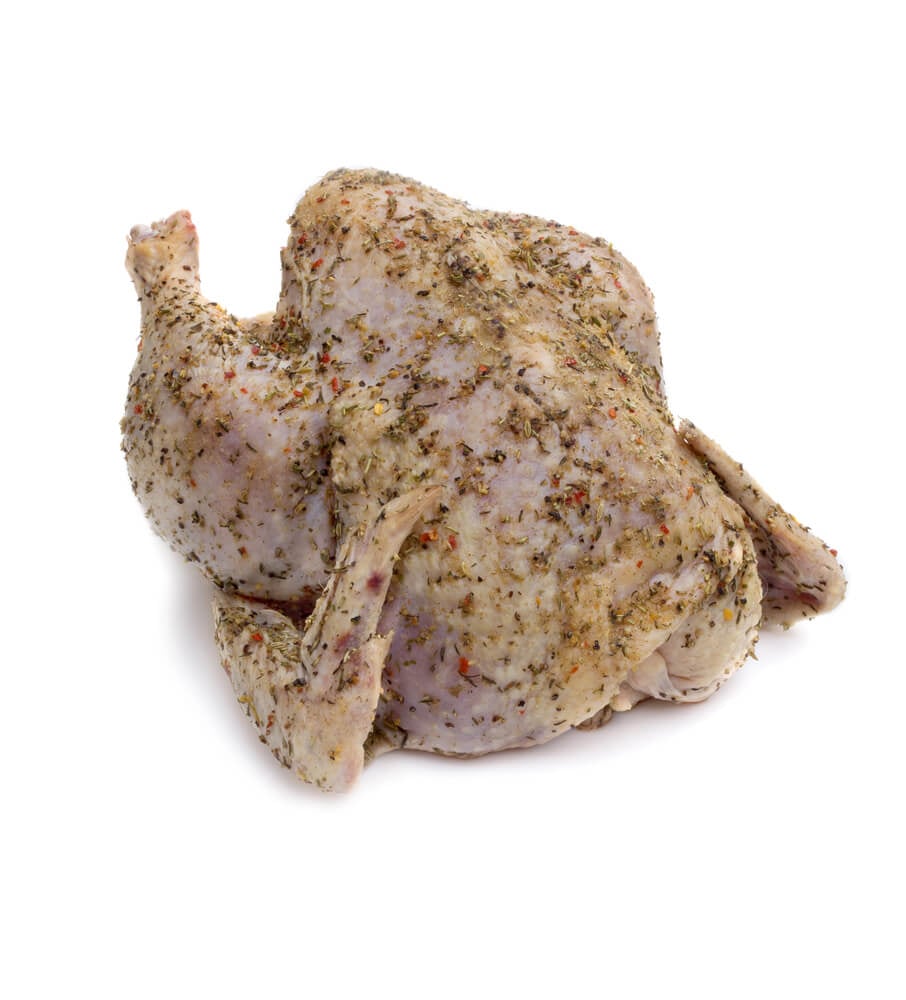
Soaking poultry in a salt-and-water solution before cooking to improve moisture and seasoning is a technique often passed down with a specific ratio memorized by feel rather than measured precisely. Judging brining time based on the size of the bird takes practice built through repetition.
Many families still treat a particular brine recipe as a closely guarded holiday tradition.
Testing Jam for Set
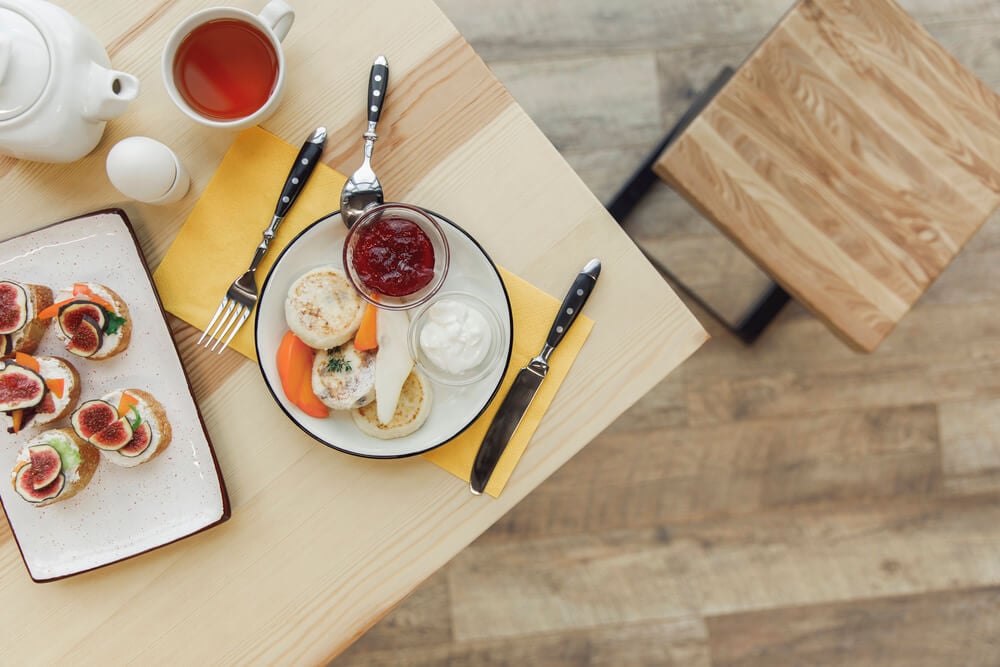
Determining when fruit preserves have cooked long enough to set properly, often by dropping a spoonful onto a chilled plate and watching how it wrinkles, is a technique passed down because commercial pectin packaging alone doesn’t account for natural variation in fruit. Judging the right moment takes a practiced eye more than a thermometer.
Home preservers still frequently learn the technique by working alongside someone experienced.
Hand-Cranking Ice Cream
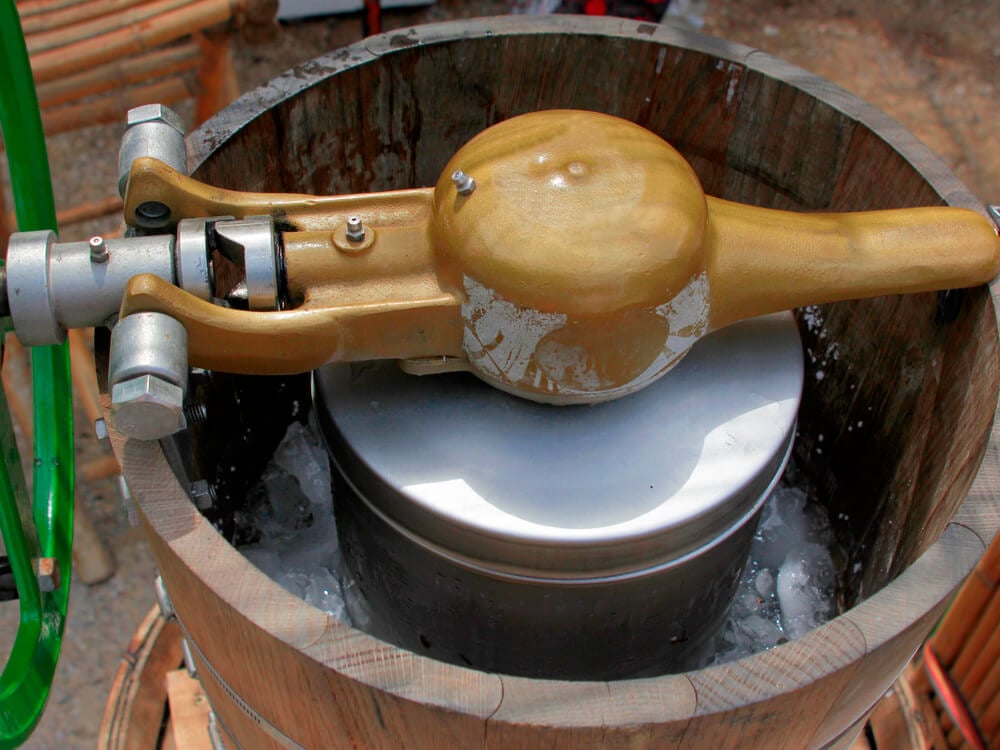
Churning a custard base by hand in an ice-and-salt-packed crank freezer, rather than using an electric machine, remains a technique some families deliberately preserve as a shared summer ritual rather than out of necessity. Judging the right churning speed and the moment the mixture has properly thickened takes accumulated experience.
Multiple generations often take turns cranking during a single batch.
Braising Tough Cuts Low and Slow
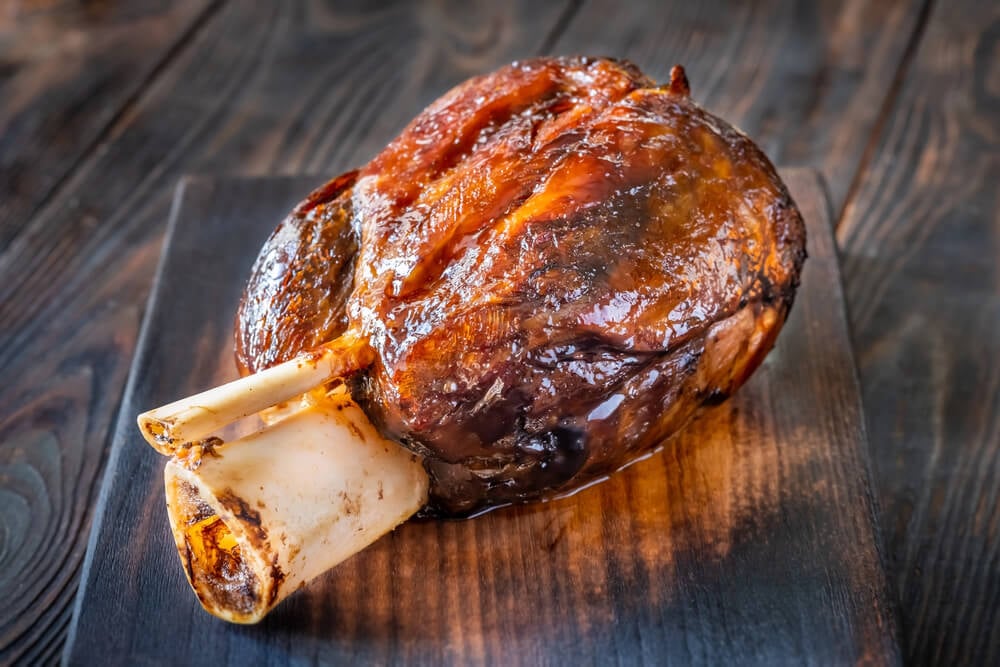
Cooking inexpensive, tough cuts of meat gently in liquid over a long period to break down connective tissue is a technique built on patience and judgment rather than precise timing. Cooks learn to recognize the right texture by feel, testing with a fork rather than a clock.
The technique has been passed down largely as a practical way to make economical cuts taste tender.
Proofing Bread by Feel
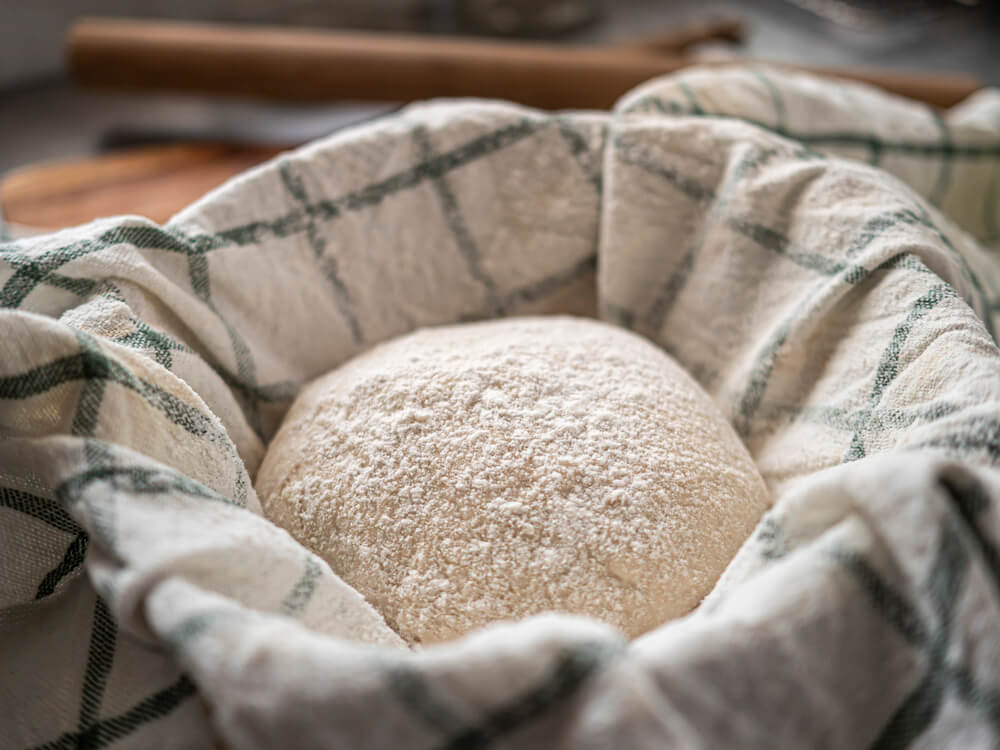
Judging when bread dough has risen enough to bake, typically by pressing a finger into the dough and watching how quickly it springs back, is a skill built through repeated practice rather than a fixed rising time. Environmental factors like room temperature make a stopwatch unreliable on its own.
Bakers typically learn to trust this instinct only after watching someone experienced demonstrate it directly.
Rendering Fat for Frying
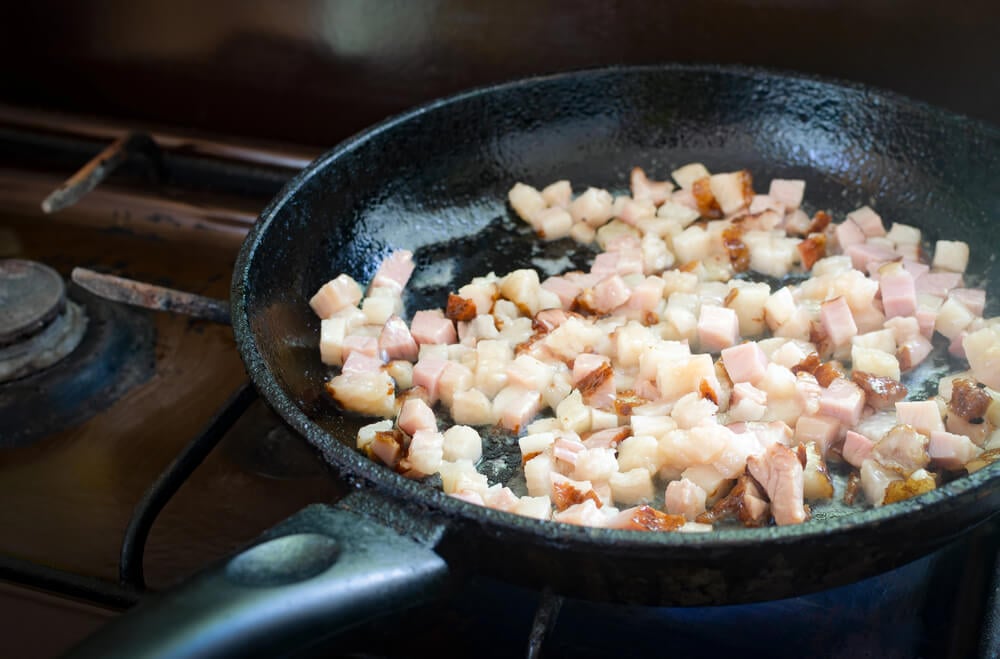
Collecting and clarifying fat left over from cooking meat, then reusing it for frying other dishes, was a common thrift practice in households that wasted as little as possible. Judging when saved fat has gone rancid and needs to be discarded takes accumulated kitchen experience.
The practice is still passed down in households that value economy and flavor over convenience.
Instinct Over Instruction

What links every technique on this list is that none of them translate fully to a written recipe. A ratio can be printed, but the feel of dough that’s kneaded enough, or the smell of a roux at the exact right shade, only comes from doing it while someone more experienced watches and corrects.
That’s precisely why these skills survive generation to generation instead of book to book. They require a teacher, not just a text, which makes them some of the most durable knowledge in any kitchen.
More from Go2Tutors!

- The Romanov Crown Jewels and Their Tragic Fate
- 13 Historical Mysteries That Science Still Can’t Solve
- Famous Hoaxes That Fooled the World for Years
- 15 Child Stars with Tragic Adult Lives
- 16 Famous Jewelry Pieces in History
Like Go2Tutors’s content? Follow us on MSN.