Vintage Kids’ Books Worth Real Money
That dog-eared picture book in the attic might be a bedtime favorite and nothing more. It might also be a first printing that collectors chase with real money.
The difference usually comes down to a few quiet details: a publisher’s name, a printing line, a jacket price. Children’s books are hard on paper.
They get drawn in, dropped in the bath, and loved until the spines give out, which is exactly why clean early copies are so scarce. These are some of the titles worth checking before the next donation box goes out the door.
The Tale of Peter Rabbit, Privately Printed in 1901
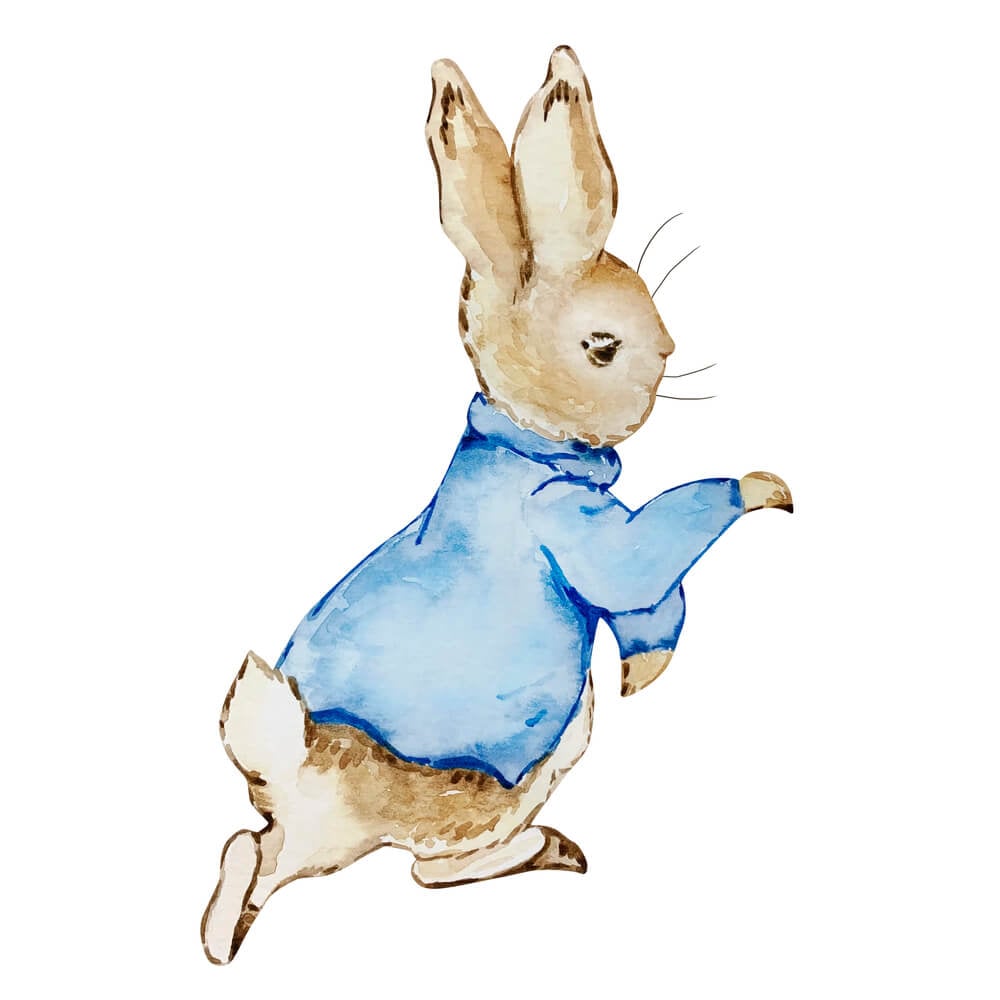
Beatrix Potter had her story rejected by publishers, so in December 1901 she paid to have 250 copies printed herself. Those copies carried black-and-white drawings, not the color plates of the trade edition Frederick Warne issued in 1902.
The little privately printed volume is the one serious collectors dream about, and a genuine copy is a major auction event. Ordinary Warne printings from the early 1900s are far more common, and their value swings sharply with binding, plate condition, and inscriptions.
Alice’s Adventures in Wonderland, the Recalled 1865 Printing
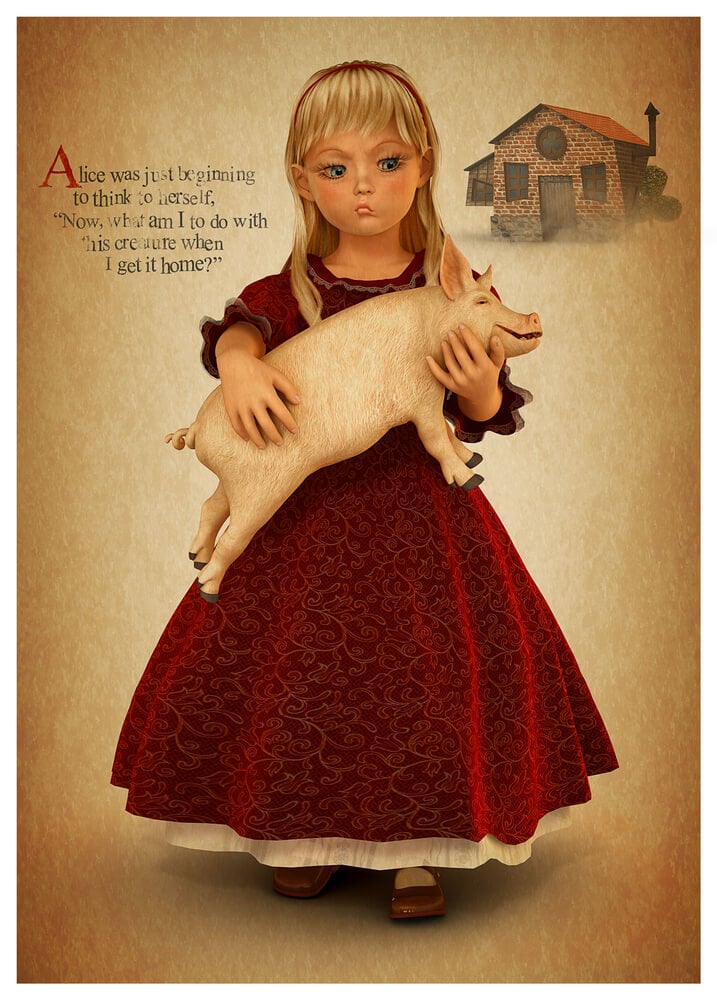
About 2,000 copies of the first Macmillan edition were printed in 1865, and illustrator John Tenniel was so unhappy with the print quality of his pictures that the book was pulled back. The recalled sheets were sold off to an American publisher, and only around 22 copies of that original issue are known to survive.
When one comes to market, the price reaches into seven figures. The reissued 1866 edition is far easier to find, and it sells for a small fraction of the original’s value.
The Hobbit, George Allen & Unwin, 1937
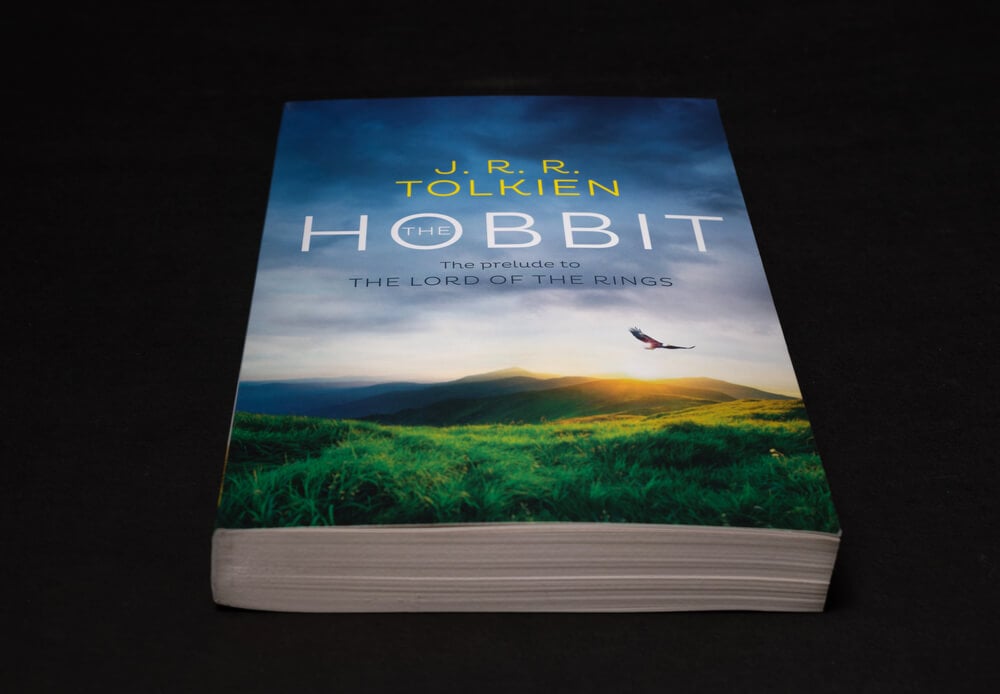
Only 1,500 copies were printed in the first run, published in London in September 1937. J.R.R. Tolkien designed the dust jacket himself, and that jacket is often the dividing line between a modest price and a jaw-dropping one.
A first printing with its original jacket intact can be worth many times more than the same book without it. Rebacked spines, clipped flaps, and price-stamped jackets all pull values down fast.
Harry Potter and the Philosopher’s Stone, Bloomsbury, 1997
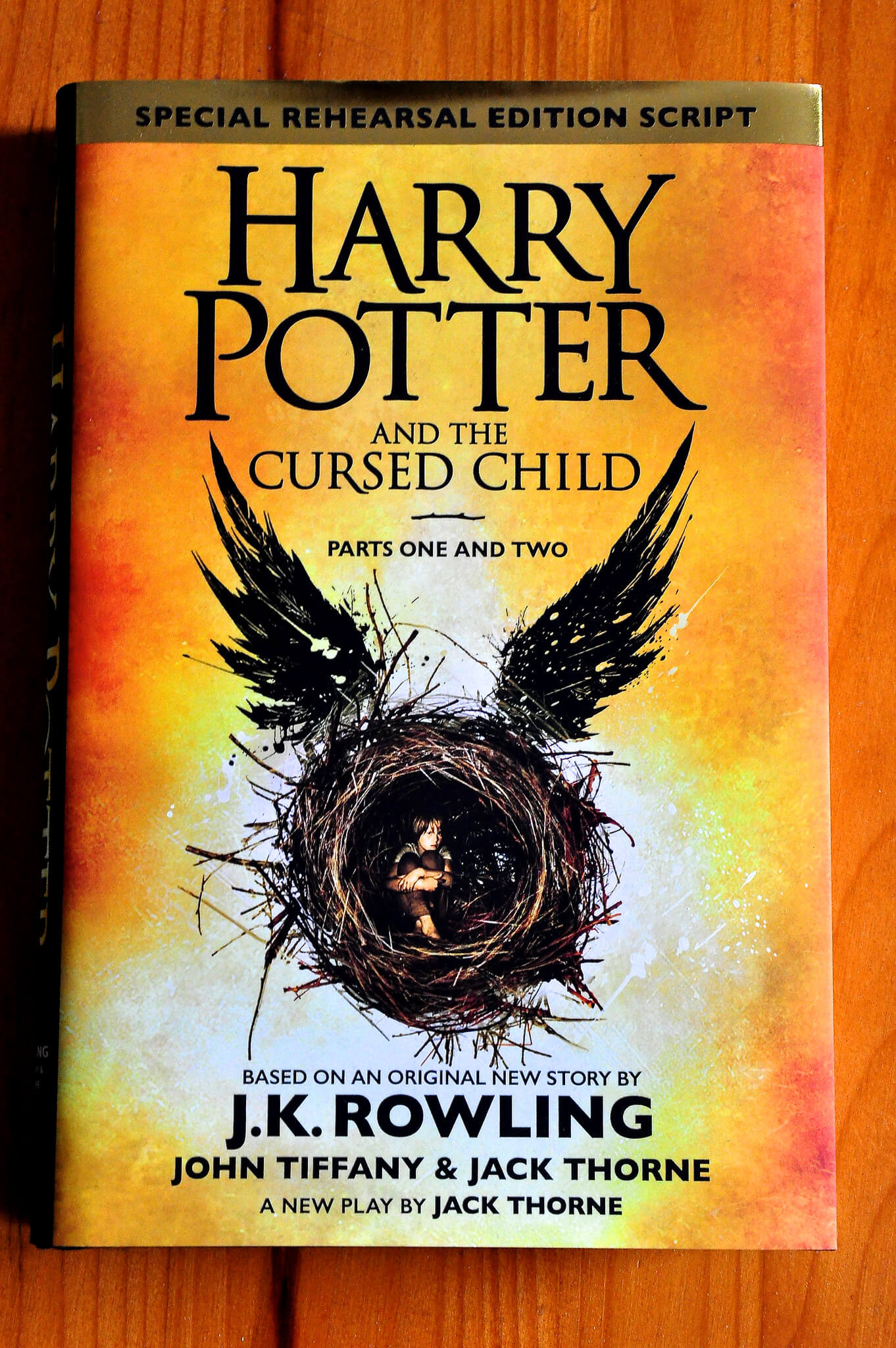
The first hardcover printing ran to just 500 copies, and roughly 300 of those went to libraries. Collectors check the school supplies list on page 53, where the first printing says “1 wand” twice.
The author appears as J.K. Rowling because the publisher worried that boys might skip a book written by a woman. One copy has sold at auction for $471,000, though that price reflects an exceptional example, and worn library-stamped copies sell for dramatically less.
Where the Wild Things Are, Harper & Row, 1963
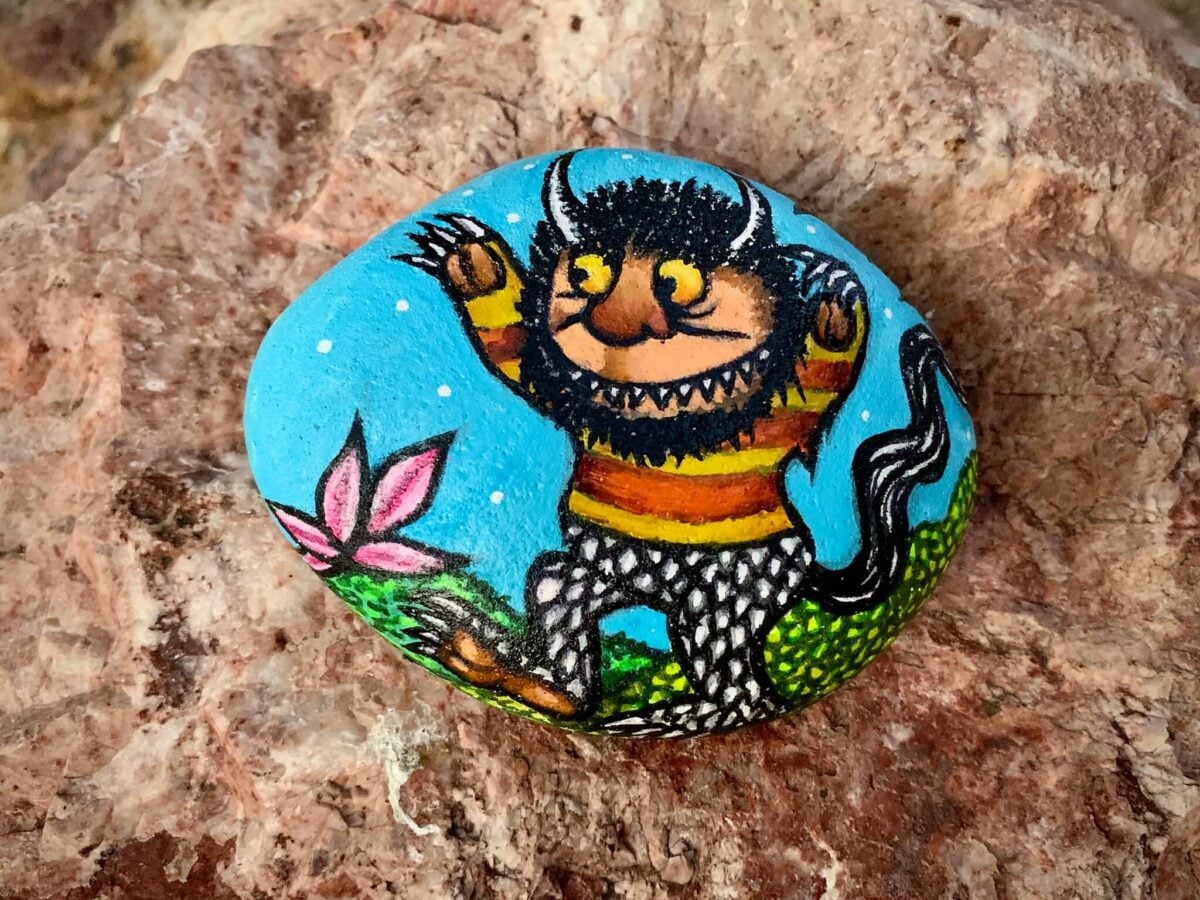
Maurice Sendak first planned to call this book Where the Wild Horses Are, but he admitted he could not draw horses well enough. The switch to monsters won the Caldecott Medal in 1964 and made the first edition one of the most hunted picture books of the twentieth century.
Collectors look for a first-issue jacket with its original price and no later award sticker. Even a lightly worn first printing without its jacket loses most of its collectible premium.
Goodnight Moon, Harper & Brothers, 1947
Margaret Wise Brown’s bedtime classic, illustrated by Clement Hurd, sold modestly at first. The New York Public Library’s influential children’s librarian Anne Carroll Moore reportedly disliked it, and the library did not stock the book for years.
That chilly reception makes the early printings scarcer than the book’s later fame would suggest. A true first edition in a bright, unclipped jacket is the prize, and later Harper printings are valued very differently.
The Cat in the Hat, 1957
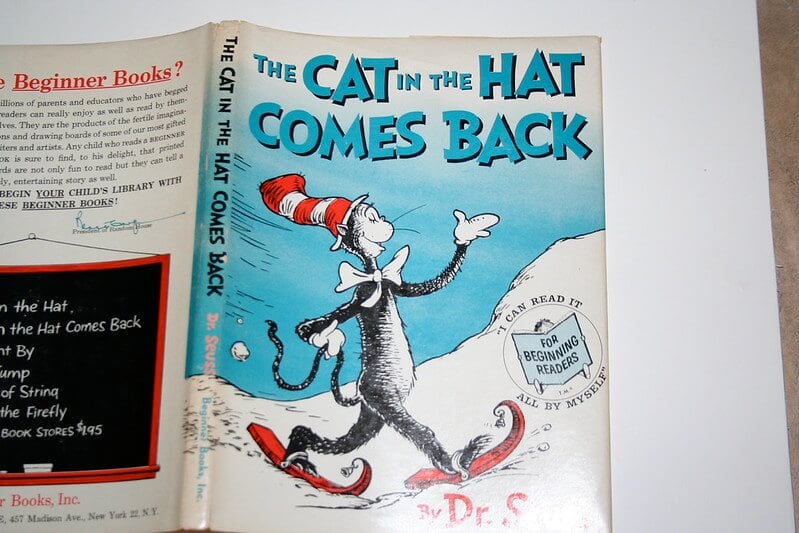
Dr. Seuss built this story from just 236 different words after Houghton Mifflin’s education director challenged him to write a primer that kids might actually want to read. The first edition was issued in 1957 in two forms, a Houghton Mifflin school edition and a Random House trade edition.
Collectors pay close attention to which version is in hand, plus the jacket and the printing details. Water stains, rubbed corners, and ex-library markings quickly drag the value down.
Winnie-the-Pooh, Methuen, 1926
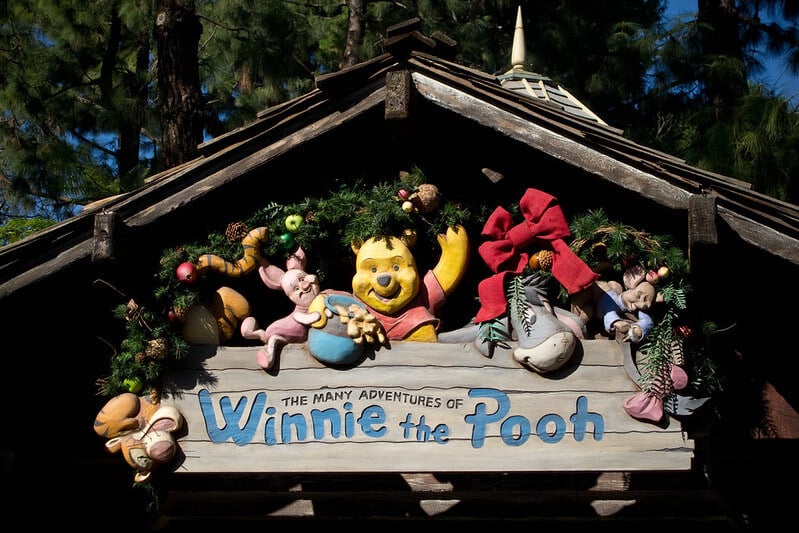
The real bear behind the name was a Canadian black bear called Winnipeg, bought by veterinarian Harry Colebourn in 1914 for $20 and later left at the London Zoo, where A.A. Milne’s son Christopher Robin visited her. The first edition appeared in October 1926 with E.H. Shepard’s drawings, which gave Pooh the look that has barely changed since.
Collectors prize copies with the original jacket and clean gilt on the spine. Foxed pages and sunned cloth are common, so unusually fresh copies command a premium.
The Wonderful Wizard of Oz, George M. Hill, 1900
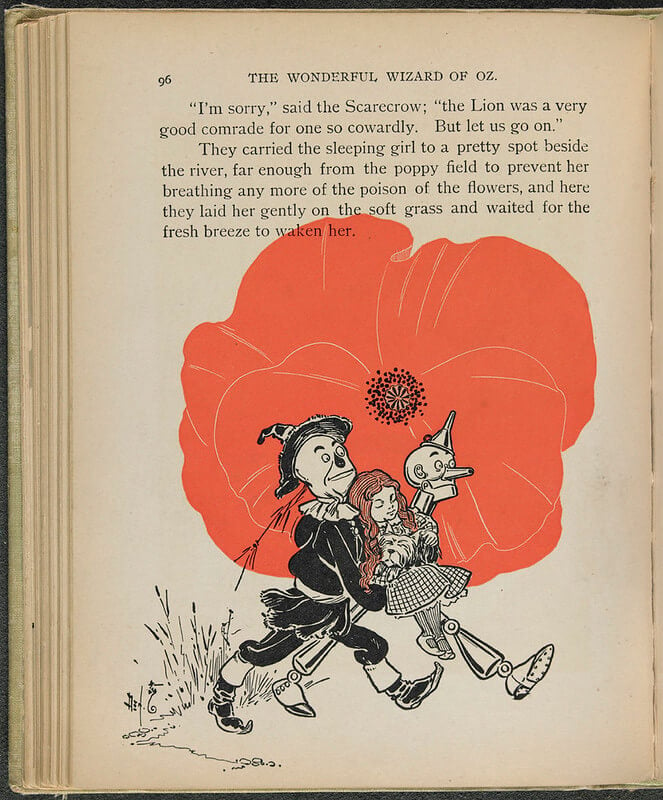
L. Frank Baum’s tale appeared in Chicago in 1900 with lavish color plates by W\.W. Denslow, who shared the copyright with Baum, a rare arrangement for an illustrator. The book was printed in a large first run, yet it was handled by so many young readers that clean copies are hard to find.
Auction houses regularly offer first-edition examples at serious prices, and value depends on whether the binding, plates, and hinges are original. Rebound copies and ones with missing plates sell for far less.
Charlie and the Chocolate Factory, Knopf, 1964
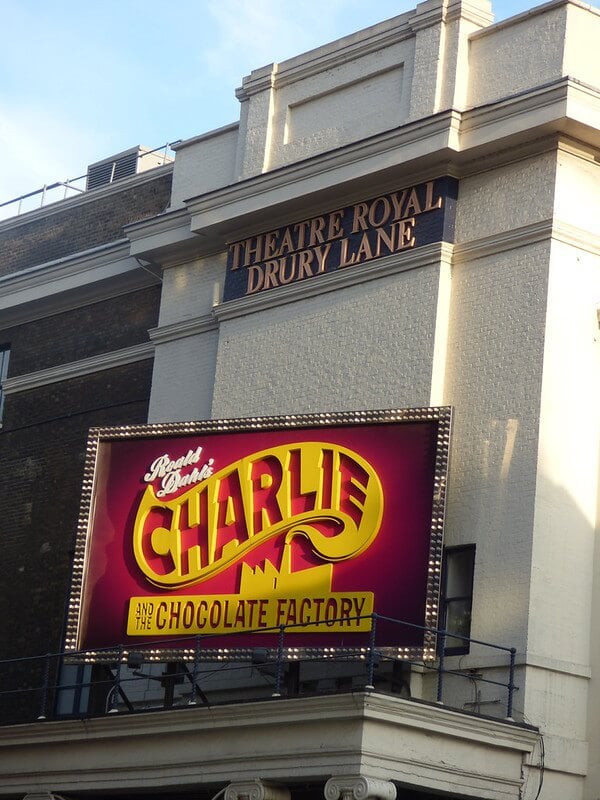
Roald Dahl’s American first edition was illustrated by Joseph Schindelman and published by Alfred A. Knopf in 1964. In that original text, the Oompa-Loompas were described as African pygmies, a portrayal Dahl rewrote for the 1973 revised edition after criticism.
That changed wording is one reason the earliest printings carry a certain historical fascination beyond their scarcity. A first printing with its jacket is far more valuable than later reprints, and condition drives the price from there.
The Lion, the Witch and the Wardrobe, Geoffrey Bles, 1950
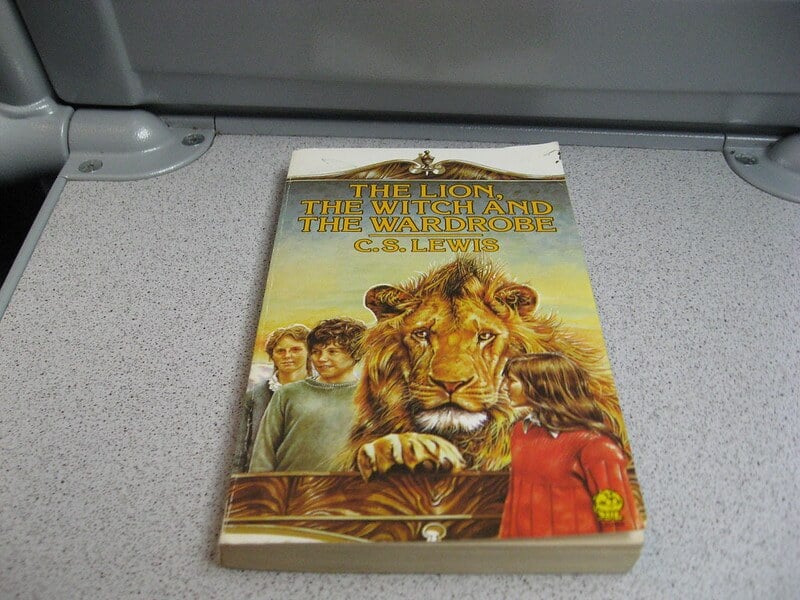
C.S. Lewis dedicated the book to his goddaughter Lucy Barfield, and the name lives on in the story’s youngest heroine. Pauline Baynes drew the original illustrations, and her work helped fix the look of Narnia for generations.
Even Lewis’s friend J.R.R. Tolkien disliked the book, which has not stopped the first London edition from becoming a blue-chip collectible. Jacket condition matters enormously, and a first without one is a very different purchase.
Charlotte’s Web, Harper & Brothers, 1952
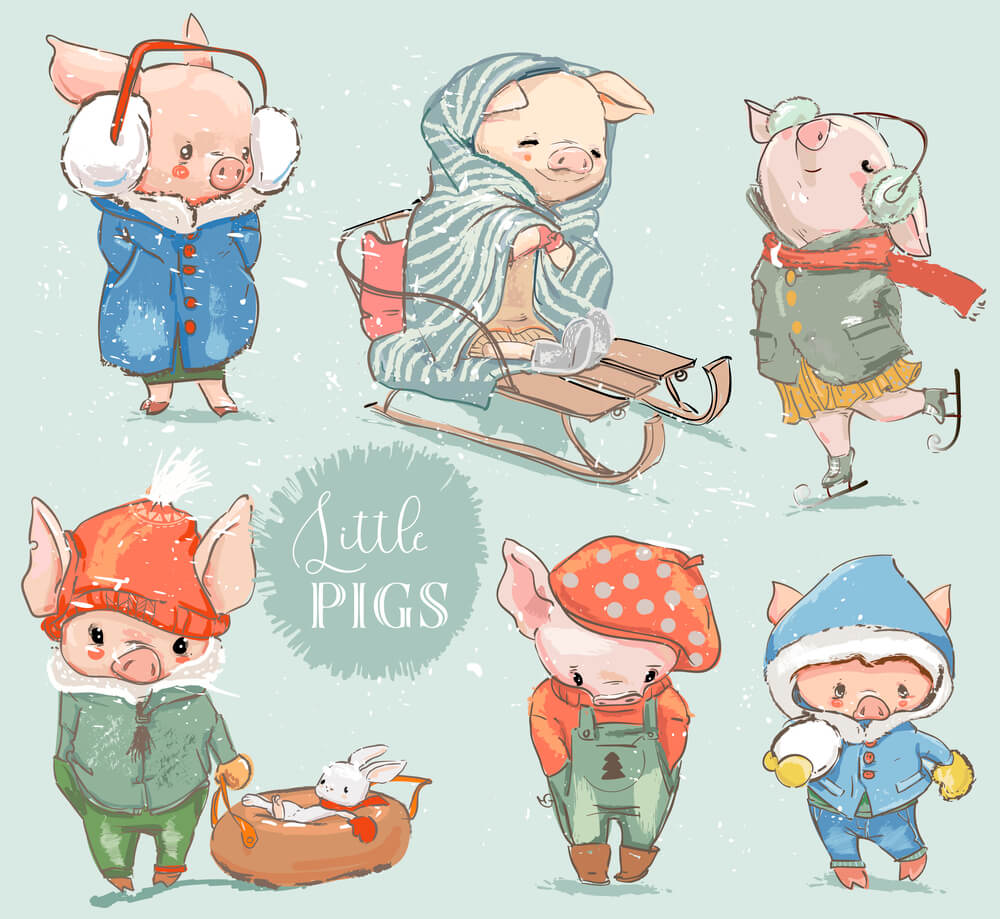
E.B. White’s story of a pig and a spider came with Garth Williams drawings, and Williams originally gave Charlotte a woman’s face before White pushed him toward a more spider-like design. The book earned a Newbery Honor in 1953 and has never gone out of print.
First editions in jacket are the target, and copies with the correct first-issue points are far scarcer than the book’s huge sales suggest. School library bindings and heavily handled copies are common and worth a fraction as much.
The Velveteen Rabbit, George H. Doran, 1922
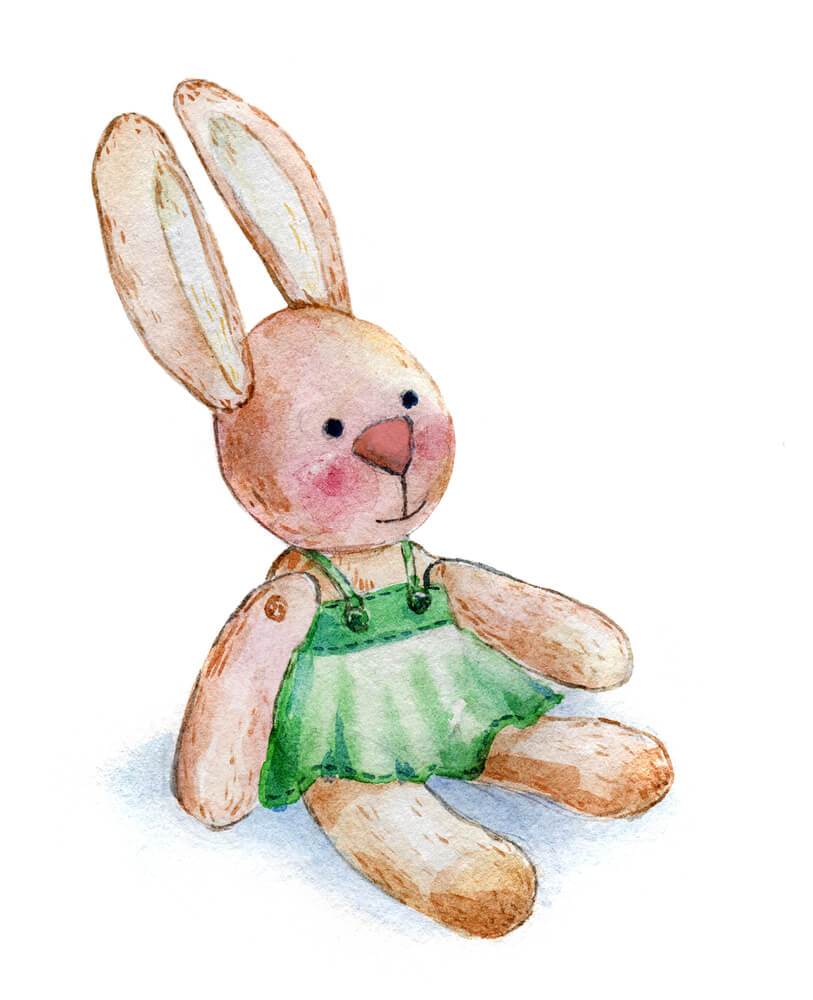
Margery Williams wrote the story, and the illustrator was painter William Nicholson, whose son Ben Nicholson became a celebrated modernist artist. The 1922 first edition has Nicholson’s pictures in color, and they give the book a quiet, almost grown-up elegance.
Collectors look for the original binding and a sound jacket. Because the story was read over and over by children, fine copies are far from easy to locate.
Peter and Wendy, Hodder & Stoughton, 1911
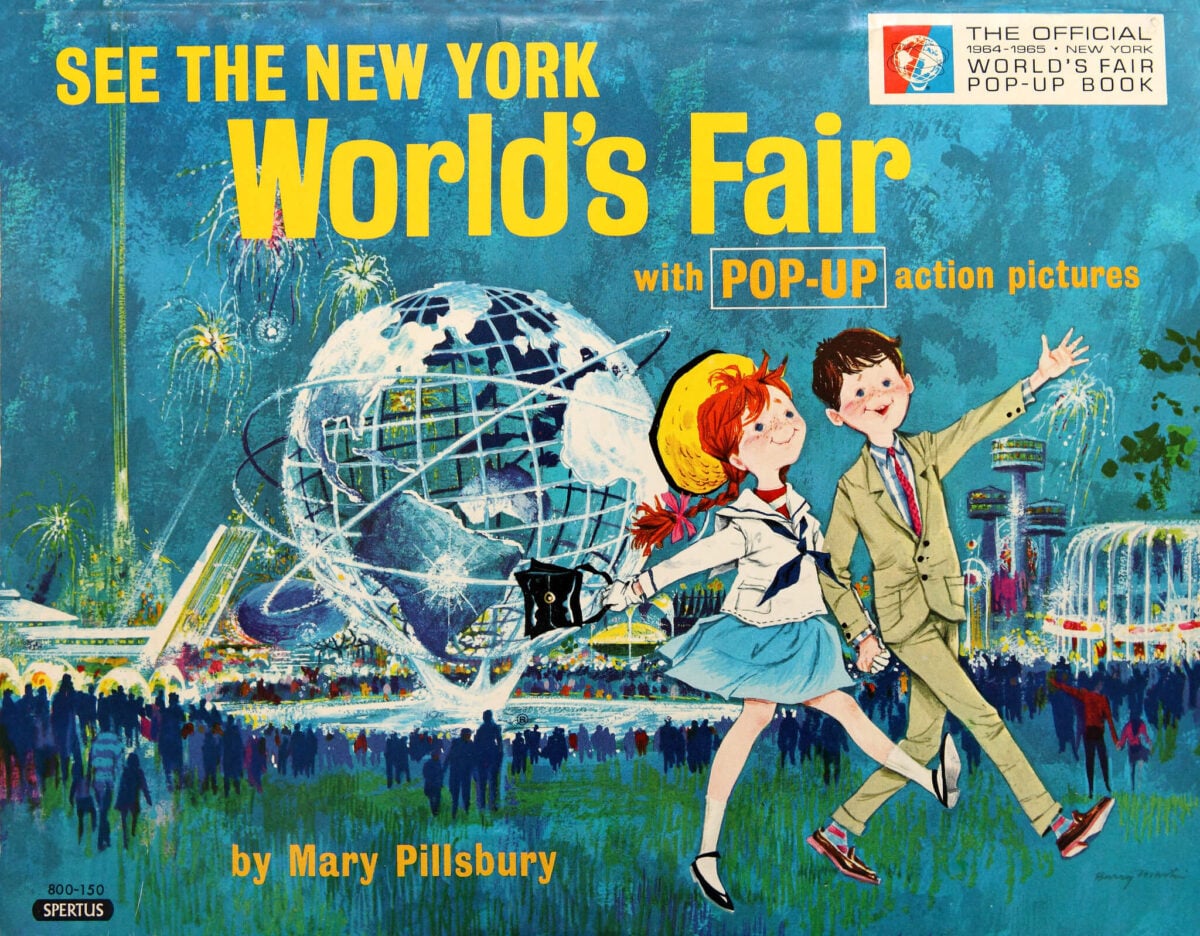
J.M. Barrie’s novel version of Peter Pan followed the stage play by several years and was illustrated by F.D. Bedford. In 1929, Barrie gave the rights to London’s Great Ormond Street Hospital, an arrangement that has funded the hospital for decades.
Early copies in original cloth are the ones collectors watch for. Rubbing at the edges and loose hinges are typical, so sound examples are valued accordingly.
The Giving Tree, Harper & Row, 1964

Shel Silverstein also wrote songs, including “A Boy Named Sue,” recorded by Johnny Cash. His best-known picture book was edited by Ursula Nordstrom, the Harper editor who shaped a generation of classic children’s titles.
First printings in jacket are the collectible version, and signed copies are even more desirable. Because the book was reissued endlessly, collectors must confirm the earliest state rather than trust a handsome copy at face value.
Make Way for Ducklings, Houghton Mifflin, 1941
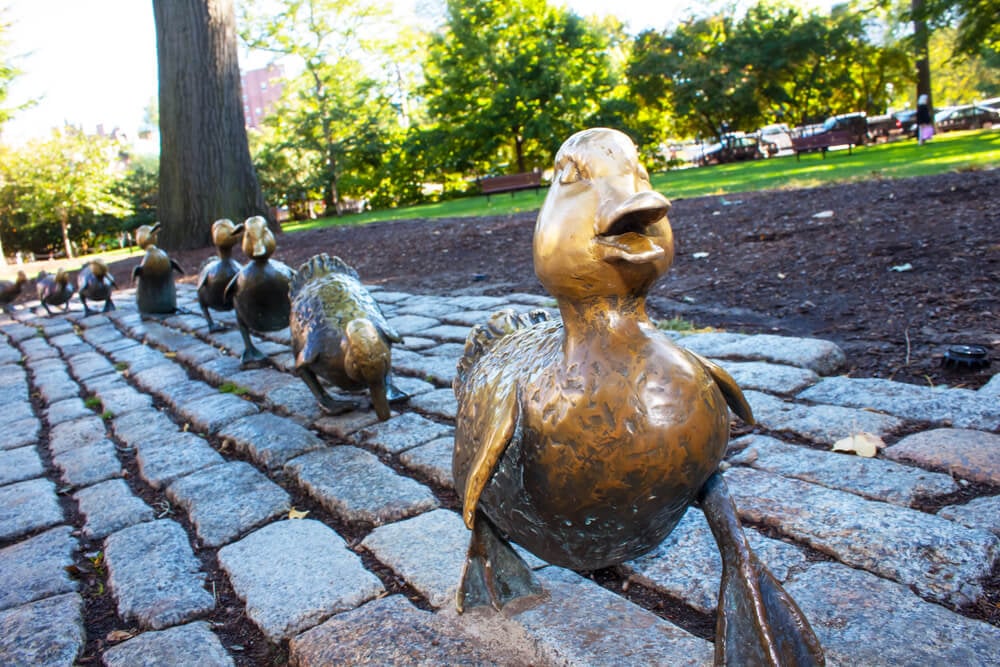
Robert McCloskey studied live mallards in his New York apartment so that his drawings of the ducklings would be accurate. The book won the Caldecott Medal in 1942 and later inspired the bronze duckling statues in Boston’s Public Garden.
Early copies with the first-issue jacket are the ones that attract bids. Later book club and library editions look similar at a glance but carry little of the premium.
Curious George, Houghton Mifflin, 1941
Margret and H.A. Rey fled Paris in June 1940 on bicycles, carrying their manuscripts with them. Their monkey character was originally named Fifi, and the first book appeared in the United States in 1941 with the name George.
First printings in jacket are the goal, and the earliest copies are usually priced well above later reprints. Condition is everything, since the thin cloth binding and bright color plates suffer badly from handling.
The Very Hungry Caterpillar, World Publishing, 1969
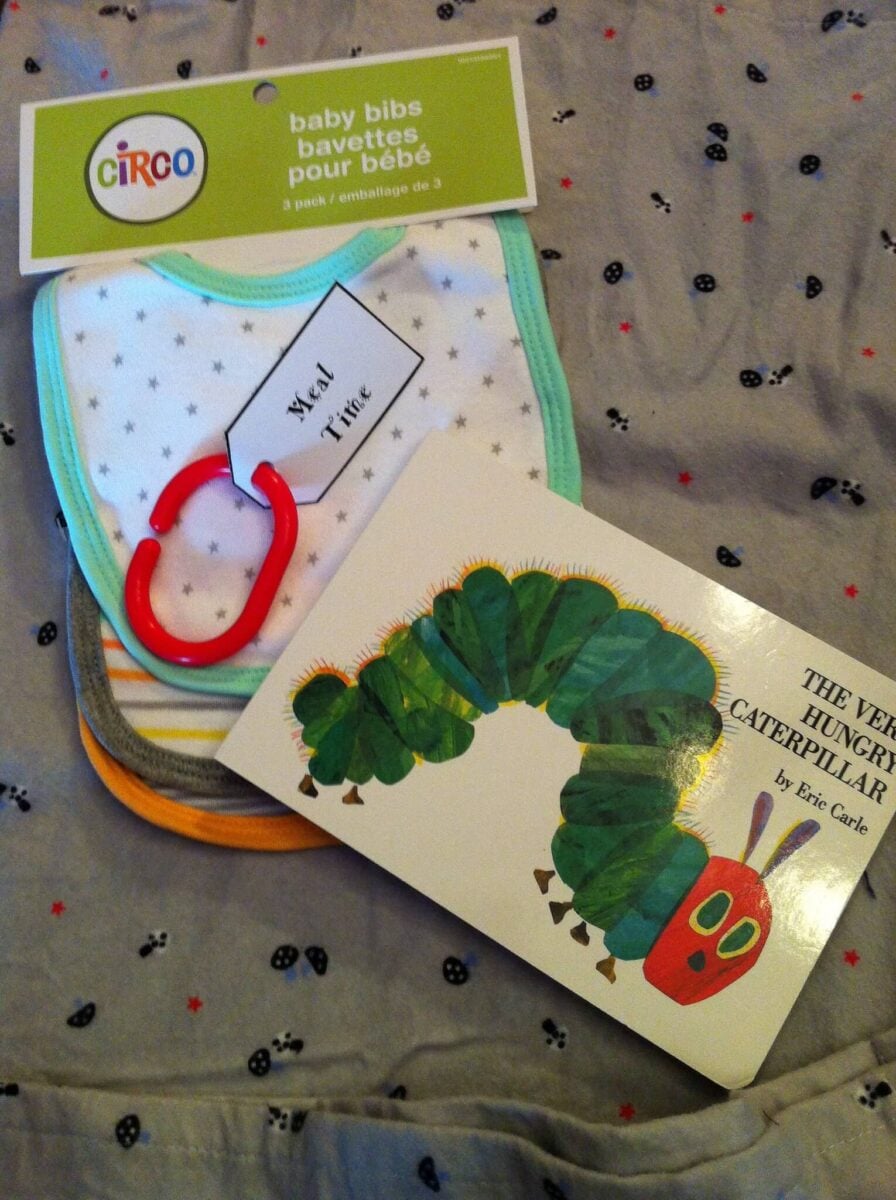
Eric Carle first imagined a book about a bookworm called Willi, and his editor nudged him toward a caterpillar instead. The first edition, with its die-cut pages that the caterpillar chews through, was published by World Publishing Company in Cleveland.
Because young readers pushed fingers through those pages again and again, intact early copies are harder to find than the book’s fame would suggest. Prices depend on the jacket, the printing, and whether the die-cut pages are still crisp.
The Wind in the Willows, Methuen, 1908
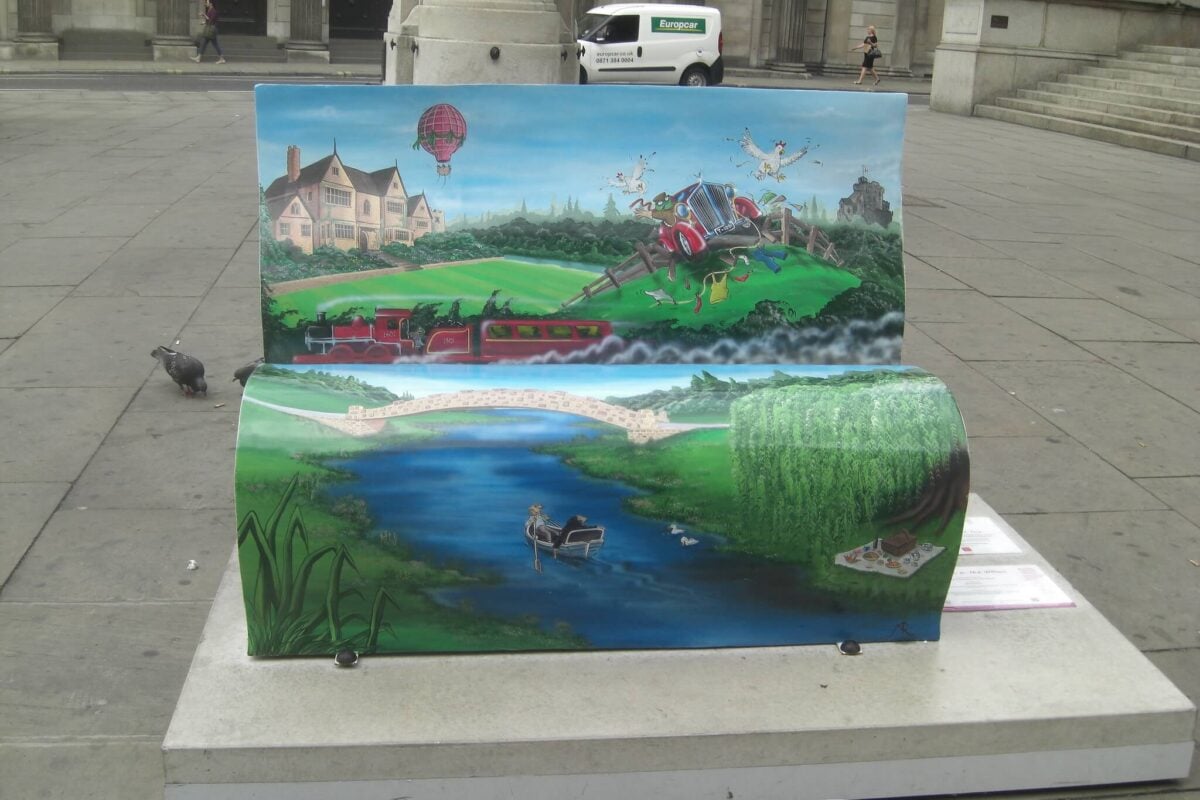
Kenneth Grahame developed the story from bedtime tales and letters to his young son Alastair, while he worked as a banker. The first edition was published in 1908 with only a frontispiece by Graham Robertson, because E.H. Shepard’s famous drawings did not arrive until 1931.
Early reviews were lukewarm, and the book took time to find its audience. Original cloth in good shape, with clean gilt and no loose hinges, is what collectors want.
Little House in the Big Woods, Harper & Brothers, 1932

Laura Ingalls Wilder was 65 when her first book appeared, with illustrations by Helen Sewell. Her daughter, the writer Rose Wilder Lane, helped her shape the manuscript for publication.
The 1932 first edition is the cornerstone of any Little House collection, and the earliest printings are valued far above later Harper reprints. Wear, sunning, and ex-library markings are the usual condition problems.
Pat the Bunny, Simon & Schuster, 1940
Dorothy Kunhardt created the first touch-and-feel book for babies, with patches of fur and cloth to rub and a finger to poke through a ring. It was first issued in 1940, spiral bound, and has been in print ever since.
Early copies are scarce because the entire point of the book was to be handled until it fell apart. Complete copies with all interactive elements intact and unsoiled are the ones that command real money.
Madeline, Simon & Schuster, 1939
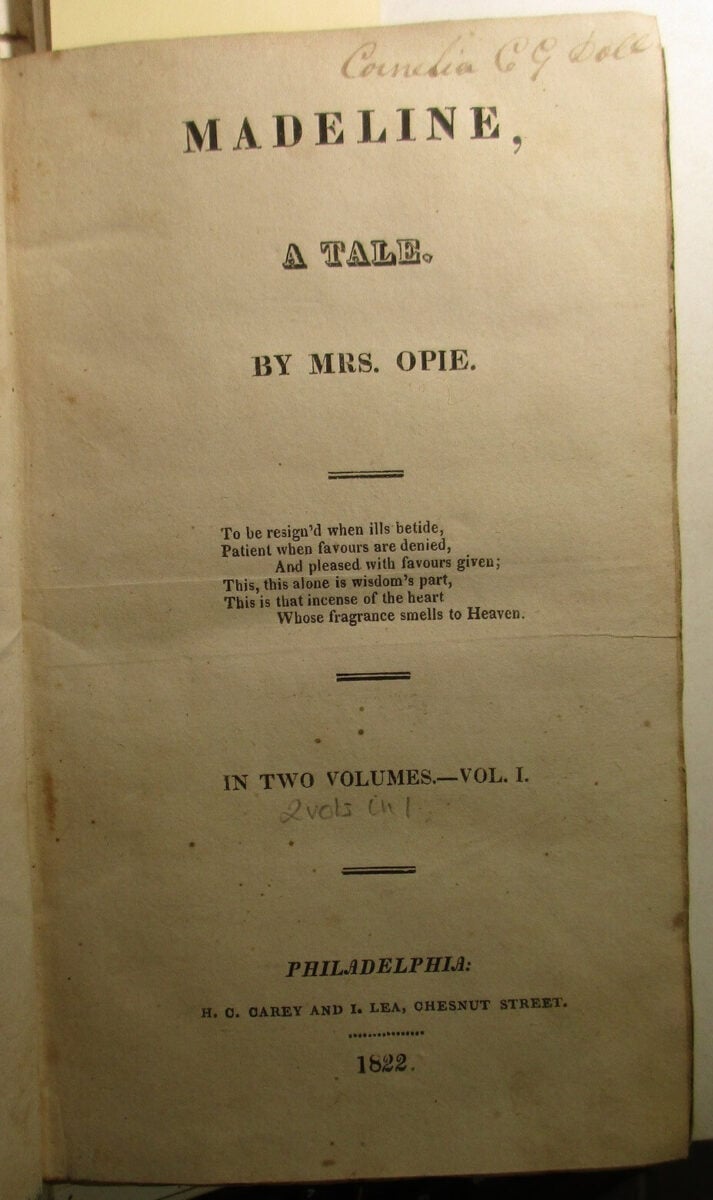
Ludwig Bemelmans wrote and drew the first Madeline story in a landscape format, with the Parisian scenes in his own loose line. Part of the story ran in Life magazine in 1939, which helped make the little redhead famous almost at once.
First-edition copies with the original jacket are the goal. Because the series was reissued in many formats, collectors must be careful to identify the true 1939 printing.
The Little Prince, Reynal & Hitchcock, 1943
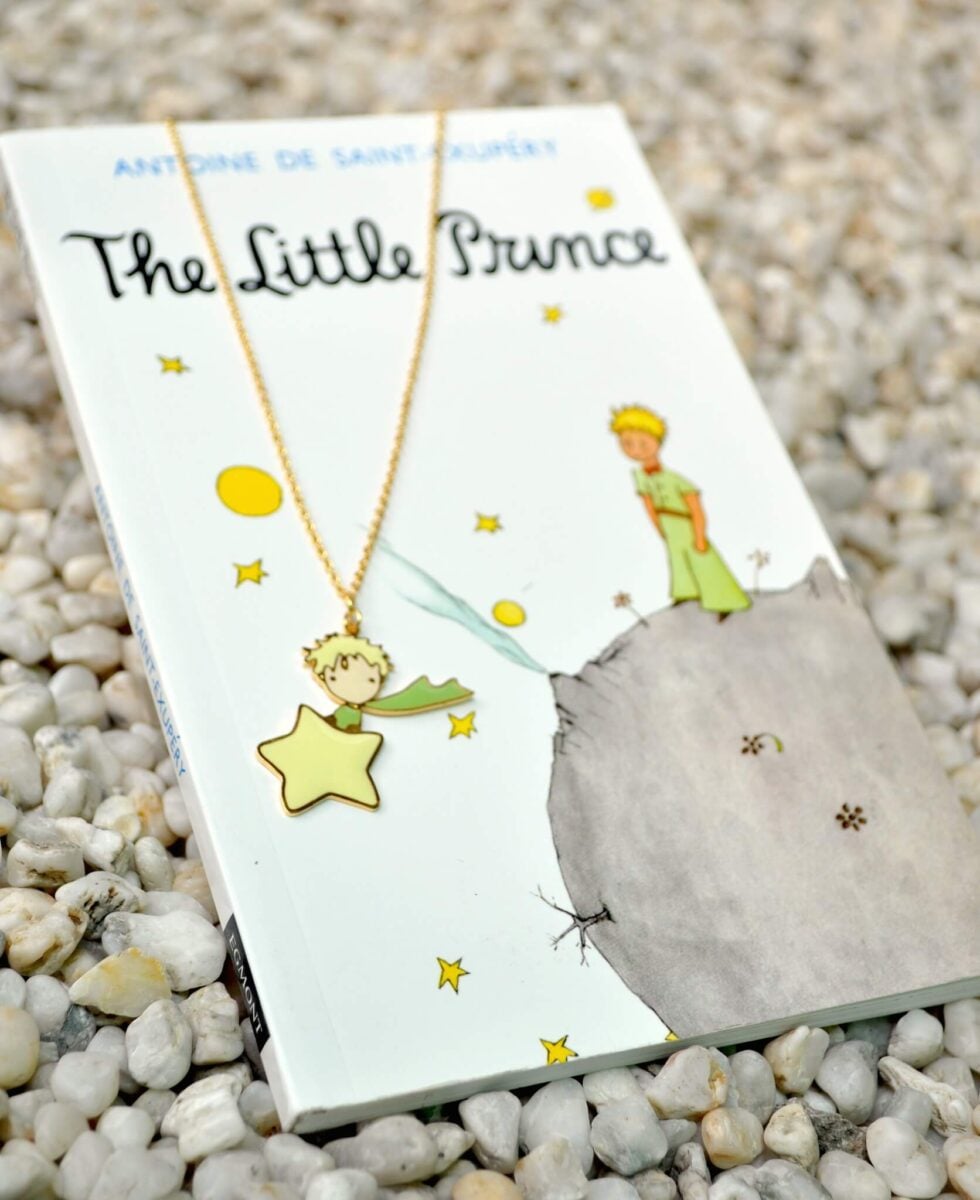
Antoine de Saint-Exupery’s fable was published in New York in April 1943, in both English and French, well before it appeared in France. The English translation was by Katherine Woods, and the author’s own watercolors illustrated both editions.
The American first printing is the one collectors seek, ideally in its original jacket. Copies in fine condition are scarce, and reprints and book club versions sell for much less.
Anne of Green Gables, L.C. Page, 1908

L.M. Montgomery sent her manuscript to several publishers, and after rejections she tucked it away in a hat box. She later submitted it to L.C. Page of Boston, which published it in 1908 and made it an instant bestseller.
First printings in the original decorated cloth are the collectible issue. Page also reissued the book repeatedly, so collectors should verify the printing details before paying a premium.
What a Beloved Book Is Really Worth
Almost every book on this list became valuable for the same reason: it was loved hard by the people it was written for. Children read these books to pieces, passed them to siblings, and carried them to school, which is why a clean first printing is rare enough to bring serious money.
Scarcity in this field is the product of affection, not neglect. Anyone with an old copy should look first at the copyright page, the publisher’s name, and the dust jacket before assuming anything either way.
Prices for these books range from modest to astonishing, and condition usually decides which end a given copy lands on. A professional appraisal or a specialist auction house is a better guide than any list, including this one.
More from Go2Tutors!

- 27 Silver Dollars and Half Dollars Worth Keeping
- 28 Restaurant Menu Items Nobody Orders Anymore
- 17 Places Built in Seemingly Impossible Spots
- 27 Vintage Rings Worth More Than They Look
- 25 Restricted Sites Tourists Can’t Enter
Like Go2Tutors’s content? Follow us on MSN.