Unknown Facts About the US Army That’ll Surprise You
The US Army has been around since 1775, and most people think they know the basics. Uniforms, training, combat, and patriotism come to mind.
But beneath the surface of what everyone sees on TV and in movies, there’s a whole world of surprising details that rarely get talked about. Some of these facts sound too strange to be true, but they are.
Ready to learn something new about one of the world’s most powerful military forces?
The Army runs its own university
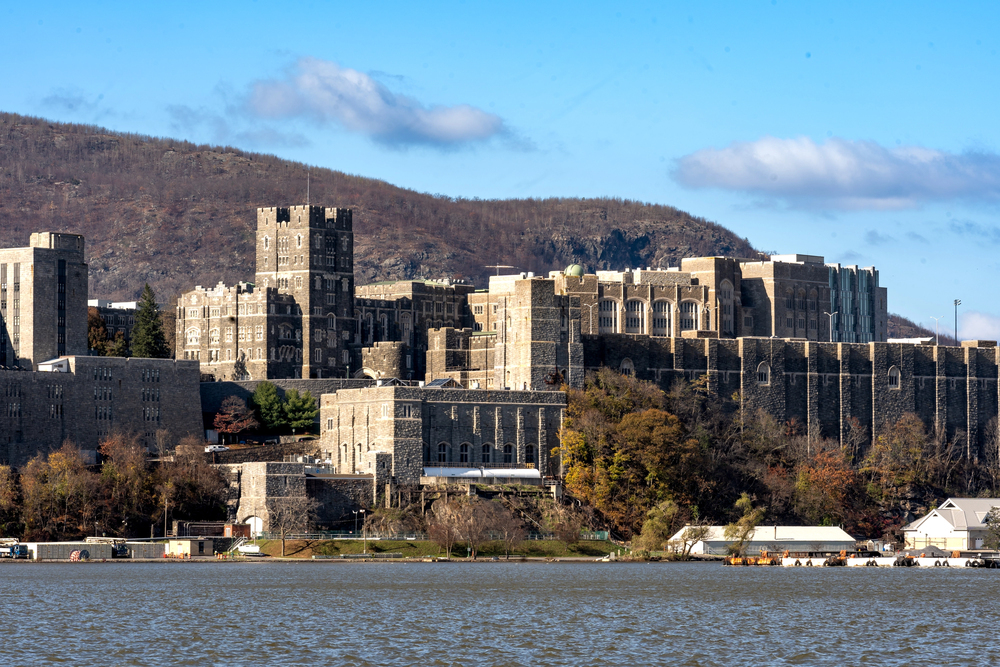
West Point isn’t just a military academy. It’s a fully accredited university that grants bachelor’s degrees in everything from engineering to philosophy.
Students don’t pay tuition, but they commit to serving at least five years after graduation. The campus sits on the Hudson River in New York and has been training officers since 1802, making it older than most American colleges.
Soldiers invented the internet’s predecessor

ARPANET, the network that eventually became the internet, started as a military project in the late 1960s. The Army needed a way to share information between computers at different research sites.
Scientists working on defense projects created the first successful message transmission in 1969. Without that early military innovation, scrolling through social media today wouldn’t exist.
The Army has its own ice cream company
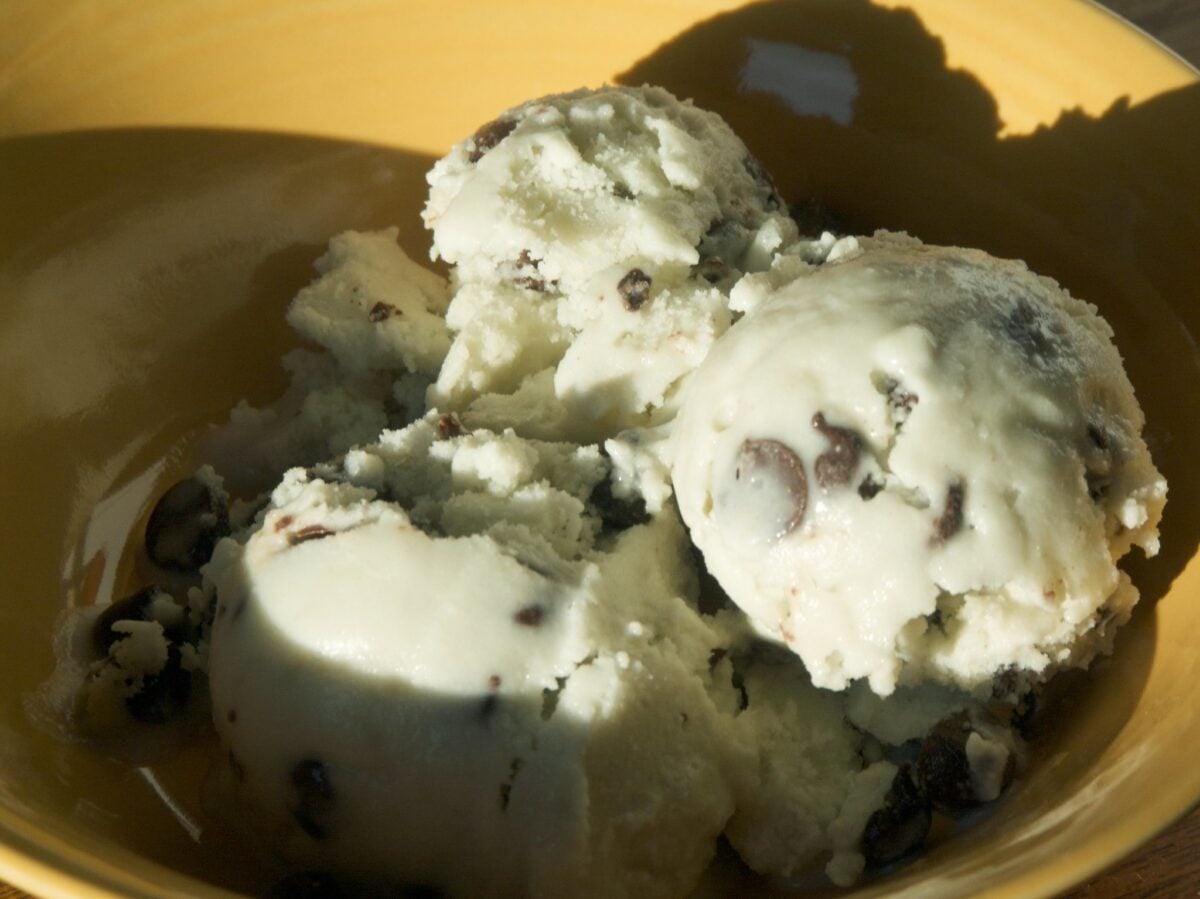
Yes, really. The Army runs a small ice cream manufacturing operation that supplies frozen treats to soldiers stationed in remote locations.
When troops are deployed far from home, sometimes a scoop of mint chip can lift spirits better than anything else. The program started during World War II and continues today, though on a much smaller scale than back then.
More soldiers work desk jobs than carry weapons
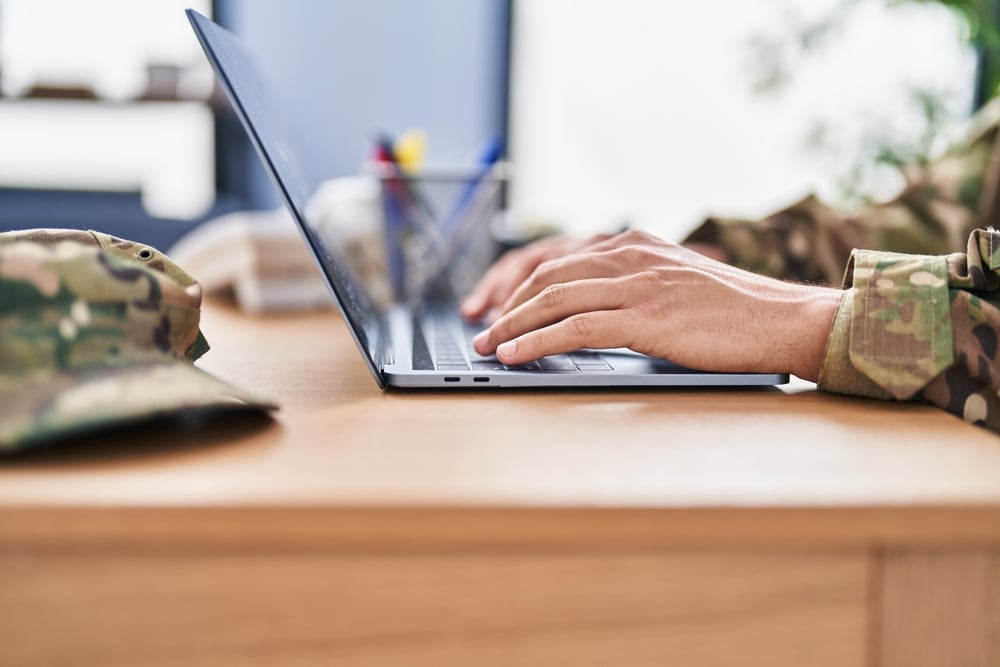
Hollywood loves showing infantry units storming through combat zones, but that’s not what most Army personnel do daily. For every soldier in a combat role, there are several others handling logistics, administration, technology, and support services.
The military runs like a massive corporation with accountants, IT specialists, lawyers, and human resources teams keeping everything running smoothly.
The oldest active duty soldier was 62
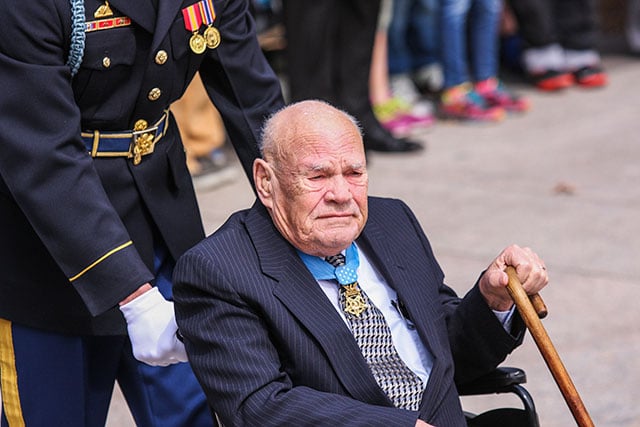
Command Sergeant Major Bennie Adkins served until he was 62 years old, far beyond the typical retirement age. He earned the Medal of Honor for his actions during the Vietnam War and continued serving his country for decades afterward.
The Army allows some senior leaders to stay on past normal retirement if their skills are still needed, though this remains pretty rare.
Army Rangers inspired a breakfast cereal

Cap’n Crunch cereal has a connection to military tradition, believe it or not. The character’s uniform closely resembles old naval dress, but the concept of tough, elite fighters influenced early marketing for kids’ cereals throughout the 1960s.
Companies wanted products that seemed strong and adventurous, so they borrowed heavily from military imagery that parents and children both recognized.
The military created its own language code
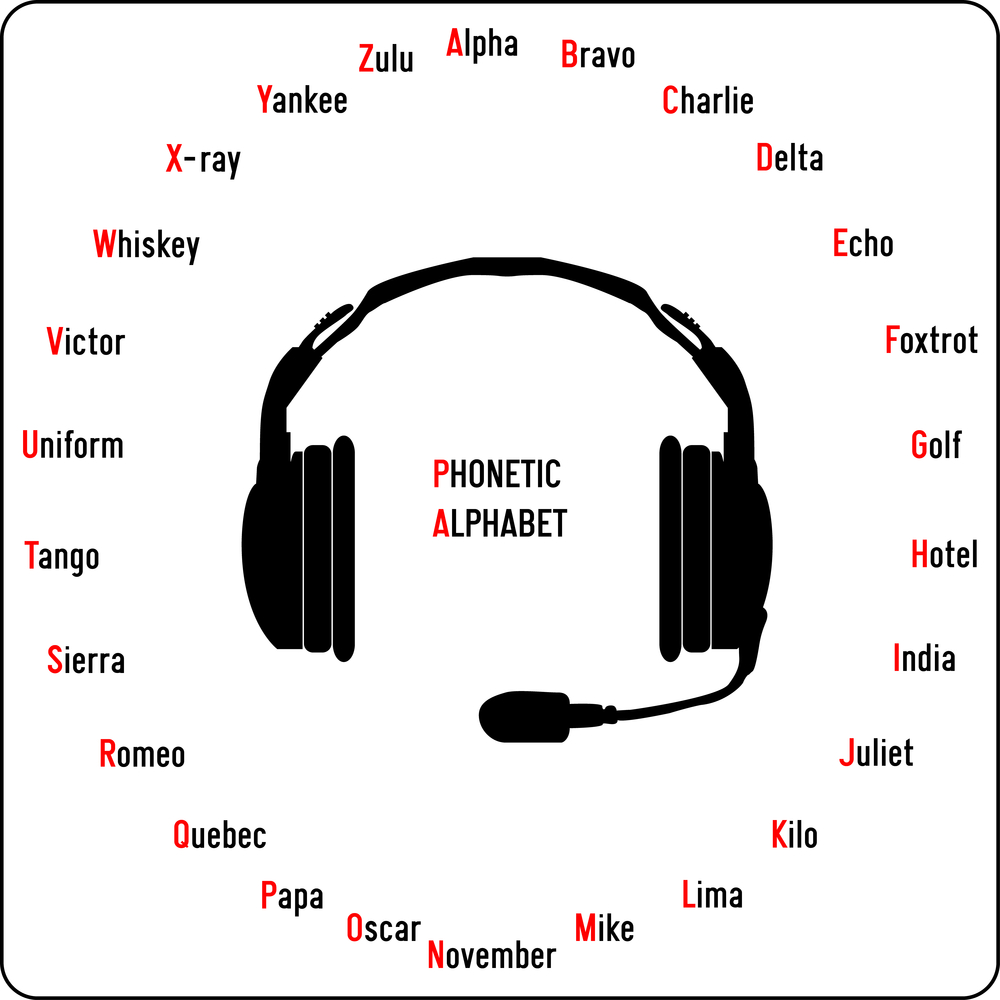
The phonetic alphabet (Alpha, Bravo, Charlie) wasn’t just made up randomly. The Army and other military branches developed it to avoid confusion during radio communications when clarity could mean life or death.
Words were specifically chosen because they sound distinct from each other, even through static or poor reception. Police and emergency services adopted the same system later because it worked so well.
Soldiers get tattoos removed for free
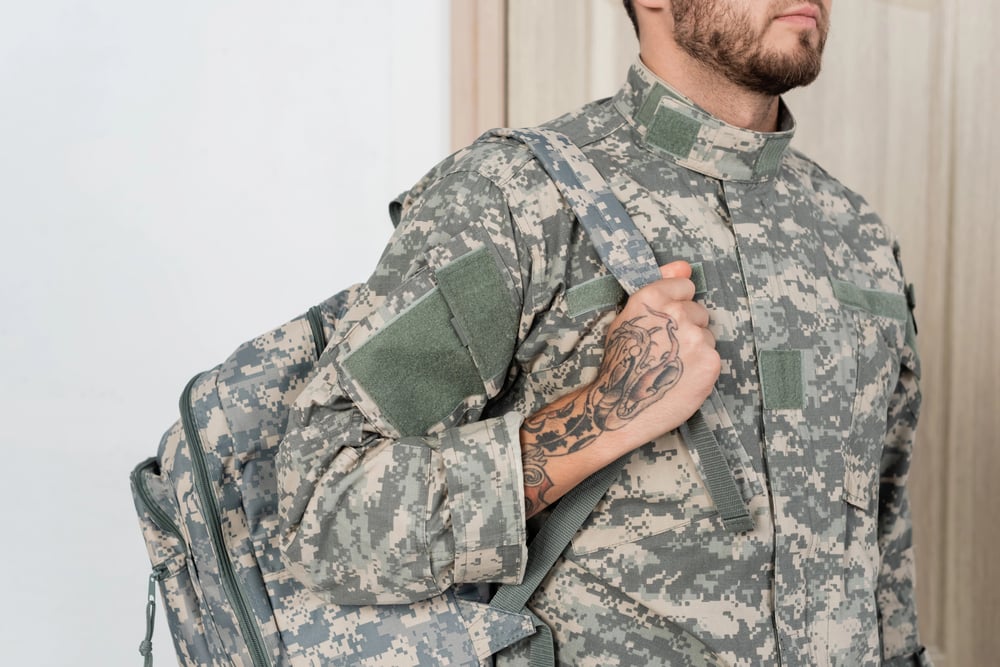
The Army offers free tattoo removal services to soldiers who have ink that violates regulations. Tattoos on the face, neck, or hands often don’t meet current standards, and some designs with offensive content also need to go.
The process takes months and multiple laser treatments, but the military covers the entire cost because they want soldiers to meet appearance requirements without financial burden.
Mules still serve in active units
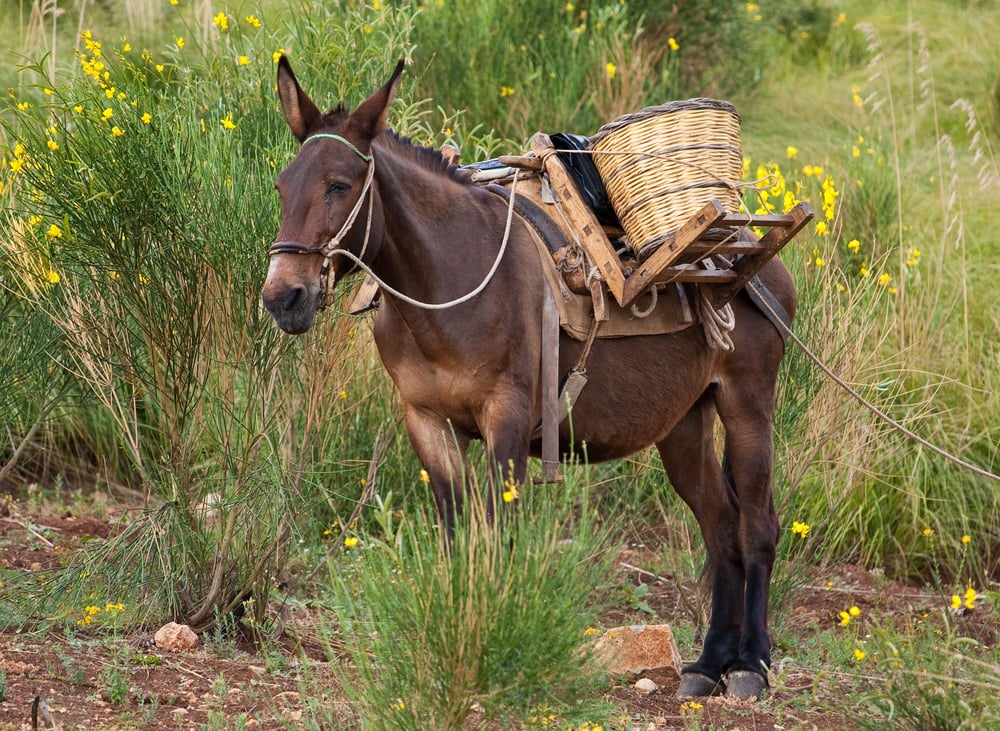
Pack mules haven’t disappeared from the Army completely. Special units use them for mountain and wilderness operations where vehicles can’t reach.
These animals can carry heavy loads across rough terrain that would stop a truck or helicopter. Marines also use them, and training centers in Colorado still teach soldiers how to work with these four-legged team members.
The Army teaches soldiers to cook gourmet meals
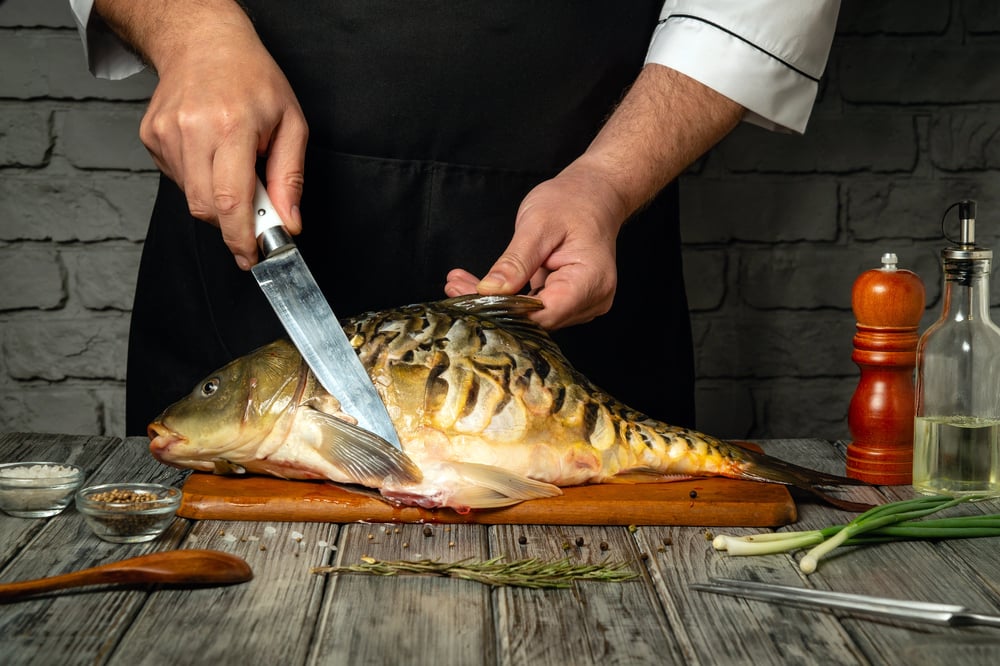
Culinary specialists in the Army don’t just heat up pre-packaged meals. They attend the Culinary Arts Program at Fort Gregg-Adams in Virginia, where they learn techniques that rival civilian cooking schools.
These specialists compete in international cooking competitions and have won prestigious awards. Good food keeps morale high, so the Army invests serious resources into training top-notch kitchen staff.
One base larger than Rhode Island
A patch of earth in North Carolina called Fort Liberty stretches past 250 square miles. It dwarfs some entire nations, size-wise.
Over fifty thousand service members call it home, alongside spouses and children. Emergency crews keep watch day and night while classrooms hum with lessons nearby.
Medical care runs on-site under one roof. Planes touch down now and then at a modest airfield tucked inside the grounds.
The Army looked into psychic spying in the Cold War

Out of nowhere, a U.S. Army project explored mind-powered spying during the Cold War era. Starting in the 1970s and dragging on until 1995, researchers tested whether people could sense distant locations without moving.
Though it sounded far-fetched, teams ran trials where subjects described hidden sites just by thinking. Funding stretched close to twenty million dollars over decades.
Yet when leaders reviewed outcomes, they found too many misses to trust the method under pressure. Paper trails released later back up the strange truth – this really unfolded behind secure walls.
Military time prevents scheduling disasters
Midnight to midnight, the military counts every hour straight through. This way, nobody mixes up dawn with dusk during global missions.
Fifteen hundred means three in the afternoon – no guessing if it is night or day. Mistakes like arriving half a day off track simply vanish. Medical centers copy this method.
So do flight schedules. Clarity stays sharp when timing changes continents.
Dogs place above their handlers by design
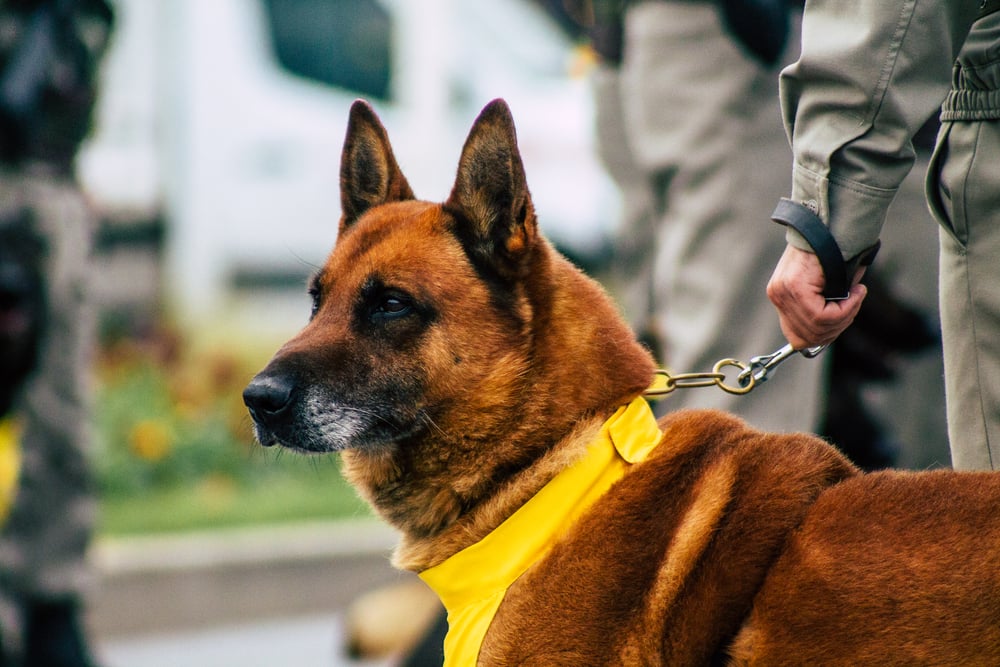
A dog in the military has a rank just above its handler – this setup keeps things respectful. Because of it, rough treatment means you’re going against higher status, not just an animal.
When threats hide underground, these canines find them before harm happens. Their role isn’t overlooked; the title reflects what they do.
Punishment follows anyone who crosses that line – it’s built into the chain. Rank here acts like armor, quiet but firm.
The Army once tried using camels
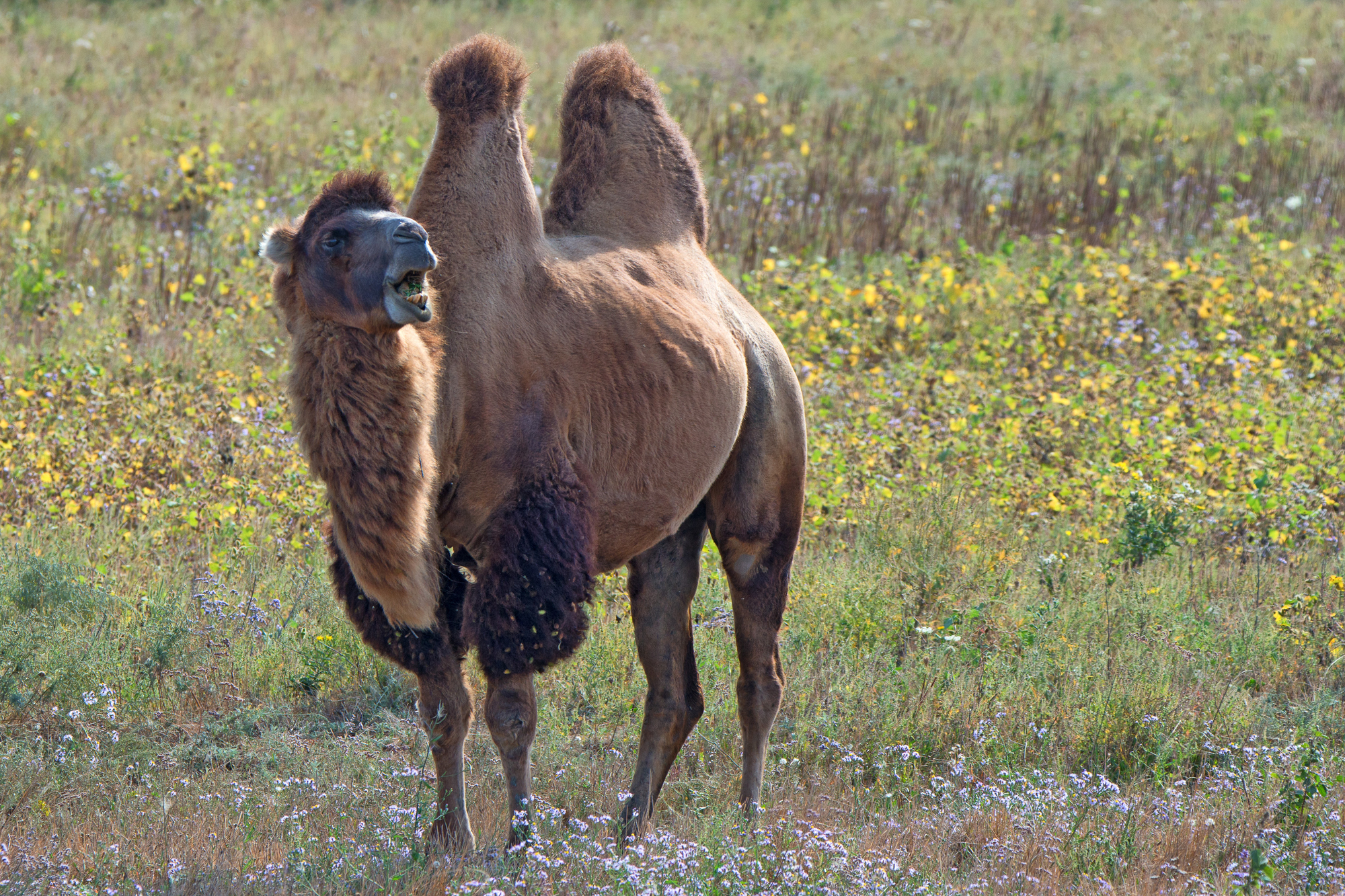
Long before cannons echoed across southern fields, camels stepped onto American soil straight from desert lands afar. Horses struggled under blazing suns, so soldiers gave these humped newcomers a chance.
Progress crept forward – until war shattered every plan. With supply lines broken, handlers let go of the herd or handed them to strangers. Years slipped by, then stories surfaced: shaggy figures pacing remote canyons, shadows of that forgotten trial still walking under open skies.
Finding your footing now hits different than it did back then
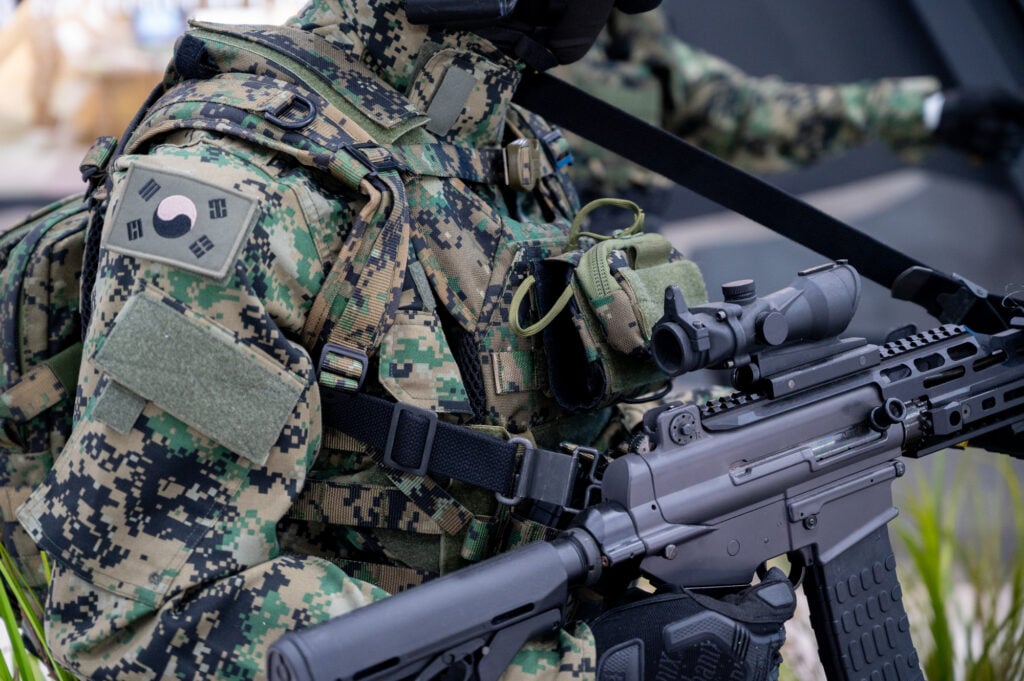
Not every soldier finds the real test during basic drills. What really pushes them comes later, once classroom lights flicker on inside specialty schools.
Physical toughness matters less when wires must be spliced under time pressure or maps studied for hidden patterns. One wrong move in engine repair class might send someone packing to a desk instead of a cockpit.
Length means nothing – some programs stretch beyond twelve months simply because knowledge piles up fast. Passing isn’t guaranteed even after showing up daily; tests decide who stays and who leaves.
Quiet frustration grows when peers advance while one remains stuck repeating lessons thought already mastered.
Chaplains carry no weapons
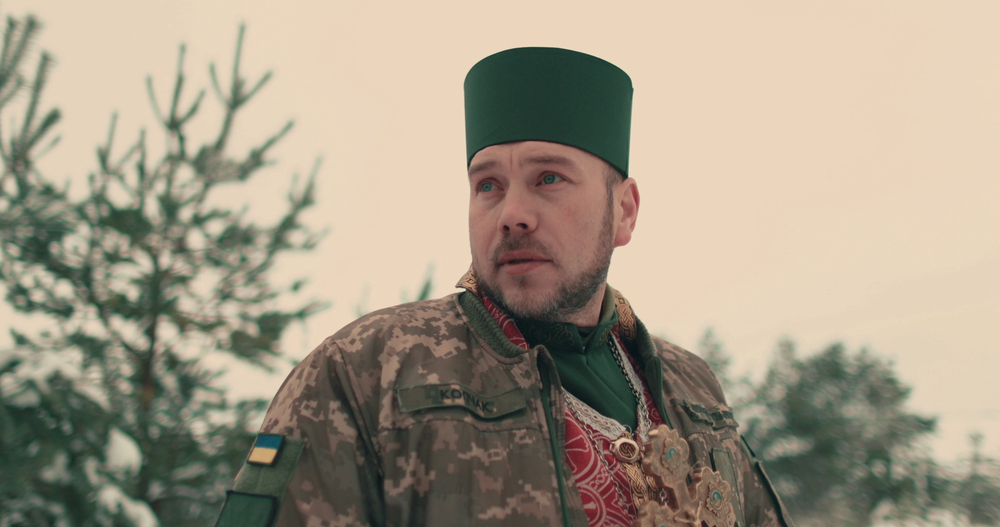
Among those who walk through warzones without firearms are army chaplains. Instead of weapons, their role centers on offering quiet presence during hardship.
Protection comes not from armor, but from fellow service members assigned beside them. Belief systems differ widely among troops – some hold strong faith, others question everything – yet care is given without favor.
Centuries old, this practice remains firm even when bullets fly. Honor has followed many chaplains, recognized by awards usually tied to fierce acts – though their hands stay empty of guns.
Old ways walk beside what comes next
Nowadays, soldiers carry forward traditions built long before their time. Even so, brand-new tools shape how missions unfold in real time.
Respect for old ways sits beside quick shifts meant for modern battlefields. This mix lets the Army stay sharp without losing its roots behind.
Whatever happens ahead, that blend holds firm.
More from Go2Tutors!

- 16 Historical Figures Who Were Nothing Like You Think
- 12 Things Sold in the 80s That Are Now Illegal
- 15 VHS Tapes That Could Be Worth Thousands
- 17 Historical “What Ifs” That Would Have Changed Everything
- 18 TV Shows That Vanished Without a Finale
Like Go2Tutors’s content? Follow us on MSN.