Surprising DNA Stories Revealed
What most picture as cold science tucked inside test tubes actually lives beyond textbooks. Behind locked lab doors, it’s been untangling old secrets, turning family trees upside down.
Some of the loudest impacts came not from flashy breakthroughs but quiet slips of insight. Moments nobody predicted shifted everything – who we thought we were, why sickness spread, what ancestors carried forward.
Rarely is attention paid to the tiny clues that cracked wide open what once seemed certain. A tiny strand holds big surprises – stories where life took sharp turns because of hidden sequences inside cells.
One twist reveals how a single change in genetic letters reshaped an entire family’s history. Another shows someone discovering their past through a test that upended everything they knew.
These moments prove small biological details sometimes steer major human events. Hidden patterns in DNA often lead to outcomes nobody predicted.
A King’s Remains Identified Centuries Later

For centuries, the fate of England’s King Richard III was uncertain, wrapped in rumor and conflicting accounts. That changed when a skeleton was discovered beneath a parking lot in Leicester.
DNA extracted from the remains was compared with living descendants on the maternal line, confirming the identity with remarkable clarity. The discovery did more than locate a lost monarch.
It corrected historical assumptions about his physical condition and challenged portrayals shaped by politics rather than evidence. DNA turned legend into something measurable, grounding a dramatic chapter of history in biological fact.
A Family Tree Rewritten by a Single Test

In many households, DNA testing has quietly redrawn family histories. People who believed they knew their ancestry have discovered unknown relatives, unexpected migrations, or family branches that were never discussed.
These revelations are often subtle rather than explosive, but their emotional impact can be profound. What makes these stories striking is how routine science has become.
A simple sample can reveal generations of movement, connection, and separation. DNA does not create new history, but it has a way of surfacing truths that paperwork and memory left behind.
Ancient Humans Were Not as Separate as Once Believed

For a long time, early human species were thought to exist in clean, separate lines. DNA evidence told a different story.
Genetic traces show that modern humans share ancestry with Neanderthals and other ancient populations, indicating periods of overlap and interbreeding. This discovery reshaped understanding of human evolution.
Instead of a straight line, the story became a braided river, with branches crossing and reconnecting. DNA revealed that humanity’s past was more collaborative and complex than earlier models suggested.
A Medical Mystery Solved Decades Too Late

In some cases, DNA analysis has explained illnesses long after patients passed away. Families who endured unexplained conditions finally learned the genetic cause through stored samples or modern sequencing techniques.
These answers arrived too late to help the original patient, but they provided clarity and relief to relatives. The significance lies in closure rather than cure.
DNA offered a reason where there had only been uncertainty, helping families understand risks and make informed decisions. The science acted as both explanation and reassurance, even years after the fact.
A Wrong Conviction Overturned by Genetic Evidence

DNA has played a quiet but powerful role in correcting miscarriages of justice. In multiple cases, biological evidence tested years later proved that the wrong person had been convicted.
These reversals were not about dramatic courtroom moments, but about methodical comparison and patience. What makes these stories surprising is their simplicity.
A result either matches or it does not. DNA introduced an impartial voice into systems built on testimony and interpretation.
Its presence reshaped standards of evidence and highlighted the value of preserving physical samples.
An Unidentified Child Finally Given a Name

Across the world, unidentified remains have been matched to missing persons through genetic databases. In some cases, children who vanished decades earlier were finally identified, allowing families to grieve with certainty rather than speculation.
These moments are not loud or public. They are deeply personal, often unfolding quietly after years of uncertainty.
DNA does not erase loss, but it replaces the unknown with something concrete. That shift can be life-changing for those left behind.
Historical Figures Linked to Modern Populations
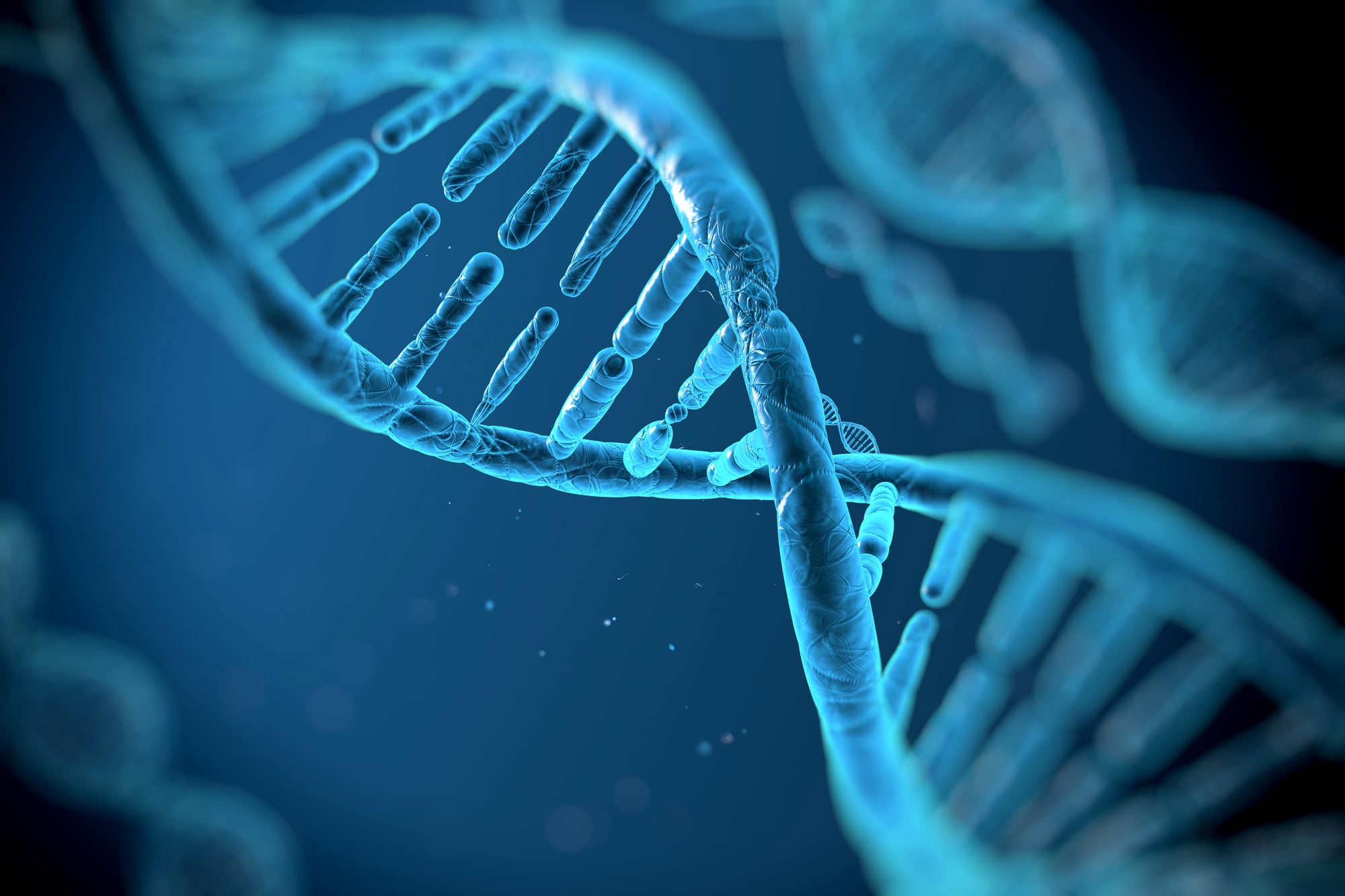
DNA has connected ancient remains to modern communities in ways that reshaped cultural understanding. In several regions, genetic analysis confirmed long-held oral histories about ancestry and migration.
In others, it challenged assumptions imposed by later political narratives. These findings matter because they validate or correct collective memory.
DNA became a tool for historical accountability, grounding identity claims in biological continuity rather than guesswork. The science did not replace culture, but it added weight to stories passed down through generations.
A Species Saved by Genetic Insight

DNA has influenced conservation in unexpected ways. In some endangered species, genetic testing revealed that populations thought to be separate were actually closely related, allowing conservation efforts to be coordinated more effectively.
In other cases, hidden genetic diversity was uncovered, changing priorities entirely. The surprise here lies in scale.
A small genetic insight altered how entire species were protected. DNA shifted conservation from guesswork to strategy, helping limited resources do more good.
Identical Twins With Different Outcomes

Identical twins share the same DNA, yet their lives can diverge dramatically. Studies comparing twins have shown how environment, chance, and gene expression shape health and behavior over time.
These findings challenged the idea that DNA is destiny. The stories that emerge are subtle but powerful.
Two people start with the same blueprint, yet experience writes its own edits. DNA sets the stage, but it does not dictate the script, a distinction that reshaped public understanding of genetics.
A Long-Lost Ship’s Crew Identified

DNA analysis has helped identify remains from historic shipwrecks, including crews lost during exploration and wartime missions. In some cases, bones recovered from remote locations were matched to descendants, restoring names to individuals lost to history.
These discoveries bridged centuries in a tangible way. Families learned what happened to relatives whose fate had been uncertain for generations.
DNA acted as a time-spanning messenger, connecting modern science with long-forgotten journeys.
Diseases Traced Back Through Generations

Some genetic conditions were once blamed on lifestyle or chance. DNA analysis revealed inherited patterns stretching back generations.
These insights helped families understand recurring illnesses and allowed researchers to map how certain conditions spread over time. The impact was both personal and scientific.
Individuals gained clarity about their own health, while researchers gained data that improved diagnosis and prevention. DNA transformed scattered cases into coherent narratives.
Unexpected Connections Across Continents

Large-scale DNA studies revealed connections between populations separated by oceans. Migration patterns once inferred only through artifacts and language were confirmed through genetics.
These findings added precision to theories about how people moved and settled across the globe. What made these stories compelling was their quiet confirmation of human interconnectedness.
DNA showed that distance did not prevent exchange, adaptation, or continuity. It reinforced the idea that human history is shared more widely than borders suggest.
How These Discoveries Still Shape the Present

What surprises most in DNA isn’t newness – it’s sharp truth. A thin thread of data rewrites what we thought happened, fixes wrongs, shifts how we see who we are and how bodies work.
With sharper methods emerging, genetics seeps out of labs and into daily routines. Such moments prove history doesn’t lock itself away forever.
Often, it rests quietly inside people alive today, waiting until someone learns how to look.
More from Go2Tutors!

- The Romanov Crown Jewels and Their Tragic Fate
- 13 Historical Mysteries That Science Still Can’t Solve
- Famous Hoaxes That Fooled the World for Years
- 15 Child Stars with Tragic Adult Lives
- 16 Famous Jewelry Pieces in History
Like Go2Tutors’s content? Follow us on MSN.



