16 Marketing Gimmicks That Sounded Terrible — and Made Millions Anyway
Marketing isn’t always about brilliant ideas that immediately wow everyone in the boardroom. Sometimes the most lucrative campaigns start with concepts that sound completely absurd on paper.
These head-scratching strategies somehow managed to connect with consumers despite seeming like spectacular failures in the making. Here is a list of 16 marketing gimmicks that probably should have flopped but instead made their creators millions of dollars.
Pet Rock

In 1975, advertising executive Gary Dahl turned literal rocks into must-have pets. He packaged ordinary stones in custom cardboard boxes with air holes and a 32-page training manual with instructions like how to teach your rock to “stay.
” The ridiculous simplicity was the entire point. Dahl sold over 1.5 million Pet Rocks at $4 each (about $20 today), netting him an estimated $6 million in just six months.
The Million Dollar Homepage

College student Alex Tew needed money for school, so he created a website with one million pixels and sold them as advertising space for $1 per pixel. The concept seemed laughably simple—just a grid of tiny ads on a single webpage.
Advertisers could purchase blocks of 10×10 pixels for $100 each. Despite skepticism, the site went viral and sold out completely, earning Tew his namesake million dollars before he even finished university.
Like Go2Tutors’s content? Follow us on MSN.
The Blair Witch Project
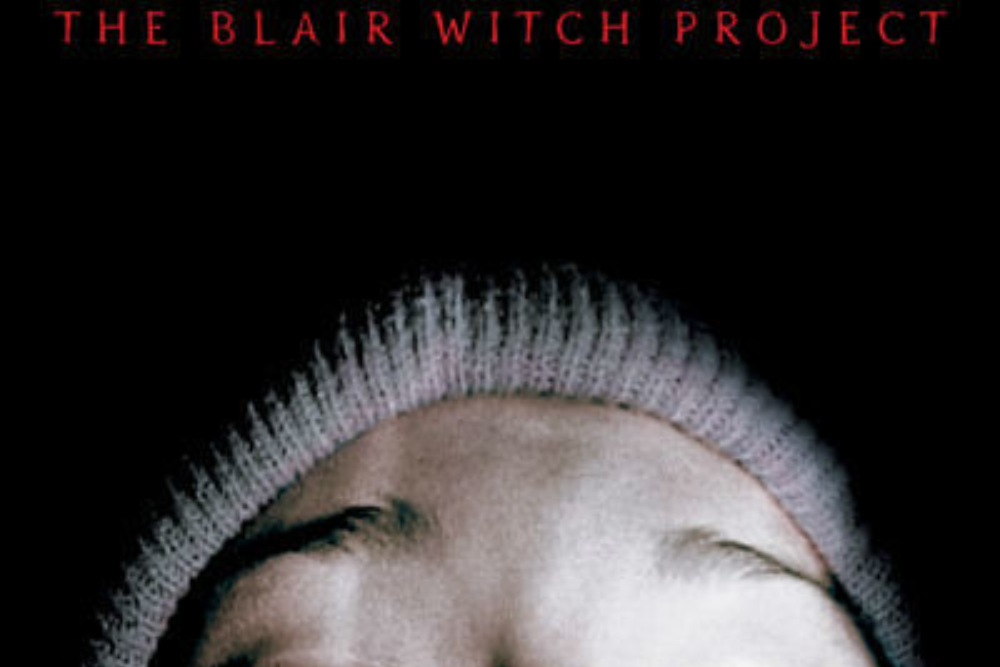
This 1999 horror film pioneered viral marketing before social media existed. The team created a mysterious website claiming the “found footage” was real, spread missing person flyers of the actors, and maintained the fiction that these events actually happened.
Many viewers genuinely believed they were watching recovered footage of real people who had disappeared. Made for just $60,000, the film grossed nearly $250 million worldwide thanks to marketing that deliberately blurred reality and fiction.
Head On
If you were near a TV in the mid-2000s, you couldn’t escape the mind-numbingly repetitive commercial that simply stated: ‘Head On. Apply directly to the forehead’ three times in succession with no explanation.
The product was a homeopathic headache relief wax stick with no proven medical benefits, yet the annoying repetition worked brilliantly. Sales skyrocketed to over $6 million annually while spending almost nothing on production value.
Calvin Klein’s Obsession
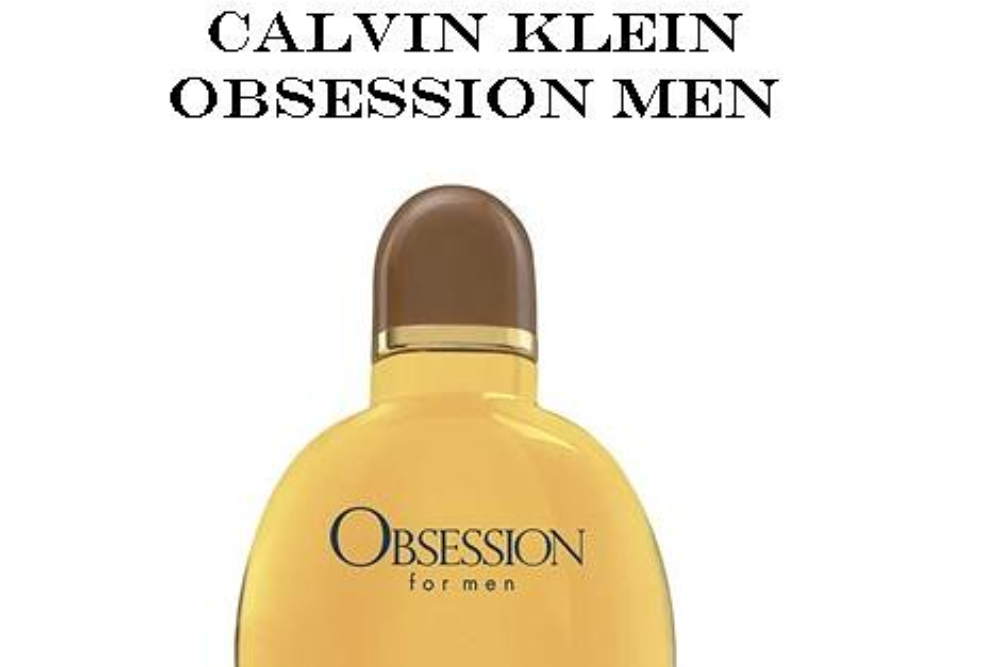
In 1985, Calvin Klein launched a perfume campaign that many industry experts thought was far too abstract and artistic to sell fragrance. The moody black and white ads featured whispering models in existential crisis talking about being obsessed.
Critics called it pretentious and confusing. Consumers, however, couldn’t get enough—Obsession became one of the bestselling fragrances of the decade, generating over $30 million in its first year alone.
Like Go2Tutors’s content? Follow us on MSN.
Shake Weight
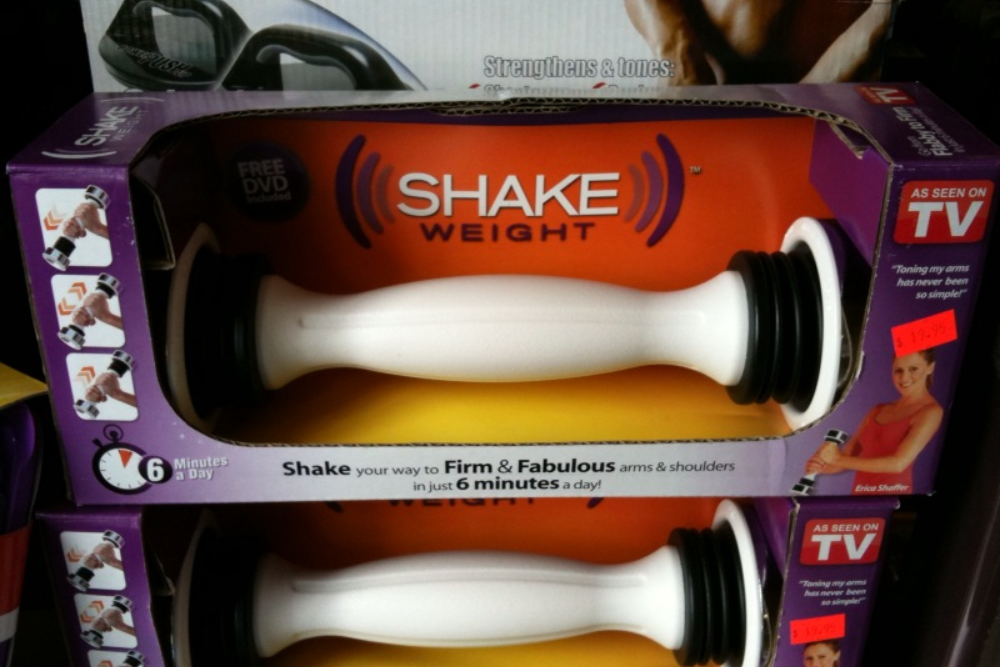
The Shake Weight seemed like a parody product when it debuted in 2009—a dumbbell that vibrates as you hold it, creating what the company called “dynamic inertia.” The demonstrations looked so suggestive that the product became an immediate target for late-night comedy.
However, the viral ridicule translated into massive awareness. The company sold over 2 million units in its first year, generating about $40 million in revenue.
Snuggie

A blanket with arms seemed like a solution to a problem nobody had. The 2008 infomercials were cheesy and easy to mock, featuring families wearing what looked like backward robes while eating popcorn and attending sporting events. Critics called it the epitome of unnecessary products.
Yet the Snuggie sold over 30 million units, expanding into multiple colors, patterns, and even pet versions, turning a simple concept into a $200+ million enterprise.
Axe Body Spray

Axe’s early marketing promised teenage boys something that seemed too good to be true: spray this product and attractive women will suddenly find you irresistible. The campaigns were criticized as sexist and ridiculously over-the-top.
Despite the eye-rolling premise, teenage boys bought the fantasy along with the product. Axe became a market leader, generating billions in revenue while creating a distinctive brand identity that has evolved over time.
Like Go2Tutors’s content? Follow us on MSN.
Yellow Pages Dresses
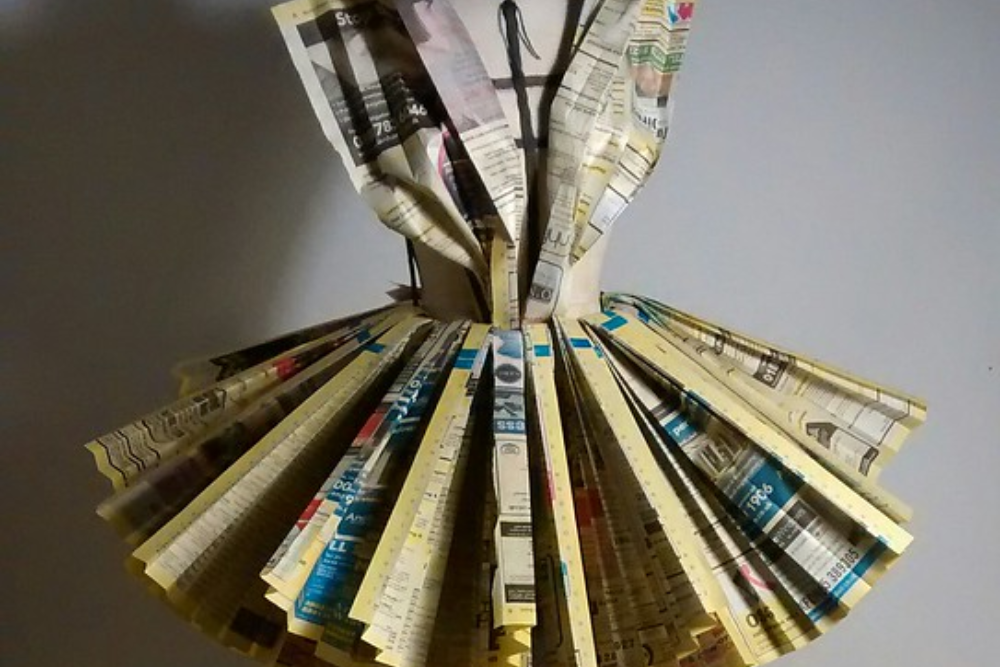
In 2007, the Yellow Pages was struggling to stay relevant in the digital age. Their solution?
Create dresses made entirely out of Yellow Pages directories and showcase them at Fashion Week. Fashion experts called it a desperate gimmick.
However, the bizarre campaign generated massive press coverage worth millions in publicity, temporarily reversing declining usage rates and extending the life of the printed directory business for several more years.
KFC Double Down

When KFC announced a sandwich that replaced bread with fried chicken fillets in 2010, nutritionists were horrified. The Double Down—with bacon, cheese and sauce between two chicken fillets—was called irresponsible marketing in an obesity crisis.
Health advocates predicted a PR disaster. Instead, KFC sold over 10 million Double Downs in the first month.
The limited-time offering created such buzz that people lined up to try the controversial sandwich before it disappeared.
Burger King’s Whopper Sacrifice
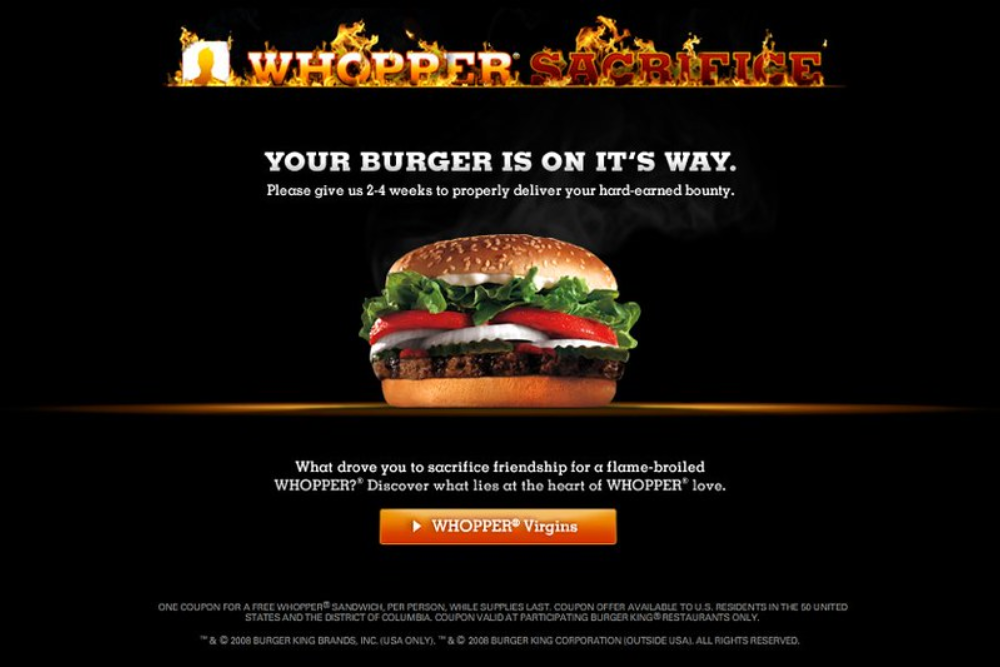
In 2009, Burger King launched a Facebook app that offered a free Whopper to anyone who would delete ten friends from their account. The app would notify those friends they’d been dumped for a burger with the message: ‘Your friendship is worth less than a Whopper.’
Facebook eventually shut down the campaign for violating privacy terms, but not before 234,000 friends were ‘sacrificed’ for fast food. The controversial campaign generated an estimated $400 million in free publicity.
Like Go2Tutors’s content? Follow us on MSN.
Puppy Monkey Baby

Mountain Dew’s 2016 Super Bowl commercial featured a disturbing hybrid creature—part puppy, part monkey, part baby—that danced awkwardly while repeating its name. Many viewers found it creepy rather than cute.
Marketing experts predicted it would alienate consumers. Instead, the bizarre mascot generated over 26 million YouTube views within days, becoming one of the most discussed ads of the year and boosting sales of Mountain Dew Kickstart by 34%.
Dollar Shave Club

When Dollar Shave Club launched in 2012, their marketing budget was just $4,500—enough for one irreverent video featuring founder Michael Dubin walking through a warehouse delivering a monologue filled with casual profanity and odd humor. Traditional razor companies dismissed the approach as unprofessional.
The video went viral overnight with 12 million views, launching a subscription business that was acquired by Unilever for $1 billion just four years later.
Domino’s Pizza Turnaround

In 2009, Domino’s did something unheard of—they admitted their pizza was terrible. The company launched ads showing real customer complaints calling their crust ‘cardboard’ and sauce ‘ketchup.’
Marketing experts warned that highlighting negative feedback would destroy the brand. Instead, the radical honesty resonated with consumers. Sales jumped 14.3% the following quarter, launching a turnaround that eventually doubled the company’s stock price.
Like Go2Tutors’s content? Follow us on MSN.
Squatty Potty

A unicorn demonstrating how to properly use the toilet doesn’t sound like marketing gold. Yet that’s exactly what Squatty Potty used in 2015—a colorful unicorn puppet pooping rainbow ice cream to explain proper bathroom posture.
The bizarre video got 36 million views and increased sales by 600% to over $30 million. A product addressing bathroom habits became socially acceptable to discuss thanks to marketing that was weird enough to disarm the taboo topic.
Old Spice Guy
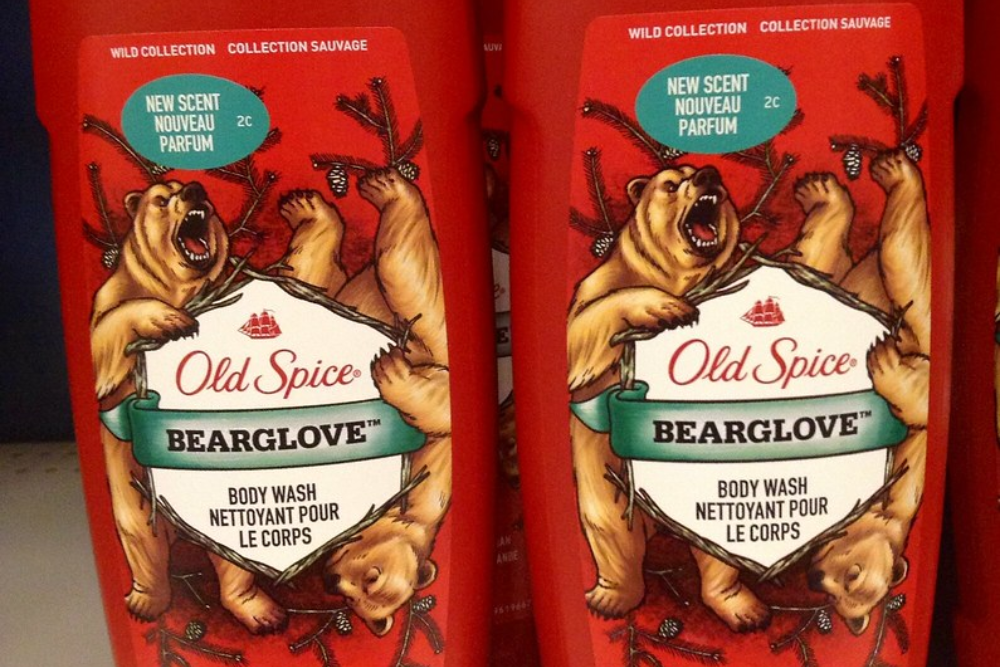
When Old Spice cast Isaiah Mustafa as ‘The Man Your Man Could Smell Like’ in 2010, the brand was considered old-fashioned and irrelevant to younger consumers. The surreal commercials featuring impossible scene changes and absurdist humor seemed like a huge risk for a traditional brand.
The campaign delivered a 107% sales increase within months, revitalizing the 75-year-old brand and winning advertising awards worldwide.
When Marketing Absurdity Pays Off
The success of these seemingly terrible ideas reminds us that marketing isn’t always about logical persuasion. Sometimes the most profitable campaigns work precisely because they’re memorable, emotionally engaging, or simply weird enough to cut through the noise.
While marketing textbooks focus on strategy and consumer psychology, these cases prove that occasionally, the best approach is the one that makes everyone ask, ‘Who approved this?’—all the way to the bank.
Like Go2Tutors’s content? Follow us on MSN.
More from Go2Tutors!

- 18 Unexpectedly Valuable Collectibles You Might Have Lying Around
- 20 Little-Known Historical Battles That Had Huge Consequences
- 20 Historical Artifacts That Scientists Can’t Explain
- 15 Inventions That Were Immediately Banned After Being Created
- 20 Actors Who Were Almost Cast in Iconic Roles
Like Go2Tutors’s content? Follow us on MSN.



