Weirdest Places Models Found Their Stock Photos
Stock photography has become part of everyday life. Those generic images pop up on websites, in ads, and across social media feeds without most people giving them a second thought.
But for the models who posed for those shots, stumbling across their own faces in the strangest corners of the internet can range from hilarious to downright bizarre.
The journey from a simple photo shoot to viral fame or unexpected notoriety takes some wild turns. Here are some of the most unusual places where models have discovered their stock photos being used.
Medical pamphlets for embarrassing conditions

One model discovered her smiling face gracing a brochure about hemorrhoids in a doctor’s waiting room. She had posed for what she thought was a general wellness campaign, holding her stomach and looking slightly uncomfortable.
The photographer never mentioned the specific medical condition her image would represent. Her friends found it first and texted her photos, turning what should have been a mortifying moment into an inside joke that lasted years.
Billboards in countries they’ve never visited
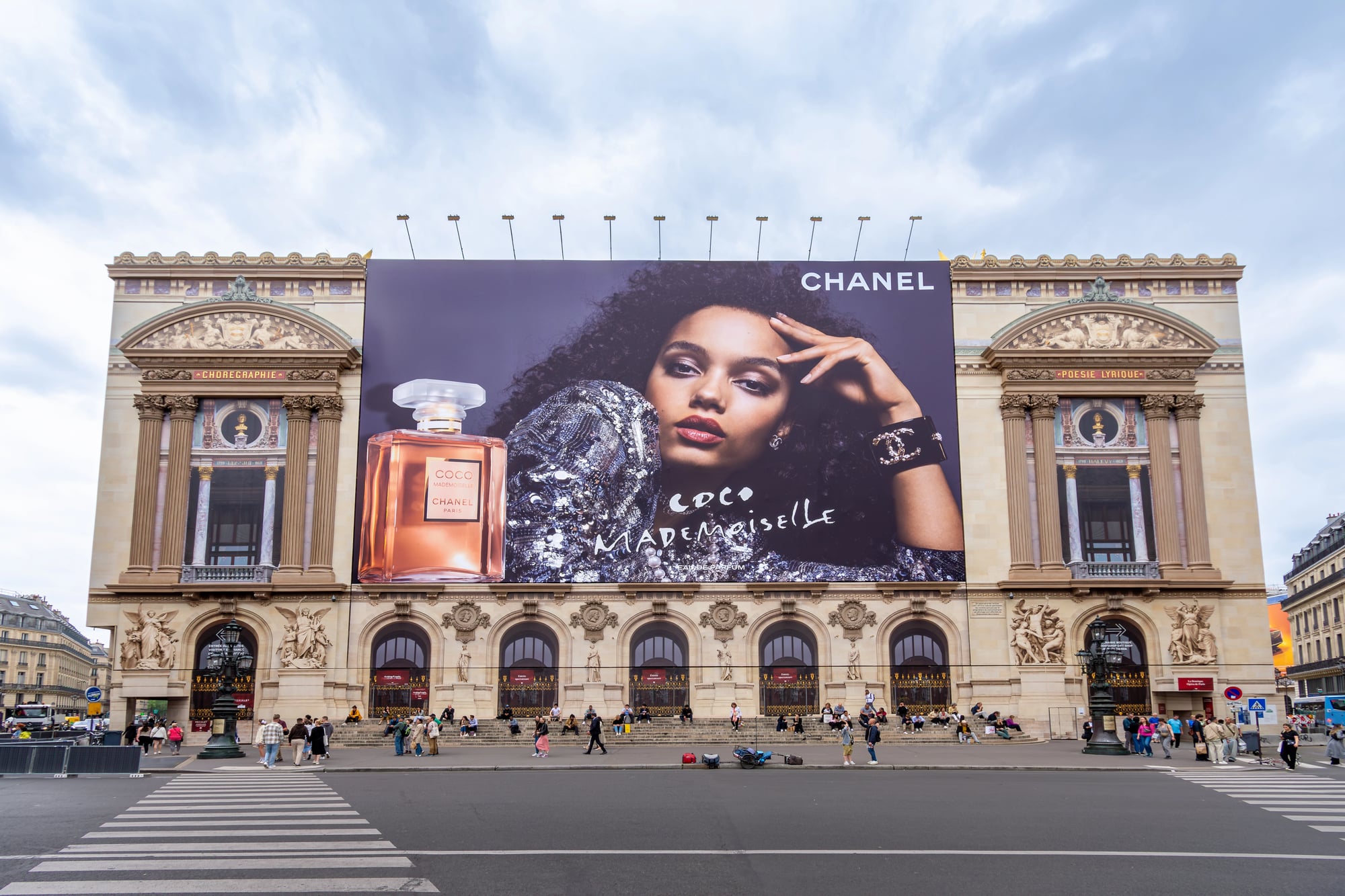
A British model was vacationing in rural Vietnam when locals started pointing and waving at her. She later learned her face was plastered across advertisements for a local bank throughout the region.
The shoot had taken place in London years earlier for a completely different financial services company. Somehow, her image had been licensed and relicensed until it ended up halfway across the world, promoting services in a language she couldn’t even read.
Dating profile catfish operations
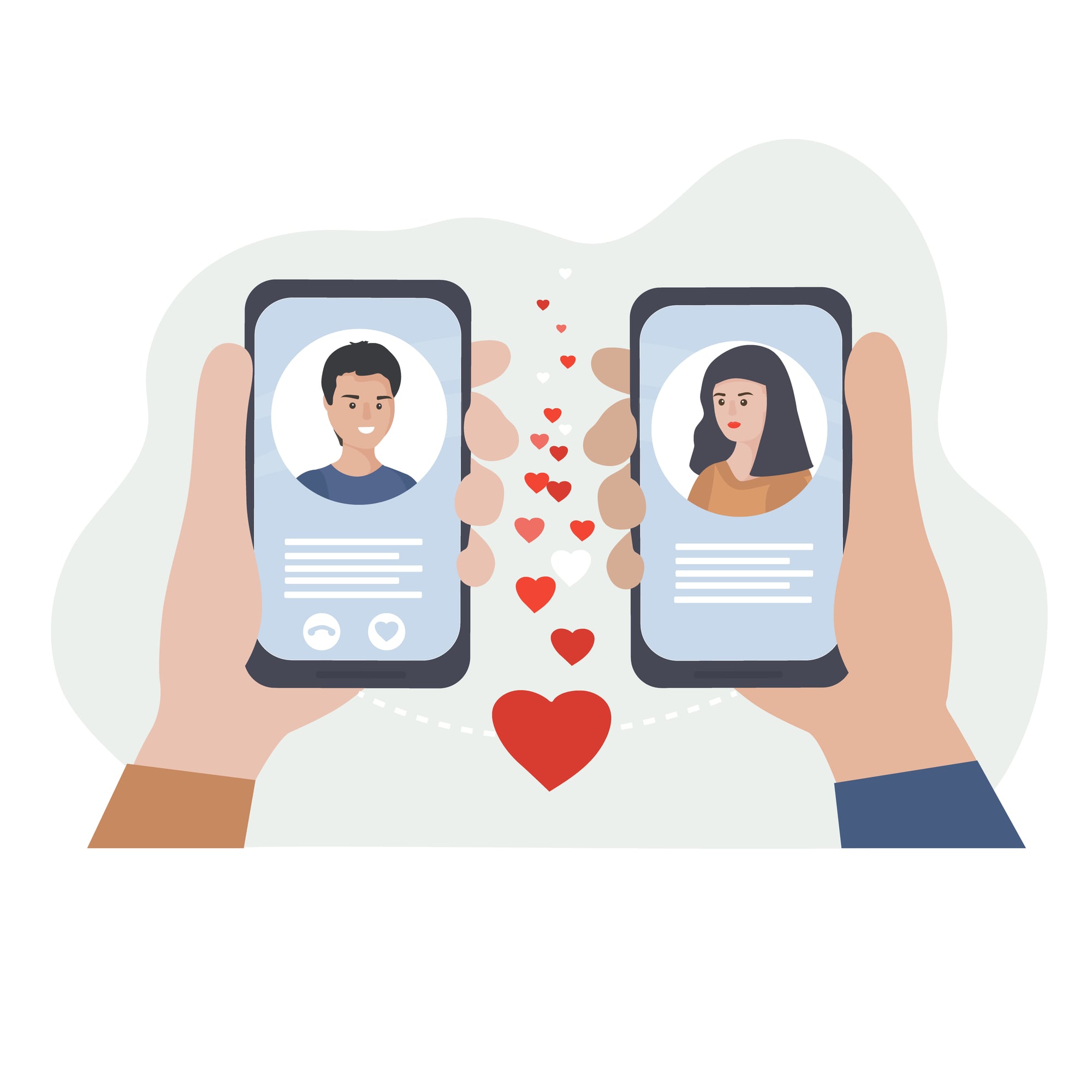
Several models have received messages from confused friends asking why they’re on dating apps. The reality is far more concerning than a secret online dating life.
Scammers routinely steal stock photos of attractive people to create fake profiles used in romance scams. One model found her image on at least seven different profiles across three continents, each with a different name and backstory.
She spent months reporting the accounts, only to have new ones pop up using the same photos.
Political campaigns they don’t support
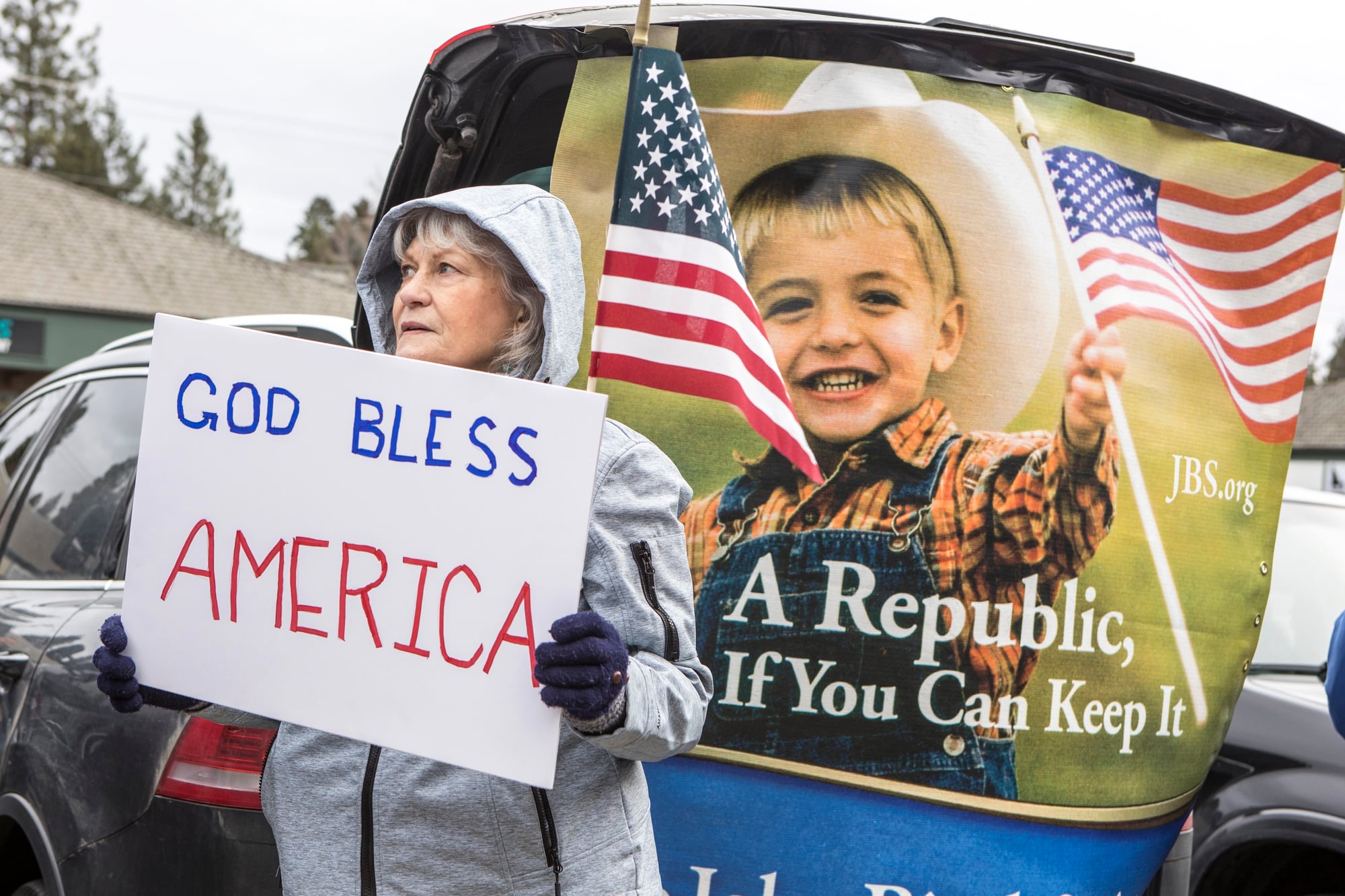
A young professional model learned his stock photo appeared in campaign materials for a political candidate whose views directly opposed his own values. The image showed him in business attire, looking confident and successful, exactly the kind of photo a campaign might use to appeal to young professionals.
He had no legal recourse since he’d signed away the rights to the image. The experience taught him to read contracts more carefully and consider where his likeness might end up.
Textbook examples of criminals

One woman found her teenage stock photo used in a college criminology textbook as a visual example in a chapter about juvenile delinquency. She had posed for what was supposed to be a back-to-school campaign, wearing a hoodie and backpack.
The textbook publisher had selected her image to represent troubled youth, completely changing the context from hopeful student to potential criminal. She contacted the publisher, who apologized and removed the image from future editions.
Memes that went viral
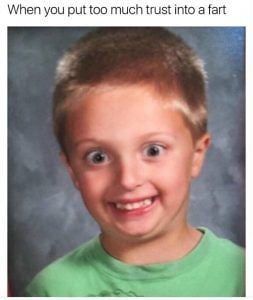
A man’s neutral expression during a stock photo shoot became internet famous when someone turned it into a meme about dealing with annoying coworkers. The meme spread across social media platforms, racking up millions of shares and spawns.
He never received additional compensation beyond the original shoot payment, despite his face becoming recognizable to people who had never bought the original stock photo. Friends still send him new variations of the meme whenever they pop up.
Competitor products in the same industry
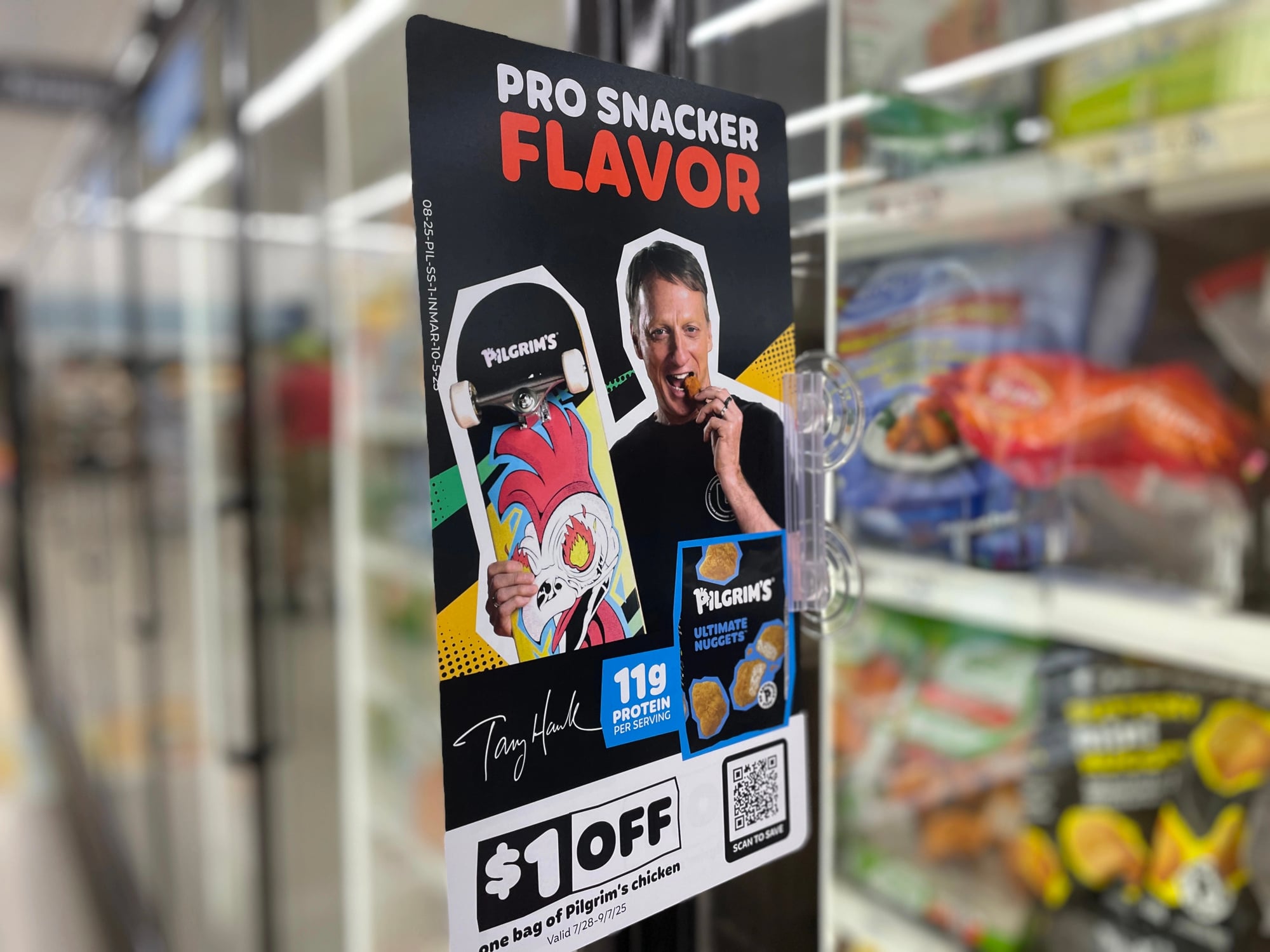
One fitness model posed for a protein powder company, only to later see different photos from the same shoot used by three competing brands. The original company had apparently only licensed some images from the photographer, who then sold others to their direct competitors.
Walking down the supplement aisle became surreal as her face stared back from multiple products, each claiming to be the best choice for fitness enthusiasts.
Fake news articles and conspiracy theories

A stock photo of a model wearing a face mask during flu season was later used to illustrate dozens of fake news articles about various health scares and conspiracy theories. The image appeared on websites claiming everything from government cover-ups to miracle cures.
She tried reporting the misuse but found that many of the sites operated outside jurisdictions where she could take legal action. The experience showed how easily images can be weaponized for misinformation campaigns.
Airport advertisements in humiliating contexts
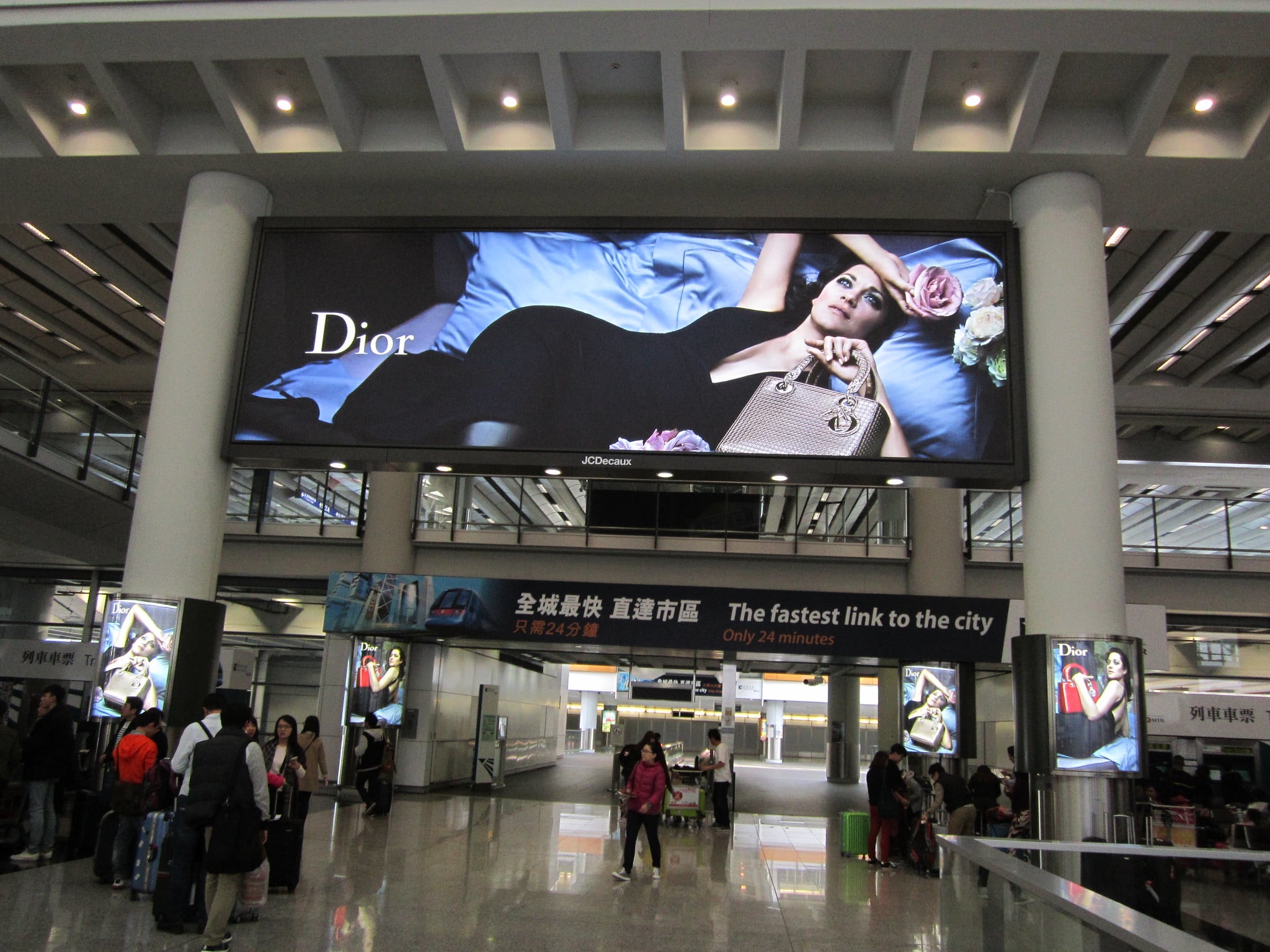
A model was mortified to walk through an international airport and see her stock photo used in an advertisement for anti-diarrhea medication, blown up to billboard size. She had posed looking uncomfortable while holding her stomach, thinking it would be for general digestive health products.
Instead, her pained expression now greeted thousands of travelers daily, advertising relief from a condition nobody wants to discuss publicly. Her family made a point of taking photos every time they traveled through that airport.
Corporate training videos about what not to do

An actor’s stock footage of him looking confused at a computer ended up in countless corporate training videos as the example of an incompetent employee. Companies around the world used the clip to show what poor work performance looks like.
He became the universal symbol of workplace failure, his puzzled expression representing every mistake an employee could make. Coworkers who later recognized him from the training videos never let him forget his role as the office disaster example.
Fake expert testimonials

Models have found their photos used alongside fabricated credentials and testimonials they never gave. One woman’s image appeared on websites selling everything from weight loss pills to investment schemes, with made-up quotes attributed to her and false professional backgrounds.
She would be described as a doctor, nutritionist, or financial expert depending on what the scam was selling. These uses not only violated her image rights but potentially damaged her actual professional reputation if people believed she was endorsing questionable products.
Museum exhibits about different time periods
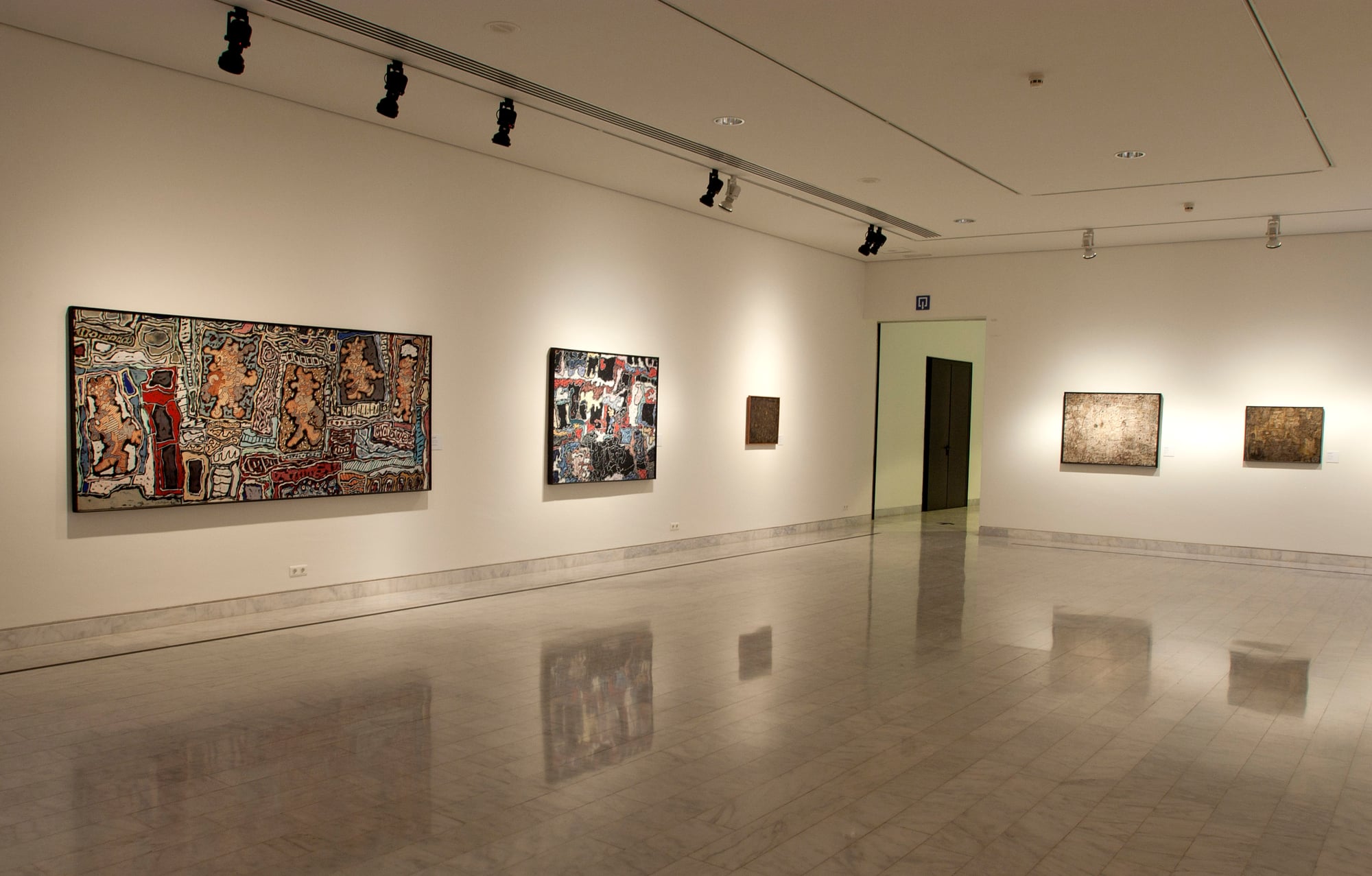
A historical museum used a stock photo taken in modern times but styled to look vintage, placing it in an exhibit about life decades before the model was even born. The model visited the museum with friends and had to explain that she wasn’t a time traveler, just someone who’d posed for a retro-themed photo shoot.
The museum had assumed the image was genuinely old, not realizing it was recent stock photography designed to look historical.
Foreign language learning materials with wrong captions

Language textbooks and learning apps often use stock photos of people to illustrate words and phrases. Models have discovered their images paired with incorrect or sometimes insulting translations.
One model found her smiling photo labeled with a word that meant something completely different and unflattering in the target language. Another discovered his image in a language learning app where the phrase beneath his picture had been mistranslated into something nonsensical, becoming an accidental source of confusion for students.
Pet adoption websites as previous owners

A picture meant for fashion might wind up telling lies miles away. Some shelters grab these shots when real moments aren’t available – faces paired with animals never met.
A model once saw her smile tied to a tale she didn’t live. That cat? Never hers.
The reason listed? Moving homes. Pure invention.
Words made up to tug at strangers browsing online. Her image used without asking, playing part of someone else’s goodbye.
Competitors’ negative comparison ads
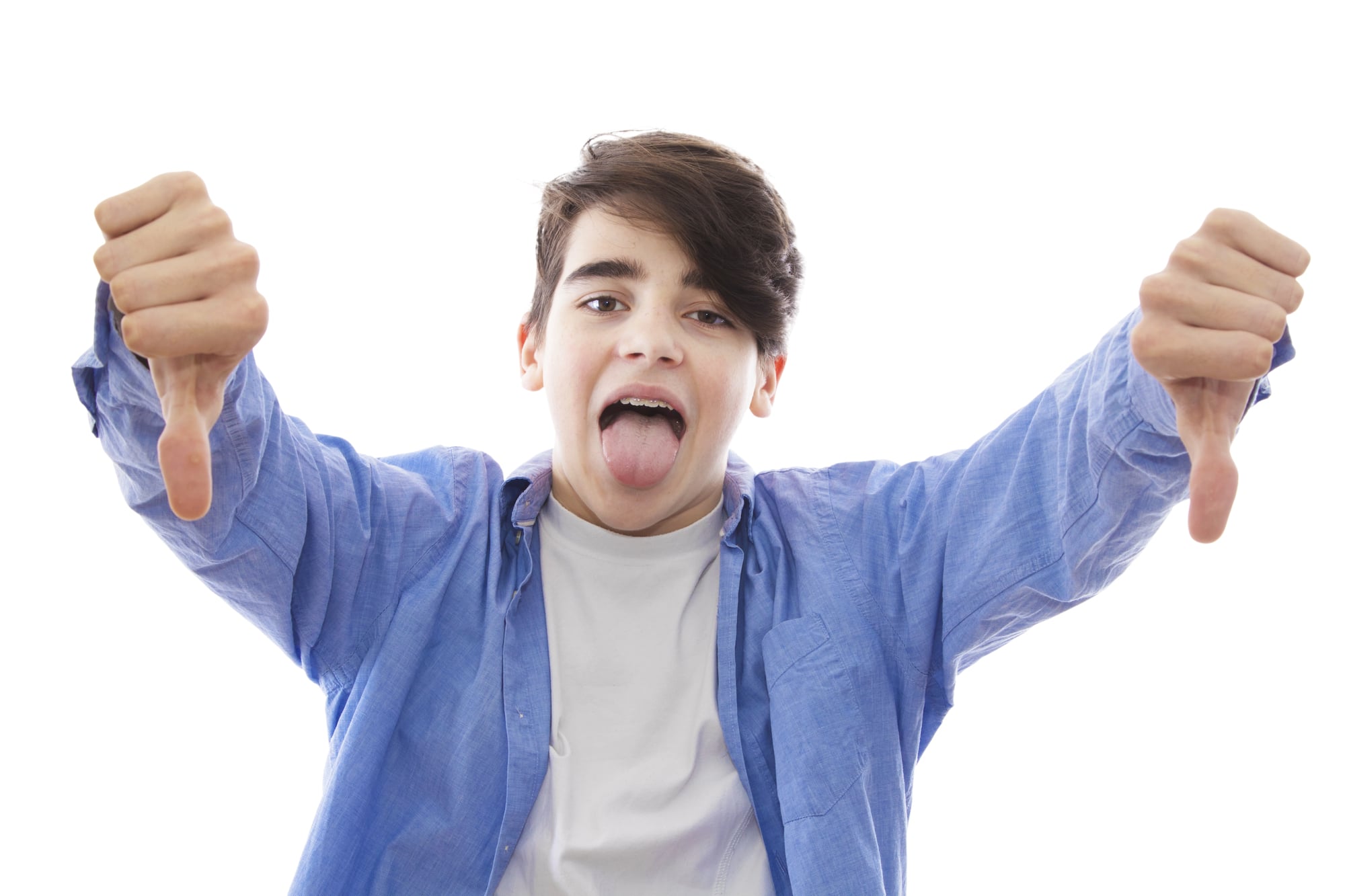
A surprising moment hits when someone sees their face in an ad pitting one product against another – eyes downcast, hands fumbling some gadget. Imagine being pictured with a vacuum, brows furrowed, suggesting it fails.
Yet off camera, that very model praised the machine at home. Scenes like these twist neutral expressions into fake judgments.
What looks like criticism on screen often hides personal preference behind the scenes.
That is where the faces wound up
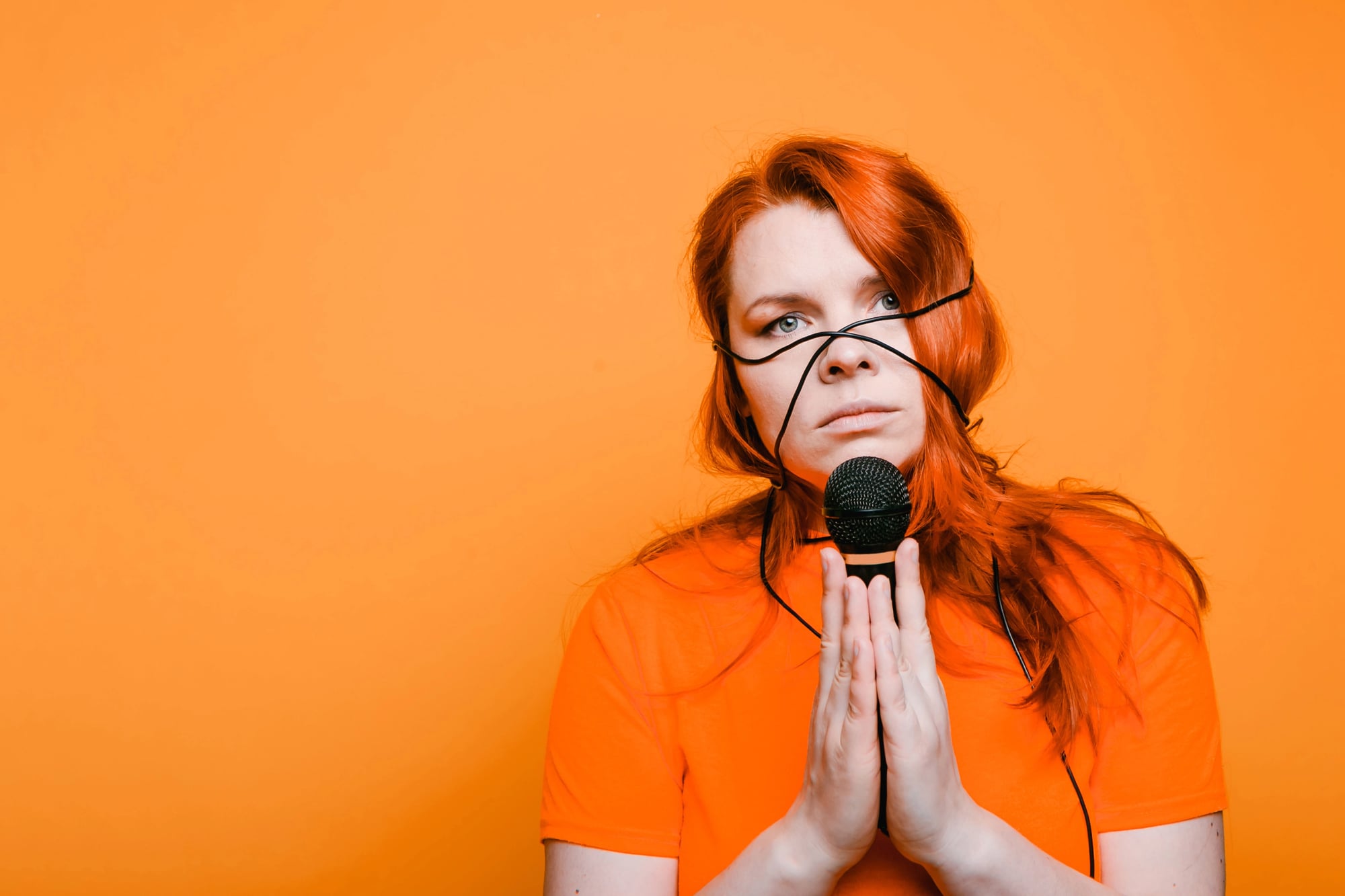
A photograph snapped today might show up tomorrow in a place the subject could not predict. When people pose for stock photos, they hand over rights without knowing where those pictures will travel.
A portrait meant to look friendly may instead promote something odd or serious. Pictures drift across borders, landing in ads, articles, or websites far removed from their origin.
Now and then, someone stumbles upon their own face selling vitamins or illustrating news about crime. These moments spark surprise, sometimes laughter, often disbelief.
Strangers start talking online after spotting themselves used in ways they never expected. An image stops belonging to its source the instant it joins a library.
It grows new meanings shaped by strangers, not intent.
More from Go2Tutors!

- The Romanov Crown Jewels and Their Tragic Fate
- 13 Historical Mysteries That Science Still Can’t Solve
- Famous Hoaxes That Fooled the World for Years
- 15 Child Stars with Tragic Adult Lives
- 16 Famous Jewelry Pieces in History
Like Go2Tutors’s content? Follow us on MSN.



