Weirdest Trivia Facts About The Apollo Space Missions
When most people think about the Apollo missions, they picture Neil Armstrong’s first steps on the lunar surface or the dramatic rescue of Apollo 13. Those moments deserve their place in history, but the real stories hiding in NASA’s archives are far stranger than anything Hollywood could script.
The space program was a collision of cutting-edge science and human peculiarity, where billion-dollar missions hinged on sandwich smuggling and astronauts worried about their life insurance policies as much as their oxygen supplies.
The Great Corned Beef Caper
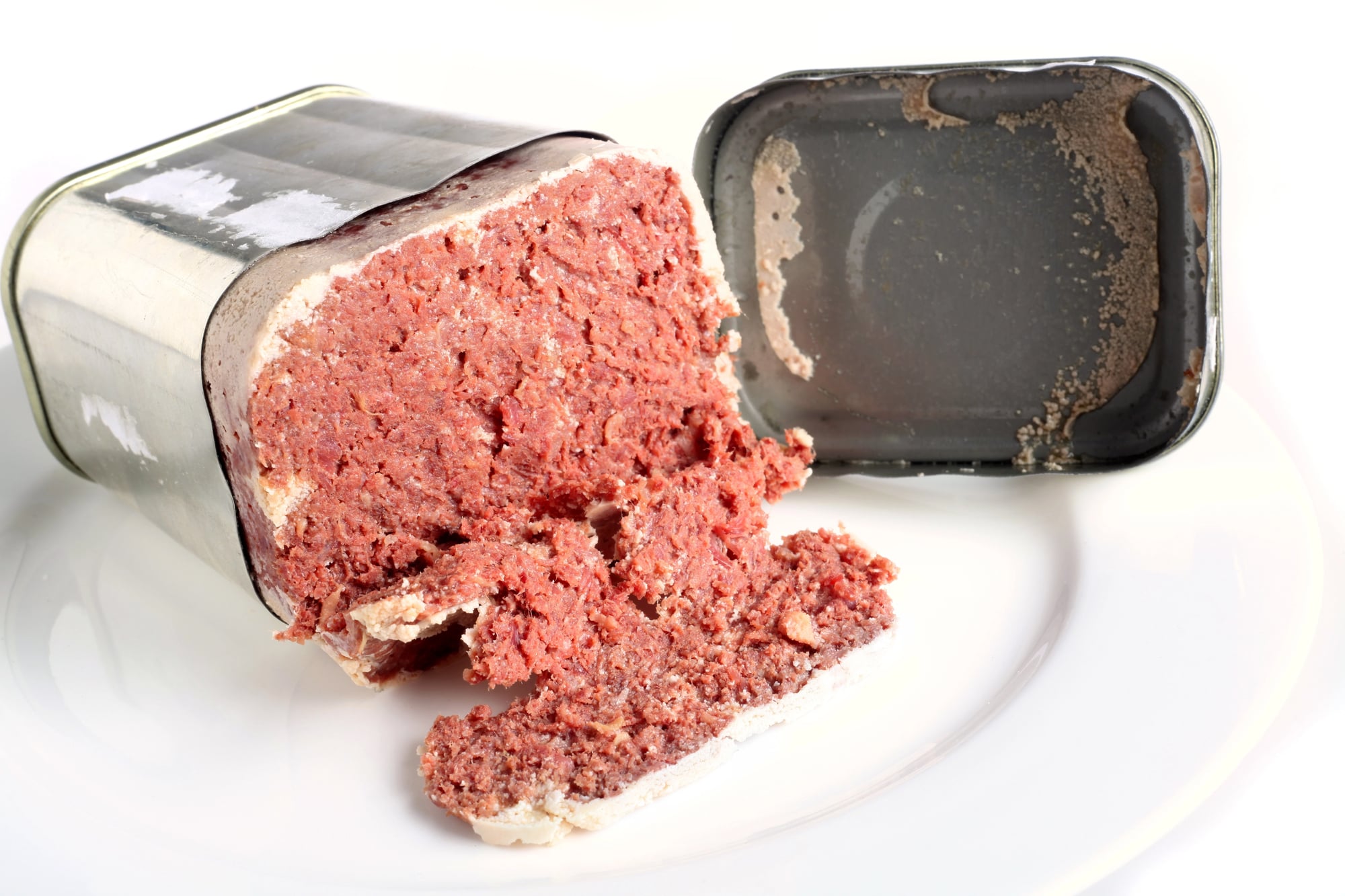
John Young smuggled a corned beef sandwich aboard Gemini 3. Not officially, mind you — this was contraband deli meat floating around a spacecraft at 17,500 miles per hour.
Young pulled it out mid-flight and offered half to his crewmate Gus Grissom.
The sandwich started crumbling immediately, sending pieces floating through the cabin where they could have jammed equipment or been inhaled. Congress actually held hearings about this sandwich.
Lunar Duct Tape Heroes
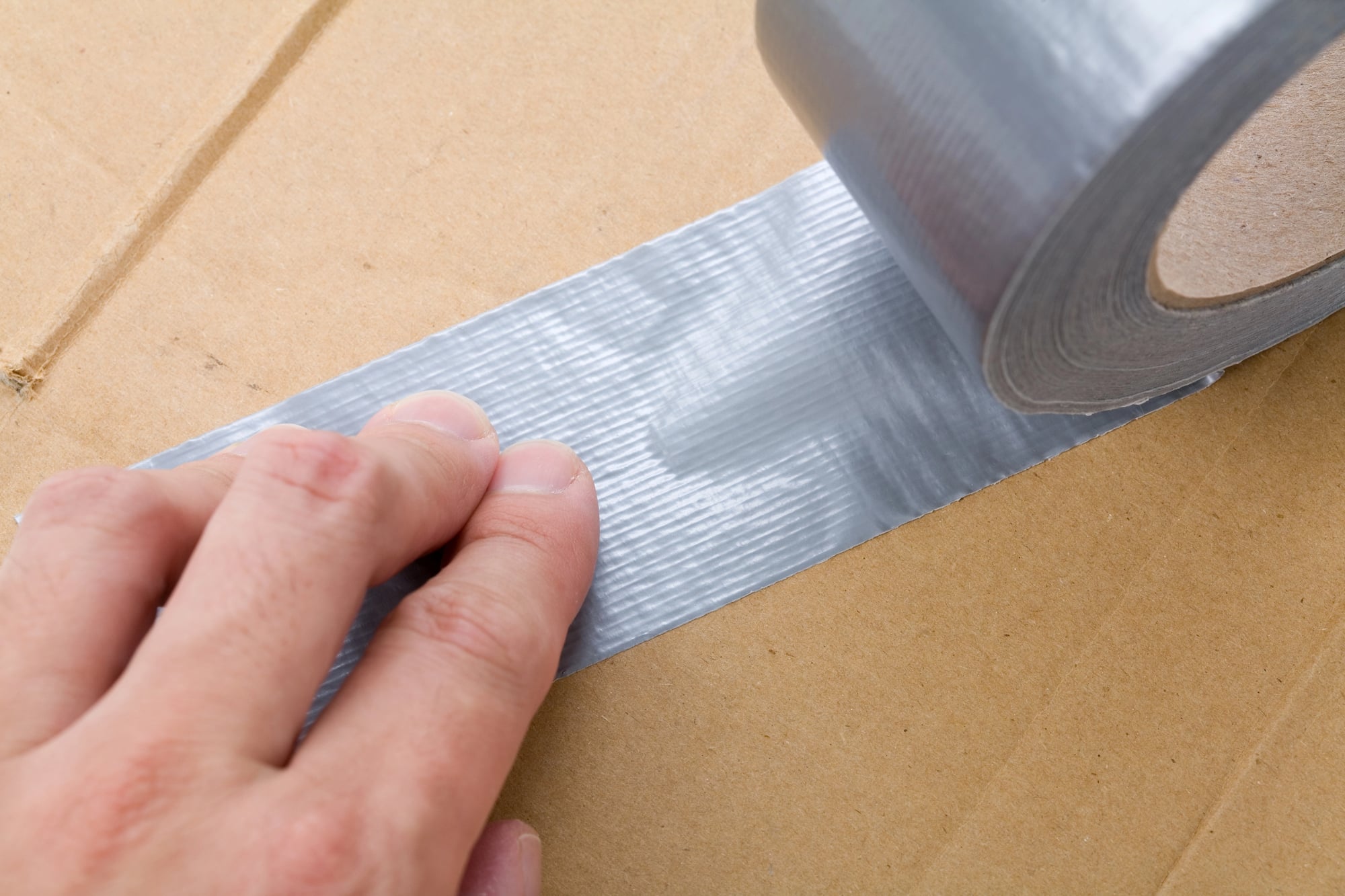
The crew of Apollo 17 broke their lunar rover’s rear fender during their first moonwalk (Harrison Schmitt caught it with his geology hammer and tore it clean off, which is perhaps the most expensive fender-bender in human history).
Without the fender, moon dust would spray all over them and their equipment as they drove.
So they fixed it with duct tape and spare maps. The repair worked perfectly for the rest of their three-day lunar road trip, and NASA still teaches this fix-it technique today.
Insurance Policies Nobody Would Write

The astronauts couldn’t buy life insurance — no company would touch them (and who could blame the actuaries for that decision, really).
So they devised their own plan: before each mission, they signed hundreds of commemorative envelopes that their families could sell to collectors if something went wrong.
These “insurance covers” would become valuable enough to support their wives and children. It’s simultaneously heartbreaking and resourceful, the way humans adapt when institutions fail them.
Smuggled Olympic Flags

There’s something beautifully stubborn about packing contraband for a quarter-million-mile journey, especially when that contraband serves no practical purpose beyond human sentiment. Apollo 11 carried a piece of fabric from the Wright brothers’ 1903 airplane (which makes sense in a poetic way), but also an Olympic flag that wasn’t supposed to be there.
The crew had quietly tucked it aboard, and after walking on the moon, they brought it back to be displayed at the 1972 Olympics.
And so the same piece of cloth that witnessed humanity’s first powered flight also witnessed our first steps on another world — though NASA didn’t know about the second part until afterward.
The flag had been requested by Olympic officials, but NASA bureaucracy moved slowly. Rather than disappoint the Olympic committee (or perhaps because they understood the gesture’s significance better than the paperwork did), someone made sure it flew anyway.
The Hasselblad Cameras Left Behind

Every Apollo mission that landed on the moon left their cameras there. Not because they forgot them or ran out of room — they removed the film and magazines, then deliberately abandoned the Hasselblad camera bodies to save weight for moon rocks.
Twelve of the finest cameras ever made, worth about $25,000 each in today’s money, are still sitting exactly where the astronauts dropped them fifty years ago.
The cameras will probably outlast human civilization. No weather, no corrosion, no theft.
Just twelve pristine Hasselblads waiting in perfect vacuum.
Buzz Aldrin’s Communion On The Moon
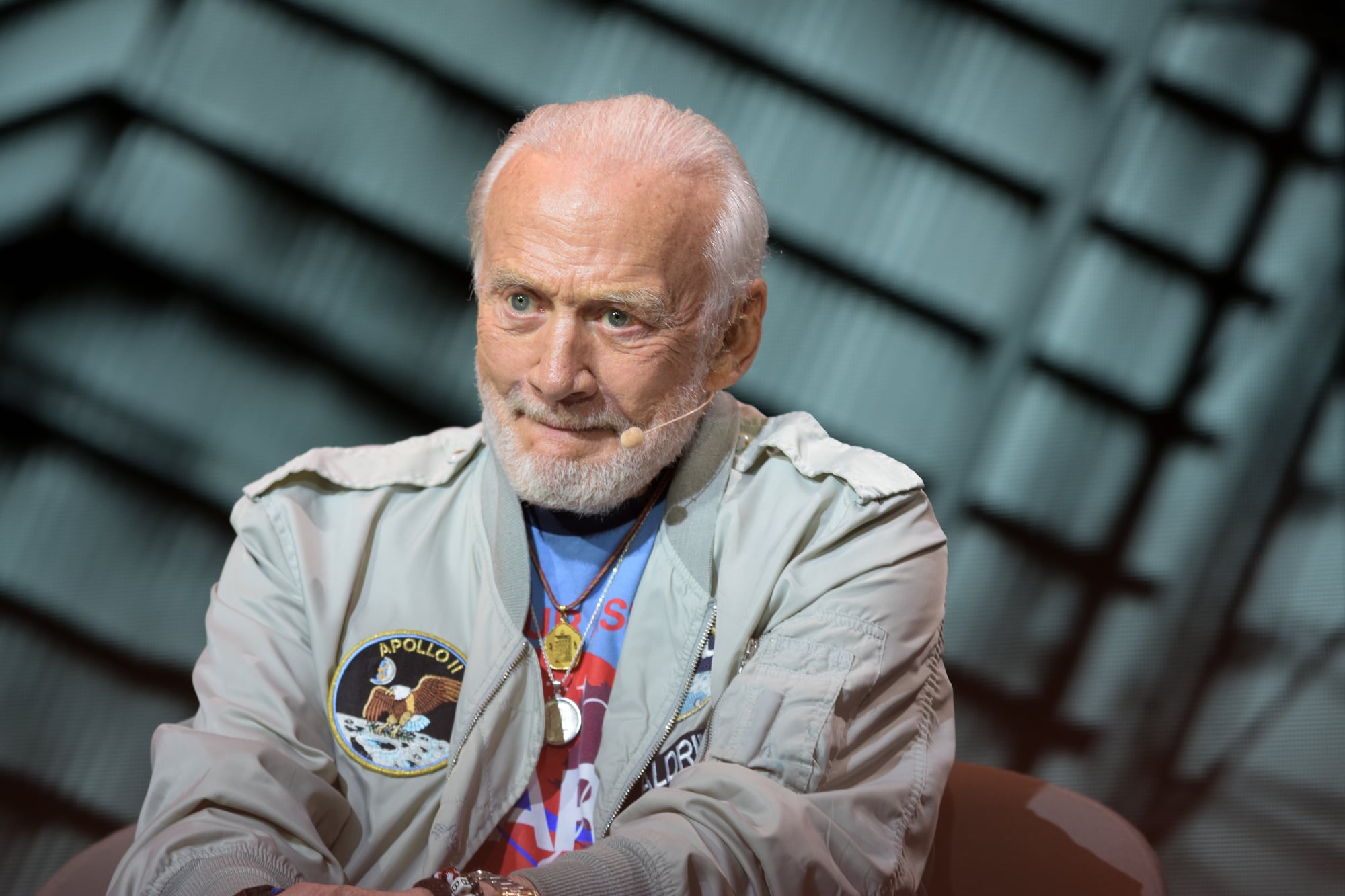
Religious conviction finds its own way to express itself, even when you’re standing in a place where Earth hangs in the black sky like a blue marble. Buzz Aldrin had quietly arranged with his pastor to take communion on the lunar surface — he’d brought a tiny chalice, wine, and wafer in his personal kit.
While Neil Armstrong busied himself with other tasks, Aldrin read from the Gospel of John and performed the sacrament in one-sixth gravity.
He’d planned to share this moment with the world over the radio, but NASA asked him to keep it private. They were still dealing with legal challenges from the previous year, when the crew of Apollo 8 had read from Genesis while orbiting the moon on Christmas Eve.
So the first food consumed on the moon wasn’t freeze-dried ice cream or Tang. It was bread and wine, taken in remembrance.
Michael Collins And The Loneliest Job
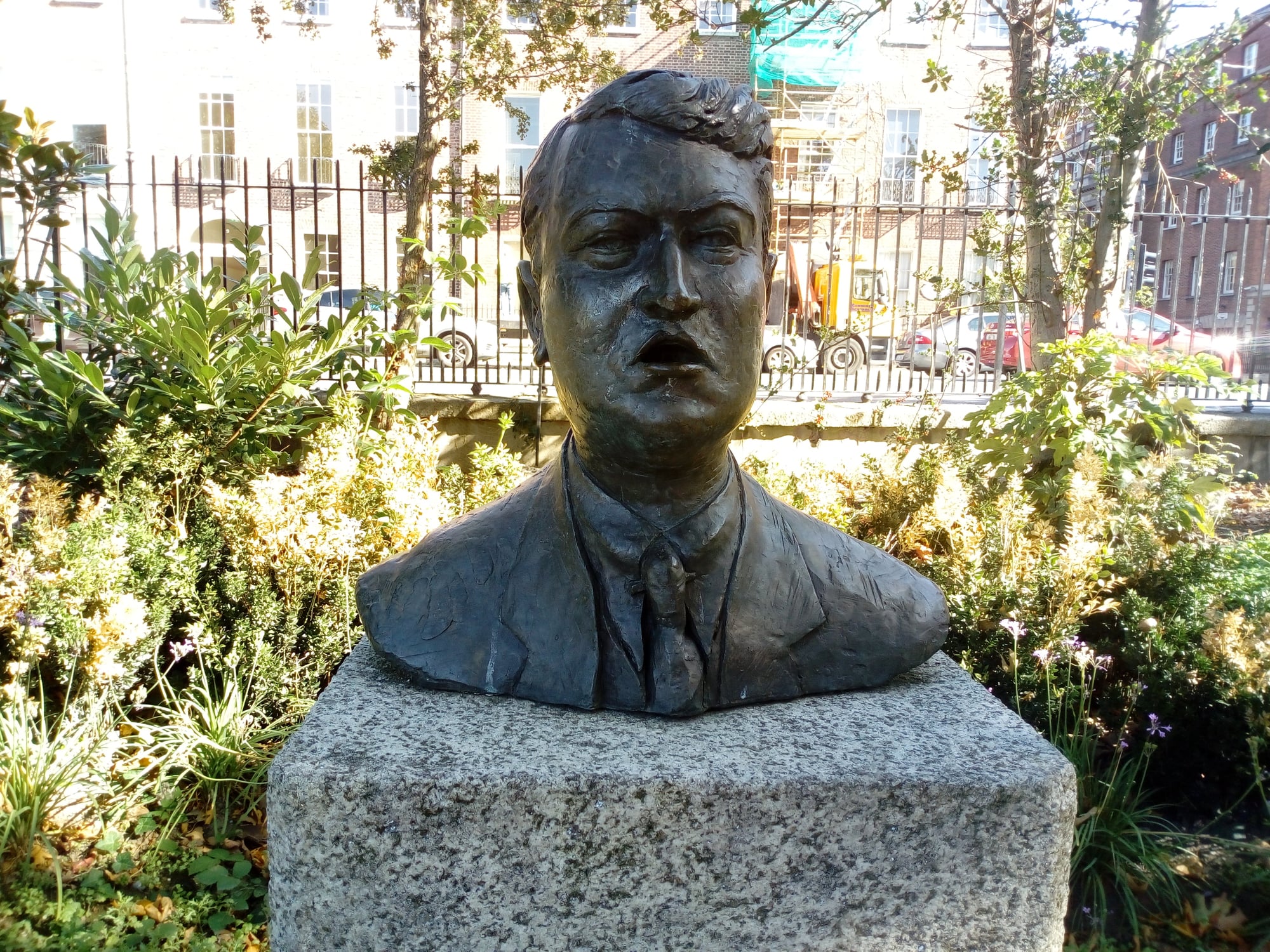
Michael Collins orbited the moon alone while Armstrong and Aldrin walked on the surface. Every time he passed behind the moon, he lost all contact with Earth and his crewmates for 48 minutes.
No radio, no communication of any kind. He was literally the most isolated human being in the universe — farther from any other person than anyone had ever been.
Collins later said he felt like a “forgotten man,” though he claimed he wasn’t lonely. He spent those solitary orbits looking for the lunar module on the surface below, knowing that if he couldn’t find it during rendezvous, Armstrong and Aldrin would be stranded.
Collins never walked on the moon, but he may have had the hardest job of anyone in the program.
The Pen That Never Flew

The story goes that NASA spent millions developing a space pen while the Soviets just used pencils. Complete nonsense, but it persists because people want to believe bureaucracy is that ridiculous.
The truth: both programs started with pencils, but graphite dust and wood shavings floating around a spacecraft full of pure oxygen and electrical equipment seemed like a fire hazard.
Paul Fisher developed the pressurized space pen with his own money, then sold it to NASA for $2.39 each. The Soviets bought them too.
Sometimes the boring truth is more interesting than the clever lie.
Alan Shepard’s Golf Shot
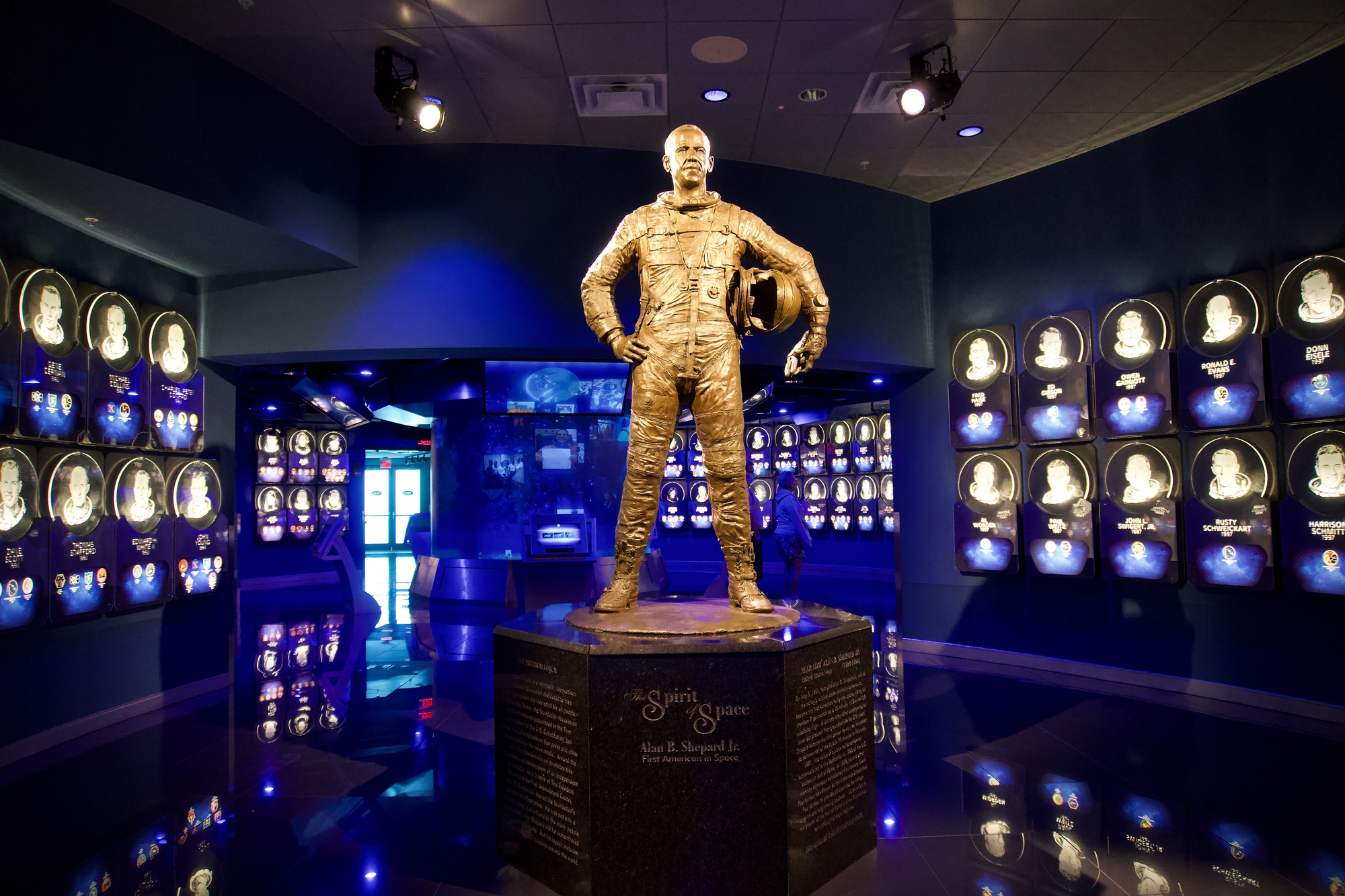
Alan Shepard smuggled a golf club head aboard Apollo 14 (attached to a sample collection tool handle, naturally — even recreational contraband had to multitask).
He hit two golf orbs on the lunar surface, claiming one went “miles and miles and miles” in the low gravity.
High-speed photography later revealed his shots traveled about 200 yards each, which honestly seems more impressive than his boastful estimate.
The man was wearing a pressure suit with limited mobility, swinging a makeshift club in conditions no golfer had ever experienced. Par seemed irrelevant.
The Urine Dump Phenomenon
Spacecraft periodically vented urine and wastewater overboard, creating what astronauts called “the constellation Urion” — clouds of frozen crystals that sparkled in the sunlight around the command module.
The sight was apparently beautiful enough that crews looked forward to it.
Apollo 10 astronaut John Young radioed to Mission Control: “It’s beautiful, sparkling crystals.”
Which proves humans can find wonder in absolutely anything, given the right circumstances and sufficient distance from home.
Gene Cernan’s Daughter’s Initials
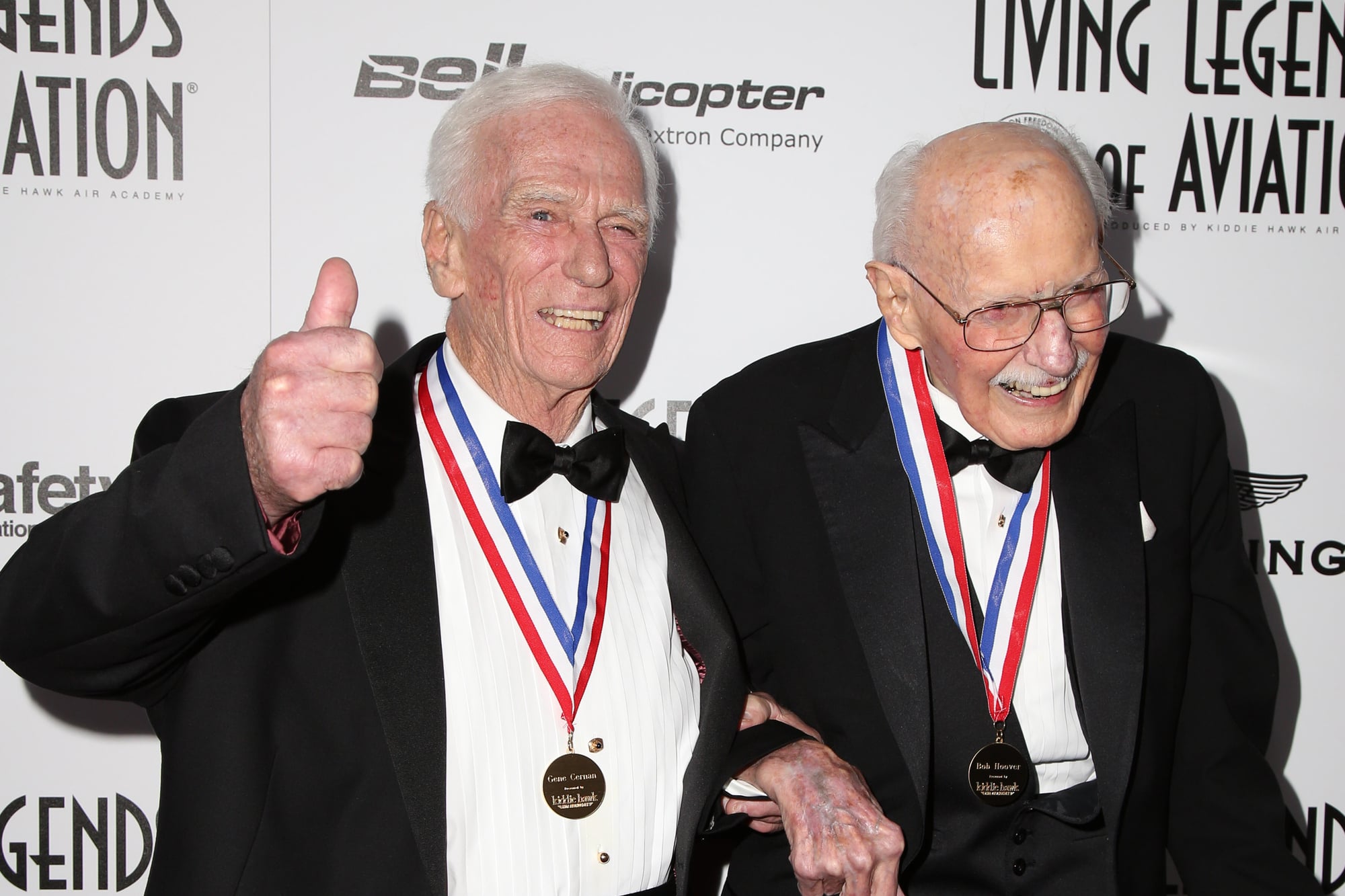
The last person to walk on the moon left his daughter’s initials traced in the lunar dust: “TDC” for Tracy Dawn Cernan.
They’re still there, perfectly preserved in the airless environment.
No wind, no weather, no erosion. Unless a meteorite happens to hit that exact spot, or future lunar visitors disturb the area, those letters will outlast everyone reading this article.
It’s the most permanent autograph any parent has ever left for their child.
The Apollo 12 Lightning Strike
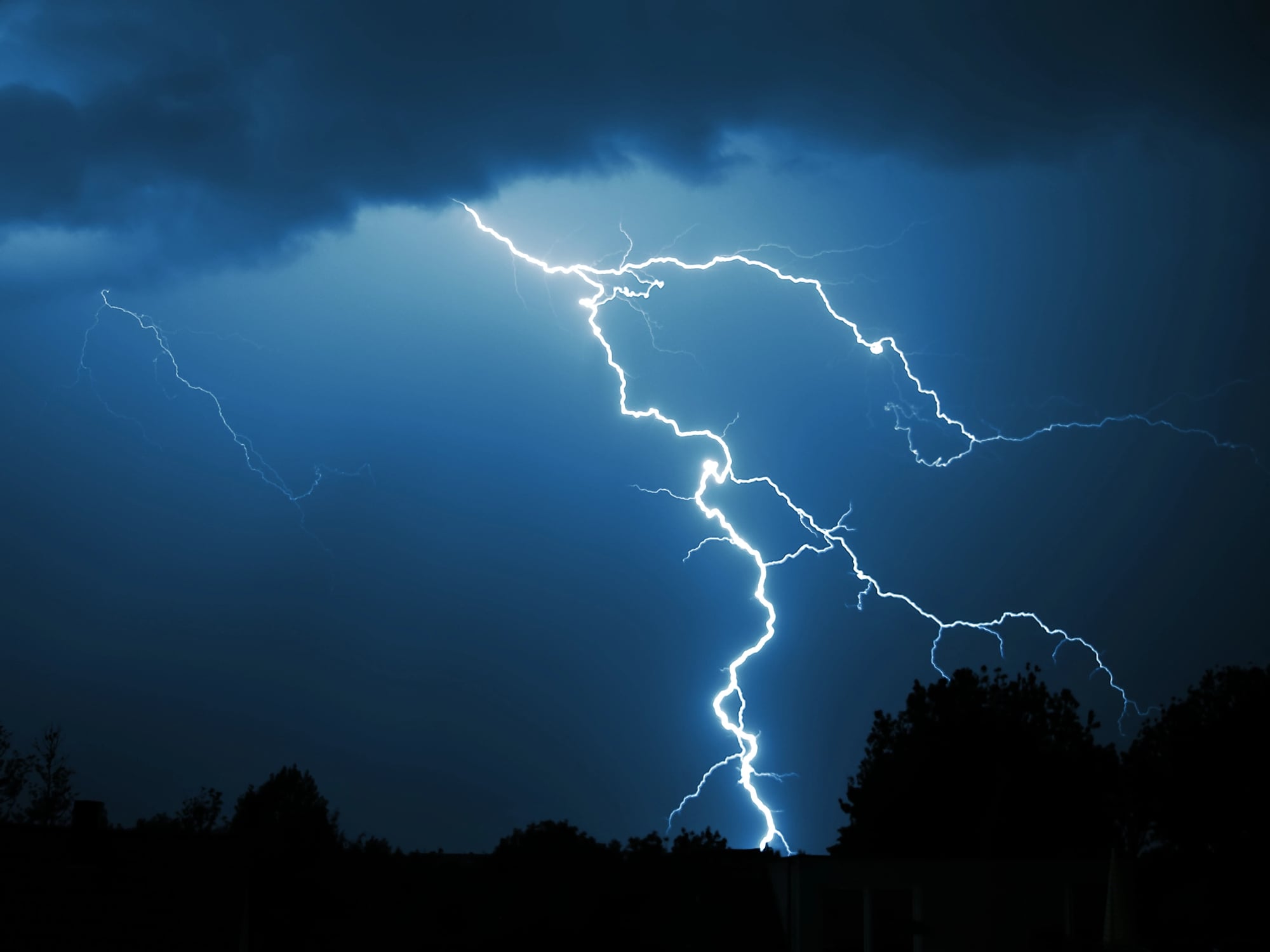
Apollo 12 was struck by lightning twice during launch — once at 36 seconds, again at 52 seconds.
The electrical surge knocked out most of the command module’s instruments, leaving the crew essentially flying blind with warning lights flashing everywhere.
Mission Control was ready to abort when flight controller John Aaron remembered an obscure switch position from a training simulation that had gone wrong a year earlier. “Try SCE to AUX,” he told the crew.
Pilot Alan Bean flipped the switch and the instruments came back online. They continued to the moon and landed successfully, all because one guy remembered a forgotten training scenario.
Omega Watches Save Apollo 13
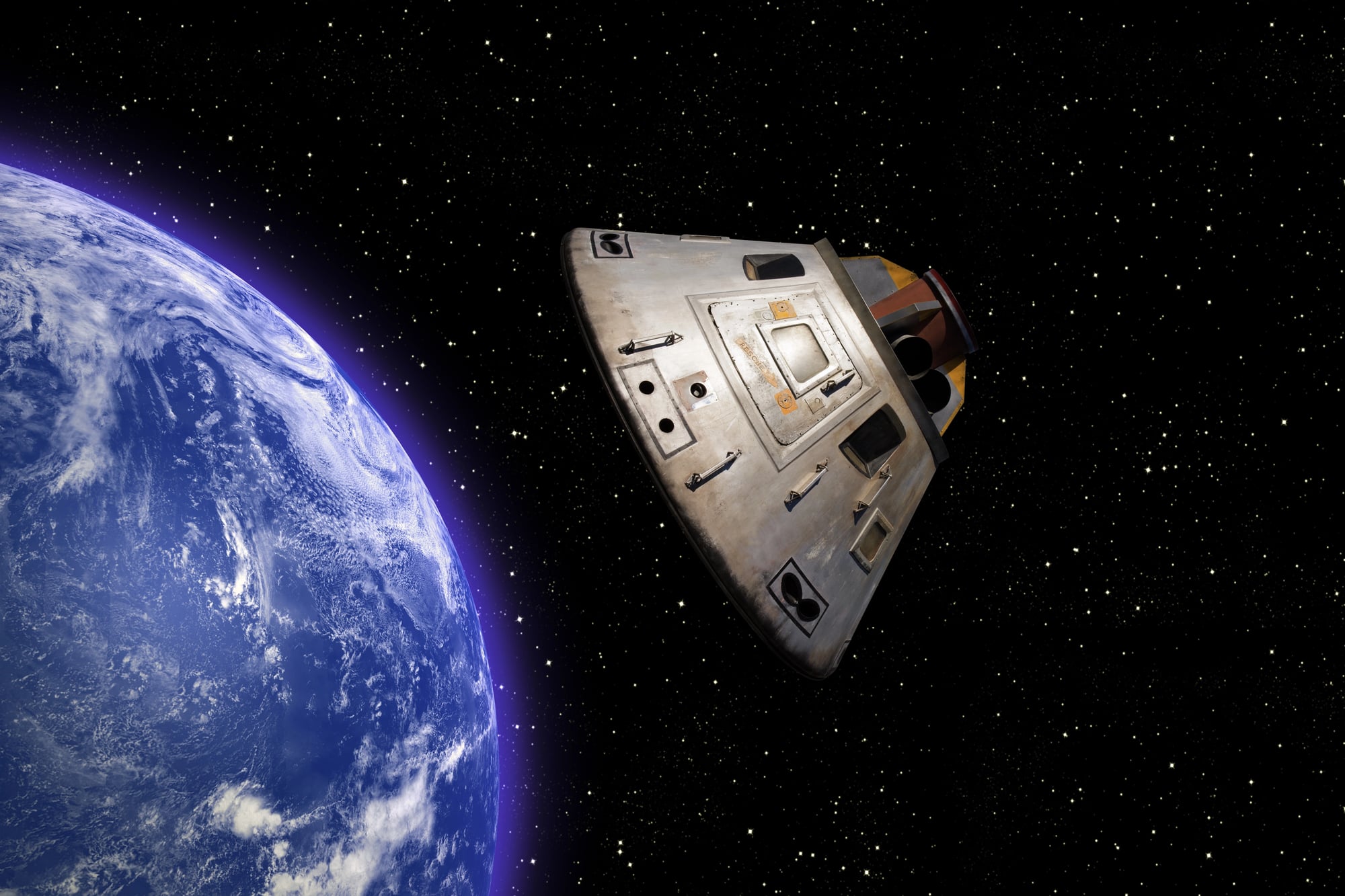
When Apollo 13’s oxygen tank exploded, the crew had to shut down their digital timers to conserve power.
They needed to manually time a crucial 14-second engine burn to get back to Earth, but had no way to measure it accurately.
Commander Jim Lovell used his mechanical Omega Speedmaster watch to time the burn. The watch performed perfectly, helping bring the crew home safely.
Omega still advertises this story, and honestly, they’ve earned the right. Their watch literally helped save human lives in the vacuum of space.
When The Moon Was Finally Quiet
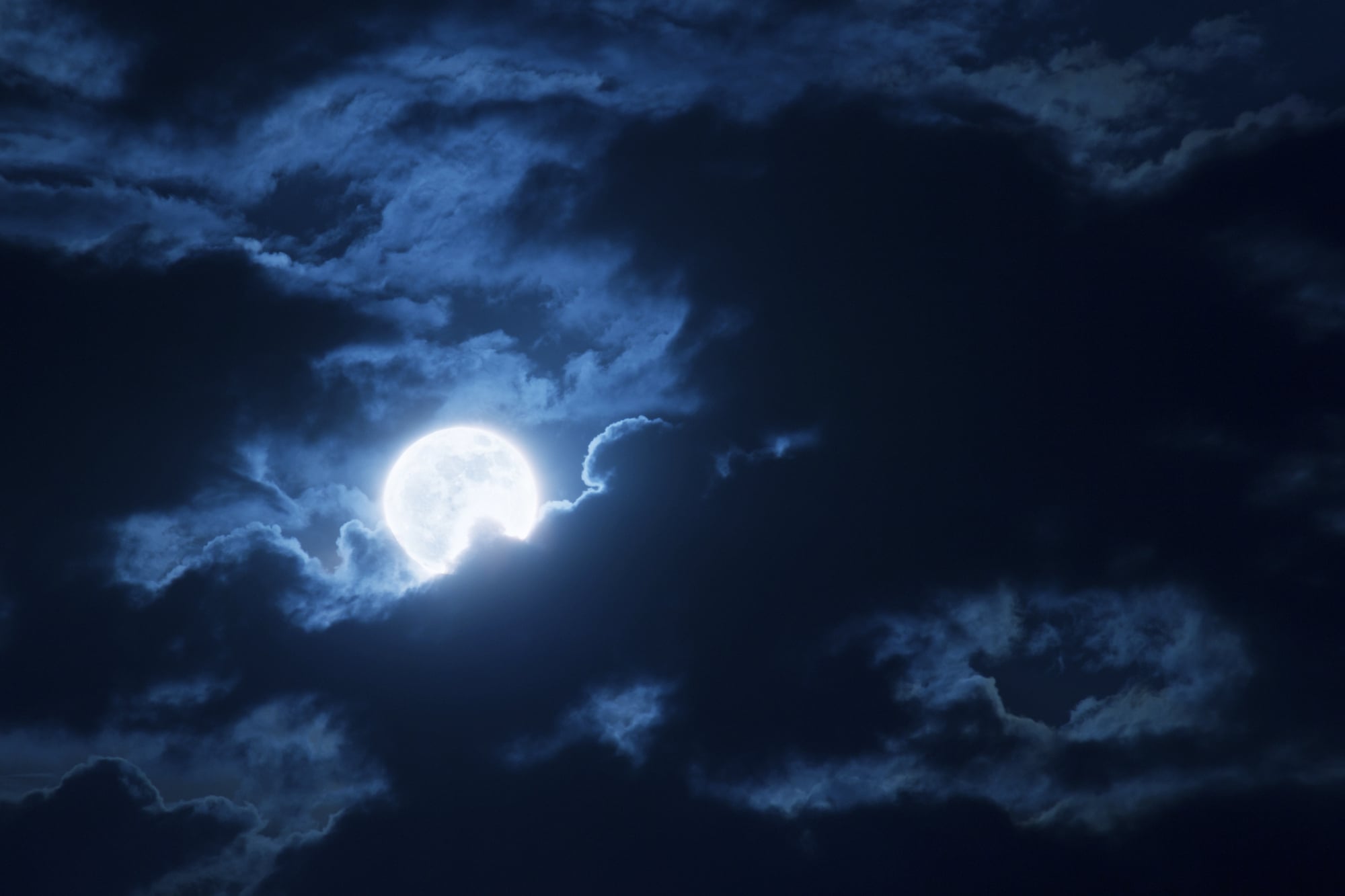
After the noise and chaos of machinery and radio chatter and rocket engines, the thing that struck almost every astronaut who walked on the lunar surface was the profound silence.
No air means no sound transmission — they could only hear each other through radio, and their own breathing and heartbeat inside their helmets.
Gene Cernan described it as the most complete silence imaginable, broken only by the sounds of their own bodies.
Standing in a place where sound has never existed, where silence isn’t just the absence of noise but the absence of the very possibility of noise, left many of them changed.
They’d traveled a quarter million miles to discover that the most alien thing about another world might be its perfect, endless quiet.
Human beings, it turns out, need more than just air and water to feel at home in the universe. They need something to listen to, even if it’s just the wind.
More from Go2Tutors!

- The Romanov Crown Jewels and Their Tragic Fate
- 13 Historical Mysteries That Science Still Can’t Solve
- Famous Hoaxes That Fooled the World for Years
- 15 Child Stars with Tragic Adult Lives
- 16 Famous Jewelry Pieces in History
Like Go2Tutors’s content? Follow us on MSN.