Strange Items Found on Desert Islands
Picture yourself walking along an isolated stretch of sand, waves lapping at your feet, when something catches your eye half-buried on the shore. Desert islands have a way of collecting the unexpected — fragments of stories carried by currents from thousands of miles away, objects that shouldn’t exist in these remote places yet somehow do.
The ocean delivers its mysteries without explanation, leaving behind puzzles that turn empty beaches into outdoor museums of the bizarre.
Message in a Bottle from 1969
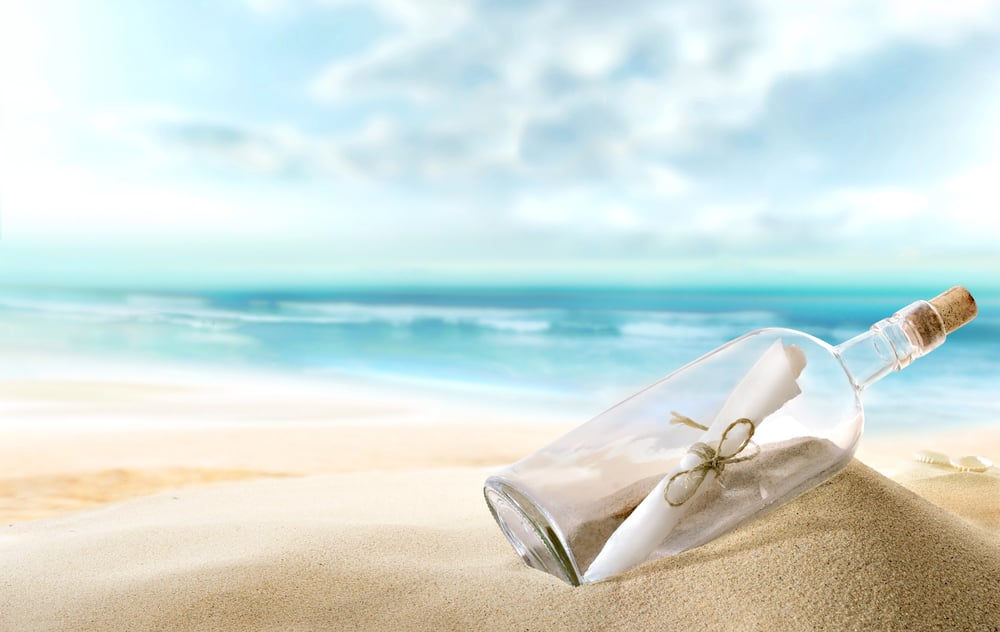
The classic castaway communication device still turns up, but the oldest ones carry weight beyond their romantic appeal. Bottles from the late 1960s have surfaced containing everything from love letters to grocery lists.
The glass weathers differently in saltwater than fresh, taking on a frosted appearance that makes the contents feel like archaeological finds.
Soviet-Era Life Vests
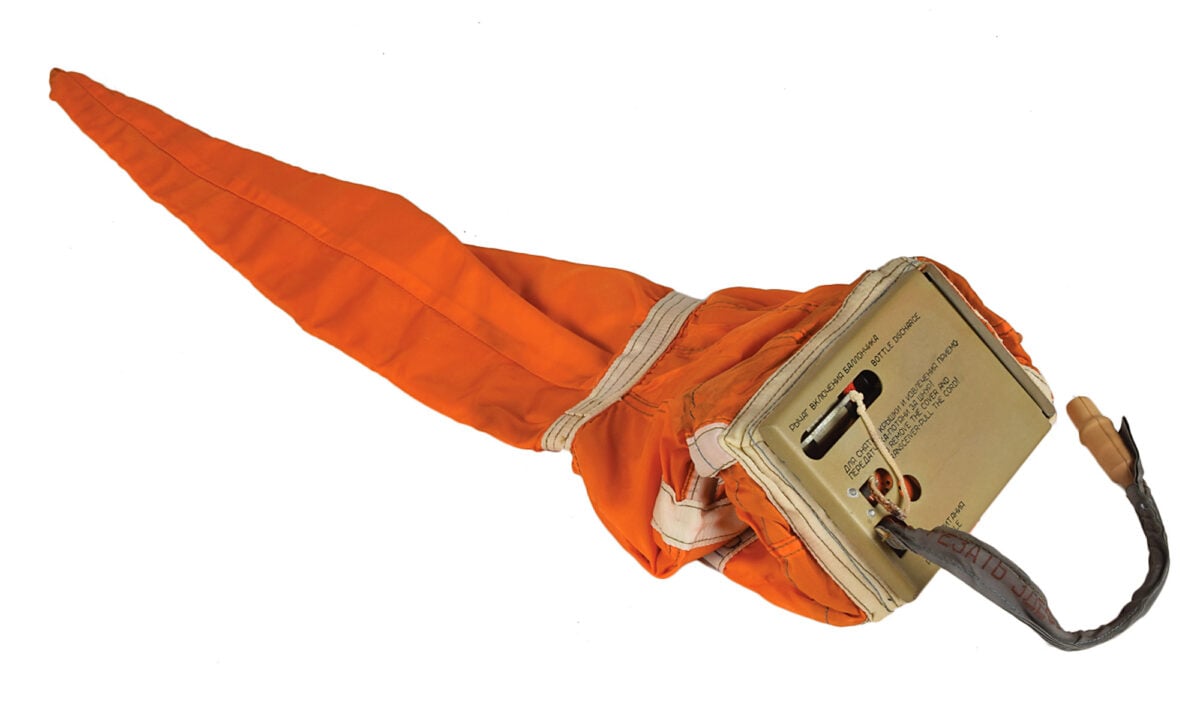
So these things drift everywhere, apparently — bulky orange contraptions with Cyrillic lettering that clearly weren’t designed for comfort (which becomes obvious the moment you realize someone actually wore one long enough to end up floating in the middle of nowhere). And the construction tells its own story: thick canvas that should have rotted decades ago but didn’t, buckles that still function despite exposure to salt and sun, inner flotation chambers that maintain buoyancy even when the outer shell looks ready to disintegrate.
But here’s what nobody mentions about finding Soviet life vests on tropical beaches: they’re almost always found in pairs, which raises questions nobody really wants to ask.
Unopened Sake Bottles
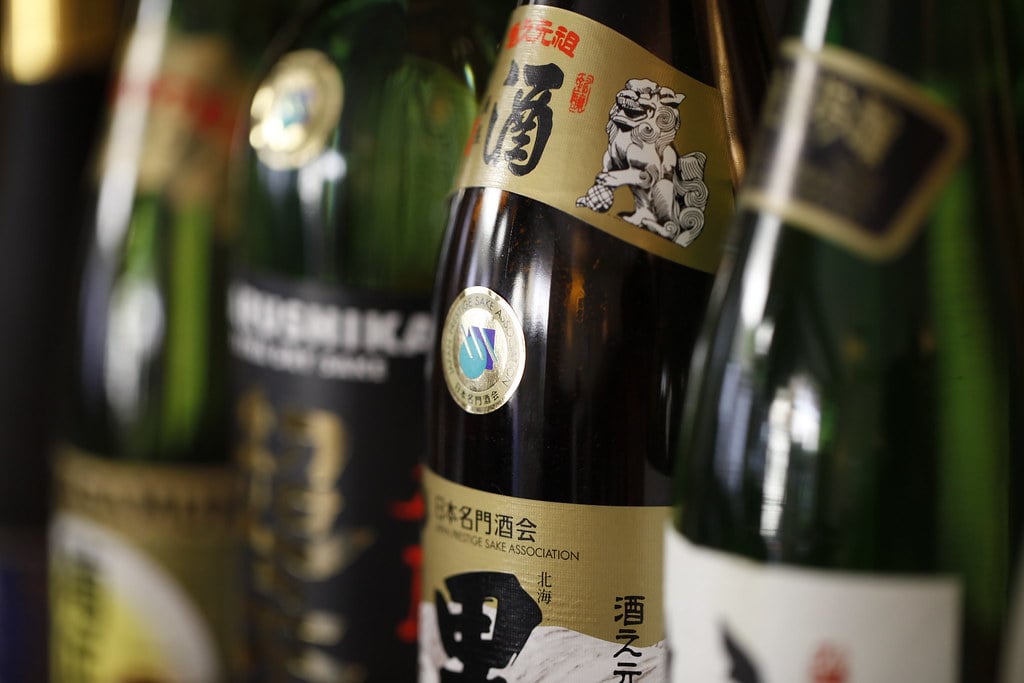
Like messages trapped in amber, these glass vessels arrive with their contents intact, labels bleached white but seals somehow holding. The liquid inside moves differently after years at sea — thicker, almost syrupy, transformed by time and temperature into something that might technically still be sake but probably shouldn’t be tested.
Each bottle represents a moment when someone either celebrated too hard or grieved too deeply to finish what they started.
The bottles themselves become small time capsules of Japanese craftsmanship from decades past. Traditional ceramic stoppers fitted so precisely that ocean water never breached the seal, even after floating through storms that would sink ships.
Perfectly Preserved Chess Sets
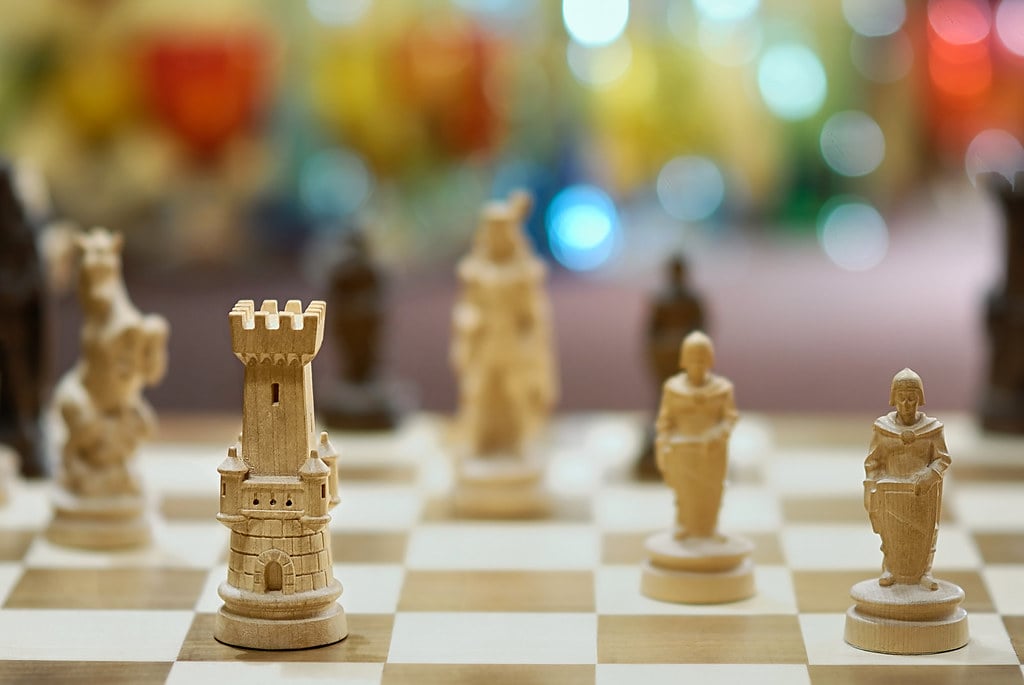
Wooden chess sets shouldn’t survive ocean voyages. The pieces should warp, split, or simply dissolve after months of saltwater exposure.
Yet they surface on remote beaches with every piece accounted for, arranged in their starting positions inside cases that somehow kept the water out.
Antique Typewriters
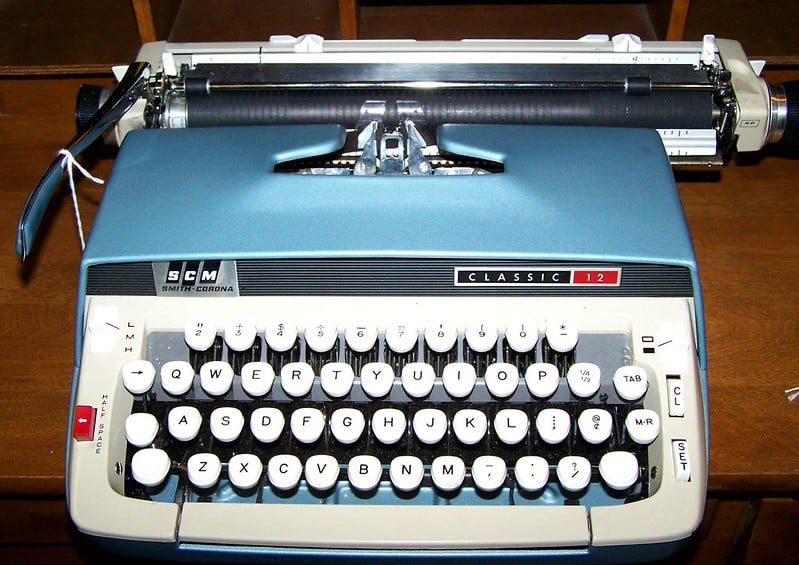
The mechanical complexity should doom them immediately — all those small moving parts, ribbons, springs, and delicate internal mechanisms exposed to corrosive salt air (not to mention whatever impact sent them into the ocean in the first place). Yet vintage Underwoods and Remingtons wash ashore looking like they just need a good cleaning and a new ribbon.
And when beachcombers test the keys, they work — every letter strikes cleanly, the return mechanism operates smoothly, the spacing remains precise. So you’re left holding a machine that should be scrap metal but types better than most modern keyboards, with no reasonable explanation for how it survived a journey that destroys steel ships.
Wedding Dresses in Vacuum-Sealed Bags
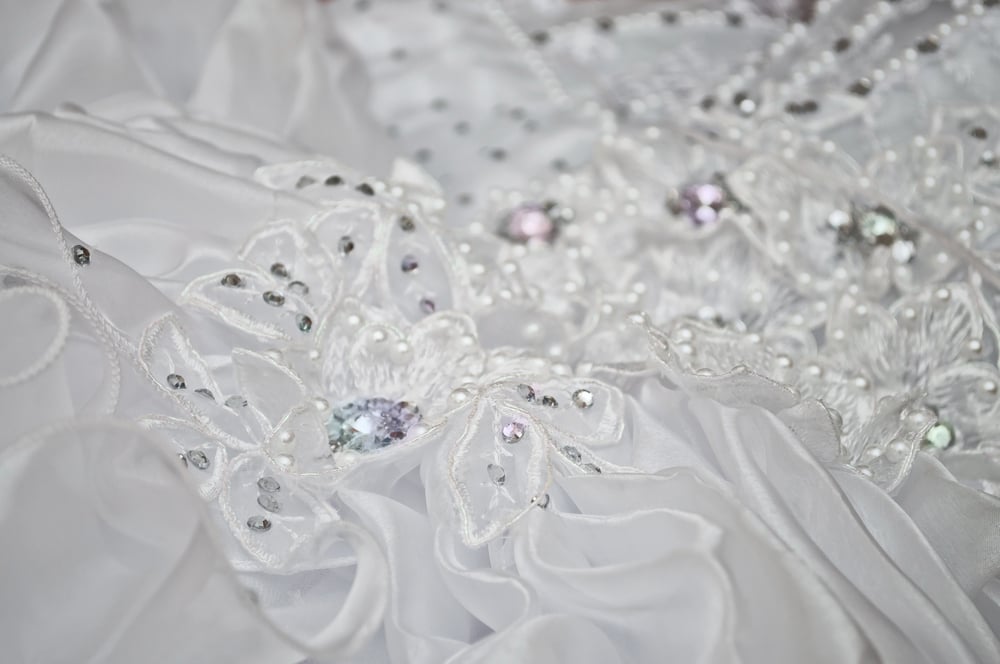
The ocean has a peculiar relationship with formal wear, especially the kind meant for life’s most significant moments. These gowns arrive in protective plastic that somehow survived puncture, pressure, and time — white silk still pristine, beading still attached, trains still flowing as designed.
The preservation suggests intention rather than accident, as if someone took great care to protect these garments before committing them to the sea.
Complete Vinyl Record Collections
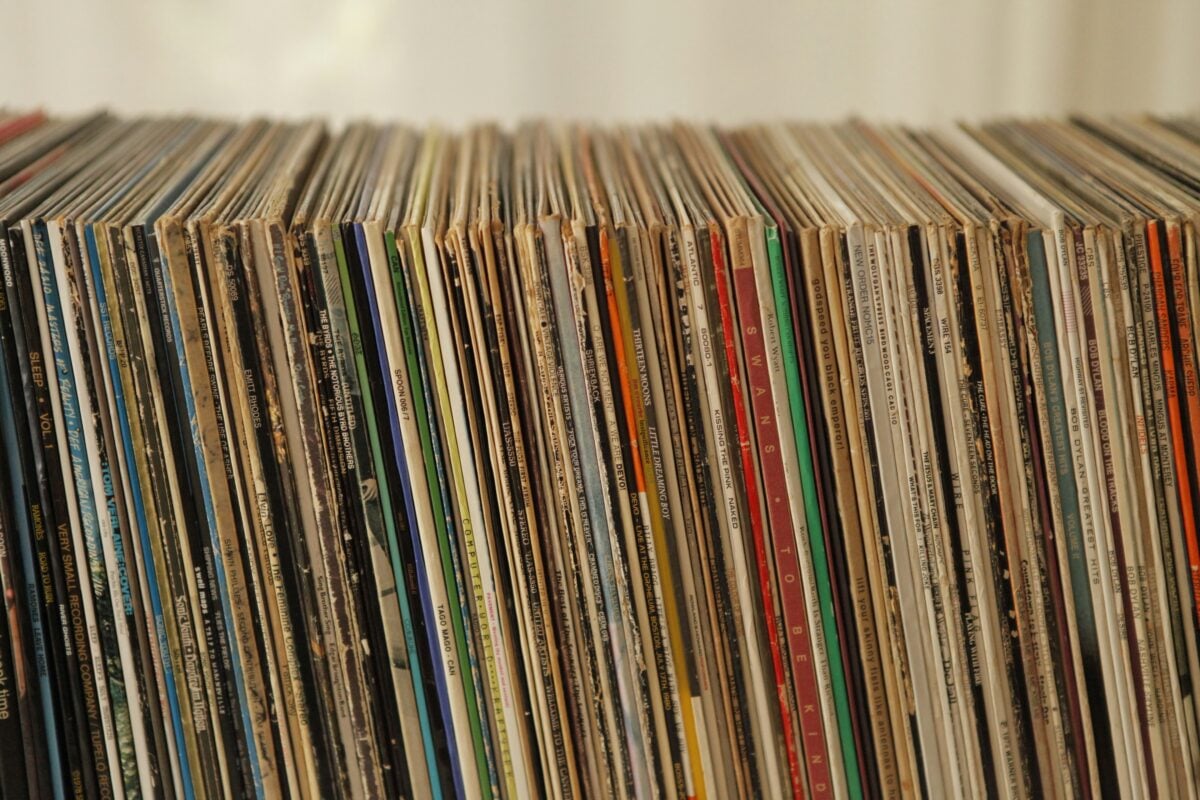
Crates of records don’t float well, which makes their beach discoveries particularly puzzling. The albums inside range from mainstream hits to obscure pressing runs, suggesting personal collections rather than commercial shipments.
Saltwater should warp vinyl beyond recognition, yet these records play without skips or distortion. The selection often tells stories — jazz collections from the 1950s, complete punk discographies from the late 1970s, classical recordings that span decades of a single orchestra’s evolution.
Handwritten Recipe Books
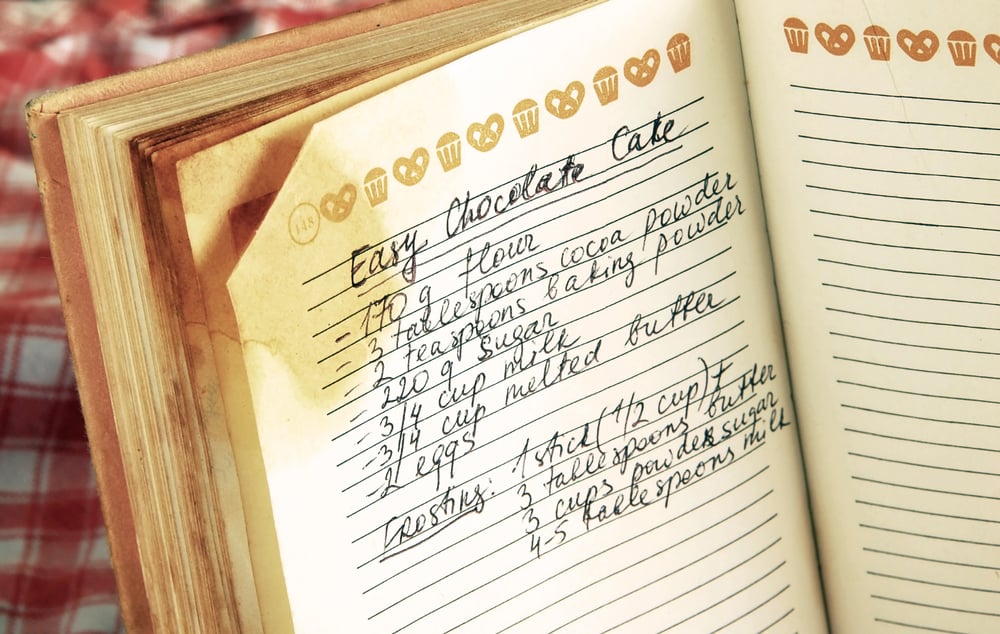
Personal recipe collections represent the most intimate kind of knowledge transfer — techniques passed between generations, margin notes in different handwriting, modifications that reflect changing tastes or ingredient availability. Finding these books on isolated beaches feels like discovering someone’s culinary DNA, preserved in waterproof containers that suggest deliberate protection rather than accidental loss.
The recipes themselves often reflect specific regional cuisines, creating cultural maps of distant places where the food mattered enough to document by hand.
Working Grandfather Clocks
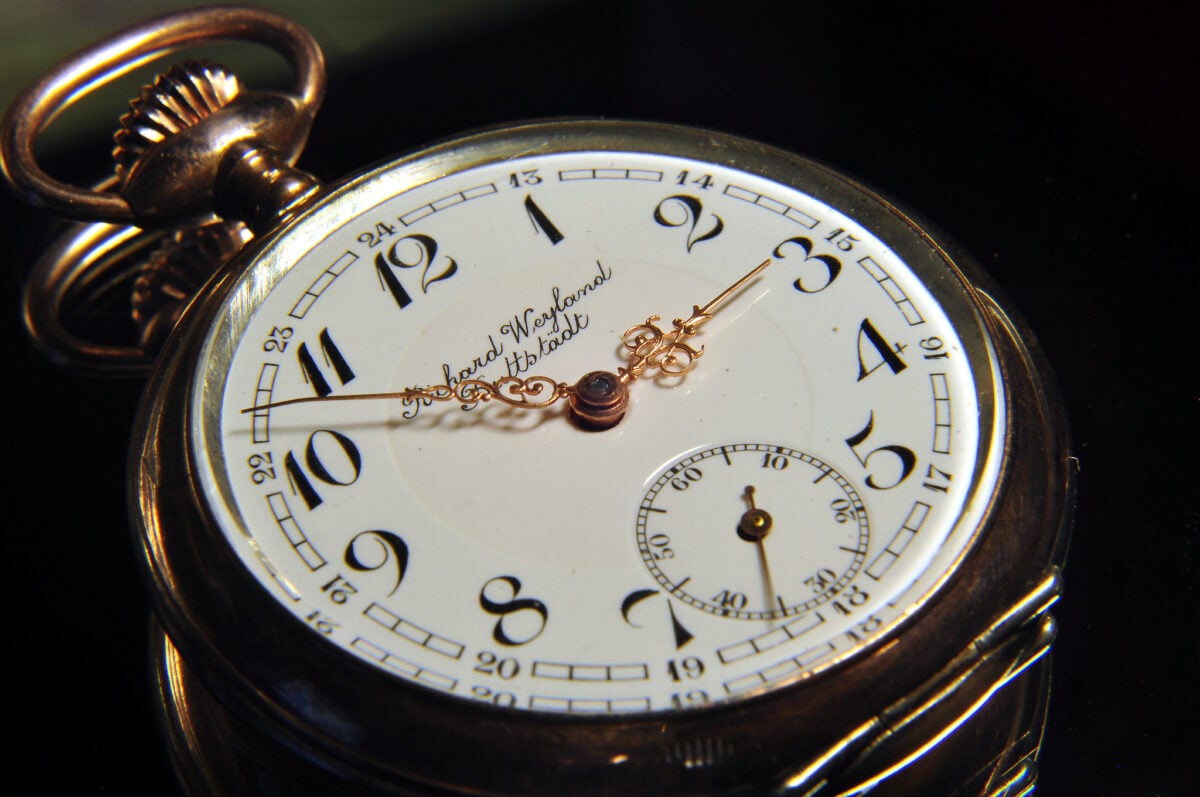
Mechanical timepieces shouldn’t survive maritime adventures. The pendulum mechanisms require precise calibration, the weights need careful balance, and saltwater destroys metal components with ruthless efficiency.
Finding functional grandfather clocks on remote beaches defies every reasonable expectation about what survives ocean transit.
Victorian Dollhouses
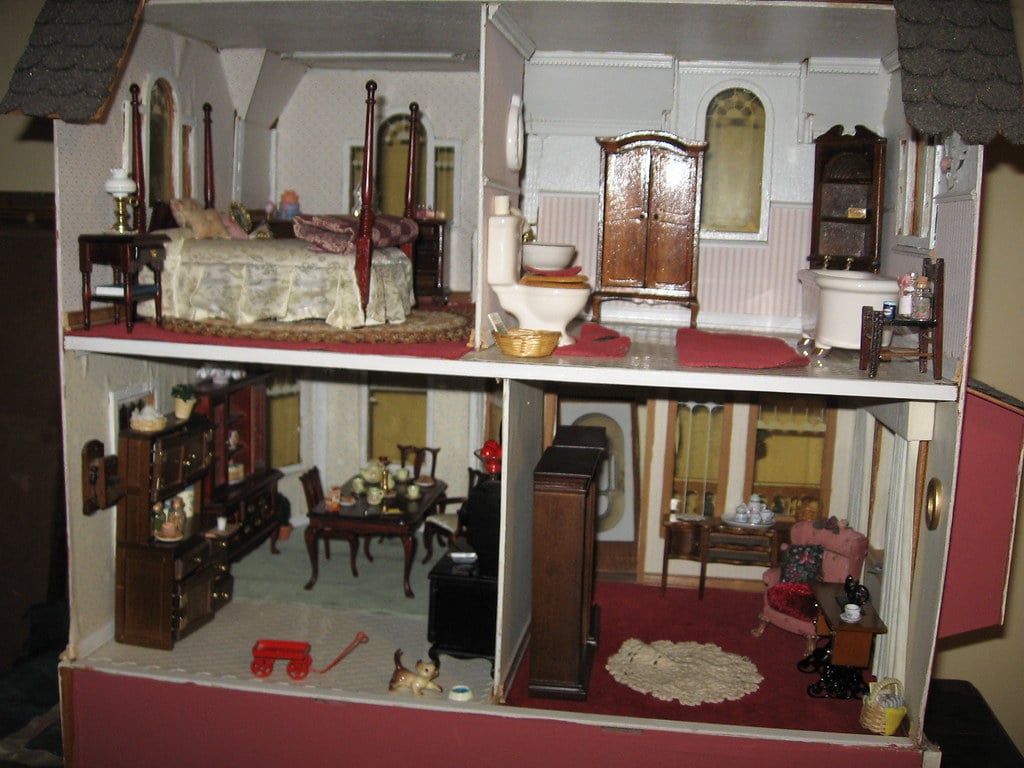
Complete miniature homes, furnished down to tiny books on microscopic shelves, surface on beaches where no children have played for decades. The detailed work remains intact — wallpaper still adhered to walls barely larger than postage stamps, miniature furniture still positioned as if the tiny residents just stepped out.
These aren’t mass-produced toys but handcrafted replicas of specific homes, suggesting they carried sentimental value that made losing them particularly painful. The craftsmanship speaks to an era when toy-making was artistry rather than manufacturing.
Sealed Champagne from Shipwrecks
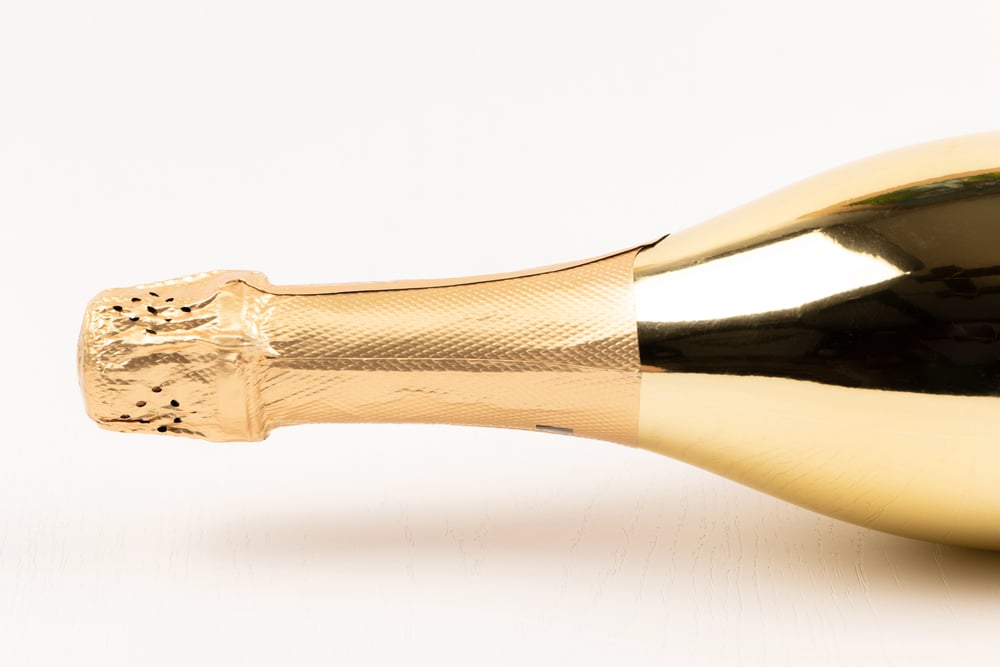
Bottles of Dom Pérignon and Krug emerge from the surf with corks still tight and contents still effervescent. The pressure inside somehow equalized with the pressure outside, allowing the champagne to age underwater without losing carbonation.
Marine archaeologists have verified that some bottles spent over a century submerged before washing ashore.
Medieval Manuscripts in Waterproof Cases

The most improbable beach discoveries involve documents that predate modern preservation techniques yet survived oceanic journeys intact. Illuminated manuscripts with gold leaf still brilliant, handwritten texts in Latin or ancient Greek, astronomical charts that accurately reflect medieval understanding of celestial mechanics — all protected by cases that shouldn’t have existed when these documents were created.
The texts often deal with navigation, medicine, or natural philosophy, suggesting they belonged to scholars whose work crossed traditional academic boundaries.
Untouched Jewelry Boxes
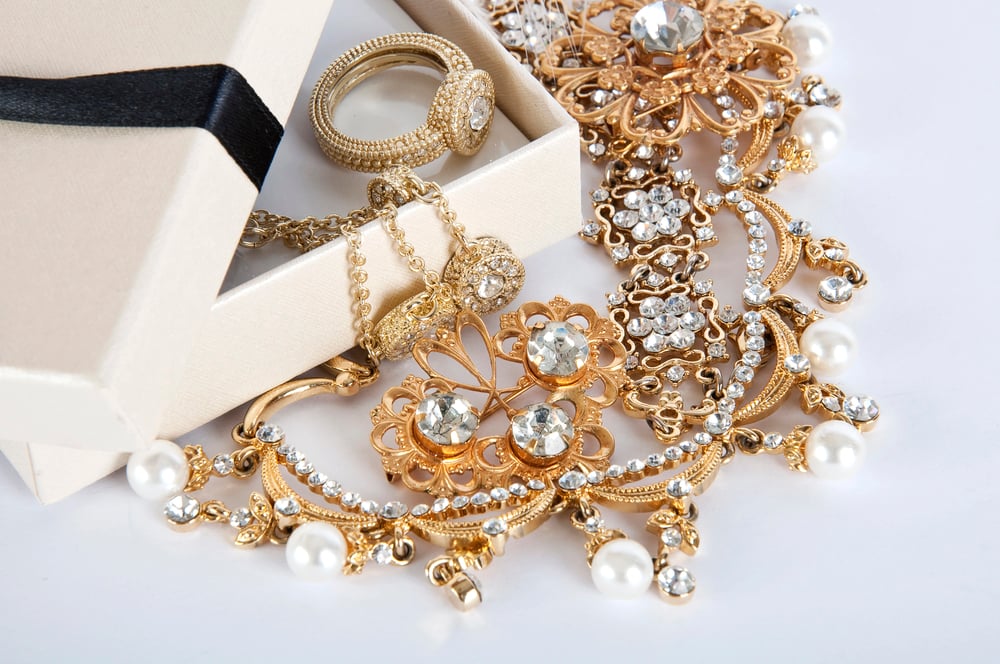
Lacquered wooden boxes wash ashore with their contents undisturbed — rings still nested in velvet slots, necklaces still draped on tiny hooks, earrings still paired in their designated compartments. The jewelry inside ranges from costume pieces to items that would draw serious attention from auction houses.
What makes these discoveries particularly haunting is the personal selection — these weren’t retail displays but curated collections that reflected specific tastes, memories, or relationships.
When the Ocean Returns What We’ve Lost
These discoveries remind anyone who finds them that the sea connects every coastline, carrying stories across distances that dwarf human comprehension. The objects themselves become evidence of lives lived fully elsewhere — celebrations that ended in loss, journeys that took unexpected turns, careful preservation efforts that succeeded beyond their creators’ wildest intentions.
Each strange item represents a moment when someone’s careful plans met forces beyond their control, yet somehow the things they valued most completed journeys they never could.
More from Go2Tutors!

- The Romanov Crown Jewels and Their Tragic Fate
- 13 Historical Mysteries That Science Still Can’t Solve
- Famous Hoaxes That Fooled the World for Years
- 15 Child Stars with Tragic Adult Lives
- 16 Famous Jewelry Pieces in History
Like Go2Tutors’s content? Follow us on MSN.