Cartoons That Were Originally Comic Strips
Before smartphones and streaming services changed how we consume entertainment, comic strips ruled the funny pages of newspapers. Families would gather around the breakfast table, flipping through the morning paper to catch up with their favorite characters.
These small panels weren’t just throwaway jokes. They created entire worlds that millions of people followed religiously, day after day, year after year.
Some of these strips became so popular that Hollywood couldn’t resist bringing them to television screens. Let’s look at the newspaper comics that made the jump from print to animation.
Peanuts
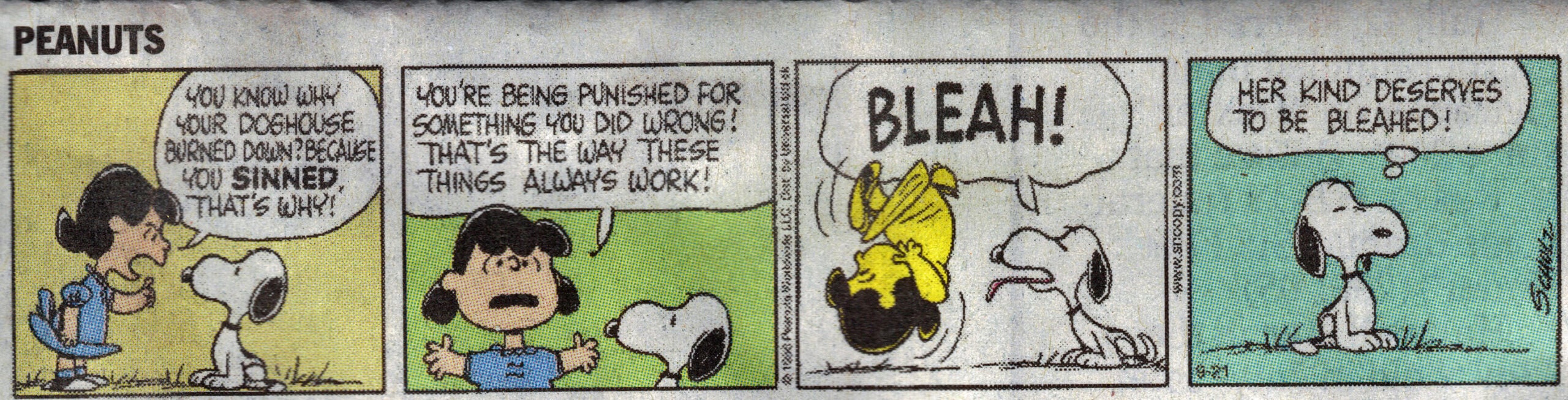
Charles Schulz created something special when he introduced Charlie Brown and his friends in 1950. The comic strip followed a group of kids dealing with everyday problems like homework, friendships, and self-doubt.
Snoopy, the imaginative beagle who thought he was a World War I flying ace, stole scenes regularly. The animated specials started appearing in 1965, with ‘A Charlie Brown Christmas’ becoming an instant classic that still airs today.
The simple animation style matched the clean lines of the original strips perfectly.
Garfield
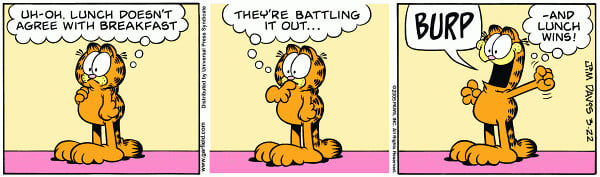
Jim Davis launched his lazy, lasagna-loving cat into newspapers in 1978. Garfield hated Mondays, tormented his owner Jon, and bullied the dog Odie without mercy.
The orange tabby’s sarcastic personality resonated with readers who saw their own Monday morning feelings reflected in his droopy eyes. Television executives greenlit ‘Garfield and Friends’ in 1988, which ran for seven seasons.
The show expanded on the comic’s humor while keeping Garfield’s signature deadpan delivery intact.
The Boondocks
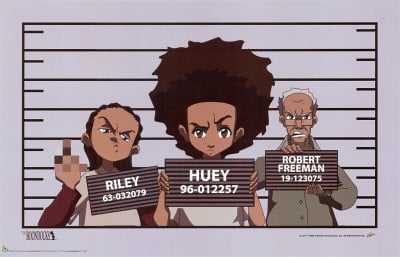
Aaron McGruder brought sharp social commentary to the funny pages in 1999 with his strip about the Freeman family. Young Huey Freeman, a politically aware kid who moved from Chicago to the suburbs, questioned everything around him.
His brother Riley embraced hip-hop culture while their grandfather tried to keep peace in the household. Adult Swim adapted the strip into an animated series in 2005, pushing boundaries with its frank discussions about race, politics, and culture.
The animation allowed McGruder to tackle topics that would have been impossible in a daily newspaper format.
Dilbert

Scott Adams created his cubicle-dwelling engineer in 1989, capturing the absurdity of office life with pinpoint accuracy. Dilbert’s pointy-haired boss became the symbol of incompetent management everywhere.
Coworkers like Wally and Alice represented different survival strategies for corporate America. The animated series premiered in 1999 and lasted two seasons, bringing the static office setting to life with voice acting that matched the characters’ personalities.
Many office workers saw their own frustrations play out in every episode.
Dennis the Menace

Hank Ketcham introduced his troublemaking five-year-old in 1951. Dennis Wilson meant well but chaos followed him everywhere he went.
His elderly neighbor Mr. Wilson became the unwilling recipient of most of Dennis’s well-intentioned disasters. The live-action series came first in 1959, but several animated versions followed over the decades.
The cartoon versions captured Dennis’s mischievous energy while toning down some of the property damage that made the comic strip so funny.
Beetle Bailey

Mort Walker created the ultimate slacker soldier in 1950. Beetle Bailey spent most of his time avoiding work, napping, and irritating Sergeant Snorkel at Camp Swampy.
The strip poked fun at military bureaucracy and the relationship between officers and enlisted men. Television adaptations appeared in the 1960s as animated shorts, though they never quite captured the comic’s perfect timing.
The simple premise worked better in the daily strip format where readers could appreciate the repetitive nature of military life.
Popeye

E.C. Segar introduced the spinach-eating sailor in his ‘Thimble Theatre’ strip back in 1929. Popeye wasn’t even the main character at first, but readers loved him so much that he took over the entire comic.
His rivalry with Bluto over Olive Oyl’s affections became legendary. The Fleischer Studios cartoons from the 1930s actually predated most people’s memories of the comic strip.
Those early animated shorts influenced how generations would remember Popeye, sometimes overshadowing the original newspaper version.
Cathy

Cathy Guisewite launched her strip in 1976, focusing on a single woman dealing with work, relationships, body image, and her mother’s opinions. The character’s struggles with dieting, dating, and shopping struck a chord with readers who recognized their own frustrations.
An animated special appeared in 1987, bringing Cathy’s internal monologues to life with voice acting. The show maintained the strip’s honest approach to women’s issues while adding movement to scenes that had previously existed only in static panels.
Blondie

Chic Young started this strip in 1930, originally focusing on flapper Blondie Boopadoop’s romance with wealthy Dagwood Bumstead. After they married and Dagwood lost his fortune, the comic shifted to domestic life and workplace humor.
Dagwood’s massive sandwiches and his conflicts with boss Mr. Dithers became recurring themes. Multiple animated adaptations appeared over the years, though the radio show from the 1940s actually achieved more success than the cartoons.
The strip’s slice-of-life humor translated better to different formats than most comics.
Hagar the Horrible
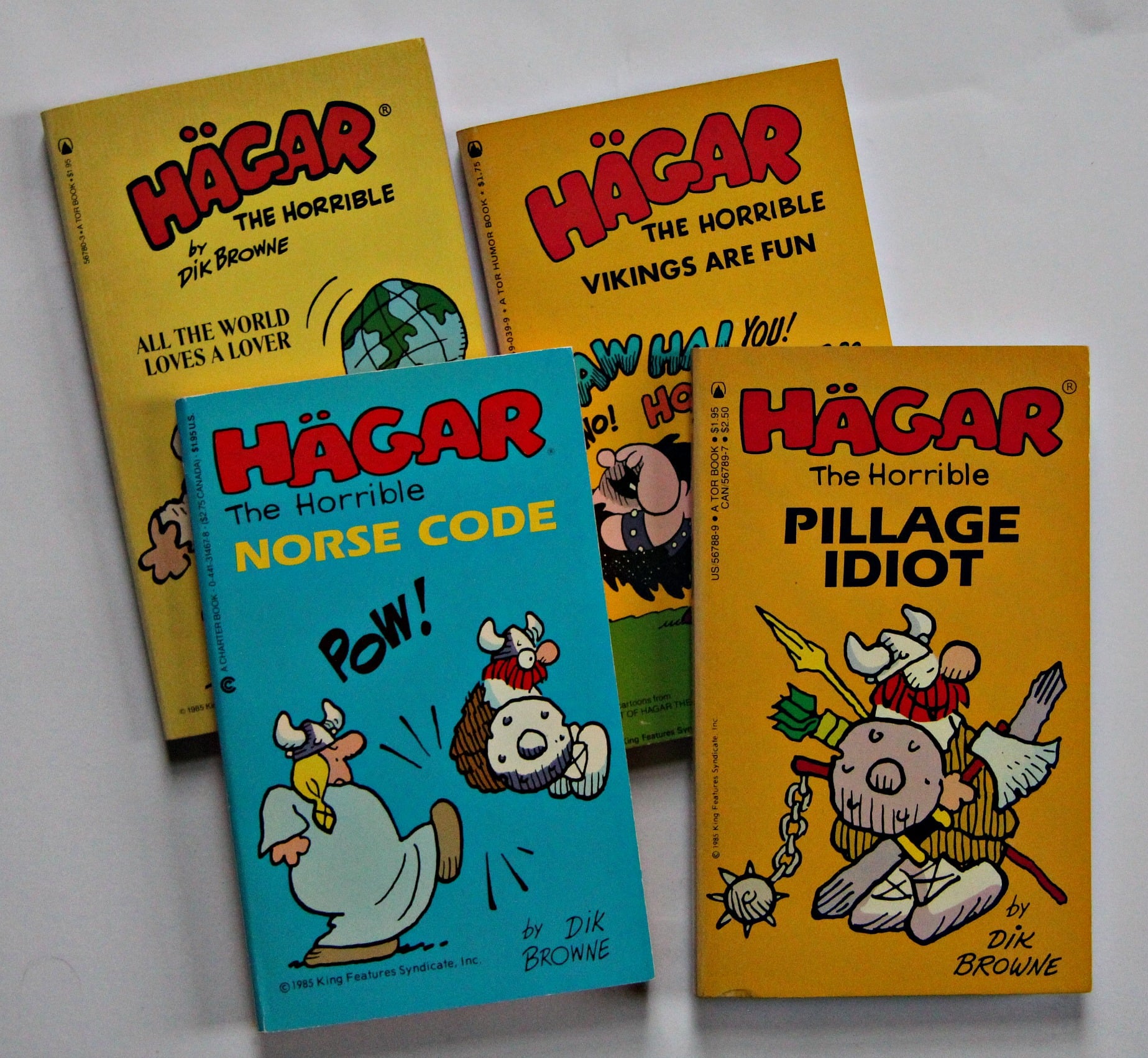
Dik Browne created his Viking warrior in 1973, putting a medieval spin on suburban family life. Hagar dealt with nagging from his wife Helga, disrespect from his kids, and the challenges of running a pillaging operation.
His tiny sidekick Lucky Eddie provided comic relief. An animated television special aired in 1989, bringing the Dark Ages to life with brighter colors than the comic strip ever used.
The show tried to make Hagar more heroic than his newspaper counterpart, who was usually portrayed as somewhat bumbling.
The Far Side

Gary Larson’s single-panel comic ran from 1980 to 1995, offering surreal humor about animals, scientists, and bizarre situations. His cows stood upright, aliens dealt with mundane problems, and cavemen faced existential crises.
Two animated specials appeared in the 1990s, attempting to add movement and stories to cartoons that worked best as standalone images. The adaptations struggled because Larson’s humor depended on that sudden punch of a single absurd moment frozen in time.
Flash Gordon

Alex Raymond launched this science fiction adventure in 1934 as a direct competitor to Buck Rogers. Flash fought the evil Emperor Ming on the planet Mongo, using more brawn than brains to save the day.
The strip featured elaborate artwork that set standards for comic illustration. Filmation produced an animated series in 1979 that simplified Raymond’s detailed style but kept the space opera drama.
The show introduced Flash to a generation that had never seen the original strips.
Marmaduke
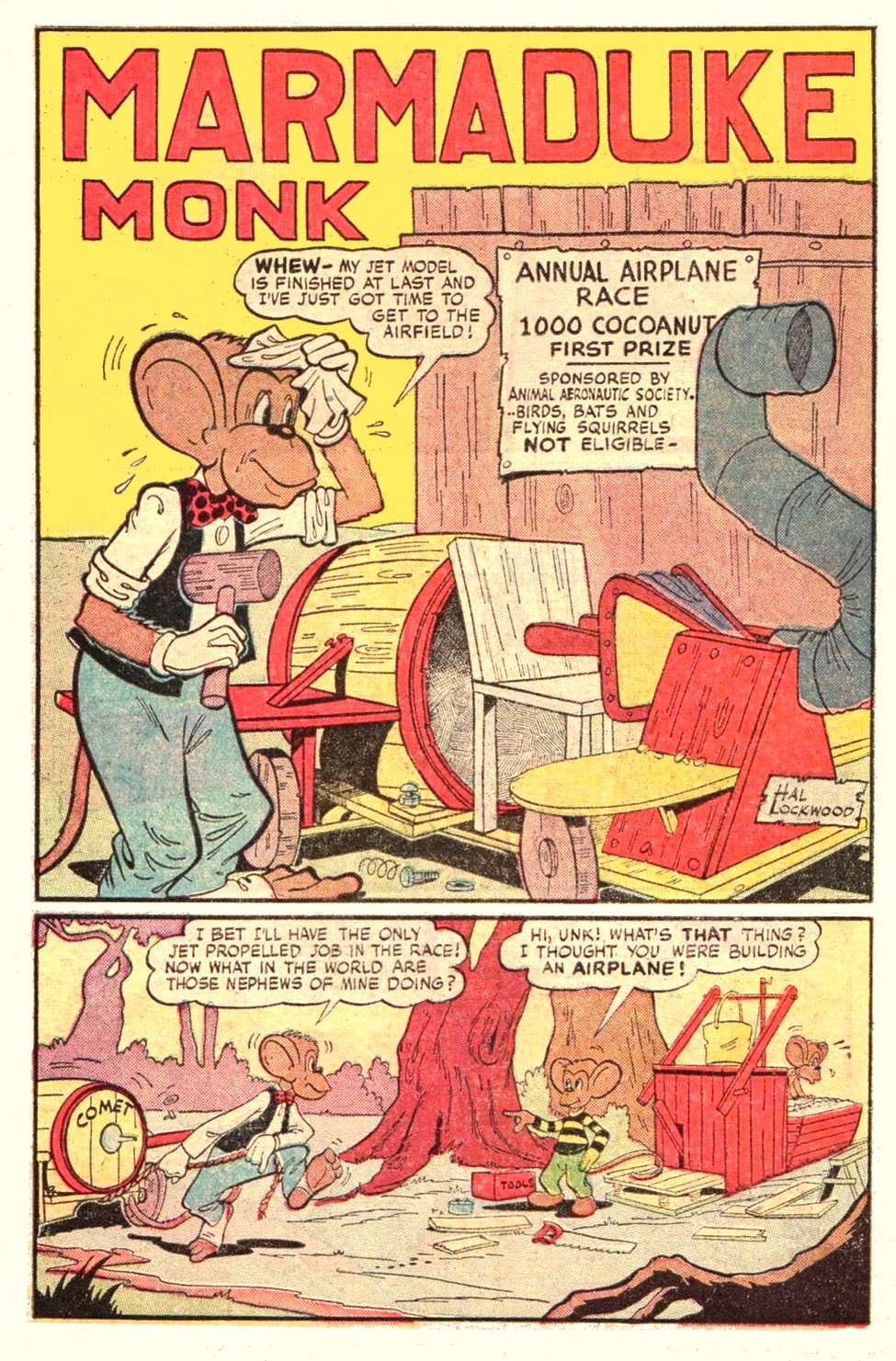
Brad Anderson created his enormous Great Dane in 1954. Marmaduke caused chaos wherever he went, smashing through houses and terrifying visitors despite his gentle nature.
The comic relied heavily on visual gags showing the damage one huge dog could inflict on suburban life. An animated series appeared in the 1980s, giving voice to a character who never spoke in the strips.
The addition of dialogue actually diminished some of the comic’s charm, which came from watching people react to Marmaduke’s silent destruction.
Little Orphan Annie
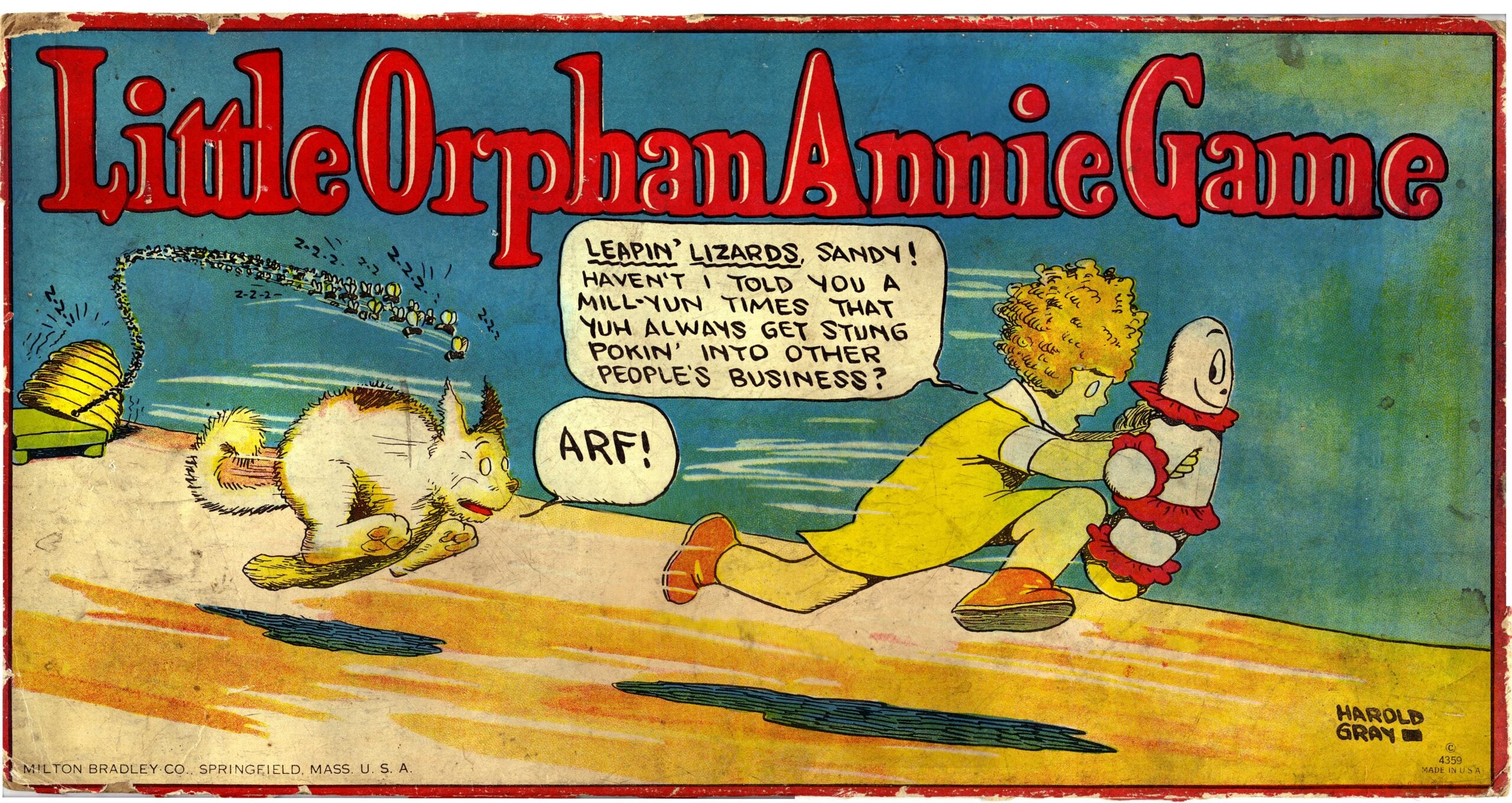
Harold Gray introduced Annie and her dog Sandy in 1924. The red-haired orphan faced hardships with optimism and grit, often getting involved in mysteries and adventures.
Her wealthy benefactor Daddy Warbucks appeared later, adding financial resources to Annie’s determination. Radio adapted the strip first in the 1930s, but animated versions followed decades later.
The musical ‘Annie’ became more famous than any of the adaptations, overshadowing Gray’s original vision of a tougher, more politically charged character.
Prince Valiant

Hal Foster created this Arthurian adventure in 1937 with artwork that looked more like oil paintings than comic strips. Prince Valiant traveled through medieval Europe having noble adventures and romantic encounters.
The detailed illustrations made each Sunday strip a visual feast. Several animated adaptations tried to capture Foster’s epic scope, but television budgets couldn’t match the grandeur of his original artwork.
The comic worked better as a static medium where readers could study the intricate details.
Calvin and Hobbes

Bill Watterson introduced his philosophical six-year-old and his stuffed tiger in 1985. Calvin saw Hobbes as a living, talking companion while everyone else saw a toy.
The strip explored imagination, childhood wonder, and surprisingly deep questions about life. Watterson famously refused all requests to animate his creation, believing that movement would ruin the magic of the comic.
No official cartoon ever appeared, though fan-made animations populate the internet. His decision preserved the strip’s integrity but denied a generation the chance to hear Calvin and Hobbes speak.
B.C.
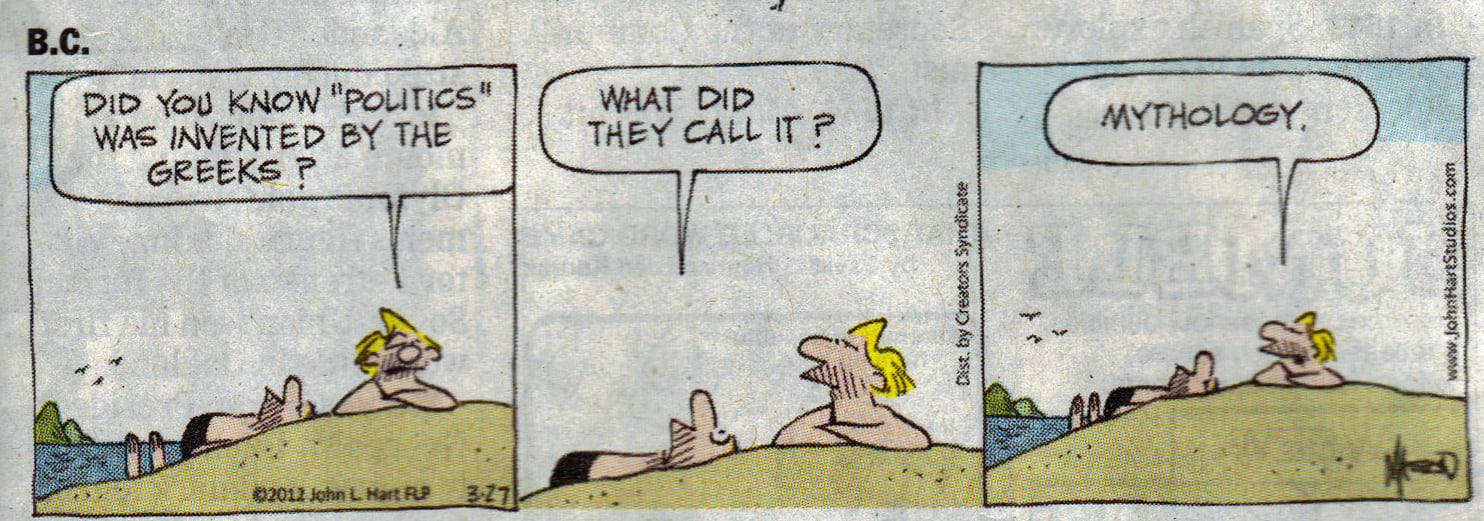
Back in 1958, Johnny Hart started a comic about cavepeople dealing with today’s issues. Life in the Stone Age didn’t stop them from stressing over love, beliefs, or little everyday frustrations.
Oddly enough, creatures who could speak brought extra silliness to the scenes. Tools from far too late in history popped up now and then, making things even stranger.
By the 1970s, cartoons based on it began showing up, usually tied to holidays. Those versions focused more on spiritual meanings, shifting from the straightforward jokes found at first.
How These Strips Shaped Entertainment
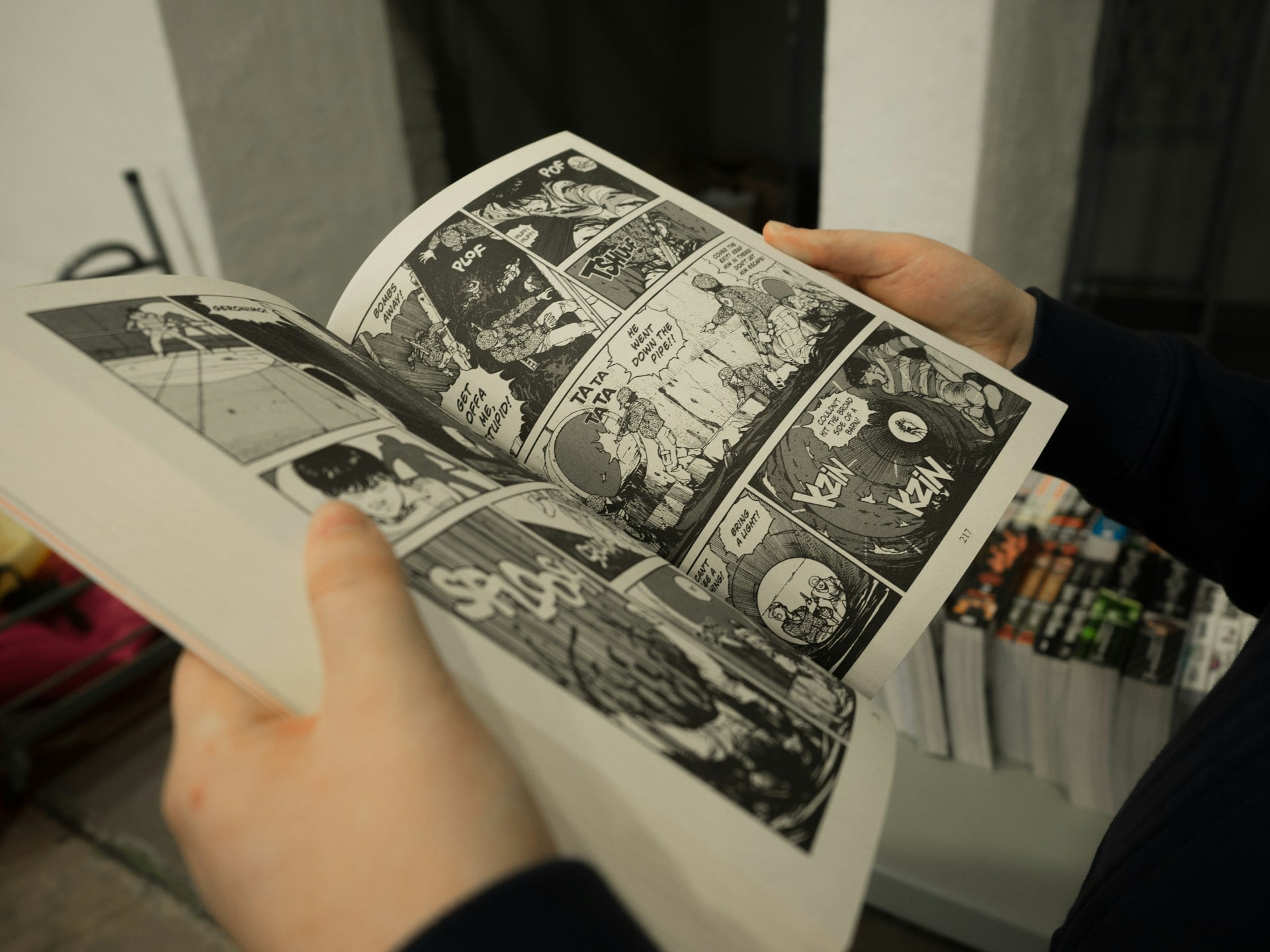
Switching from paper to pixel shifted how folks met these characters. Yet some found fresh fans unaware they began in ink, even as others shed the hush that once set them apart on newsprint.
Screens push rhythm and punchlines harder than dailies, built on sudden giggles. Top versions saw motion wasn’t enough – what mattered lived in the spirit, the pause before laughter, the reason readers turned to funnies each morning without fail.
More from Go2Tutors!

- The Romanov Crown Jewels and Their Tragic Fate
- 13 Historical Mysteries That Science Still Can’t Solve
- Famous Hoaxes That Fooled the World for Years
- 15 Child Stars with Tragic Adult Lives
- 16 Famous Jewelry Pieces in History
Like Go2Tutors’s content? Follow us on MSN.