16 Traditional Martial Arts from Around the World
Behind every martial art lies centuries of cultural wisdom, battlefield necessity, and human ingenuity passed down through generations of masters and students. What began as survival skills in ancient civilizations has evolved into sophisticated fighting systems that embody entire philosophies of life, death, and everything in between.
Here’s a comprehensive list of 16 traditional martial arts from across the globe that showcase the incredible diversity of human combat knowledge and spiritual practice.
Karate
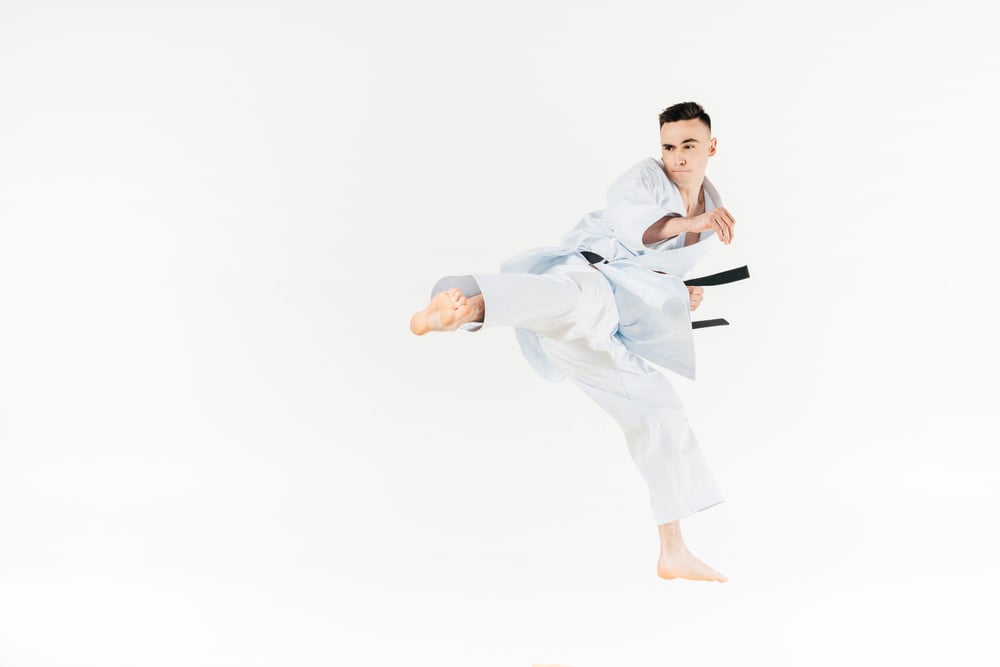
Japan’s most famous export to the martial arts world actually originated in Okinawa. Karate emphasizes linear movements, powerful strikes, and rigid stances that can generate devastating force from seemingly simple motions.
The word itself means “empty hand.” Nothing is empty about the discipline required to master it, though. Traditional karate training involves hours of repetitive kata practice, conditioning exercises that would make athletes cringe, and meditation that’s just as important as the physical techniques.
Kung Fu
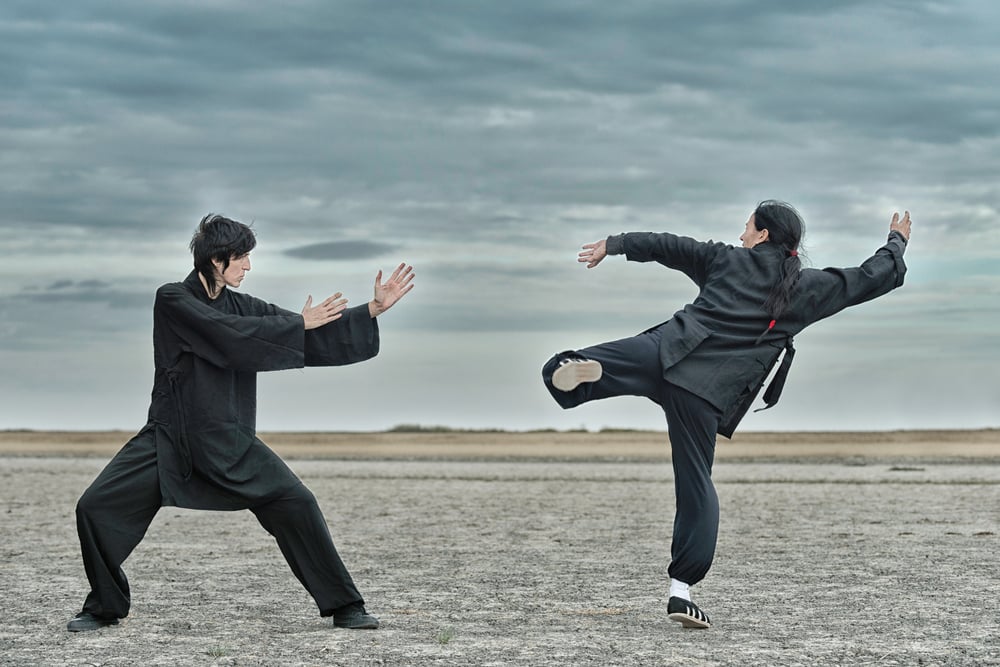
China’s martial arts umbrella covers hundreds of distinct styles, each with its own philosophy and approach to combat. Some mimic animal movements, others focus on internal energy cultivation, and the diversity can be overwhelming for newcomers trying to choose a path.
The Shaolin Temple remains kung fu’s spiritual heart. Monks there have practiced martial arts for over 1,500 years. And the training is legendary—students spend years perfecting basic stances before learning their first fighting technique.
Muay Thai
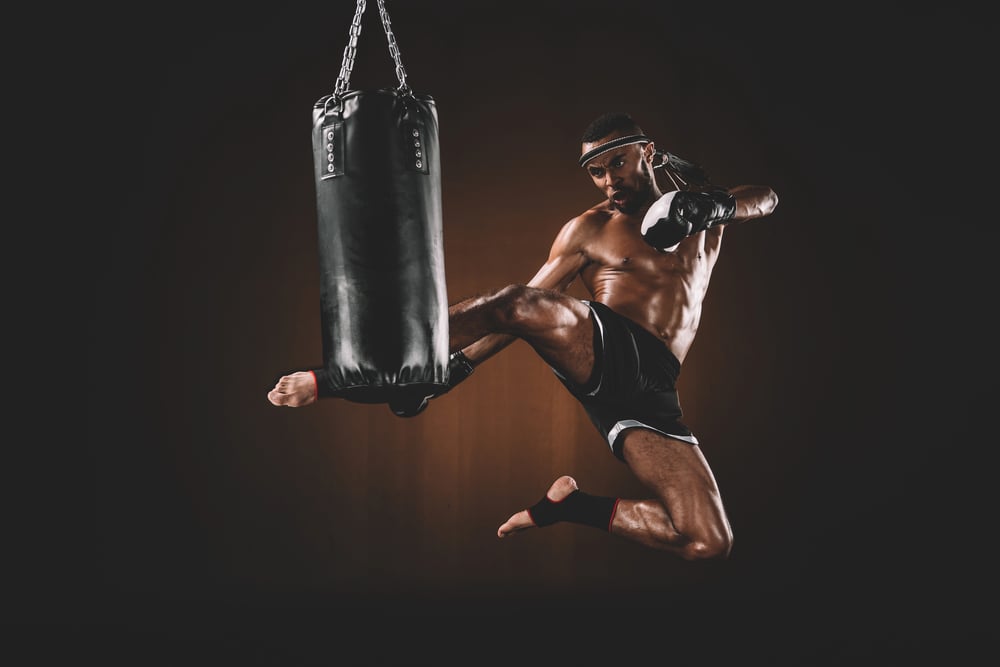
Thailand’s national sport earned its reputation as “the art of eight limbs” by incorporating fists, elbows, knees, and shins into a devastatingly effective striking system. Traditional Muay Thai fighters begin training as children, developing the bone conditioning that allows them to kick through baseball bats.
The pre-fight ritual dance called ram muay honors teachers and ancestors. Sacred armbands called prajioud are worn during competition. This isn’t just fighting—it’s a cultural ceremony wrapped in athletic competition.
Taekwondo
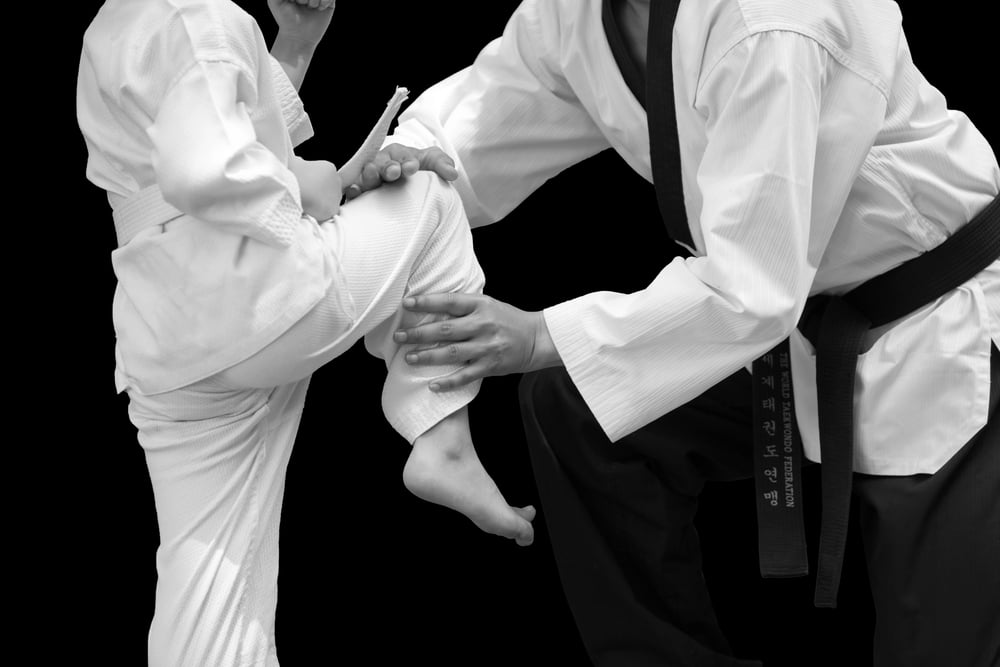
Korea’s gift to the martial arts world emphasizes high kicks, jumping techniques, and lightning-fast footwork. Olympic Taekwondo has made the art globally recognizable, but traditional forms retain much deeper philosophical elements that casual observers rarely appreciate.
The kicks are spectacular. Head-high techniques that seem impossible become routine with proper flexibility training. Still, the mental discipline required often proves more challenging than the physical demands.
Jujitsu

Japan’s “gentle art” proves that technique can overcome brute strength through leverage, timing, and an understanding of human anatomy. Traditional jujitsu taught samurai how to fight when disarmed, using throws, joint locks, and submissions to defeat armored opponents who outweighed them significantly.
Gentle doesn’t mean easy, though. Joint manipulation techniques can permanently disable attackers, and the throwing methods can render opponents unconscious in seconds.
Capoeira
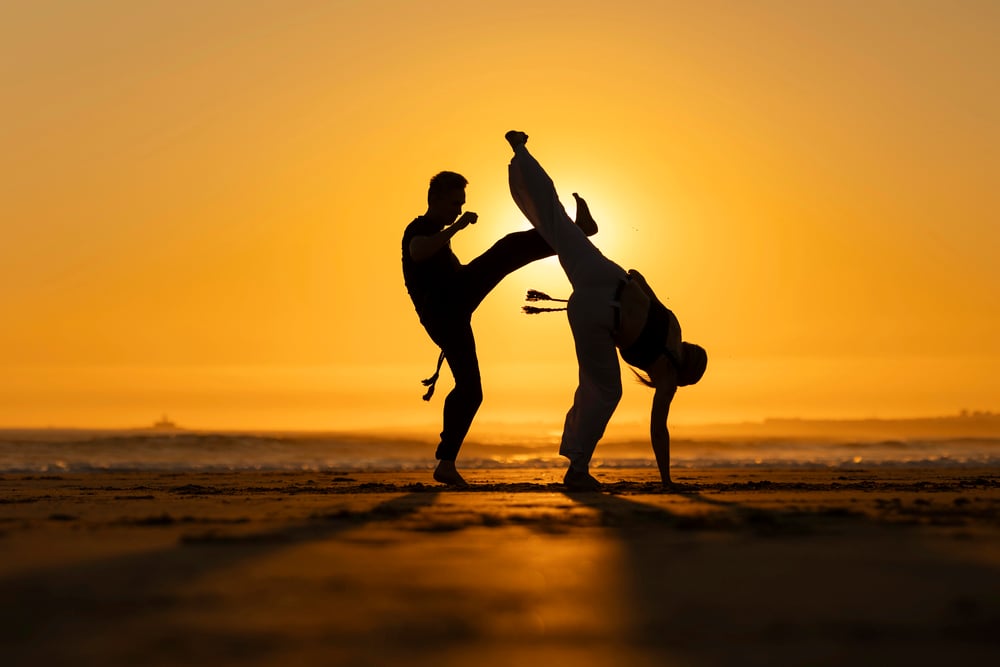
Brazil’s acrobatic martial art disguised itself as dance during slavery, allowing practitioners to train combat skills while appearing to perform cultural entertainment. The movements flow like a deadly ballet, combining kicks, sweeps, and dodges with musical accompaniment that makes training feel more like celebration than preparation for combat.
The berimbau’s distinctive twang sets the rhythm for every capoeira roda. Players enter the circle not knowing if they’ll face a friendly game or serious combat. That uncertainty keeps everyone honest.
Aikido
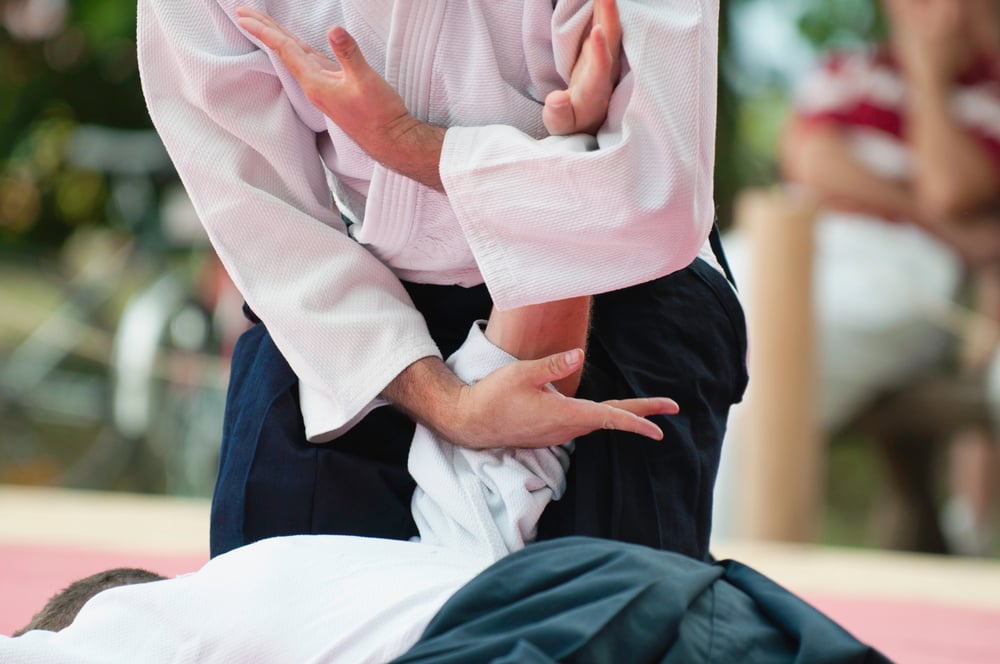
This Japanese art focuses on redirecting an attacker’s energy rather than meeting force with force. Aikido practitioners learn to blend with incoming attacks, using circular movements and precise timing to neutralize threats without causing unnecessary harm.
The philosophy emphasizes harmony and peaceful resolution. Even so, the techniques remain devastatingly effective—capable of dropping attackers without throwing a single strike.
Krav Maga
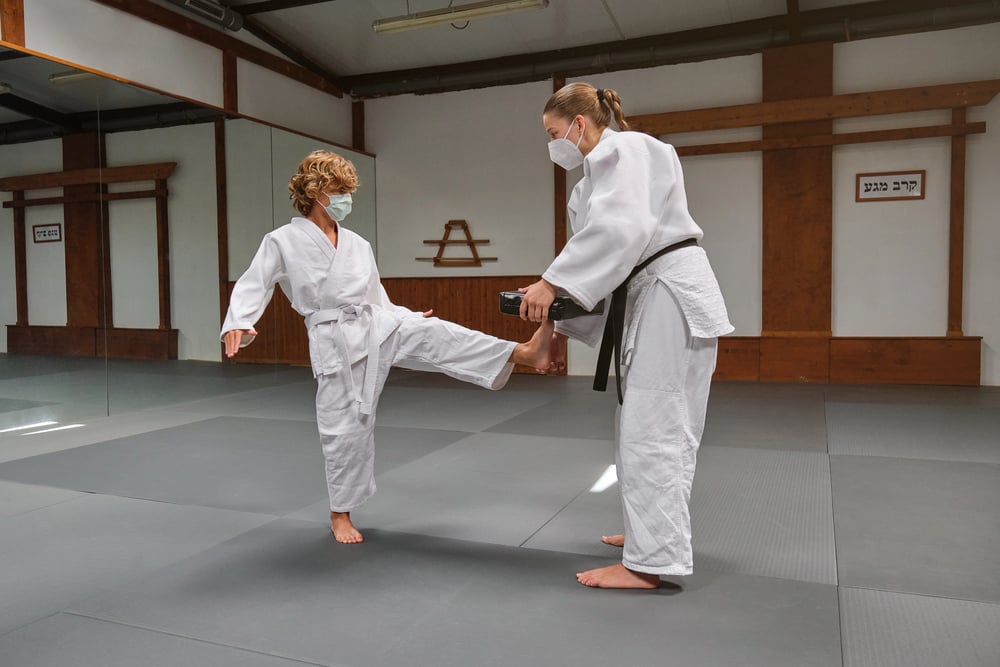
Israel’s military developed this system for real-world combat situations where rules don’t exist and survival is the only goal. Krav Maga combines techniques from boxing, wrestling, judo, and street fighting into a brutally efficient self-defense system.
Training scenarios include multiple attackers, weapon threats, and confined spaces. Nothing fancy here. Just whatever works when your life depends on it.
Wing Chun
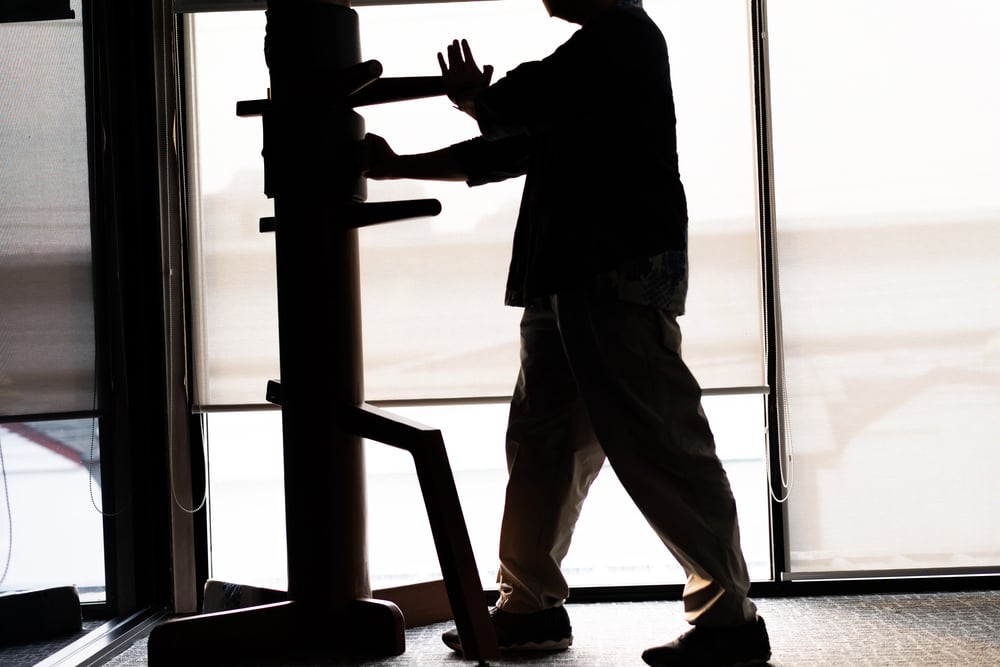
This Chinese martial art became internationally famous through Bruce Lee, but its origins trace back to a Buddhist nun who developed efficient fighting techniques for smaller practitioners. Wing Chun emphasizes:
- Close-range combat
- Simultaneous attack and defense
- Economy of motion
- Centerline theory
- Sensitivity training through chi sau practice
The wooden dummy training remains essential for developing proper technique and conditioning.
Southeast Asia’s indigenous martial arts encompass dozens of styles across Indonesia, Malaysia, and surrounding regions. Silat incorporates weapons training alongside empty-hand techniques, with movements that flow between standing and ground fighting in ways that can confuse opponents accustomed to more linear martial arts.
Silat
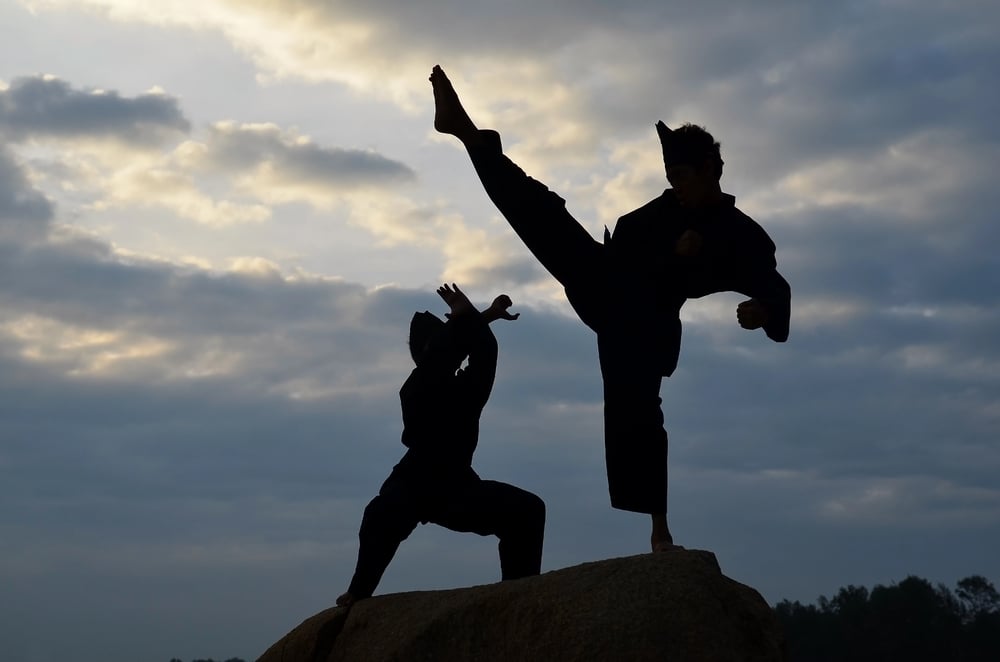
Traditional silat often includes mystical elements—practitioners believe certain techniques can only be mastered through spiritual development. The training grounds smell of incense and tropical flowers, adding an otherworldly atmosphere to already mysterious arts.
Savate
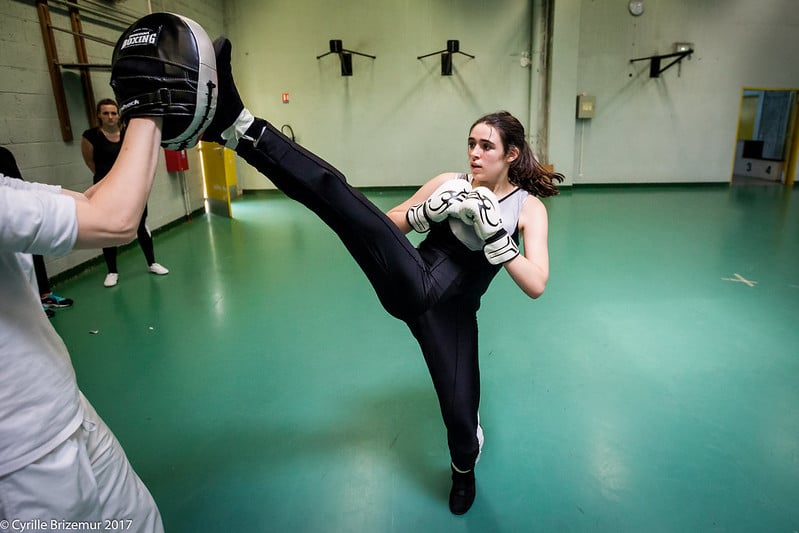
France’s “noble art” of foot fighting developed among sailors and street fighters in port cities. Savate practitioners wear special shoes and use only kicks below the belt, combined with boxing punches above the waist.
The elegant footwork resembles fencing more than typical martial arts. Savateurs pride themselves on technical precision and strategic thinking rather than raw power.
Escrima
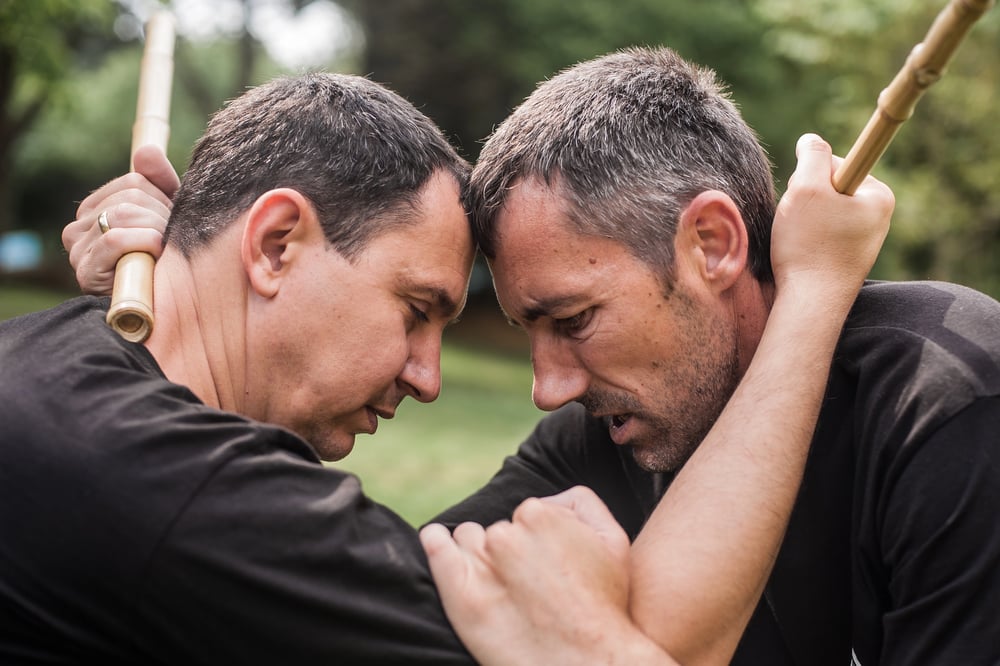
The Philippines’ blade and stick fighting arts emerged from centuries of tribal warfare and Spanish colonization. Escrima practitioners train with rattan sticks, knives, and improvised weapons, developing reflexes that work with any object they might grab in a real confrontation.
And the speed is incredible. Advanced practitioners can deliver dozens of strikes in seconds, creating defensive patterns that seem impenetrable to untrained eyes.
Systema
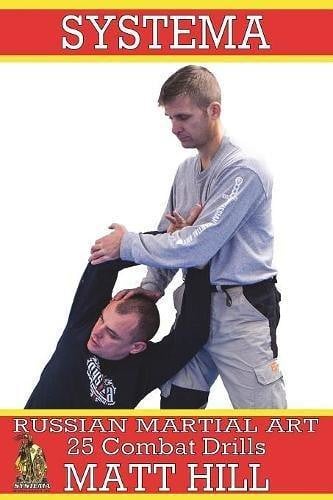
Russia’s martial art emphasizes natural movement, breathing, and psychological control under pressure. Systema practitioners learn to absorb strikes without rigid blocking, using relaxation and proper body mechanics to neutralize attacks.
The training looks deceptively simple—no fancy uniforms or formal techniques. But the effectiveness speaks for itself in military and law enforcement applications worldwide. Results matter more than appearances.
Hapkido
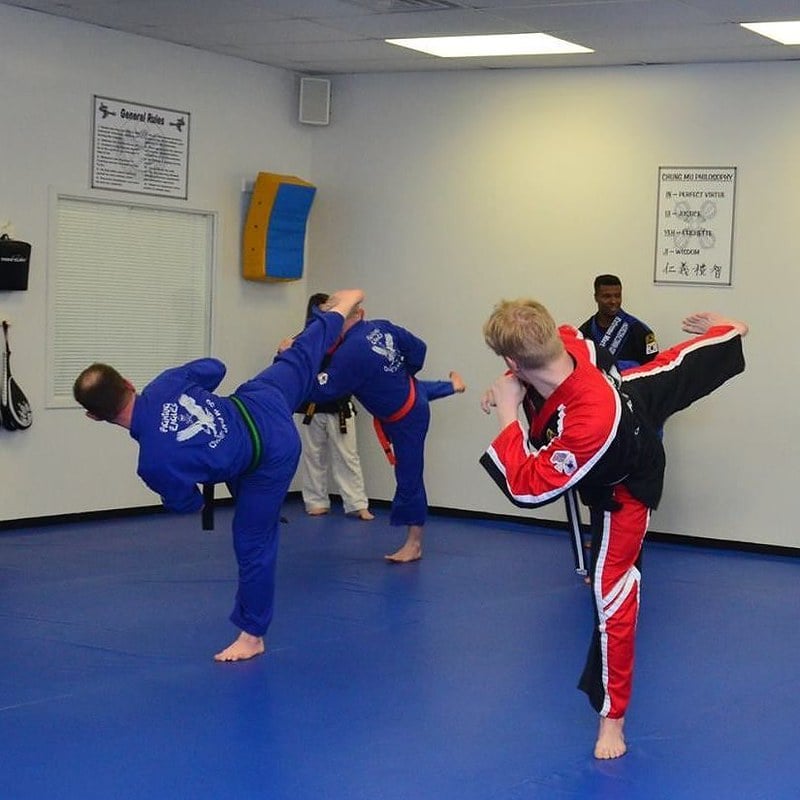
Korea’s comprehensive martial art combines striking, throwing, and joint manipulation into a well-rounded self-defense system. Hapkido practitioners learn to redirect incoming force while simultaneously counterattacking, making it particularly effective against larger opponents.
The circular movements require years to master properly. Students often spend months learning how to fall safely before progressing to throwing techniques.
Pencak Silat
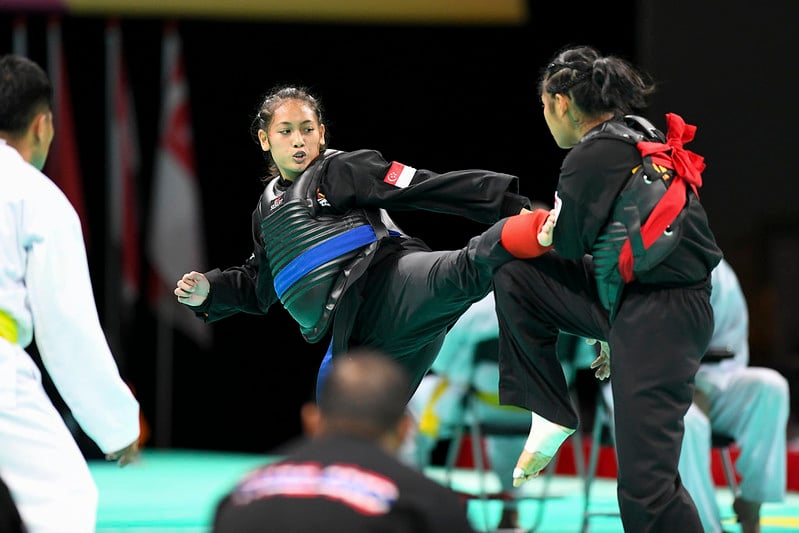
Indonesia’s national martial art encompasses hundreds of regional styles, each reflecting local culture and fighting needs. Pencak Silat includes ritual performances alongside practical combat applications, with movements that tell stories while teaching deadly techniques.
The diversity is staggering—mountain styles differ completely from coastal techniques, and each Indonesian island has developed its own interpretations.
Jeet Kune Do
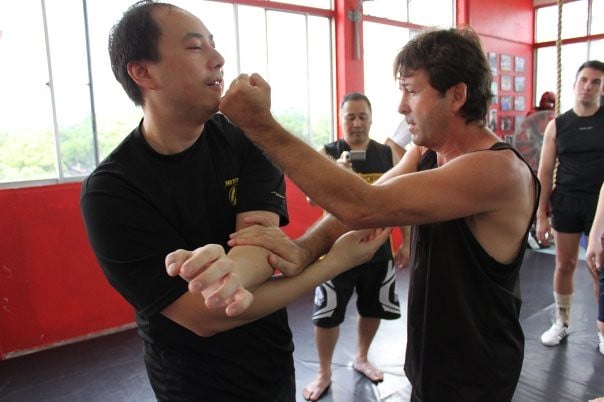
Bruce Lee’s philosophy-turned-martial art emphasizes adaptability, directness, and personal expression over rigid technique memorization. JKD practitioners study multiple fighting systems, absorbing what works while discarding ineffective methods.
“Be like water,” Lee famously advised. The art continues evolving as practitioners adapt to new challenges and fight innovations.
The Universal Language of Combat
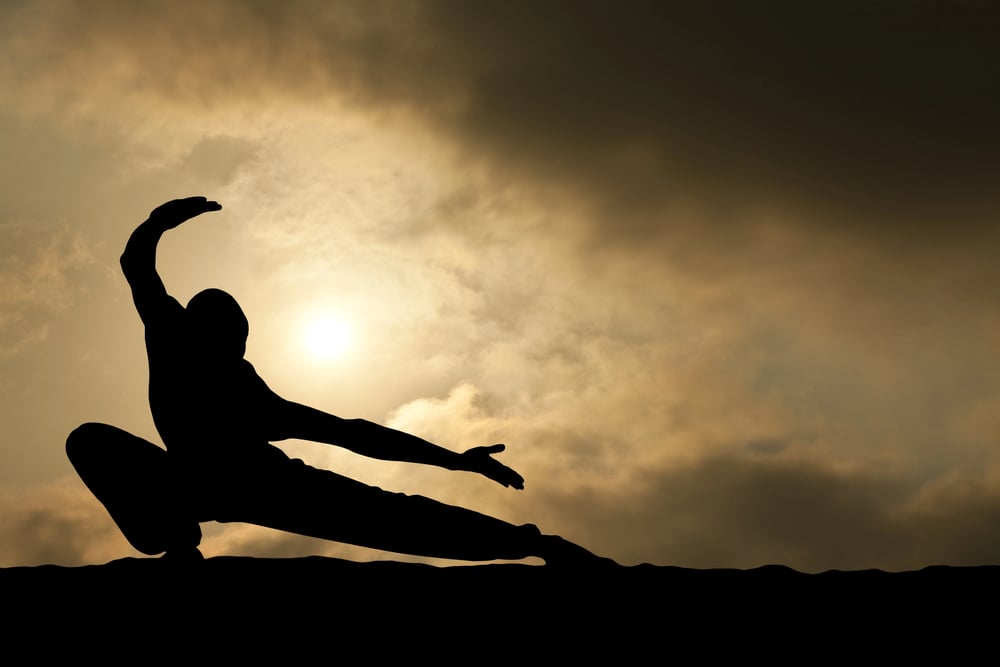
These martial arts represent humanity’s endless creativity in developing both physical and spiritual disciplines that transcend mere fighting techniques. Each system carries within it the wisdom of countless generations who understood that true martial arts training transforms not just the body, but the mind and spirit of those dedicated enough to walk the warrior’s path.
More from Go2Tutors!

- 16 Historical Figures Who Were Nothing Like You Think
- 12 Things Sold in the 80s That Are Now Illegal
- 15 VHS Tapes That Could Be Worth Thousands
- 17 Historical “What Ifs” That Would Have Changed Everything
- 18 TV Shows That Vanished Without a Finale
Like Go2Tutors’s content? Follow us on MSN.