28 Fast Food Items Pulled Without Explanation
Menu boards look permanent right up until the day they change. A regular orders their usual, gets a blank stare from the register, and learns secondhand that the item has been gone for weeks.
No press release, no farewell tour, just an absence where a favorite used to be. Fast food chains rarely explain these decisions to the people who actually order the food. Supply costs, franchise votes, and quiet test-market failures happen behind the counter, and customers are left to guess.
The following items disappeared with little or no warning, and in most cases the companies involved never gave a clear reason why.
Taco Bell’s Original Mexican Pizza
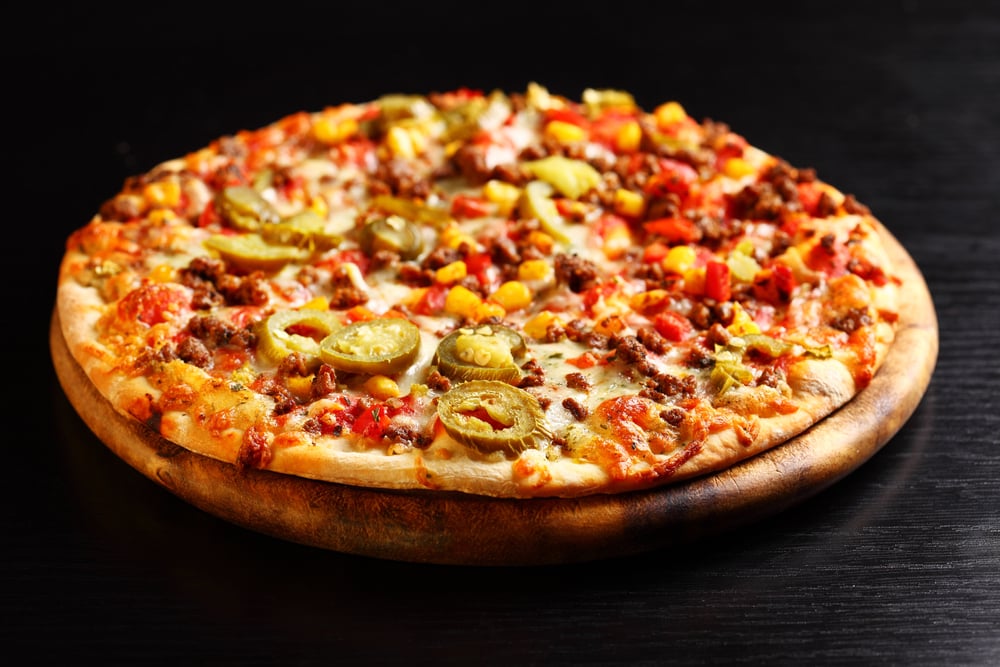
Taco Bell removed the Mexican Pizza from its permanent lineup in November 2020, folding the decision into a broader menu simplification push during the pandemic. The company later cited packaging waste as a factor, but that explanation arrived only after a sustained online campaign pressured the chain to say something at all.
Fans organized petitions and viral videos for nearly two years before Taco Bell brought the item back in May 2022. The gap left an entire menu category dark with no public accounting at the time it happened.
Taco Bell’s Double Decker Taco
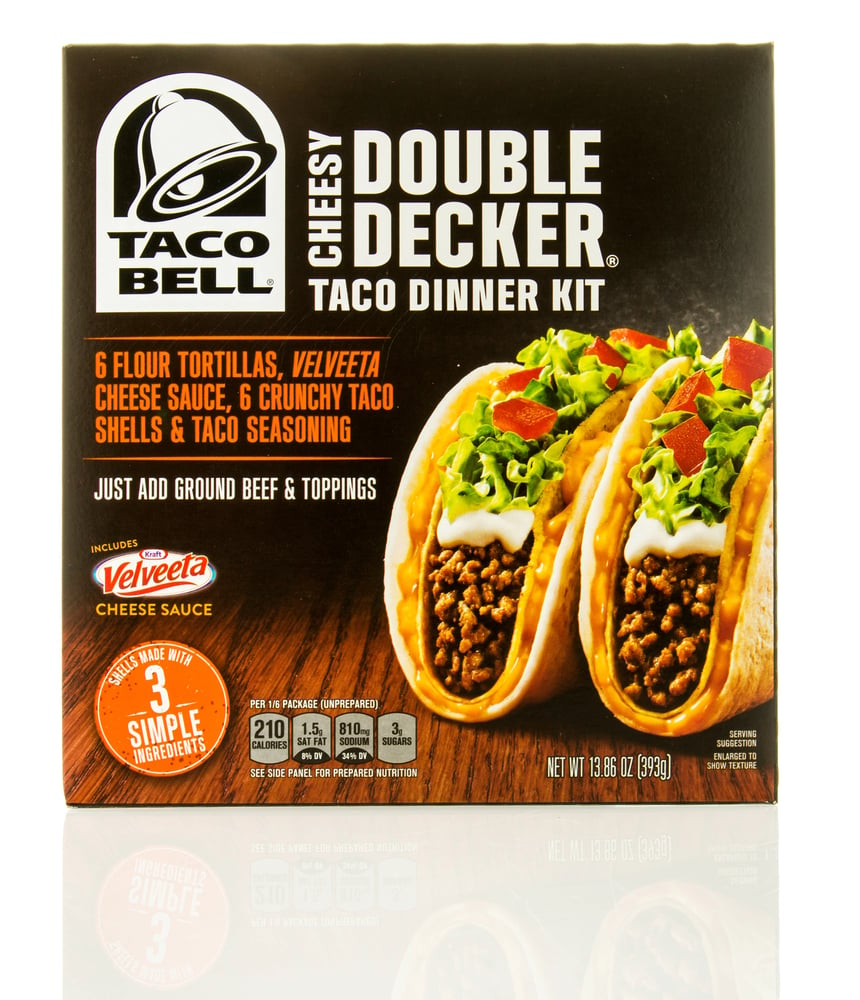
The Double Decker solved a real problem: a layer of refried beans between a crunchy shell and a soft tortilla kept the shell from cracking apart in a customer’s hands. Taco Bell pulled it from the permanent menu in 2013 without a public statement explaining the change.
Employees were left fielding customer requests for an item that no longer existed on the register, describing a sandwich that had simply vanished from the system overnight.
McDonald’s McSalad Shakers
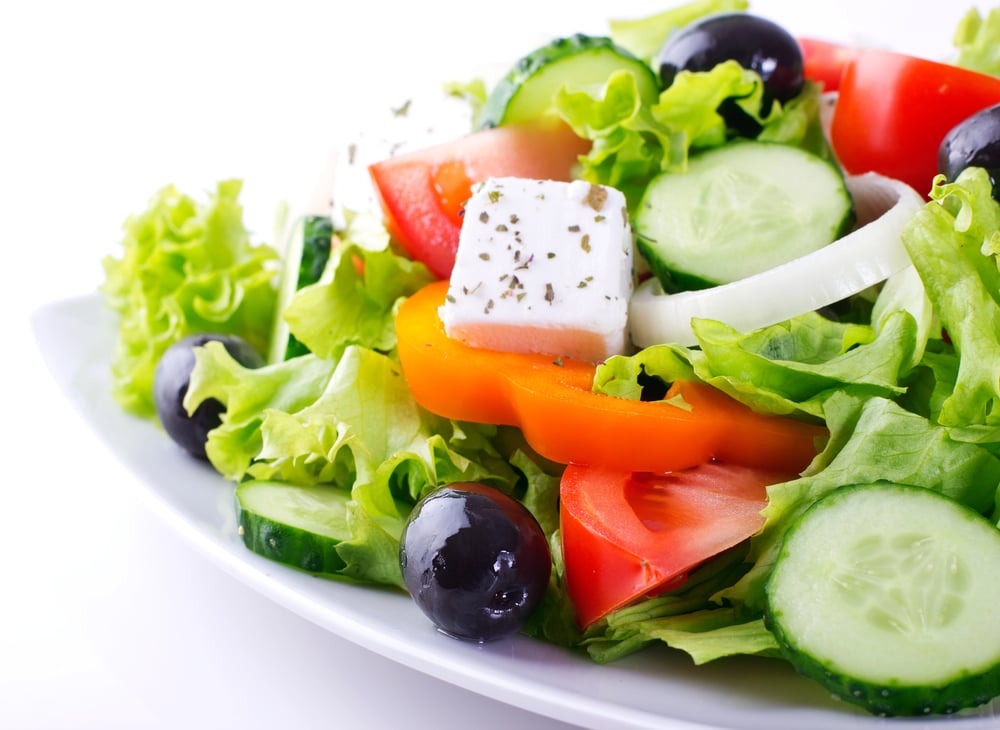
Sold in tall cups instead of bowls, McSalad Shakers let a customer add dressing, snap on a lid, and shake the salad together while driving. The format arrived in 2000 as a genuinely different idea for fast food packaging.
It disappeared from menus within a few years, with McDonald’s never issuing a formal notice about the discontinuation to the customers who had gotten used to it.
Wendy’s Loaded Nacho Lineup
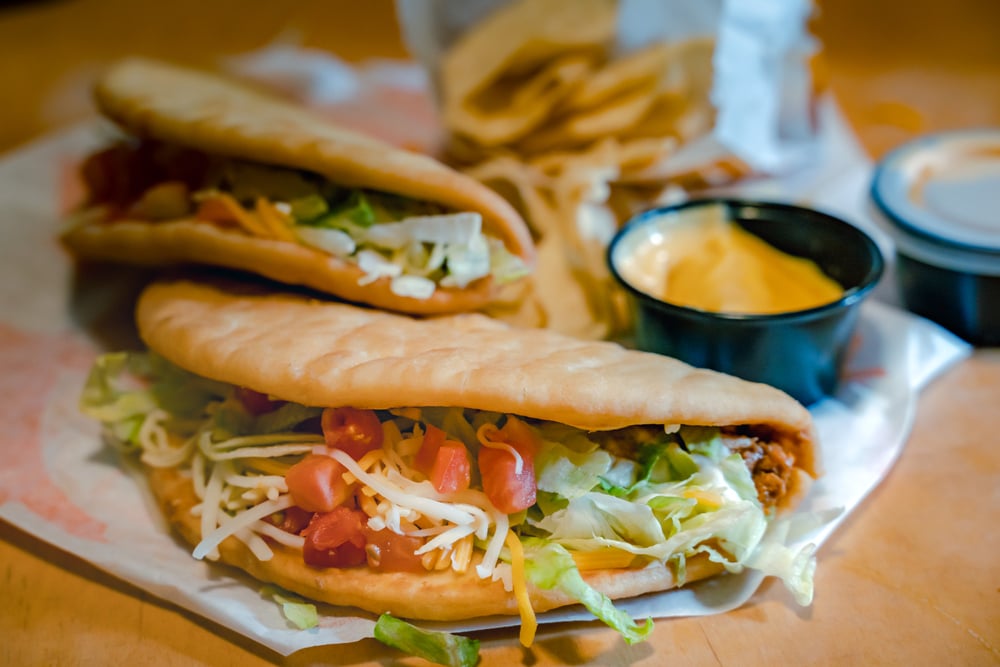
Wendy’s introduced a Loaded Nacho Cheeseburger, a Loaded Nacho Chicken Sandwich, and Queso Fries in August 2023 to coincide with the opening of the fall sports season. Roughly six months later, all three items were gone from menus with no announcement.
Customers and franchise employees first learned about the removal through online rumors, which Wendy’s staff eventually confirmed only after being asked directly.
McDonald’s Pizza
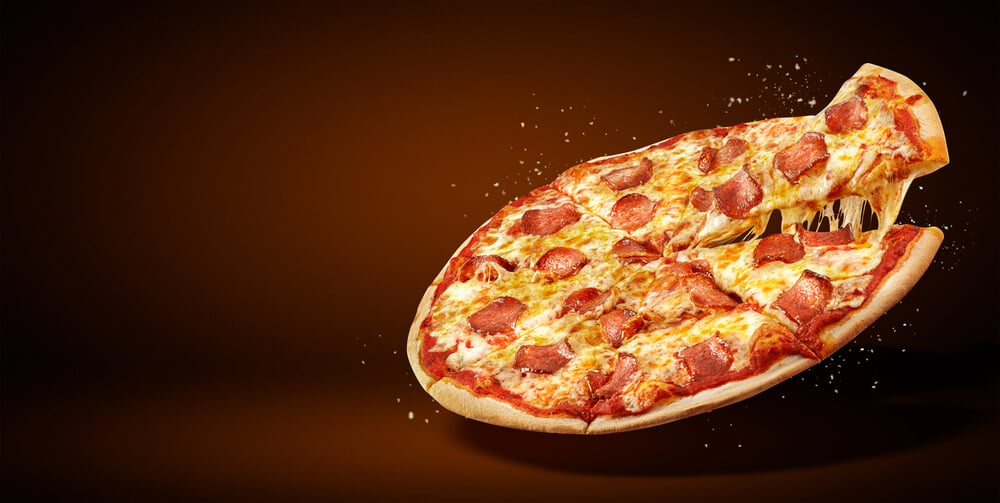
McDonald’s tested pizza at select US and UK locations through the late 1980s and 1990s, building a modest following for a four-slice pie with pepperoni, green peppers, and onions. Long cooking times clashed with drive-through speed expectations, and the chain phased pizza out of nearly every location without a formal send-off.
A single restaurant in Orlando, Florida still serves it, an outlier that most customers have no way of knowing about.
Burger King’s BK Broiler
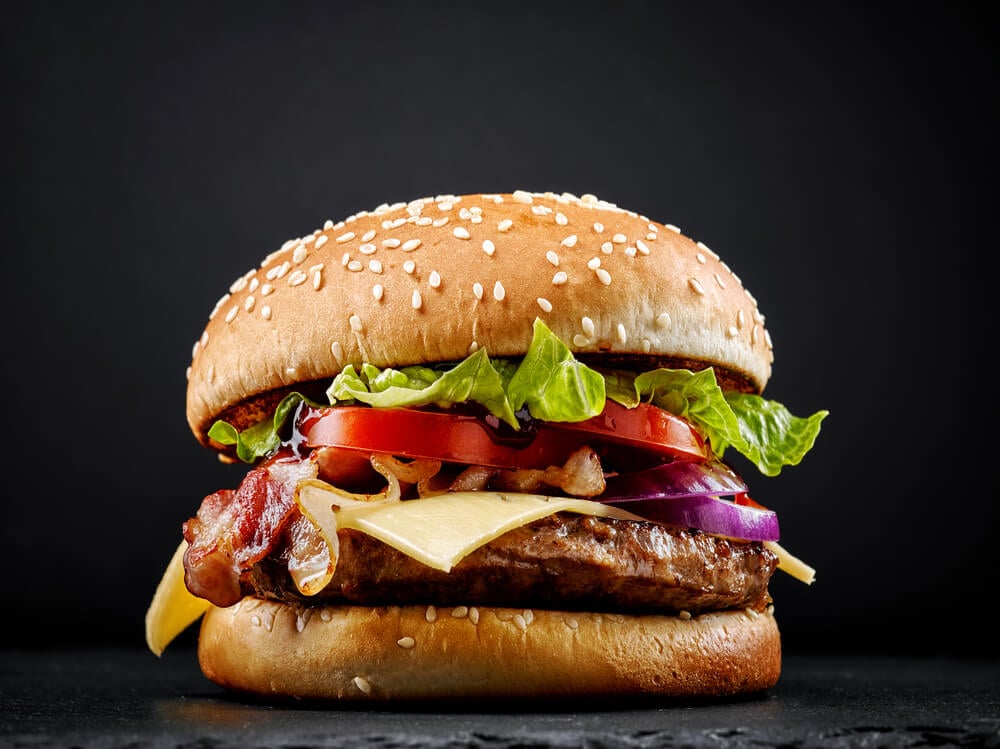
Burger King’s BK Broiler launched in 1990 as one of the first widely successful grilled chicken sandwiches in fast food, predating the grilled-chicken boom by years. The chain replaced it with the Chicken Whopper in 2002, effectively retiring a sandwich that had built genuine brand loyalty.
There was no announcement framing the switch as a retirement, just a new name on the board and an old one gone.
Taco Bell’s Enchirito
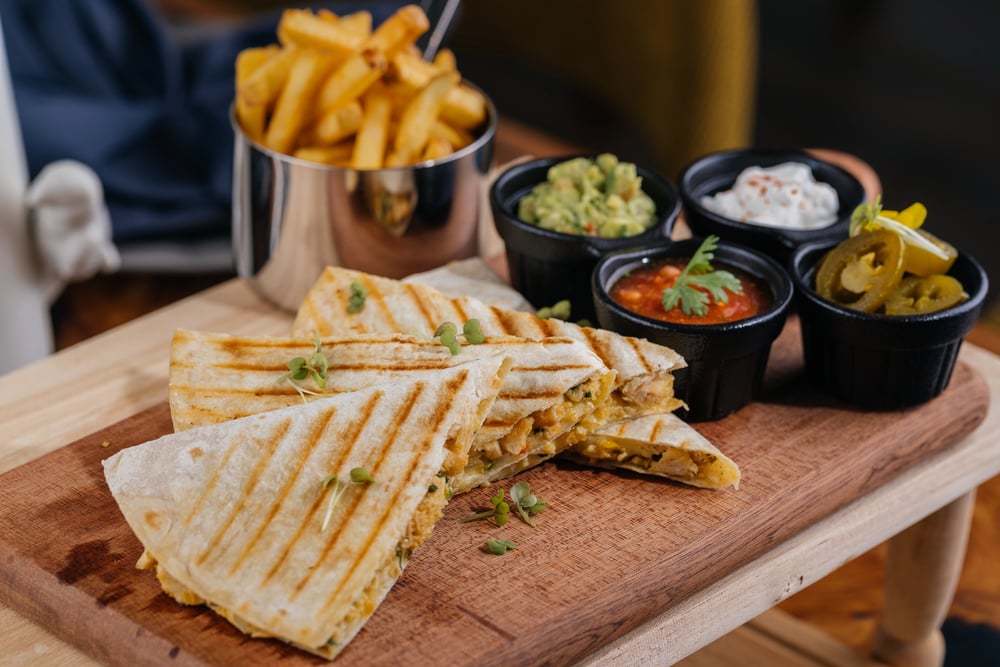
An enchilada-burrito hybrid dating back to 1970, the Enchirito has been discontinued and revived so many times that longtime fans track its status the way others track a favorite team’s season. Taco Bell pulled it in 1993, brought it back in 2000, removed it again in 2013, briefly restored it after a fan vote in November 2022, and has left it off menus since.
Each disappearance came without a stated reason tied to sales or cost.
Taco Bell’s Meximelt
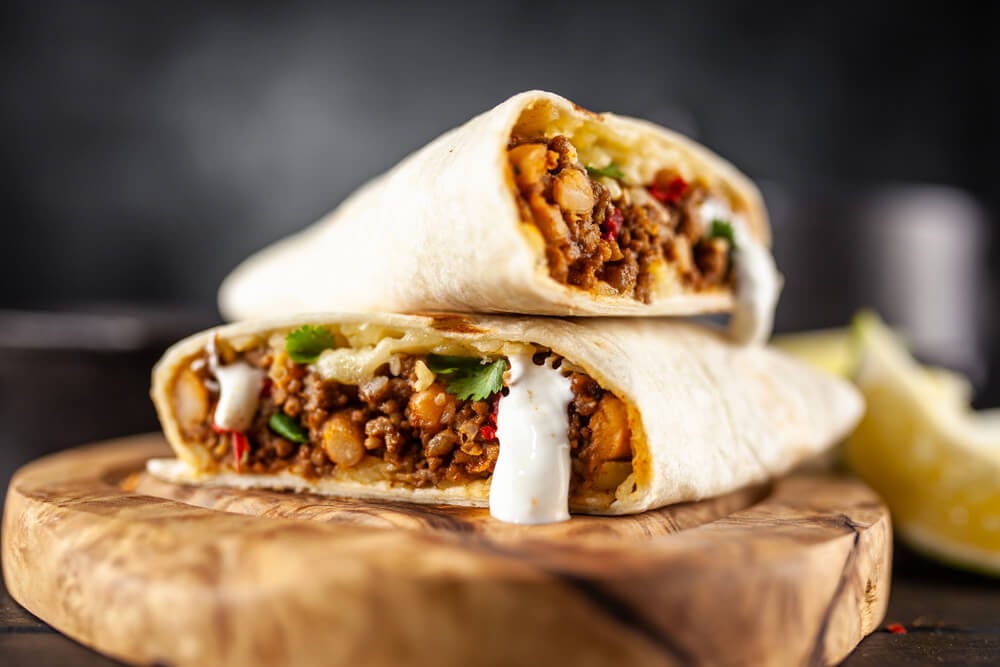
A grilled flour tortilla folded around seasoned beef, melted cheese, and pico de gallo, the Meximelt was discontinued in 2020 during the same menu trim that took out the Mexican Pizza. Unlike its higher-profile menu-mate, the Meximelt never got a comeback campaign loud enough to force a public response, and it remains absent with its removal never formally explained.
Domino’s Brooklyn Style Pizza
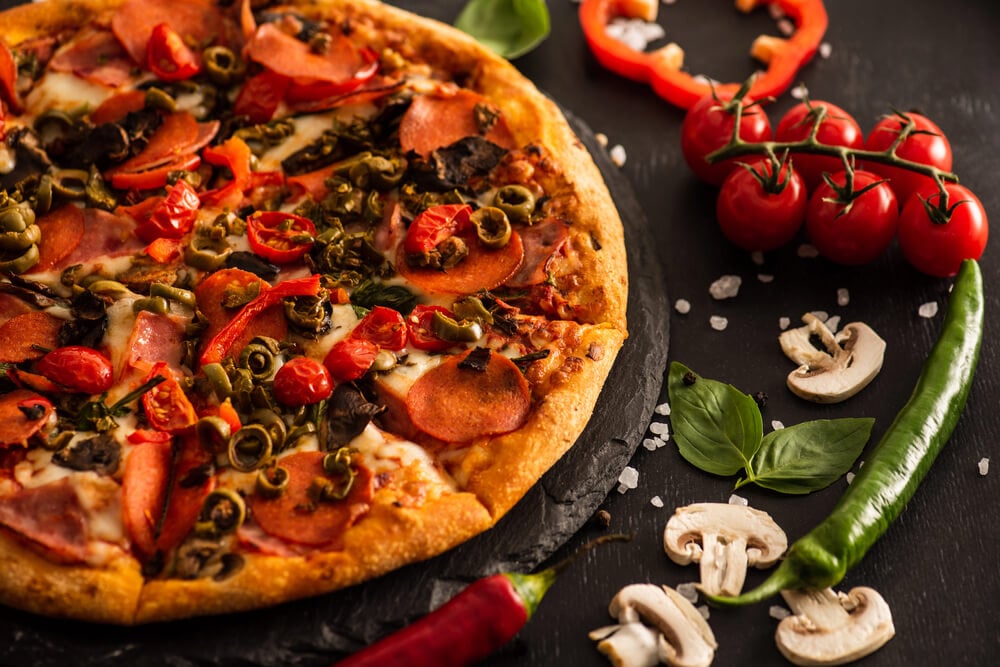
Domino’s launched its thin-crust Brooklyn Style Pizza in 2006, designed with a wide slice built to fold the way an authentic New York slice does. It stayed on the menu for eighteen years before Domino’s discontinued it in 2024 to make room for a newly developed New York Style Pizza.
Longtime customers noted the irony of replacing one New York-inspired pizza with a conceptually similar successor, and Domino’s offered little detail on what specifically justified the swap.
McDonald’s Fruit ‘n Yogurt Parfait

A layered cup of vanilla yogurt, granola, and strawberries, the Fruit ‘n Yogurt Parfait was a rare fast food item marketed as a genuinely light option rather than an indulgence. It quietly dropped off menus at most locations, with no announcement matching the modest but consistent following it had built among customers looking for something other than fries.
Chipotle’s Original Carne Asada
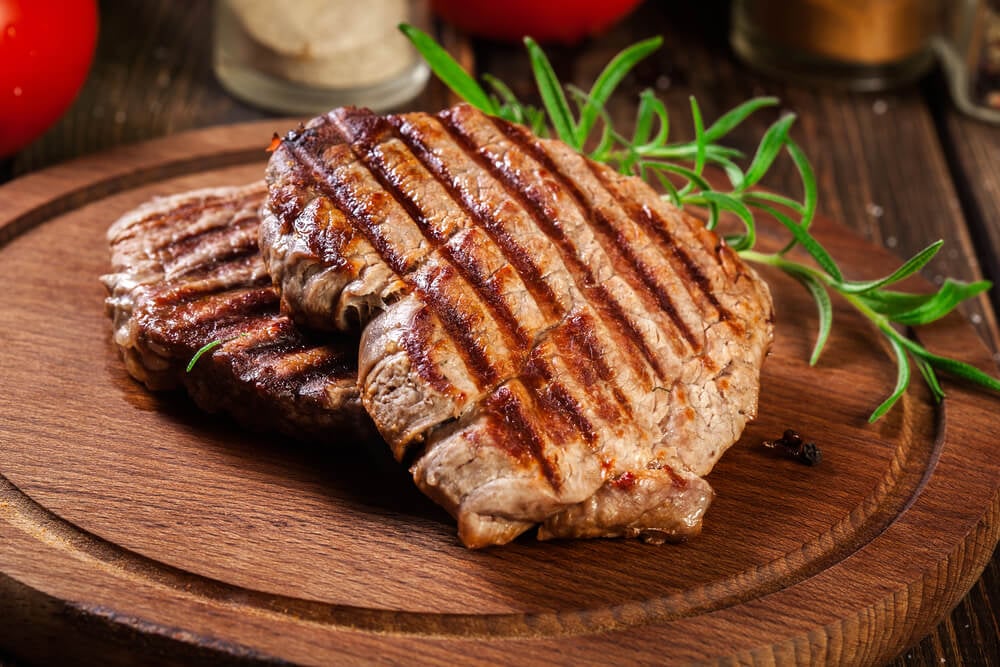
Chipotle launched carne asada steak in 2019 and pulled it the following year despite it becoming an immediate favorite among regulars who tracked the chain’s protein rotations closely. The company has brought it back for limited periods since, but the initial removal came with no detailed explanation, leaving customers to assume it was a supply or cost decision that was never confirmed.
Dunkin’s Dunkaccino
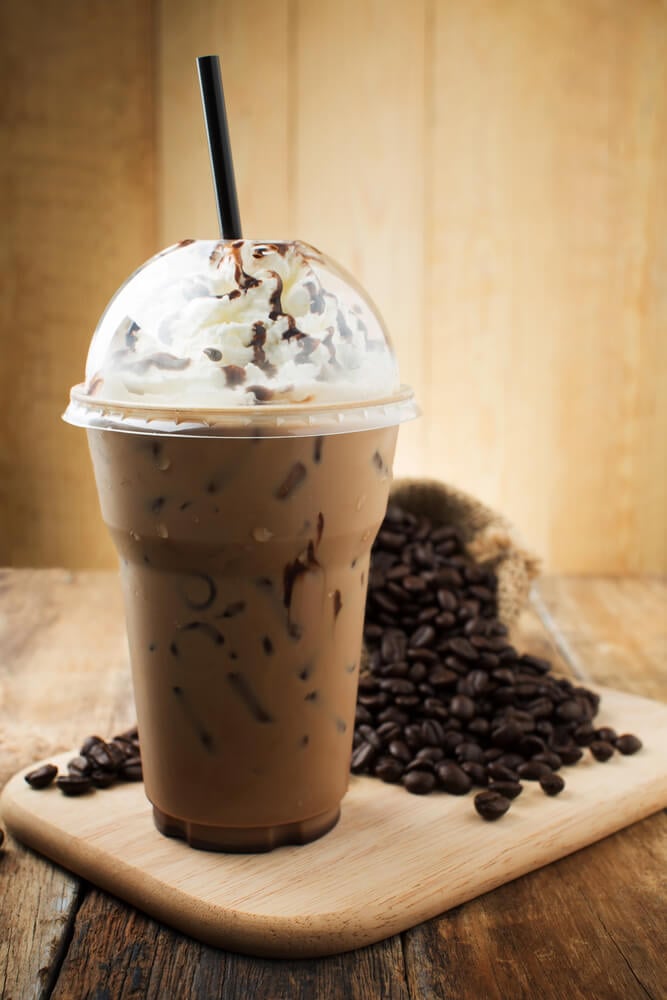
A blended coffee and hot chocolate drink that gave Dunkin’ a signature cold-weather order for years, the Dunkaccino was discontinued in 2023 as part of a broader menu streamlining effort. Regional Dunkin’ locations had already begun dropping it inconsistently before the removal became company-wide, so many customers experienced the loss gradually rather than through any single announcement.
Dairy Queen’s Original Cherry Dipped Cone

Dairy Queen discontinued its Cherry Dipped Cone with no specific public reasoning, disappointing a customer base that treated the cherry coating as a seasonal marker as much as a flavor. The chain later confirmed the cone would return, but for a stretch of time it existed only as a menu item people remembered and could no longer order, with staff unable to explain why it had gone.
KFC’s Double Down
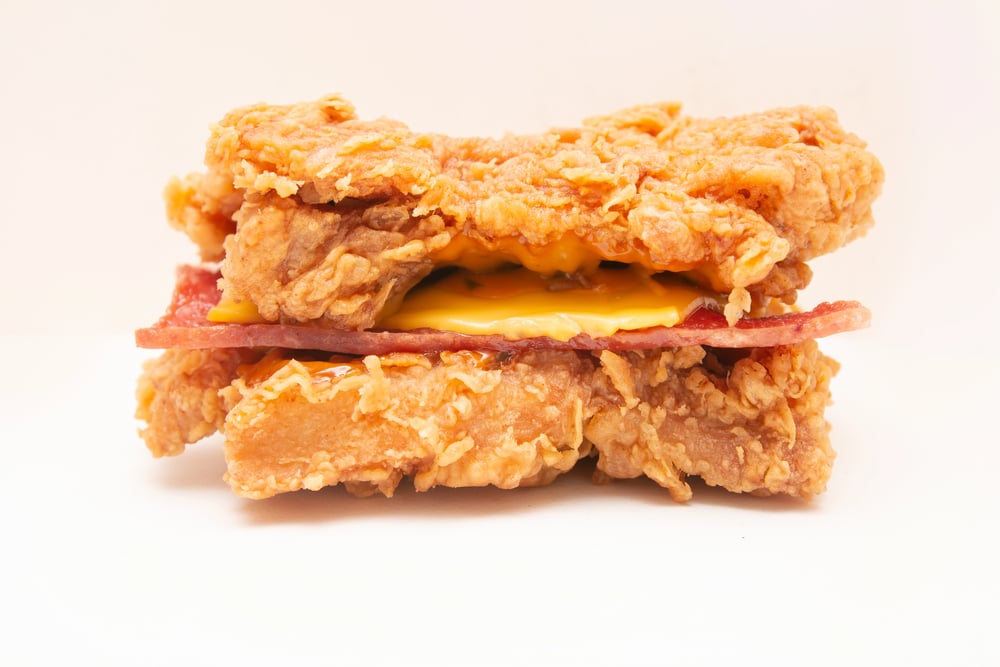
KFC’s bunless sandwich, built with two fried chicken filets standing in for bread, launched as a limited-time item and generated enough attention that its repeated disappearances became part of its identity. Each return has been followed by another quiet removal, with KFC treating it as a rotating novelty rather than committing to or formally retiring it, leaving customers unable to predict when it will vanish next.
Pizza Hut’s Big New Yorker
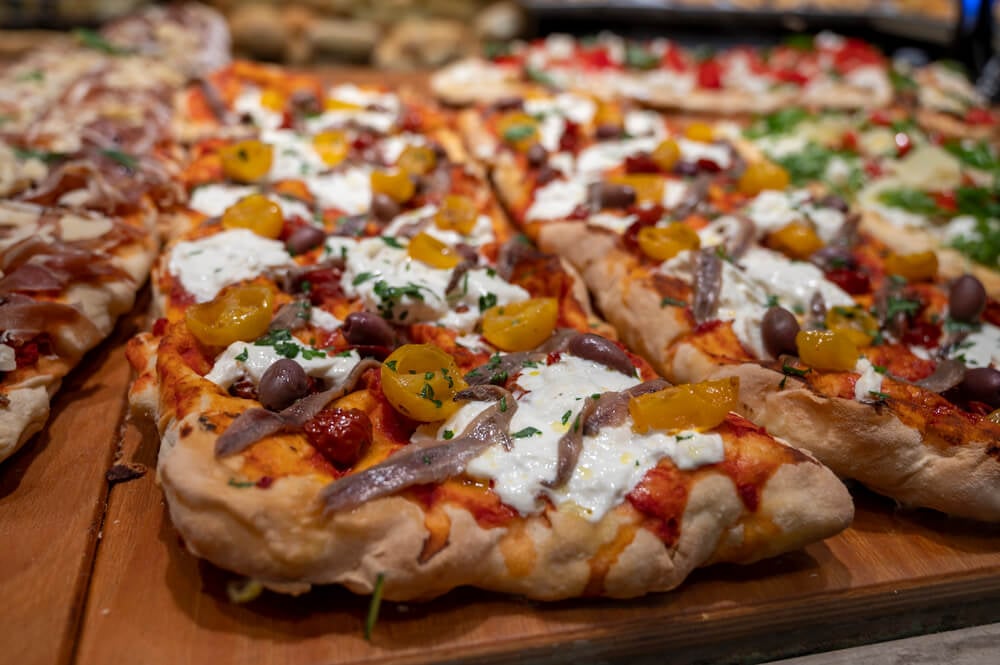
Pizza Hut’s Big New Yorker arrived as an oversized, thin-crust pizza aimed at customers who found the chain’s standard pies too small for the price. It built a loyal regional following before disappearing from menus, with Pizza Hut never issuing a clear statement about why a pizza specifically designed to compete on size and value was allowed to quietly exit the lineup.
Burger King’s French Toast Sticks
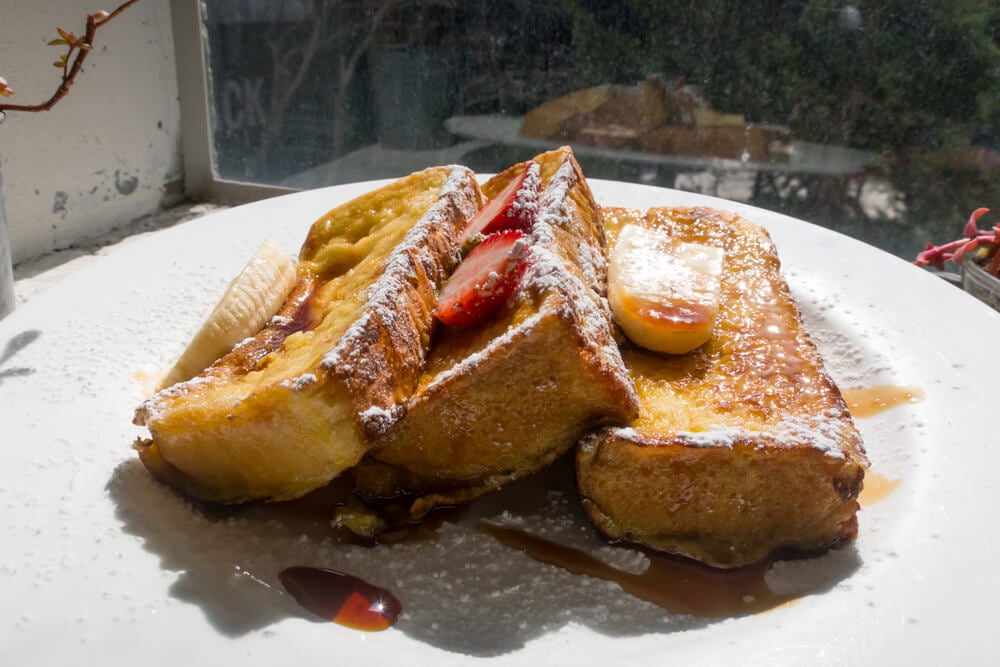
Burger King’s French Toast Sticks became a fixture of the chain’s breakfast menu for years before their availability grew inconsistent by market, with some locations dropping them entirely and others continuing to serve them without any coordinated announcement. Customers driving between cities often discovered the change only by ordering and being told the item was no longer offered at that particular location.
Taco Bell’s Beefy Crunch Burrito
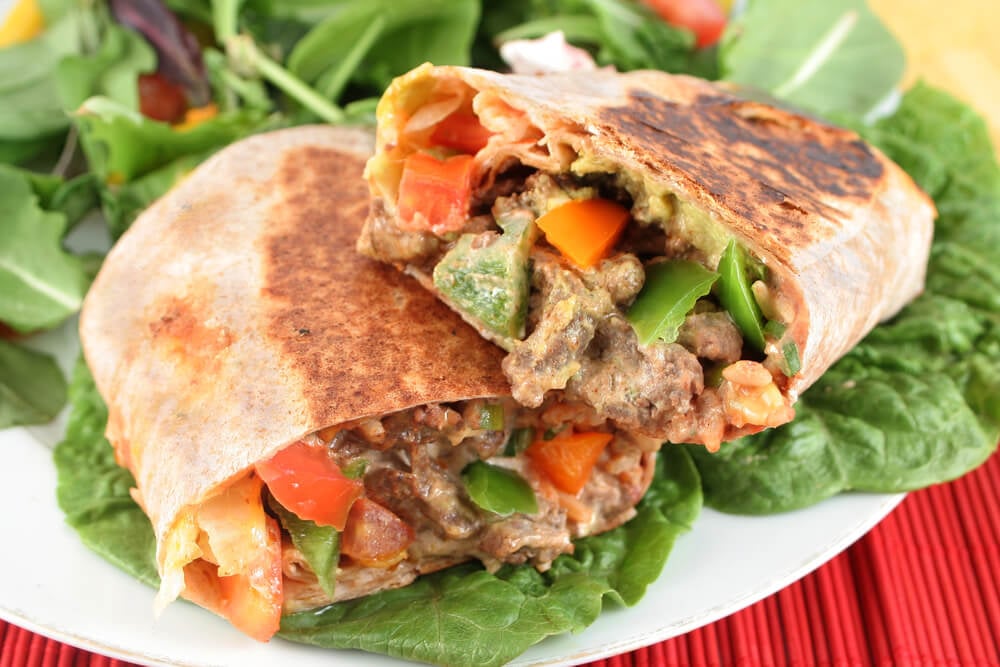
Built around a crunchy corn twist topping that gave the burrito its name, the Beefy Crunch Burrito developed a devoted following during its run on Taco Bell’s value menu. It disappeared without the kind of campaign that saved the Mexican Pizza, and Taco Bell has never addressed why an item with a genuinely distinct textural gimmick was allowed to lapse permanently.
McDonald’s Onion Nuggets
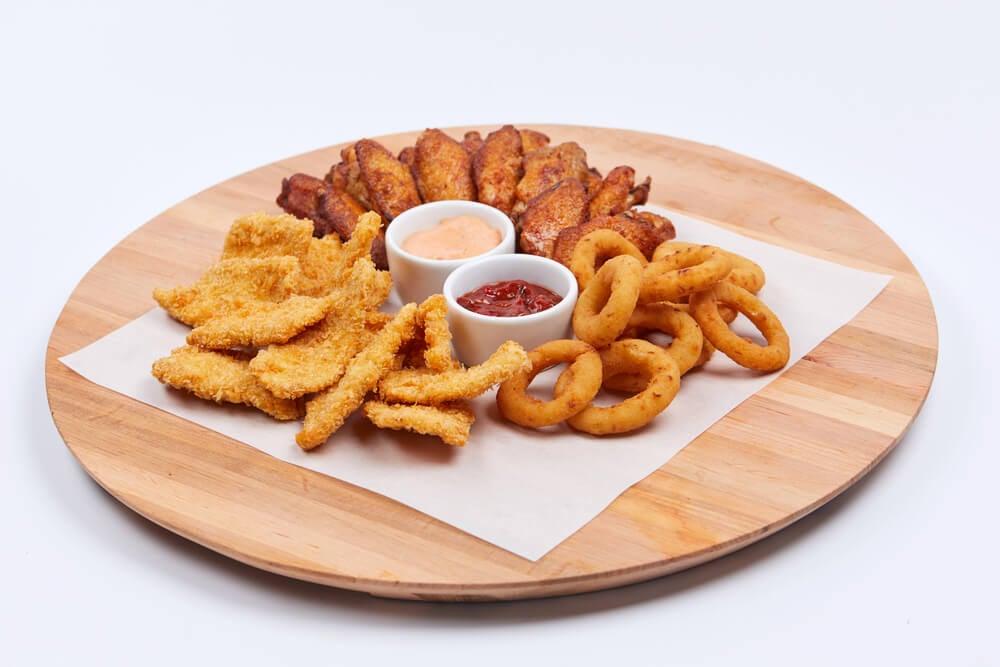
A 1970s McDonald’s menu item made from breaded, deep-fried onion pieces rather than rings, Onion Nuggets briefly existed as a side dish alternative to fries before disappearing from the chain entirely. Records of its exact removal date are thin, which is itself part of the pattern: some items leave so quietly that even food historians struggle to pin down when they actually went.
McDonald’s Hula Burger
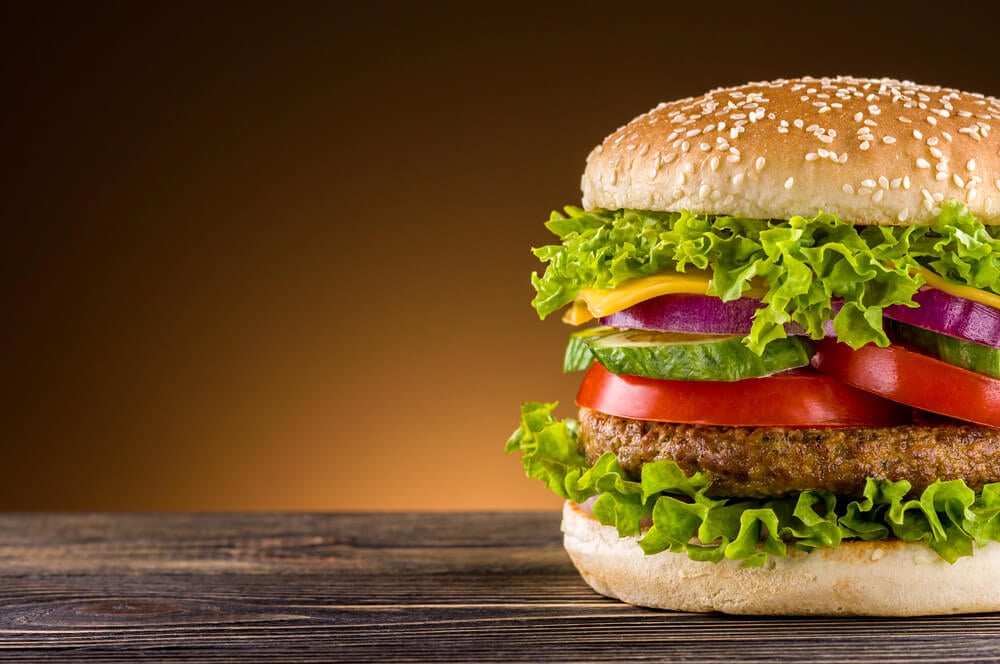
Ray Kroc reportedly tested the Hula Burger, a grilled pineapple slice on a bun with cheese, as his preferred meatless option during the 1960s development of what became the Filet-O-Fish. It lost an in-house sales trial and was dropped almost immediately, but its existence survives mostly as a footnote in franchise histories rather than something McDonald’s ever formally acknowledged discontinuing to the public.
Wendy’s Garden Sensations Pitas
Wendy’s Garden Sensations line of pita sandwiches launched in the early 2000s as an attempt to offer a lighter, wrap-style alternative to burgers. The line disappeared within a few years as Wendy’s shifted its menu strategy toward salads instead, and customers who had built the pitas into a regular order found them gone with no transition period or public notice.
Taco Bell’s Volcano Menu
Built around a lava-colored sauce with genuine heat, the Volcano Taco and Volcano Burrito developed a cult following during their original run. Taco Bell has brought the Volcano Menu back for short limited-time windows several times since, each followed by another unannounced removal, training regulars to buy in bulk the moment it reappears because there is no telling how long it will last.
McDonald’s Arch Deluxe
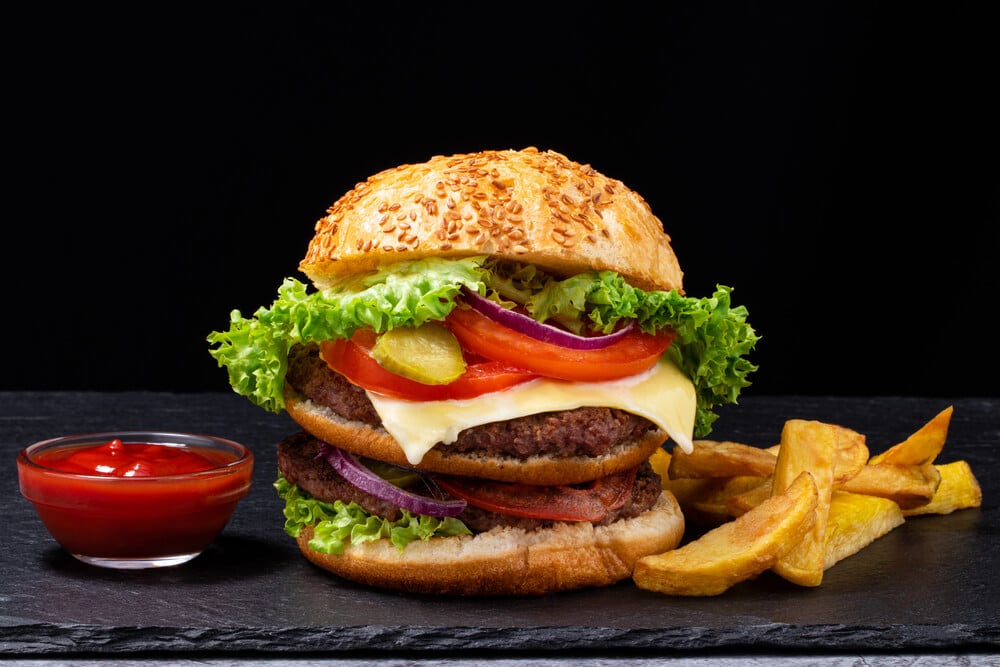
McDonald’s launched the Arch Deluxe in 1996 with one of the most expensive advertising campaigns in the company’s history, positioning it as a burger built for adult tastes. It failed to connect with customers and was discontinued within about a year, becoming one of the most frequently cited flops in fast food history despite the scale of the launch behind it.
Burger King’s Satisfries
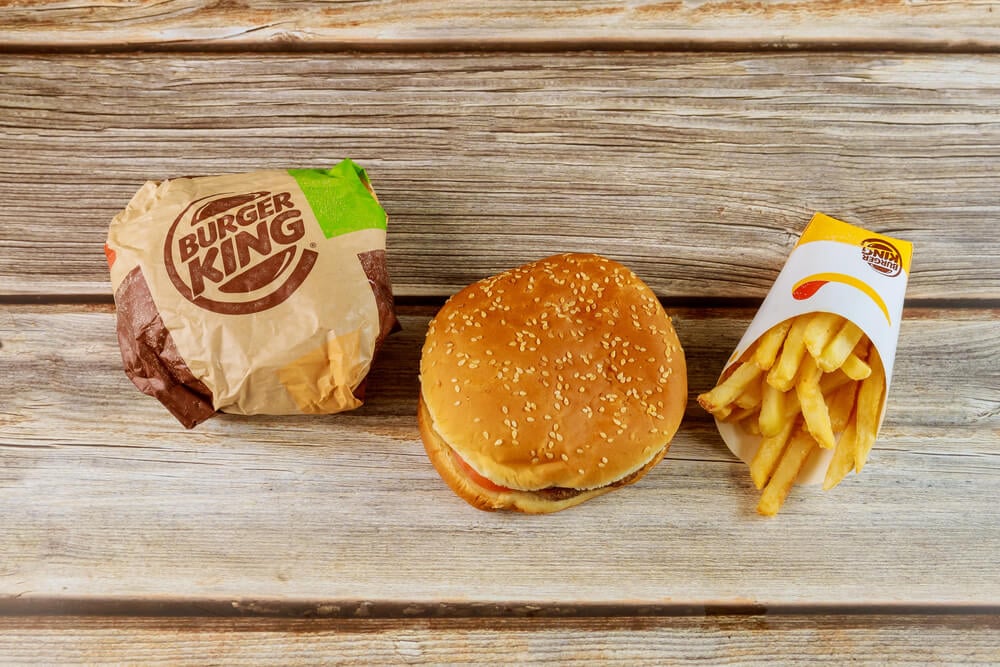
Burger King introduced Satisfries in 2013, marketing a crinkle-cut fry with a different batter designed to absorb less oil than standard fries. Health-conscious framing was not enough to sustain demand, and the chain discontinued the item within about a year, quietly returning to its standard fries without much acknowledgment of the experiment’s end.
McDonald’s McDLT
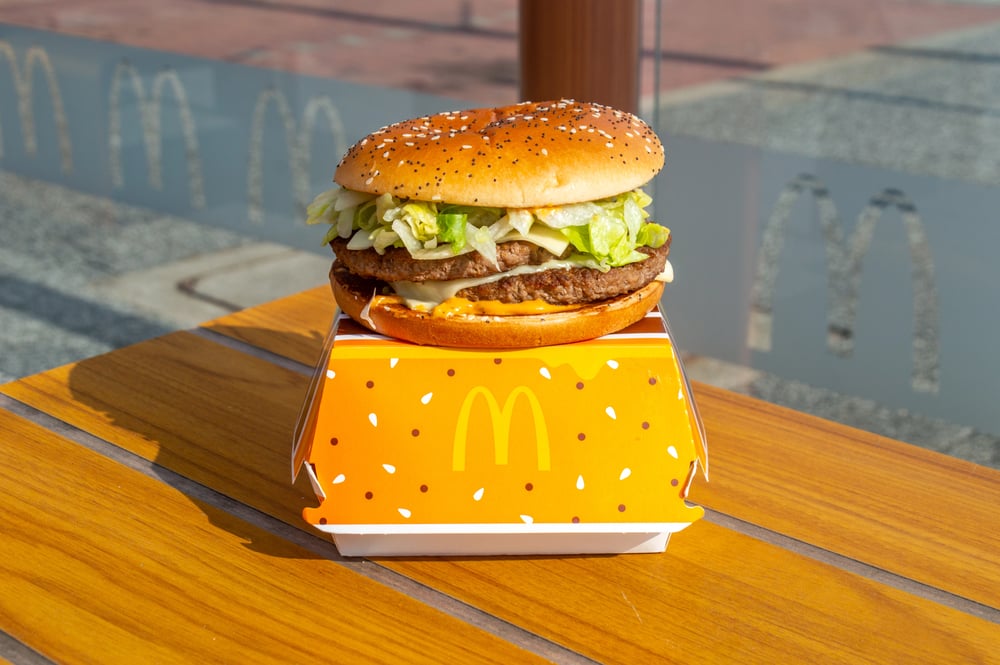
The McDLT arrived in the 1980s with a foam container built to keep the hot beef patty separate from the cold lettuce and tomato until the moment of assembly. Rising environmental criticism of foam packaging in the early 1990s led McDonald’s to discontinue it, a decision tied more to packaging politics than to the sandwich itself, which many customers who remember it still consider superior to what replaced it.
The McRib’s Disappearing Act
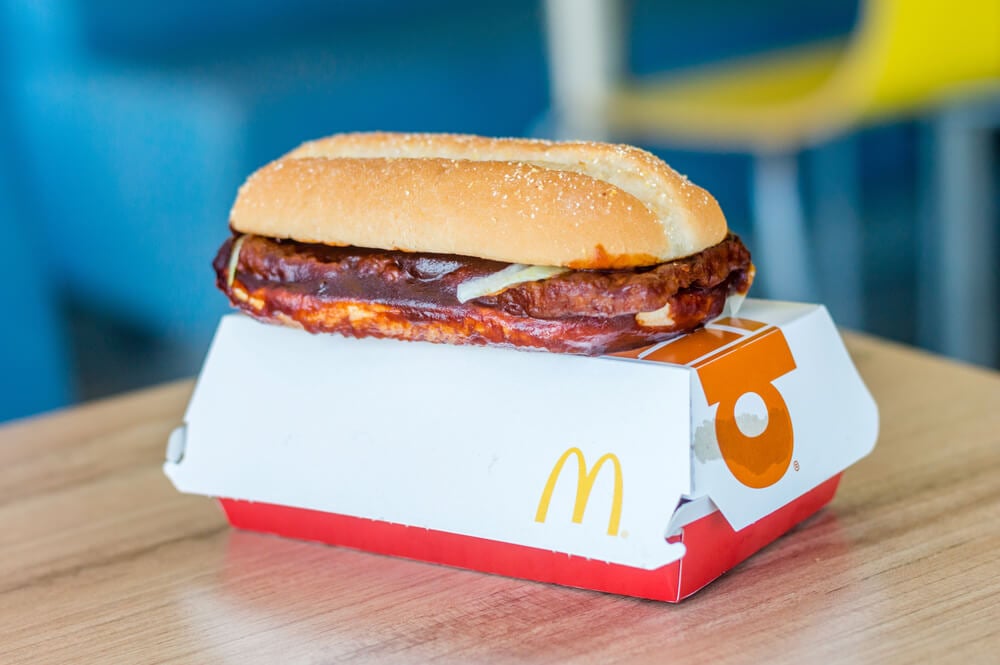
McDonald’s has pulled and reintroduced the McRib so many times since its 1981 debut that its absence has become a running cultural joke rather than a surprise. Each removal comes without a stated timeline for return, and McDonald’s has never explained why a sandwich with a demonstrably large fan base is treated as a limited-time event rather than a permanent fixture.
Burger King’s Chicken Fries
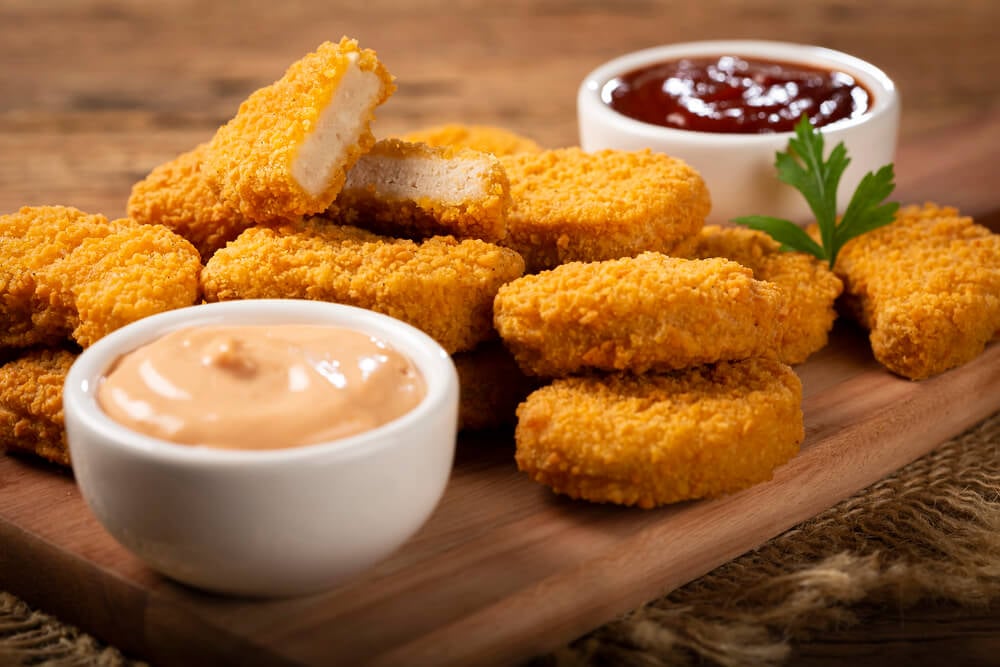
Burger King discontinued Chicken Fries in 2012 despite steady sales, a decision that frustrated franchise operators as much as customers. A social media campaign pushed the chain to bring the item back in 2019, but the original removal came with no public rationale, and availability since the return has remained inconsistent by location.
Taco Bell’s Quesarito
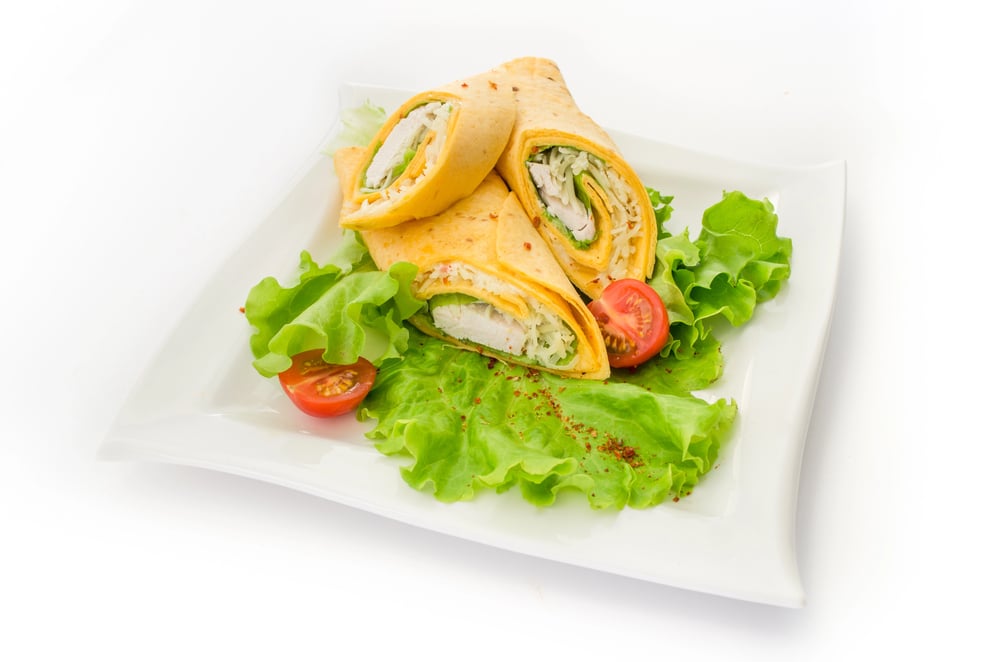
The Quesarito wrapped a standard burrito inside an additional cheese-covered tortilla, effectively doubling down on the one ingredient regulars said they wanted more of. Taco Bell discontinued it in 2023 as part of a rotating value-menu overhaul, offering no specific reasoning beyond the general framing of a lineup refresh that swept out several longtime items at once.
Wendy’s Original Vanilla Frosty
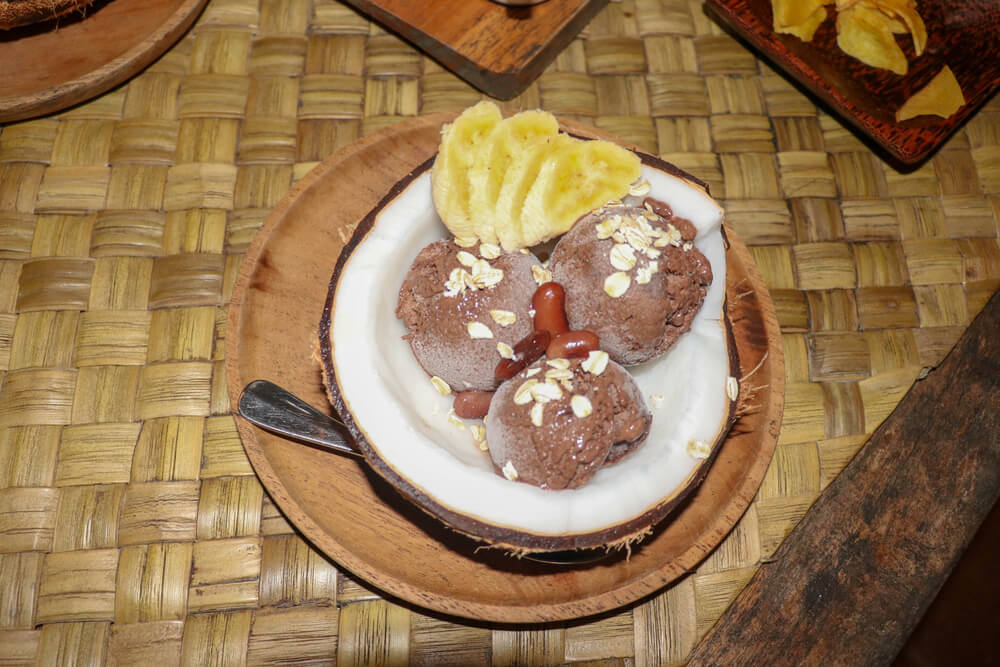
Wendy’s swapped its standing Vanilla Frosty for a limited-time Orange Dreamsicle version in March 2024, catching regular customers off guard when the flavor they expected to order was simply not available. A company representative later confirmed the vanilla version was not gone permanently, but the initial switch happened with no advance notice to the customers standing at the counter that week.
The Discontinuation Nobody Announces

None of these removals came with a press conference. What they share is a pattern: a corporate decision made for reasons of cost, supply, or internal strategy, followed by silence, followed by a customer finding out only when the item does not show up on the register.
Fast food companies are under no obligation to explain themselves, and the gap between what customers are owed and what they actually receive keeps widening. That gap is exactly why campaigns to revive items like the Mexican Pizza work as well as they do.
Companies respond to noise, not memory, and the quietest disappearances are the ones with the least chance of ever coming back. The next item to vanish without a word is already sitting on some regional menu, closer to its last day than anyone ordering it right now realizes.
More from Go2Tutors!

- The Romanov Crown Jewels and Their Tragic Fate
- 13 Historical Mysteries That Science Still Can’t Solve
- Famous Hoaxes That Fooled the World for Years
- 15 Child Stars with Tragic Adult Lives
- 16 Famous Jewelry Pieces in History
Like Go2Tutors’s content? Follow us on MSN.