15 Arcade Games That Defined Growing Up In The 90s
The 1990s were the golden age of arcade gaming. Kids would beg their parents for quarters and spend entire afternoons in dimly lit game rooms. These weren’t just games – they were social experiences that brought friends together and created memories that lasted decades. The sounds of coin slots, button mashing, and victory music became the soundtrack of childhood.
Here is a list of 15 arcade games that every 90s kid remembers, each one representing a piece of the cultural puzzle that made growing up in that decade so special.
Street Fighter II
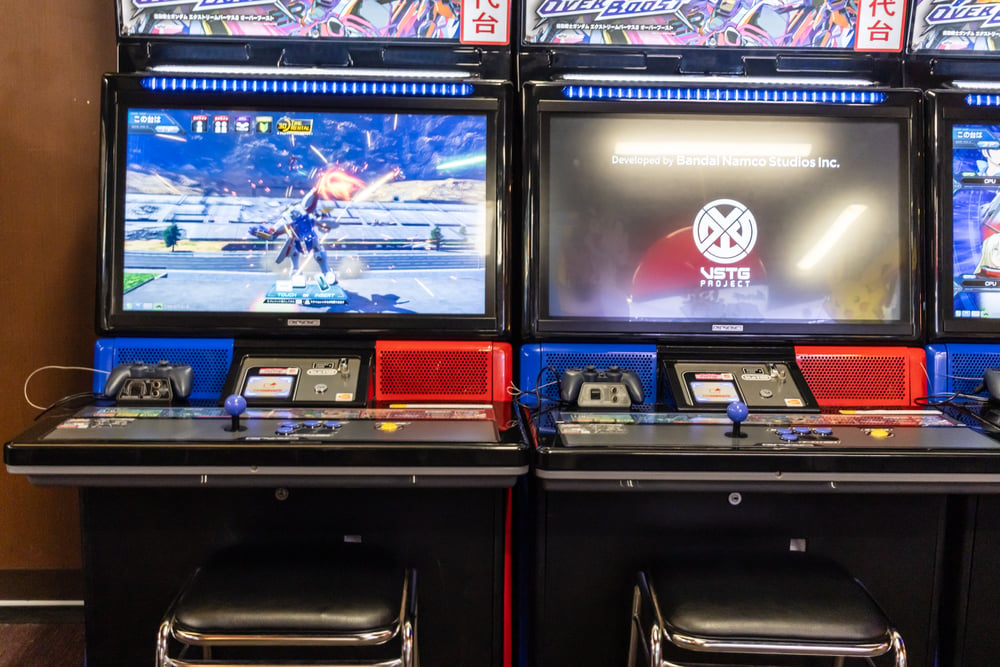
Street Fighter II transformed fighting games from simple button mashers into complex strategic contests requiring real skill. Every kid had their favorite character – whether it was Ryu’s fireballs, Chun-Li’s lightning legs, or Blanka’s electric attacks.
The game created its own language of quarter-circle motions and combo sequences that kids would practice for hours, turning arcade visits into serious training sessions.
Mortal Kombat
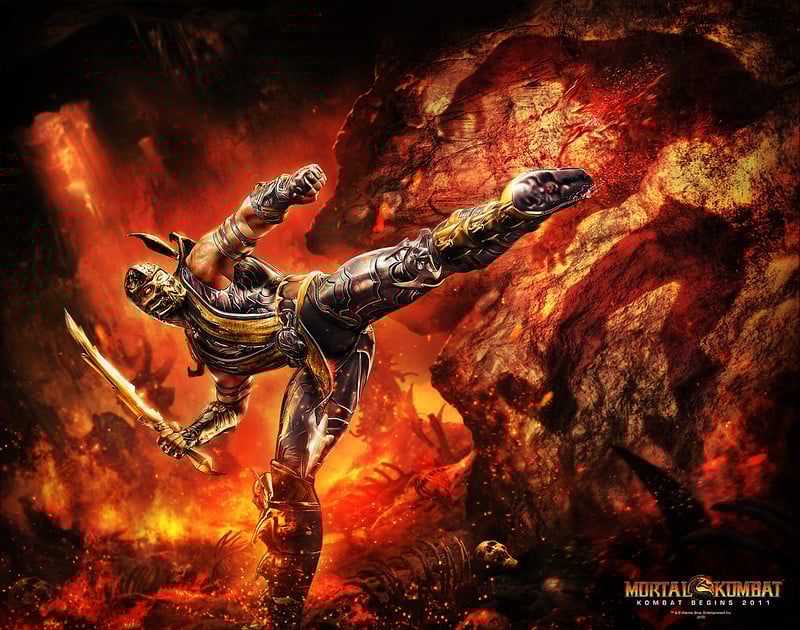
Nothing caused more controversy in the 90s than Mortal Kombat’s brutal ‘Fatalities.’ These finishing moves were so graphic they helped create the video game rating system.
Kids would huddle around the machine, whispering the secret button combinations needed to perform these devastating moves – the game’s realistic digitized characters and over-the-top violence made it feel like the most adult thing you could experience as a kid.
Like Go2Tutors’s content? Follow us on MSN.
Pac-Man

Though Pac-Man originated in the early 80s, it remained a staple of 90s arcades. This represented the perfect entry-level game for younger kids, since the simple concept of eating dots while avoiding ghosts was easy to understand yet surprisingly difficult to master.
Every arcade had at least one Pac-Man machine – usually positioned near the entrance like a welcoming committee for newcomers.
Donkey Kong
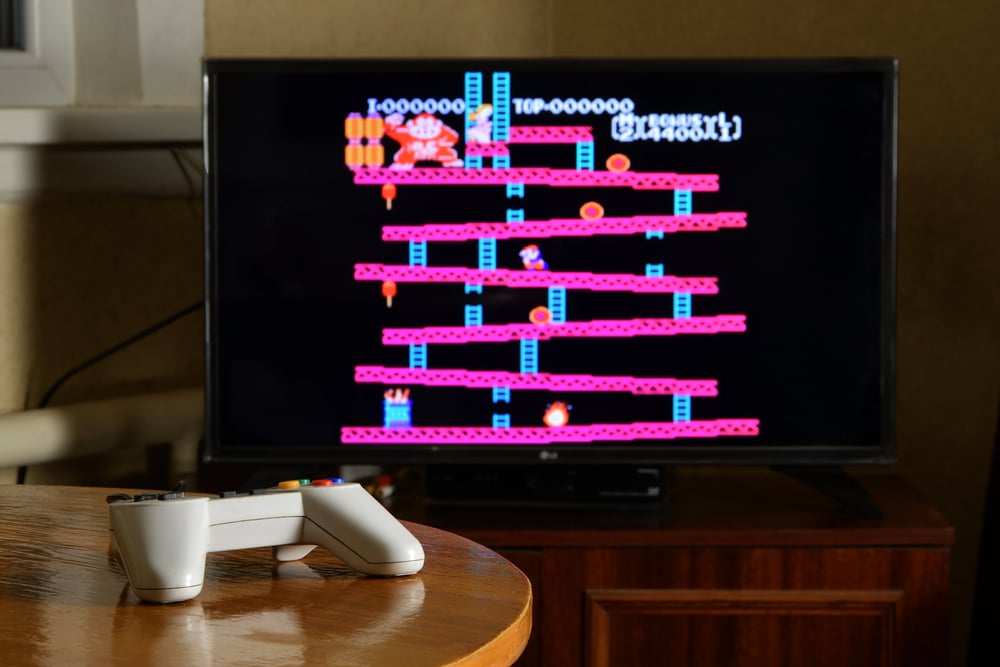
This classic platformer taught an entire generation the basics of jumping, climbing, and timing while trying to rescue a princess from a giant ape. The game’s increasing difficulty levels created a natural progression that kept kids coming back.
Mario’s debut appearance made this game feel like meeting a celebrity – especially as the character became more famous in home console games.
Galaga
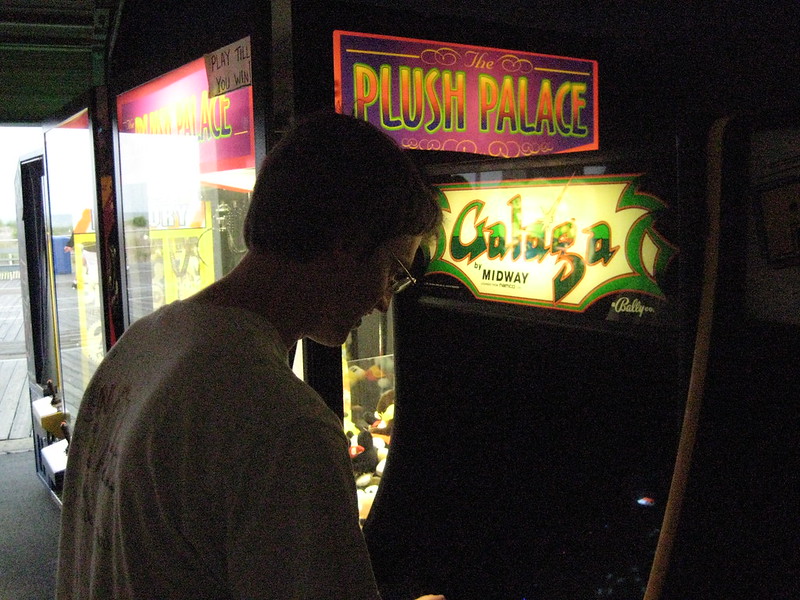
Galaga perfected the space shooter formula with its challenging enemy patterns and the iconic ‘challenging stage’ bonus rounds. Kids would memorize the attack patterns of alien formations – turning each playthrough into a test of both reflexes and strategy.
The game’s ability to capture your ship and force you to rescue it added personal stakes that made every session feel urgent.
Like Go2Tutors’s content? Follow us on MSN.
Teenage Mutant Ninja Turtles
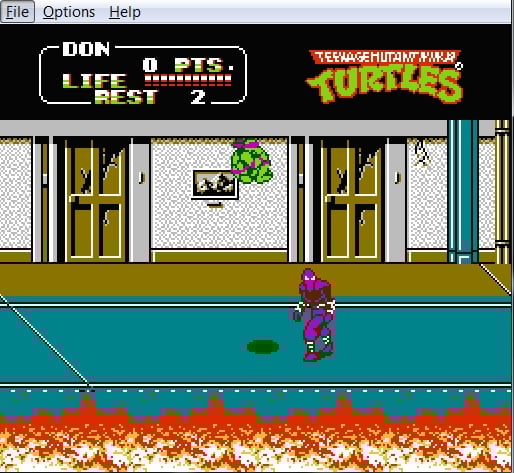
This side-scrolling beat-’em-up allowed up to four players to team up as Leonardo, Donatello, Michelangelo, and Raphael. The game perfectly captured the cartoon’s humor and action, with each turtle having unique fighting styles.
Birthday parties and group outings often centered around finding a TMNT machine – where everyone could play together without anyone getting left out.
NBA Jam

NBA Jam revolutionized sports games by throwing realism out the window in favor of pure arcade fun. The ‘boomshakalaka’ commentary and impossible dunks became legendary, while players could literally catch fire after making consecutive shots.
The exaggerated physics allowed for dunks that defied gravity – making basketball accessible to kids who didn’t follow real sports through its over-the-top presentation.
The Simpsons

This four-player beat-’em-up brought the beloved TV family into arcade form. Kids could play as Homer, Marge, Bart, and Lisa in their quest to save baby Maggie – the game featured locations and characters from the show, making it feel like playing through an interactive episode.
The cooperative gameplay meant families could actually play together, with parents often joining in as Homer while kids fought over who got to be Bart.
Like Go2Tutors’s content? Follow us on MSN.
X-Men

The X-Men arcade game was famous for supporting up to six players simultaneously. This created chaotic contests where half the arcade would crowd around a single machine, though each mutant had unique powers that matched their comic book abilities.
The game’s massive cabinet and multiple screens made it feel like a major event whenever someone started a new game.
Double Dragon

This side-scrolling fighter introduced many kids to cooperative gameplay – where two players could team up to fight through waves of street thugs. The game’s urban setting and martial arts action felt mature and gritty compared to more colorful arcade offerings.
Yet the ability to accidentally hit your partner added an element of friendly chaos that made every playthrough unpredictable.
Frogger

Frogger’s simple concept of crossing busy streets and rivers created one of the most stressful gaming experiences of the 90s. The game taught kids about timing and patience while delivering instant consequences for poor decisions.
Every successful crossing felt like a major achievement, and the increasing speed of traffic made each level progressively more nerve-wracking.
Like Go2Tutors’s content? Follow us on MSN.
Centipede

This early shooting game challenged players to defend against a centipede that wound its way down the screen through a field of mushrooms. The trackball controller felt unique and responsive, giving players precise control over their weapon.
The game’s colorful graphics and psychedelic sound effects created an almost hypnotic experience that could keep kids playing for hours.
Dig Dug

Dig Dug combined strategy with action as players tunneled underground to defeat enemies by inflating them until they popped. The game required careful planning since creating too many tunnels could trap you, while being too cautious left you vulnerable to enemies.
The satisfying ‘pop’ sound effect when defeating enemies became one of the most recognizable arcade sounds of the decade.
Joust
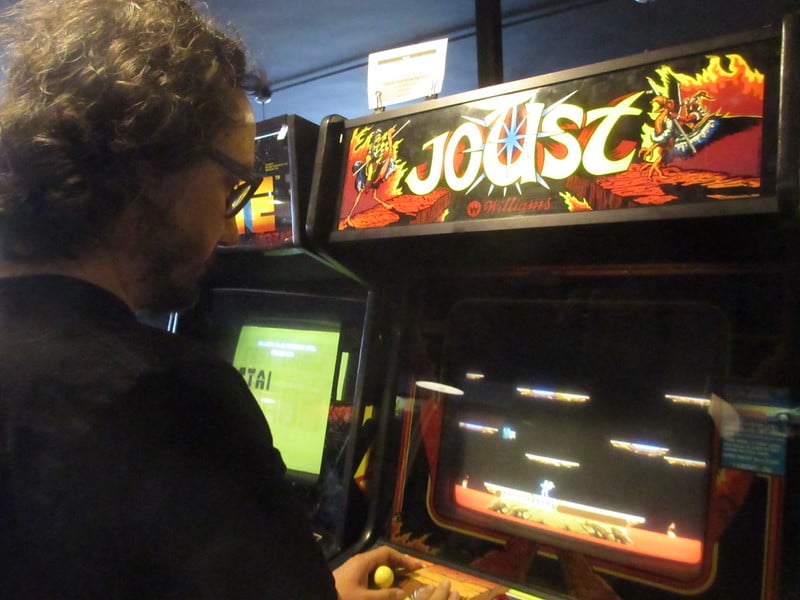
This unique game featured knights riding flying ostriches in aerial combat, creating a gameplay experience unlike anything else in arcades. The physics-based flying mechanics took time to master, making skilled players seem like magicians to newcomers.
The two-player mode allowed for both cooperation and competition, since players could choose to work together or turn on each other at any moment.
Like Go2Tutors’s content? Follow us on MSN.
Asteroids
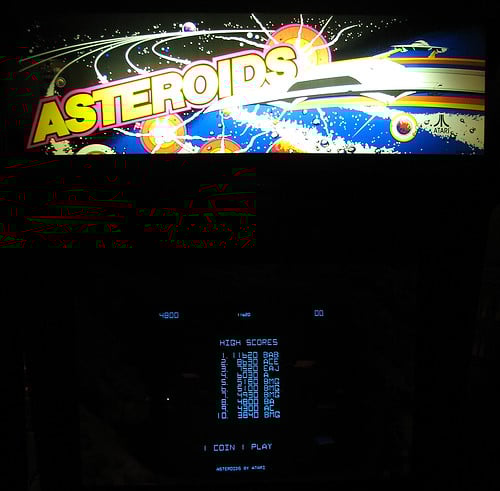
Asteroids challenged players to pilot a small ship through a field of space rocks, using rotation and thrust controls that felt completely different from other arcade games. The vector graphics created a distinctive visual style that made the game instantly recognizable from across the arcade.
The game’s infinite nature meant high scores became the ultimate measure of skill, creating long-term goals that kept players coming back.
When Quarters Ruled the World
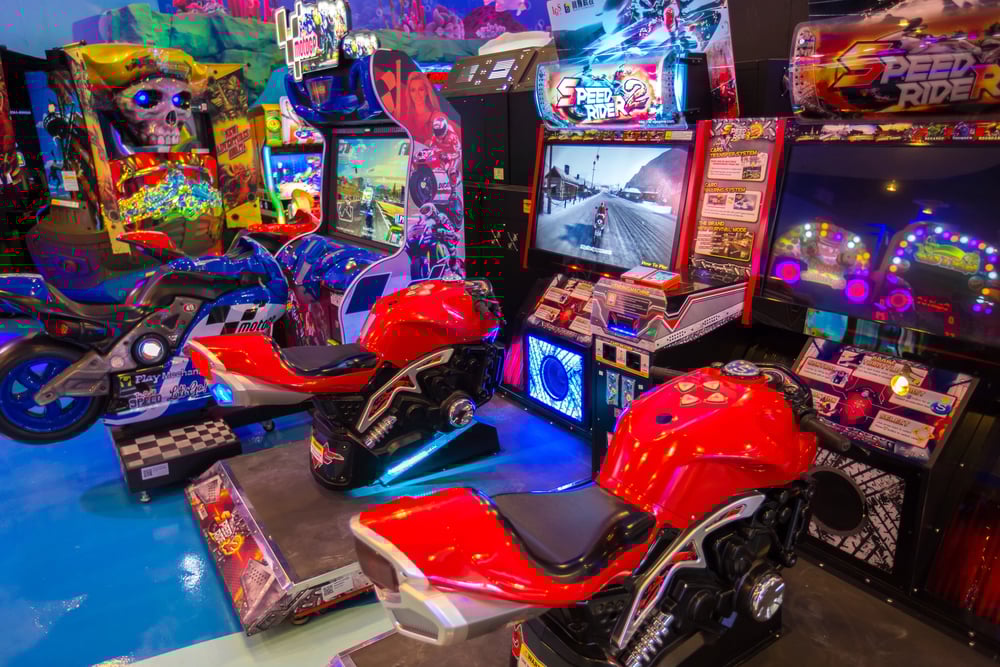
These games represent more than just entertainment. They were the social media of their era, bringing kids together in shared physical spaces where skills were displayed and friendships were formed.
The arcade experience taught an entire generation about fair play, taking turns, and the value of practice and persistence. While modern gaming offers incredible experiences at home, nothing quite matches the communal excitement of a crowded arcade where every victory was public and every defeat was witnessed by your peers.
More from Go2Tutors!

- 16 Historical Figures Who Were Nothing Like You Think
- 12 Things Sold in the 80s That Are Now Illegal
- 15 VHS Tapes That Could Be Worth Thousands
- 17 Historical “What Ifs” That Would Have Changed Everything
- 18 TV Shows That Vanished Without a Finale
Like Go2Tutors’s content? Follow us on MSN.