Food History Facts That Sound Made Up But Aren’t
There’s a certain kind of fact that makes you stop mid-conversation and say “no, that can’t be right.” Food history is full of them. The origin stories behind everyday things — ketchup, sandwiches, chocolate, cereal — are often stranger than anything you could invent.
And yet, every one of them checks out. Here are some of the best.
Ketchup Used to Be Sold as Medicine
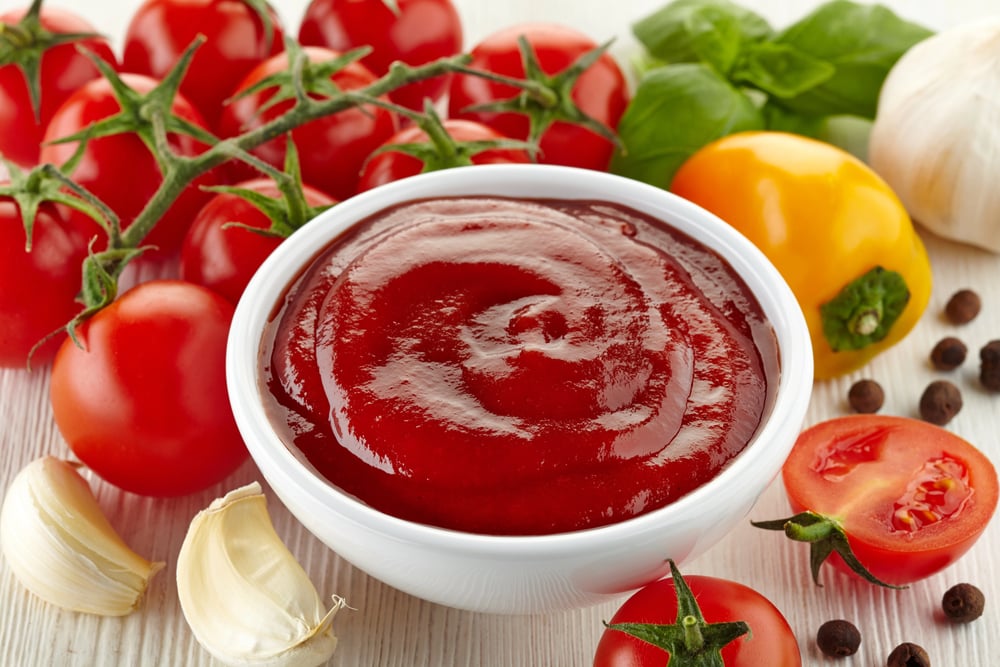
For most of the 1800s, ketchup had nothing to do with fries. It was marketed as a cure for indigestion, liver problems, and diarrhoea.
Dr. John Cook Bennett began promoting tomato-based preparations in the 1830s as a legitimate remedy, and for a while, tomato ketchup was sold in pill form at pharmacies. The condiment version we know today didn’t really take hold until Heinz standardised it in the late 19th century.
The Earl of Sandwich Didn’t Invent the Sandwich
John Montagu, the 4th Earl of Sandwich, gets credit for the sandwich — but he didn’t actually invent it. People had been putting fillings between bread for centuries before him.
What he did do was order his meal that way during a long gambling session in 1762, reportedly so he wouldn’t have to leave the table. His habit caught on with others, and his title ended up attached to the concept forever.
Sometimes being influential is just about timing.
Chocolate Was Bitter and Spicy for Most of Its History
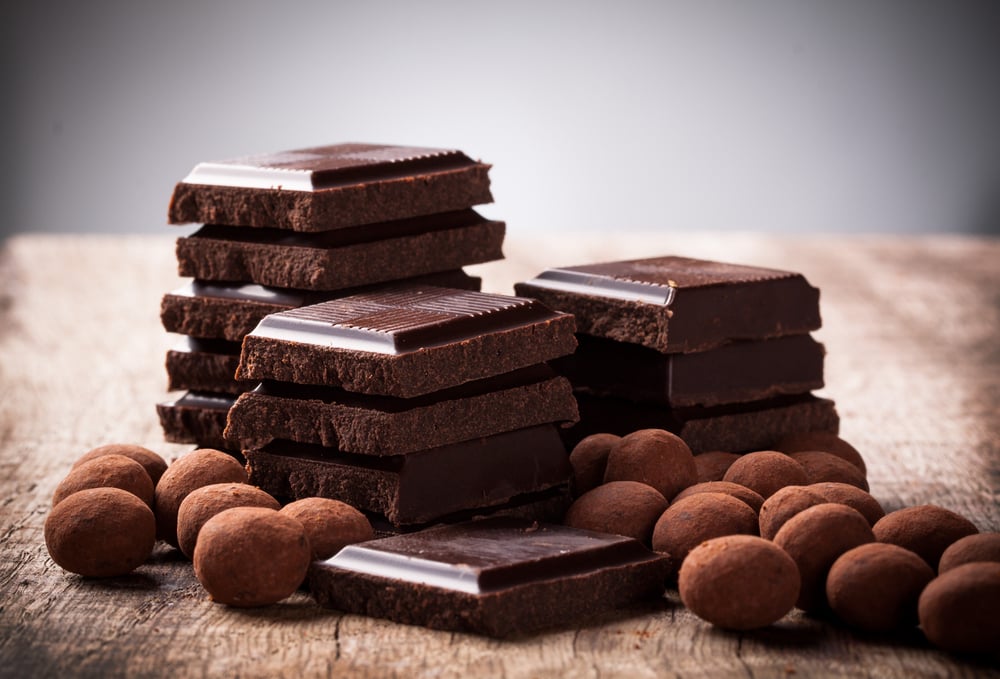
Chocolate as a sweet, creamy treat is a relatively modern idea. The Mayans and Aztecs consumed it as a drink — ground cacao mixed with water, chilli, and spices.
It was bitter, frothy, and considered a drink for warriors and rulers. When it arrived in Europe in the 1500s, sugar was added to make it palatable.
Solid chocolate bars didn’t appear until the mid-1800s. Milk chocolate came even later, pioneered by Daniel Peter in Switzerland in 1875.
Caesar Salad Was Invented During a Prohibition Weekend Rush
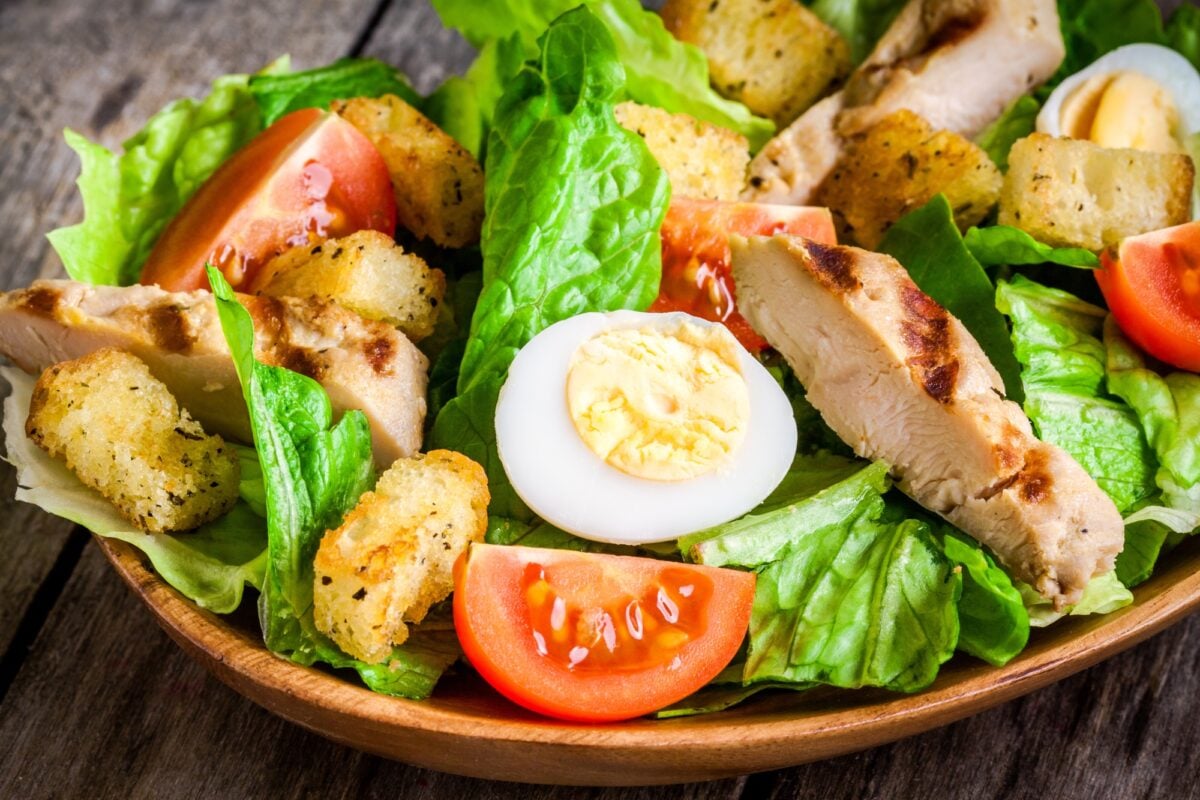
Caesar Cardini, an Italian immigrant running a restaurant in Tijuana, found himself short on supplies one busy Fourth of July weekend in 1924. Working with what he had — romaine lettuce, eggs, Worcestershire sauce, lemon, olive oil, and Parmesan — he threw together a salad tableside.
Customers loved it. The recipe spread, and within a few years Caesar salad had travelled well beyond the border.
Julia Child later recalled eating it as a child and said it was one of her great food memories.
Lobster Was Once Considered Poverty Food
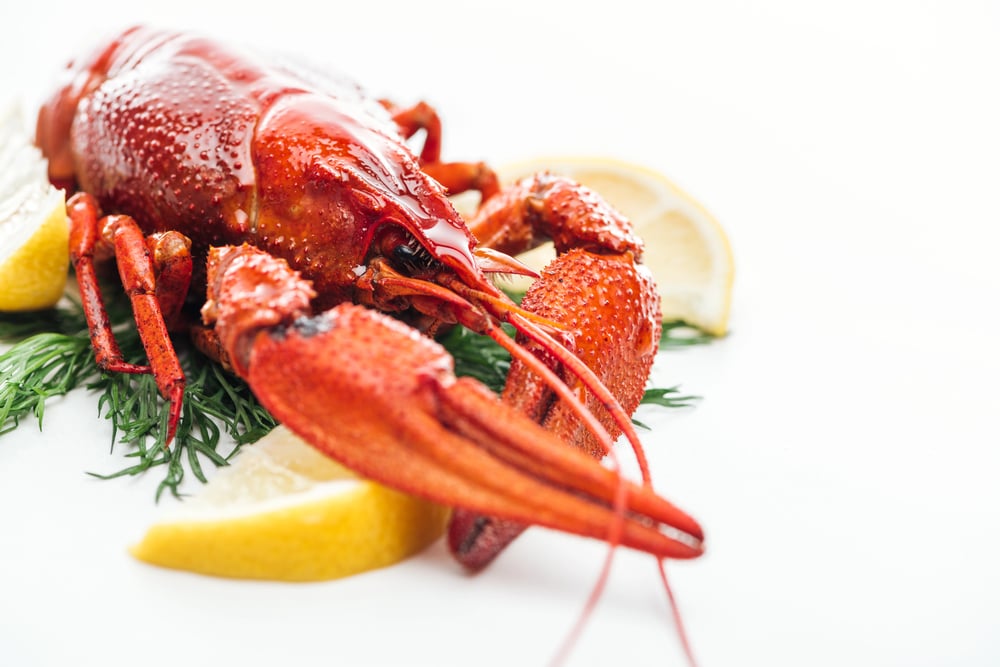
In colonial America, lobster was so abundant it washed up on beaches in piles. It was fed to prisoners, servants, and apprentices so often that some reportedly negotiated contracts limiting how frequently they could be made to eat it.
For most of its history in North America, lobster was poor people’s food. The shift happened in the mid-1800s when railways expanded and fresh lobster could be shipped inland.
People in cities who’d never seen the coast had no idea it had a reputation as trash food — they just tasted it fresh and thought it was delicious. The rest is pricing history.
Ice Cream Cones Were Born Out of Necessity at a World’s Fair

The 1904 St. Louis World’s Fair is where the ice cream cone first showed up — at least in the popular version of events. An ice cream vendor ran out of dishes and a nearby waffle vendor rolled his product into a cone shape to help out.
The practical fix became a sensation. Multiple people claim credit for the invention, and the exact story is disputed, but the fair is where the cone first caught public attention and went from novelty to staple almost overnight.
Worcestershire Sauce Was an Accident Left in a Cellar
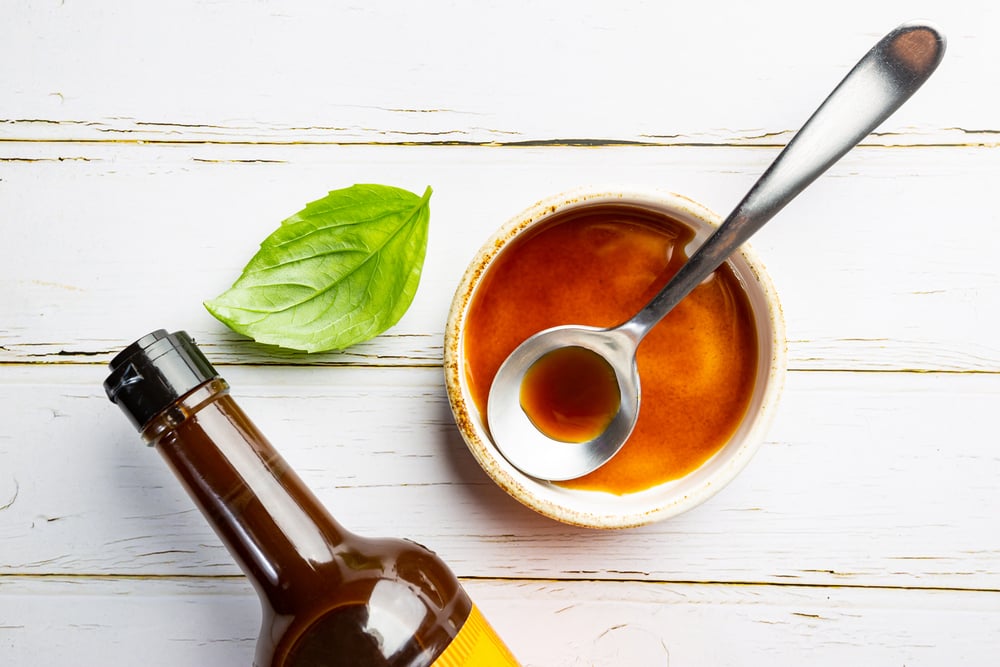
John Wheeley Lea and William Perrins, a pair of pharmacists in Worcester, England, were hired in the 1830s to replicate a sauce a former Bengal governor had brought back from India. Their first attempt smelled terrible and tasted worse.
They stuck it in the cellar and forgot about it. A year or two later, someone opened a barrel to throw it out — and found it had aged into something extraordinary.
They bottled it, sold it, and never looked back. The original recipe has never been fully disclosed.
Ancient Romans Used a Fermented Fish Sauce on Everything
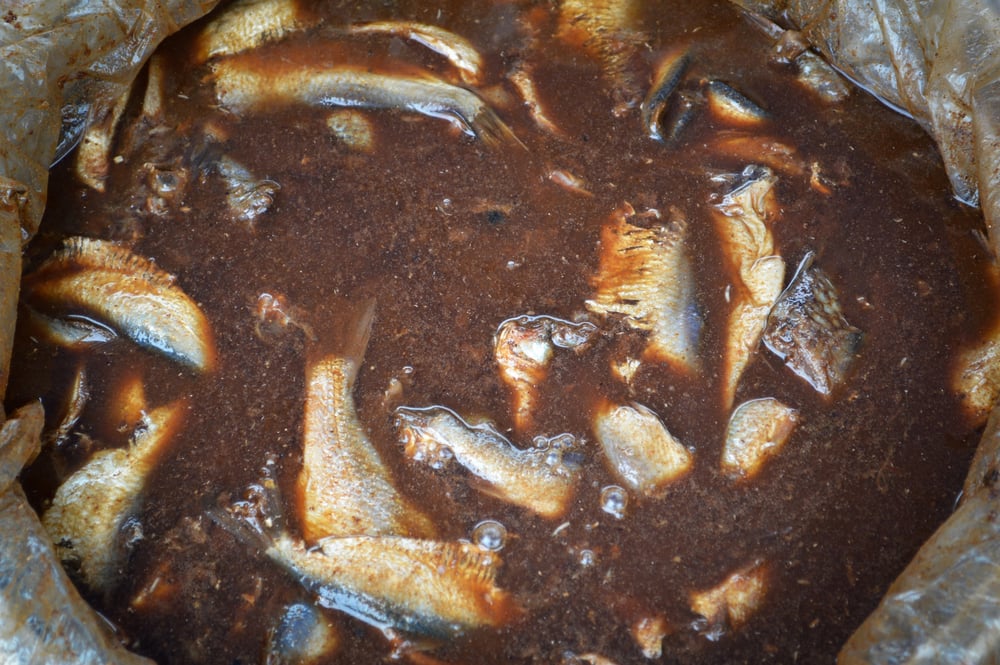
Before ketchup, before soy sauce, there was garum — and Romans were obsessed with it. Made by fermenting fish guts and salt in large vats under the Mediterranean sun, garum was the Roman equivalent of a universal seasoning.
It went on vegetables, meat, fruit, and into wine. It was produced on an industrial scale, traded across the empire, and priced based on quality.
The expensive stuff came from Spain and was considered a luxury product. If you’ve ever used fish sauce in a Thai recipe, you’re doing something that would have been completely familiar to a Roman legionnaire.
Pineapple on Pizza Was Invented in Canada
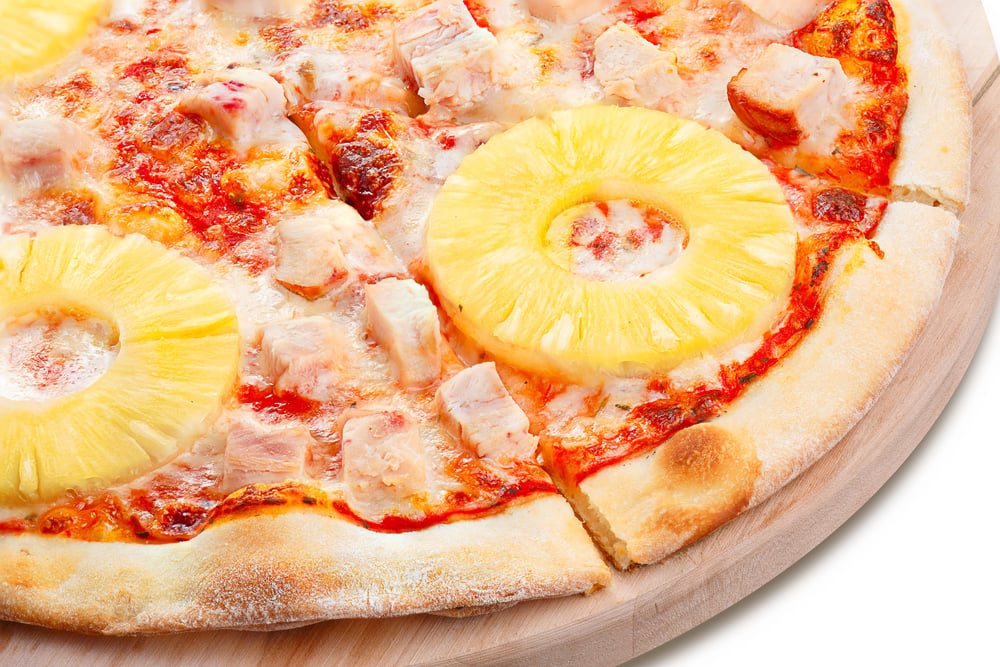
The most controversial pizza topping in history didn’t come from Italy. Sam Panopoulos, a Greek-born restaurateur in Ontario, Canada, put canned pineapple on a pizza in 1962, partly out of curiosity and partly inspired by Chinese-Canadian dishes that mixed sweet and savoury.
He had no idea it would become a cultural flashpoint. Panopoulos said in later interviews that he found the reaction to his pizza both baffling and entertaining.
He died in 2017, apparently at peace with what he’d started.
The Potato Chip Was Invented as an Act of Spite
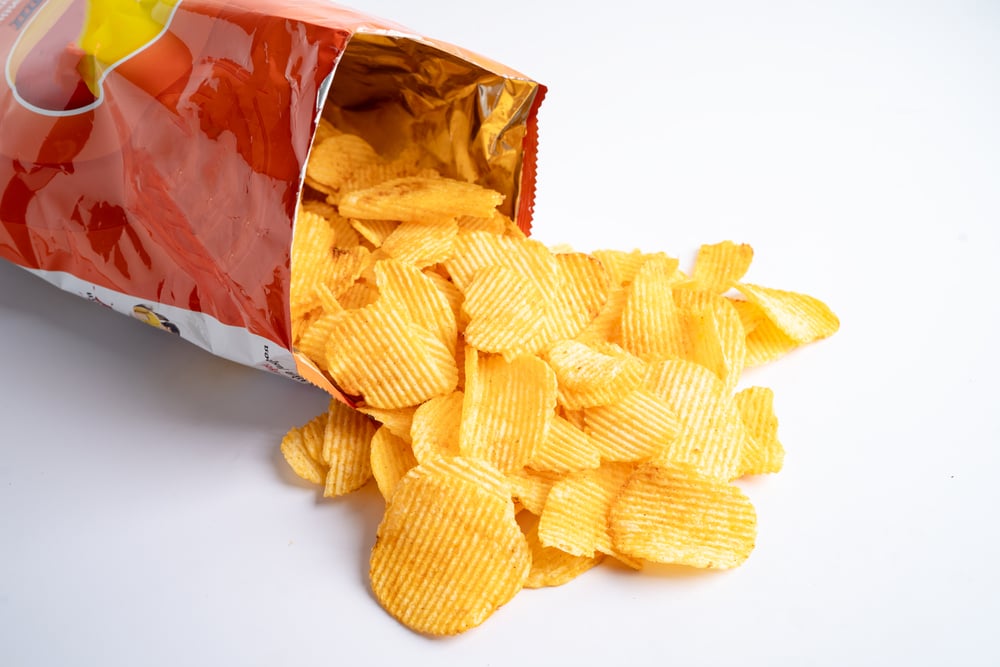
The most repeated story — and it may be at least partly true — is that the potato chip was created in 1853 by George Crum, a chef at Moon’s Lake House in Saratoga Springs, New York. A customer kept sending back his fried potatoes, complaining they were too thick.
Crum, fed up, sliced them paper-thin, fried them until crispy, and loaded them with salt, expecting the customer to hate them. Instead, the customer loved them.
Thin, crispy “Saratoga chips” became a house specialty. Historians debate some of the details, but Crum was a real chef, the restaurant was real, and the chips did become famous.
Coca-Cola Originally Contained Cocaine
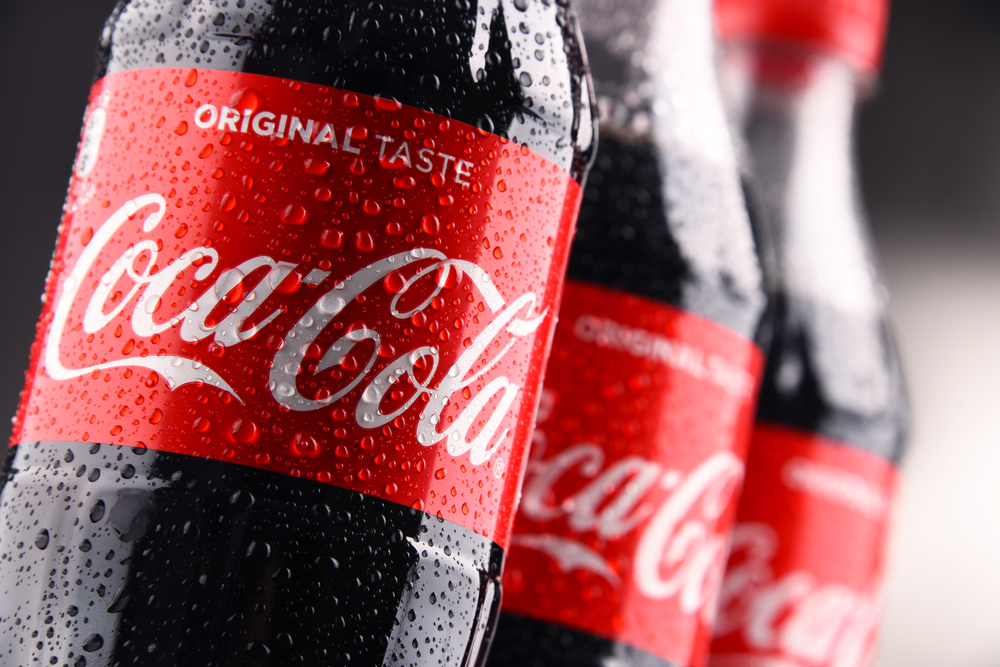
This one sounds like an urban myth but it’s straightforward history. When John Pemberton created Coca-Cola in 1886, it contained cocaine from coca leaves — a then-legal and widely used substance. It was also marketed as a health tonic.
The cocaine was removed from the formula around 1903, under growing pressure from reformers and changing attitudes. The company still uses decocainised coca leaf extract for flavouring, and the name “Coca” remains.
Bread Was a Trendy Restaurant Item Before It Was a Staple
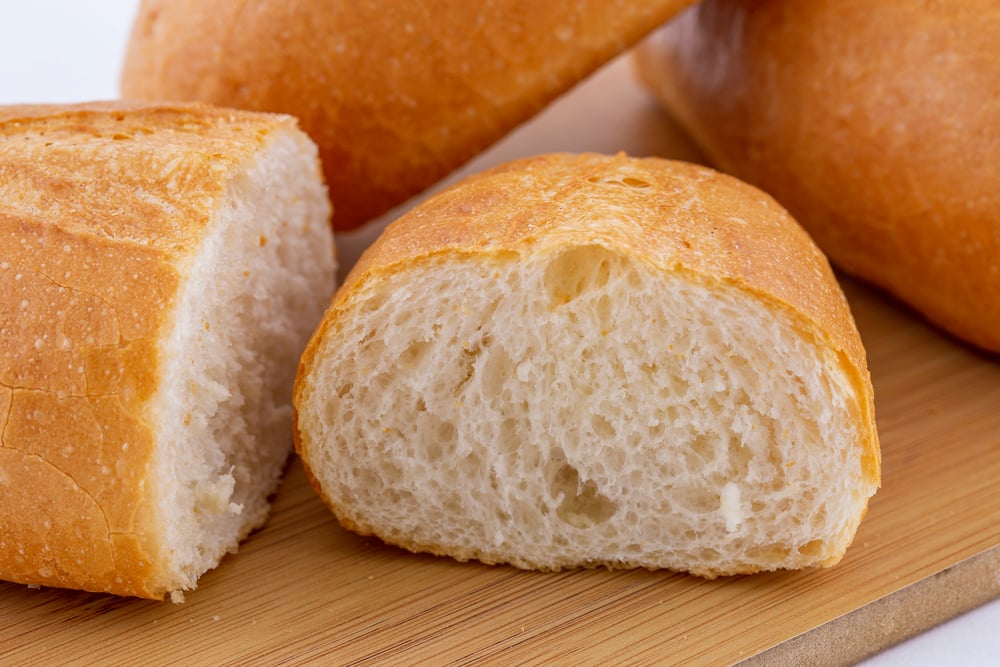
For most of ancient history, grain was consumed as porridge or gruel. Baked bread — especially leavened bread — required skill, equipment, and decent grain. In ancient Egypt, bread and beer were foundational foods and also forms of currency.
But in many other early civilisations, bread was something you had to go to a specialist to get. The Romans had professional bakers (pistores) and public bakeries long before domestic bread-making was common.
Bread as a daily home staple across all classes only became universal much later.
Champagne Wasn’t Invented by Dom Pérignon

Dom Pérignon is famously credited with inventing Champagne, to the point where a premium brand bears his name. The actual history is murkier.
Sparkling wine was already being produced in France before Pérignon’s time, and English winemakers were bottling bubbly wine in stronger glass even earlier. What Dom Pérignon did do was improve blending techniques and work on stoppers, which helped with consistency.
The invention story grew over time and became lore. Pérignon himself reportedly said upon tasting sparkling wine: “Come quickly, I am drinking the stars.” There’s no evidence he ever said that either.
Margarine Was Originally Coloured Pink to Make It Unappealing
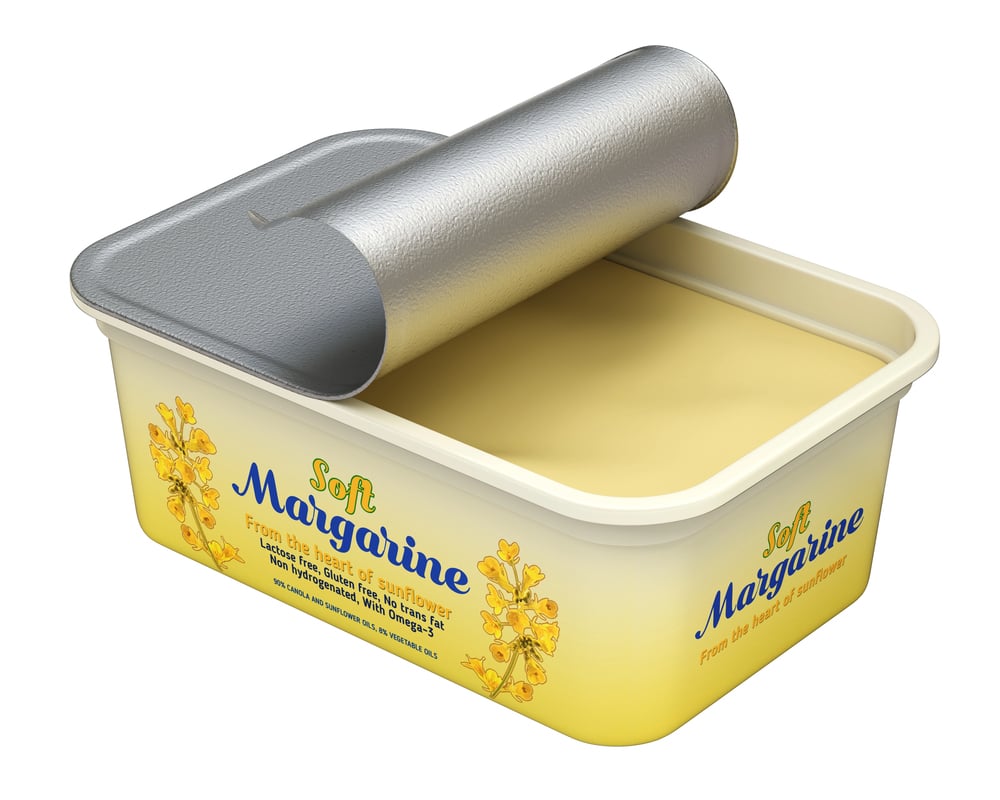
The dairy industry in the United States fought margarine with everything it had. One strategy that actually worked for a while was lobbying for laws requiring margarine to be dyed pink or black — so no one could mistake it for butter.
Several states passed such laws in the late 1800s. Wisconsin was the last to repeal its anti-margarine laws, doing so in 1967.
The dairy lobby also successfully pushed for laws in some states requiring margarine to be sold with separate colour packets, so consumers had to mix in the yellow colouring themselves rather than buying it pre-tinted.
The Word “Breakfast” Tells You Exactly What It Is
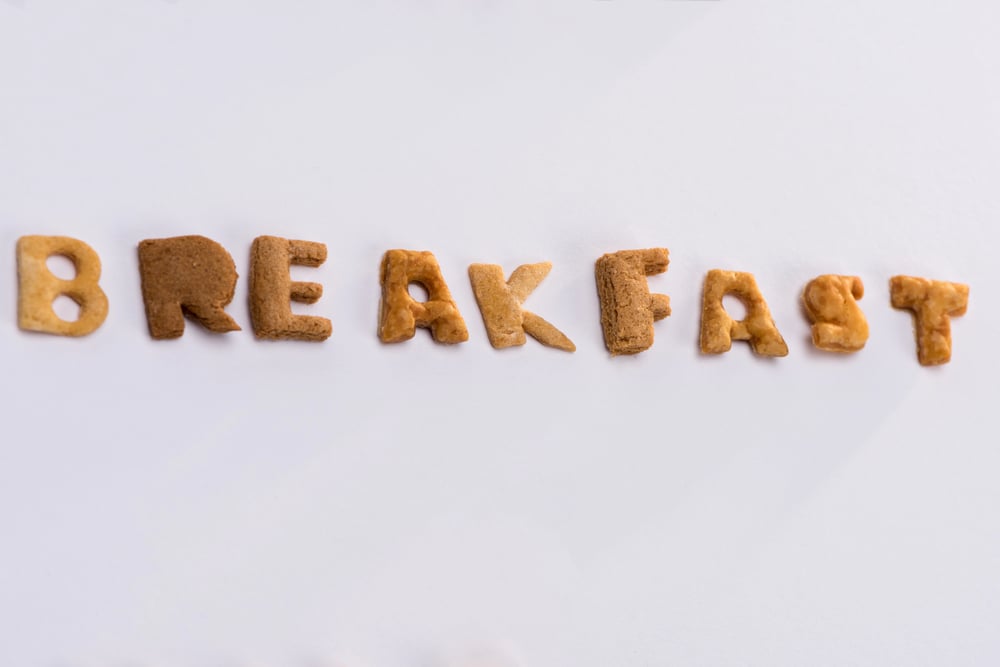
Breakfast is the meal that breaks your overnight fast. Old English and Middle English both used the word in that literal sense.
The meal itself, though, has looked completely different across time and cultures. Ancient Romans didn’t really eat breakfast at all — their first meal was around noon.
In medieval Europe, eating in the morning was sometimes considered gluttonous. The idea of breakfast as a full, important daily meal — especially a cooked one — is a relatively recent construction, pushed along considerably by cereal companies in the late 19th and early 20th centuries, who had a product to sell.
Where All of This Leaves You

Peanut butter? Not always a kitchen staple. What feels timeless usually starts small, tucked inside some cook’s mistake or moment of frustration.
Tomato sauce once cured illnesses, believe it or not. Shellfish fed prisoners before dinner parties claimed them.
That bubbly drink is tied to celebrations? Its backstory stretches more than its taste.
Most flavors people treat as tradition began as accidents of luck. This doesn’t change how the food tastes at all.
Still, finding out about it adds something quiet to each bite – as if meals carry old stories that never show up on porcelain.
More from Go2Tutors!

- The Romanov Crown Jewels and Their Tragic Fate
- 13 Historical Mysteries That Science Still Can’t Solve
- Famous Hoaxes That Fooled the World for Years
- 15 Child Stars with Tragic Adult Lives
- 16 Famous Jewelry Pieces in History
Like Go2Tutors’s content? Follow us on MSN.