18 Famous Underwater Wrecks and Treasures
Beneath the surface of our oceans lie stories lost to time—ships swallowed by the sea, carrying fortunes and fragments of lives once lived. Some have yielded their secrets to divers and archaeologists, while others remain silent beneath the waves, still clinging to their hidden riches.
Here are 18 of the most legendary underwater wrecks and treasures that continue to captivate the world’s imagination.
RMS Titanic
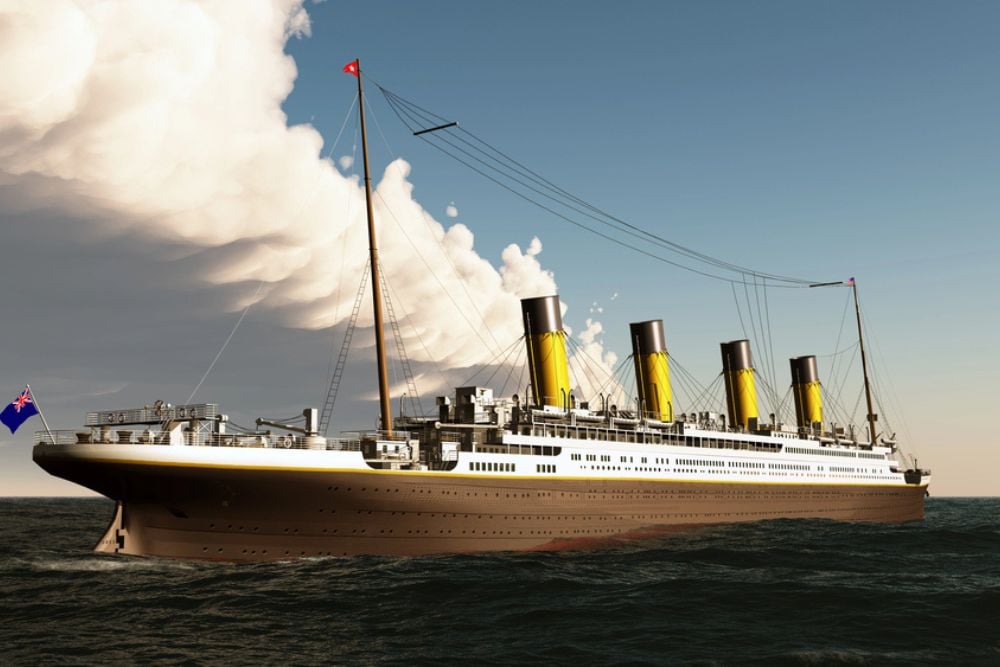
Few shipwrecks are as iconic as the Titanic. Resting roughly 12,500 feet down in the icy North Atlantic, it met its fate after striking an iceberg on April 15, 1912. While it wasn’t a treasure ship in the traditional sense, the personal belongings found within—fine china, handwritten letters, and elegant jewelry—are irreplaceable pieces of history.
Strangely, leather shoes tend to survive better than other items down there, thanks to chemicals in the tanning process that deter sea life.
Nuestra Señora de Atocha
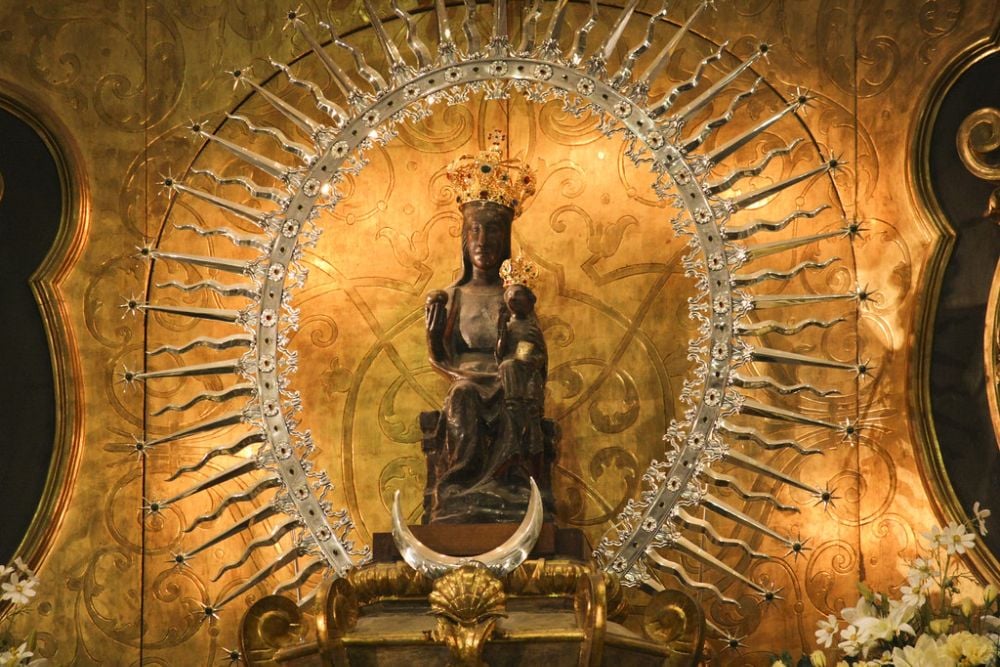
Caught in a 1622 hurricane off the Florida coast, this Spanish treasure galleon took with it about 40 tons of silver and gold. It took Mel Fisher 16 relentless years of searching before he found it in 1985.
The haul was staggering: silver bars, gold chains, emeralds—including one cross said to be worth over half a million dollars.
USS Arizona
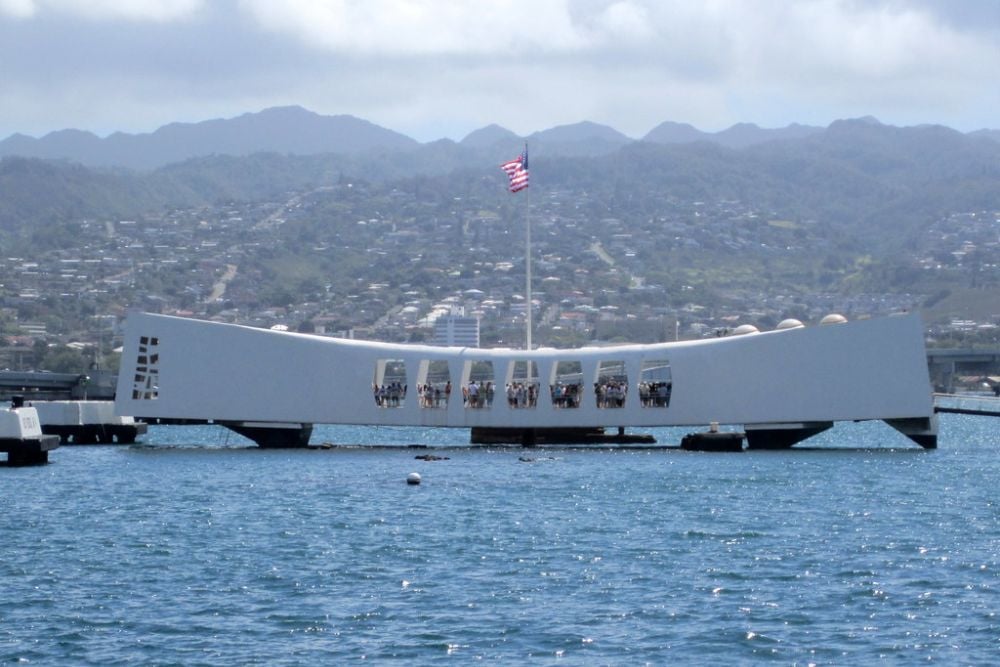
Resting in only 40 feet of water at Pearl Harbor, the USS Arizona isn’t about gold—it’s about memory. Over 1,100 sailors remain entombed inside.
Oil still leaks slowly from the wreck, forming slicks locals call the “black tears.” A powerful underwater memorial, the Arizona is largely left untouched out of respect.
Black Swan treasure
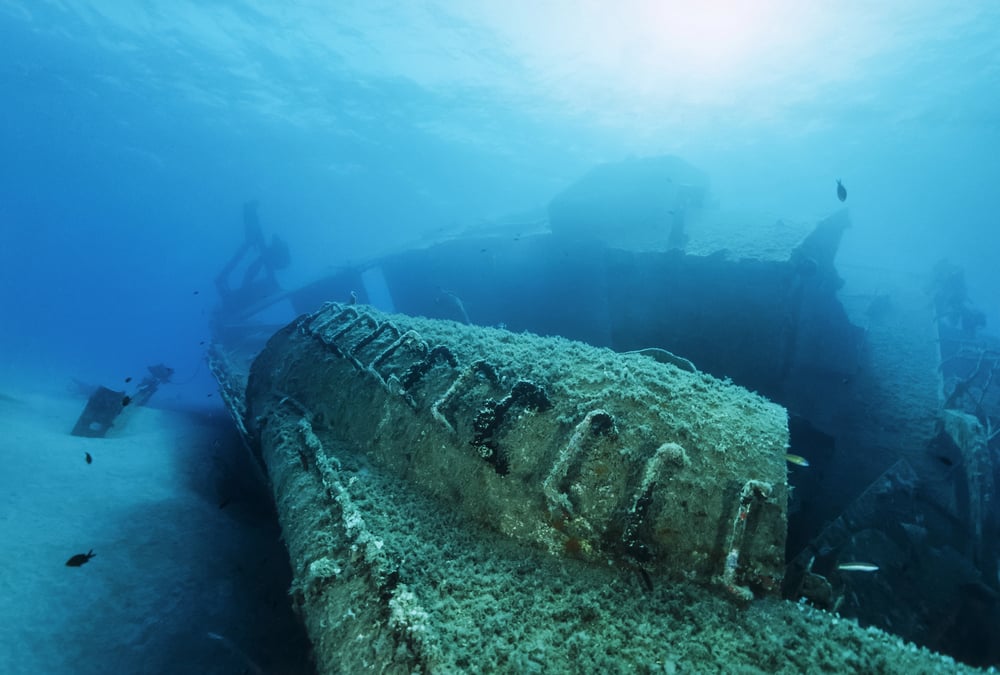
In 2007, a mysterious wreck was discovered—its exact identity unknown. Dubbed the “Black Swan,” it contained over 500,000 silver coins and other artifacts, valued at nearly $500 million.
The discovery sparked a major legal battle when Spain claimed the treasure belonged to their lost frigate Nuestra Señora de las Mercedes. After years in court, Spain won—and the finders lost everything.
Mary Rose
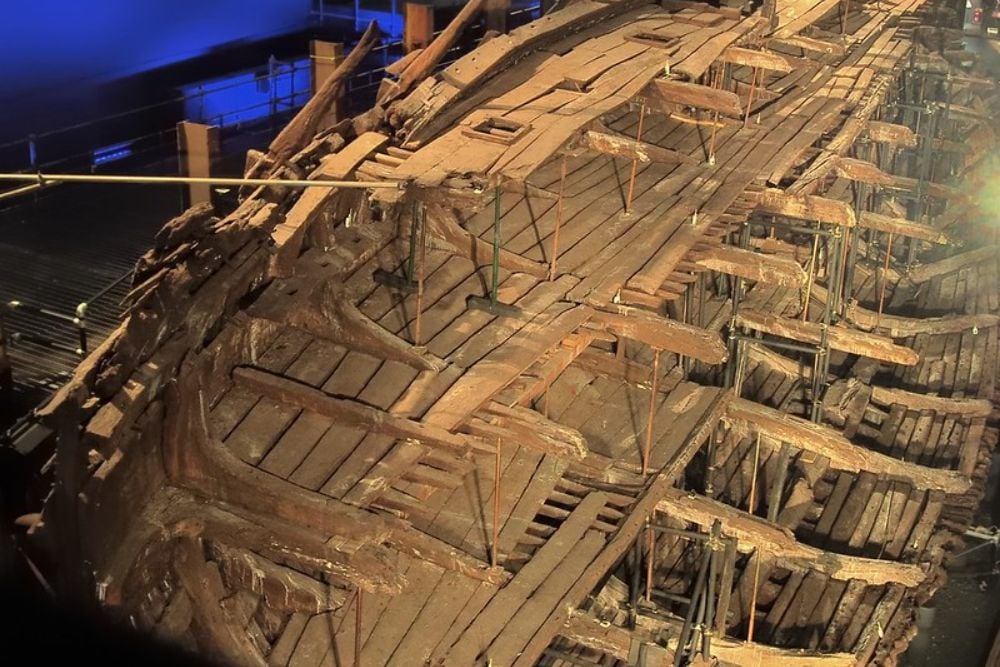
This Tudor warship sank in 1545 during a battle against the French, taking around 400 men with it. Buried in silt for centuries, it was finally raised in 1982. The items recovered gave historians an incredible peek into 16th-century naval life—musical instruments, weapons, even board games.
They even found the ship’s dog.
Vasa
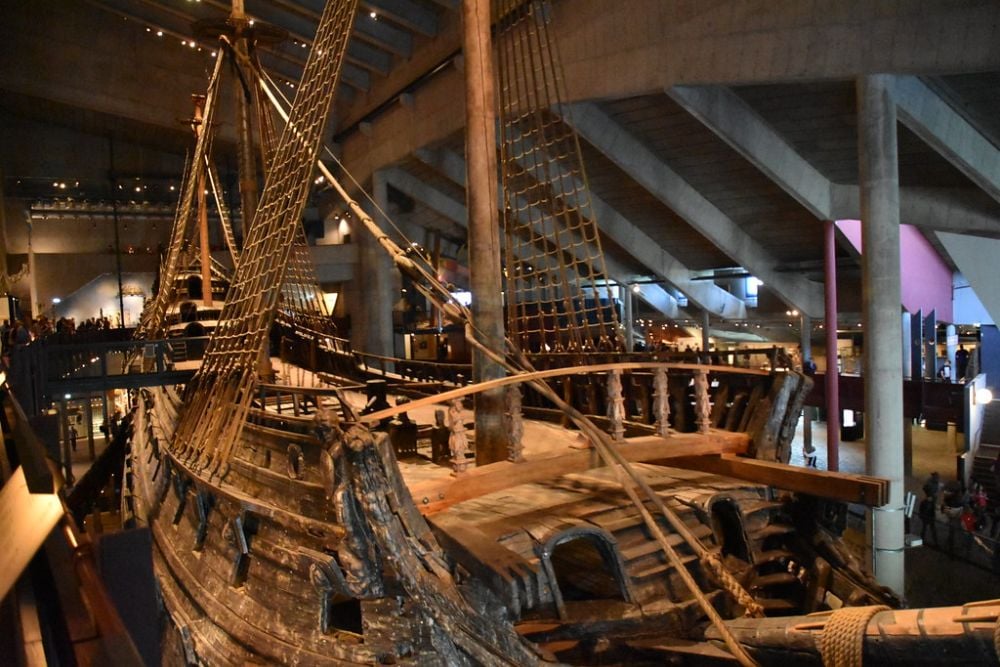
In 1628, this elaborately built Swedish warship sank within minutes of launching, right in front of a watching crowd. It was too top-heavy, poorly engineered. Fortunately, the Baltic Sea’s cold, low-salinity water preserved it remarkably well.
When raised in 1961, the ship was found to be almost entirely intact. Today, it’s the centerpiece of its own museum in Stockholm.
SS Central America
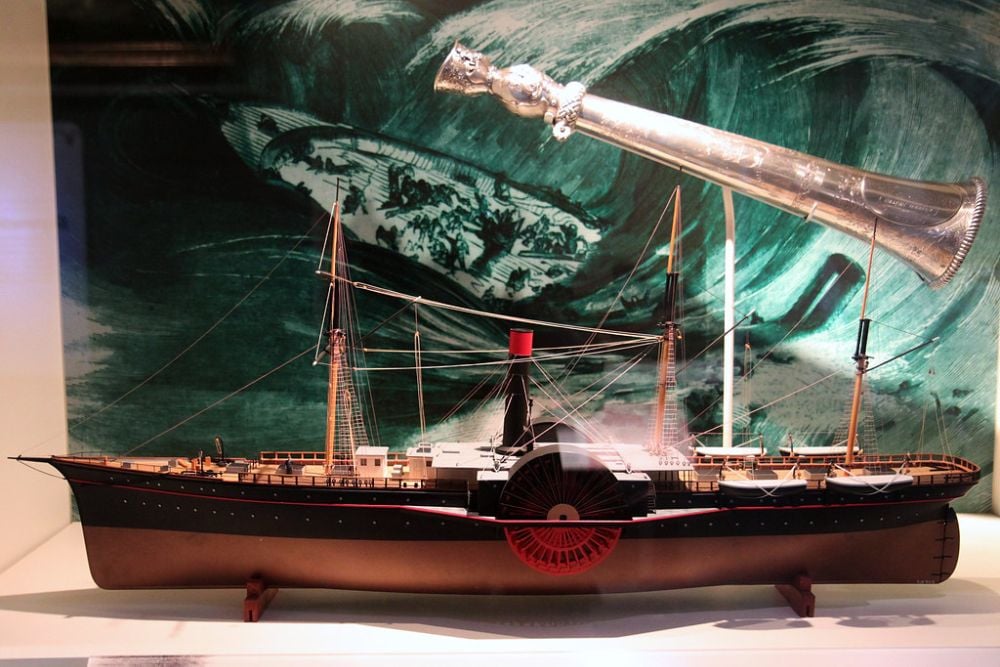
Nicknamed the “Ship of Gold,” this side-wheel steamer sank in 1857 while transporting wealth from the California Gold Rush. About 30,000 pounds of gold vanished beneath the waves.
When treasure hunters finally found the wreck in the 1980s, they uncovered an astonishing bounty. Lawsuits quickly followed—and the legal battles continue to this day.
Antikythera wreck
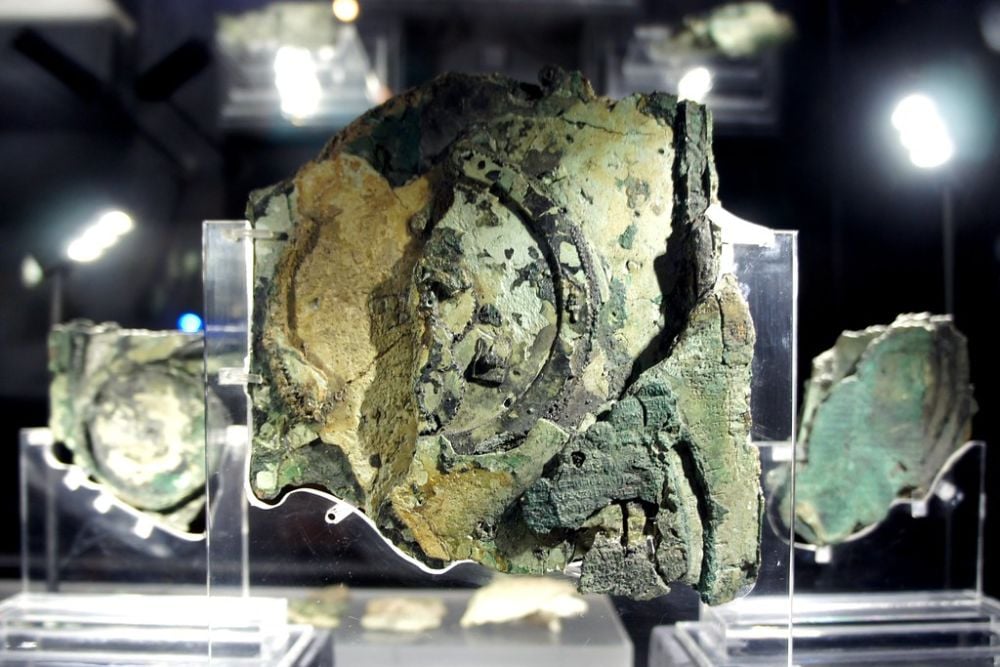
Over 2,000 years old, this ancient Greek shipwreck off the island of Antikythera was packed with luxury goods—sculptures, jewelry, and more. But its most astonishing find?
A device now known as the Antikythera mechanism—an ancient, gear-driven “computer” capable of predicting astronomical events. Even now, new discoveries keep emerging from this time capsule of the ancient world.
Belitung shipwreck
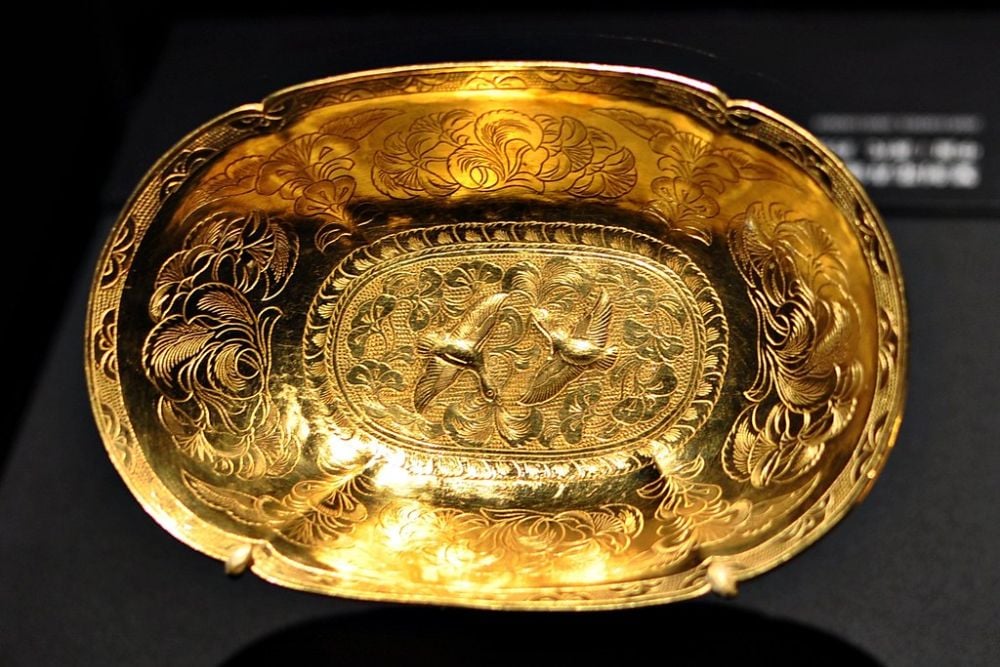
Discovered in 1998 near Indonesia, this 9th-century Arab dhow was filled with more than 60,000 pieces of Chinese ceramics, as well as gold, silver, and spices. A glimpse into the bustling maritime Silk Road, the wreck proves how interconnected the world was over a thousand years ago—and how refined the art of trade had already become.
RMS Lusitania
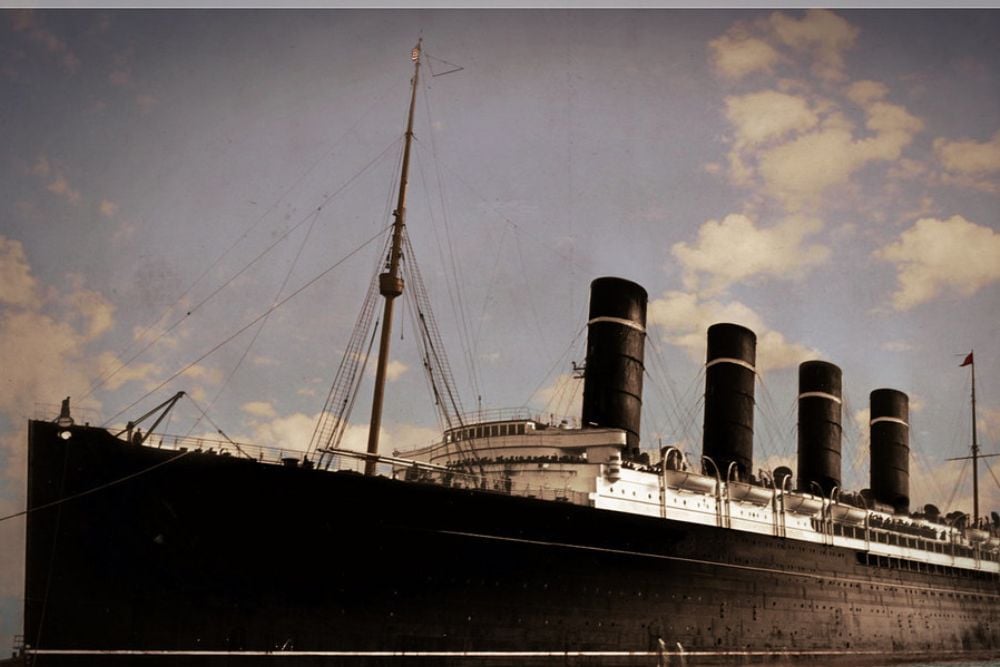
When a German U-boat torpedoed this British liner in 1915, nearly 1,200 lives were lost. The ship now rests in about 300 feet of water off the Irish coast. While the wreck has decayed over time, divers have recovered items such as portholes and the ship’s telegraph.
Persistent rumors claim she was secretly carrying war materials—fueling debates to this day.
Uluburun shipwreck
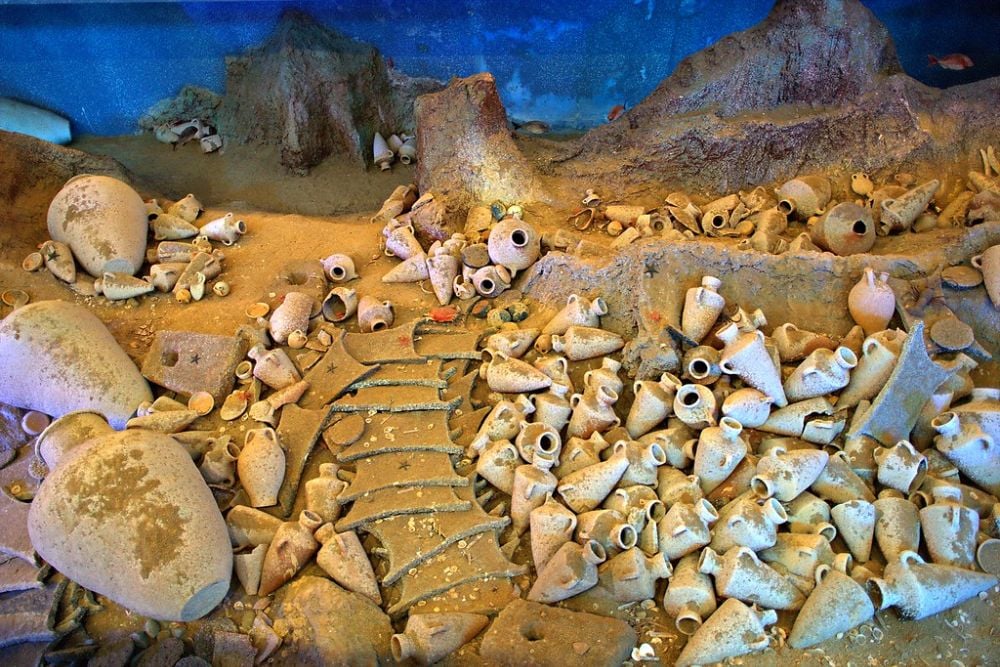
Sitting off the Turkish coast, this Bronze Age shipwreck dates back more than 3,000 years. It carried a remarkable mix of cargo—copper, tin, ivory, amber, and gold—originating from multiple cultures.
The Uluburun offers rare evidence of just how extensive and advanced ancient Mediterranean trade routes really were.
San José galleon
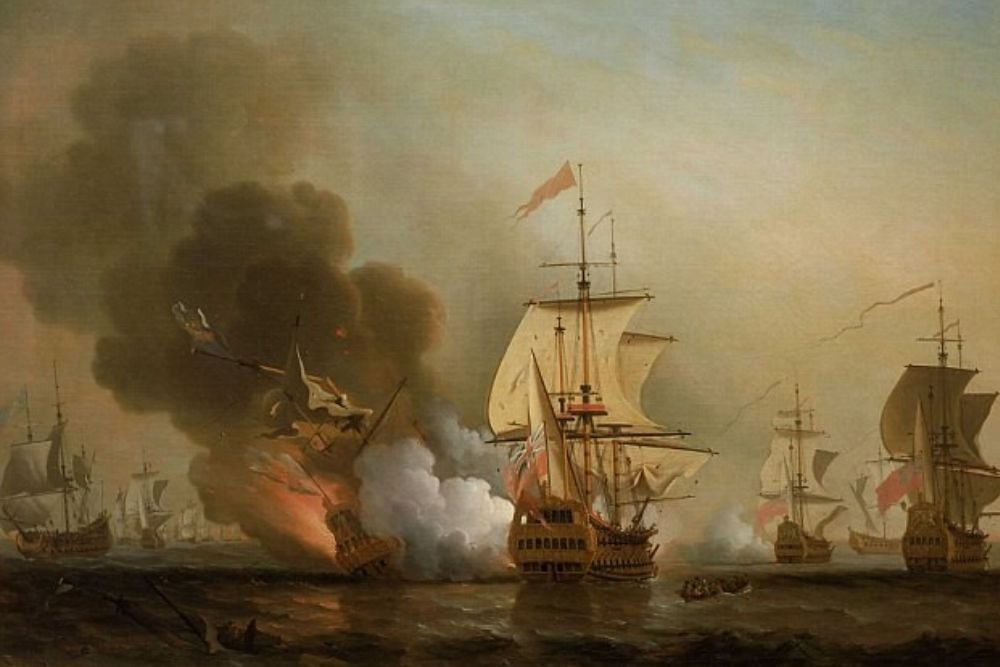
Often dubbed the “Holy Grail of Shipwrecks,” the San José went down in 1708 near Colombia, taking with it a fortune in gold, silver, and emeralds—reportedly worth around $17 billion today. Rediscovered in 2015, the wreck has since been the focus of heated ownership disputes between Colombia, Spain, and others.
The treasure, for now, remains untouched.
SS Republic
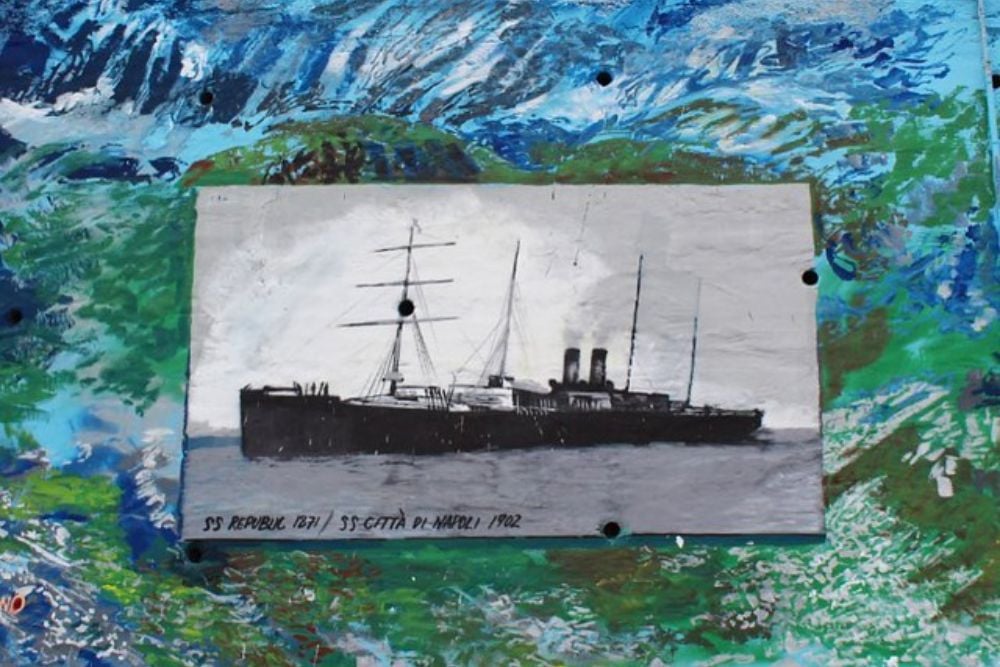
Lost to a hurricane in 1865, this post-Civil War steamship was carrying passengers and coin shipments from New York to New Orleans. Found in 2003 at a depth of 1,700 feet, the wreck yielded over 51,000 coins and 14,000 artifacts—offering a vivid look into 19th-century American life.
Dokos wreck
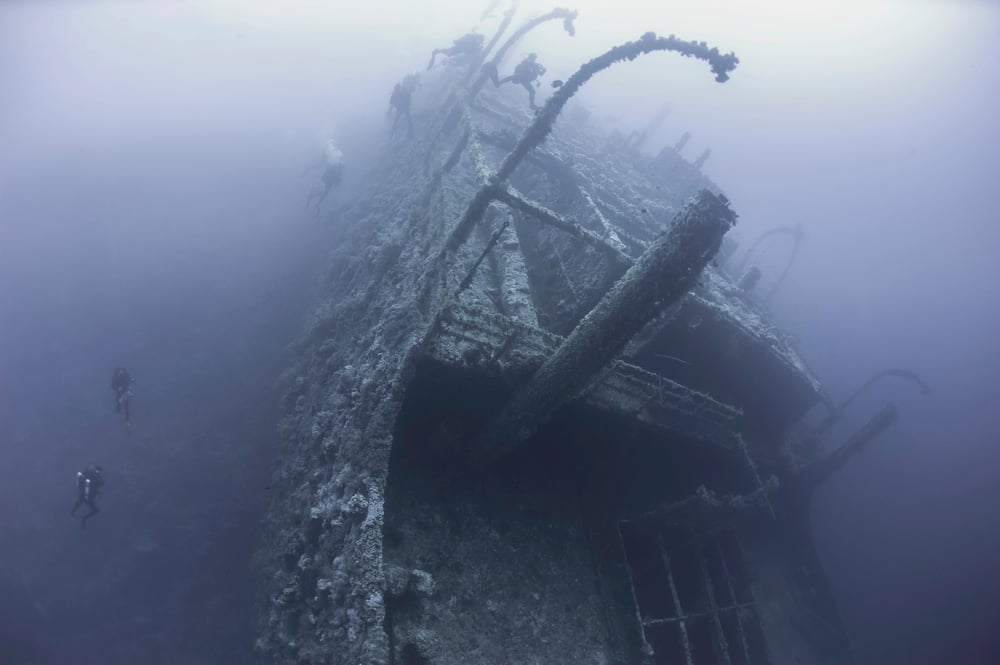
Believed to be the oldest known shipwreck, the Dokos dates back more than 4,600 years. Located in the Aegean Sea, no wood remains—only pottery and stone anchors.
But those humble clay jars reveal early maritime trade at a time when few believed such journeys were even possible.
Mercedes wreck

In 1804, during peacetime, British forces attacked and sank this Spanish frigate. Onboard were about 600,000 silver coins and various artifacts. Treasure hunters recovered them in 2007—but Spain filed suit, arguing that sunken naval vessels are sovereign property.
They won the case, and the coins were returned.
Esmeralda
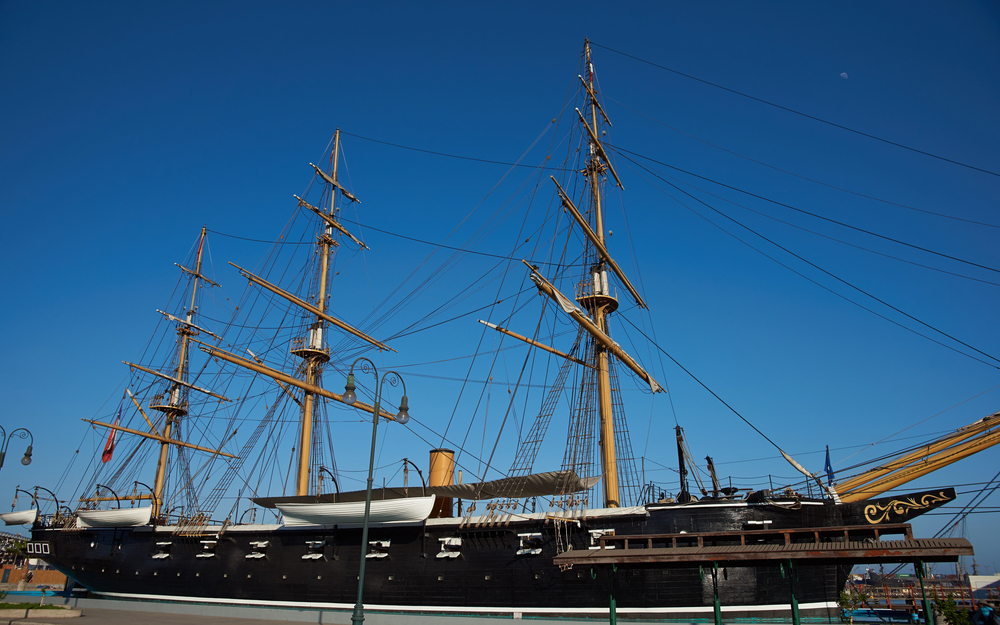
Part of Vasco da Gama’s expedition, the Esmeralda sank off Oman in the early 1500s. Commanded by Vasco’s uncle, this wreck is one of the oldest European shipwrecks in the Indian Ocean.
Artifacts such as cannons, coins, and a ship’s bell confirmed its identity and provided crucial insight into early Portuguese exploration.
HMS Sussex
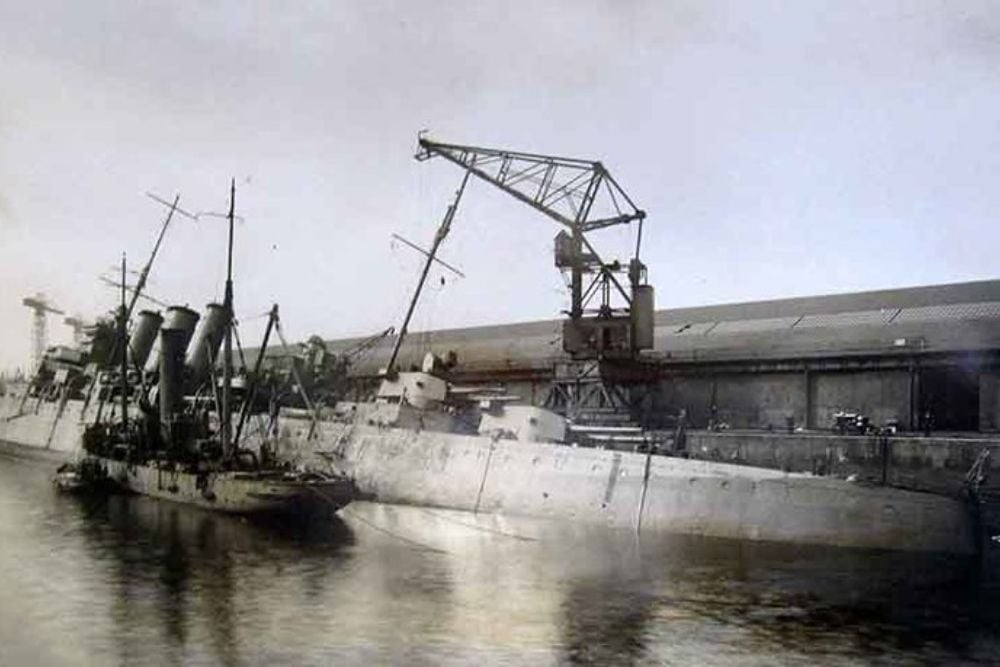
An English warship lost in 1694 near Gibraltar, the HMS Sussex was believed to be carrying roughly 10 tons of gold intended to sway Spanish politics. The deep-water wreck has attracted both archaeologists and treasure seekers.
Despite decades of effort, the gold remains elusive—and the wreck, largely undisturbed.
Port Royal
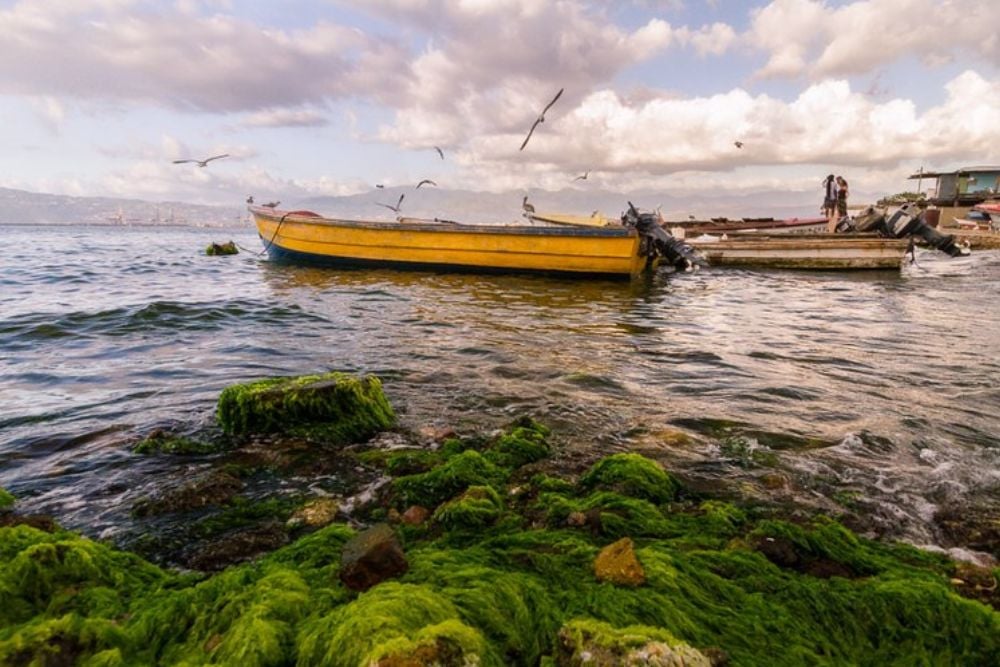
In 1692, an earthquake sent much of the pirate haven of Port Royal, Jamaica, straight into the sea. More than just a shipwreck, it’s an entire city beneath the water.
Excavations have uncovered buildings, personal items, and ship debris—all preserved in a unique underwater snapshot of 17th-century Caribbean life.
The stories that endure
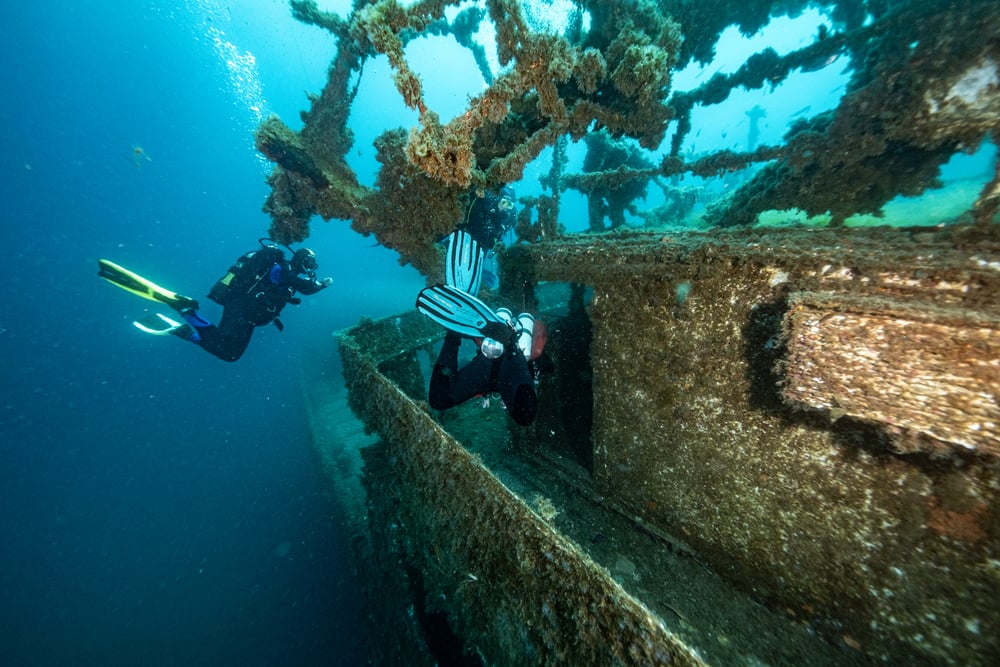
Every one of these wrecks tells a human story—of ambition, tragedy, exploration, and loss. Some carried fortunes; others held memories. While the lure of gold draws headlines, the true value lies in the window each wreck provides into the past.
And as technology evolves, the sea continues to yield new secrets—while keeping many more locked in silence.
More from Go2Tutors!

- The Romanov Crown Jewels and Their Tragic Fate
- 13 Historical Mysteries That Science Still Can’t Solve
- Famous Hoaxes That Fooled the World for Years
- 15 Child Stars with Tragic Adult Lives
- 16 Famous Jewelry Pieces in History
Like Go2Tutors’s content? Follow us on MSN.



